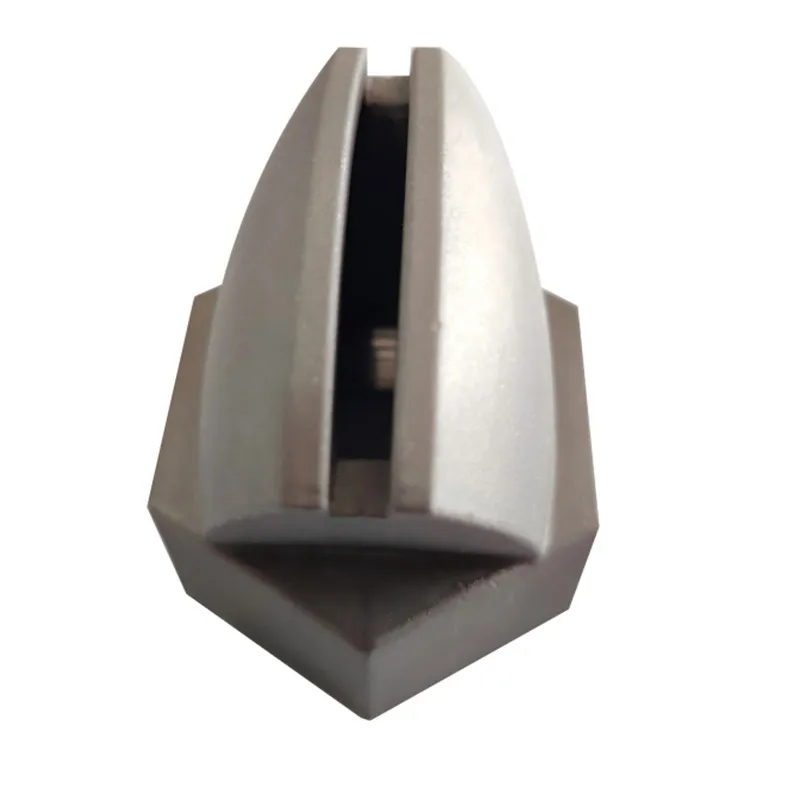
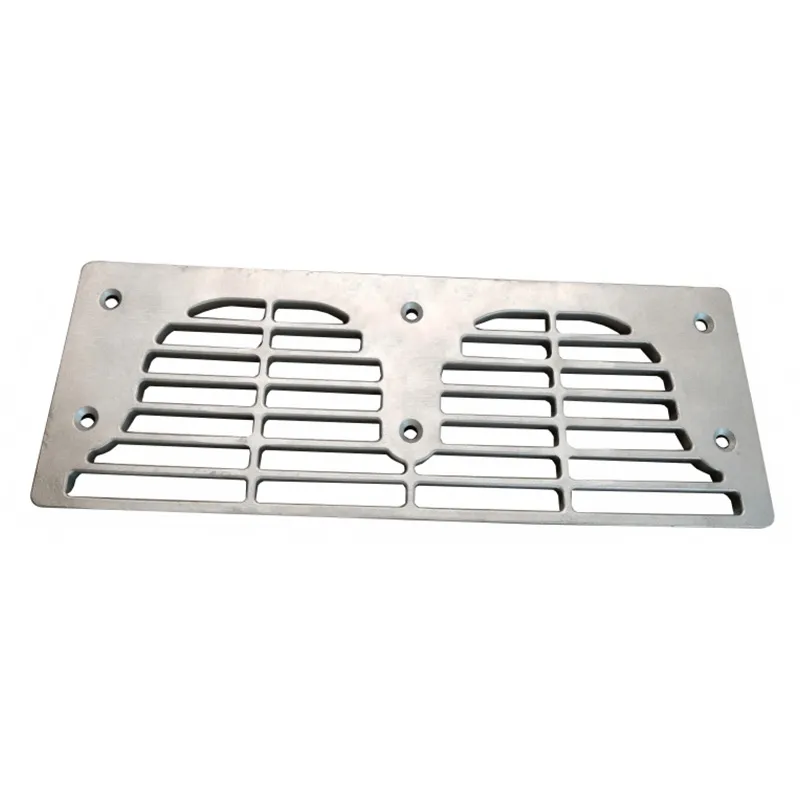
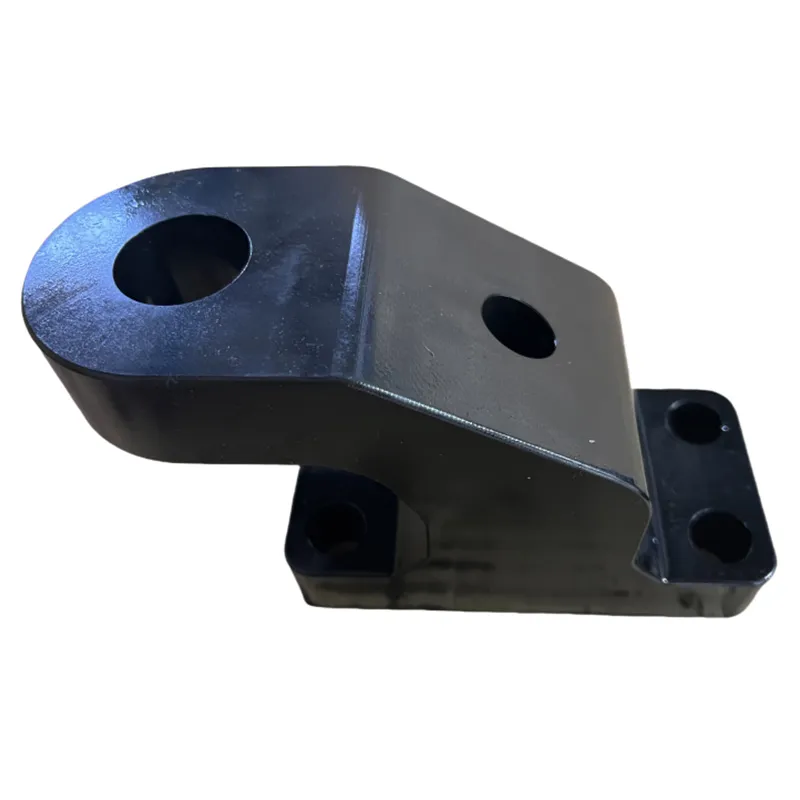
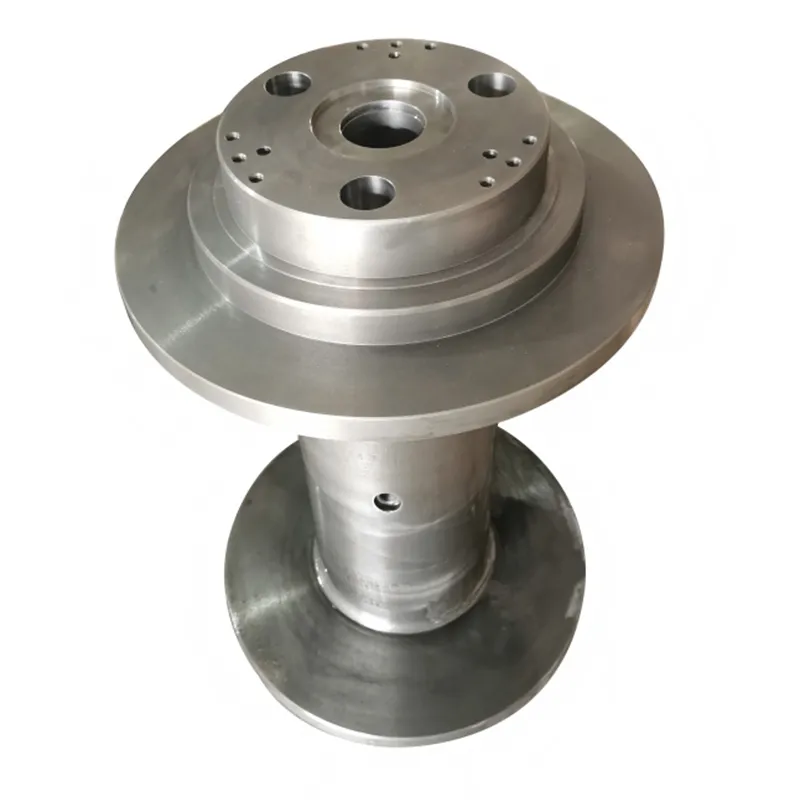
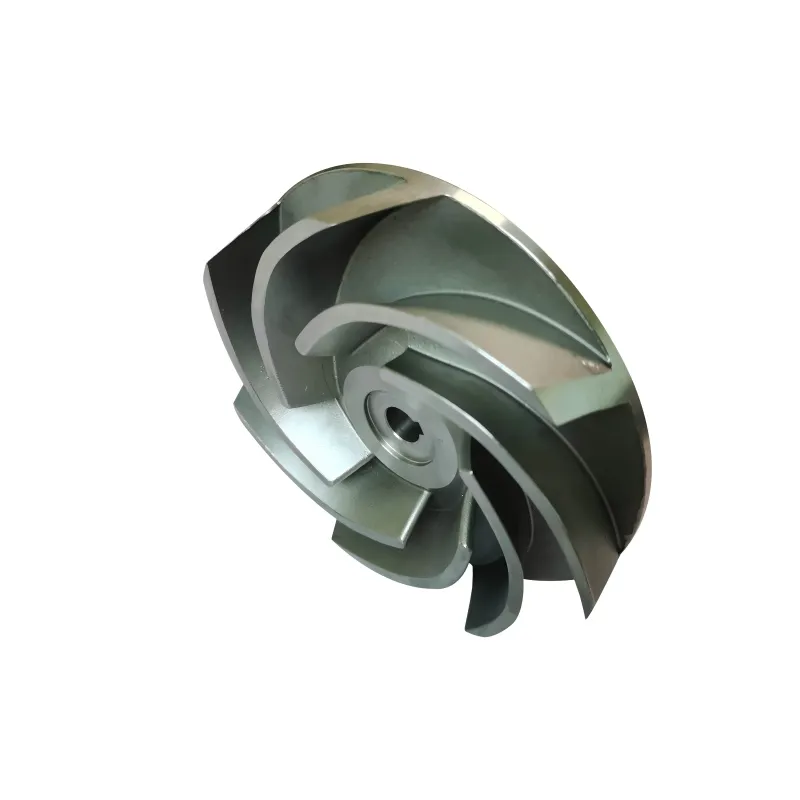
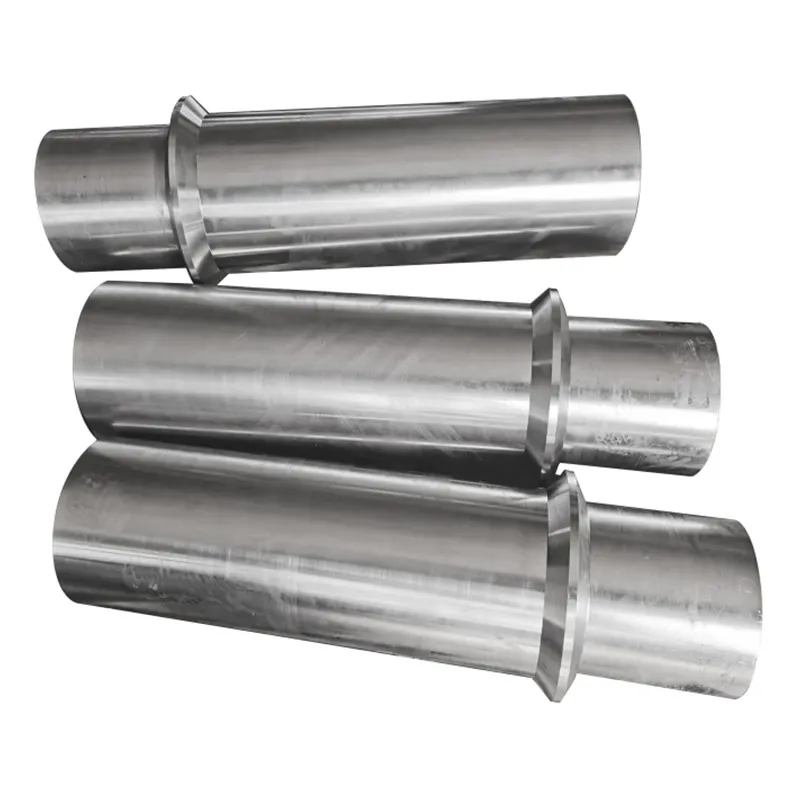
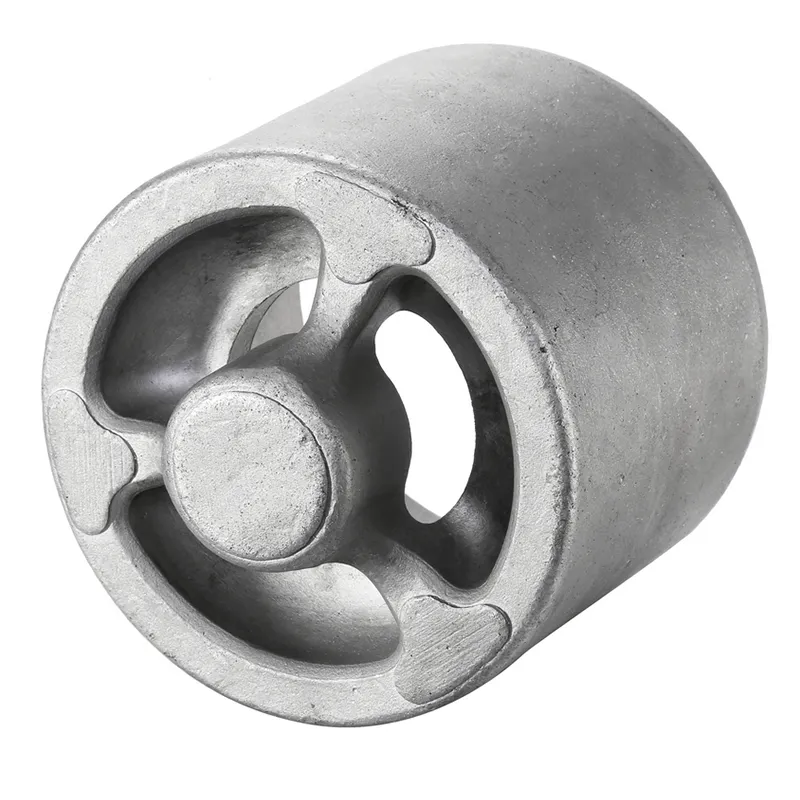
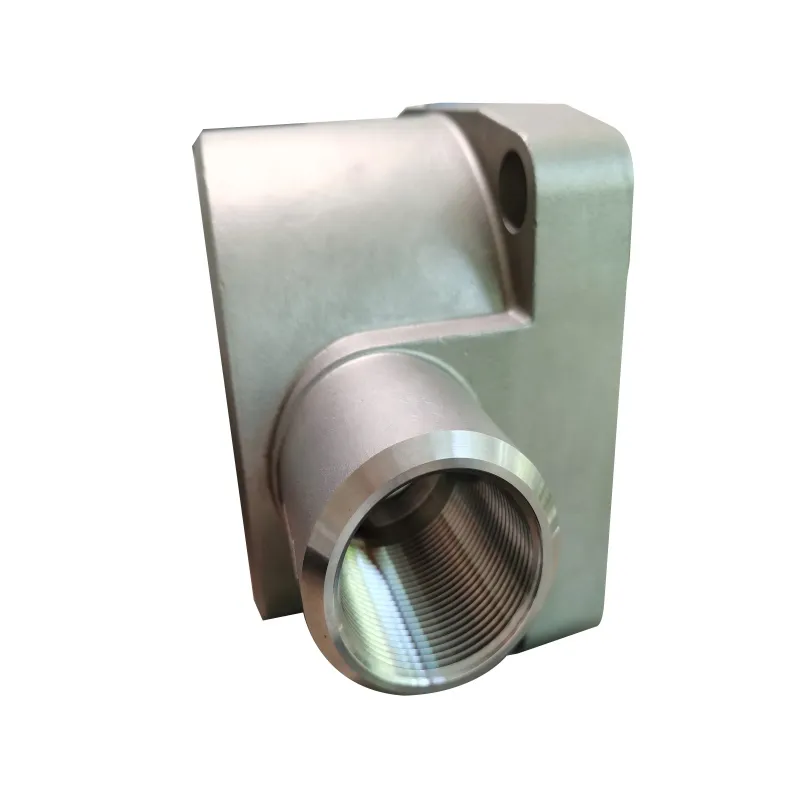
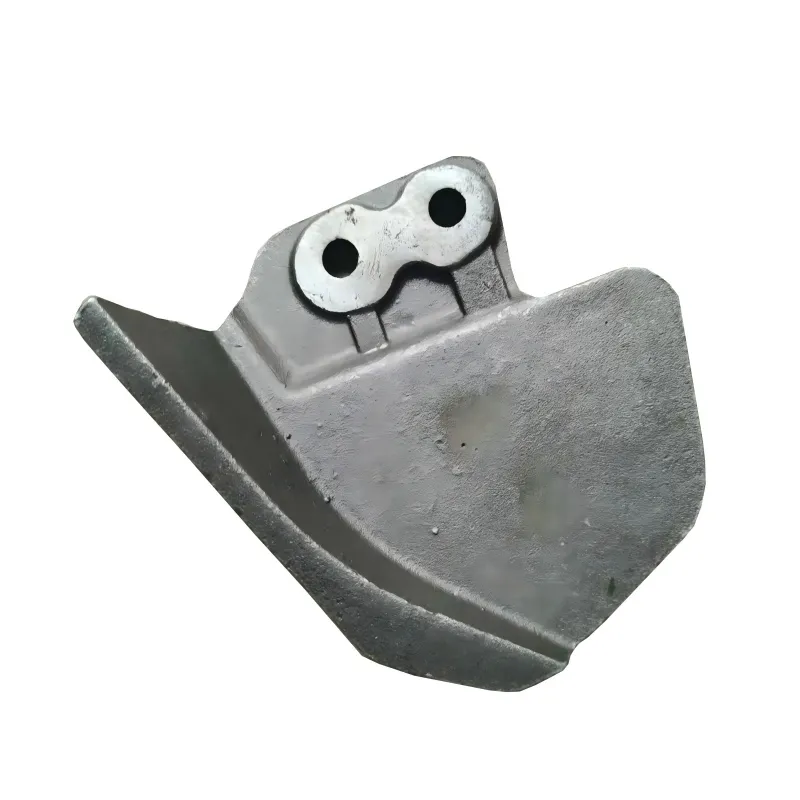
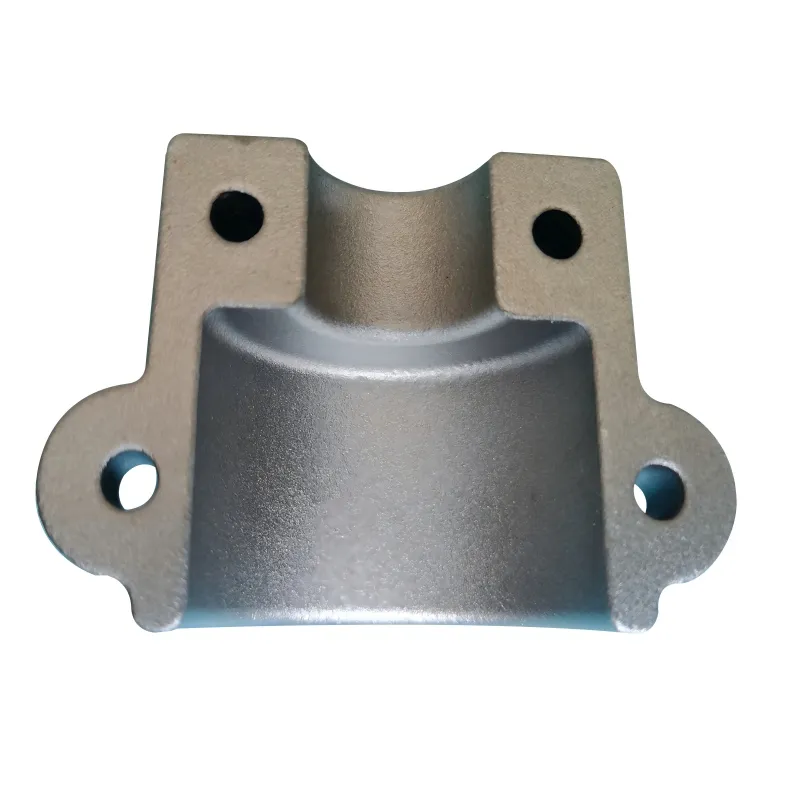
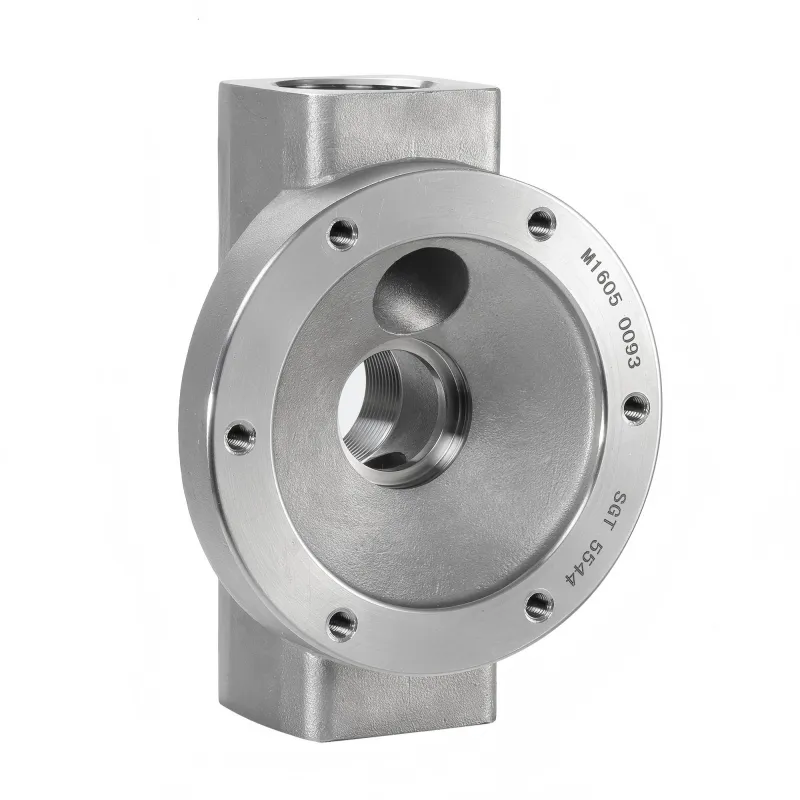
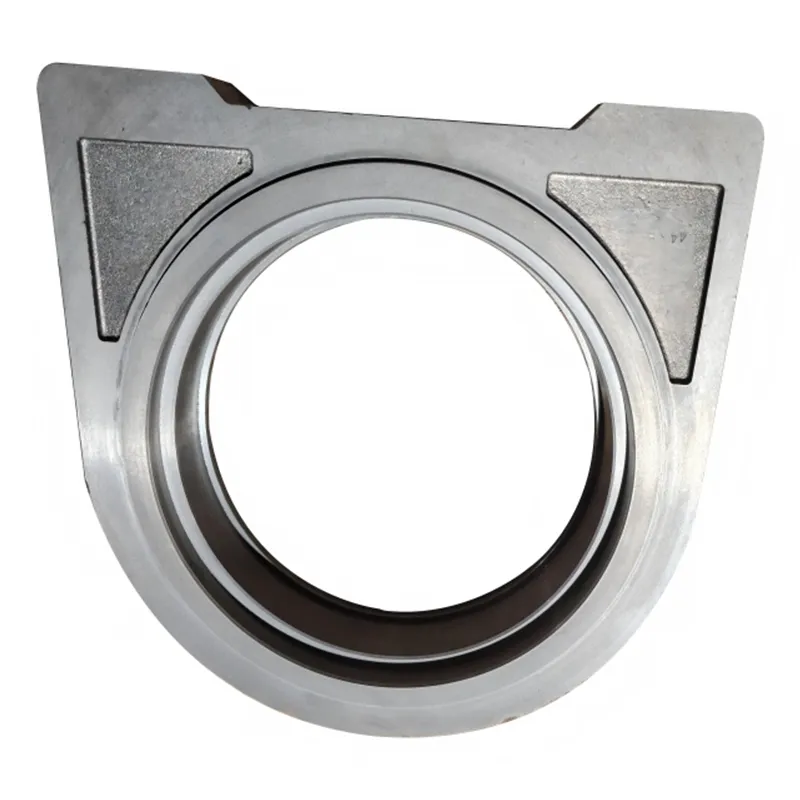
When you hear 'powder metallurgy steel', the immediate image might be of these perfect, high-performance components straight out of a lab data sheet. The reality on the shop floor is often messier, with trade-offs between that ideal microstructure and the brutal economics of production. It's not just about pressing and sintering; it's about managing expectations—both the material's and the client's.
The Gap Between Spec Sheet and Shop Floor
We often get inquiries, sometimes through partners like Qingdao Qiangsenyuan Technology Co., Ltd. (QSY), who have deep experience in casting and machining, asking if a part currently made via investment casting can be switched to powder metallurgy for cost or performance. The first question is never can we? but should we? For a complex gear requiring high fatigue strength, PM might win. But for a simple, thick-walled housing, traditional casting or even machining from bar stock often remains cheaper, especially at lower volumes. The allure of near-net-shape is powerful, but the tooling cost for that complex gear die can be a project killer.
I recall a project for a hydraulic valve component. The drawing specified a density of 7.4 g/cm3 for the powder metallurgy steel to ensure leak-tightness. We achieved it through double pressing and sintering, but the dimensional warpage post-sintering was a nightmare. The part looked perfect coming out of the furnace, but CMM measurements told a different story. We spent weeks tweaking the pre-form design, essentially building in distortion in the opposite direction, which felt completely counter-intuitive. It worked, but it added 15% to the development time. That's the hidden cost—the iteration.
This is where having a machining partner is non-negotiable. Even with the best PM process, you often need a final machining pass for critical tolerances or surface finishes. A company like QSY, with their CNC machining expertise, becomes crucial. You can't just hand them a sintered part and expect miracles; the material behaves differently than wrought steel. It's more abrasive and can have porosity. We learned to specify sintered density and hardness on the drawing we send to machinists, not just the alloy grade. A note like contains residual porosity, use sharp tools saves everyone a headache.
Material Nuances Beyond Iron and Carbon
The base iron powder is just the canvas. The art is in the additives—the pre-alloyed powders and the lubricants. Using a diffusion-bonded powder like Distaloy, with nickel and copper pre-alloyed into the iron particles, gives much more homogeneous properties after sintering compared to just mixing elemental powders. But it's more expensive. For a high-wear application, we might go with a pre-alloyed steel powder containing molybdenum, then add copper and graphite for strength. The sintering atmosphere becomes critical—a partial vacuum or cracked ammonia to prevent decarburization. Get that wrong, and your hardenable steel won't harden.
There's a common misconception that PM parts are inherently weaker. Not true if done right. Through-case hardening processes like carbonitriding, we've achieved surface hardness of 60 HRC on powder metallurgy steel components for automotive transmissions. The key is achieving sufficient density first. A part at 6.8 g/cm3 will have interconnected porosity that soaks up the carburizing gas and leads to inconsistent case depth. Push it to 7.2 or higher, and it behaves more like a solid material during heat treatment.
Failure story: we once tried to make a small, high-strength lever with an undercut. The design called for the undercut to be formed during pressing to avoid secondary machining. It seemed clever. But during ejection from the die, that delicate section, compacted but not yet sintered (what we call a green part), cracked almost every time. We tried different lubricant blends in the powder mix to improve flow and reduce friction, but the sheer mechanical stress was too high. We had to redesign the part, simplifying the shape and accepting a later CNC operation to create the undercut. It was a classic case of overestimating what the green strength could handle. The lesson was to design for the process, not force the process to fit the design.
When PM Meets Other Processes
This is an interesting space. Companies like QSY specialize in investment casting and shell mold casting. So when does PM compete, and when does it complement? For alloys that are notoriously difficult to machine, like some nickel-based superalloys, both PM and investment casting are contenders. PM can offer finer grain structure. However, for very large parts (think over 10 kg), large-scale pressing becomes impractical, and casting still dominates. We've seen hybrid approaches where a complex PM pre-form is sintered and then joined to a cast or machined assembly via brazing or welding. It's niche, but it solves specific problems.
On their website, tsingtaocnc.com, QSY lists materials like cobalt-based and nickel-based alloys. These are prime candidates for PM as well, especially for parts requiring high temperature resistance and wear properties, like valve seats or turbine blades. The powder route can minimize material waste for these expensive alloys. The challenge is sintering them without introducing contaminants; it often requires high-vacuum furnaces. The cost of that furnace time gets baked into the part price. So the decision matrix always comes back to volume, complexity, and material cost.
I find the post-sintering operations fascinating. A sintered part isn't finished. It might need sizing (a final re-press in a die), steam treatment for surface oxide and mild sealing, or various plating or coating processes. We once had a batch of parts that passed all mechanical tests but failed a salt spray test for corrosion resistance. The porosity, even if not interconnected, was trapping the plating solution, which later seeped out and caused blistering. The fix was a resin impregnation step before plating—a simple, low-cost process that isn't always on the standard spec sheet but is absolutely critical for certain applications.
The Economic Reality and Niche Strengths
At the end of the day, powder metallurgy steel isn't a magic bullet. It's a process with a very sweet spot. High volume (to amortize tooling), moderate to high complexity (to leverage the net-shape advantage), and a material that benefits from the PM microstructure. Think of automotive engine sprockets, power tool gears, or lock components. For one-off prototypes or very low volumes, you're often better off machining from solid, even if it's wasteful. The break-even point is a constant topic of debate.
Where it truly shines is in material combinations you can't easily get elsewhere. Making a part with a gradient structure—say, one end rich in copper for better thermal conductivity and the other end a standard steel for strength—is possible in a single press-sinter cycle with clever die design and powder layering. We experimented with a self-lubricating bearing like this, using a porous iron structure infiltrated with a polymer. It worked, but controlling the infiltration depth consistently was a challenge we never fully solved for mass production.
Looking at the broader landscape, the collaboration between PM producers and precision machinists is what delivers a functional component. A firm like Qingdao Qiangsenyuan Technology Co., Ltd. represents the downstream capability that makes PM viable for precision applications. We make the near-net-shape blank with its controlled material properties; they bring it to its final dimensional and surface finish destiny. It's a handoff that requires shared understanding—knowing that the sintered surface is different, knowing where the porosity is likely to be, and adjusting feeds, speeds, and tool paths accordingly. That dialogue, more than any single piece of equipment, is what turns metal powder into a reliable machine part.