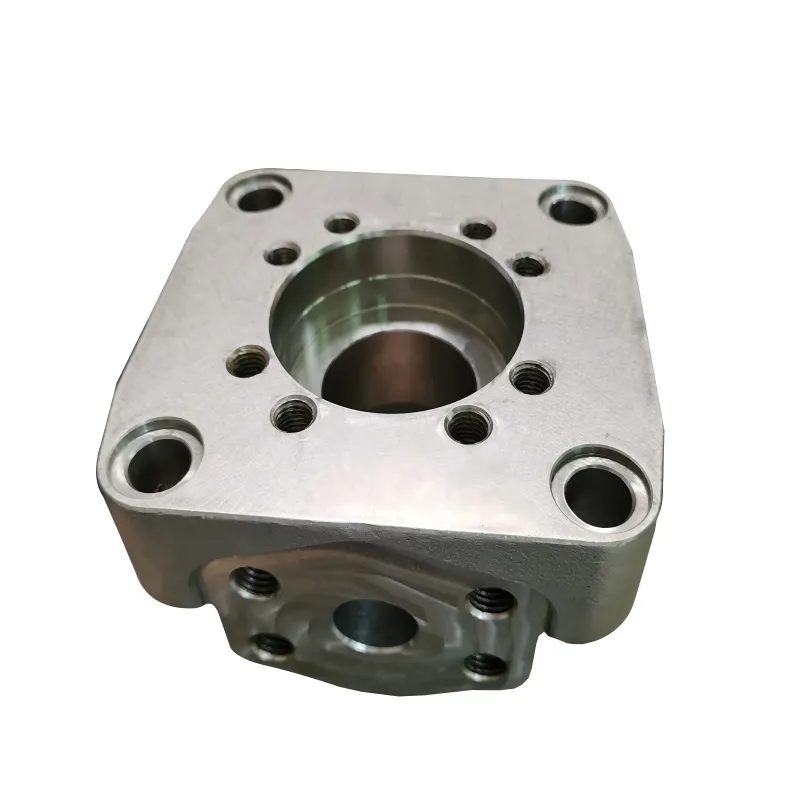
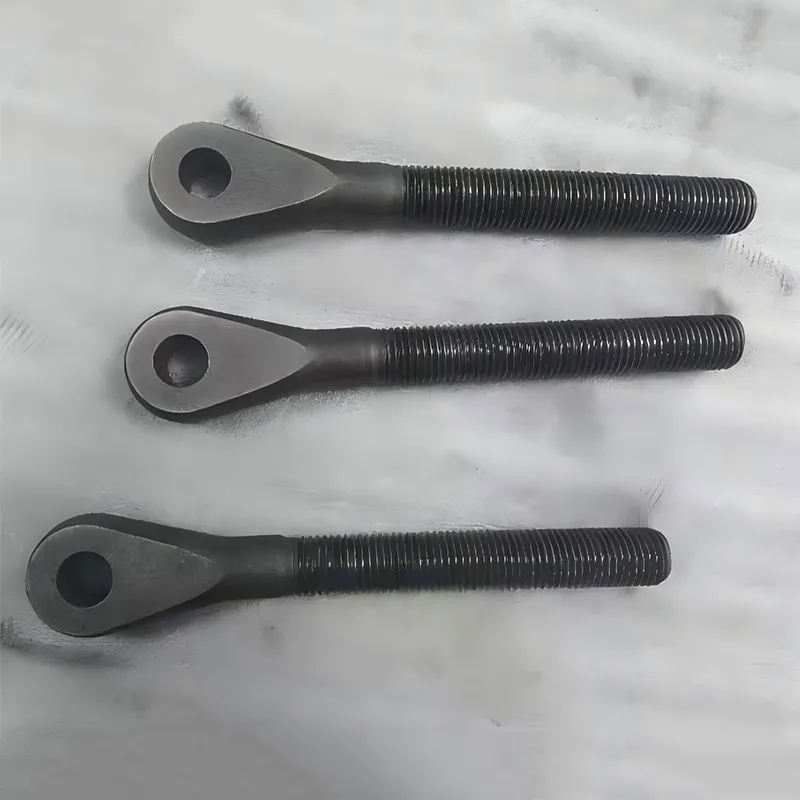
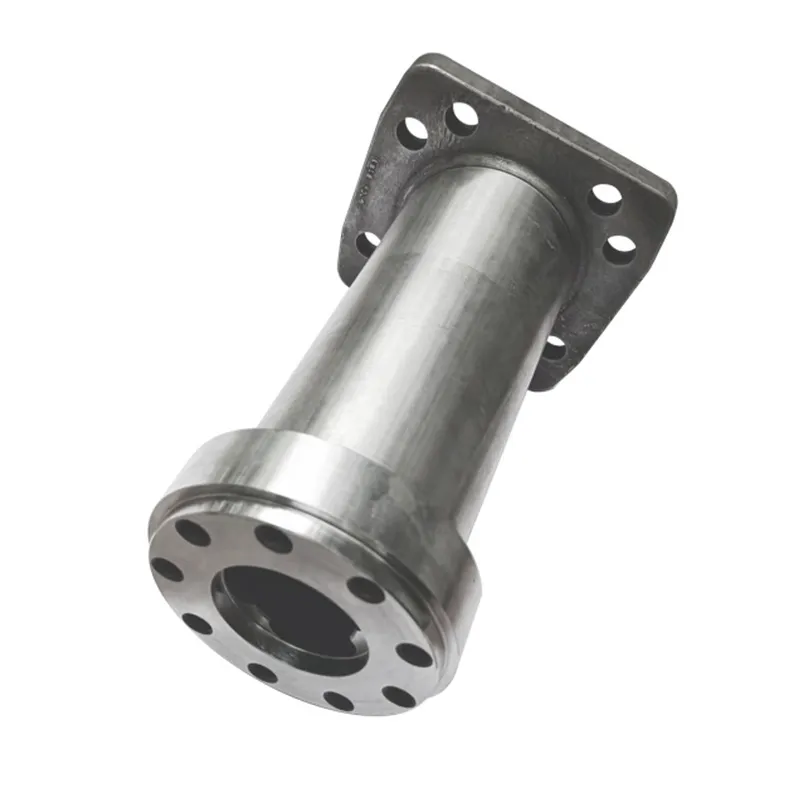
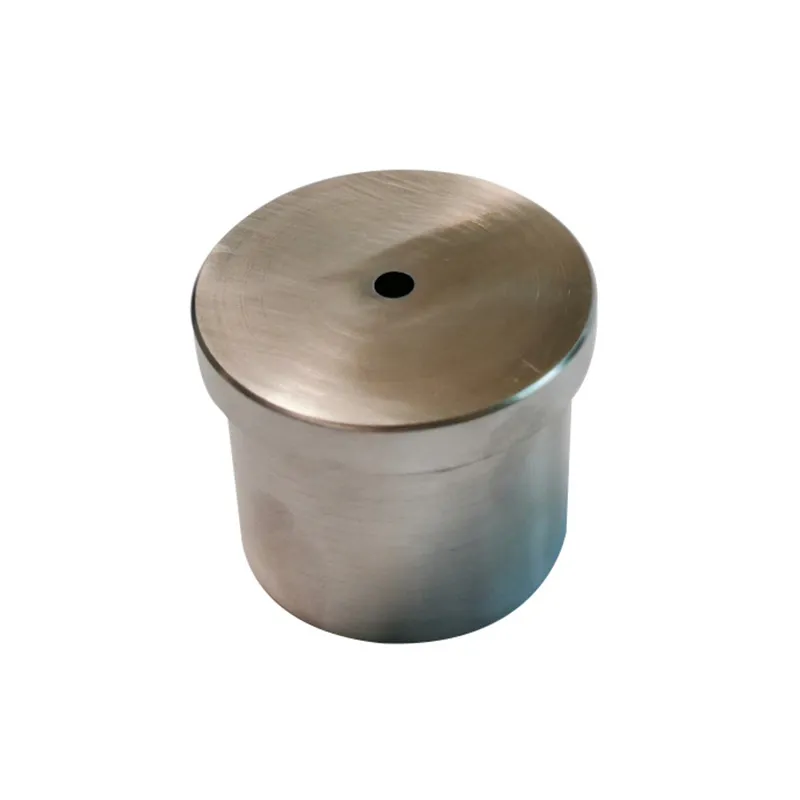
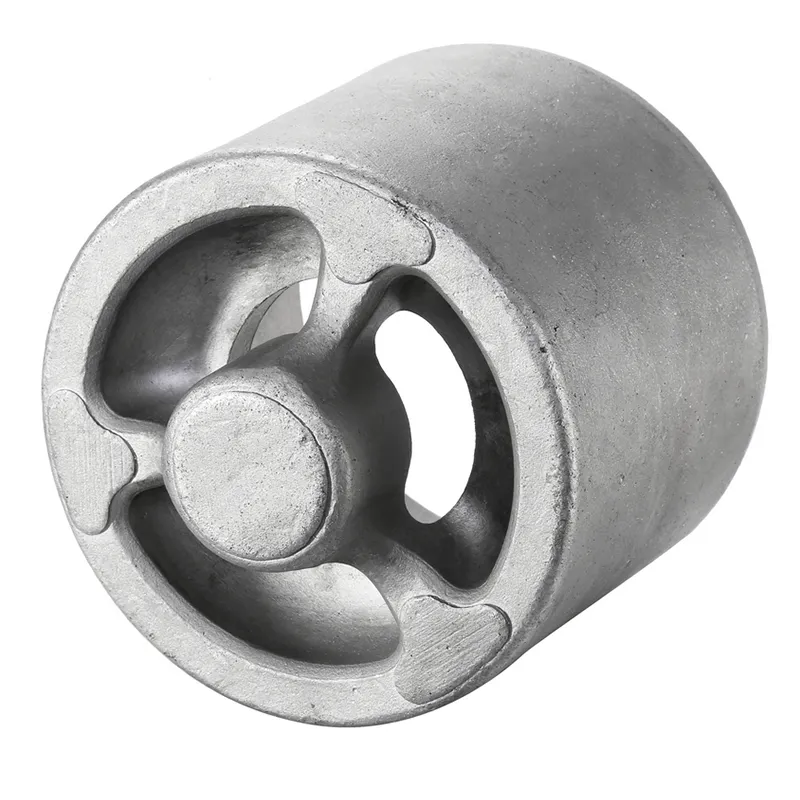
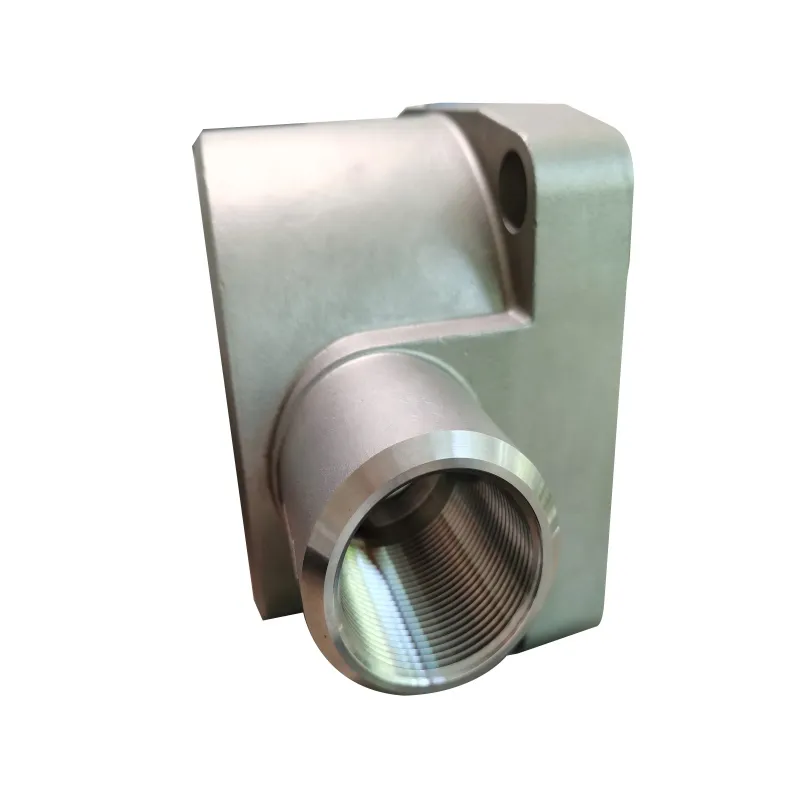
When most people hear 'powder metallurgy technology', they immediately picture simple pressed-and-sintered gears or bushings. That's the entry-level stuff, the commodity end. The real depth, and where the frustration and fascination begin, is in the alloy design, the post-processing, and managing the gap between the perfect lab sample and a production run of ten thousand parts that all need to hit a specific density and tensile strength. It's not just making a shape; it's engineering a microstructure from the ground up.
The Alloy Isn't Just a Formula
You can buy standard iron-copper-carbon mixes off the shelf, and they'll work for 80% of common applications. But when a client like Qingdao Qiangsenyuan Technology Co., Ltd. (QSY) comes with a request for a component that needs to withstand high-temperature corrosion in a chemical pump, the game changes. Their background in special alloy investment casting means they understand material properties at a deep level. The conversation shifts from what's the cheapest powder to how do we replicate the performance of a wrought nickel-based alloy, but with the net-shape advantage of PM?
This is where pre-alloyed powders versus elemental blends become a critical choice. With nickel-based systems, going the pre-alloyed route gives you homogeneity, but the powder is harder, less compressible. You trade easier pressing for potentially more consistent sintering results. We've spent weeks tweening lubricant percentages and compaction pressures just to gain another 0.1 g/cm3 in green density on a difficult pre-alloyed Inconel analogue. Sometimes, the solution isn't in the press, but in opting for a hybrid approach—a core of pre-alloyed powder with a customized binder system, which introduces its own set of challenges during debinding.
The sintering atmosphere becomes paramount. A simple endothermic gas won't cut it for these alloys. We're talking high-vacuum or ultra-high-purity hydrogen furnaces, with precise temperature ramps to control carbide precipitation. Get the cooling rate wrong, and you end up with a part that machines like glass—brittle, tearing out particles, ruining expensive CNC tooling in the post-sinter machining stage that companies like QSY would typically handle. It's a handoff point where PM process flaws become someone else's machining headache.
Density: The Eternal Chase
The holy grail is full density, or as close as you can commercially get. For structural parts, especially those replacing forgings, porosity is the enemy of dynamic fatigue strength. Double pressing and double sintering (DPDS) is the textbook answer, but it adds cost and cycle time. We've had more success, in some cases, with warm compaction using polymer-coated powders. The powder flows better, packs more uniformly in complex dies—think of the intricate shapes possible in investment casting that QSY does, but with metal powder. The density jump from room temperature to 130°C compaction can be significant, sometimes 0.2-0.3 g/cm3, which directly translates to better properties.
Then there's metal injection molding (MIM), which is really just a branch of powder metallurgy technology. It gets you near-full density and incredible shape complexity, rivaling investment casting. But the debinding cycle is a nightmare if not perfectly controlled. I've seen a whole batch of stainless steel MIM parts blister because the solvent debind was too aggressive, trapping gas that expanded during sintering. The cost of that failure wasn't just the powder; it was the lost time in a furnace cycle that runs for 20+ hours.
Post-sintering operations like hot isostatic pressing (HIP) can heal internal porosity, but it's a premium process. You don't HIP a $2 part. It's reserved for aerospace or medical implants. The decision tree always comes down to the performance requirement versus cost ceiling. A lot of my job is navigating that tree with the client.
When PM Meets Machining: The Interface
This is a crucial, often overlooked, intersection. Very few PM parts are truly net-shape. You almost always need a secondary operation: sizing, coining, or machining. The porosity changes how the material cuts. It's abrasive. It doesn't conduct heat away from the cutting edge like solid metal. We work closely with machining partners—and a company with QSY's three decades of CNC machining expertise is a valuable sounding board—to develop parameters.
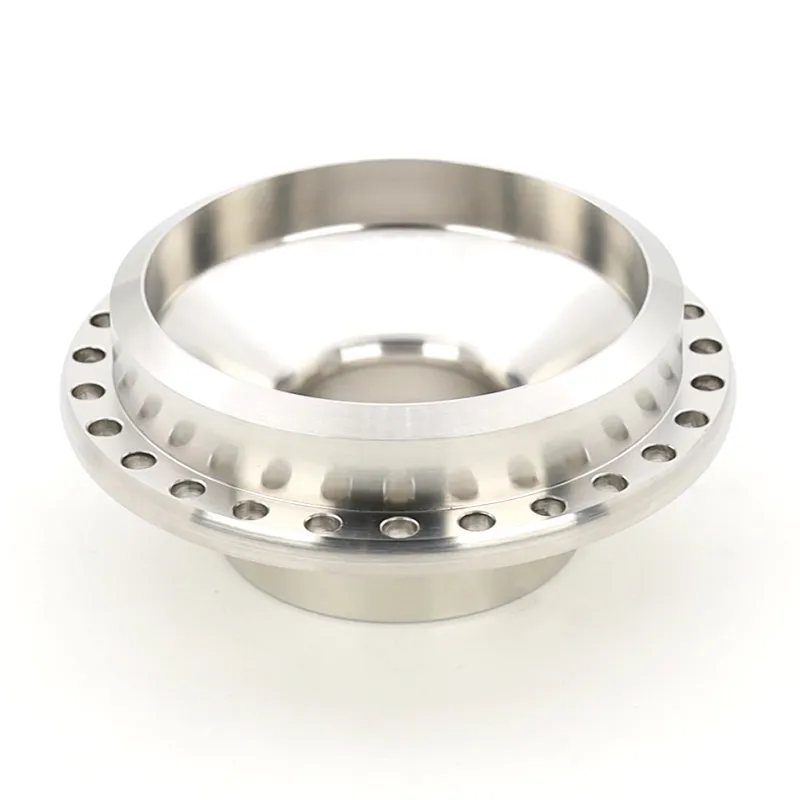
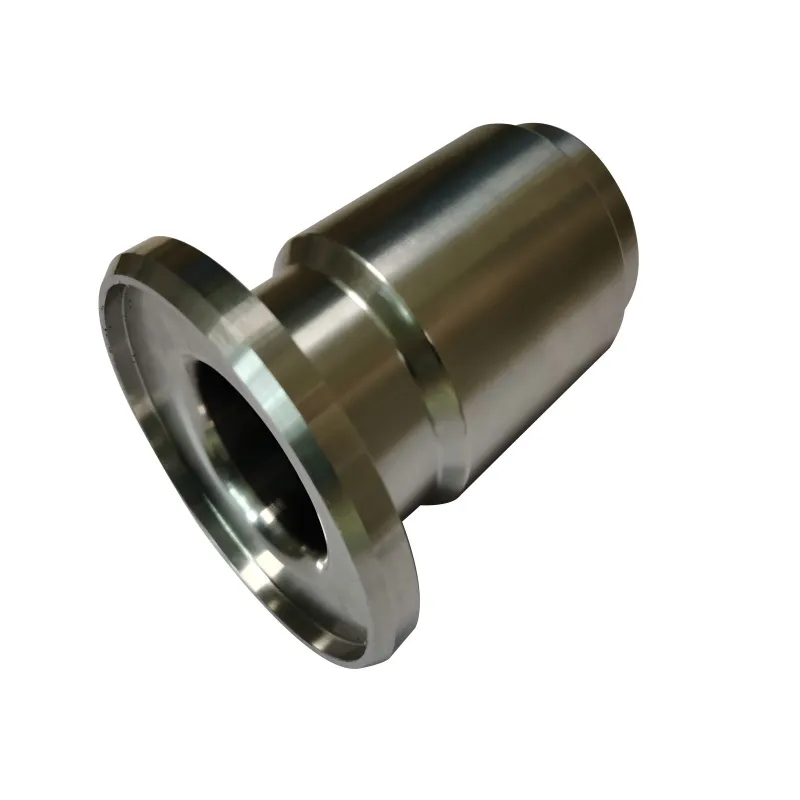
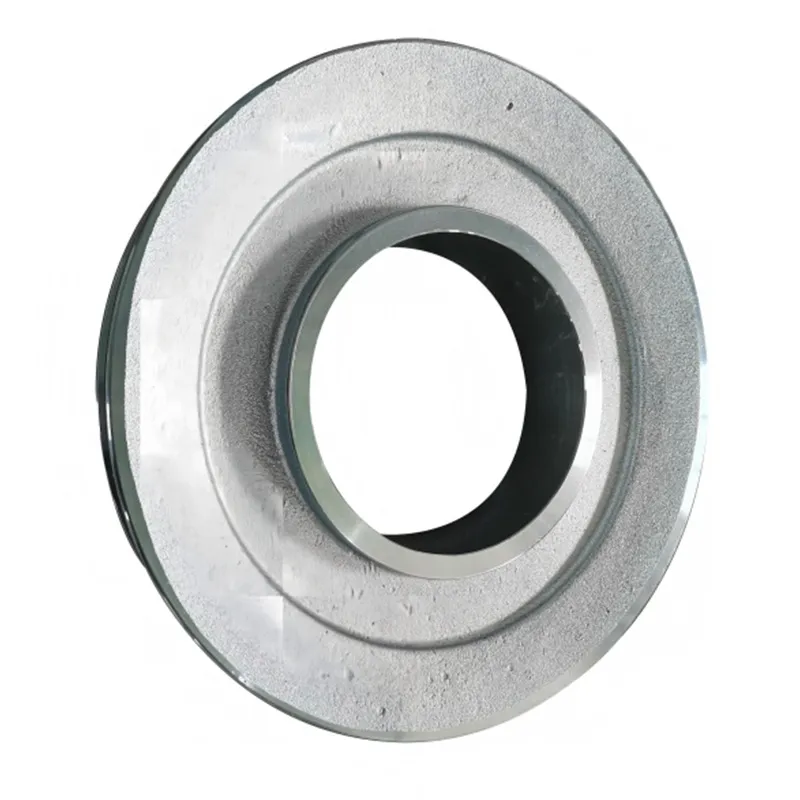
For instance, machining a sintered steel flange. If the density is uneven, the tool encounters varying resistance, causing chatter and poor surface finish. We had a case where the CNC machinists were complaining about rapid tool wear. The problem wasn't the tool grade; it was a slight density gradient from the top to the bottom of the pressed part, caused by uneven powder fill in the die. The fix was redesigning the feed shoe motion and maybe adding a pre-mix step to break up powder agglomerates. It's these tiny process details that separate a usable part from a reliable one.
Sometimes, the best solution is to design the part to minimize machining. Leave a sintered surface where you can, specify machining allowances that account for sintering shrinkage variability. It's a co-design effort between the PM engineer and the machinist, not a sequential handoff.
The Special Alloys Niche and Real-World Compromises
QSY's work with cobalt and nickel-based alloys in casting is directly relevant. These materials are often sought for PM for wear and high-temperature applications. But powder for these is expensive, and the sintering window is narrow. Too hot, you get excessive grain growth and eutectic phases that weaken the part; too cool, and it's not fully sintered.
We attempted a cobalt-chromium alloy for a valve seat. Lab trials were promising. But in production, maintaining the exact carbon potential in the sintering atmosphere across a large furnace load was impossible. Parts on the edges of the boat sintered differently from those in the center. The result? Inconsistent hardness. Some seats would wear out in months, others lasted years. The client, understandably, went back to a wrought and machined solution. That failure taught me that for some high-performance alloys, PM's process sensitivity can outweigh its economic advantage unless you have lab-level control on a factory floor, which is rarely economical.
Success stories exist, of course. Tool steels made via PM, like CPM grades, are superior to their conventionally cast counterparts due to the fine, uniform carbide distribution. That's a win for the technology. But it's a win built on specific equipment and know-how, not a generic press.
Looking Ahead: It's About Consolidation, Not Just Shaping
The future of powder metallurgy technology, in my view, is less about making a gear and more about creating unique material states. Think of additive manufacturing—it's essentially layer-by-layer PM. Or the consolidation of amorphous metal powders into bulk components. The principle is the same: take discrete particles and fuse them into a coherent solid.
The lessons from traditional PM—powder handling, atmosphere control, shrinkage management—are all directly applicable to these newer fields. The companies that will thrive are those that understand the material science, not just the pressing mechanics. Firms with a foundry and machining heritage, like QSY, have a leg up because they see the entire lifecycle: from raw material to finished, functional component. They understand that a sintering curve is as critical as a machining feed rate.
For anyone getting into this, my advice is to get hands-on with the powder. Feel its flow. Look at the sintered microstructure under a microscope alongside the mechanical test data. Correlate the tiny pores you see with the fatigue fracture surface. It's a technology of details, where a 1% change in a process parameter can lead to a 10% change in performance. That's the constant challenge, and the real interest of it.