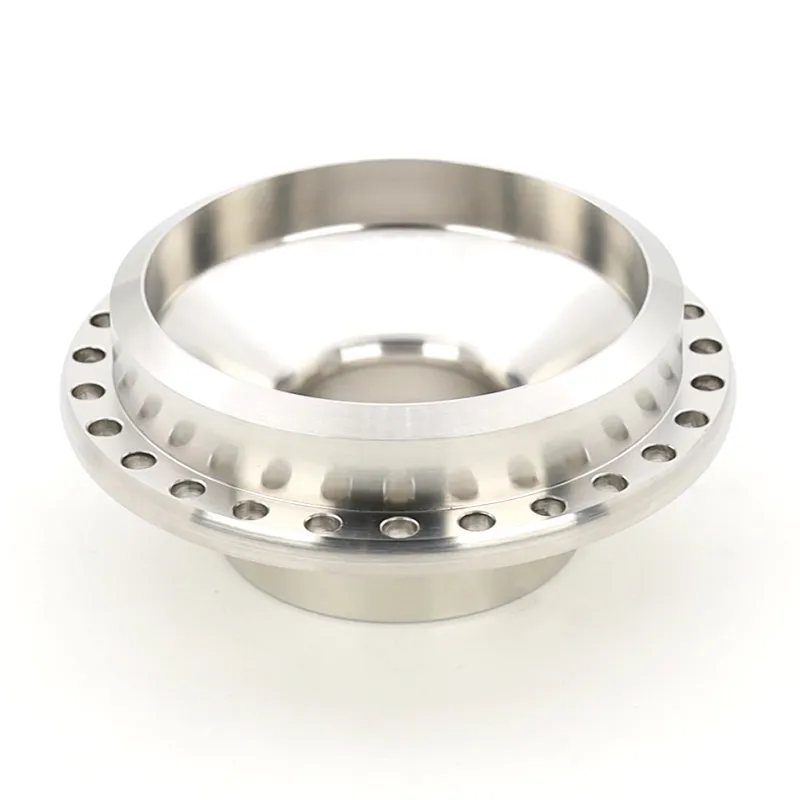
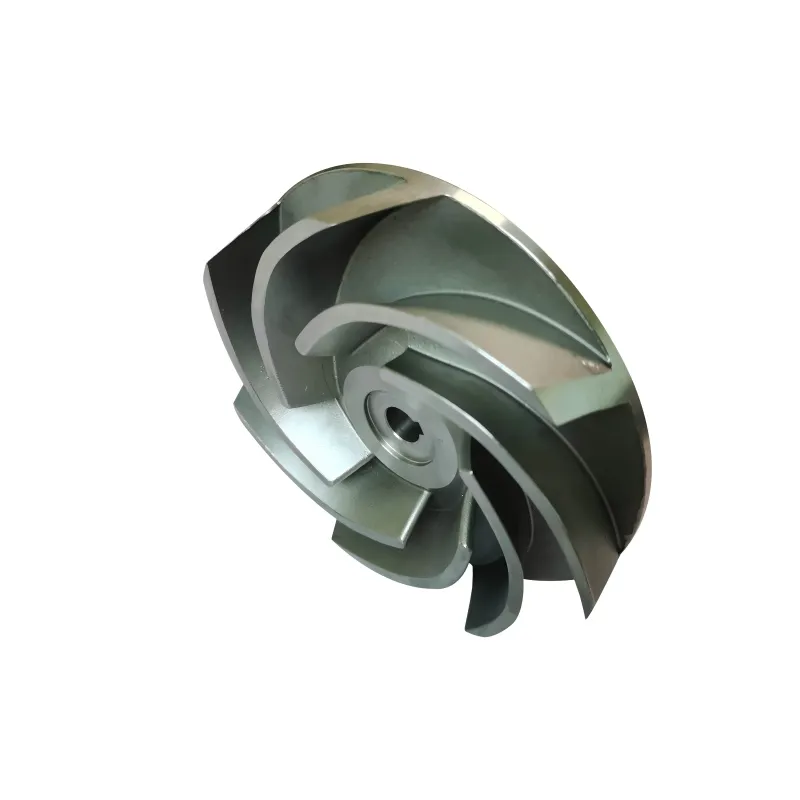
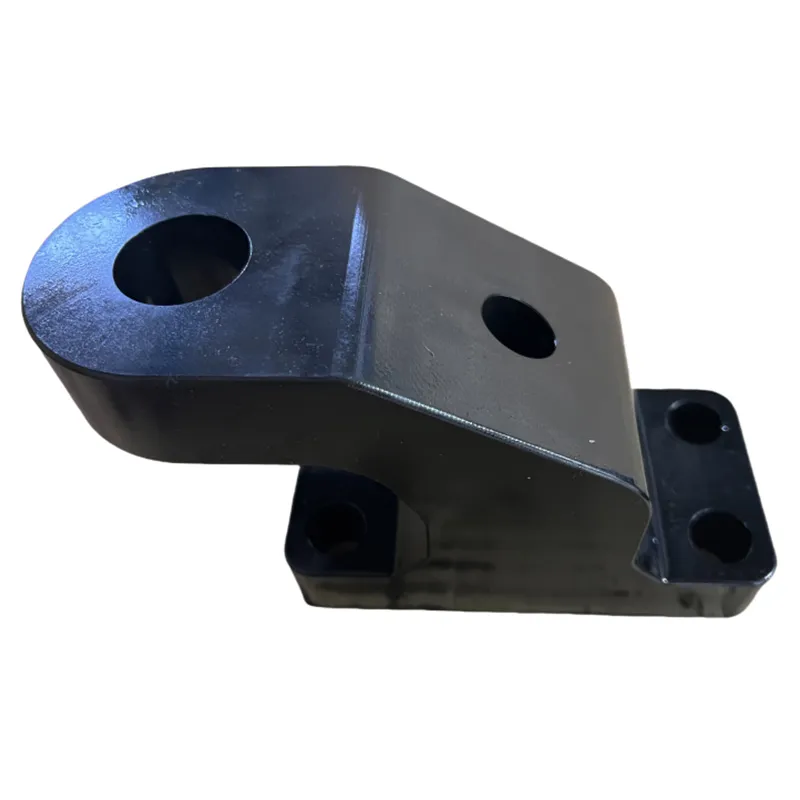
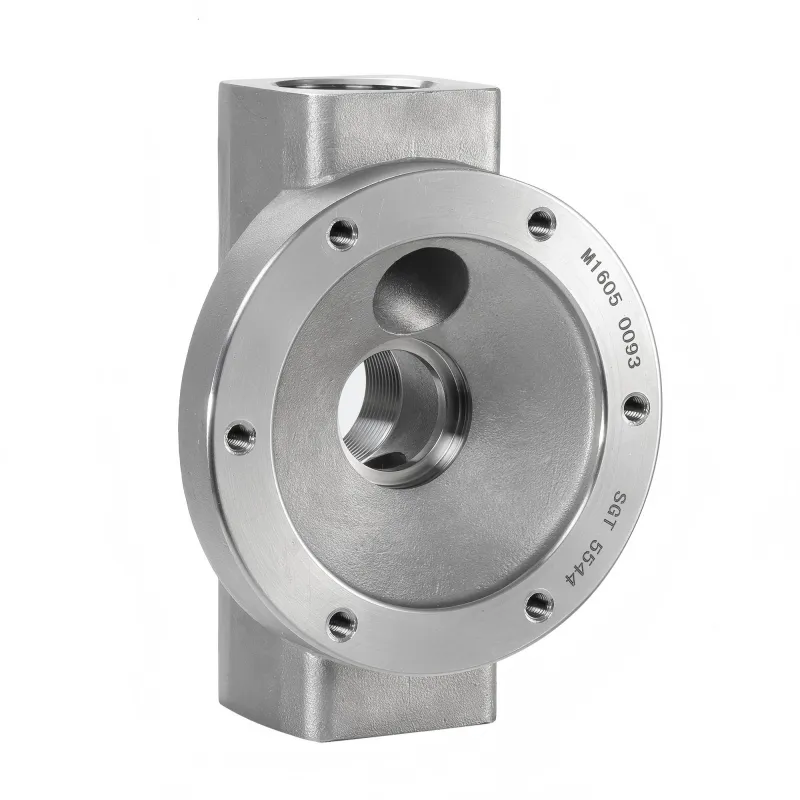
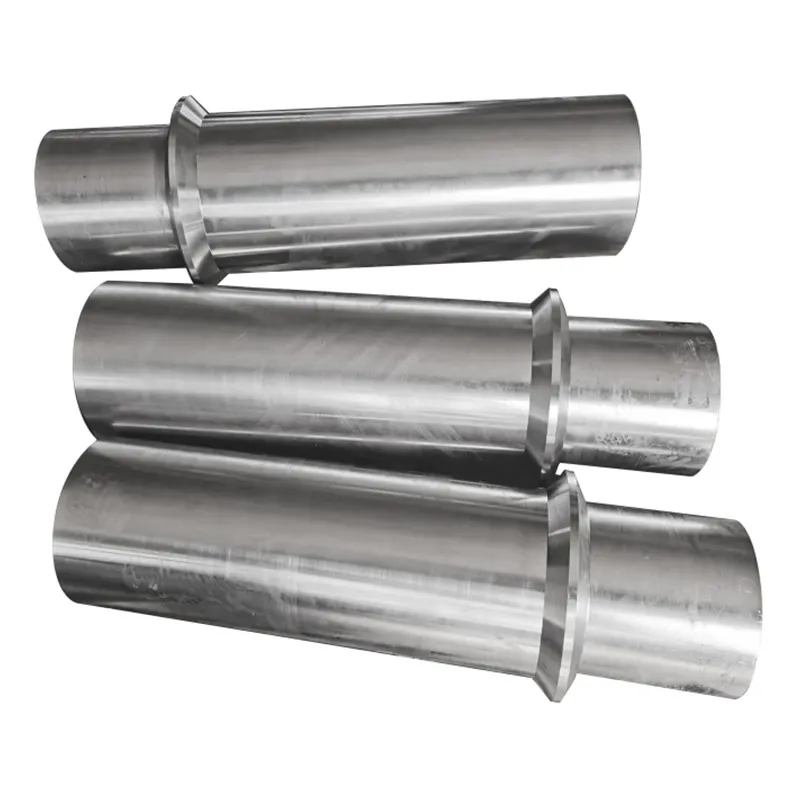
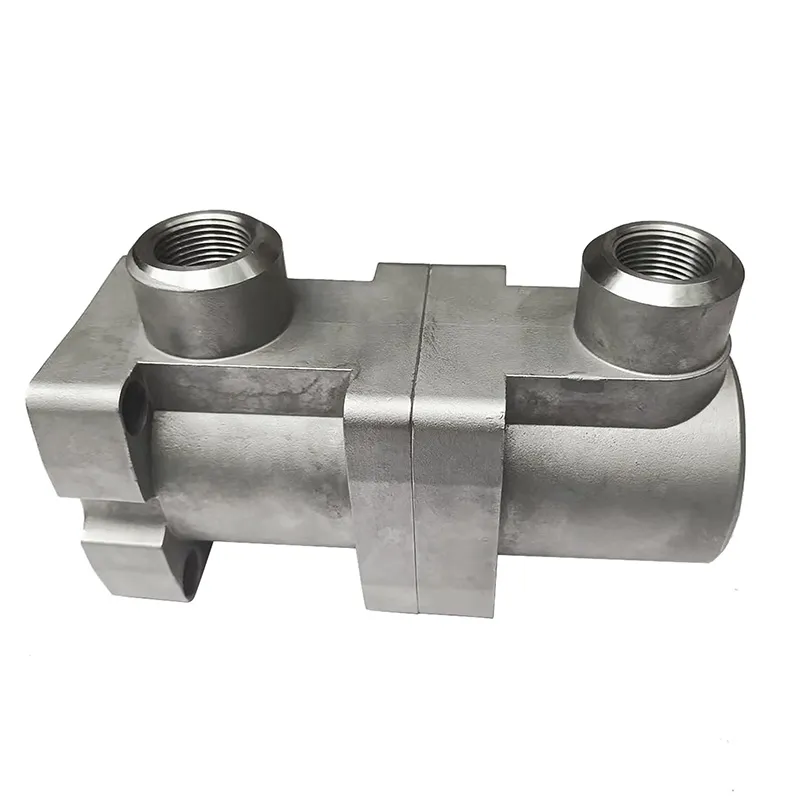
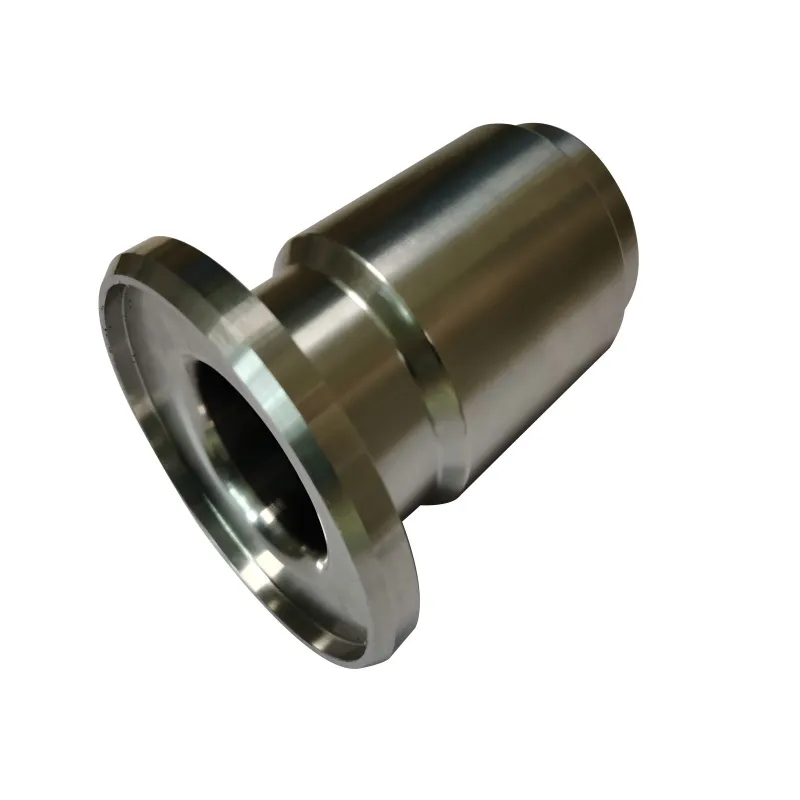
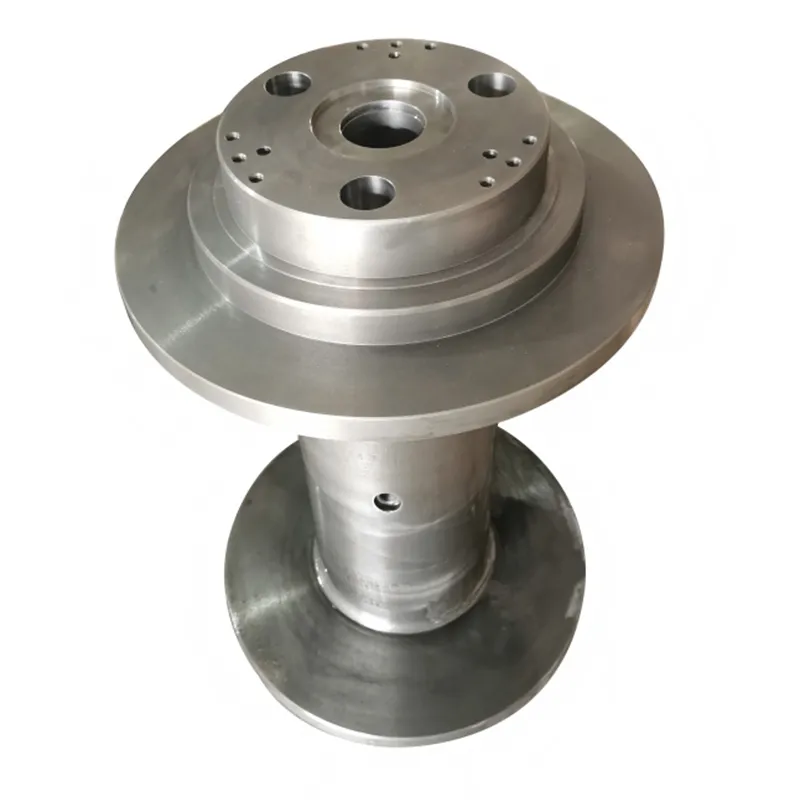
Let's be honest, when most people hear 'precipitation hardening stainless steel', they think of a datasheet hero – 17-4PH, maybe 15-5PH, with those impressive yield strength numbers. The reality on the shop floor, especially in complex cast and machined components, is a different beast. It's not just about hitting a hardness number; it's about managing the dance between the solution treatment, the aging cycle, and the inevitable distortions that come with it, all while the part is often a complex, thin-walled investment casting. That's where the real knowledge, and the common pitfalls, live.
The Allure and the Reality of PH Grades
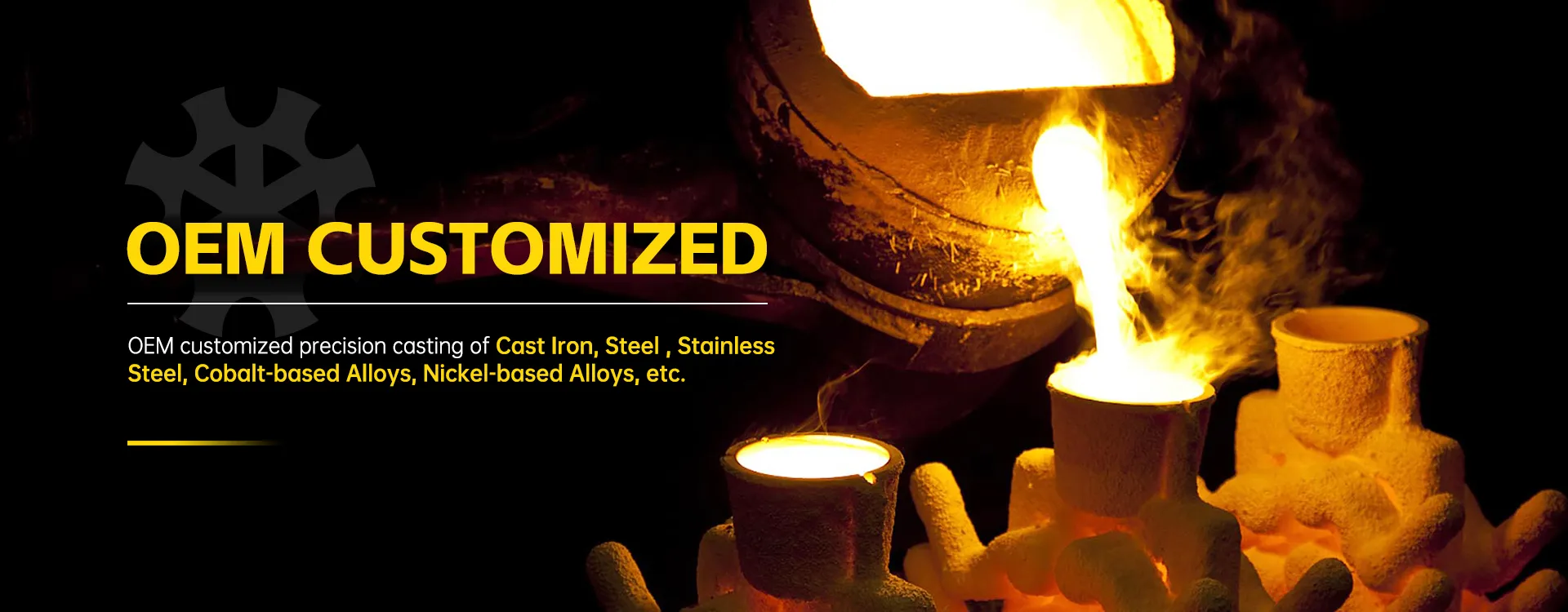
We get a lot of inquiries for 17-4PH. It's the go-to. Clients see the 1300 MPa tensile and think it's a drop-in replacement for any high-strength need. But I've seen projects stumble right out of the gate because they didn't consider the condition. Are we starting with bar stock, a forging, or a casting? For a company like ours, Qingdao Qiangsenyuan Technology Co., Ltd. (QSY), where investment casting is a core process, the story begins with the melt chemistry and the as-cast condition. The homogeneity of the solution annealed state before we even think about aging is critical. A casting might have micro-segregation that a wrought bar doesn't, which can lead to inconsistent response later.
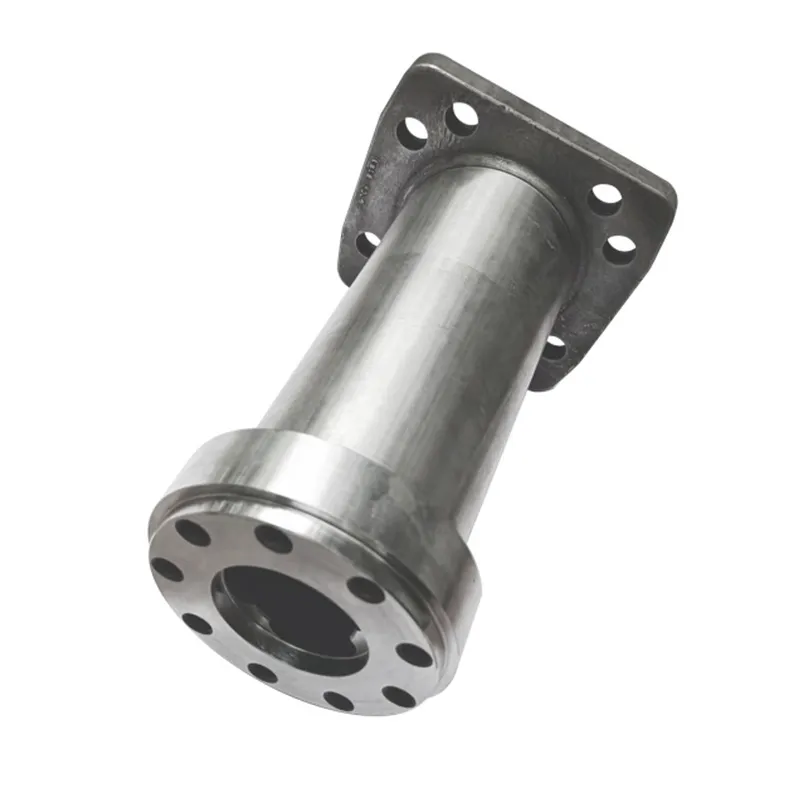
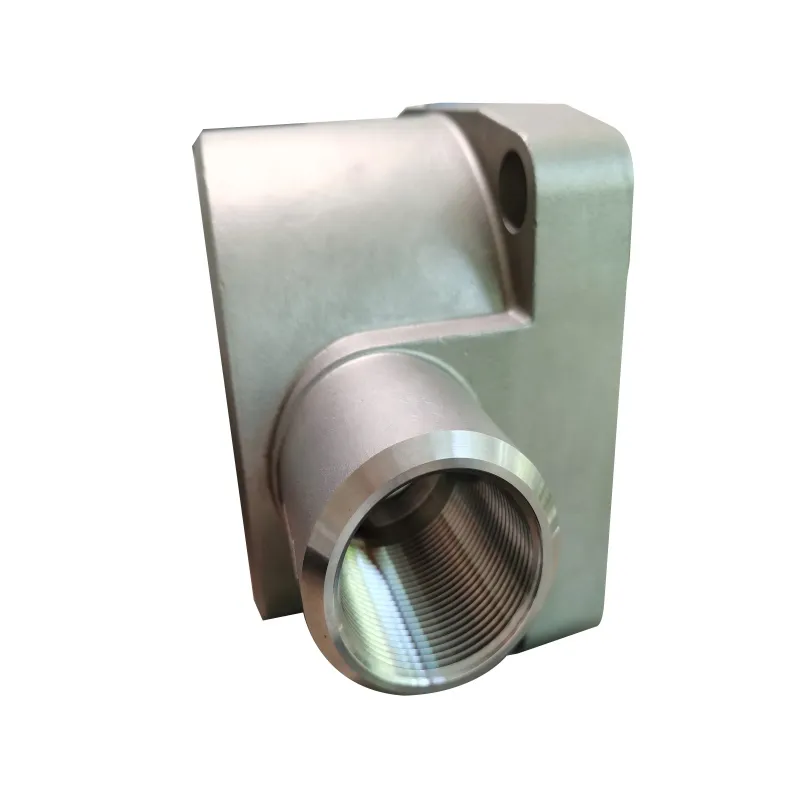
Then there's the machining sequence. Do you machine in the solution-treated condition (softer, easier on tools) and then age? Or do you age first and then try to machine a 40+ HRC material? The former is usually smarter, but you have to bake in the dimensional shift from aging into your tolerances. We learned this the hard way early on with a valve body. Machined it beautifully in Condition A, aged it, and found critical bore diameters had tightened beyond spec. Had to re-solution treat the whole lot and re-machine, which is a costly lesson in thermal cycling.
It forces you to think holistically. The choice isn't just stainless steel, it's a process chain: casting integrity -> solution anneal uniformity -> pre-machining stock allowance -> controlled aging -> final finishing. Missing a link breaks the chain. That's why for true high-reliability parts, we often collaborate with the client's engineering team from the CAD stage, not just when the RFQ lands.
Condition H900 vs. H1150: It's Not Just a Temperature
The standard aging specs (H900, H1025, H1150) are starting points, not gospel. H900 gives you peak strength but lower toughness. For a landing gear component we worked on, the spec called for H900. But during prototyping, Charpy tests at low temperature were borderline. We had a long discussion with the client's metallurgist. Could we afford a slight strength dip for better fracture toughness? We ran a batch at H925 and then H950, testing tensile and impact. H950 gave us the right balance – strength was still well above design minimum, but the impact values jumped. It got approved as an alternate aging cycle. The datasheet didn't tell us that; controlled testing and engineering judgment did.
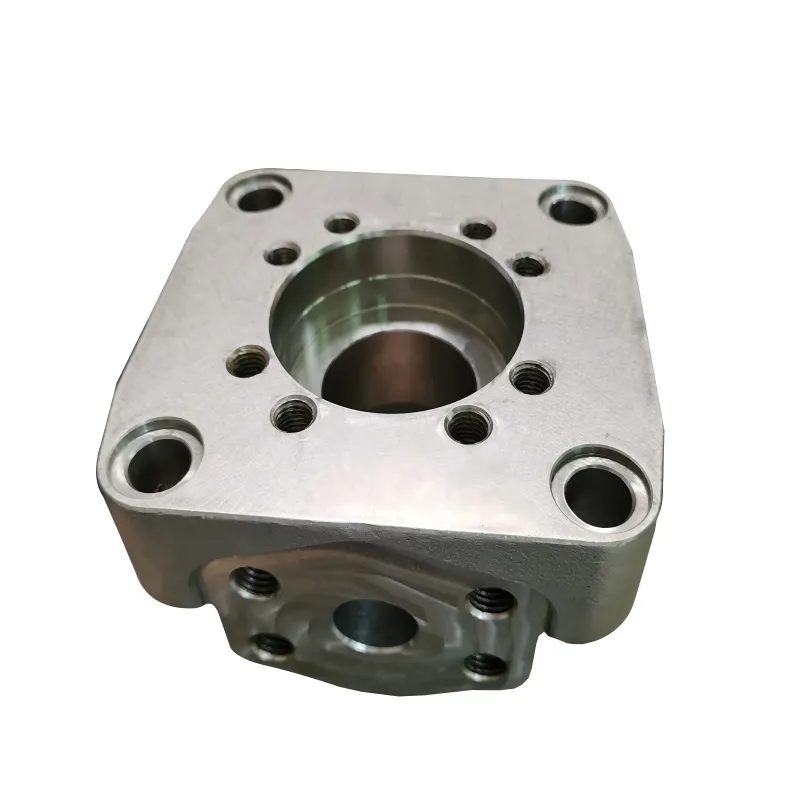
This is where the 30-plus years in casting and CNC machining pays off. You develop a feel for how a material moves. Precipitation hardening alloys, during aging, don't just get harder; they undergo a subtle dimensional change. For a complex, asymmetrical investment-cast housing, this isn't uniform. We've started using sacrificial test coupons cast from the same pour, attached to the critical areas of the part via thin gates. We age the whole assembly, then cut the coupons off for hardness and dimensional checks. It's an extra step, but it maps the aging response across the part geometry, saving grief later.
And let's talk about re-work. What if a part is aged and then needs a weld repair? It's a nightmare. The heat from welding over-ages the HAZ, creating a soft zone. You often have to go back to a full solution anneal, which can warp the part, then re-machine and re-age. Sometimes, it's more economical to scrap it. This is a key point we stress during design reviews at QSY: if weldability is a future possibility, maybe a different grade of stainless steel is better, even if the initial strength is lower. The total lifecycle cost matters.
The Special Alloys Overlap: PH vs. Maraging
This is an interesting tangent. We also work with special alloys like maraging steels. Clients sometimes confuse them with PH stainless. Both strengthen by precipitation, but maraging steels are iron-nickel with cobalt, molybdenum, titanium – no chromium for corrosion resistance. They're a different animal. Their solution treatment is a simple austenitize and air cool, forming a soft martensite. Aging then precipitates intermetallics. The distortion is often lower than with PH stainless, which is a huge advantage for long, slender machined components.
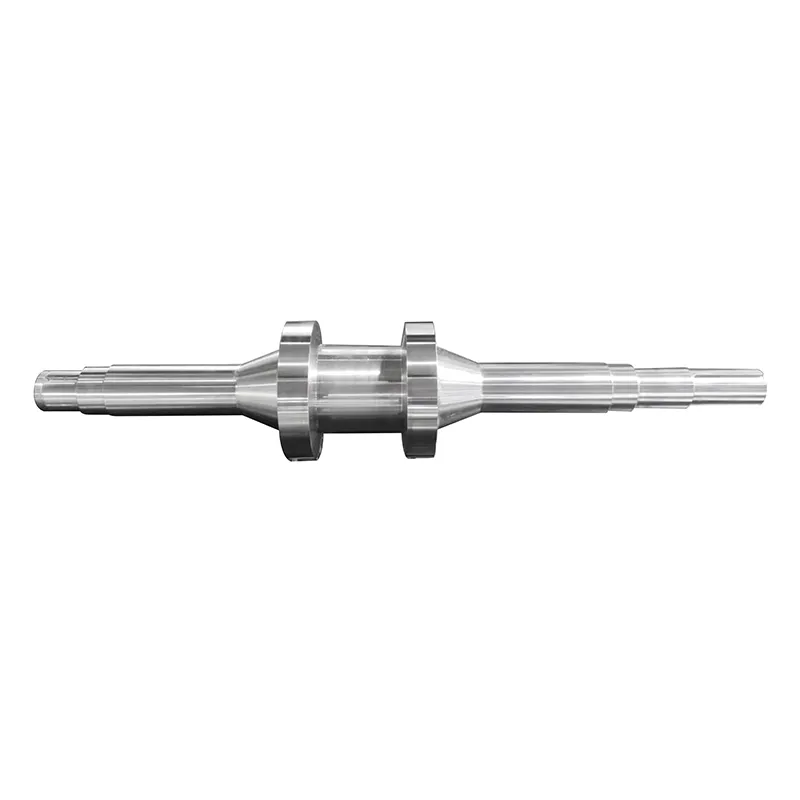
I recall a project for a high-precision actuator shaft. The first pass was with 15-5PH. After aging, the straightness was out. We re-straightened it with precision presses, but it's not ideal. We proposed a C250 maraging steel as an alternative. The corrosion resistance wasn't needed (it was in a sealed, lubricated environment). The maraging route gave us the strength, simpler heat treatment with less distortion, and excellent machinability in the solution-annealed state. It was a better fit. It's about having the material palette and the experience to know when to step outside the standard stainless box.
This kind of cross-pollination of knowledge is vital. Working with nickel-based alloys and cobalt alloys teaches you a lot about precipitation kinetics and heat treatment sensitivity. That knowledge flows back into how we handle the more common PH grades. It's all connected.
CNC Machining: The Tooling and Coolant Dance
Machining PH stainless, especially in the aged condition, is where you burn through tooling budgets if you're not careful. It's abrasive and work-hardens. We've settled on a few hard rules. First, rigid setups. Any chatter will instantly work-harden the surface, making the next pass hell. Second, ceramic or advanced carbide inserts with sharp, positive geometries. We're not running high-speed steel here. Coolant is non-negotiable, and it has to be a high-lubricity, synthetic type, flooded generously. The goal is to pull heat out with the chip, not let it soak into the part and potentially locally over-age it.
Drilling deep holes is a particular challenge. Peck drilling is a must, with full retraction to clear chips and flood coolant down the flutes. We ruined a few expensive castings early on by letting chips gall and weld to the drill, which then snapped off in the hole. Now, our CNC programs for these materials have very conservative feed/speed tables, built from years of trial and error. The data on their website, https://www.tsingtaocnc.com, talks about capabilities, but the real capability is the parameter library in our machine controllers and the experience of our programmers knowing when to override it.
Surface finish matters too. A rough machined surface on a PH alloy can be a stress concentration and corrosion initiation site. We often specify a final pass with a dedicated finishing insert or even a light grinding/polishing operation on sealing surfaces. It adds cost, but for a part in a corrosive, high-stress environment, it's insurance.
Looking Back and Moving Forward
So, where does this leave us with precipitation hardening stainless steel? It's a fantastic family of materials, but it demands respect and a systems approach. It's not a commodity. The value a supplier brings isn't just in melting and pouring or in running a CNC machine; it's in integrating those steps with the metallurgy.
At QSY, the three decades in shell mold casting, investment casting, and machining mean we've seen these problems before. We've warped parts, broken tools, and sent out test coupons to get the aging curve just right. That institutional memory is what prevents those issues from recurring on the next project. It allows us to guide clients away from potential pitfalls – like specifying an H900 aging for a large, thin-section casting that will distort uncontrollably, or planning a welding step after final heat treatment.
The future, I think, is in even tighter integration. Maybe using simulation to predict aging distortion based on casting geometry, or more widespread use of in-process monitoring during machining to detect tool wear before it affects surface integrity. But the core will remain: understanding that PH stainless is a process, not just a material. You're not buying a bar of metal; you're buying the successful execution of a delicate thermal and mechanical sequence. And getting that sequence right is what separates a functional part from a reliable one.