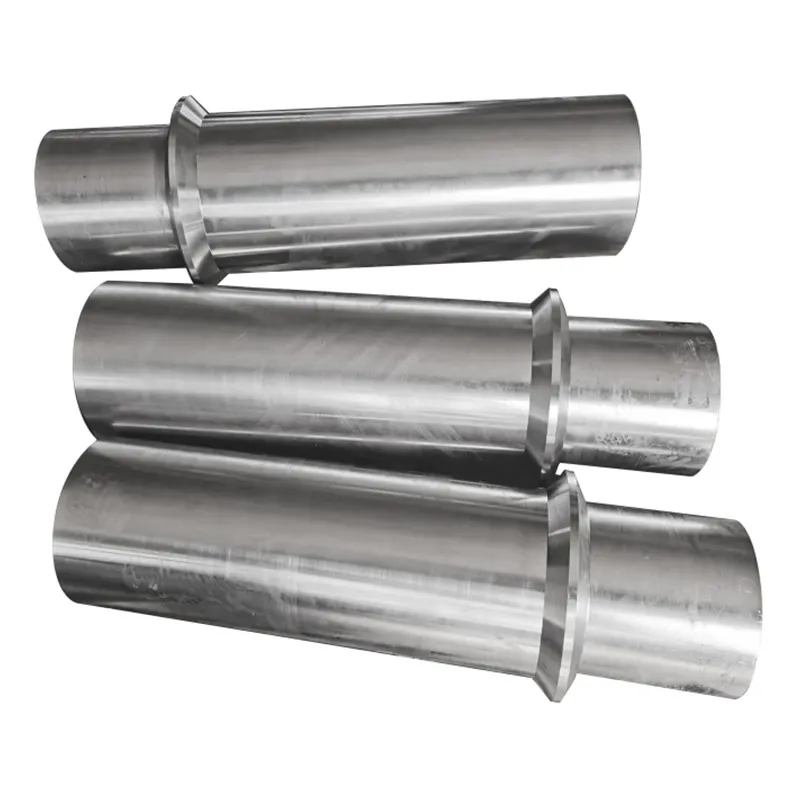
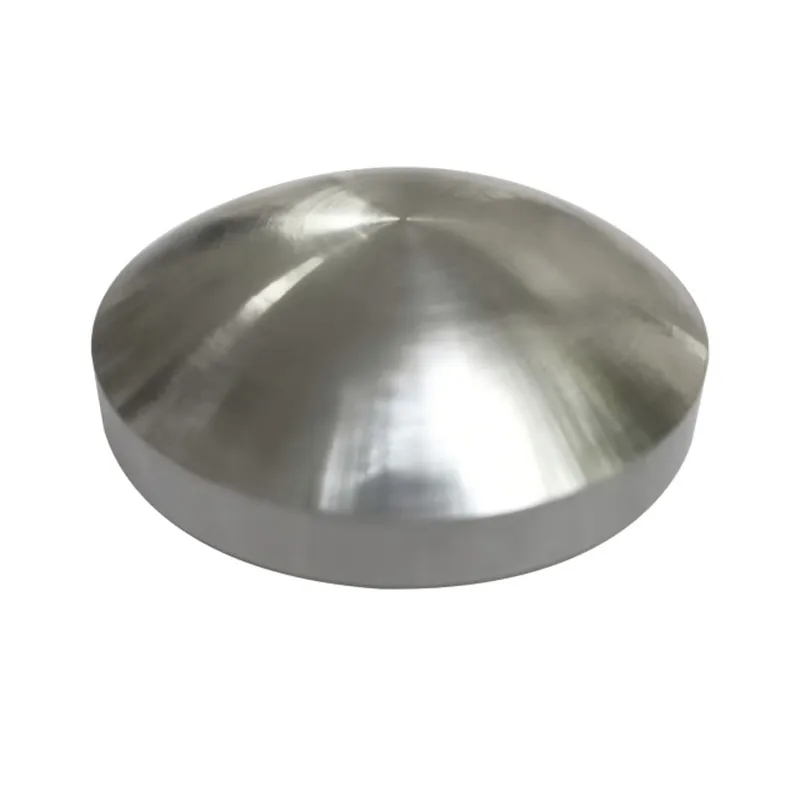
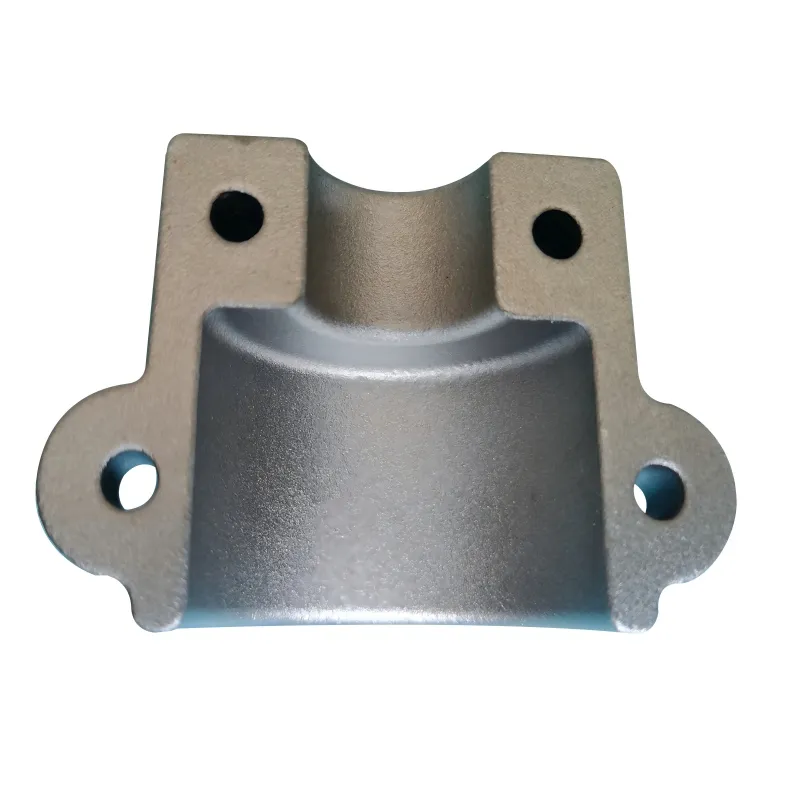
Let's cut through the marketing speak. When most people hear 'precision casting', they picture flawless, net-shape parts popping out of a mold, ready to go. The reality is messier, more nuanced, and frankly, more interesting. It's not just a process; it's a constant negotiation between design ambition, material behavior, and the gritty reality of physics and chemistry. Too many specs get thrown around without understanding what they truly cost to achieve on the floor.
The Shell Game: It's More Than Just Sand
Shell mold casting, one of our core methods, often gets lumped in with simpler sand casting. That's a mistake. The precision starts with the mold itself. We're not just packing sand around a pattern; we're building a thin, rigid shell through a multi-step stucco process. The consistency of the ceramic slurry, the grain size of the refractory stucco, the drying time between dips—each variable whispers to the final surface finish. Get one wrong, and you'll see it in the finish, or worse, in a shell fracture during pour. I've seen projects where the client demanded a Ra 3.2 μm surface finish as-cast. Achievable? Yes, with shell. But it meant tweaking the first coat slurry viscosity and moving to a finer zircon sand for the face coat, which added cost and delicate handling requirements. It's these trade-offs that define real precision.
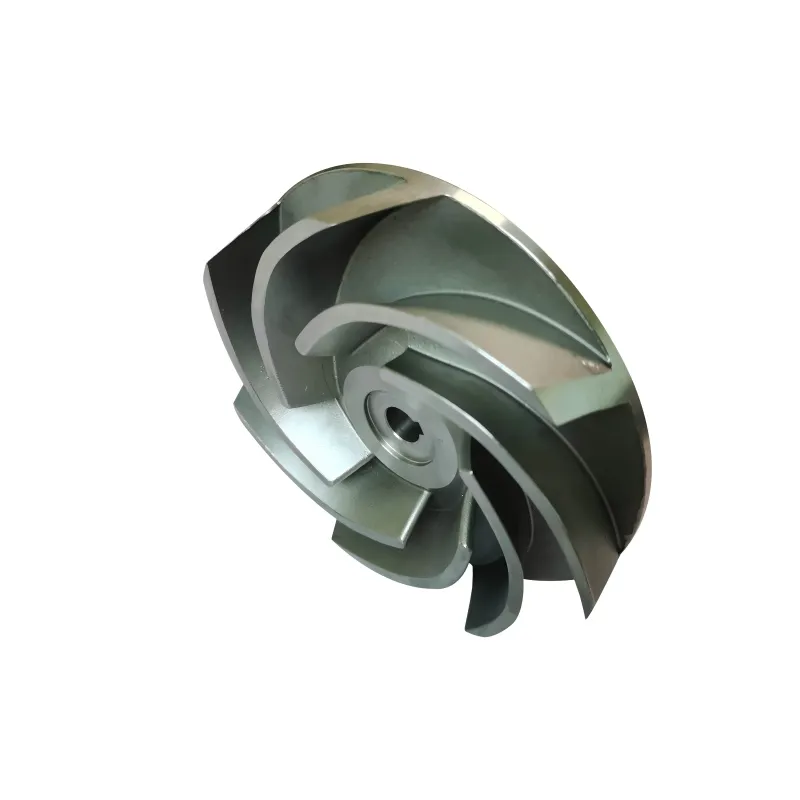
The real test comes with complex geometries. Thin walls, internal channels, undercuts. With shell molding, we can achieve sections down to about 3mm reliably, but pushing to 2mm? That's where the art comes in. It requires perfect pattern design (draft angles are non-negotiable), and a controlled, faster pour to fill the cavity before the metal starts to freeze in those delicate sections. We lost a batch once on a pump impeller prototype—beautiful pattern, but the core prints were slightly undersized. During pouring, the buoyancy of the molten stainless steel actually lifted the core, misaligning the internal passages. A quiet, expensive failure that taught us to over-engineer core anchoring for dynamic pours.
And then there's the material constraint. Shell molds have excellent dimensional stability for ferrous alloys—cast irons, carbon steels, stainless grades. But when you jump to superalloys with pouring temperatures north of 1500°C, the thermal shock on the shell is brutal. We switched to a fused silica-based face coat for a series of nickel-based alloys components, which helped, but it introduced a new problem: the shell became more brittle. The handling process from dewaxing to pouring had to be re-thought entirely. No textbook covers that; it's tribal knowledge on the floor.
Investment Casting: The Lost Wax Reality Check
Investment casting is the poster child for precision, and for good reason. The wax pattern replication is where the fidelity is born. But the term 'lost wax' sounds almost magical, and it obscures the sheer number of steps where tolerance can bleed away. The wax injection parameters—temperature, pressure, hold time—directly affect pattern dimensions and surface quality. A pattern that looks perfect can shrink differentially during the investment process, throwing off critical dimensions.
We use it heavily for parts that would be impossible to machine economically—think integrally cast turbine blades with internal cooling channels, or medical implant prototypes with organic shapes. The dimensional accuracy is superb, often holding +/- 0.005 inches per inch. But that's under ideal conditions. One lesson hard-learned: ambient humidity on the day you build the ceramic shell matters. Too high, and the successive layers don't dry and sinter properly; the shell can be weak. Too low, and the layers can cure too fast, inducing stress. We now have climate control in the shell-building room, a non-negotiable capital expense that paid for itself in reduced scrap.
The dewaxing process is another critical juncture. Autoclave vs. flash fire? Each has merits. For larger patterns with thick sections, we prefer a controlled autoclave cycle to melt the wax out without cracking the green shell. But for delicate, thin-walled structures, the thermal shock of a flash fire can be too severe. We cracked an entire tree of aerospace brackets once by being too aggressive with the autoclave pressure. The wax didn't drain fast enough, expanded, and… pop. A silent, ceramic crunch that means weeks of lost time. Now, for every new wax assembly, we run a small test shell to dial in the dewaxing parameters. It's slow, but it saves.
Material is Not Just a Spec Sheet
Clients send material specs: ASTM A351 CF8M or Inconel 718. That's the start of the conversation, not the end. Each alloy behaves like a living thing in the crucible and the mold. Take stainless steel. The chromium wants to oxidize, forming a slag that can get trapped in the casting if the gating system isn't designed to keep the pour turbulent and exposed to air. We use runner extensions and ceramic filters as standard now, but it took a few batches with ugly surface inclusions to make that a rule.
Cobalt-based alloys are a beast of their own. Fantastic wear and corrosion resistance, terrible fluidity. They get mushy quickly, so filling thin sections is a race. We often have to superheat them more than the spec sheet recommends, which risks grain growth and carbide precipitation. The solution? Faster pouring through heated troughs and sometimes even pre-heating the molds. It adds complexity, but it's the only way to get a complete fill on a valve seat, for instance. You can't just pour these like you pour cast iron.
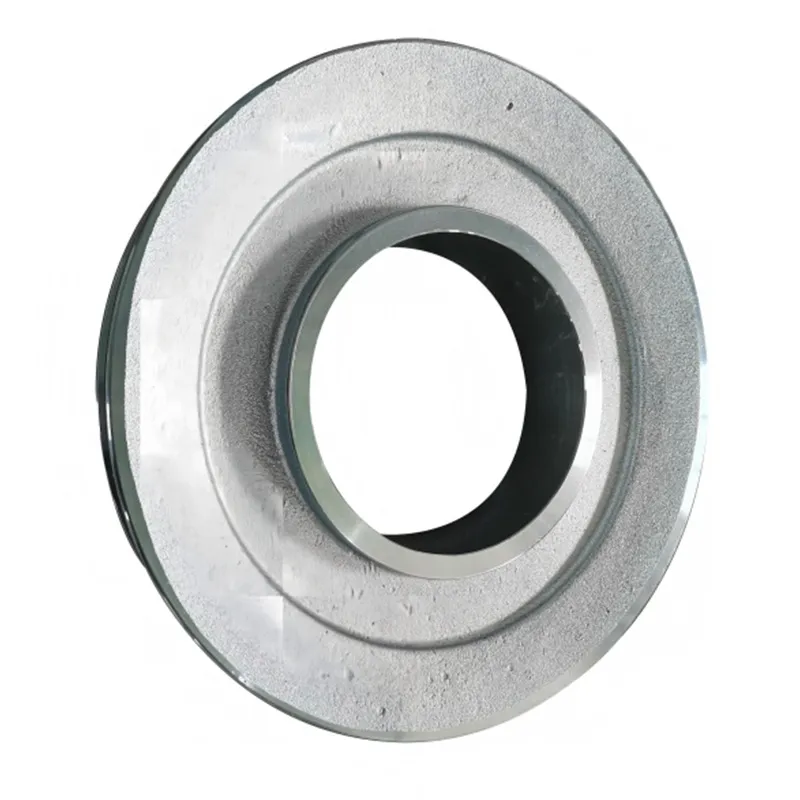
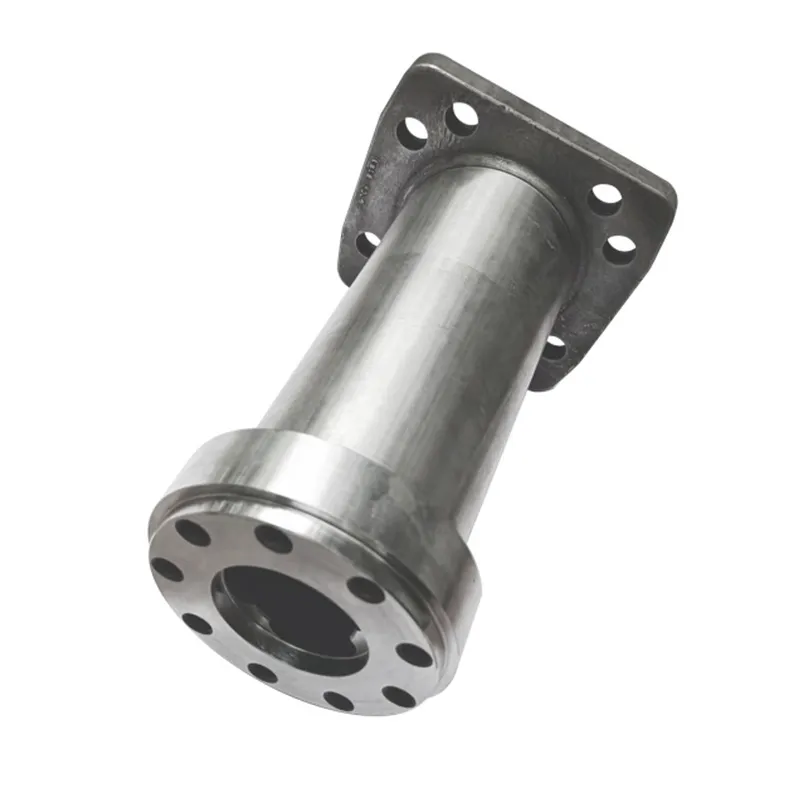
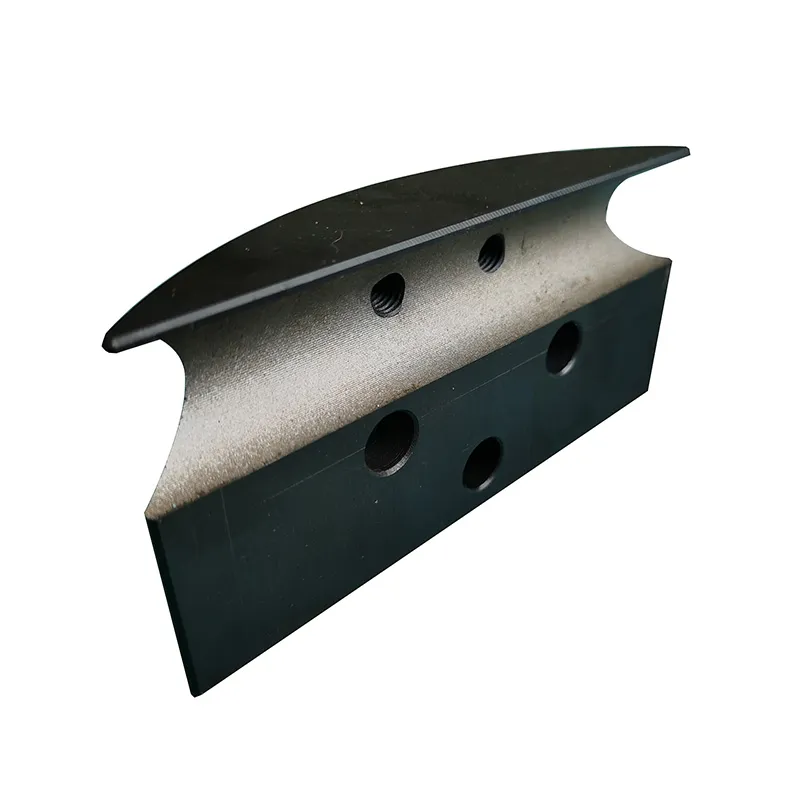
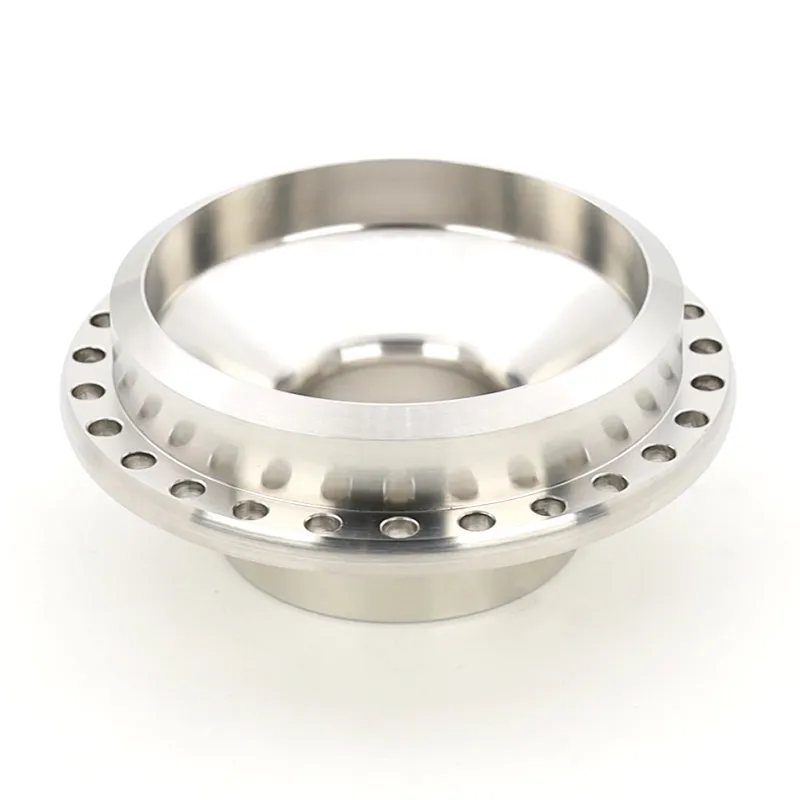
And then there's the post-casting reality. Many assume a precision-cast part is finished. Hardly. Almost everything goes to our CNC department. The casting provides the near-net shape, but the machining provides the final, functional precision—the threads, the sealing surfaces, the tight-tolerance bores. This is where the synergy at a place like Qingdao Qiangsenyuan Technology Co., Ltd. (QSY) makes sense. Having casting and machining under one roof means the machining team can feed back to the foundry: This boss is always 0.5mm too thick, leaving too much stock for us to remove, or The as-cast surface in this pocket is so good we can skip a roughing pass. That feedback loop, built over their 30 years, is where true consistency is forged.
CNC: The Partner, Not the Clean-Up Crew
Speaking of CNC, it's not an afterthought; it's an integral part of the precision equation. The datum points established on the casting pattern must be designed with the machining fixture in mind. We've moved to 3D-printed fixture prototypes to test this interface before cutting metal. A beautifully cast part is useless if it can't be held securely for machining without distortion.
For materials like duplex stainless steels or hardened tool steels, the machining parameters post-casting are critical. The heat treatment from the casting process affects the machinability. We often do a soft anneal before machining, then a final heat treat to spec, followed by a light finishing pass. It's a three-step dance between the furnace and the machine center. Trying to machine an as-cast, hardened steel component is a great way to burn up inserts and introduce stress into the part.
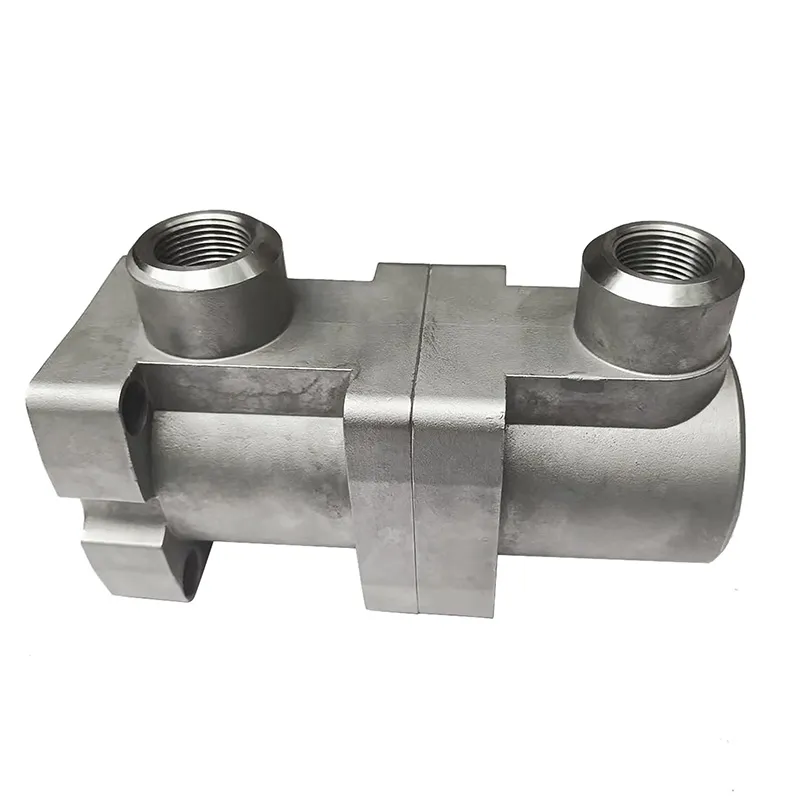
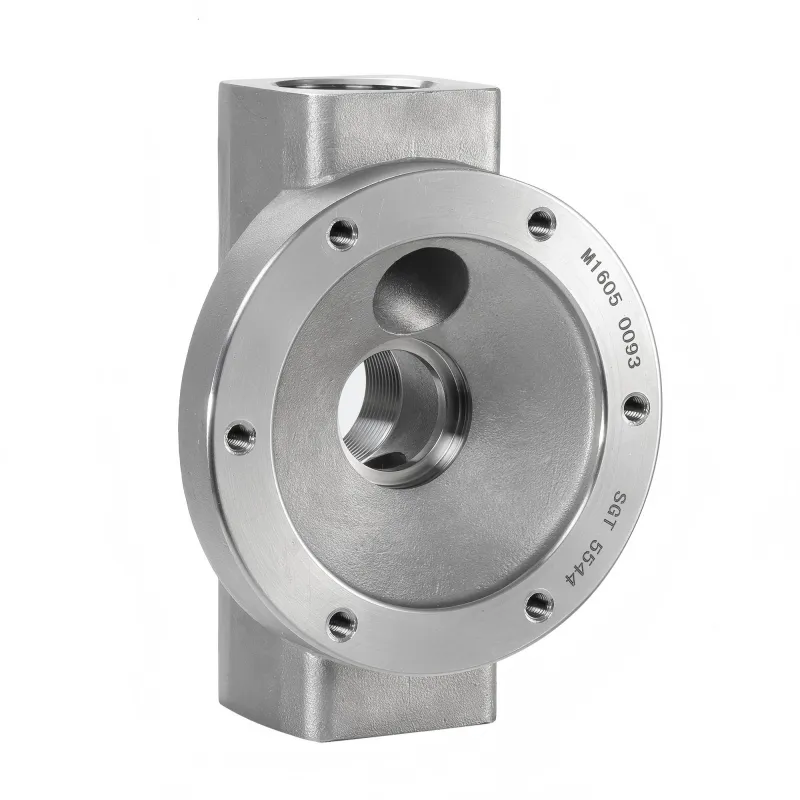
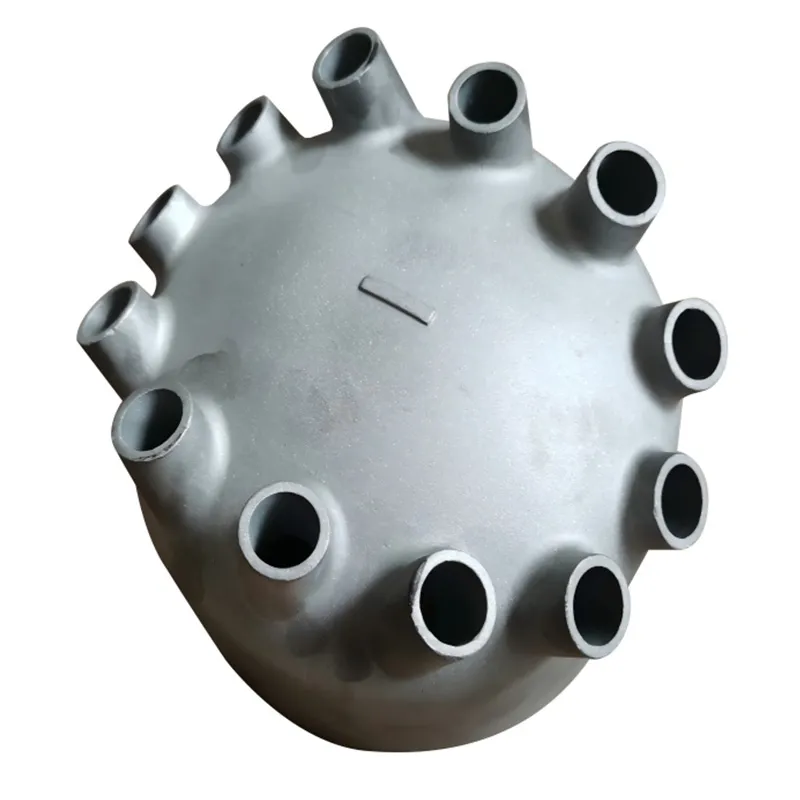
The real value-add is in machining the un-machinable cast shapes. We recently had a manifold with intersecting internal passages that would be impossible to drill. Through investment casting, we formed the passages. Then, using a combination of 5-axis CNC and EDM, we created the flanges and port connections with perfect alignment to those cast passages. The casting enabled the complexity; the CNC enabled the interface to the real world.
Failure is a Data Point
You don't get good at this without breaking things. A lot of things. The goal isn't to avoid failure, but to make it happen in a controlled, informative way. We run first-article inspections that are borderline destructive—cutting up sample castings to measure internal wall thickness, checking for micro-porosity with dye penetrant on non-critical surfaces, doing bend tests on separately cast test bars.
One persistent issue was micro-shrinkage in heavy sections adjacent to thin walls. The solution wasn't in the mold; it was in the riser design and the use of exothermic padding to control the solidification gradient. We learned that from a failed pump housing. The pressure test passed, but an X-ray revealed a spongy area that would have failed in fatigue. That led to a standard review of our feeder neck designs for similar geometries.
In the end, precision casting is about control and predictability. It's about knowing that if you follow a specific process cocktail—this wax blend, that shell recipe, this pour temperature for that alloy, that machining sequence—you'll get a part within a predictable envelope of variation. It's never perfect, but it's reliably excellent. And that reliability, born from three decades of solving problems like those above, is what separates a part that works from a part that lasts. Companies that last, like QSY, understand it's this deep, sometimes messy, process knowledge that you're really buying, not just a CAD file turned into metal.