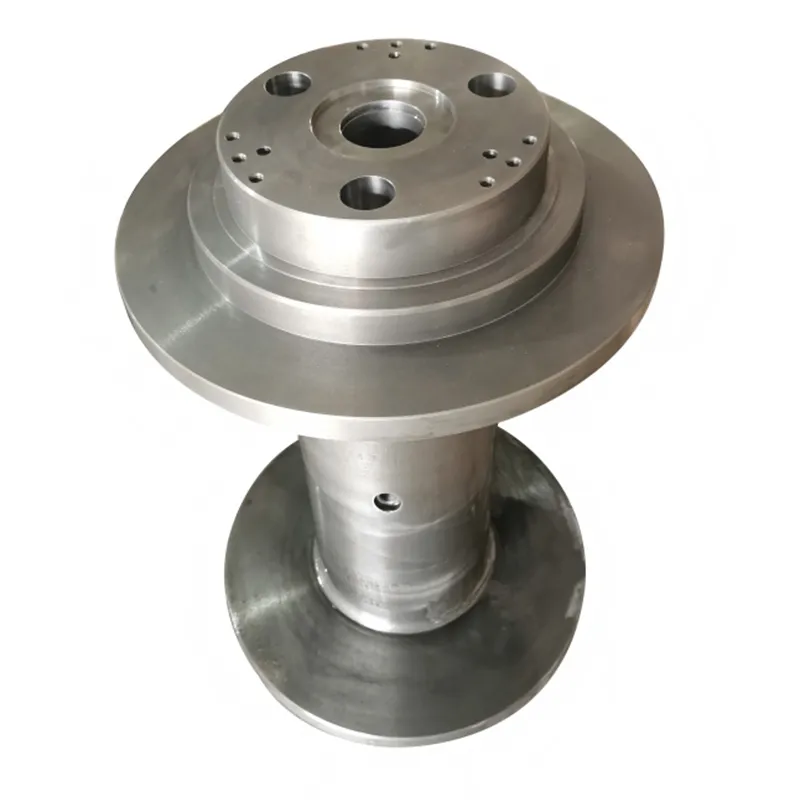
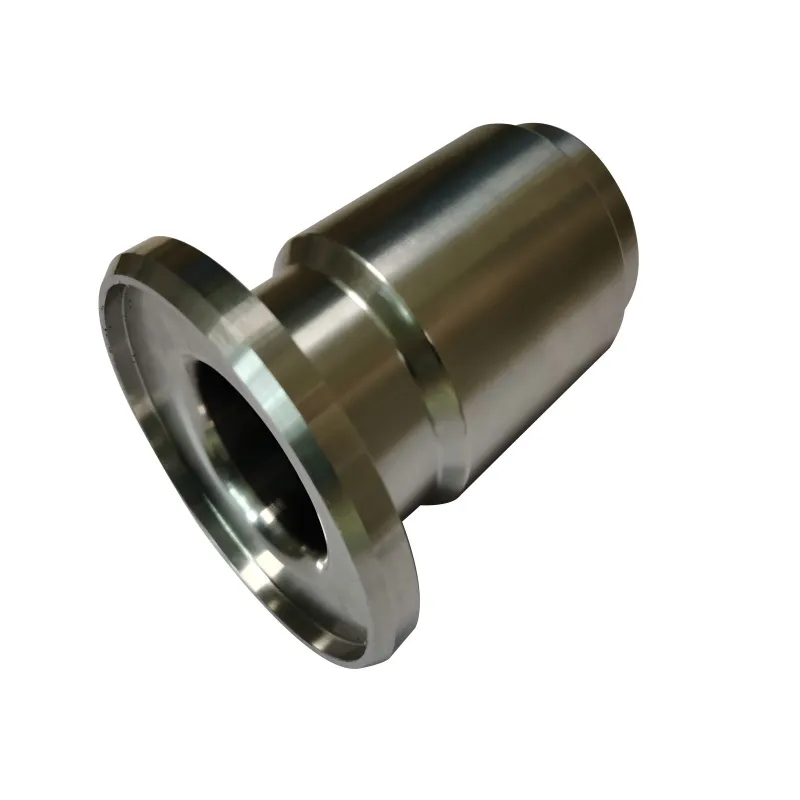
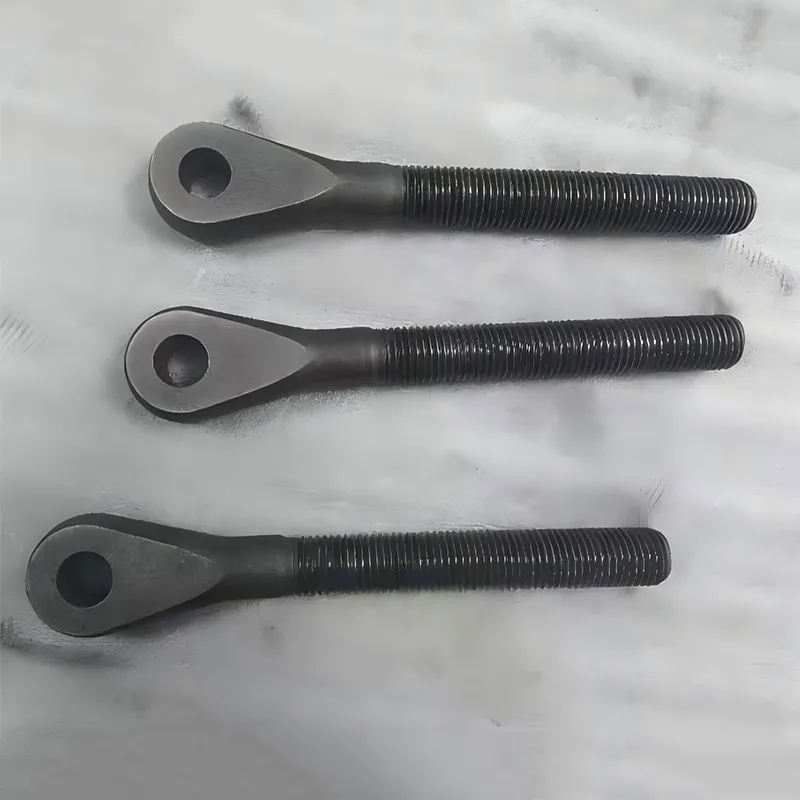
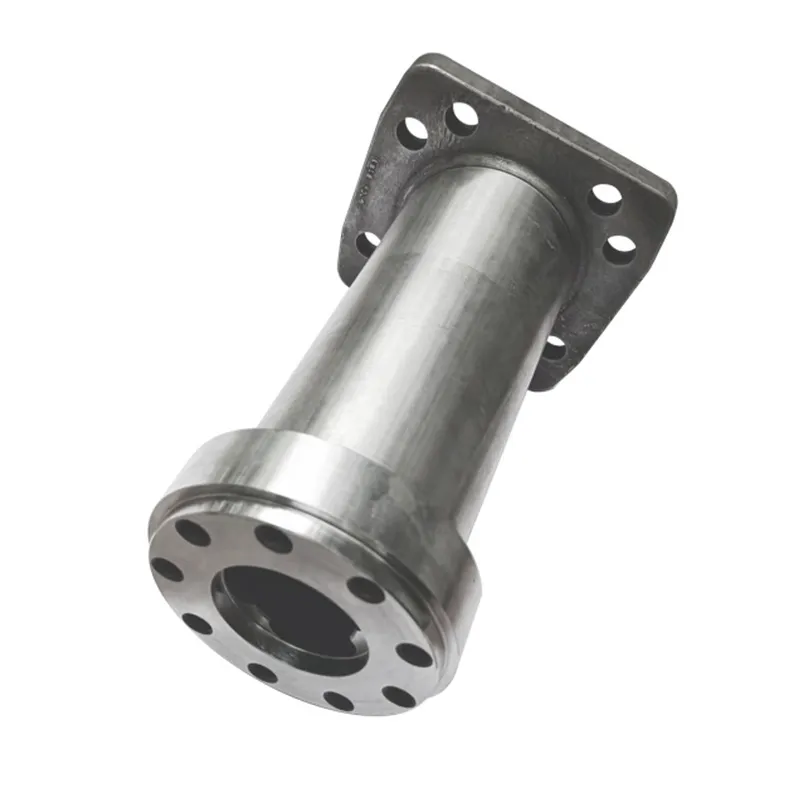
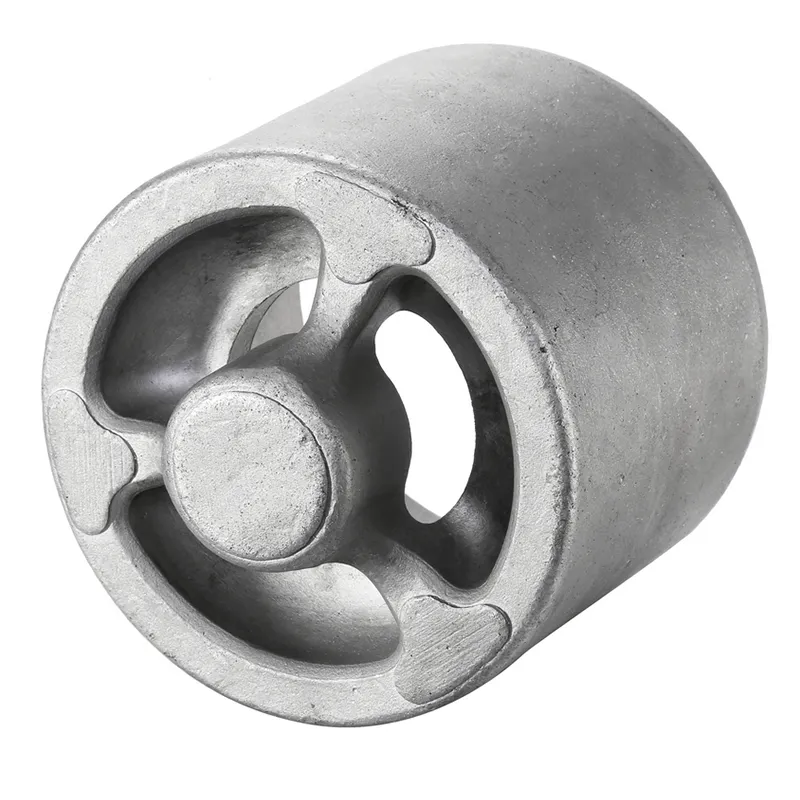
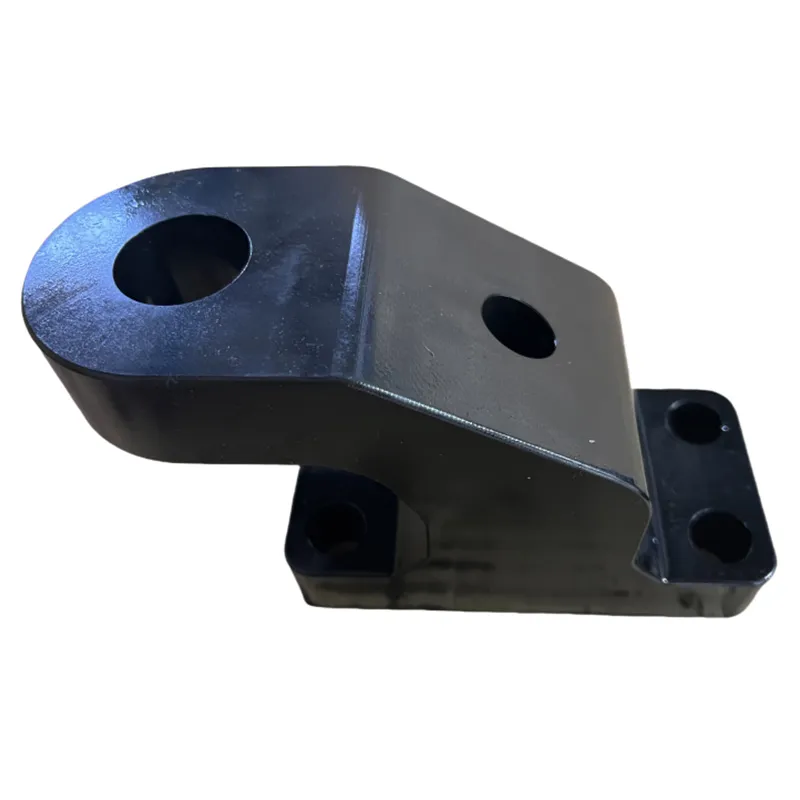
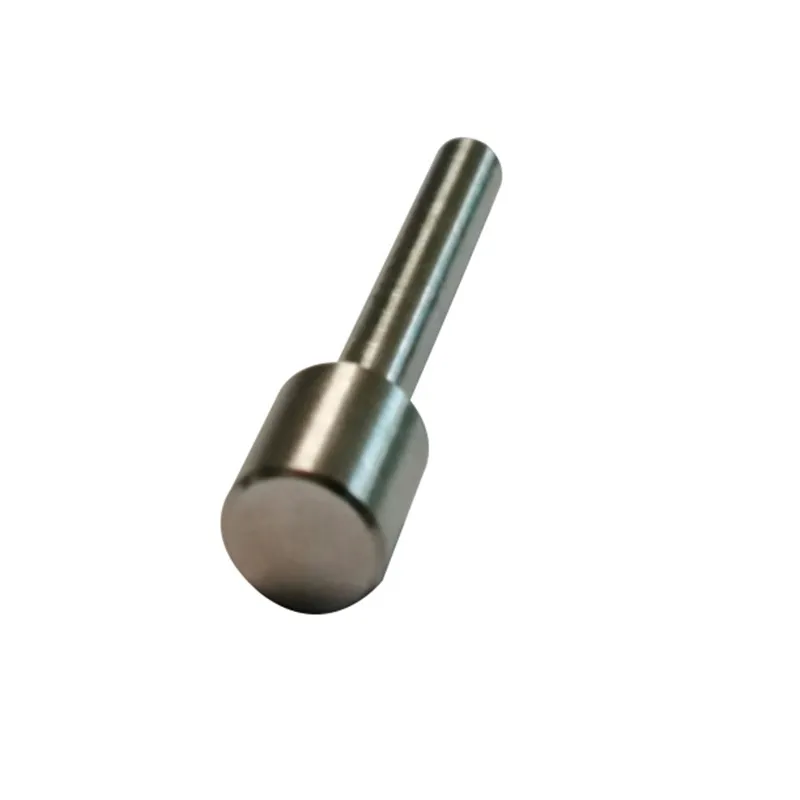
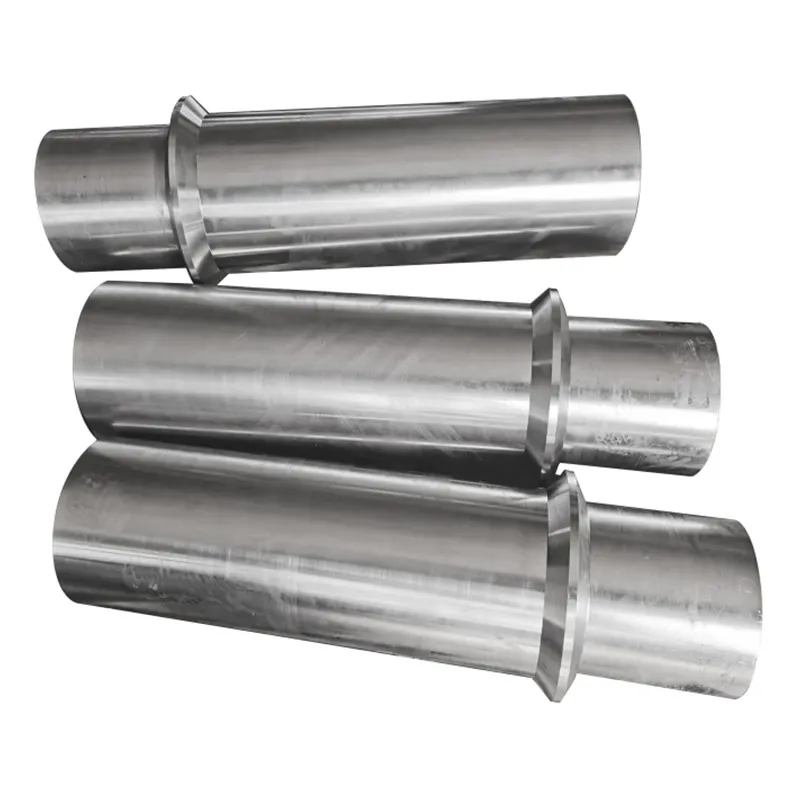
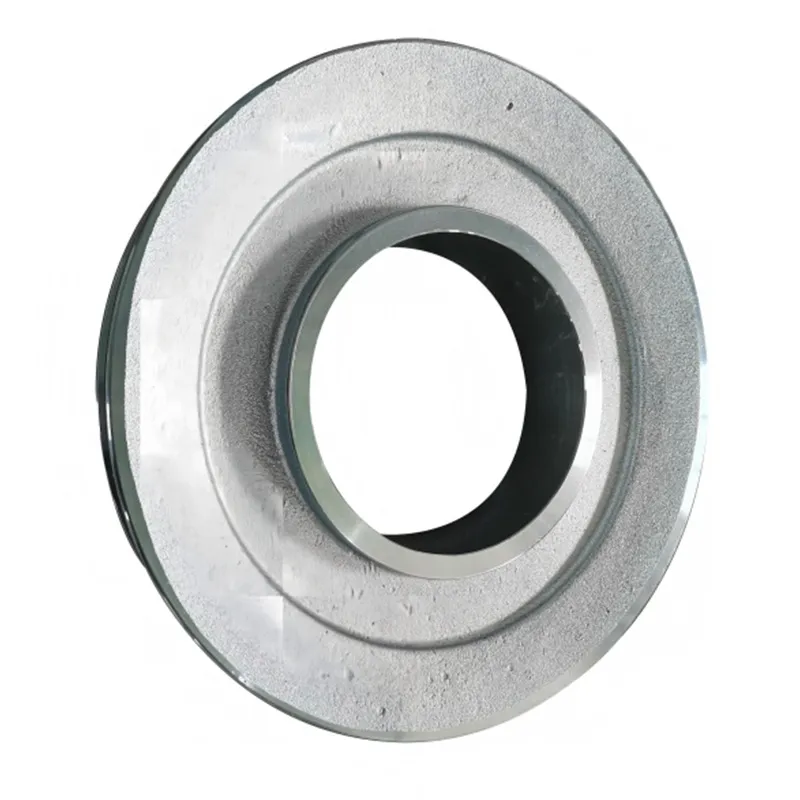
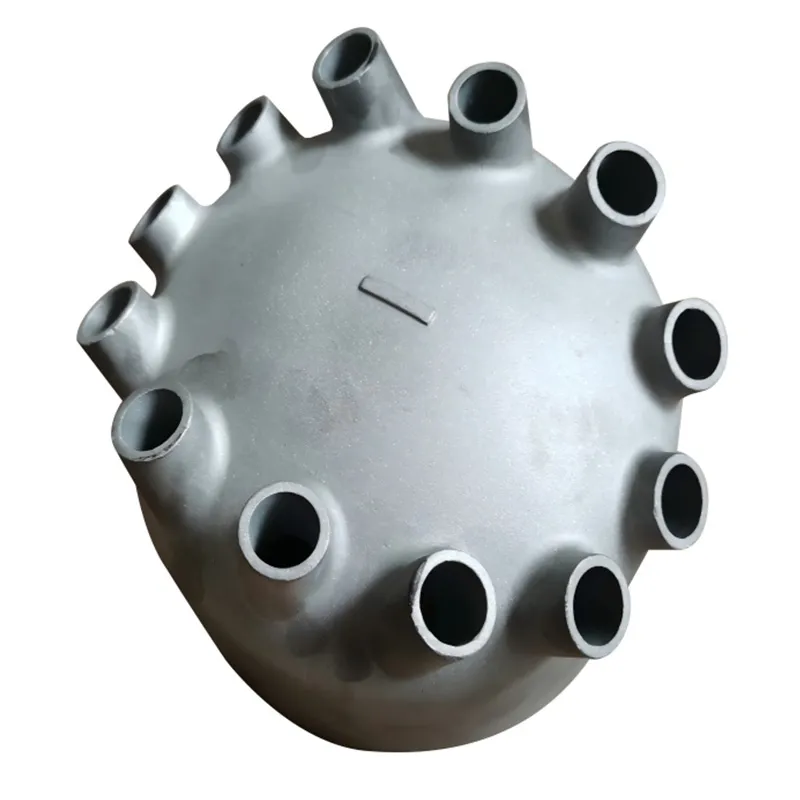
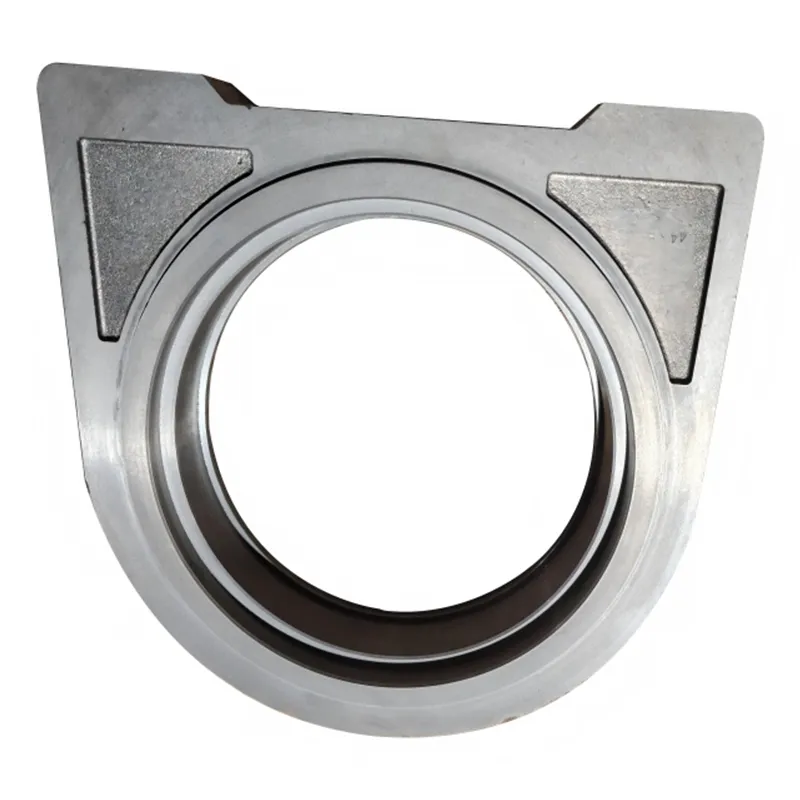
When you hear 'precision casting company', the immediate image is often a pristine facility churning out perfect, shiny metal parts. That's the marketing gloss. The reality, the day-to-day grind, is a constant negotiation between the ideal geometry on a CAD model and the stubborn physics of molten metal. It's not just about tight tolerances; it's about managing the entire ecosystem—from wax pattern to finished machined component—knowing that a 0.1mm deviation in the early stage can cascade into a scrap part after 30 hours of work. Many clients, and frankly some newcomers to the trade, conflate precision with complexity. They think intricate design equals high precision. Not necessarily. Sometimes, a simple-looking turbine blade with a specific internal cooling channel geometry is where the real test lies, far more than a visually complex decorative bracket.
The Core: It's a Process Chain, Not a Single Step
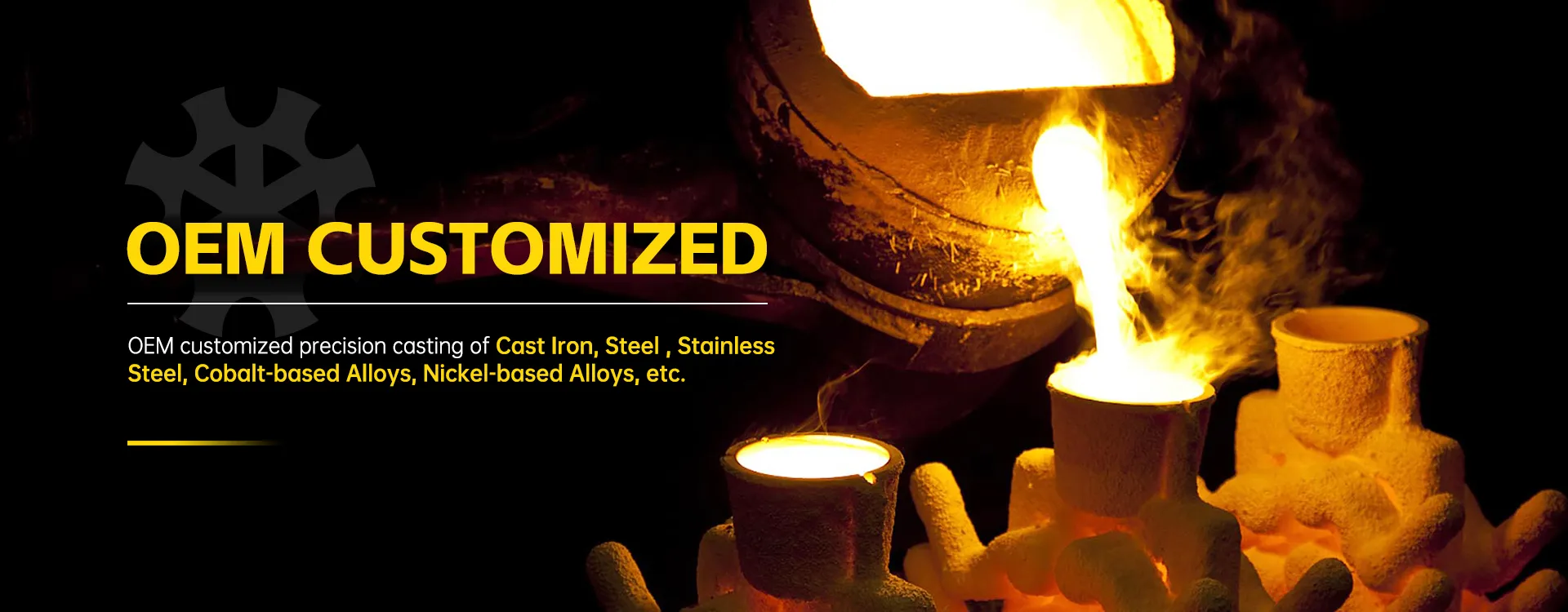
At its heart, a true precision casting company is defined by its control over the chain. Take shell mold casting and investment casting—often used interchangeably by outsiders, but they're different beasts. Investment casting (lost-wax) gives you that superb surface finish and complexity, ideal for things like impellers or surgical tools. Shell molding is faster for larger runs of slightly less intricate steel or iron parts. The choice isn't about which is 'better,' but which is economically and technically sane for the job. I've seen projects fail because this decision was made based on cost per unit alone, ignoring the total cost of post-casting machining. You save pennies on the casting, then spend dollars on the CNC to clean it up.
This is where the integration matters. A shop that only does casting and farms out machining is a coordination nightmare. Dimensional benchmarks get lost in translation. That's why outfits that have lasted, like Qingdao Qiangsenyuan Technology (QSY), built their model around housing both under one roof. Thirty years in this game, as their intro states, isn't just about age; it's about surviving the cycles by controlling more of the variables. They list shell mold, investment casting, and CNC machining together for a reason. It's the workflow. You pour the part, you let it cool, you machine it on your own mills, you inspect it against the original program. The feedback loop is tight.
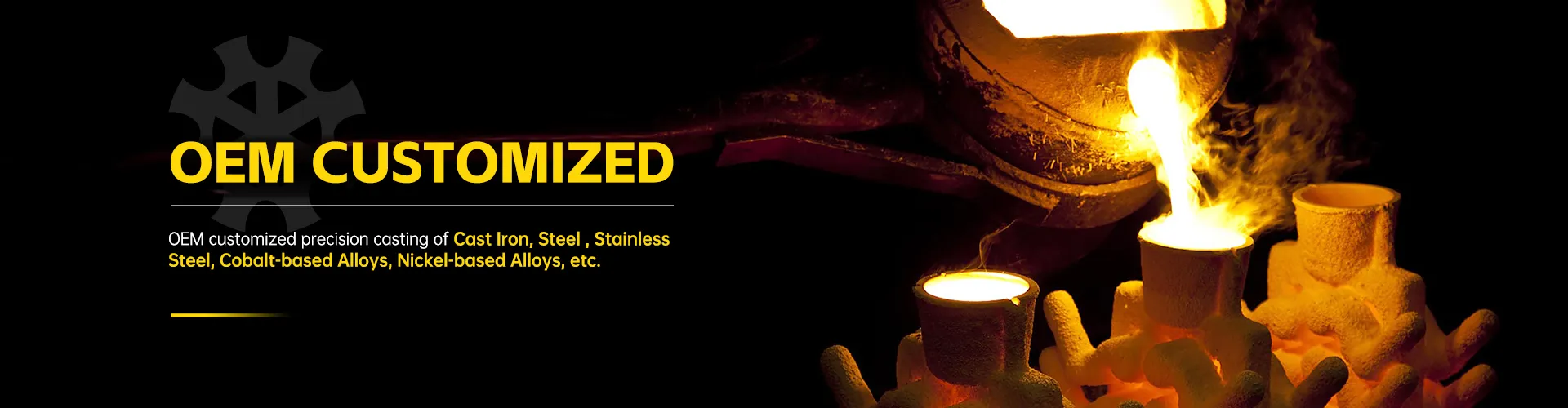
The material list is another tell. Cast iron, steel, stainless—standard fare. But when you see cobalt-based and nickel-based alloys explicitly mentioned, that speaks to a certain tier of work. These aren't for making decorative hardware. These are for aerospace, high-temp industrial, or oil & gas components where material properties are as critical as dimensions. Working with these isn't just about hotter furnaces; it's about knowing how they shrink differently, how they react to cutting tools. A miscalculation on the shrinkage allowance for a nickel-based superalloy can turn a $5,000 casting block into a very expensive paperweight.
The Devil in the Details: Where Projects Go Right or Wrong
Let's talk about a real, albeit common, headache: wall thickness transitions. A designer draws a beautiful housing with sleek, thin walls meeting a thick mounting flange. Looks great on screen. In the foundry, that's an invitation for shrinkage porosity or hot tears. The metal solidifies at different rates. The precision casting company engineer's job is to catch this, to suggest subtle fillets or gradual transitions that the designer might not consider. It's a negotiation. Sometimes you win, sometimes you have to run a sample and let the X-ray show the flaw to prove the point. The website tsingtaocnc.com likely gets these CAD files daily. The first step isn't quoting; it's a manufacturability review that feels more like a therapy session for the design.
Another detail is gating and venting. Where you pour the metal in and let the air out seems trivial. It's anything but. I recall a batch of stainless steel valve bodies that kept showing surface pitting. Beautiful dimensions, perfect finish, except for these tiny pits. We chased everything—ceramic filter quality, mold preheat. Turned out the venting was just slightly inefficient for that particular part geometry, causing turbulence that trapped gas. A 2mm adjustment to a vent channel, something invisible on the final part, solved it. This isn't textbook stuff; it's tribal knowledge built from screwing up and learning.
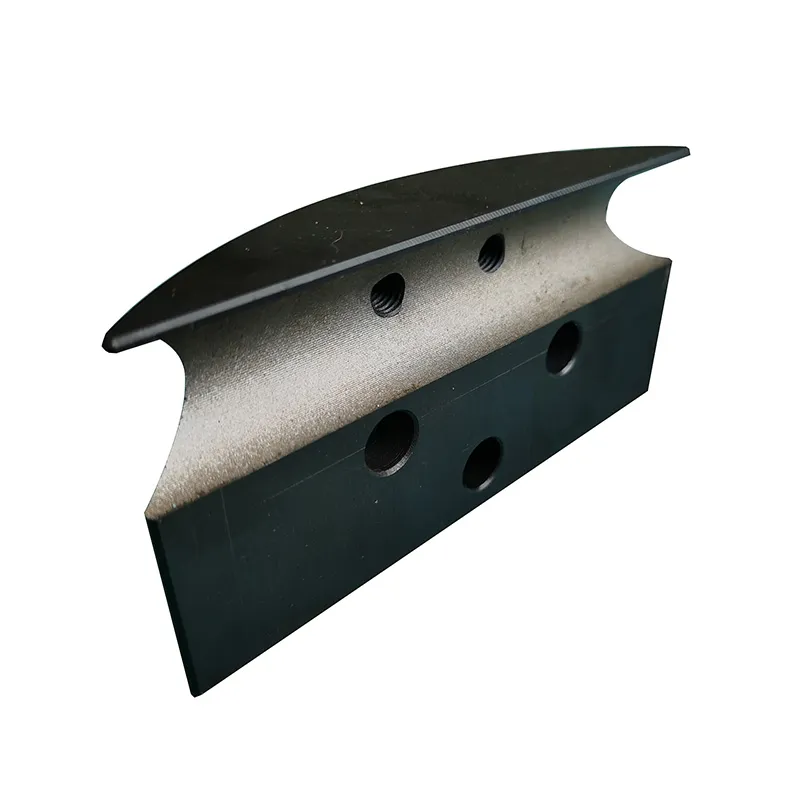
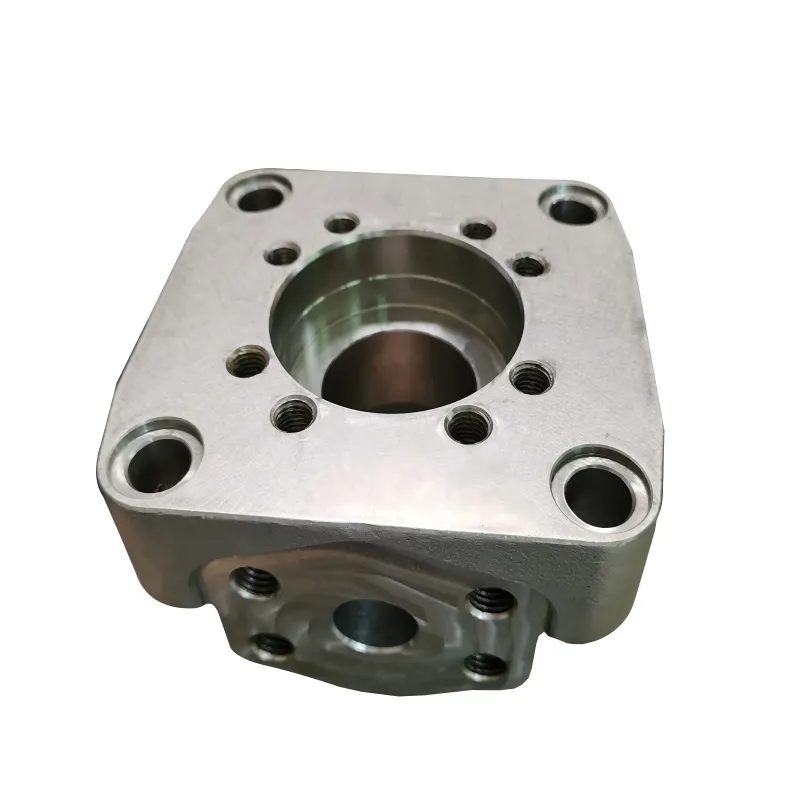
Post-casting, the CNC machining phase is where 'precision' is finally quantified. But here's a nuance: the machining datum. The casting isn't a perfect block. So, do you machine a reference surface first and then re-fixture? Or do you design the mold to include integral casting lugs that serve as machining datums? The latter is more elegant but demands incredible foresight and collaboration between the casting and CNC teams from day one. A company that does both in-house, like QSY, can standardize this process. It reduces setup time and stacking errors. You're not just machining a part; you're machining a part whose pedigree you know intimately because you made it from wax and sand.
Materials Aren't Just a Selection on a Drop-Down Menu
Picking a material from a catalog is easy. Understanding what it does in your specific process is the craft. 17-4 PH stainless, for instance. Great strength, corrosion resistance. But its heat treatment (H900, H1150) dramatically affects machinability and final dimensions. If you're doing investment casting, you have to plan for that growth/shrinkage from heat treat after the initial casting shrinkage. You're essentially predicting distortion twice. Get it wrong, and your precision part is out of spec after the final oven cycle. This is where the 30 years of experience isn't a fluffy line in a company intro; it's a database of past jobs, of what worked and what didn't with each alloy under specific geometries.
Then there's the economics of material. Special alloys like cobalt or nickel-based ones are brutally expensive. The scrap cost is catastrophic. This forces a different mindset in the precision casting company. Every step is more deliberate, inspection is more frequent, non-destructive testing like dye penetrant or even CT scanning becomes a justified cost, not an luxury. It changes the rhythm of the shop floor. The pressure is different. You're not running a high-volume job; you're shepherding a few high-value components through a minefield of potential defects.
The Real Measure: Consistency, Not Just a One-Off
Anyone can get lucky and produce a single perfect part. The hallmark of a reliable shop is consistency across batch runs, and year after year. This boils down to system control. Is the wax injection temperature consistent? Is the ceramic slurry viscosity checked on a strict schedule? Are the CNC tools monitored for wear, especially when cutting those hard alloys? It's boring, procedural stuff. It's also what separates the professionals from the hobbyists.
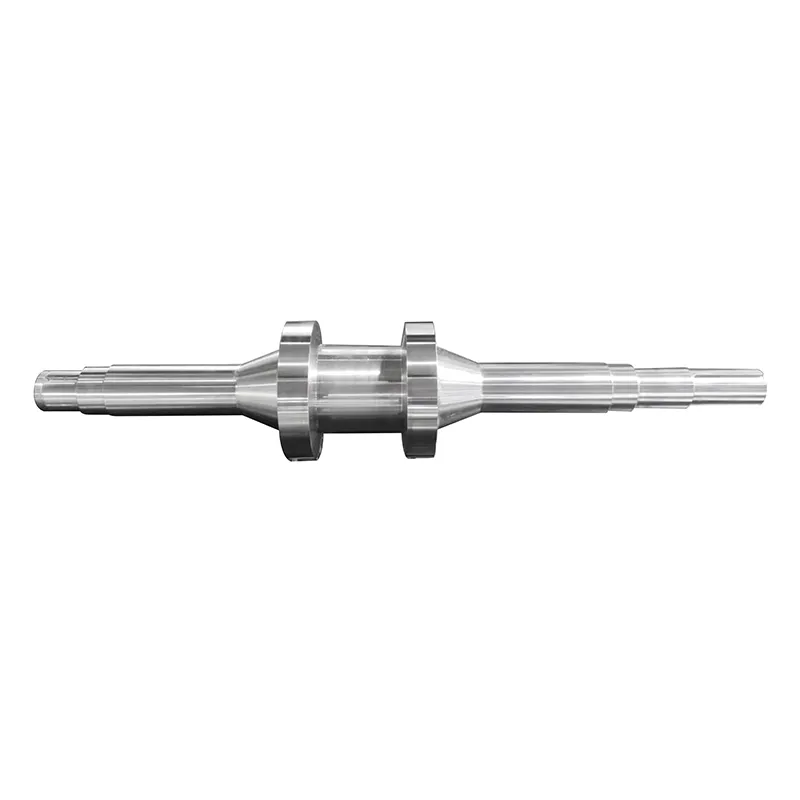
I think of a project for a pump manufacturer. They needed several hundred corrosion-resistant impellers. The first articles were flawless. At around unit 150, we started seeing a subtle shift in blade profile. Not enough to fail inspection, but a trend. The root cause? Gradual wear on the die used to inject the wax patterns. The pattern was changing almost imperceptibly, which replicated through the ceramic shell and into the metal. We caught it because we were tracking dimensional data statistically, not just checking against a go/no-go gauge. That's the unsexy side of precision: statistical process control charts and vigilant technicians.
This consistency is what builds a reputation. A company's website, like the one for QSY, can list all the capabilities, but the proof is in the repeat orders. When a client in the energy sector sends you a new turbine component design because the last 500 you made for them had zero field failures, that's the real testimonial. It means your process chain held up under pressure, literally and figuratively.
Looking Ahead: The Squeeze and the Skill
The pressure on precision casting company operations is always twofold: tighter tolerances from clients and thinner margins from competitors. Additive manufacturing (3D printing) is often cited as a threat, and for some rapid prototyping, it is. But for production runs of high-performance metal parts, especially in special alloys, casting still holds advantages in material properties and unit economics for certain volumes. The future, I suspect, is in hybridizing. Using 3D printing to create impossibly complex ceramic cores for investment casting, for example, to create internal passages that were previously un-moldable.
The other challenge is human capital. The skills here—pattern making, gating design, metallurgy, CNC programming for as-cast parts—are specialized. They're learned on the floor, next to the furnace and the machine, not just in a classroom. The 'over 30 years' of operation for a firm isn't just corporate history; it's the embodied knowledge of the senior engineers and foundry masters. The trick is passing that on in an era where fewer young people look at a foundry as a career. The most advanced CAD/CAM software still needs that human judgment to tell it, This simulation looks good, but based on last year's similar job, we need to add 0.5% more shrink allowance here.
So, when you evaluate a precision casting partner, look beyond the shiny brochure parts. Ask about their process linkage. Ask how they handle a design with a problematic thickness transition. Ask for an example of a material-related failure and what they learned. Their answers, the nuance and the war stories, will tell you far more about their real capabilities than any polished marketing claim ever could. The goal isn't perfection on paper; it's predictable, reliable, and intelligent execution, shot through with hard-won pragmatism.