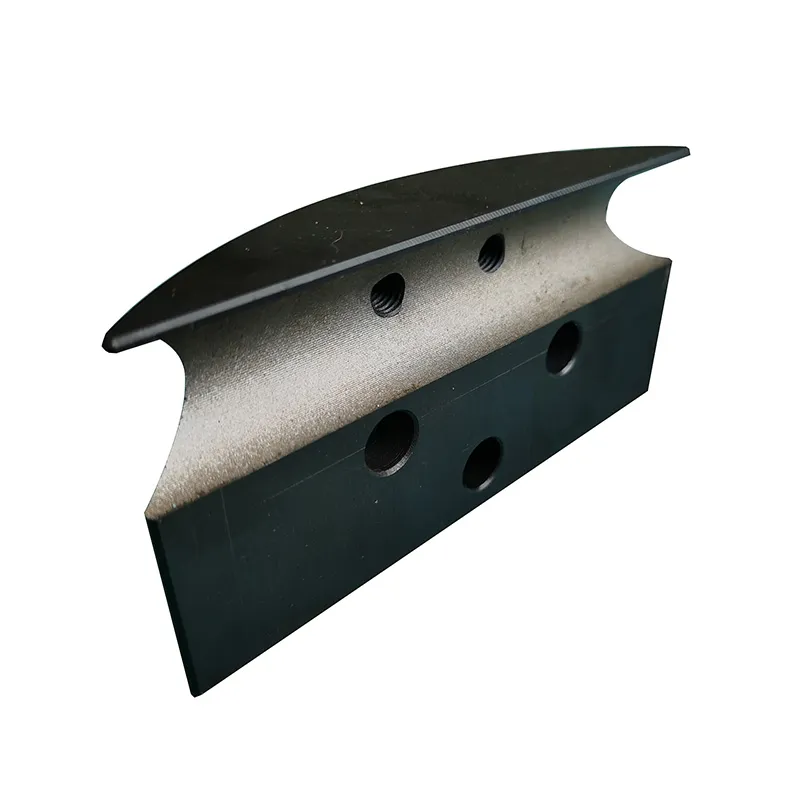
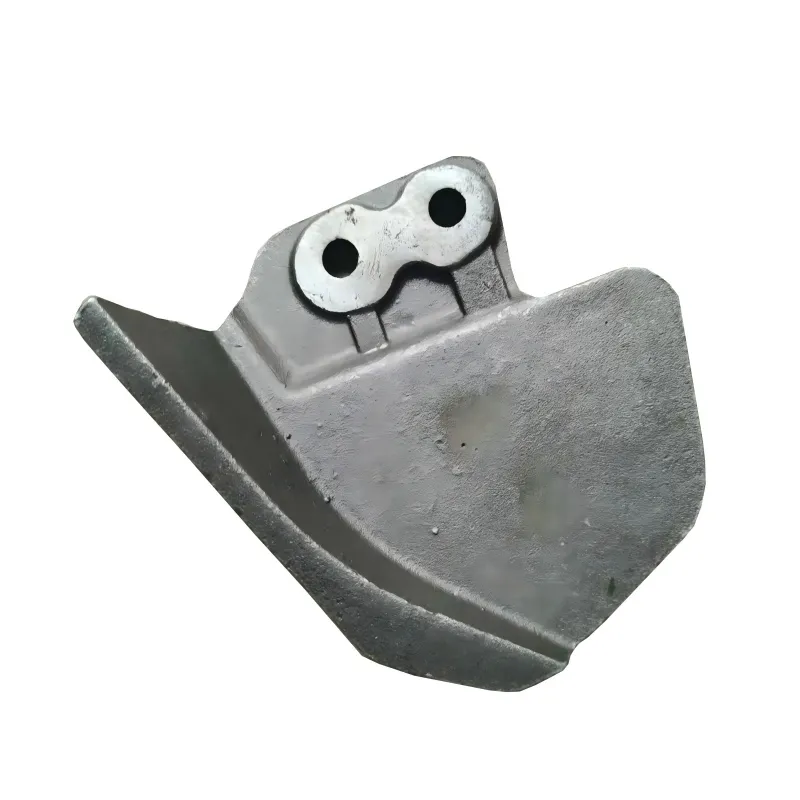
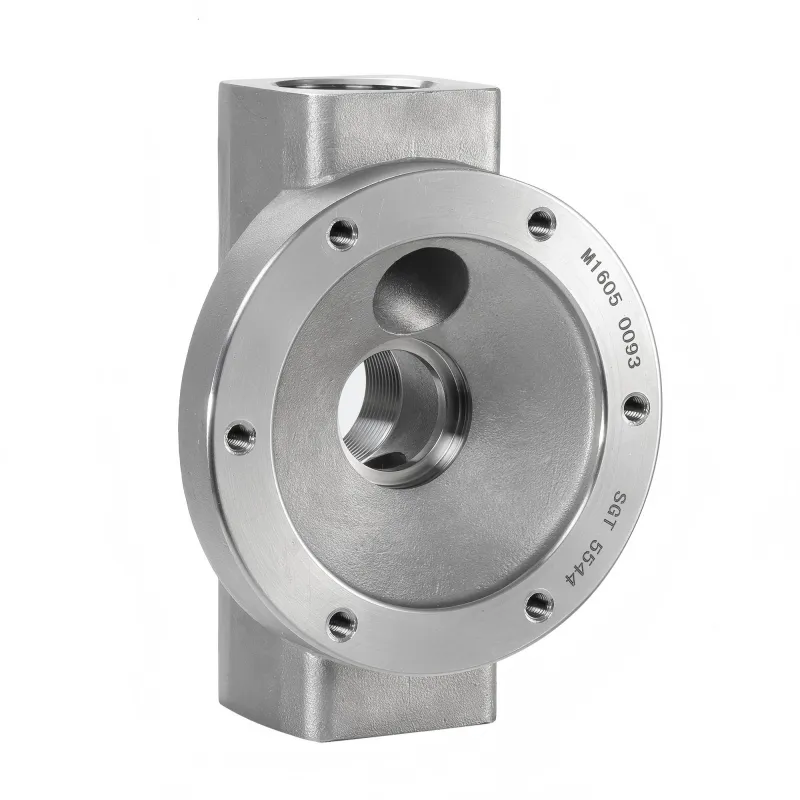
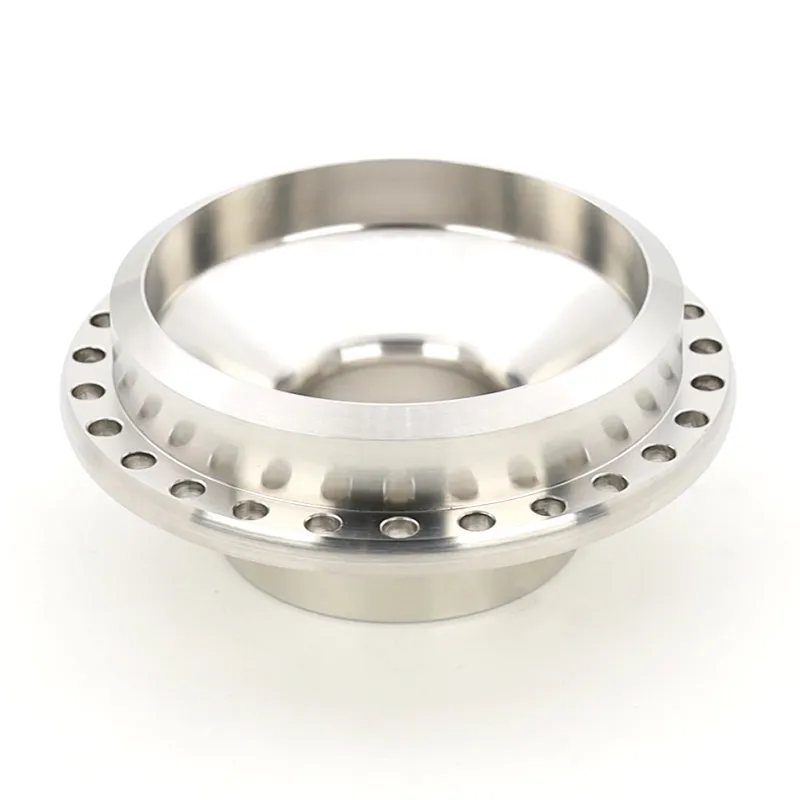
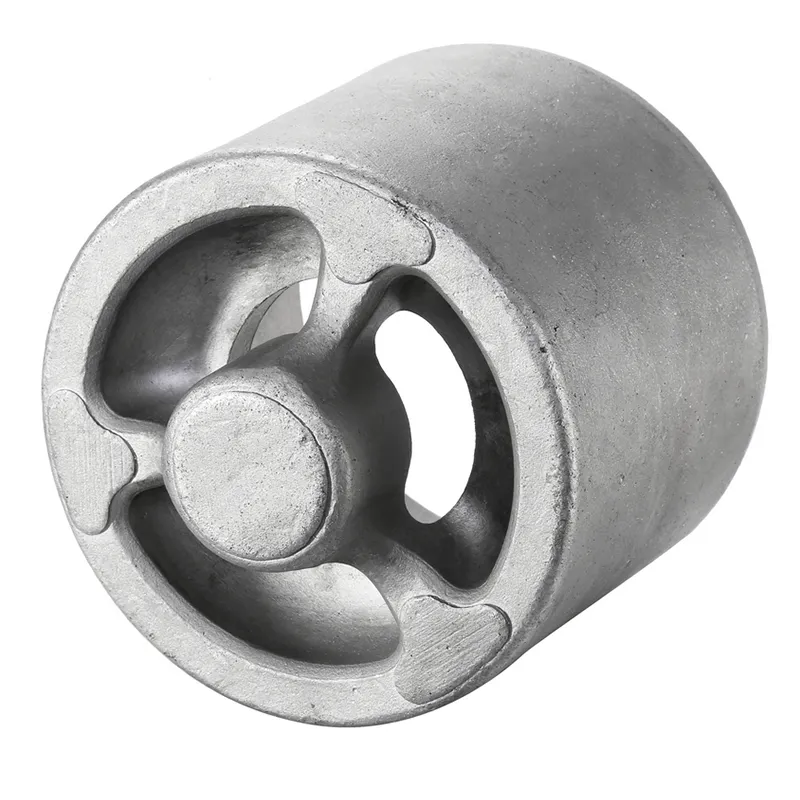
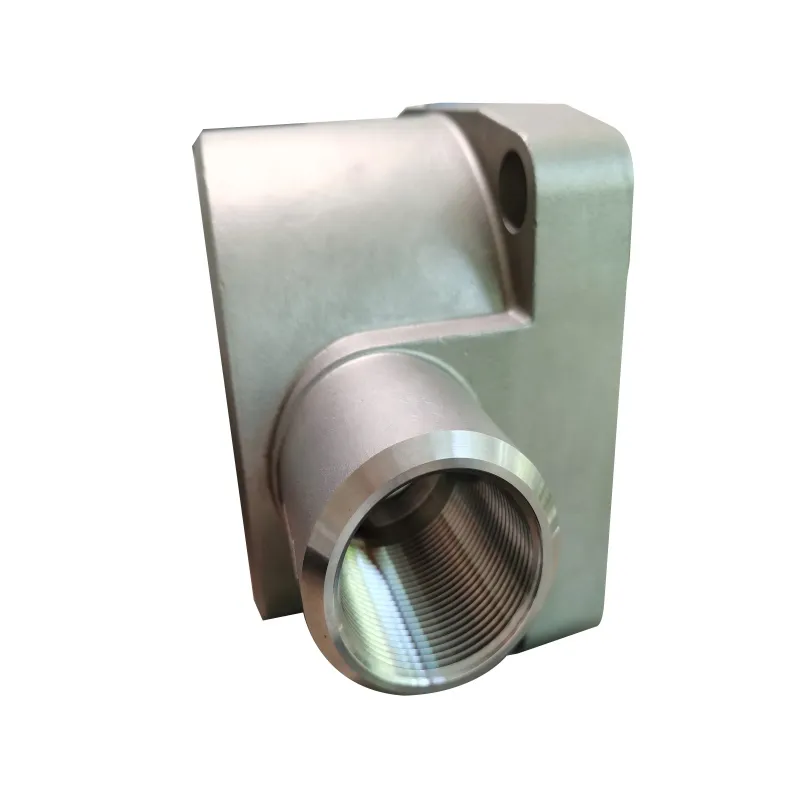
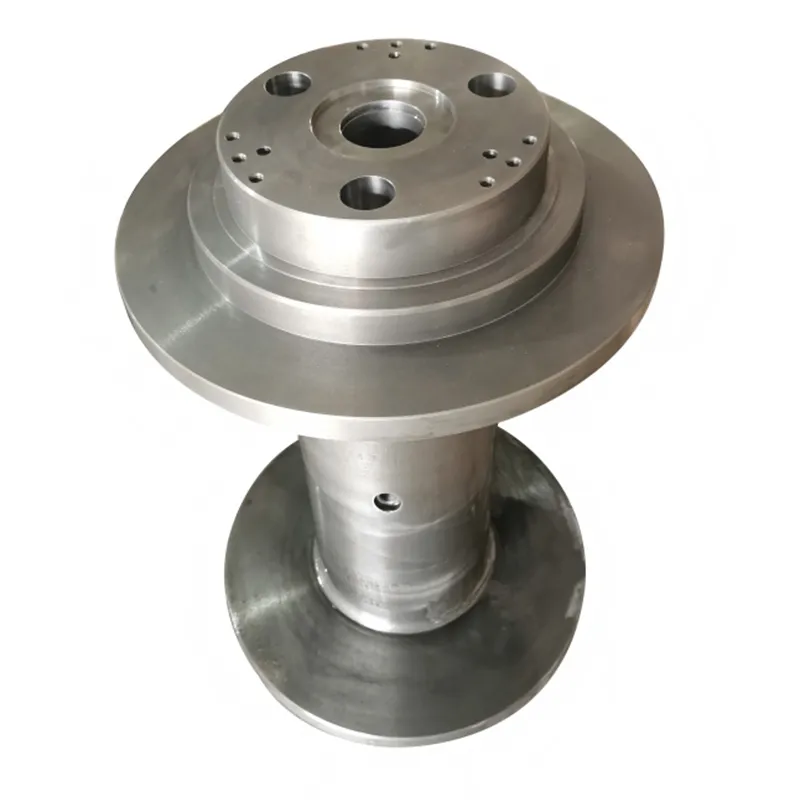
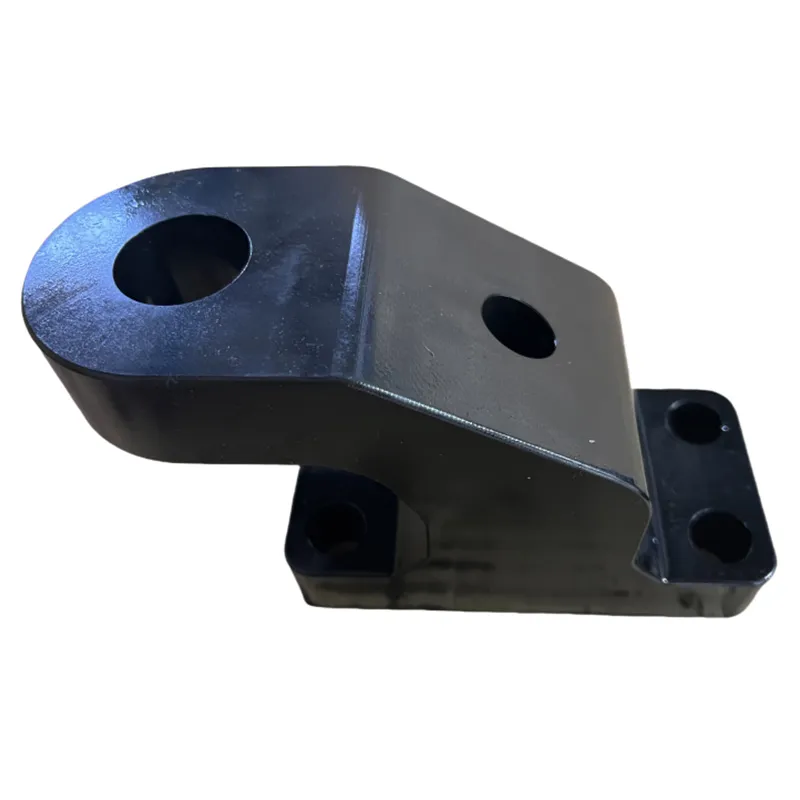
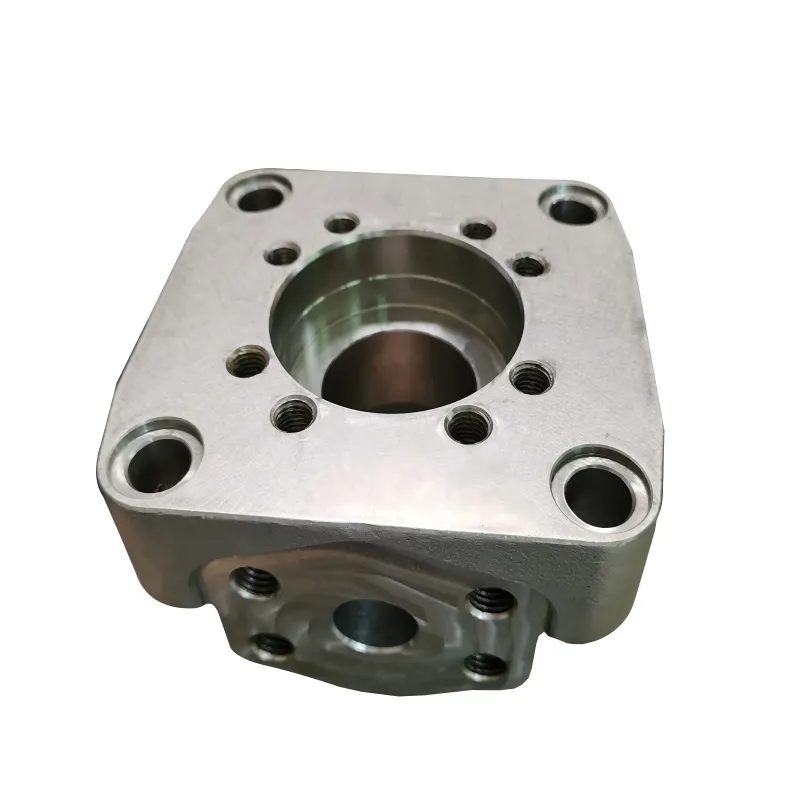
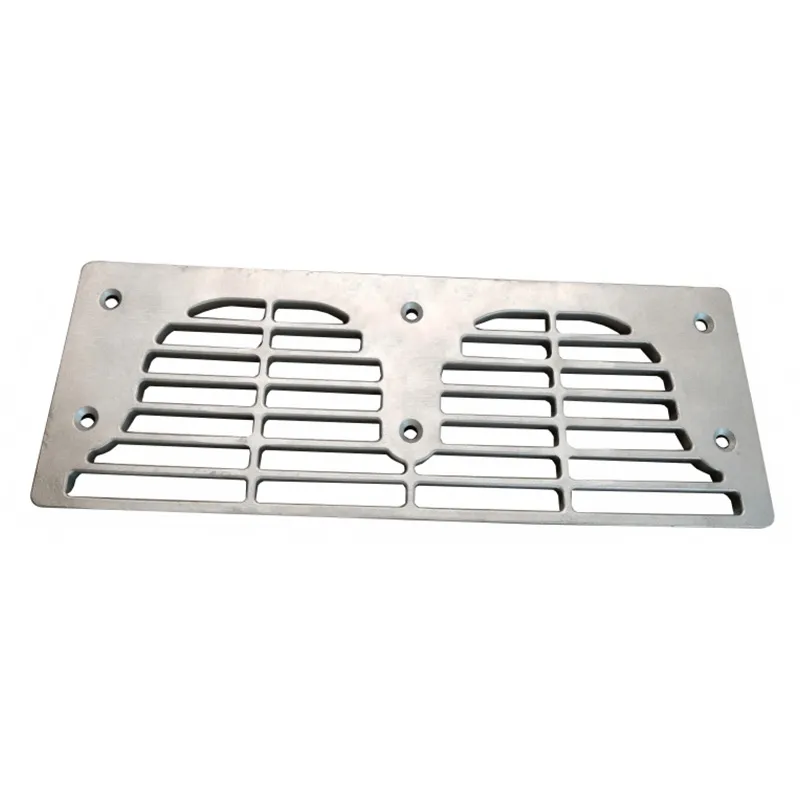
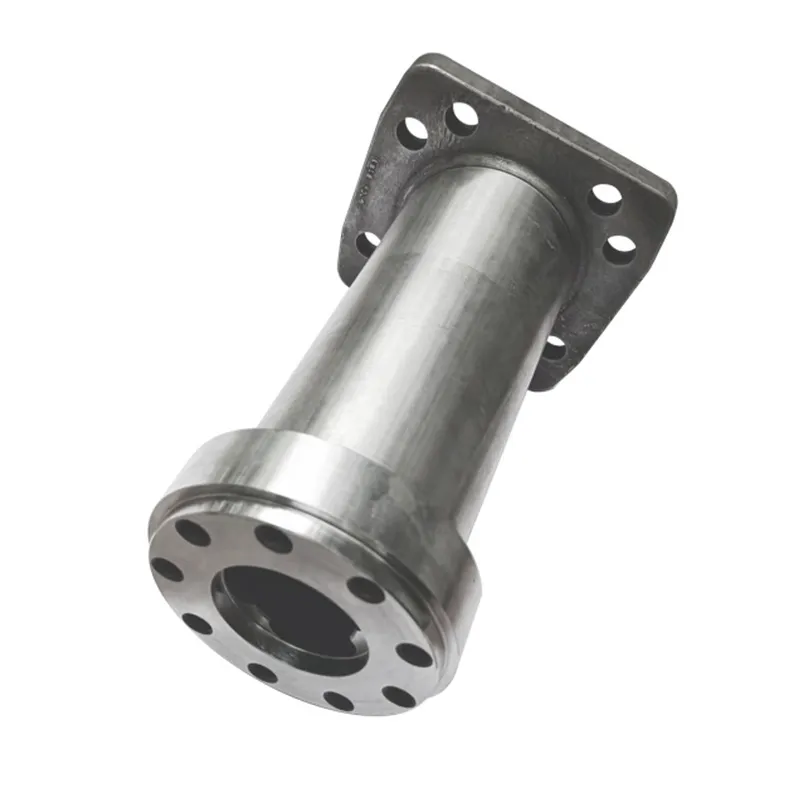
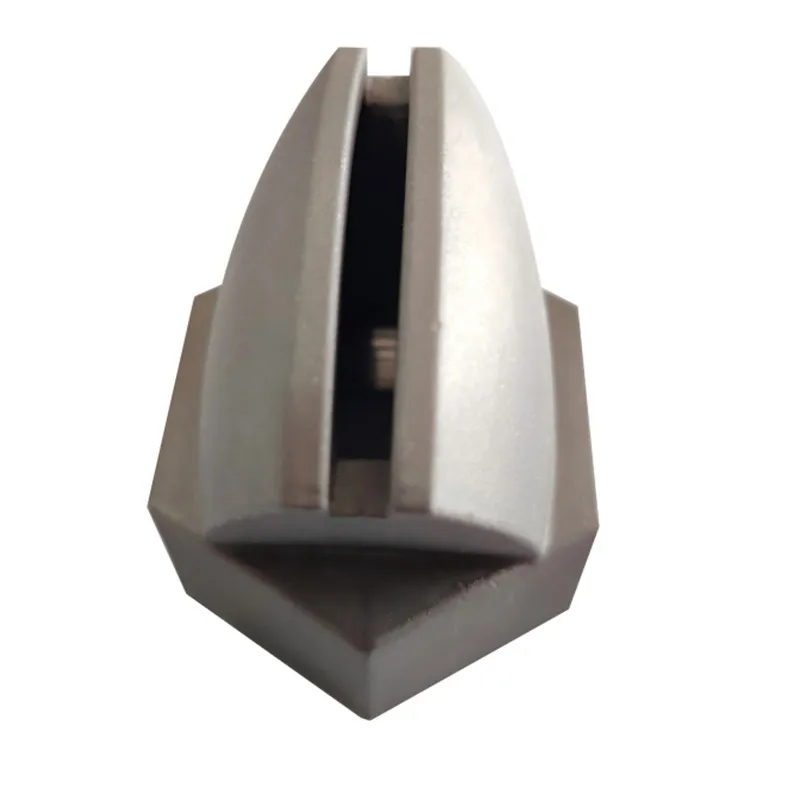
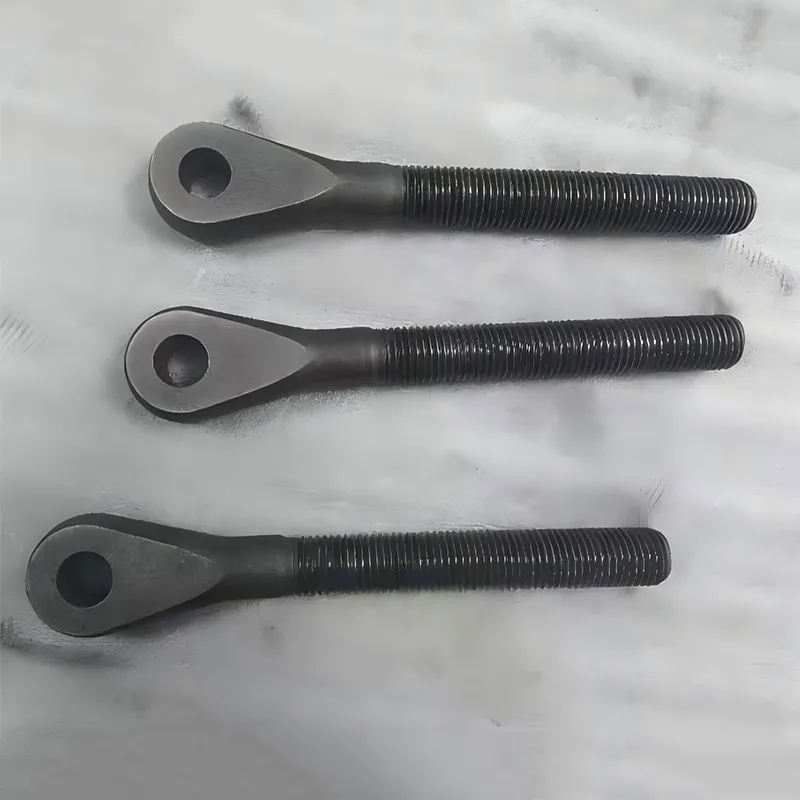
When most people hear 'precision casting components', they picture those flawless, near-net-shape parts, often in aerospace or medical brochures. The industry sells this idea of perfection, but the reality on the shop floor is a constant negotiation between the ideal and the achievable. It's not just about making a part; it's about making it work, profitably and reliably, batch after batch. The real skill isn't in following a manual, but in knowing which corners you can't cut and which deviations you can live with.
The Illusion of Drop-In Replacement
One of the biggest misconceptions we deal with, especially from new clients in automation or pump manufacturing, is the expectation of a precision casting component as a perfect, drop-in replacement for a machined part. They send a drawing of a machined billet part and expect the cast version to slot right in. It rarely works that way. The fundamental design philosophy is different. A machined part is designed for material removal; a cast part is designed for material flow and solidification. You have to consider draft angles, wall thickness transitions, and gating locations from the very first sketch. I've spent countless hours explaining why we need to add a 2-degree draft to a vertical wall or why a sharp internal corner is a guaranteed hotspot for shrinkage porosity. It's not us being difficult; it's physics.
I recall a project for a hydraulic valve body, a complex internal passage part. The client's original design had beautiful, square-edged intersections for the fluid channels. Looked great on CAD. We knew it was a casting nightmare. We proposed redesigning the intersections with generous radii. The pushback was about flow dynamics and design intent. We ended up running a trial batch both ways. Our redesigned version had a slightly higher initial tooling cost but yielded a 95% sound casting rate. Their perfect design version? Nearly 40% scrap from hot tears and shrinkage clusters at those sharp corners. The cost of that fidelity to the original drawing was astronomical. That trial became a standard case study we use internally at QSY to train new engineers: respect the process.
This is where a foundry's experience truly matters. A place like Qingdao Qiangsenyuan Technology Co., Ltd.(QSY), with their three decades in shell and investment casting, has seen these patterns repeat across industries. That long-term operational memory is invaluable. It's not just about having the CNC machining capability to finish the part; it's about knowing how to cast it so that the machining process is efficient and doesn't expose sub-surface defects. They understand that the journey of a precision casting component starts not at the CNC mill, but in the wax pattern room and the ceramic slurry tank.
Material is Not Just a Drop-Down Menu
Selecting materials for precision casting components is another area rife with oversimplification. Clients often come with a spec that just says stainless steel or high-temperature alloy. That's like saying vehicle when you need to choose between a bicycle and a dump truck. The devil is in the specific grade and its casting behavior.
Take 17-4 PH stainless. A fantastic, versatile precipitation-hardening steel. But its casting characteristics are... finicky. If you don't control the solidification rate and subsequent heat treatment precisely, you might get the tensile strength but completely miss the required corrosion resistance or impact toughness. We learned this the hard way on an early marine component order. The parts passed the mechanical tests but started showing surface pitting in salt-spray testing far earlier than spec. The issue traced back to an uneven cooling rate in the shell mold, leading to a non-uniform microstructure. The fix wasn't a simple recipe change; it involved redesigning the cluster layout to ensure more uniform thermal mass and tweaking the post-cast solution annealing cycle. It was a costly lesson in why material specification must be a dialogue, not a decree.
This is where a foundry's material range becomes critical. When a company like QSY lists cobalt-based alloys and nickel-based alloys alongside standard steels, it signals an ability to handle the exotic stuff. These aren't materials you just melt and pour. They have high reactivity, specific superheating requirements, and often need controlled atmosphere pouring. Working with a nickel-based alloy for a turbine blade isn't the same as pouring carbon steel for a gear. The entire process chain, from the crucible material to the mold preheat temperature, is specialized. You can't fake that capability.
The Gating System: The Part You Don't See
If the final component is the sculpture, the gating and risering system is the scaffolding. And it's often where the real engineering happens. A poorly designed gating system will yield scrap, no matter how good your alloy or shell quality is. The goal is to feed molten metal into the mold cavity smoothly, without turbulence (which causes oxide inclusions), and to ensure directional solidification toward the risers (which act as material reservoirs to compensate for shrinkage).
We once had a job for a thin-walled stainless steel enclosure, about the size of a shoebox lid but with intricate ribs on the back. The first trials were disastrous. We'd get mistruns (incomplete filling) or cold shuts (seams where metal streams met but didn't fuse). The problem was our initial gating was too conservative, trying to feed from one edge. The metal was cooling too fast as it traveled across the large, thin area. The solution wasn't intuitive. Instead of adding more heat or pouring faster, we actually added more, smaller gates distributed around the perimeter. This allowed multiple, shorter flow paths. It increased the cut-off and finishing work later, but it gave us a 100% fill rate. The cost of a little extra machining was far less than the cost of a 50% scrap rate.
This kind of problem-solving is daily bread in investment casting. It's a mix of fluid dynamics, thermodynamics, and plain old trial-and-error intuition. Software simulation helps now, but it's not gospel. You still need to run physical trials to calibrate the model to your specific shop conditions—the humidity affecting the slurry, the subtle differences in binder, the thermal characteristics of your sand backing. The shell mold casting process at its core is a craft.
When Precision Meets the Machine Shop
The relationship between the casting foundry and the machine shop is symbiotic, especially when they're under one roof. The promise of precision casting is near-net-shape, but near is a relative term. Critical datum surfaces, threaded holes, tight-tolerance bores—these almost always need machining. The key is to cast the part in a state that makes that final machining stable, predictable, and economical.
This means planning. You need to leave adequate machining stock, but not so much that you're wasting material and chewing through tool life. You need to ensure the part has a consistent, predictable skin so the first cut is stable. And crucially, you need to ensure the part is sound beneath that skin. Nothing is worse for a machinist than hitting a subsurface gas pocket or shrinkage cavity halfway through a finishing pass on an expensive, almost-complete part. Total loss.
At QSY, the integration of casting and CNC machining is a strategic advantage. Their machinists provide direct feedback to the foundry team. If they're consistently finding a hard spot in a certain area of a cast steel component, it points to a local cooling issue. If tool wear is excessive on a batch of cast iron parts, it might indicate a microstructure issue like excessive carbides. This closed-loop feedback is what drives real, incremental improvement in precision casting component quality. It turns the theoretical precision into a measurable, deliverable characteristic on the final part print.
The Long Game: Consistency Over a Flashy Prototype
Anyone can get lucky and produce one perfect prototype casting. The real test of a foundry is producing the 10,000th part in a production run with the same dimensional stability, surface finish, and mechanical properties as the first approved sample. This is where process control systems, rigorous inspection routines, and statistical process monitoring separate the professionals from the hobbyists.
It involves monitoring everything: the wax injection parameters (temperature, pressure, time) to ensure identical patterns; the slurry viscosity and stucco sand gradation for consistent shell thickness; the melt chemistry and pouring temperature for every heat; the dewaxing and sintering cycles. A drift in any of these can cascade into a batch of non-conforming parts. We implement checkpoints at every stage. First article inspection (FAI) is thorough, but in-process inspections during a long run are what prevent disaster.
This relentless focus on repeatability is what builds a reputation. It's why a company can operate for over 30 years in this field. It's not about being the cheapest on a quote; it's about being the most reliable. When a client designs a precision casting component into their product, they're making a long-term commitment. They need to know their supply chain won't fail them. That trust is built part by part, batch by batch, over years. It's the quiet, unglamorous work of metrology, data logging, and corrective action reports that ultimately defines the quality of the components leaving the dock. And in the end, that's what this whole business is really about—delivering not just a part, but certainty.