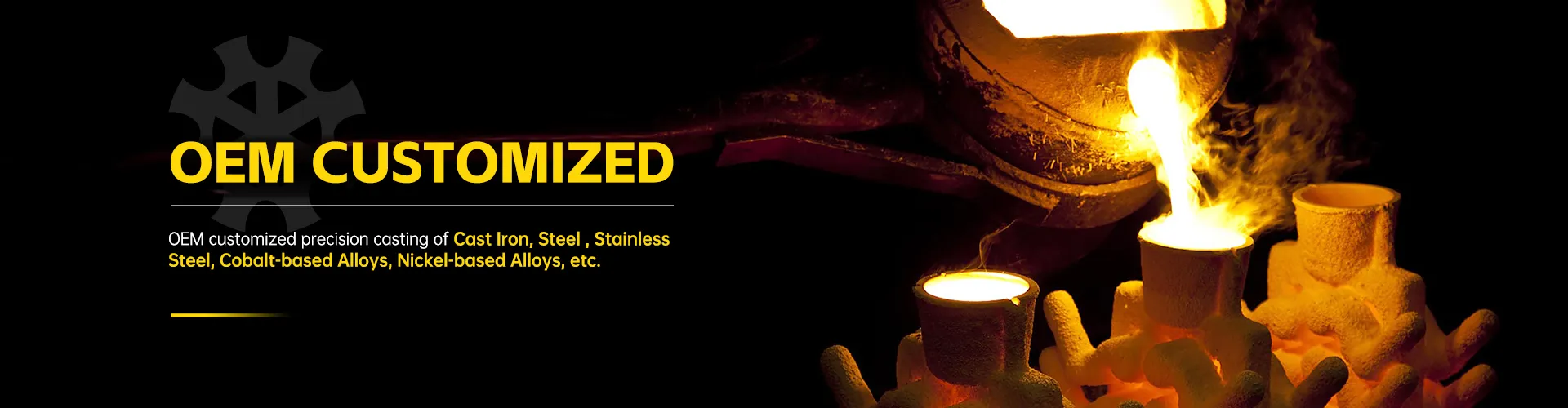
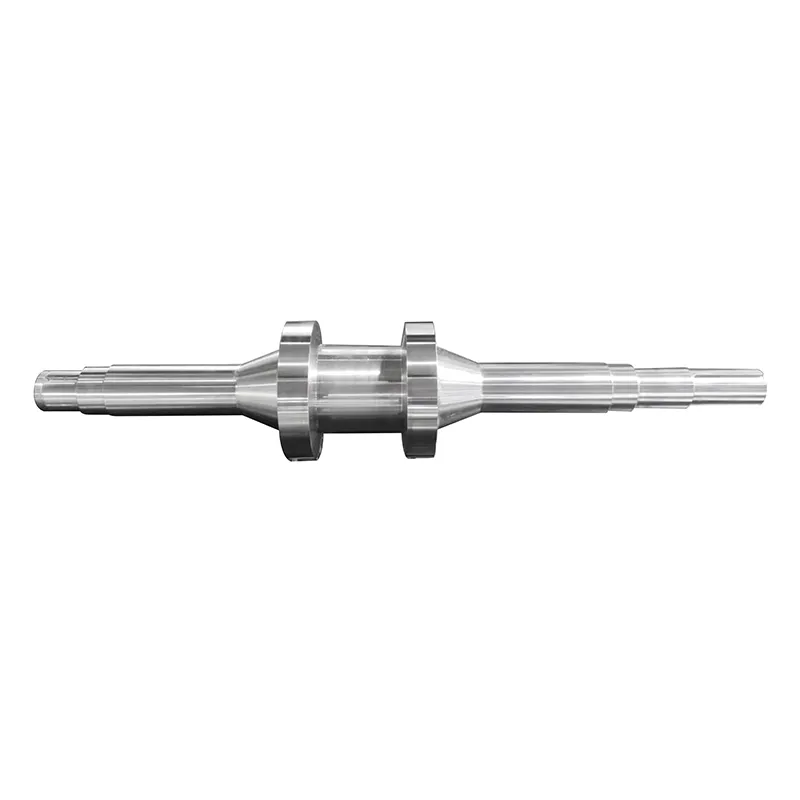
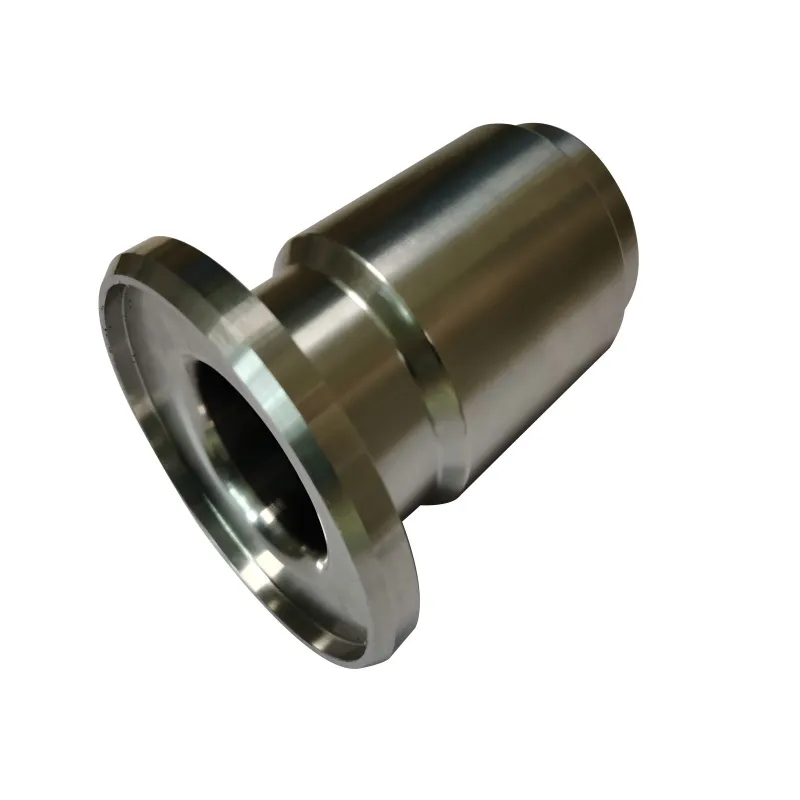
When most people hear 'precision casting factory', they picture rows of gleaming, perfect parts coming off a line. That's the brochure version. The reality is more about managing heat, chemistry, and a thousand variables that can turn a batch of expensive superalloy into expensive scrap in minutes. It's not just about making shapes; it's about controlling solidification at a microscopic level, and that's where the real work—and the common misunderstandings—begin.
The Core of It: Process Over Product
Many clients fixate on the final dimensions, the tolerances. And sure, that's critical. But if you don't get the process right upstream, no amount of CNC finishing will save a part with internal shrinkage or hot tears. The heart of a true precision casting factory is the foundry floor, not the machining center. I've seen shops with the latest 5-axis machines fail because their shell-making process was inconsistent, leading to mold cracks during the pour. The investment in process control here is everything.
Take shell mold casting, for instance. It's not just dipping a wax pattern in slurry. It's a dance of humidity control, stucco grain size, and drying time between coats. Get one layer wrong, and the shell's permeability is off. Later, during dewaxing, you get a shell fracture. Suddenly, your mold for a complex valve body is junk. The material loss is one thing; the lost time on a tight production schedule is what really hurts. This is where decades of experience, like the 30+ years at a firm like Qingdao Qiangsenyuan Technology Co., Ltd. (QSY), translate into an intangible feel for the shop floor environment. You learn to read the shells like a baker reads dough.
And materials? Moving from standard 316 stainless to a nickel-based alloy isn't just a matter of swapping ingots. The entire thermal profile changes. The preheat temperature for the mold, the pour temperature, the cooling rate—all need recalibration. A precision casting factory worth its salt has this data, often proprietary, built from years of trial, error, and meticulous record-keeping. It's not in a textbook.
The Machining Handshake: Where Casting Meets CNC
This is the other half of the equation that often gets outsourced, creating a disconnect. When casting and machining are under one roof, the synergy is powerful. The machinists can feed back to the foundry: We're hitting hard spots here on every part from Batch 7. That tells the metallurgist something might have gone wrong with the inoculant or the cooling rate for that batch.
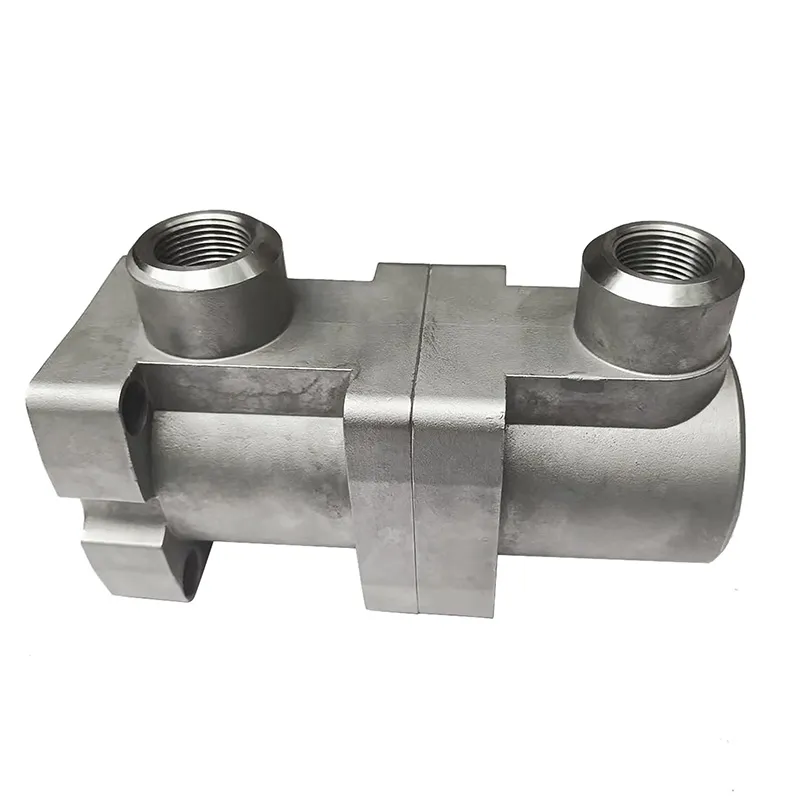
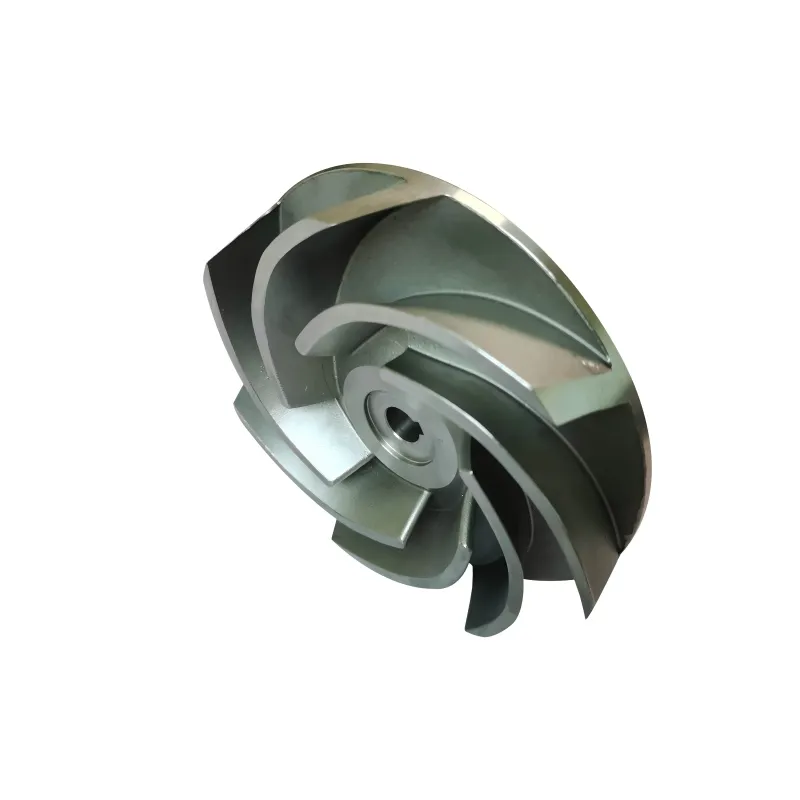
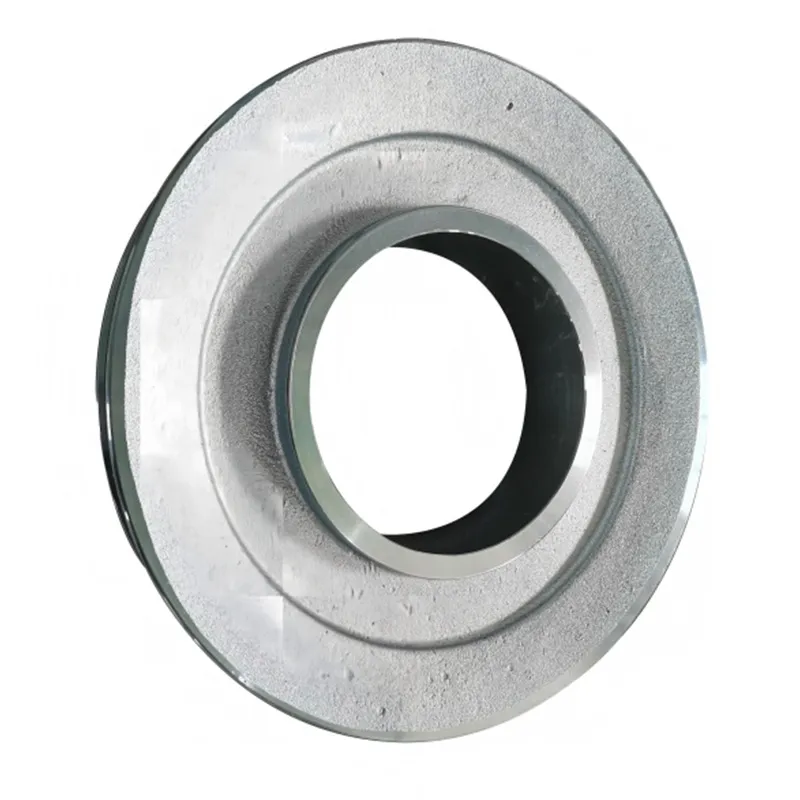
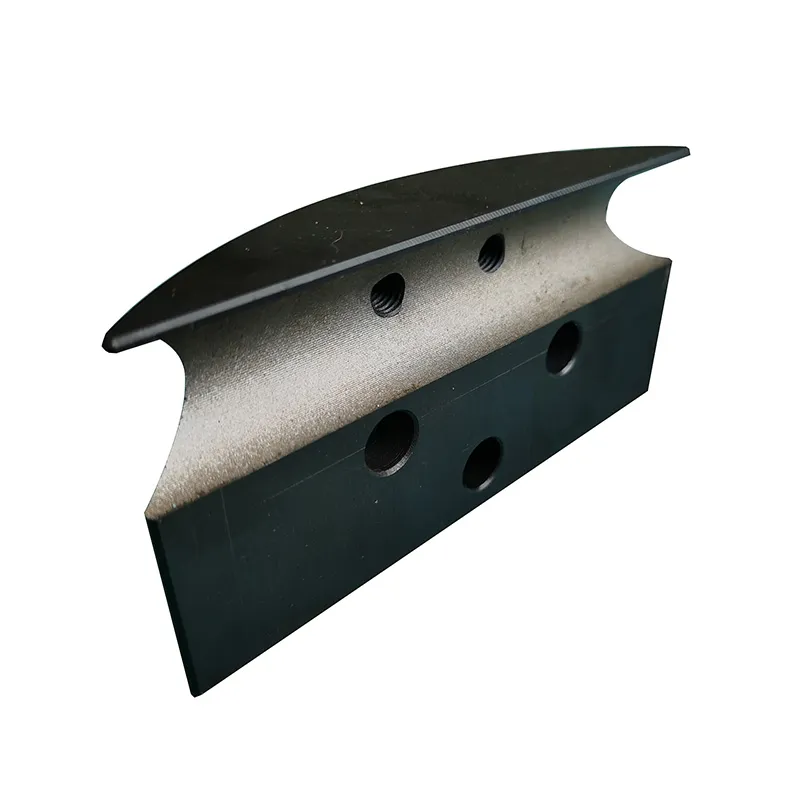
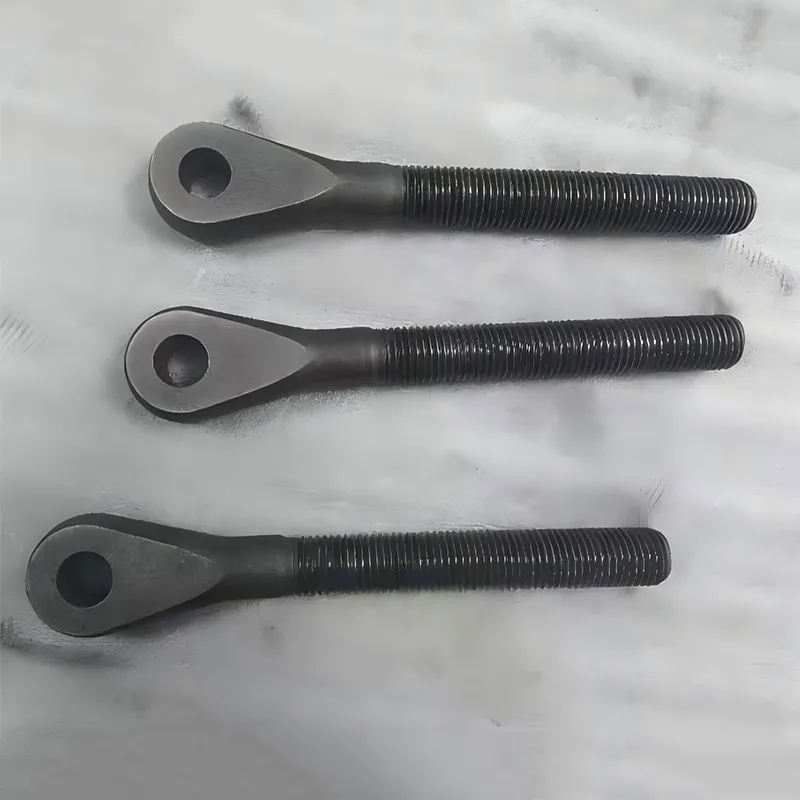
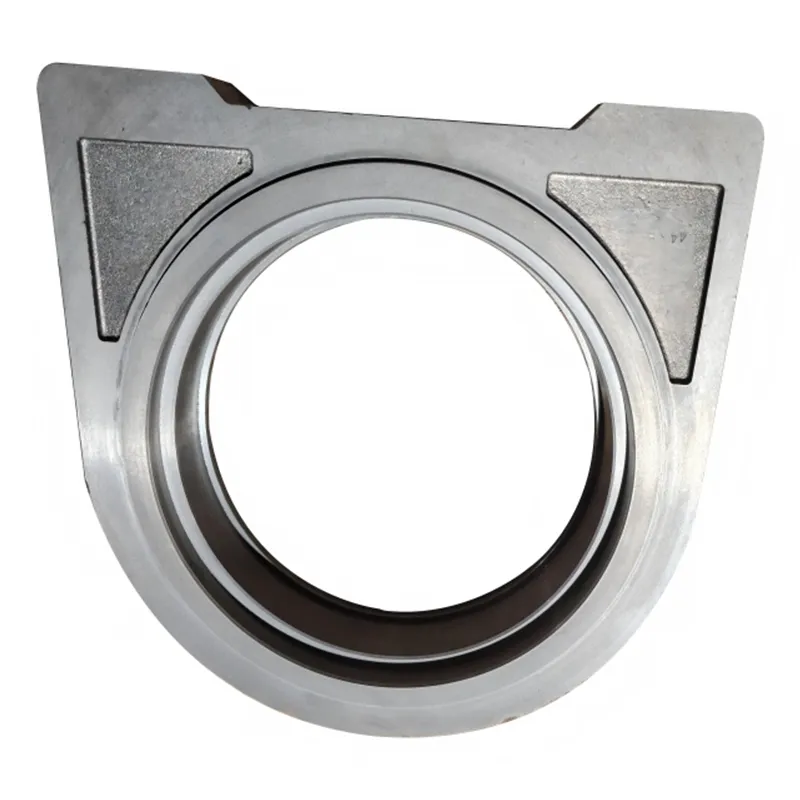
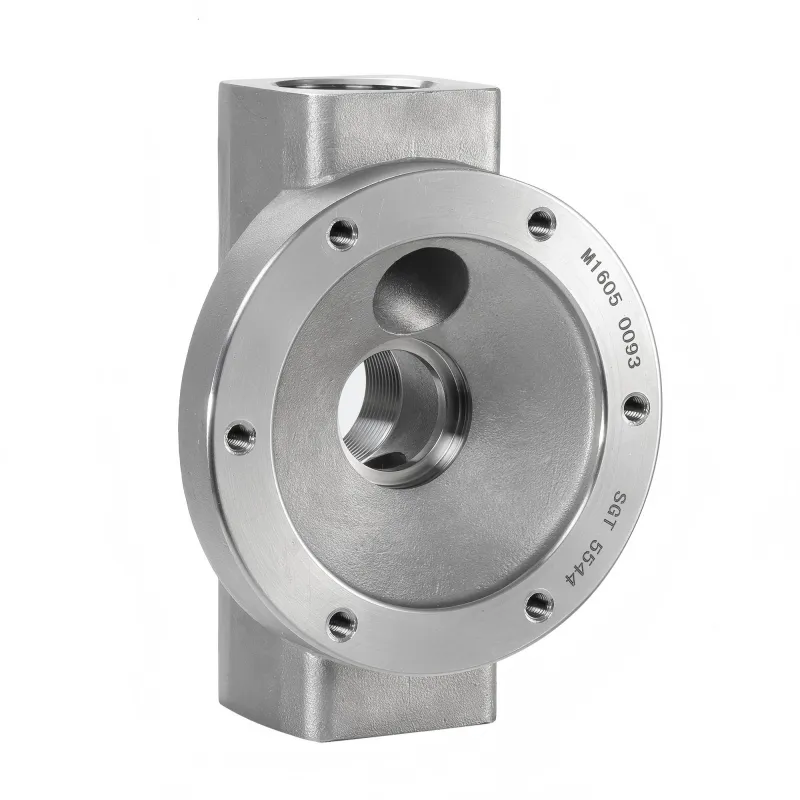
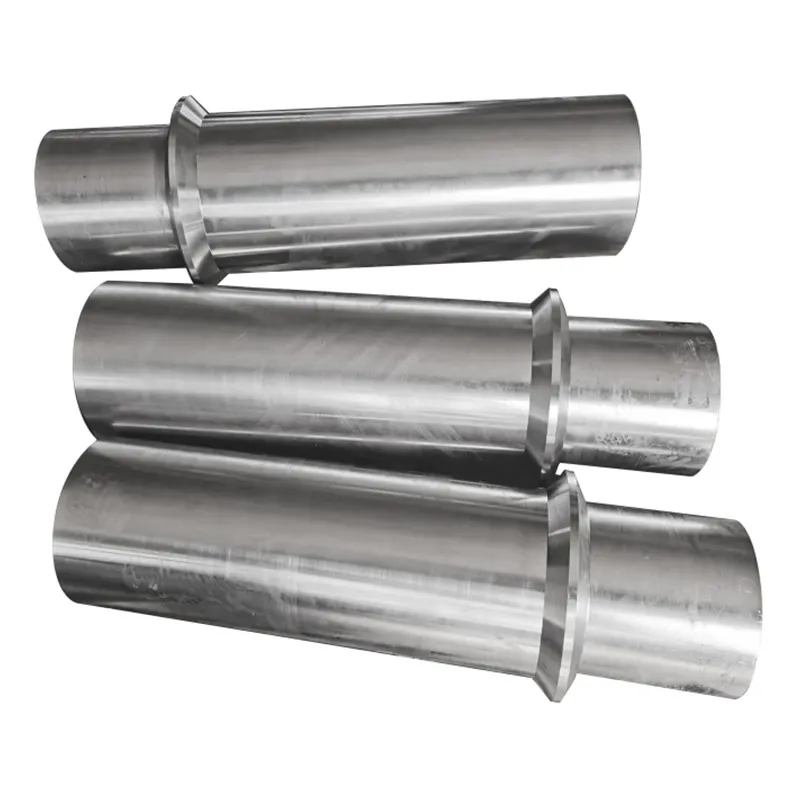
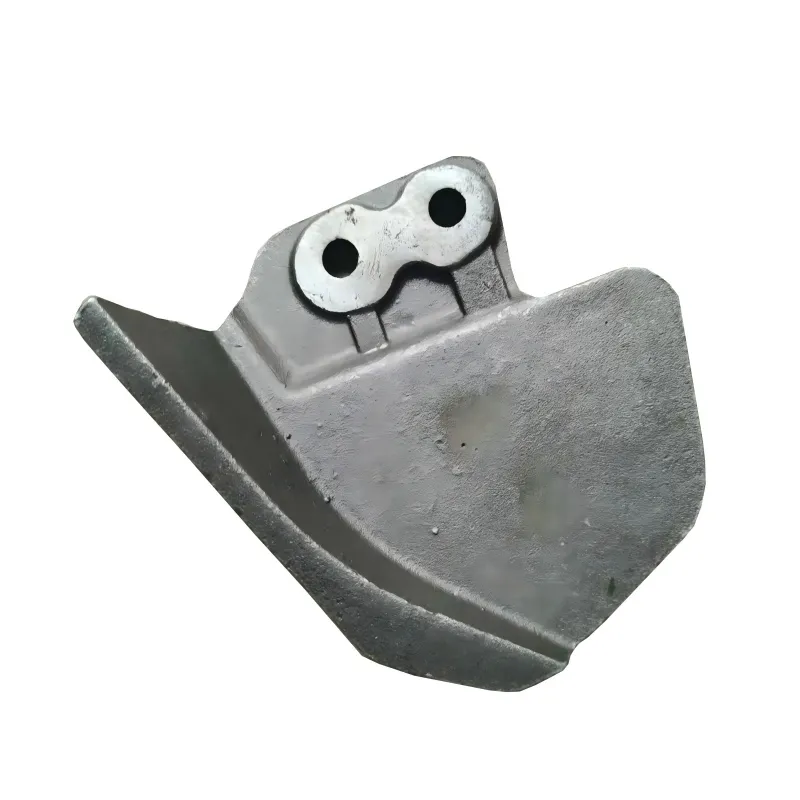
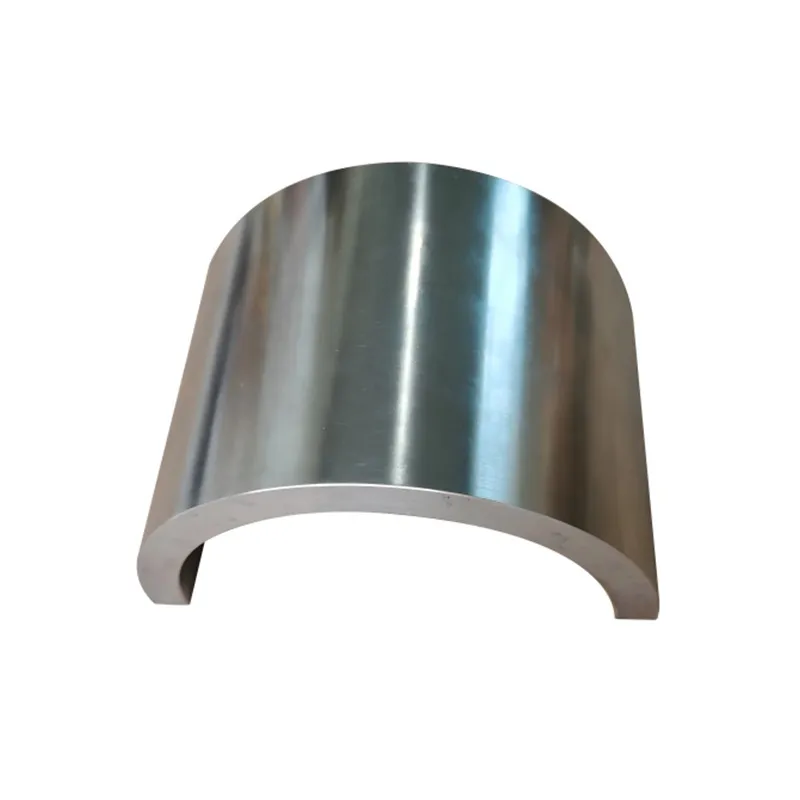
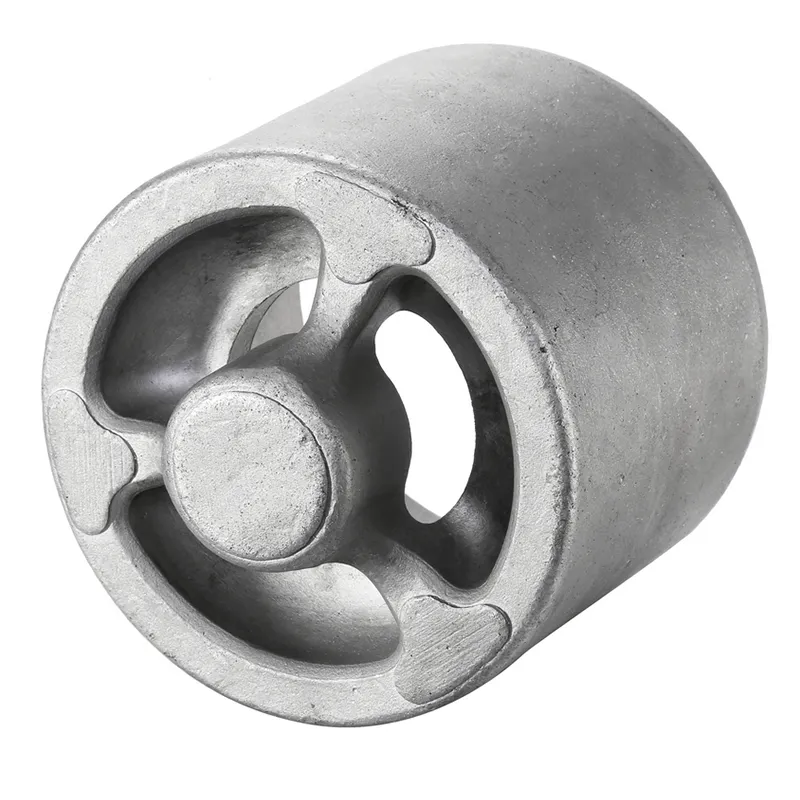
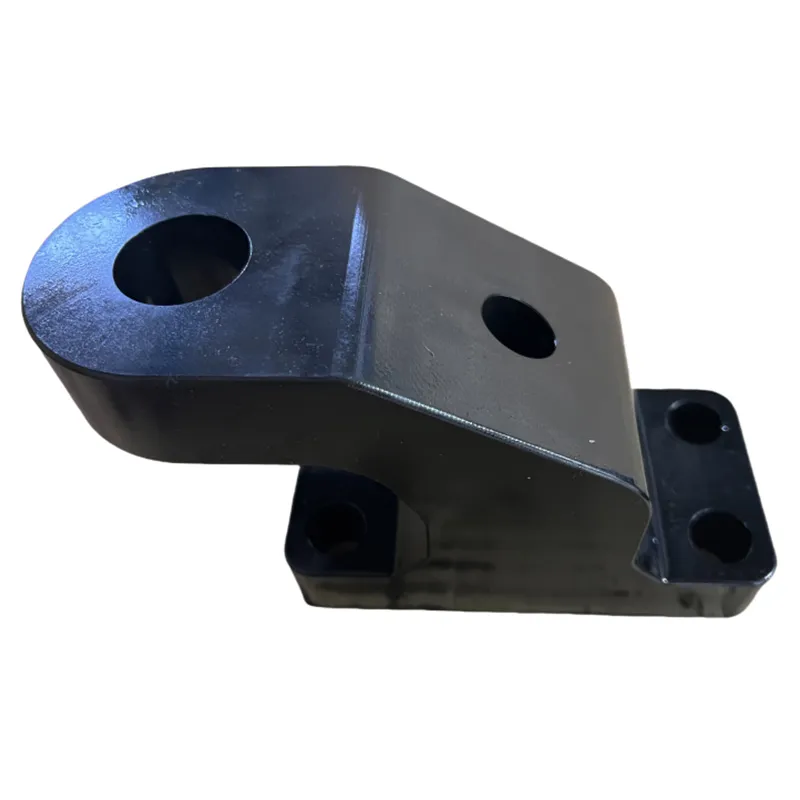
At QSY, integrating their investment casting with in-house CNC machining allows for this closed-loop feedback. They're not just making a casting; they're making a pre-form optimized for their own machining process. They might leave an extra 0.5mm of stock in a tricky internal channel because they know their tooling and feeds/speeds for that specific alloy. This reduces machining stress and tool breakage. It's a subtle, practical co-engineering that you only get from a vertically integrated operation. You can see this approach in their portfolio at https://www.tsingtaocnc.com, where the finished parts show that handshake between the cast form and the machined finish.
Material Nuances: The Alloy Gambit
Working with special alloys like cobalt or nickel-based ones is where you separate the generalists from the specialists. These aren't forgiving materials. Pour them too hot, and you promote excessive grain growth, killing fatigue life. Pour them too cool, and you risk mistruns or cold shuts. The gating system design for these alloys is a black art—it's about directing heat as much as directing metal flow.
I recall a project for a turbine component in a cobalt-based alloy. The print called for extreme thin-wall sections. Our first several pours failed with incomplete filling. We tweaked the pour temperature, no luck. The breakthrough came from re-designing the wax pattern assembly's orientation in the tree and modifying the feeder head sizes to create a better thermal gradient. It wasn't a massive change, but it was based on understanding how that specific alloy releases its latent heat. This is the granular detail that defines a specialist precision casting factory.
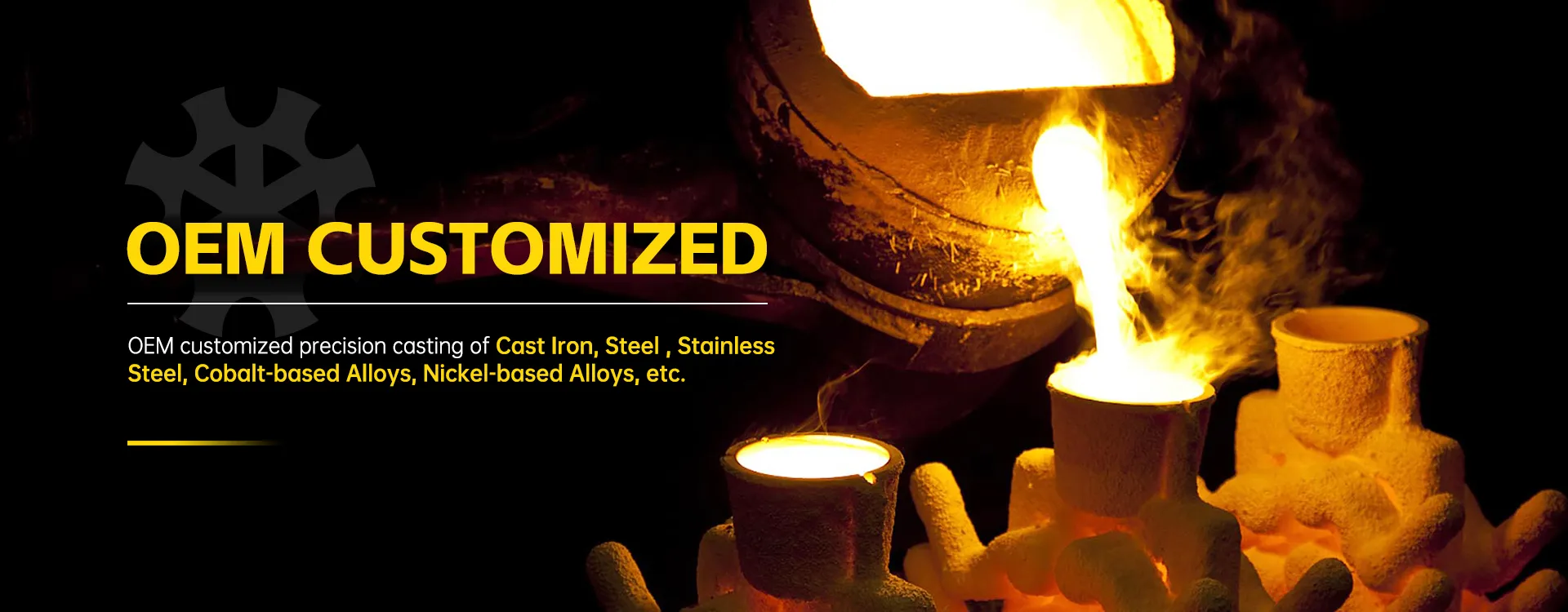
It's also why a company's material list is a credibility indicator. When QSY lists cast iron, steel, stainless, and those special alloys, it signals they've likely invested in the furnace technology, atmospheric controls, and crucible management protocols to handle that range. Each material family behaves like a different animal.
The Failure Archive: What Goes Wrong
Anyone who hasn't made scrap hasn't made anything. The learning is in the failures. Shell cracking is a classic. Sometimes it's a formulation issue with the binder. Other times, it's an overly aggressive autoclave cycle for dewaxing. We once lost a whole tree of parts because the steam pressure spiked for 10 seconds beyond spec. The shells looked fine until they went into the furnace and then failed catastrophically.
Gas porosity is another endless battle. It can come from the alloy not being properly degassed. It can come from moisture in the stucco sand. It can even come from the burnout of the wax if the ramp rate is too fast. Diagnosing it requires a forensic approach: section the part, look at the pore shape and location under the microscope. Are they round? Probably gas from the melt. Are they irregular? Might be shrinkage linked to a design hotspot. A factory's quality system is built on this library of failures.
These are the unglamorous, costly problems that never make it to the Capabilities page but are the daily reality. The ability to quickly diagnose and pivot—that's the operational muscle of a seasoned factory.
The Real Measure: Consistency at Volume
Making one perfect prototype is a challenge. Making 10,000 identical parts, shipment after shipment, with statistical process control showing CpK values above 1.33, that's the ultimate goal. This is where the initial process development pays off. Every parameter—wax injection pressure, slurry viscosity, furnace temperature curves—needs to be locked down and monitored.
For high-volume orders, the focus shifts to production engineering. How do you design the wax tree to maximize yield per pour? How do you schedule the dipping room to keep the shell production line moving without rushing the drying steps? How do you stage the heat treatment batches to keep the CNC machines fed without creating a bottleneck? This is the orchestration behind the scenes.
Looking at a long-standing operation like QSY, their 30-year history suggests they've navigated these scaling challenges repeatedly. They've likely seen product lifecycles from prototype to mass production and back down again. That institutional knowledge on managing volume and consistency is perhaps their most valuable asset, one that a new facility simply cannot buy. It's embedded in the floor supervisors and the furnace operators.
Wrapping It Up: The Unseen Discipline
So, what is a precision casting factory? It's a chemistry lab, a thermal dynamics workshop, a quality control fortress, and a machine shop, all rolled into one. The precision isn't just in the final +/- 0.1mm tolerance; it's in the +/- 2 degrees Celsius of the molten metal, the +/- 5 seconds of dip time, the meticulous logging of every batch ID. It's a discipline of controlling chaos.
The best shops, like the one described at https://www.tsingtaocnc.com, understand this deeply. They sell components, but what they're really selling is decades of controlled variables, a deep material lexicon, and the hard-won ability to turn a drawing into a reliable, high-integrity metal part, batch after batch. The shiny surface is just the final, visible testament to all that unseen work.