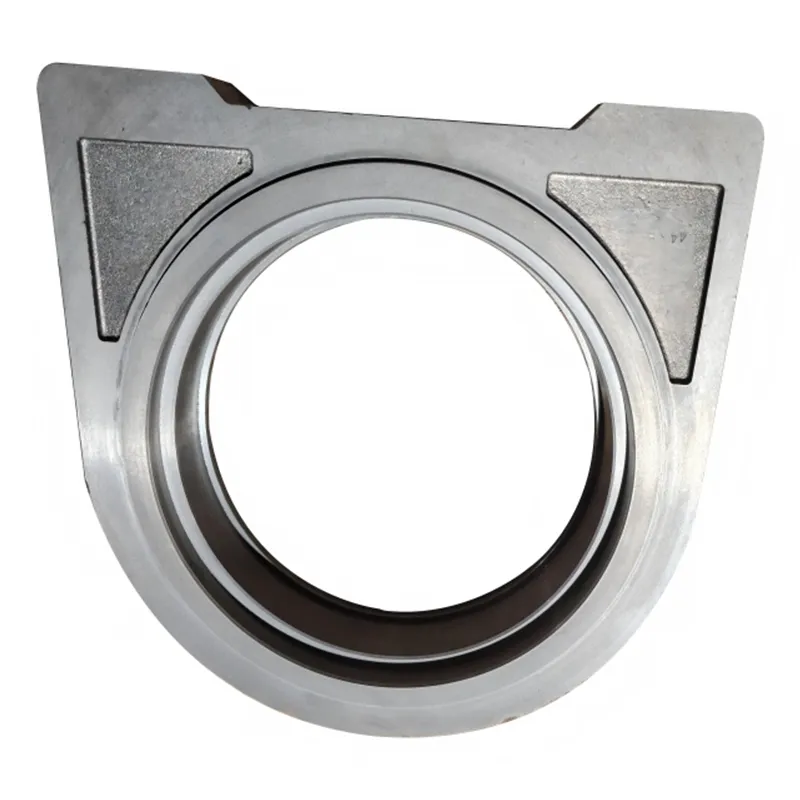
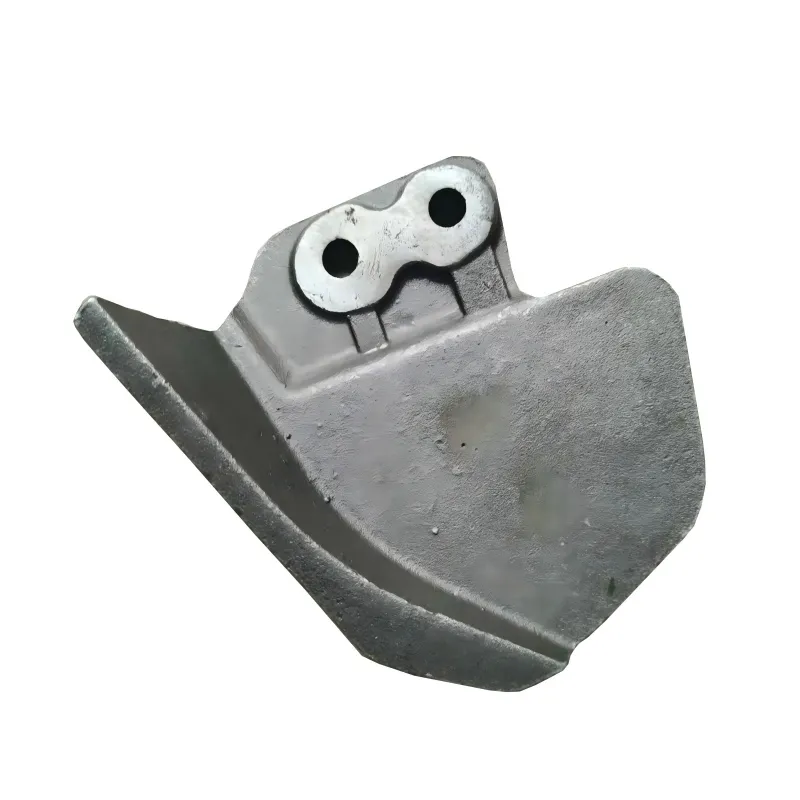
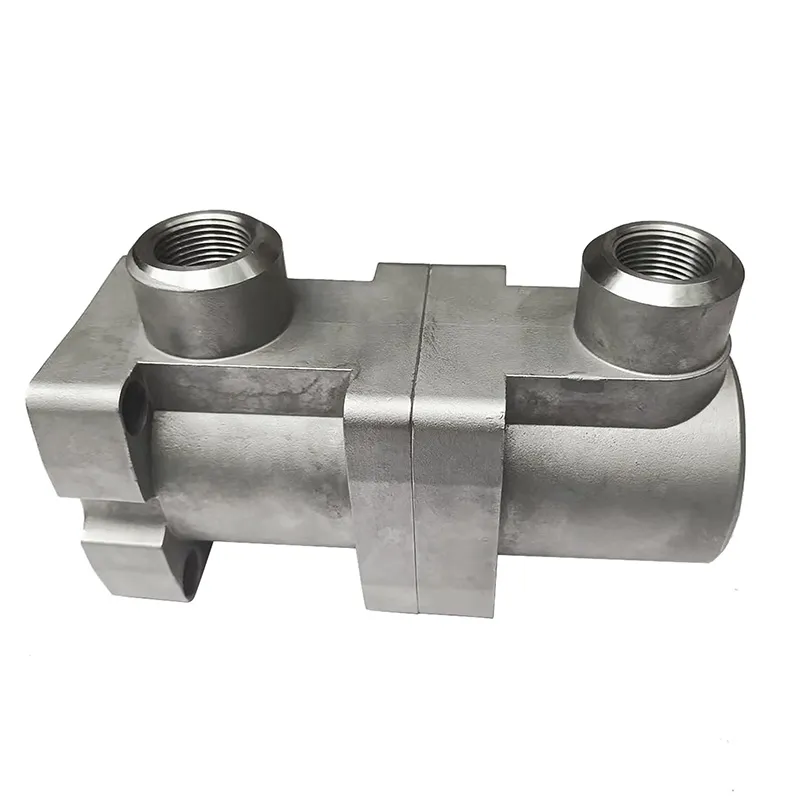
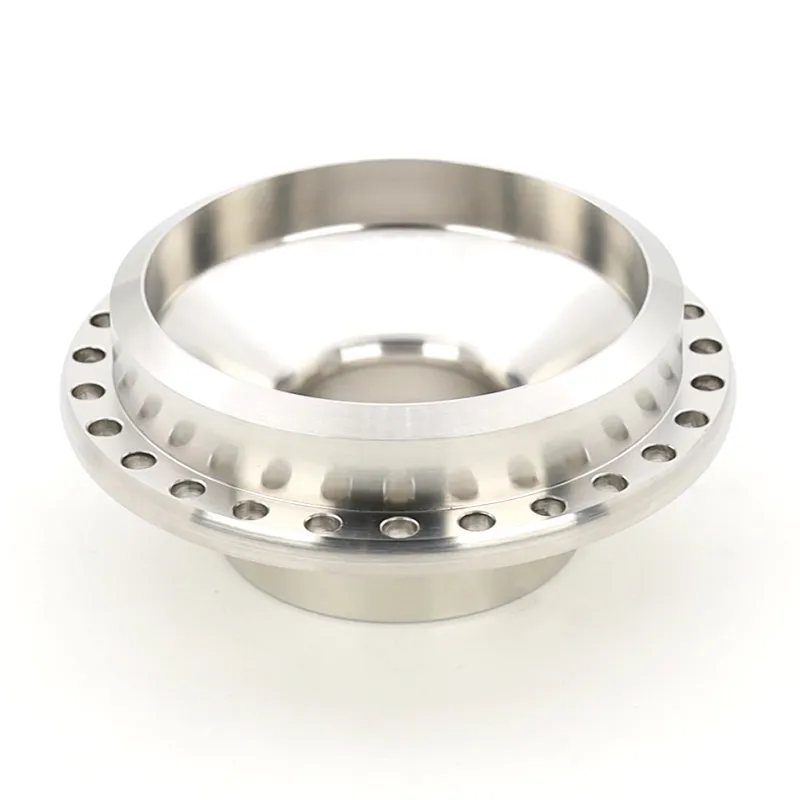
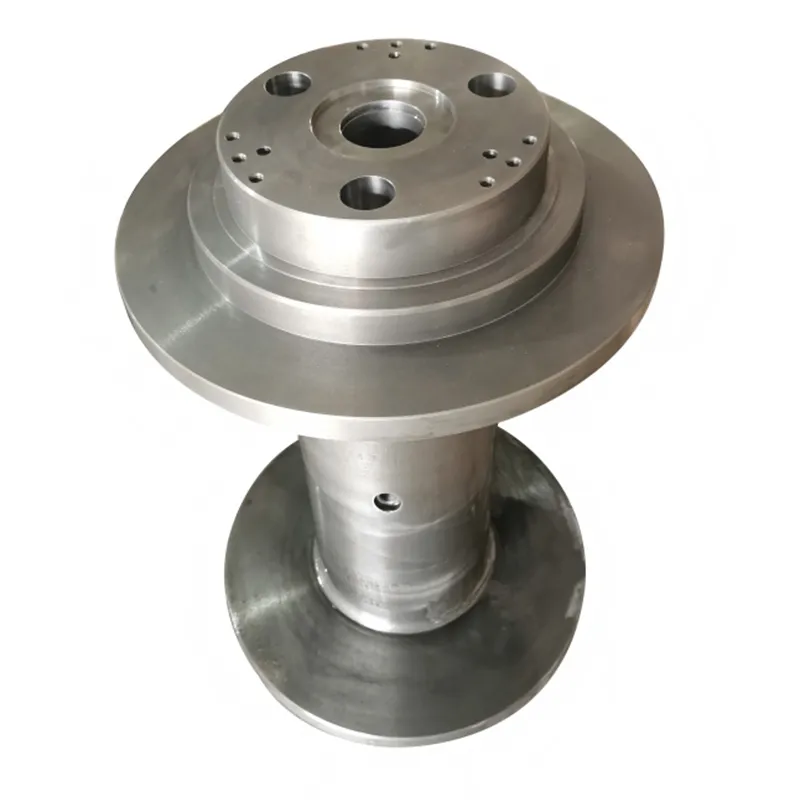
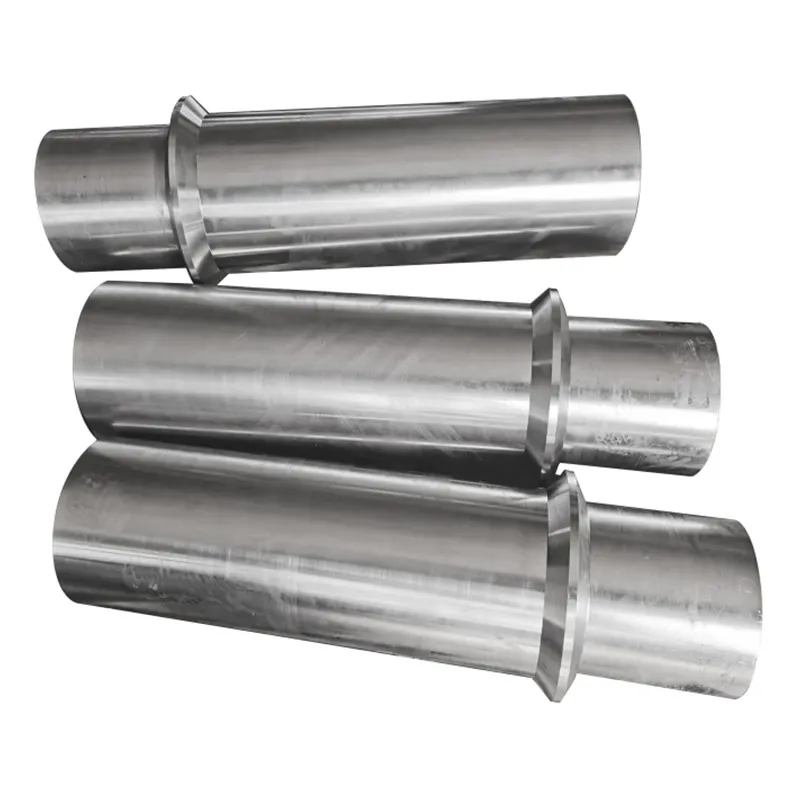
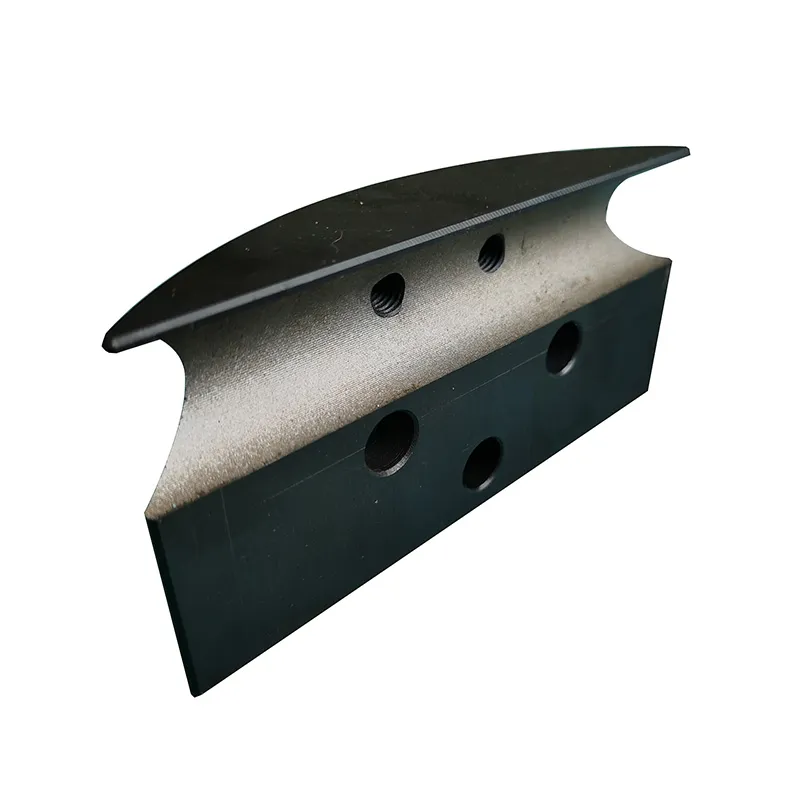
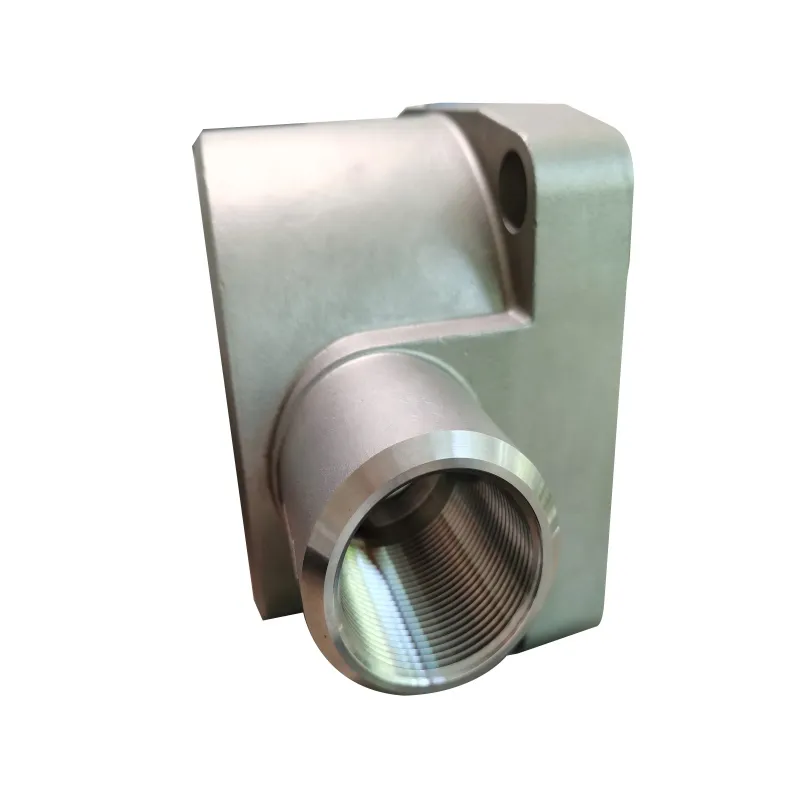
When most people hear 'precision casting foundry', they picture flawless, shiny metal parts straight off the brochure. That's the first misconception. The reality is more about controlled compromise—managing heat, stress, and material behavior in a way that gets you as close to that ideal as commercially possible. It's not magic; it's a grind of process control.
The Shell Game: More Than Just Sand
Take shell mold casting. The name makes it sound simple, like dipping a pattern in sand and glue. But the devil's in the ceramic slurry composition and the stucco sand's grain distribution. Get the viscosity wrong by a few seconds on the Zahn cup, and your shell thickness becomes inconsistent. I've seen batches where one side of the shell was perfect, the other crumbled during dewaxing because the primary coat didn't bond right. It’s a tactile skill—you learn to judge the slurry by how it drips, not just by the data sheet.
This is where a long operational history matters. A company like Qingdao Qiangsenyuan Technology Co., Ltd. (QSY), with over 30 years in casting and machining, has likely burned through thousands of slurry formulas. They’ve probably settled on a proprietary blend that accounts for Qingdao's specific humidity swings, which can wreck havoc on drying cycles. You don't get that from a new shop.
The real test is with complex cores. For an internal coolant passage in a valve body, the core needs to withstand metal pressure but still be collapsible for removal. We once used a standard silica sand core for a stainless steel job. The metal penetrated the core, creating a fused mess that took days of EDM to clear. The fix? Switching to a zircon sand mix for its lower thermal expansion. A small material change, a huge salvage cost avoided.
Investment Casting: The Wax and The Wait
Investment casting is the poster child for precision, but its biggest pitfall is time. Every layer of ceramic shell needs to dry thoroughly. Rush it, and you get steam explosions during the pour—called 'shell burst'—leaving you with a mold full of scrap metal and ceramic shrapnel. The cycle time is the boss, not the planner.
Wax pattern assembly is another art form. For a turbine blade cluster, the welding of wax gates is done by hand. An operator with a hot tool touches the wax; too hot, and it melts the blade's thin trailing edge; too cold, and the weld is weak, leading to pattern detachment during shell building. It's a skill that takes years. I recall visiting a foundry floor where the best wax welder could do a 72-pattern tree in half the time of a new hire, with zero rework. That efficiency directly translates to yield.
De-waxing is a critical, often overlooked step. The old method was flash firing, which risks shell cracking. Now, most advanced foundries, including those with integrated CNC machining like QSY, use high-pressure steam autoclaves. The trick is the pressure-temperature curve. It needs to melt the wax from the inside out without creating thermal shock. Their website, tsingtaocnc.com, mentions their work with nickel-based alloys. These alloys often have tight grain structure requirements, meaning the pre-cast mold temperature must be precise. A flawed de-wax that micro-cracks the shell can cause metal infiltration, ruining the surface finish and making post-cast machining a nightmare.
Material is the Law
You can't talk about a precision casting foundry without getting deep into metallurgy. Carbon steel, stainless—they behave differently. But the special alloys are where the real expertise is tested. Take cobalt-based alloys, like Stellite. They're poured at extremely high temperatures and have a nasty tendency to form hard, brittle phases if cooled incorrectly.
We had a project for a wear-resistant seal ring. The print called for a specific Rockwell C hardness. The first pours, using a standard cooling method, were either too soft or cracked. The issue was the mold's thermal mass. We had to design custom chill plates—copper inserts placed in the mold—to directional solidity the metal, forcing it to cool from the critical section outward. It worked, but it added two days to the mold fabrication time. This is the constant trade-off: precision vs. cost vs. lead time.
This is where a supplier's material history is key. A company's claim of working with nickel-based alloys is one thing, but having a log of successful pours for components in aggressive environments (think chemical pump impellers) is another. It implies they've solved the gating and risering problems unique to those alloys' shrinkage patterns.
CNC: Where the Casting Meets Reality
No cast part is truly 'net-shape' in the high-precision sense. That's where integrated CNC machining becomes non-negotiable. The biggest advantage a foundry with in-house machining has is feedback. When the machinist drills into a casting and finds a hard spot or a subsurface pore, that information goes straight back to the melting team.
I remember a batch of ductile iron brackets. They machined beautifully except for one corner on every part where the tool would chatter. It turned out to be a slight variation in the cooling rate in that corner of the mold, creating a localized area of higher pearlite content. The foundry team adjusted the cooling fins on the mold, and the problem disappeared. Without machining under the same roof, that feedback loop takes weeks.
For a firm like QSY, offering both casting and machining means they can control the datum. They can cast in locating pads or extra stock in precise locations knowing exactly how their CNC will later grip and cut the part. This synergy is crucial for complex geometries where machining allowances need to be minimal but perfectly uniform to avoid cutting into the wall.
The Failures That Teach
The most instructive moments come from things going wrong. Early on, we were too confident in a simulation software for solidification. We ran a simulation for a bronze valve housing, and it showed perfect feeding. The real castings had massive shrinkage cavities in the thick flange. The simulation didn't account for a slight variation in our alloy's actual thermal conductivity. We lost the batch. The lesson? Simulation is a guide, not a prophet. You still need to cut up a first-article casting, section it, etch it, and look at the grain. There's no substitute for destructive testing.
Another common failure is over-engineering the process. We once tried to implement an ultra-high-purity argon purge for melting a stainless steel to reduce inclusions. It worked, but the cost increase was 300%. The part didn't need it; standard degassing was sufficient. The spec was for a general industrial pump, not a aerospace component. Knowing when 'good enough' is actually 'perfect' for the application is a professional judgment that separates an experienced foundry from a theoretical one.
So, what does a reliable precision casting foundry look like? It's not the one with the flashiest brochure. It's the one that can explain, in gritty detail, why they use a certain pouring temperature for 17-4PH stainless, or how they design their wax trees to minimize turbulence for aluminum. It's the one whose website, like QSY's, straightforwardly lists its core competencies—shell mold casting, investment casting, machining, and a specific list of materials—without hyperbolic claims. It suggests a focus on repeatability over miracles. In this trade, that's the only precision that truly matters.