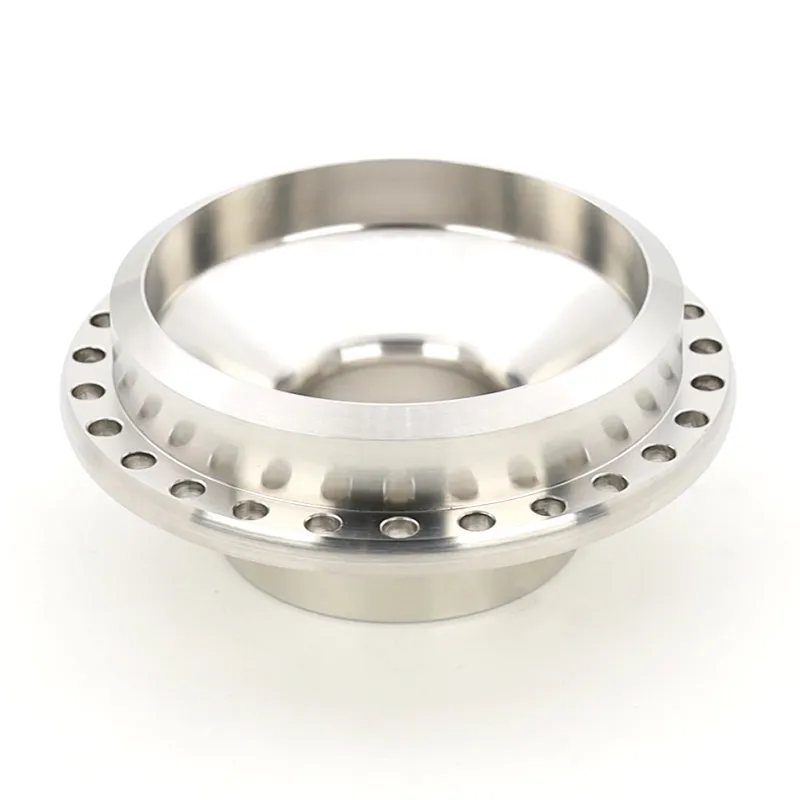
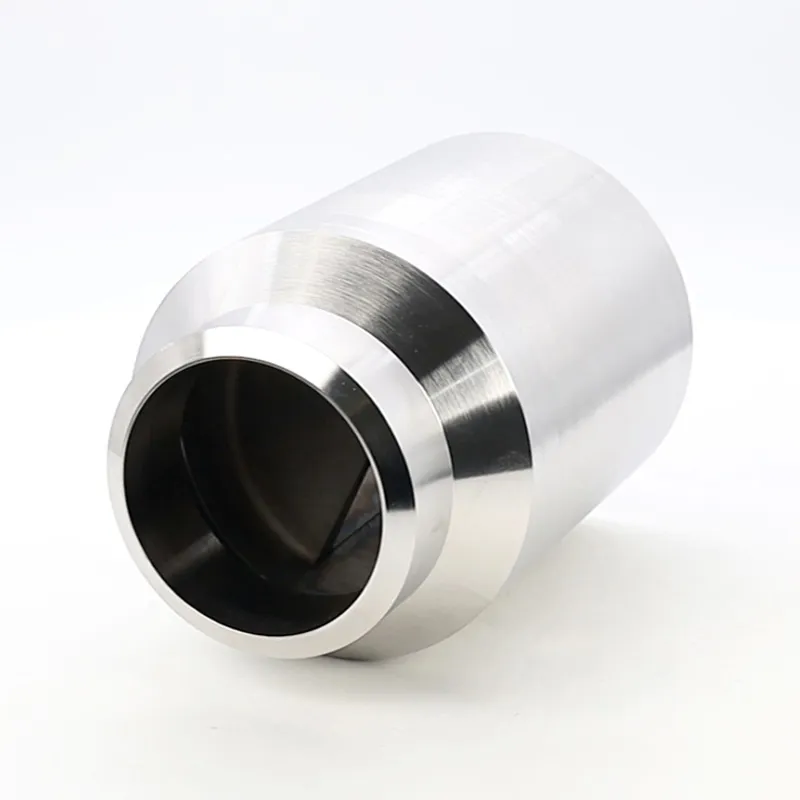
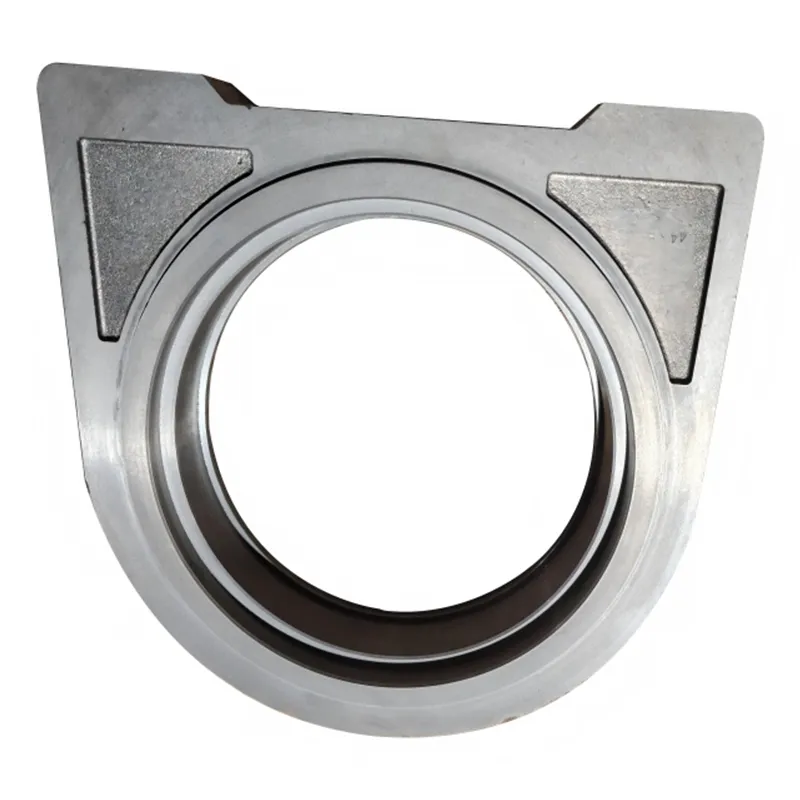
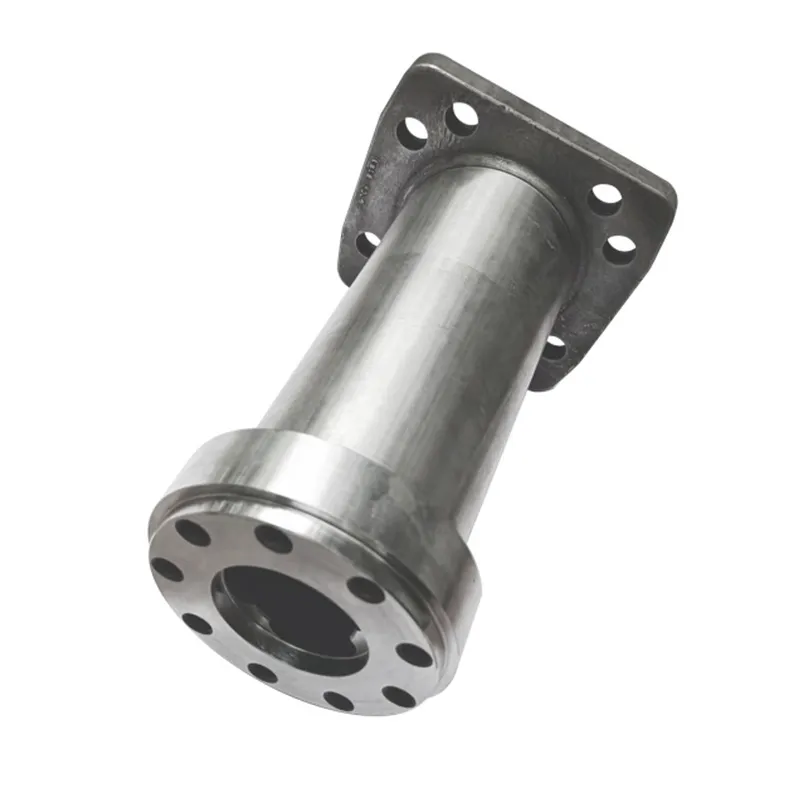
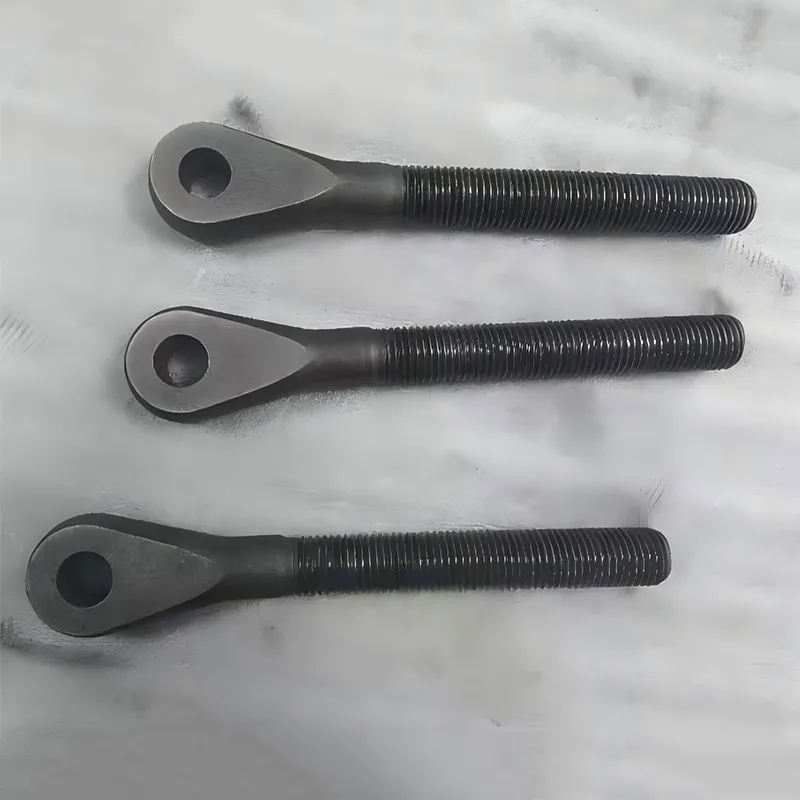
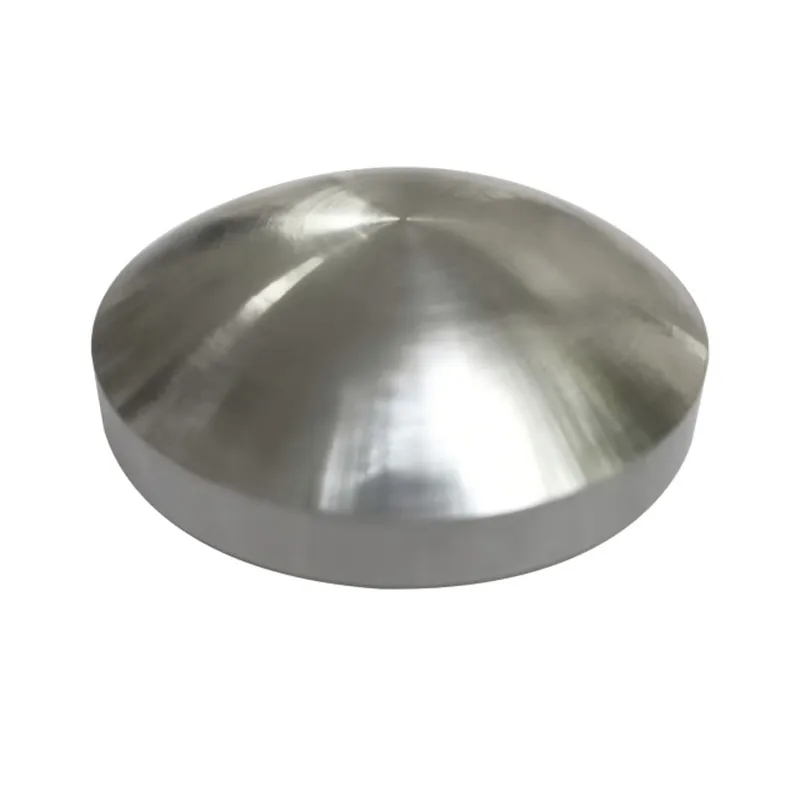
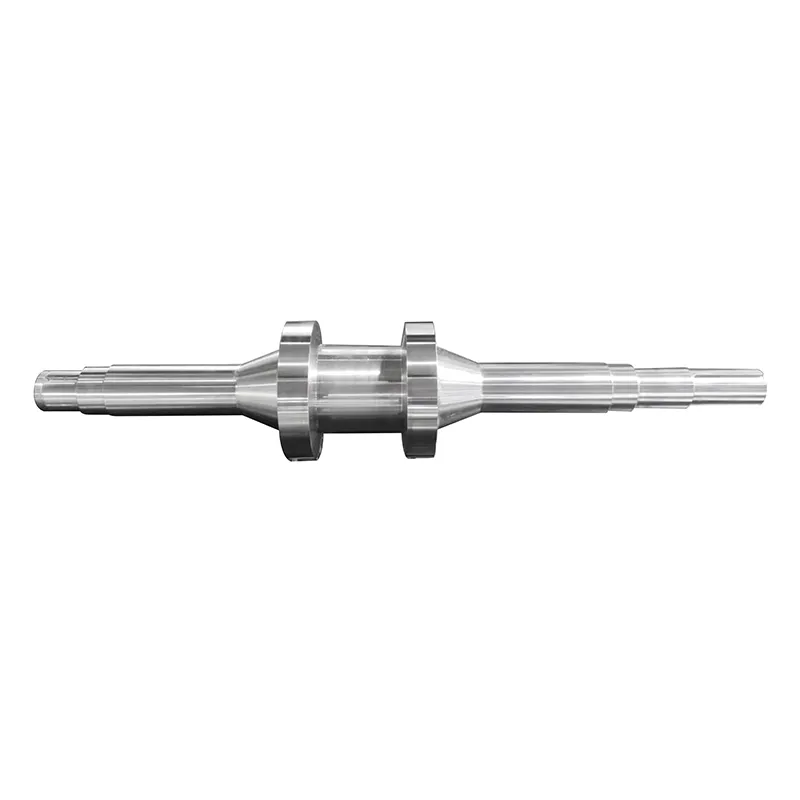
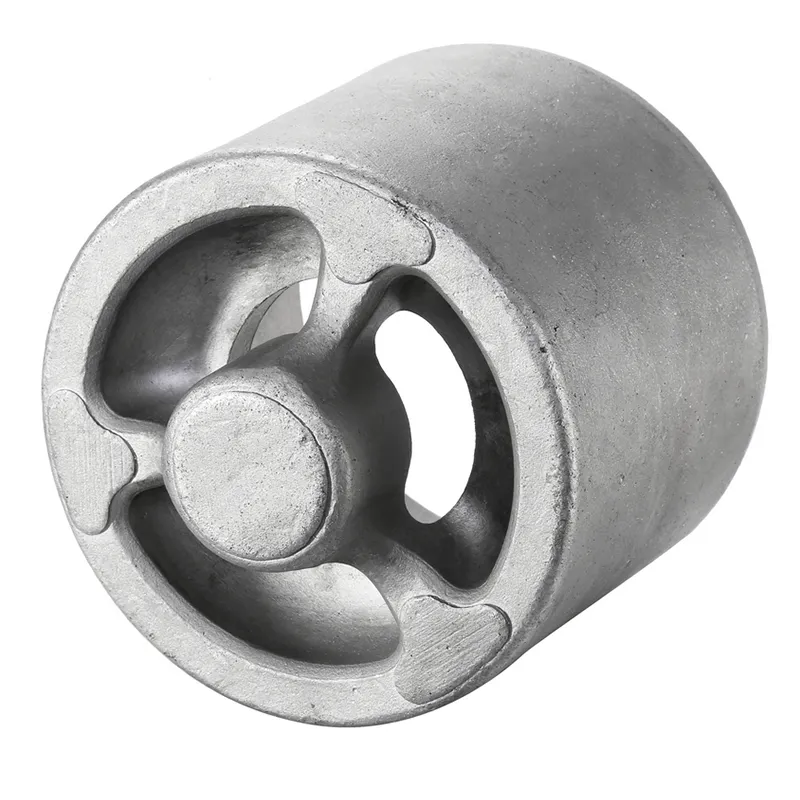
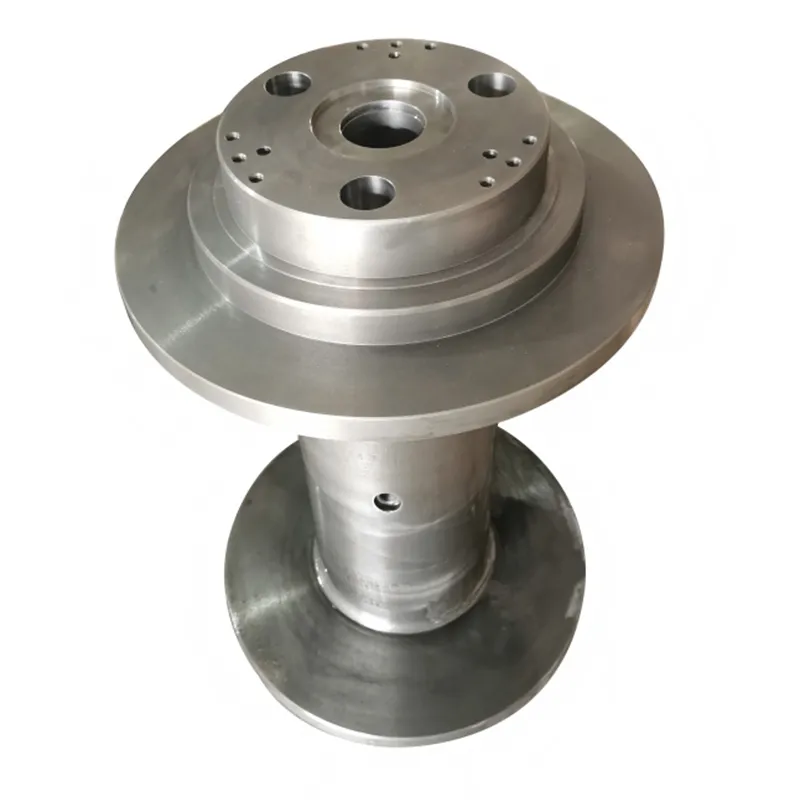
Let's be clear: precision casting machining isn't just a secondary step; it's where the promise of the casting process is either fulfilled or broken. Too many spec sheets treat it as an afterthought, a box to tick. The reality is, that beautiful investment casting coming out of the shell is often just a high-precision blank. The true geometry, the critical tolerances within a few microns, the surface finish that actually mates with another component—that's all born on the machining floor. I've seen too many projects stumble by treating casting and machining as separate silos. The guys at the furnace and the guys on the CNCs need to be in the same conversation from day one.
The Inevitable Handoff: From Cast Shape to Machined Part
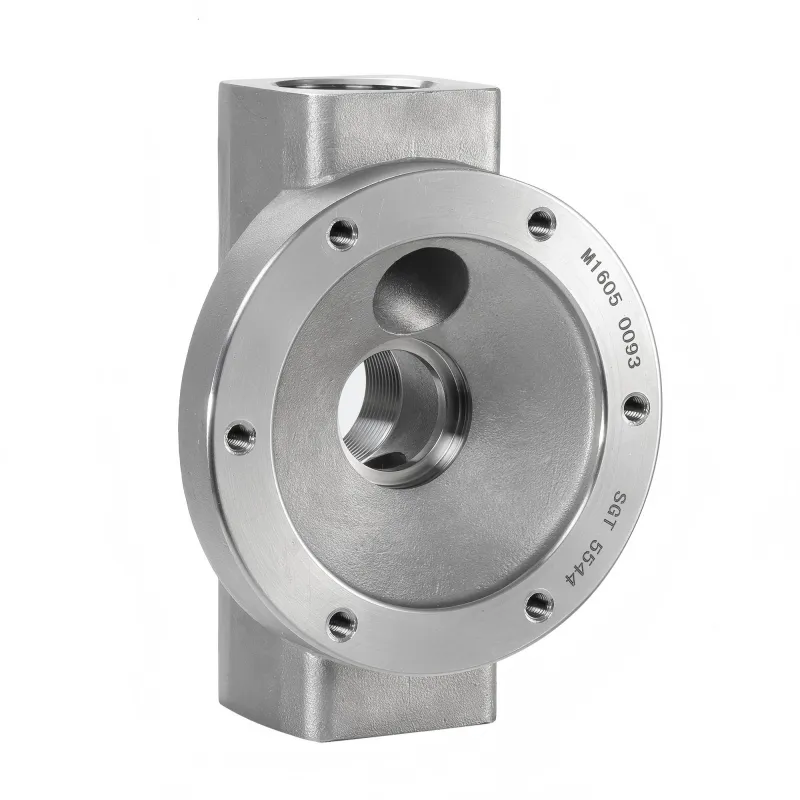
You get a casting delivered, maybe a pump housing in 316 stainless from an investment process. It looks perfect. But the moment you put it on the CMM, the story changes. The datum surfaces are not flat or parallel enough to be your machining reference. The bores are undersized and not concentric. This is normal. This is why machining exists. The real skill in precision casting machining starts with the first setup. You're not working from a billet; you're working from a near-net-shape that has its own internal stresses and subtle distortions from the cooling process. Your fixturing strategy has to acknowledge that. Clamp it wrong, and you'll spring it, then watch the tolerance drift after you unload.
I remember a valve body for a subsea application, a nickel-based alloy piece. The casting from the foundry was sound, no shrinkage porosity, passed X-ray. But our first machining attempt on the main sealing face resulted in a terrible chatter finish. We traced it back to inconsistent wall thickness behind the face, a remnant of the ceramic core positioning in the mold. The casting was to print, but the print didn't account for the localized vibration during machining. We had to redesign the tool path, using a much lighter finishing pass than we would for a forged blank. That's the kind of tacit knowledge you only get from doing this, from seeing how the casting's hidden history interacts with the cutter.
This is where a shop's experience matters. A company like Qingdao Qiangsenyuan Technology Co., Ltd. (QSY), with their three decades in both casting and machining, gets this interplay. You can see it on their site at https://www.tsingtaocnc.com. They aren't just a foundry that subcontracts machining, or a machine shop that buys castings. Handling the entire chain under one roof means the machining team can walk back to the casting team and say, See this thin wall? Can we add a slight draft or a reinforcing rib in the mold to kill the harmonic during the boring operation? That feedback loop is priceless.
Material is the Boss: Machining What the Casting Process Gives You
Working with cast materials, especially the special alloys QSY lists like cobalt and nickel-based ones, is a different beast than machining bar stock of the same nominal grade. The microstructure is different. The investment casting process can create a fine, uniform grain, which is great for properties, but it can also make the material more abrasive or gummy depending on the heat treatment. You can't just pull a standard feed/speed chart for Inconel 718 and expect it to work on a cast piece. The inclusions, the slight segregation—they're there.
We learned this the hard way with a batch of cobalt-chrome castings for medical implants. The material was notoriously hard on tools. We burned through end mills at an alarming rate until we collaborated with the metallurgist from the foundry side. The issue was the cooling rate from the casting process, which created a network of extremely hard carbides at the grain boundaries. Our standard carbide tools were chipping. The solution wasn't just slower speeds; it was switching to a different grade of cutting tool substrate altogether, one designed for interrupted cuts in abrasive materials. The point is, the machining parameters are dictated by the casting's metallurgical history.
This applies to common materials too. Ductile iron, for instance. A good quality casting machines beautifully, but if the nodularity is off, you get a gummy, tearing cut that ruins surface finish and destroys tool life. A good machining protocol for castings includes a material verification step, often a quick spectrograph or even a hardness test on a runner, before the expensive CNC cycle starts. It's a non-negotiable checkpoint.
Datum Hunting: The First and Most Critical Cut
This might be the most under-discussed aspect of precision casting machining. Establishing your primary datums on a raw casting is an art. You can't assume anything. That seemingly flat flange? It's probably bowed. Those two lugs meant for alignment? They're not perfectly parallel. You have to find the part in the machine's coordinate system in a way that minimizes the amount of material you need to remove to create your true, machined datums.
We often use a probing routine on the CNC to map out key surfaces before the first cut. It's time on the machine, but it saves scrap. You let the program find the best-fit plane or the center of a rough bore, and then it shifts the coordinate system accordingly. Sometimes, for ultra-high-precision parts, we'll even do a pre-machining stress relief. Take a light cut to create a temporary datum, then send the part out for thermal cycling to relax it, then bring it back and re-establish the datum from the machined surface. It's a pain, but for parts holding tolerances under 0.02mm, it's often the only way.
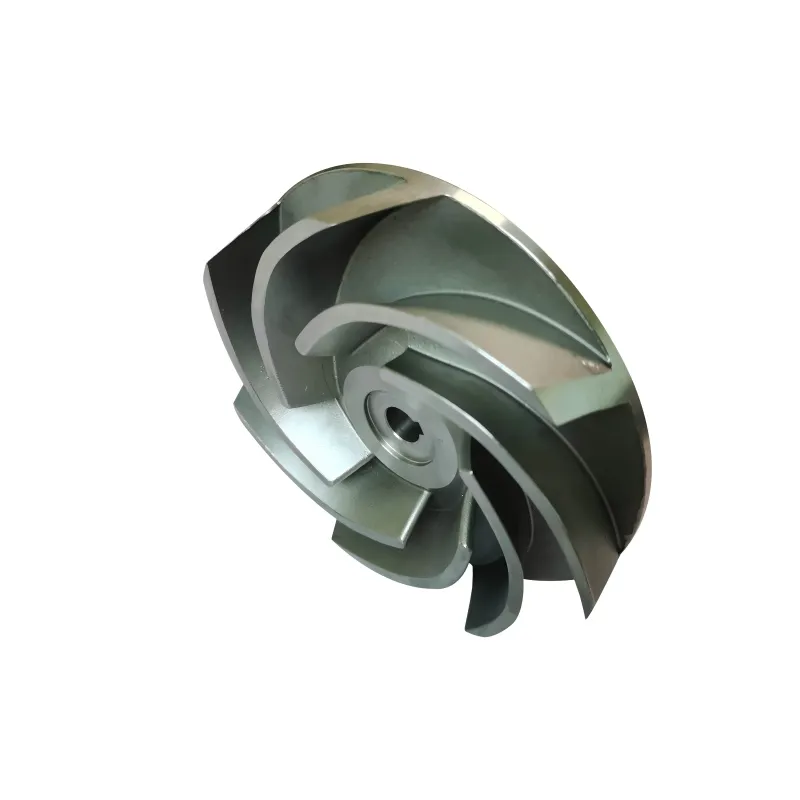
I've seen simpler, brilliant solutions too. For a family of steel impellers, the foundry (a partner much like QSY in their integrated approach) started casting in small, raised pads on non-critical surfaces. These pads were designed to be perfectly parallel in the mold. Our first operation was to face mill these three pads to create a rock-solid, kinematic mounting fixture for all subsequent operations. It was a collaborative design change that saved hours of setup and probing time. That's the synergy you want.
When Things Go Wrong: Porosity, Shifts, and Salvage Ops
Not every casting is perfect. The machining floor is the final quality gate. You'll be taking a cut and suddenly see a small pit of porosity appear. The question is always: is it acceptable? Per the ASTM standard, maybe. For the function of the part? That's an engineering judgment call. Sometimes you can blend it out. Other times, it's in a critical sealing area, and the part is scrap. Having the machining in-house means this decision can be made in minutes, with the casting engineer right there to inspect it, rather than in weeks via email across continents.
A more insidious problem is core shift. The internal ceramic core moves slightly during pouring, causing walls to be thinner on one side than designed. You discover this when you're machining a bore and you break through unexpectedly. There's no salvage for that. The only fix is better process control in the foundry. This is again where an integrated operation shows its value. The machining team provides immediate, physical feedback—We had a blow-through on batch XYZ at the lower flange—and the casting team can go back and check their core setting process for that mold. It closes the loop fast.
We once had a run of large stainless steel housings where every single part showed minor porosity in the same location after the finish pass. It was cosmetic, but the client wouldn't accept it. Instead of scrapping them, we worked with a welding specialist who could do a micro-TIG repair, then we re-machined the local area. It was expensive rework, but it saved the parts. The lesson was to adjust the riser design on the casting for future orders. The machining process diagnosed a casting flaw, and the solution was implemented upstream.
The Finish Line: More Than Just Ra
Surface finish on a machined casting isn't just about a Ra number. It's about the integrity of the surface. For parts subject to fatigue, like turbine blades or landing gear components, the machining process must not induce micro-cracks or tensile stresses. This often means controlled, gentle finishing passes, sometimes followed by processes like shot peening or honing. The as-cast skin is often removed entirely in critical areas because it can have slight oxidation or inclusions.
Then there's dimensional stability. A large, complex casting machined on one side can warp as you release the internal stresses by removing material. Sometimes you have to machine in stages, flipping the part and removing material symmetrically to balance the stress release. It's a dance. You're not just cutting to a shape; you're managing the stress state of the part throughout the process. I recall a large gear case where we had to rough machine everything, send it for vibration stress relief, then come back for the finish machining. Skipping that step would have resulted in parts going out of tolerance in the field.
In the end, precision casting machining is the bridge between a potential and a functional component. It demands respect for the casting process that came before it. It's not a default, automated operation. It requires judgment, experience, and often, a direct line back to the foundry floor. Looking at a company's capabilities, you want to see that they understand this continuum, from the molten alloy to the final deburred edge. That's what turns a near-net-shape into a net-success part.