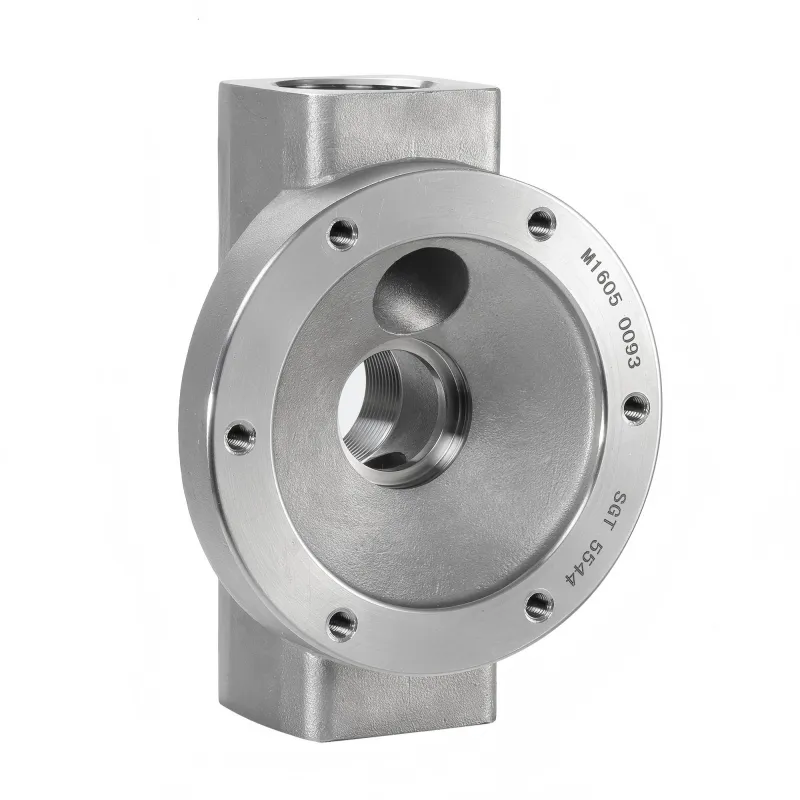
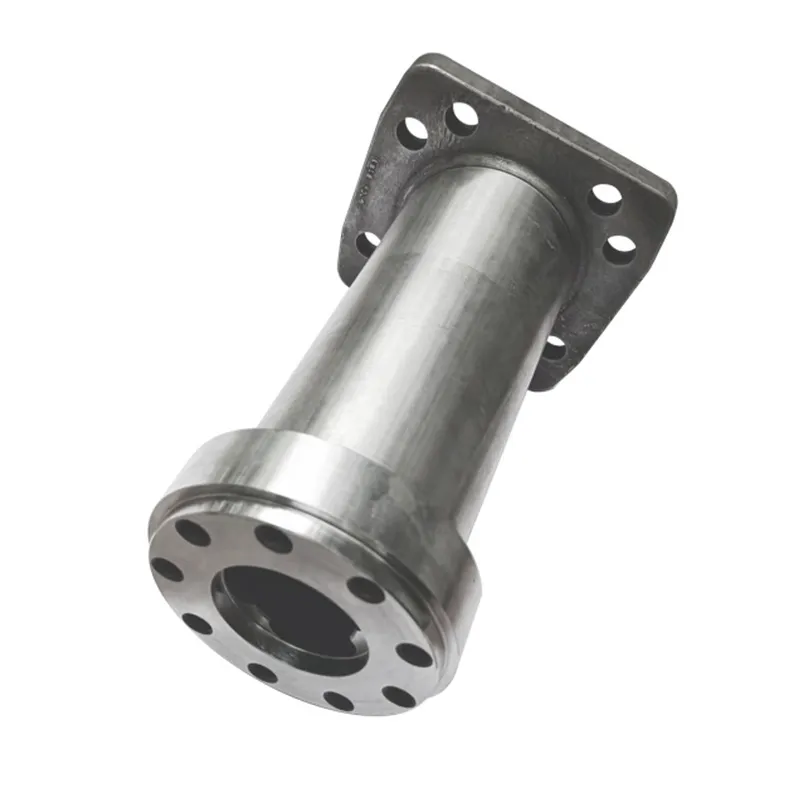
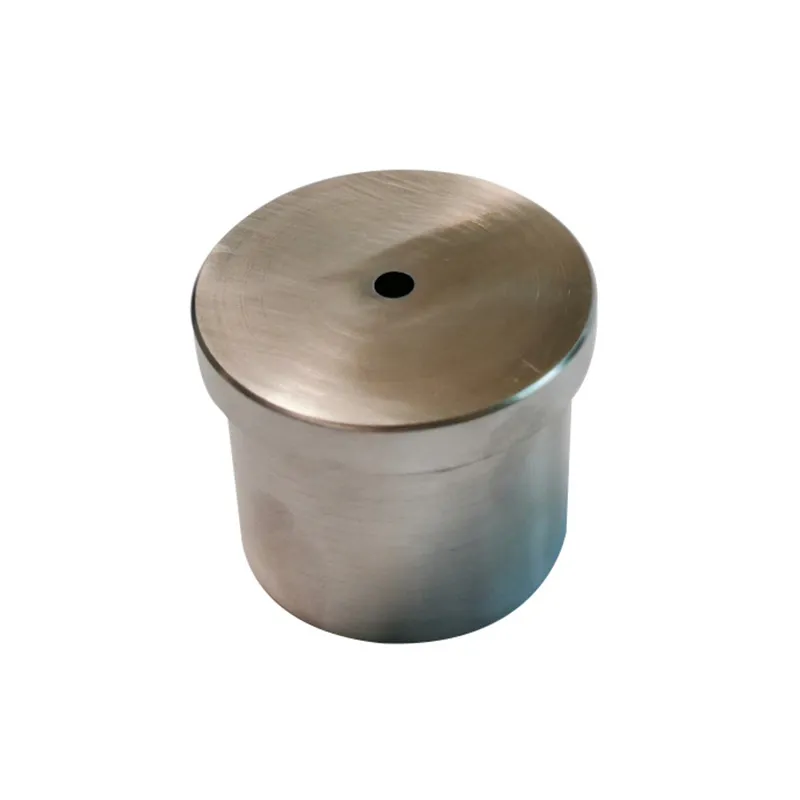
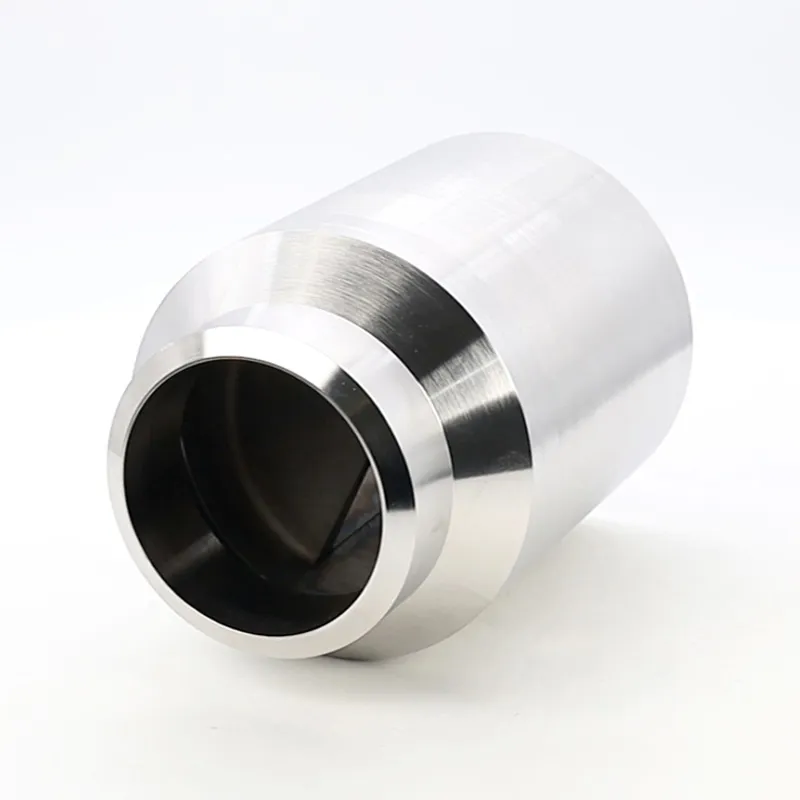
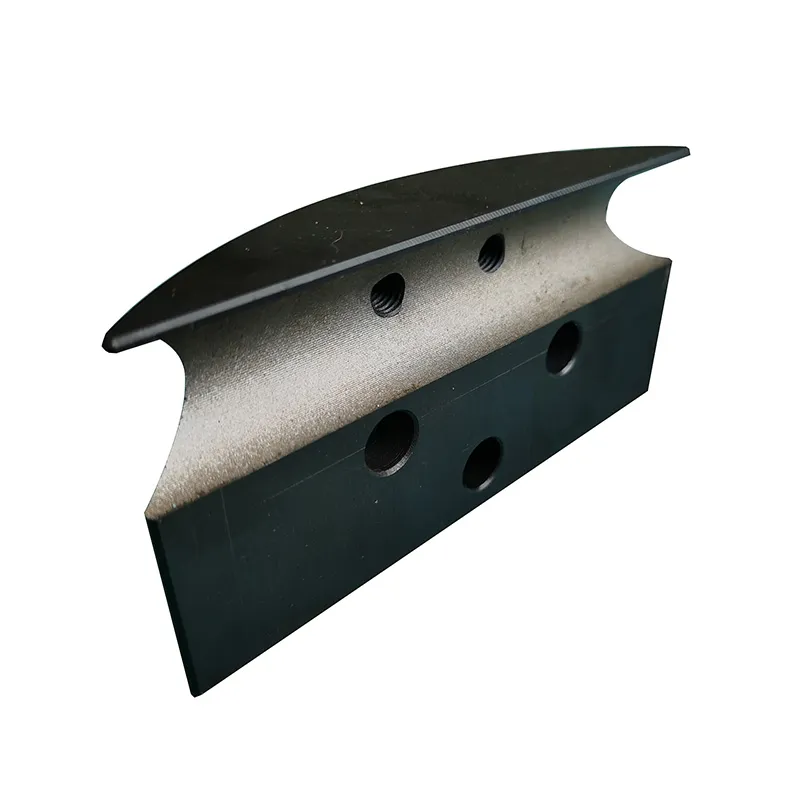
When you hear 'precision casting manufacturer', what comes to mind? For many, it's just a fancy term for a foundry that makes complex parts. That's the first misconception. It's not just about complexity; it's about the entire ecosystem of control—from the wax pattern room's humidity to the final heat treatment curve for a nickel-based alloy turbine blade. The 'precision' part is often oversold by marketing, but in practice, it's a grind of incremental adjustments and sometimes, painful lessons in metallurgy.
The Core of It: Process & Material Synergy
True precision casting, for us, hinges on the synergy between process and material. You can't just take a stainless steel 316 recipe and expect it to perform the same in shell mold casting as it does in investment casting. The thermal dynamics are different. I recall a project years back for a marine component where we used a standard grade. The corrosion resistance was off spec because we didn't account for the slower cooling rate of our shell mold process affecting the carbide precipitation. That was a failure that reshaped our material validation protocol.
This is where a company's longevity speaks volumes. Take Qingdao Qiangsenyuan Technology Co., Ltd. (QSY). With over 30 years in casting and machining, that time isn't just a number. It translates to a deep, almost intuitive library of how, say, a cobalt-based alloy behaves during the dewaxing phase in their investment casting line versus their shell mold casting setup. You can find their approach detailed on their platform at https://www.tsingtaocnc.com. It's not flashy, but the focus on specialized alloys tells you they're likely dealing with aerospace or high-temperature applications where material science isn't an afterthought.
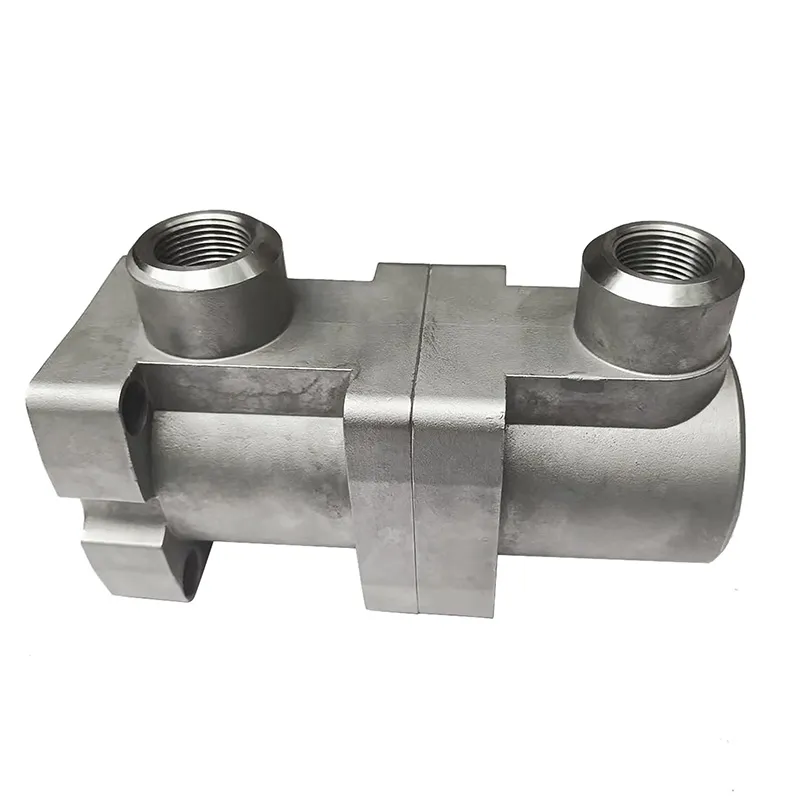
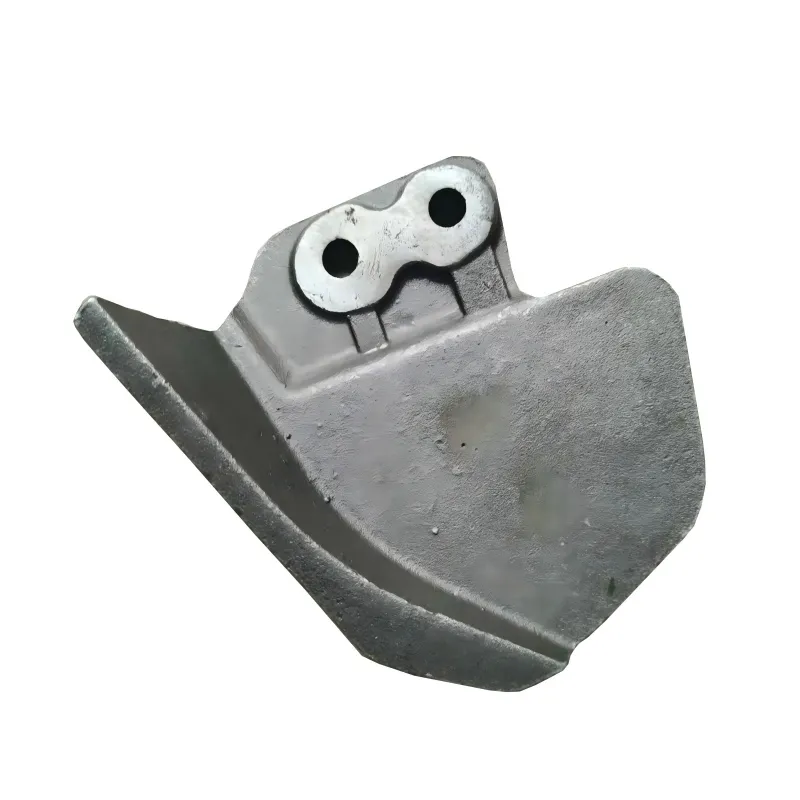
The choice between shell mold and investment casting is a classic judgment call. Shell mold, using resin-coated sand, is fantastic for medium complexity and larger runs of steel or cast iron parts—think pump housings. It's robust. Investment casting, the lost-wax method, is for the intricate stuff: thin walls, fine surface finishes, those impossible-to-machine geometries in stainless or special alloys. A precision casting manufacturer worth its salt doesn't push one over the other; they diagnose the part's function, load, and environment first.
The Machining Inextricable Link
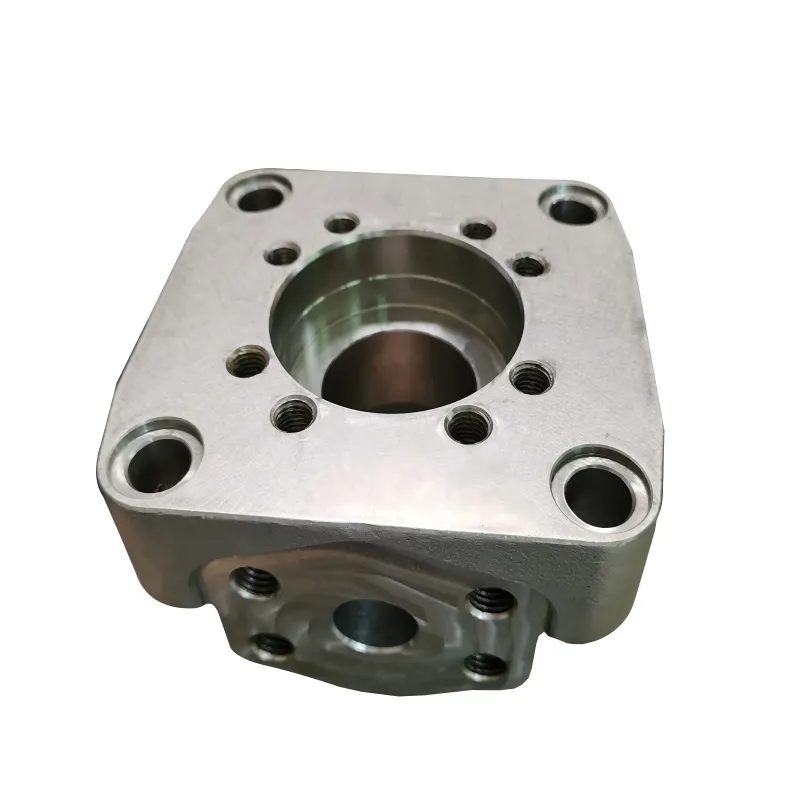
No casting is truly 'net-shape' for critical applications. Anyone who claims that is skipping over the finishing reality. That's why the integration of CNC machining is non-negotiable. The casting provides the near-net form, but the machining ensures the precision—the true position of bolt holes, the Ra 0.8 surface on a sealing face. We learned early on that separating casting and machining vendors introduces tolerance stack-up nightmares. The machinist blames the caster's distortion; the caster blames the machinist's fixturing.
Seeing that QSY lists CNC machining alongside their casting specialties is a solid indicator. It suggests they manage the entire value chain. This control is crucial. For instance, machining a hardened stainless steel casting requires specific tool paths and coolants to avoid work hardening the surface further. If the casting and machining teams are under one roof, they can align the casting's stress-relief cycle with the machining sequence to minimize distortion. It's a coordinated dance.
A practical headache here is fixturing. How do you hold a complex, uneven casting for machining without inducing stress? We've spent weeks designing and prototyping soft jaws or custom fixtures. It's unglamorous work that never appears in a brochure, but it's where the battle for final part accuracy is won or lost. A manufacturer that glosses over this likely farms out the machining, adding risk.
Where Things Go Wrong: The Gating & Feeding Lesson
If I had to point to one area that separates competent shops from exceptional ones, it's gating and riser design. It's more art than science, backed by simulation software now, but still requiring a feel. Early in my time, we had a batch of ductile iron brackets that showed shrinkage porosity in the thick sections. The simulation looked clean, but we overlooked the effect of the alloy's specific solidification range. The gating was too restrictive.
The solution wasn't just making the gates bigger. It was about repositioning the in-gates and changing the riser neck design to create a more directional solidification path. This is the kind of tacit knowledge a precision casting manufacturer accumulates over decades. You see it in shops that have handled a wide material portfolio, like those working with nickel-based alloys, which have wildly different feeding requirements compared to carbon steel.
Failure analysis is a goldmine. Every scrapped part, every customer return for a leak path detected under pressure testing, teaches you more about your process than a hundred successful runs. The key is having the metallurgical lab in-house to do the sectioning, microscopy, and SEM analysis to see the micro-shrinkage or inclusion clusters. Without that diagnostic capability, you're just guessing.
The Alloy Gambit: Special Materials
Working with special alloys like cobalt or nickel-based ones is a different league. The cost of the raw material alone makes every pour a high-stakes event. It's not just about melting and pouring; it's about atmosphere control. For many of these alloys, you're looking at vacuum melting and pouring to prevent oxidation and gas pickup. The margin for error is razor-thin.
This is where a manufacturer's stated capabilities need scrutiny. Saying you work with special alloys can mean you've done a few trial pours, or it can mean you have a dedicated VIM (Vacuum Induction Melting) furnace and a history of producing flight-critical components. The latter involves rigorous certification trails. When I look at a portfolio that includes these materials, I immediately think of the ancillary processes: hot isostatic pressing (HIP) to close internal voids, solution heat treatment furnaces with precise temperature zones.
The payoff, however, is in performance. A well-cast and processed nickel-based alloy component can operate in a turbine section where temperatures melt standard stainless steel. That's the value proposition. But it demands a precision casting manufacturer to be part metallurgist, part thermal engineer, and part quality fanatic. The scrap rate in this segment is a cost of doing business, and it's reflected in the price.
Final Reality Check: Communication is King
All the technical prowess means little if the communication with the client breaks down. The most successful projects I've been part of involved the customer's engineers in our process review. We'd walk them through why we suggested a draft angle change or a slight wall thickness adjustment for better castability. It builds trust.
This is another subtle advantage of integrated houses like the one mentioned earlier. When casting and machining are together, the feedback loop is tight. The machinist can tell the casting engineer, We're getting excessive tool wear on this flange; can we adjust the hardness in this local area in the next batch? That iterative, practical dialogue is impossible in a disjointed supply chain.
So, when evaluating a precision casting manufacturer, look beyond the equipment list. Look for the scars, the lessons learned, the willingness to explain the 'why' behind their recommendations. The real precision isn't just in the microns of tolerance; it's in the precision of thought and experience applied to every stage, from the wax tree to the final CMM report. That's what turns a metal part into a reliable component.