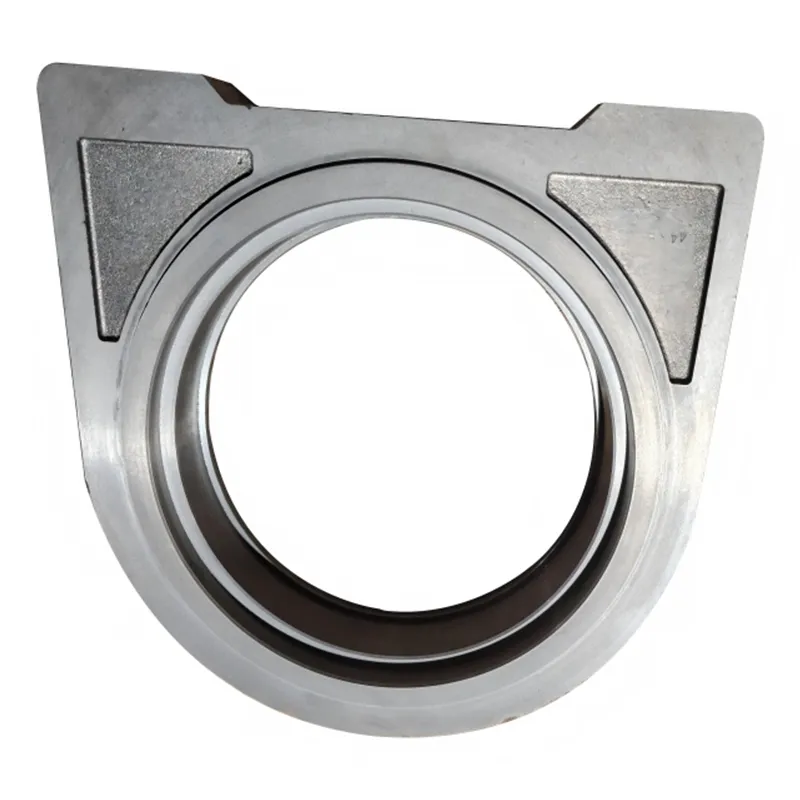
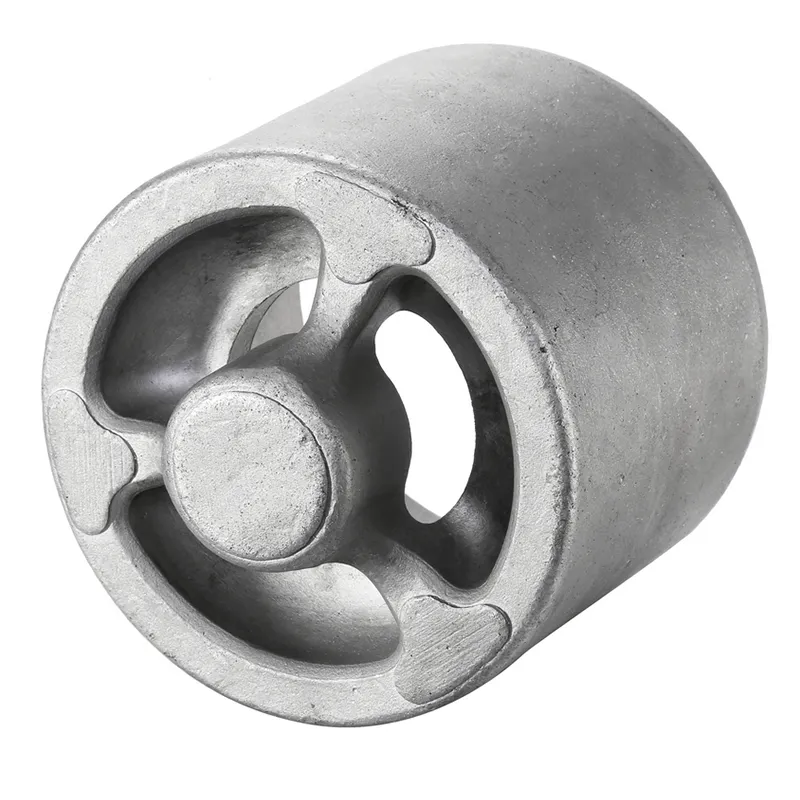
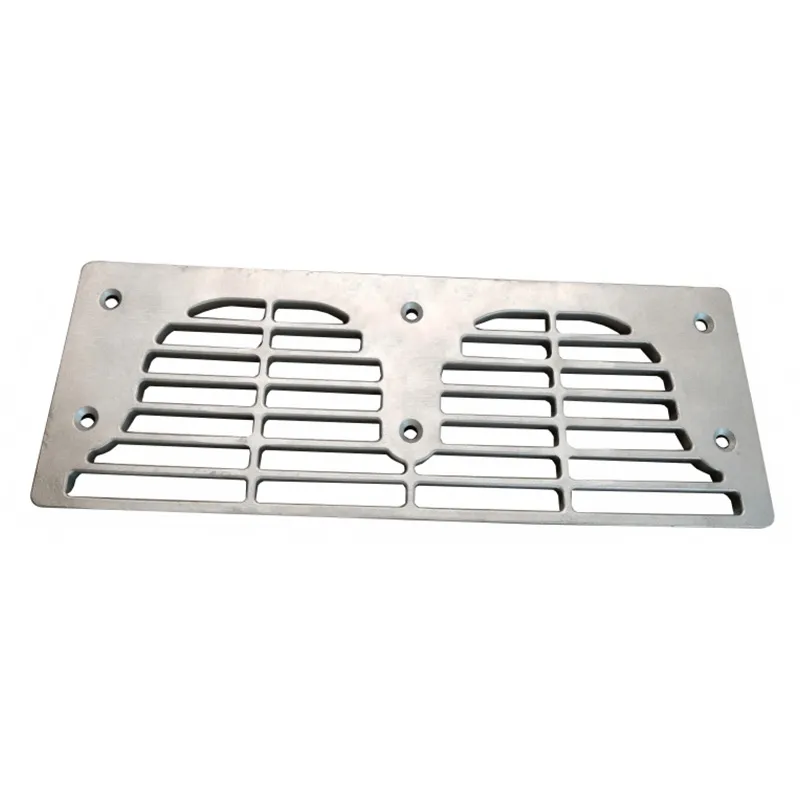
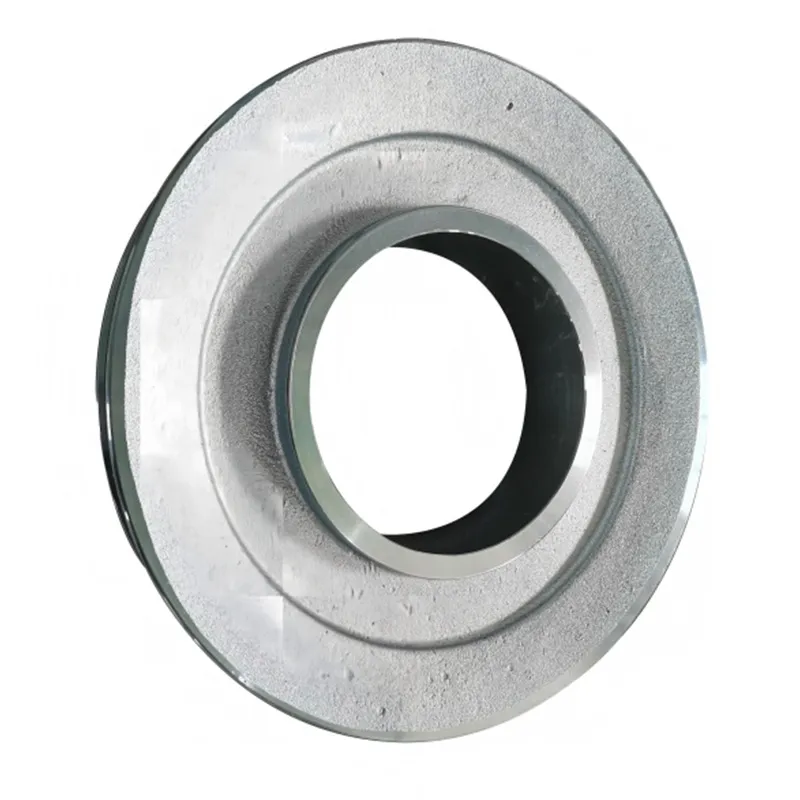
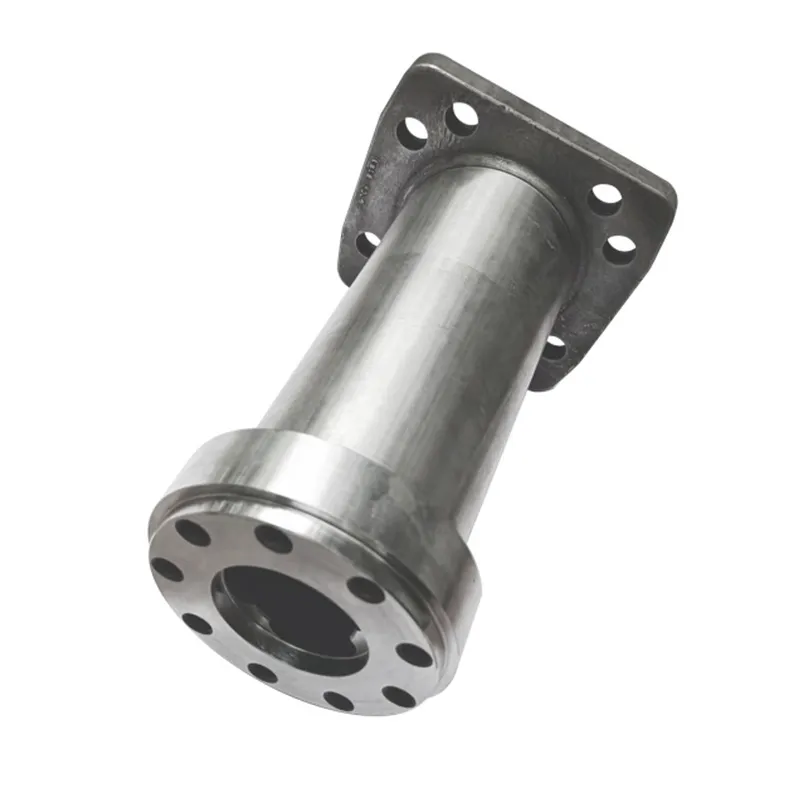
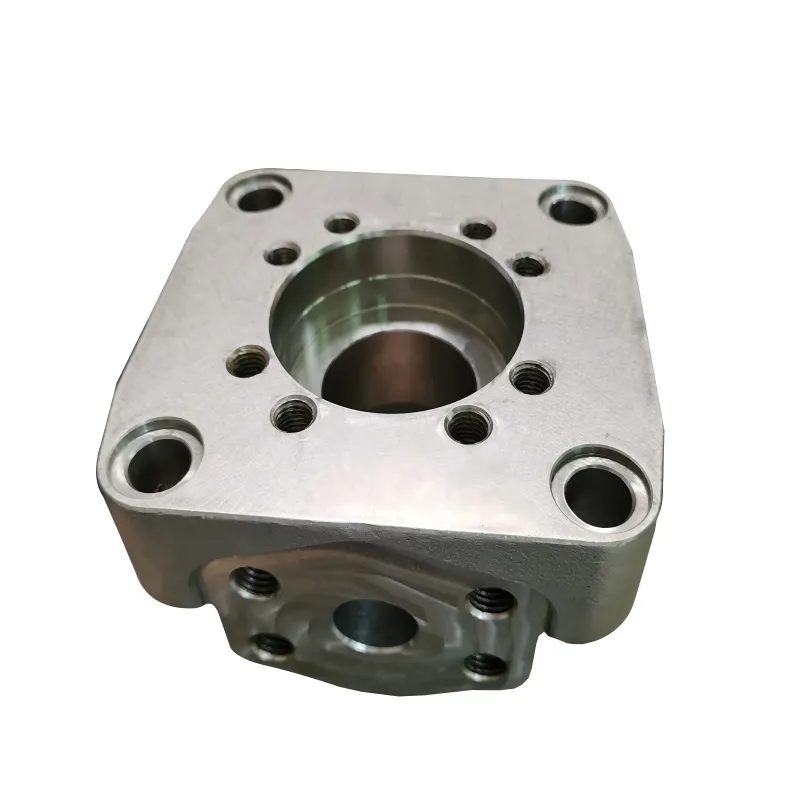
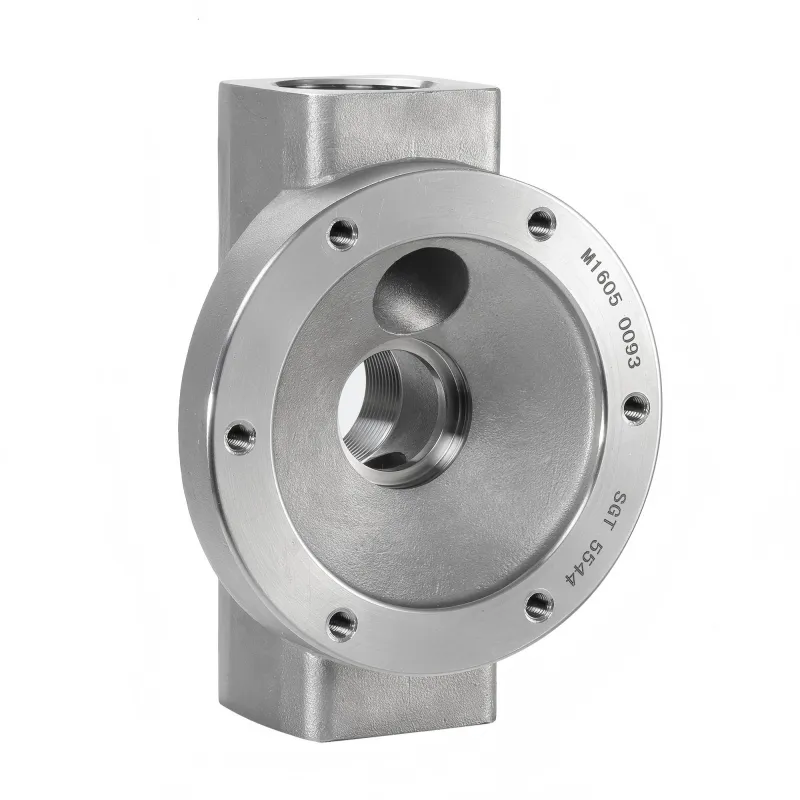
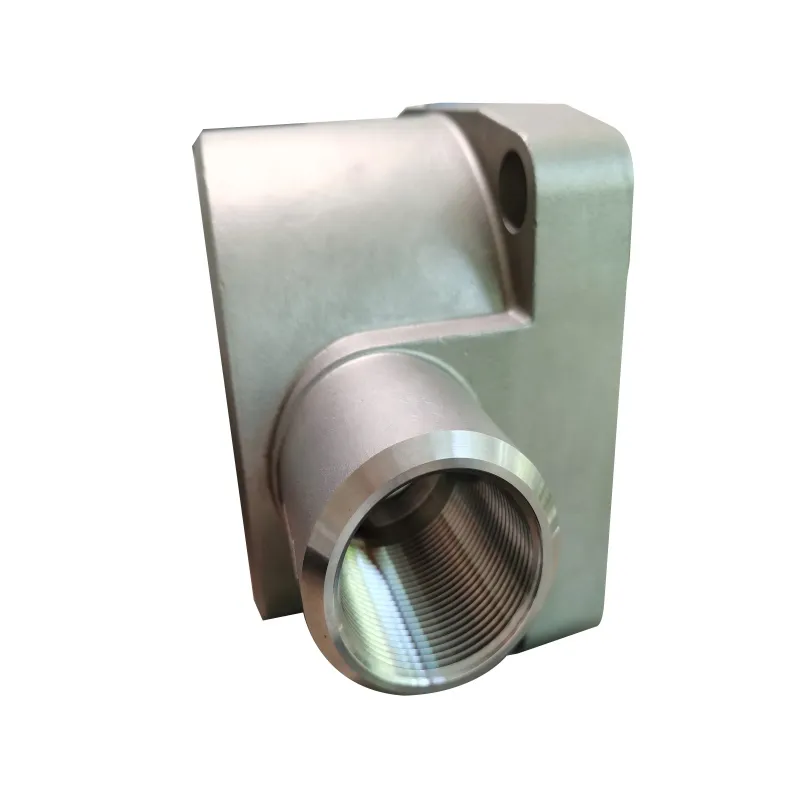
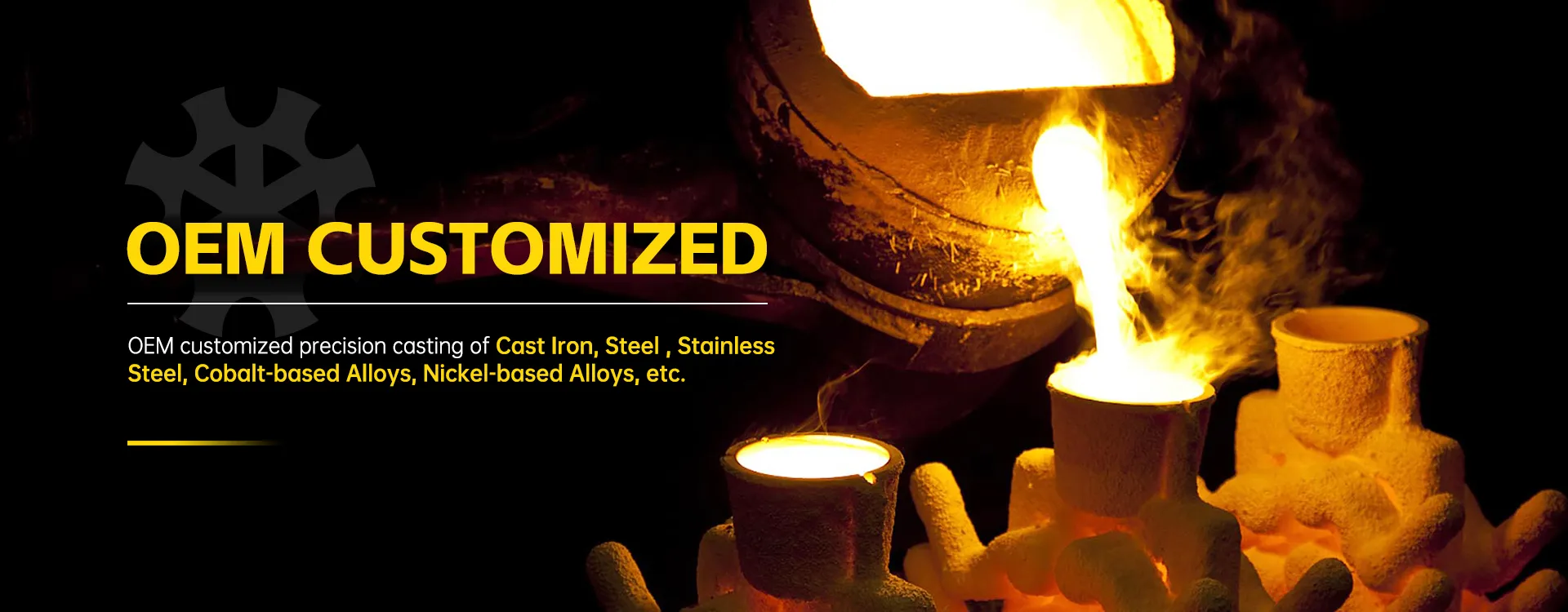
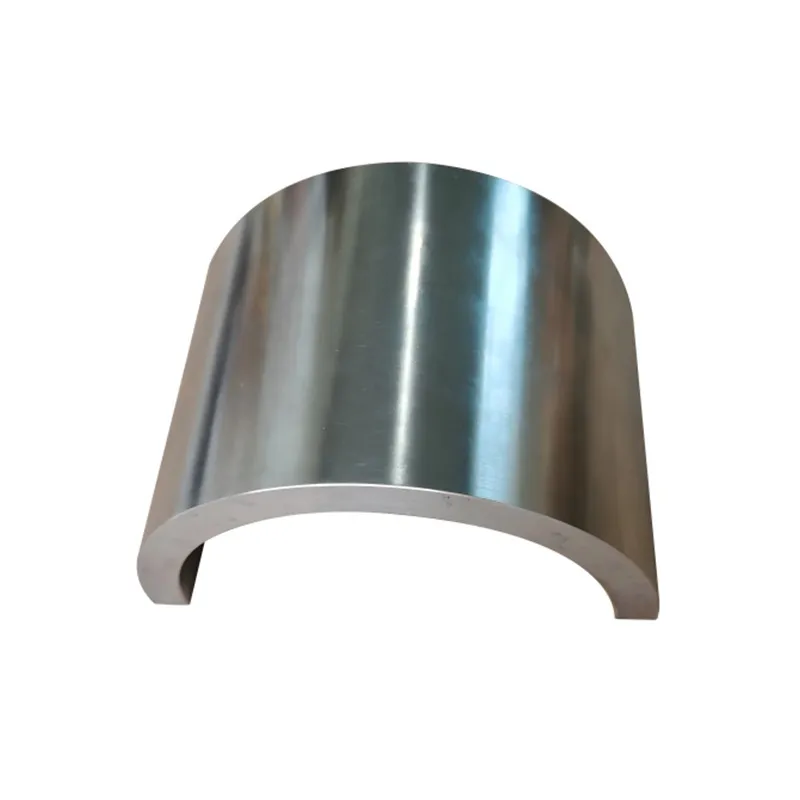
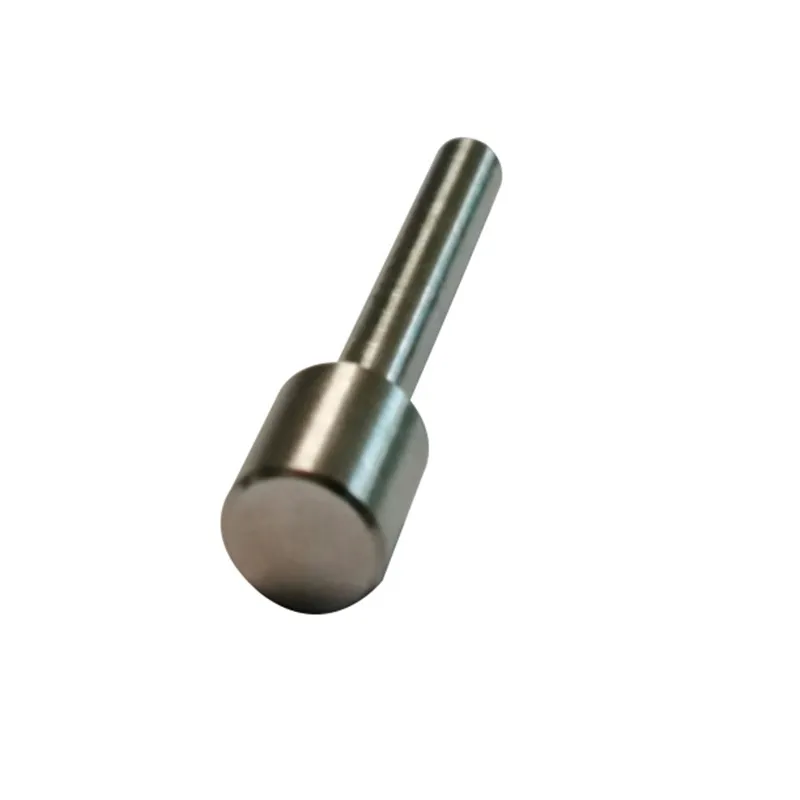
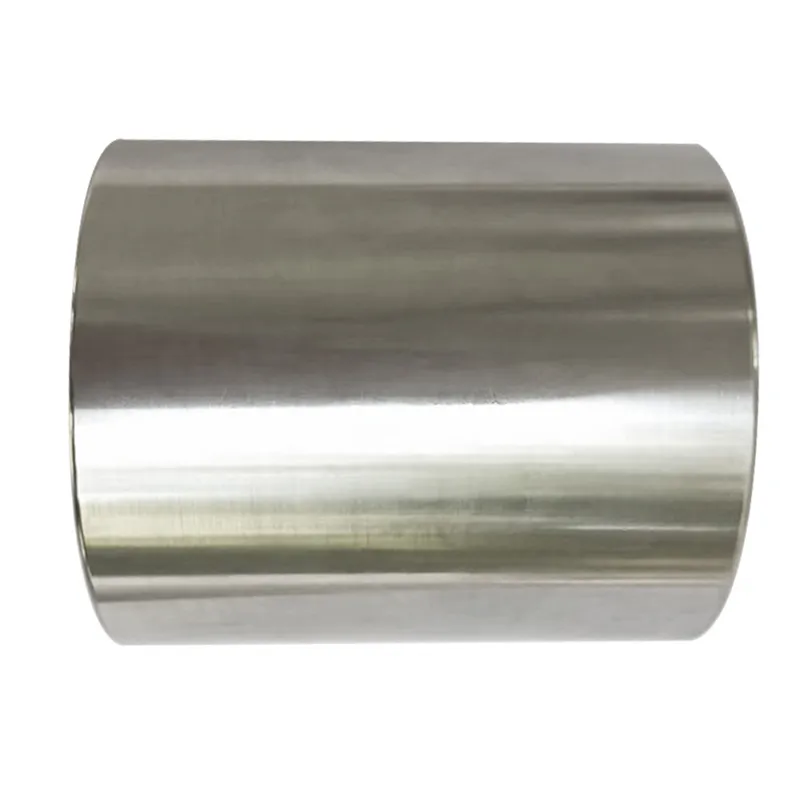
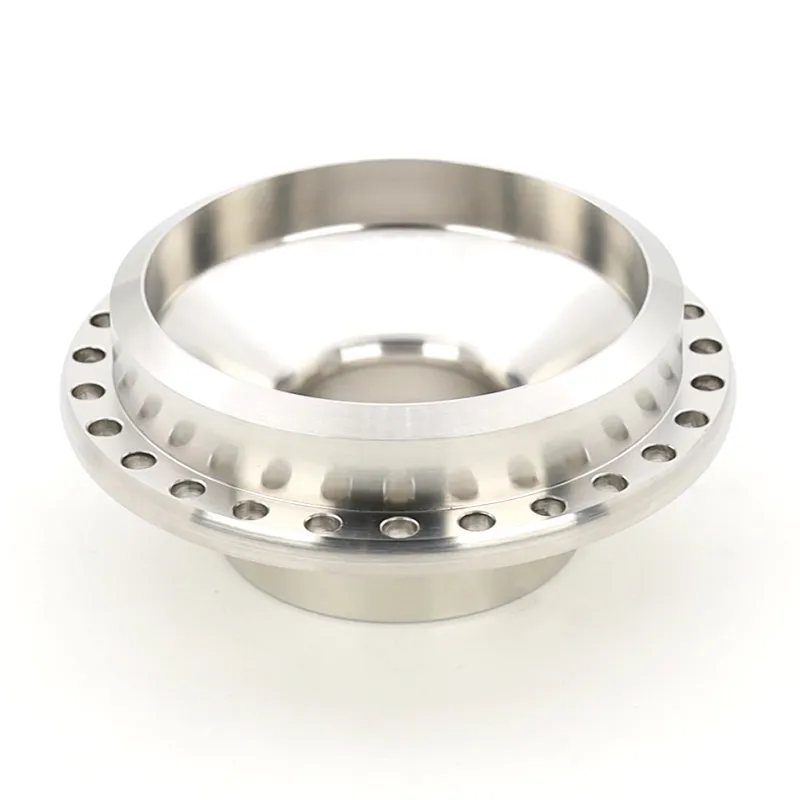
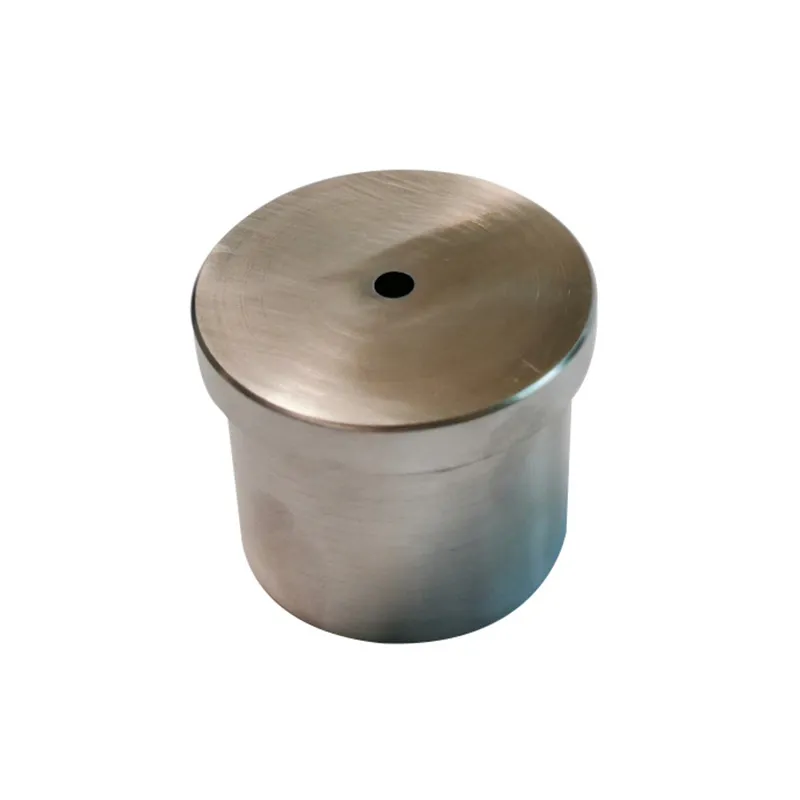
When most people hear 'precision casting parts', they picture those flawless, near-net-shape components, almost like they popped out of a mold perfectly every time. That's the marketing gloss. The reality, the daily grind, is a constant negotiation between the promise of the process and the stubbornness of physics. It's not just about achieving tight tolerances; it's about knowing which tolerances are worth fighting for on a given part, and where you can let the process breathe without compromising function. Too many specs get thrown around without understanding the cost-to-benefit ratio on the shop floor.
The Shell Game: More Than Just Sand
Take shell mold casting. The name makes it sound straightforward—build a shell, pour metal. But the consistency of the resin-sand mix? That's where years of feel come in. A batch that's off by a fraction in catalyst ratio doesn't fail immediately. It fails weeks later, when the casting comes out with a surface that looks gritty, not smooth, because the shell strength wasn't uniform. We learned this the hard way on a run of pump housings for a client. The parts passed dimensional checks, but the surface finish was borderline. The client rejected them. The root cause? A temperature fluctuation in the mixing room that day that altered the curing dynamic. Now, environmental control in that prep area is non-negotiable, even if it seems like a minor detail.
That's the thing with precision casting parts. The precision starts long before the molten metal sees the mold. It starts with the raw materials and the climate they're handled in. For a company like Qingdao Qiangsenyuan Technology Co., Ltd. (QSY), with three decades in this, that institutional memory is the real asset. You can't buy that kind of troubleshooting database. Their long-term operation suggests they've likely built a robust library of process parameters for different geometries and materials, which is far more valuable than any single piece of new equipment.
And geometry is king. Shell molding is fantastic for medium complexity, but when you get into internal channels or undercuts that would require complex and fragile cores, your mind has to jump to another process. You start weighing the cost of elaborate core assemblies in shell molding against the almost total geometric freedom of investment casting. It's a constant mental pivot.
Investment Casting: The Illusion of Limitless Freedom
Investment casting, or lost-wax, is the poster child for precision casting parts. The hype is about capturing incredible detail, and it's true. You can cast things that look machined. But the illusion is that it's a one-stop solution. The wax pattern process itself is a art form. Injection pressures, temperatures, and cooling rates for the wax directly affect the final metal part's dimensions. A slight sink in a wax pattern translates to a deviation in the casting. Then you have the ceramic shell building—each dip, each sanding stucco application, each drying cycle adds a layer of potential variation.
I remember a project for a turbine blade prototype, using a nickel-based alloy. The wax patterns were perfect. The shell looked great. But after dewaxing and firing, we had a few shells with hairline cracks. Not all, just a few from the same batch. The failure point? The thermal shock during the high-temperature autoclave dewaxing was too severe for that particular shell thickness in certain blade root areas. We adjusted the ramp-up rate and introduced a pre-heat stage for thicker sections. Problem solved, but it cost us a delivery delay. The lesson was that the standard cycle isn't standard. It's a starting point that must be tuned for the part's mass distribution.
This is where material expertise, like what QSY highlights with their work in special alloys (cobalt-based, nickel-based), becomes critical. These alloys aren't just about corrosion resistance or high-temperature performance. They behave differently during solidification. They have different shrinkage factors, different feeding requirements. Pouring stainless steel into an investment shell is one thing; pouring a high-performance nickel alloy is another ball game entirely. The gating system—the channels that feed metal into the part—has to be designed almost surgically for these materials to prevent shrinkage porosity in critical areas. You can't just reuse a design from a carbon steel part.
The Machining Handshake: Where Casting Meets Reality
No precision casting part is truly finished at shakeout. That's another big misconception. The 'near-net-shape' promise means you minimize machining, but you rarely eliminate it. The partnership between casting and CNC machining is intimate. The casting must provide a reliable datum—a reference surface—for the machinist to clamp onto and measure from. If the casting is distorted, or if the critical interface surfaces aren't cast with enough clean stock (extra material) for machining, the whole thing can become scrap in the machining center.
We integrated CNC machining in-house after one too many blame games with an external machine shop. They'd claim our castings were out, we'd claim their fixturing was wrong. Bringing it under one roof, like QSY has done with their combined casting and CNC machining setup, changes the dialogue. The machining team talks to the foundry team. They can say, Hey, if you can guarantee this flange face within 0.5mm of flatness, we can reduce our machining time by 30%. That feedback loop is gold. It turns adjacent processes from adversaries into collaborators.
A practical example: a valve body in duplex stainless steel. The as-cast surfaces of the internal bore were good, but for seal integrity, they needed a fine finish and a tight diameter tolerance. By having the machining team pre-qualify the casting's initial bore alignment, the foundry could adjust the core positioning in the mold for the next batch to ensure even stock removal. This reduced machining time and tool wear significantly. The synergy on their website at https://www.tsingtaocnc.com between casting and machining isn't just a service list; it's a fundamental production philosophy that drives efficiency and quality.
Material Choices: The Foundation of Function
Selecting the material isn't just about the spec sheet property. It's about castability. Cast iron, for instance, is forgiving. It flows well, it feeds well. But moving to high-alloy steels or stainless, the fluidity changes, the solidification range changes. You get more pasty, mushy solidification, which is prone to micro-porosity if not fed properly. When QSY lists their work with cast iron, steel, stainless, and special alloys, that's a spectrum of foundry skill. Each family requires a different mindset.
For a high-wear agricultural tool, a through-hardening steel might be specified. But can you cast it without cracks? Sometimes, the answer is to suggest a slightly different grade with similar performance but better casting characteristics. That's value-added engineering. It's not just making what's on the print; it's consulting on what should be on the print to be made reliably and cost-effectively. This is where the 30 years of operation implies a deep materials knowledge base.
Special alloys are a world apart. They're expensive, so scrap cost is catastrophic. Every step is meticulous. The revert (recycled alloy) ratio is tightly controlled. The melt chemistry is checked and re-checked. The pouring temperature is critical—too hot, you get excessive reaction with the ceramic shell; too cool, you risk mistuns. Working with these isn't for the occasional foundry. It demands dedicated procedures and, frankly, a different level of shop floor discipline.
The Real Measure of Precision: Consistency Over Time
So, what defines a good precision casting parts supplier? It's not the one-off prototype that turns out perfectly. It's the 10,000th piece in a production run that matches the 1st and the 5,000th. That's the brutal test. It's about process control that survives shift changes, material lot variations, and equipment maintenance cycles.
This consistency is built on documentation and culture. It's the furnace logs, the wax injection parameter records, the daily checks on the sand grain distribution. It's the willingness to slow down and investigate when a statistical process control chart shows a trend, even if the parts are still technically in spec. A company that's been around as long as QSY has either mastered this or they wouldn't have survived. The industry is too punishing.
In the end, precision casting is a humble craft dressed in high-tech terminology. The parts might end up in aerospace or medical devices, but they start with people watching temperatures, measuring viscosities, and inspecting surfaces with a practiced eye. The real precision isn't just in the microns on the drawing; it's in the repeatability of countless small decisions made correctly, day after day. That's what you're really buying.