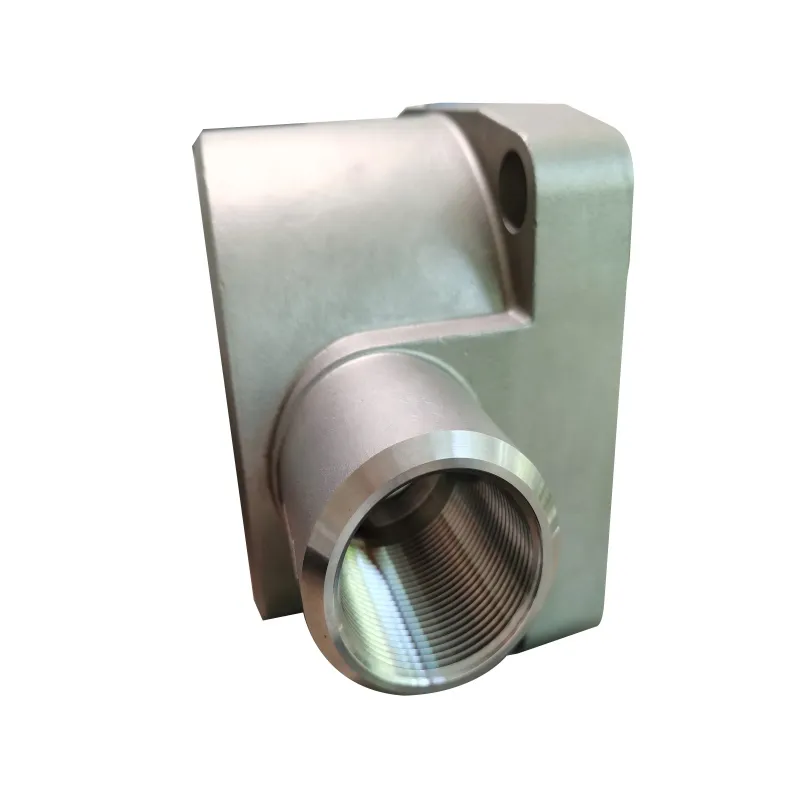
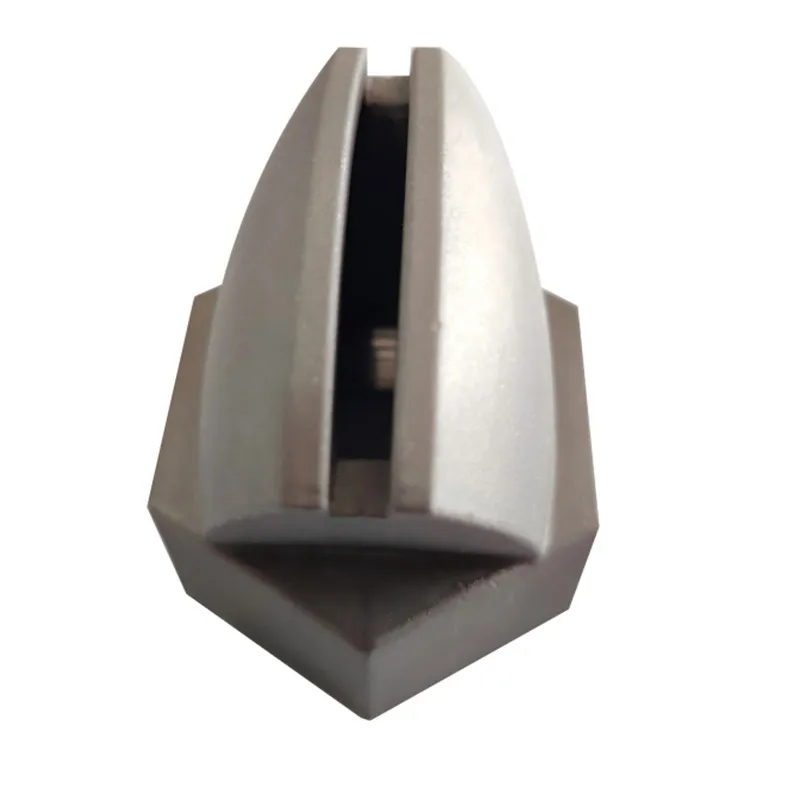
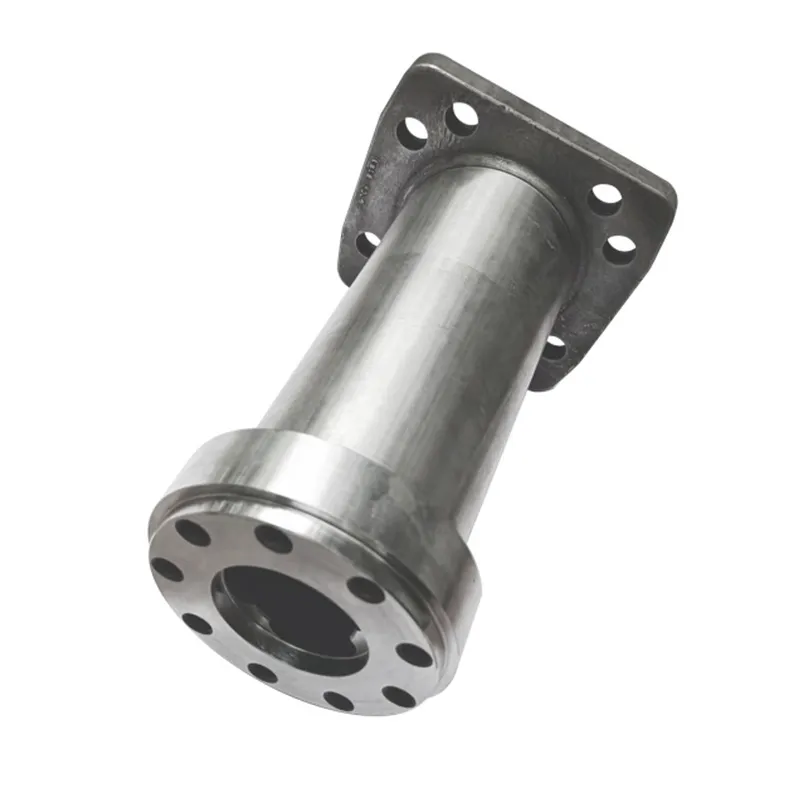
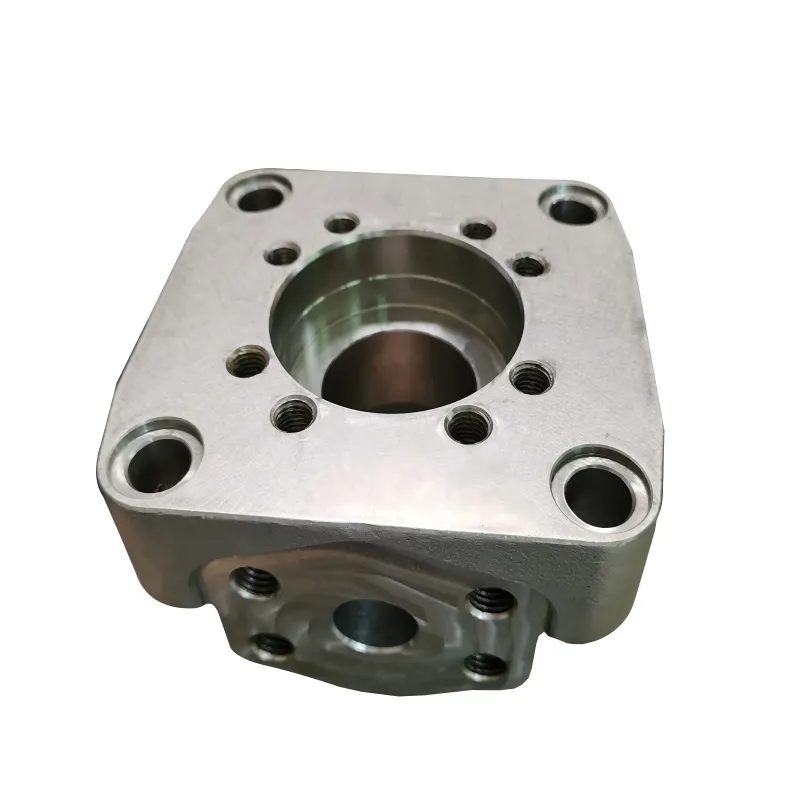
When you hear 'precision casting parts manufacturer', most minds jump straight to tolerances and material certs. That's the baseline, the ticket to the game. The real story, the one that separates a functional supplier from a true partner, happens in the gray areas between those numbers—in the interpretation of a drawing note, the handling of a design ambiguity, or the decision to call a client at 2 AM because a furnace batch looked slightly off-color. It's not just about making a part; it's about understanding the unspoken stress it will bear.
The Shell Game: More Than Just a Mold
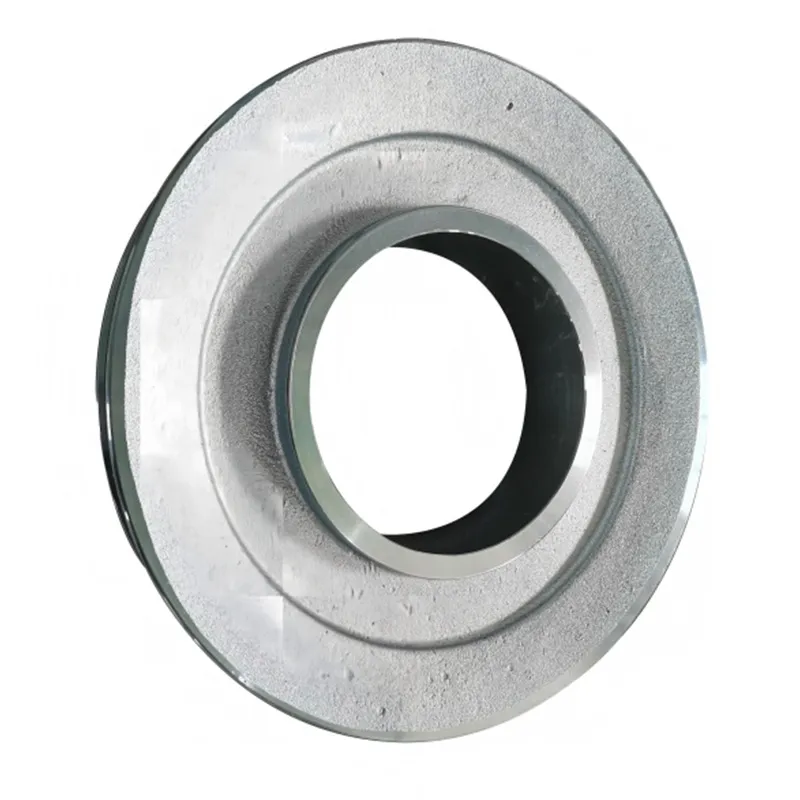
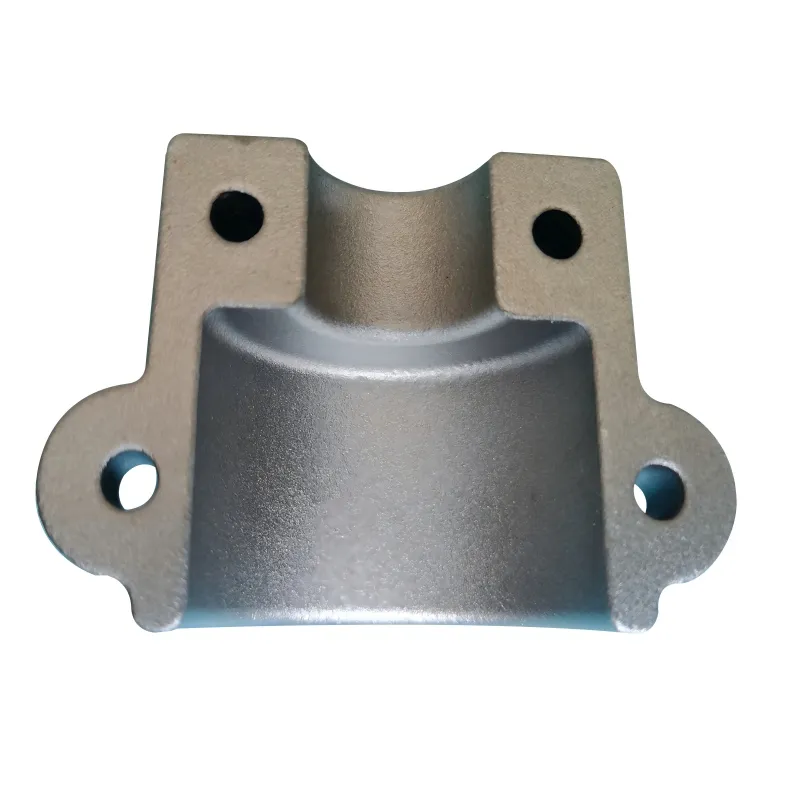
Shell mold casting gets pitched as a cost-effective middle ground, and it is, but that undersells its nuance. The silica sand and resin mix—the 'shell'—its consistency is everything. Too brittle, and you get inclusions or mold cracks during pouring. Too flexible, and dimensional stability goes out the window. We learned this early on with a batch of pump housings for a client. The parts passed initial dimensional checks but failed pressure testing at the client's site. The culprit? Microscopic sand erosion in the runner system we hadn't accounted for, which altered the flow dynamics just enough to create turbulence and porosity in critical sections. The spec sheet said 'shell mold casting,' but the failure said we didn't understand the fluid dynamics of our own process for that specific geometry.
That's where the 30 years come in, like at a place like Qingdao Qiangsenyuan Technology Co., Ltd. (QSY). That tenure isn't just a number; it's a library of these micro-failures and corrections. It means they've likely seen what happens to that shell mix in high humidity versus a dry climate, and have adjusted pre-heat cycles accordingly. It's tribal knowledge that doesn't make it to the sales brochure.
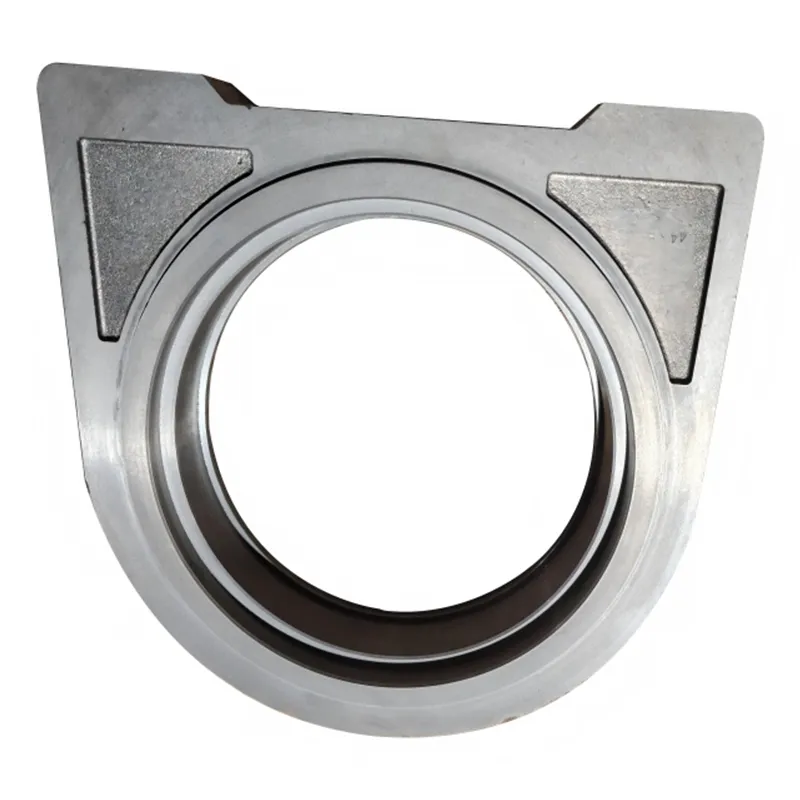
Investment casting, or lost-wax, is the other pillar. The allure is near-net-shape complexity, but the trap is assuming all complexities are equal. A thin, extended flange and a dense, chunky hub on the same part will cool at radically different rates. You can have perfect wax injection and a pristine ceramic shell, but if the solidification simulation is off or ignored, you're gambling. We once poured a beautiful batch of stainless steel impellers, only to find hairline cracks in the blades post-heat-treatment. The stress was locked in during cooling; the solution wasn't a better wax, but a redesign of the gating system to control thermal gradients, something that required sitting down with the client's engineer and hashing out a compromise.
The Material Maze: Alloys Are Not Created Equal
Stainless steel. Sounds straightforward. But 304L versus 316L for a marine application? That's an obvious call. The real fun starts with the 'special alloys'—the nickel-based and cobalt-based ones. These are often specified for extreme environments: high heat, corrosion, wear. The catch is, their behavior during casting is anything but standard. They have high melting points, different shrinkage characteristics, and can be sensitive to trace elements.
I recall a project involving a cobalt-based alloy for a wear plate. The chemistry was to spec, the mechanicals tested fine on coupons. But in the field, the part wore unevenly. After a lot of head-scratching and metallurgical analysis, it turned out the issue was carbide distribution. The cooling rate we used, which was standard for tool steel, wasn't optimal for promoting a uniform, fine carbide network in this particular cobalt alloy. We had to develop a tailored cooling protocol, almost a post-casting heat treatment regimen, to get the microstructure right. The client's drawing just said Co-Cr-W alloy, ASTM XXXX. The manufacturing reality was a two-week process development trial.
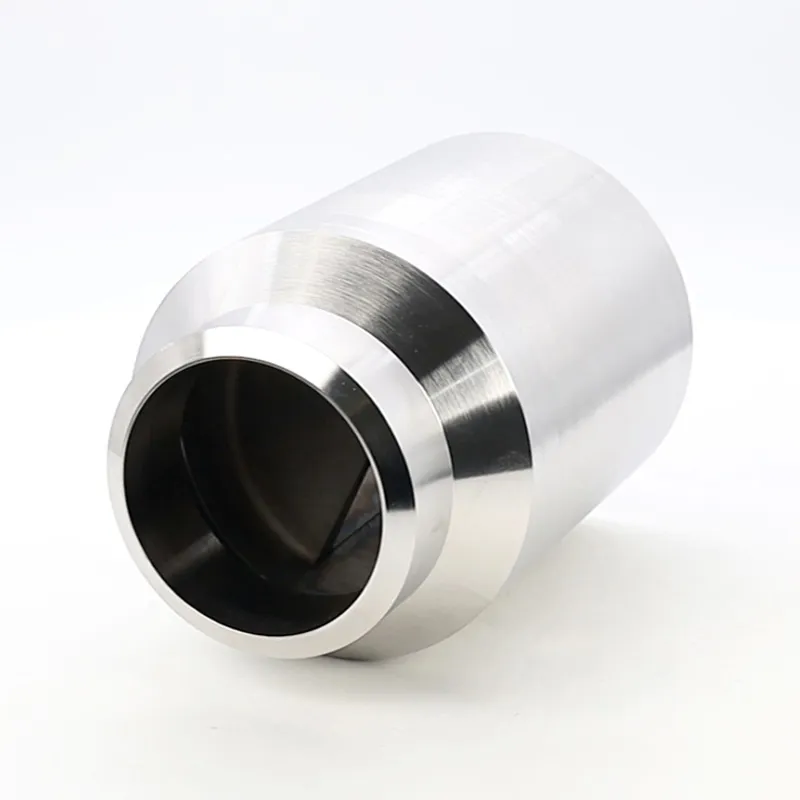
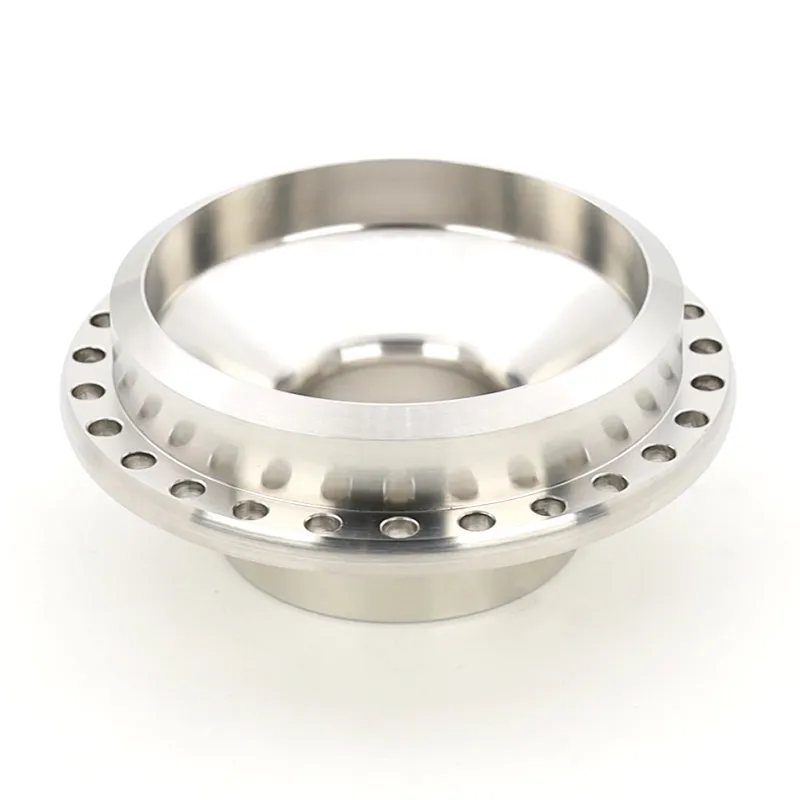
This is where a manufacturer's material pedigree matters. A shop that casually says yes, we do nickel alloys is different from one that has dedicated furnace linings and thermocouple setups for them, to prevent cross-contamination. It's in the details of their CNC machining process, too. Machining a hardened stainless steel casting is one thing; taking a cut on a precipitation-hardening nickel alloy requires different tool geometries, feeds, and speeds to avoid work-hardening the surface into an unmachinable state.
CNC: Where the Casting Meets the World
This is the make-or-break phase. You can pour a perfect casting, but if the machining isn't integrated into the planning from the start, you're sunk. It's about datum selection, stock allowance, and understanding the casting's 'personality'.
A common pitfall is treating the casting as a uniform block of stock. It's not. There might be slight porosity just below the skin in one zone, or a residual stress pattern from cooling. A heavy, aggressive first cut in the wrong place can distort the part or tear out material. We machined a large valve body once, a ductile iron casting. The first operation was to face the mounting flange. As soon as we released the clamping pressure, the part bowed. The stress relief from removing that surface skin allowed latent casting stresses to redistribute. We had to re-sequence the operations, taking lighter, balancing cuts to gradually bring the part into stability.
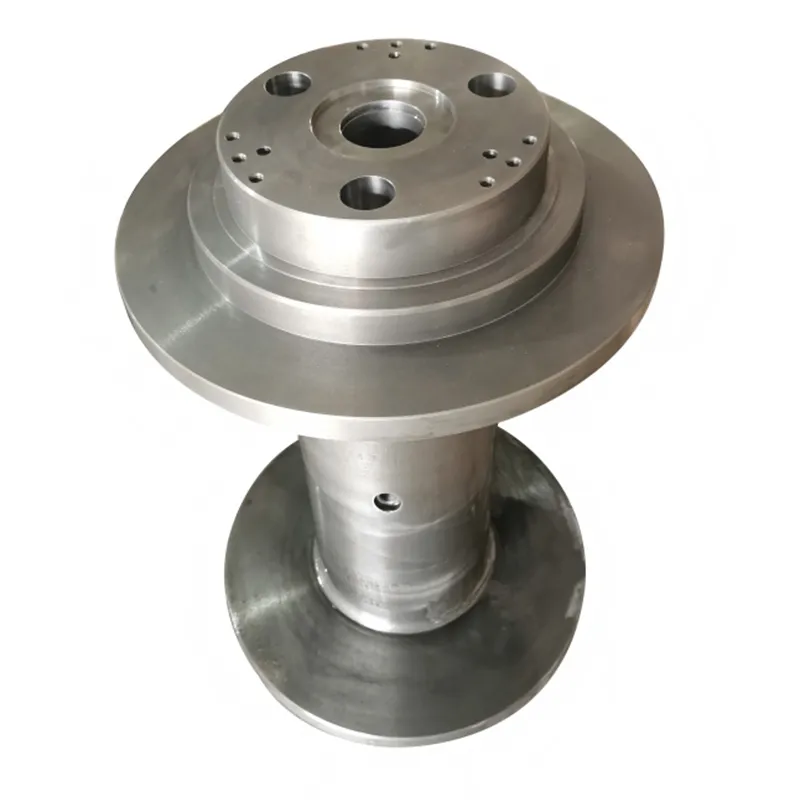
For a full-service precision casting parts manufacturer, the machining isn't a subcontractor's problem; it's a continuum of the casting process. At QSY, for instance, having both casting and CNC machining under one roof isn't just for logistics. It means the machining team knows the typical shrinkage of their own investment castings, or the likely hard spots in their shell mold pieces. They can leave extra stock in a known problematic area without being asked. That feedback loop between the foundry floor and the CNC shop is invisible to the client but critical to the outcome.
The Communication Chasm: Drawings vs. Intent
This might be the biggest source of headaches. A drawing is a legal and technical document, but it's an imperfect translation of an engineer's intent. A surface finish callout, a vague note about radius all edges, an undefined transition zone—these are the breeding grounds for disappointment.
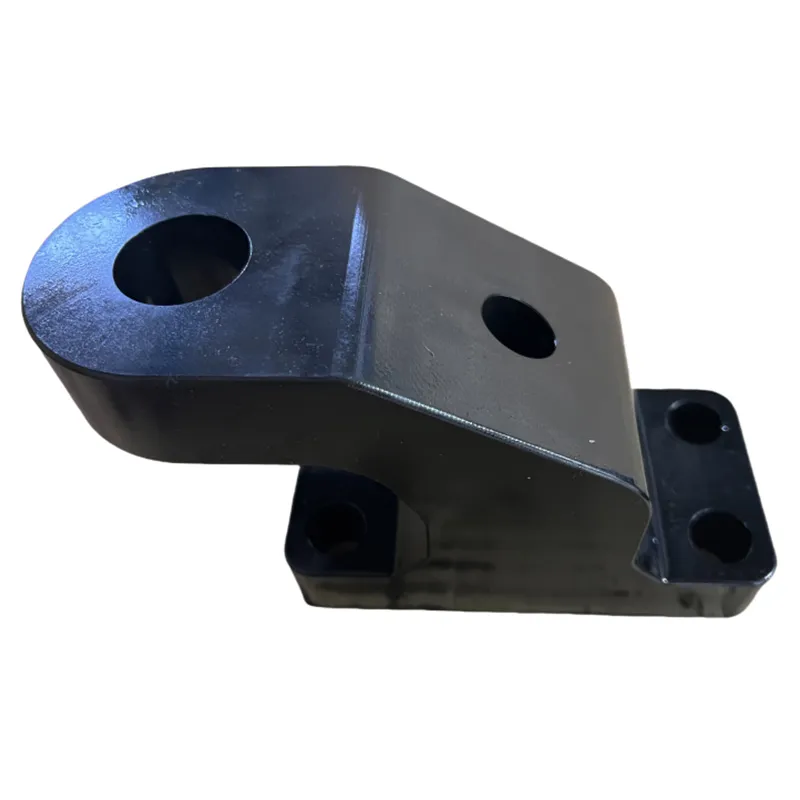
I've seen drawings for a precision casting part with tolerances tighter than what the base casting process can reliably hold, on non-critical features. Blindly quoting to that is a trap. The professional move is to pick up the phone. We see this +/- 0.1mm tolerance on this mounting boss. Is that for alignment, or for a clearance fit? Because if it's for clearance, we can hold a more economical as-cast tolerance and guarantee it fits your mating part. Half the time, the engineer appreciates the question; they might have copied a detail from another drawing. The other half, it uncovers a critical requirement that needs a different approach, like moving to a precision-machined surface.
It's about proactive clarification, not just execution. A manufacturer's website, like tsingtaocnc.com, can show capabilities, but the real test is in these pre-order dialogues. Do they ask intelligent questions? Do they suggest design for manufacturability (DFM) tweaks that simplify the process without compromising function? That's the mark of experience.
Failures as Curriculum
No one in this business has a perfect record. The ones you want to work with are the ones who have a well-analyzed failure log. A good manufacturer doesn't hide these; they institutionalize the lessons.
We had an early disaster with a series of aluminum-bronze investment castings. They kept showing scattered micro-porosity. We checked everything: wax, shell, pouring temp, dewaxing. Finally, an old-hand foundryman asked about the humidity in the storage area for the master wax patterns. It was high. The patterns had absorbed just enough moisture that during dewaxing (steam autoclave), the water turned to steam inside the ceramic shell too violently, slightly damaging its permeability. The fix was climate-controlled pattern storage. A tiny, non-obvious variable.
That's the kind of granular, hard-won knowledge that defines a mature operation. It's why when evaluating a precision casting parts manufacturer, you should ask not just can you do this? but what are the top three risks you see with this part, and how would you mitigate them? Their answer will tell you more than any certificate on the wall. It's in the hesitation before they answer, the way they point to a specific feature on your drawing—that's the sound of real experience thinking aloud.