When most people hear 'precision casting,' they immediately think of flawless, net-shape parts coming straight out of the mold. That's the marketing ideal, but the reality on the shop floor is a constant negotiation between material behavior, geometry, and cost. The term itself bundles several distinct methods, and a common industry pitfall is treating them as interchangeable. I've seen projects derail because someone specified a general 'precision casting' without understanding whether they truly needed the dimensional fidelity of investment casting for a turbine blade or if a well-executed shell mold casting could handle a complex pump housing at a fraction of the lead time and cost. The precision isn't just in the name; it's in the process control at every step, from the first wax pattern to the final heat treatment.
The Core Divide: Investment vs. Shell Mold
Let's get specific. In my experience, the choice between these two is the first major fork in the road. Investment casting, the lost-wax process, is the go-to for extreme complexity and surface finish. Think aerospace components with internal cooling channels that are impossible to machine. But here's the practical catch: every wax pattern is sacrificed. For a small batch of large parts, the pattern cost alone can be prohibitive. I recall a prototype run for a marine valve body where the client was shocked at the wax tooling quote. We had to walk them through the math—it only made sense for their projected volume.
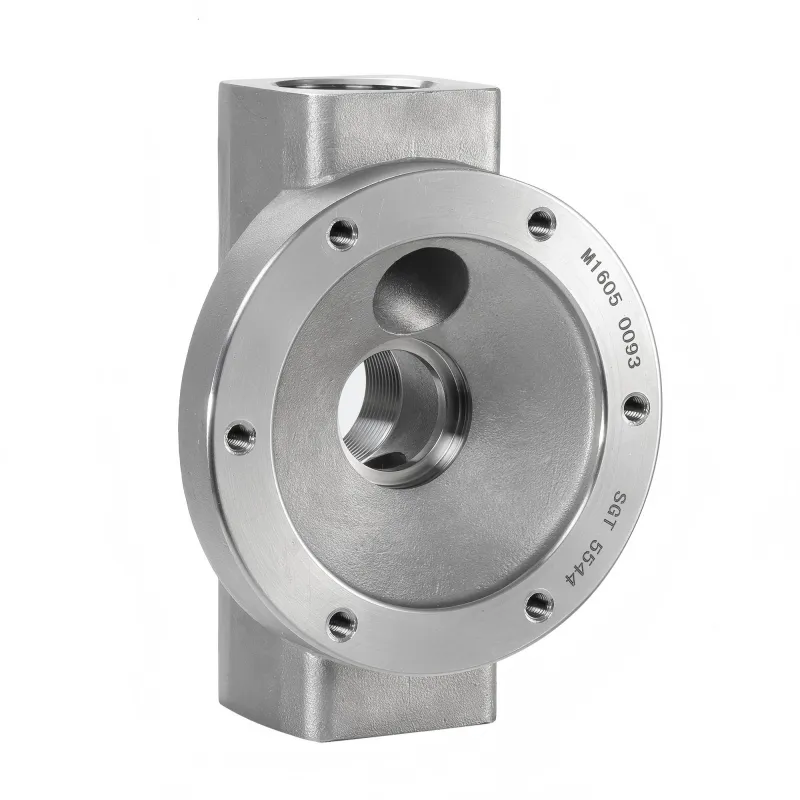
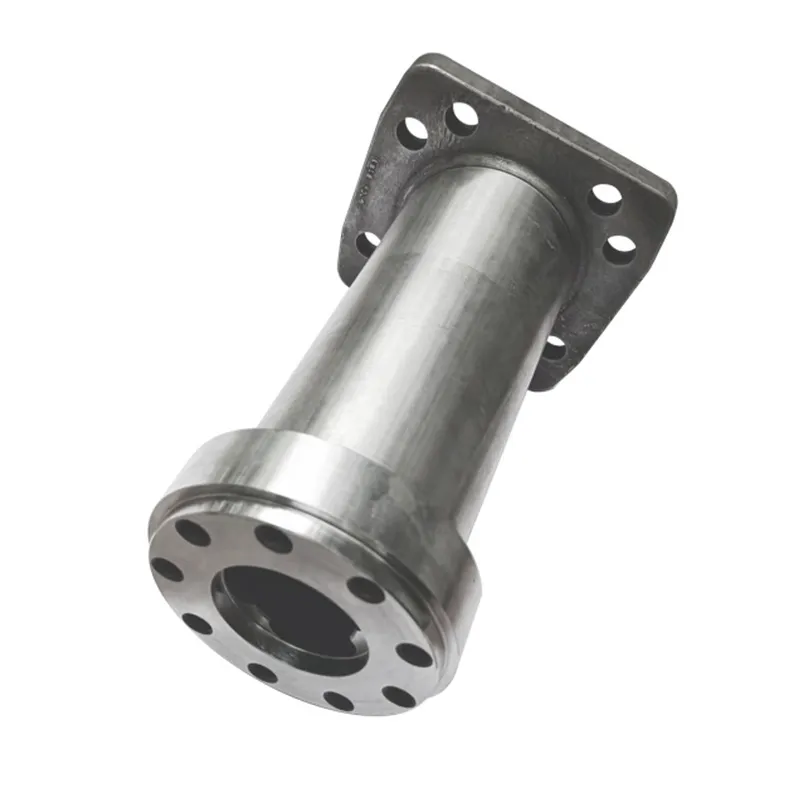
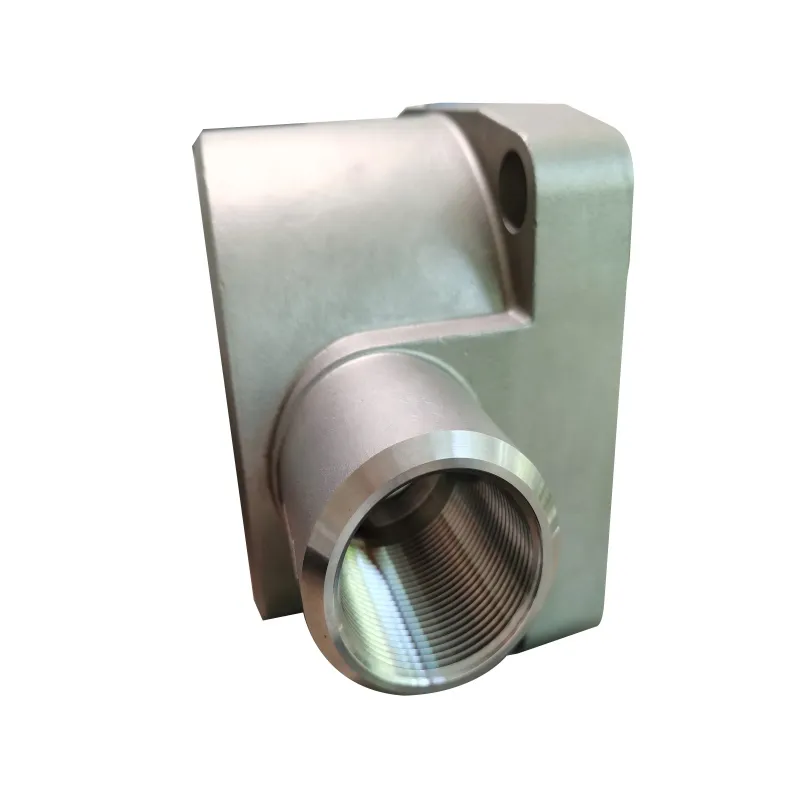
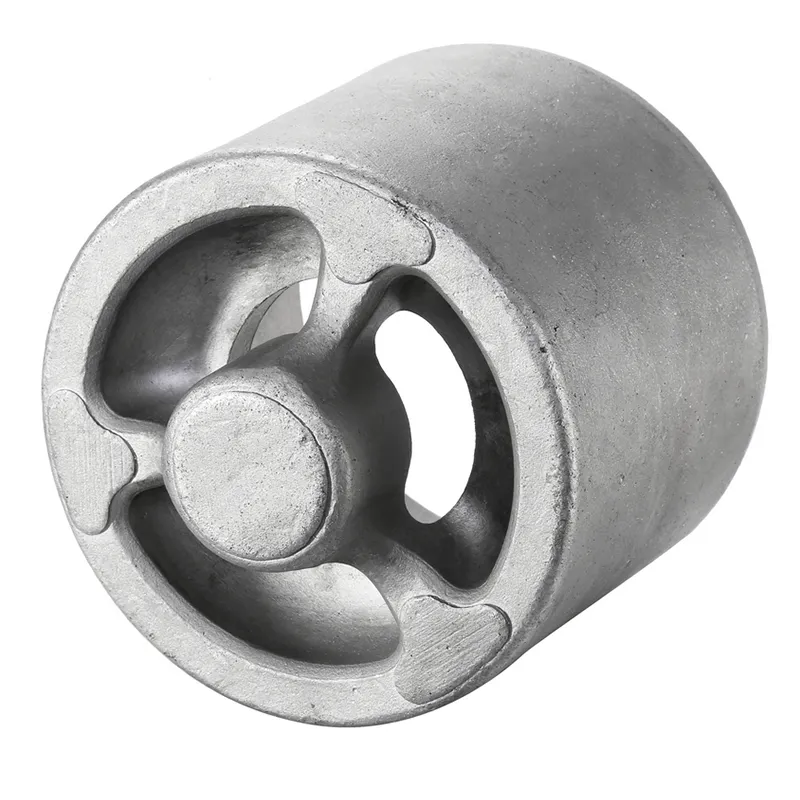
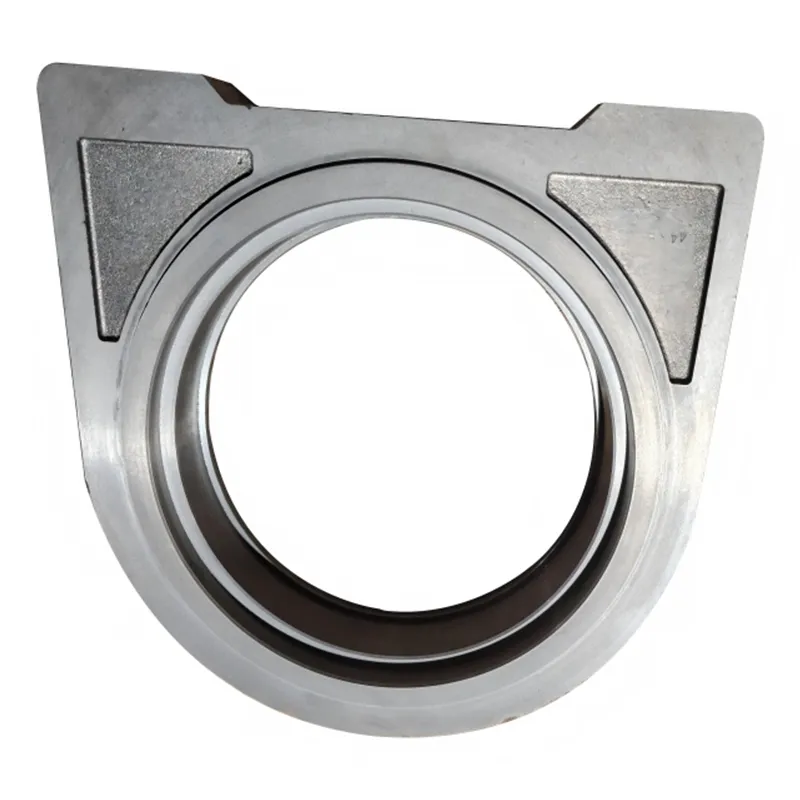
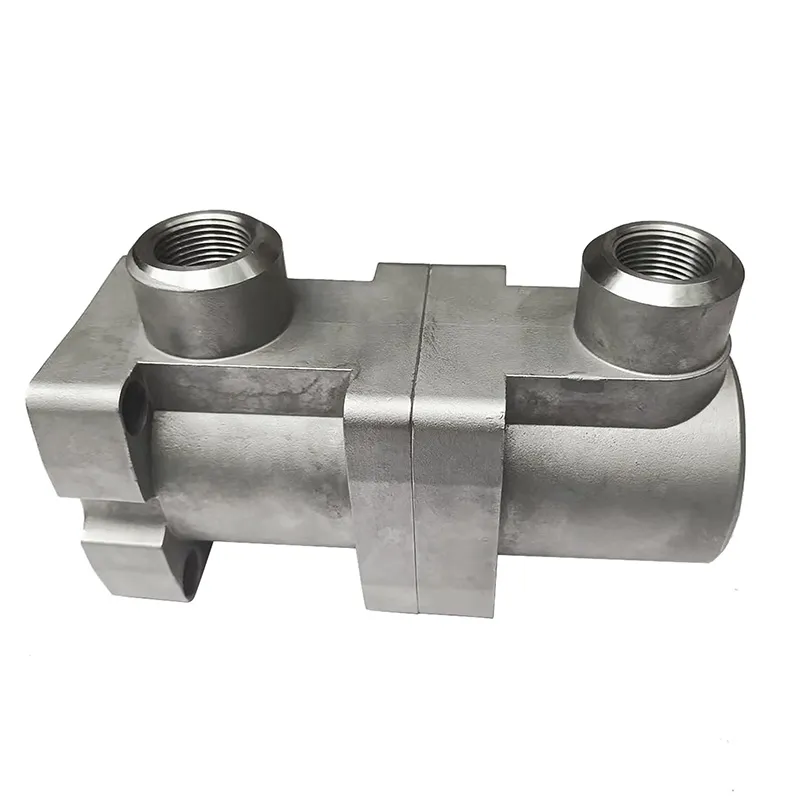
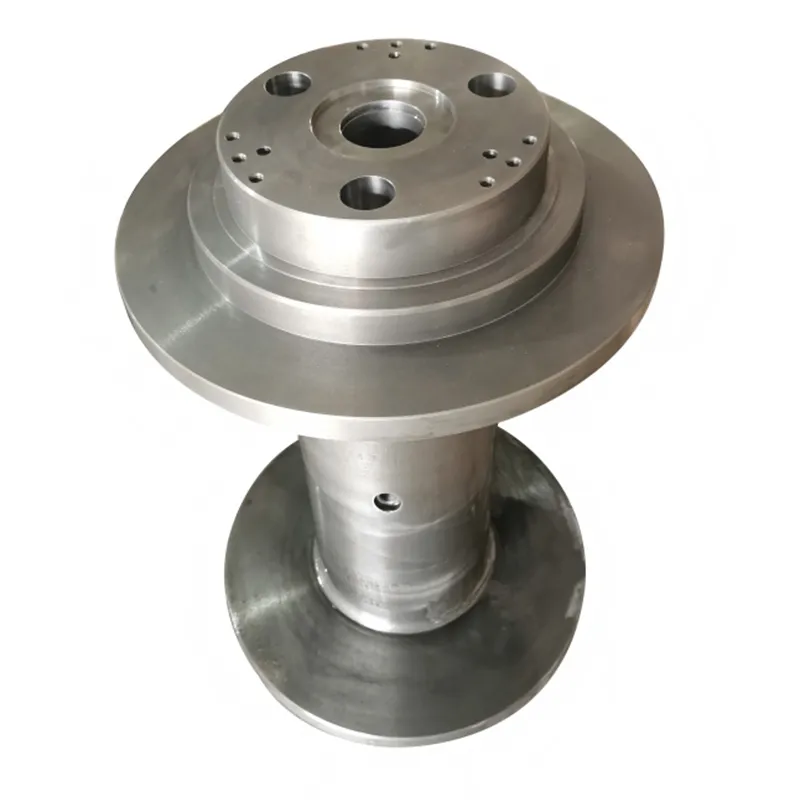
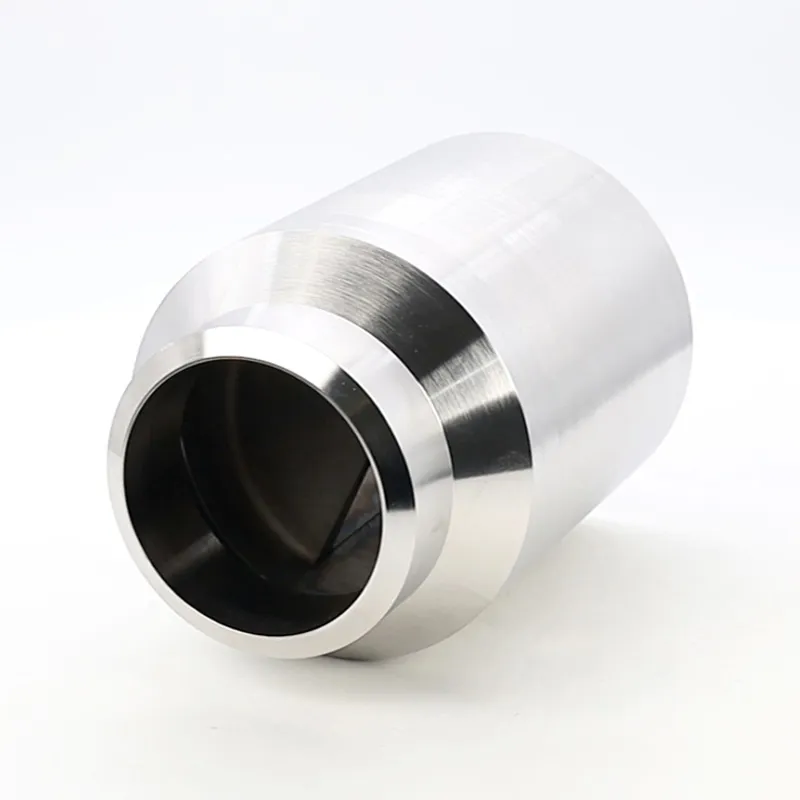
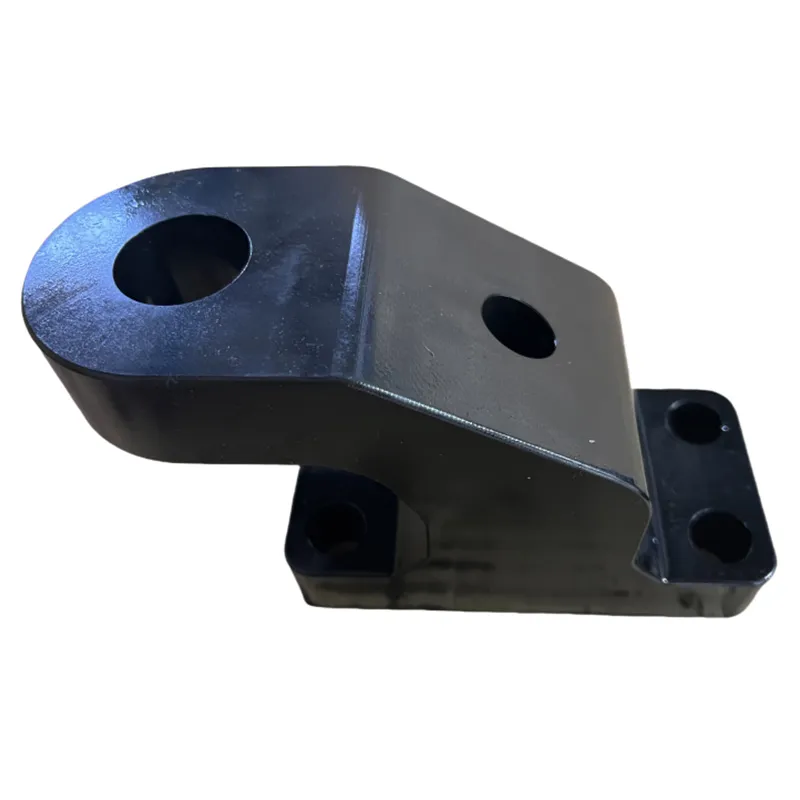
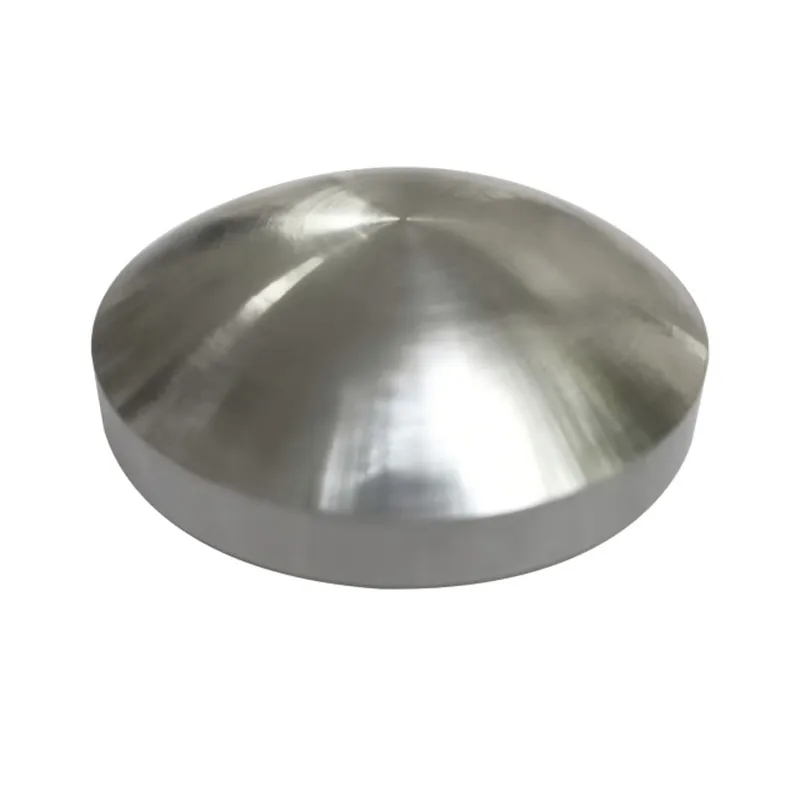
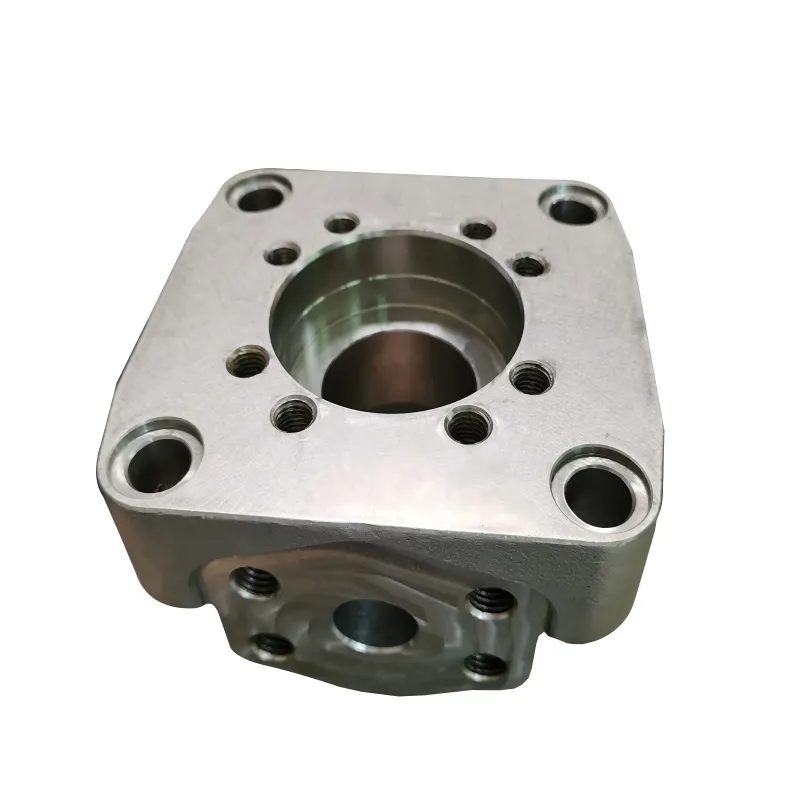
On the other hand, shell mold casting uses a reusable pattern, typically metal. The precision is lower than investment, but for many industrial applications, it's more than adequate. The real advantage is rate. You can produce hundreds of molds a day once the pattern is mounted on a plate. I've worked with shops like Qingdao Qiangsenyuan Technology Co., Ltd. (QSY) on such projects. With their 30 years in casting and machining, they've mastered the art of pushing shell mold tolerances, often achieving near-net-shape for parts like hydraulic manifolds, which then go straight to their CNC bays for critical bore finishing. It's this integration that makes the difference.
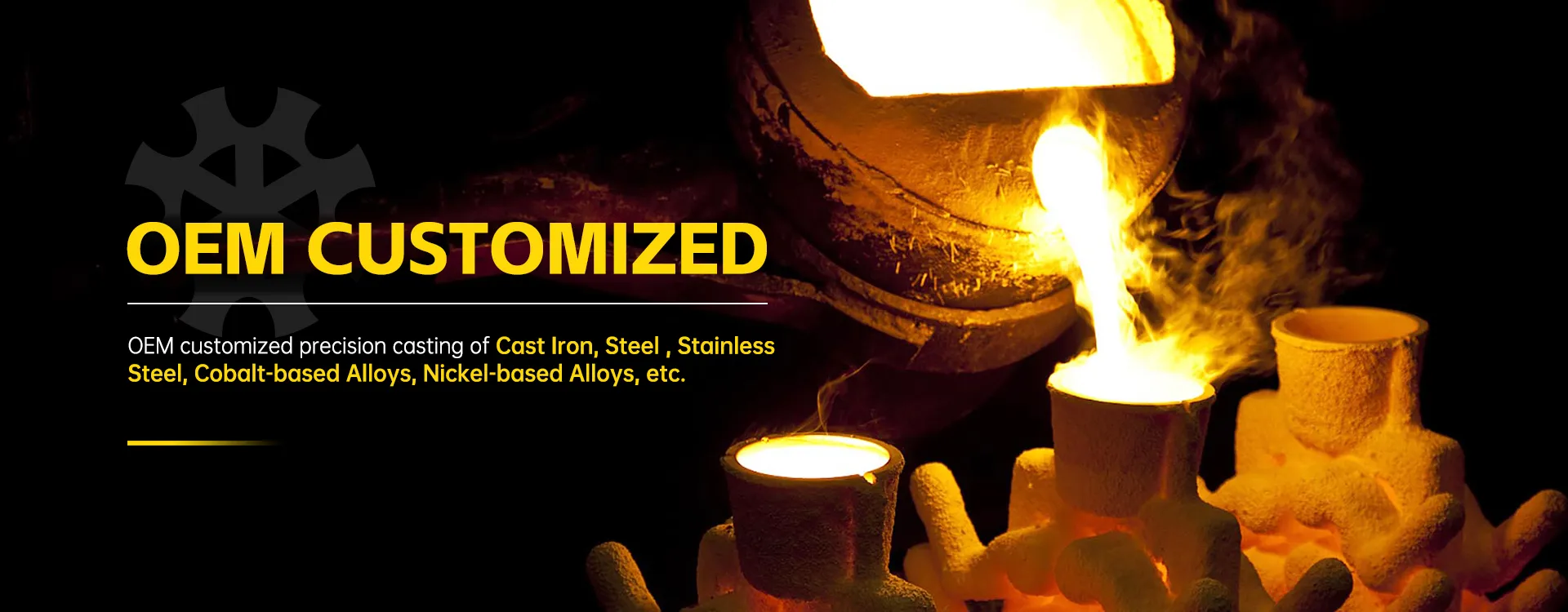
The material choice further complicates the decision. Investment casting handles those tricky superalloys—nickel-based, cobalt-based—better because the ceramic shell can withstand the higher pouring temperatures and the mold doesn't introduce sand-related inclusions. For a stainless steel food processing part, shell mold casting with resin-coated sand might be perfectly clean. I learned this through a failure: we once tried to cast a 17-4 PH stainless part using a shell process optimized for carbon steel. The gating was wrong for the fluidity, and we ended up with mistruns. Had to switch to investment for that alloy to get it right.
The Devil's in the Pre-Production Details
This is where the 'precision' is truly earned, long before metal is poured. It starts with the pattern. For investment, the wax injection parameters—temperature, pressure, cycle time—dictate the final dimensional stability. A slight sink mark on the wax becomes a major wall thickness issue in metal. We spend days qualifying a new wax mold, measuring first articles with CMMs, not just calipers.
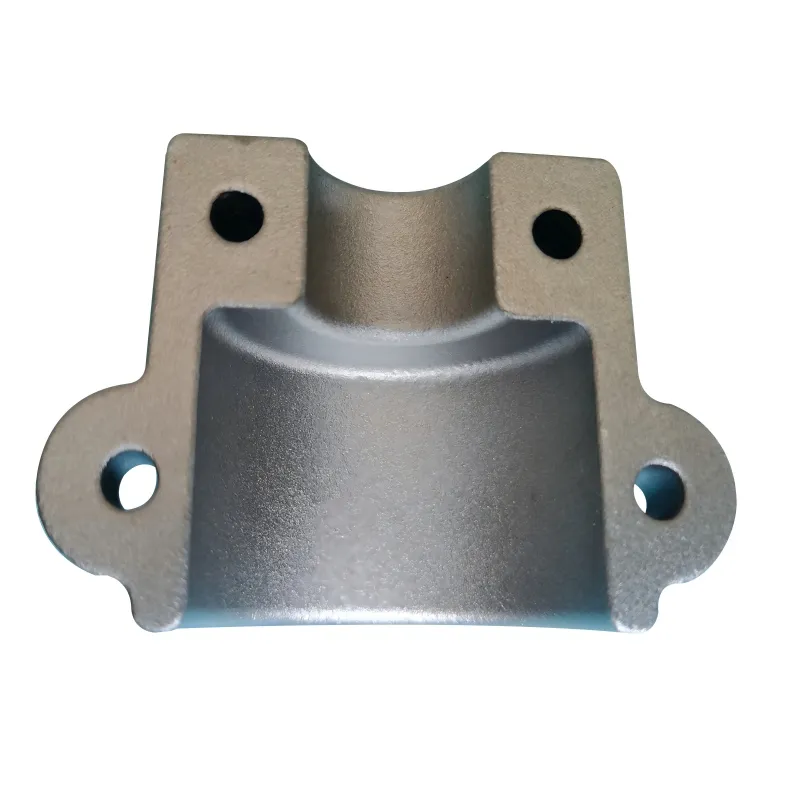
For shell molding, it's the pattern draft and the shell-building process. A pattern with insufficient draft might release from the shell, but it tears the sand face, leading to a rough casting surface. The number of coating dips and stucco applications determines shell thickness and strength. Too thin, and you risk a breakout (a messy, dangerous failure); too thick, and you lose permeability, leading to gas defects. It's a tactile skill—experienced operators know the shell is ready by the sound it makes when tapped.
Simulation software is a godsend now, but it's not an oracle. We use it to predict hot spots and shrinkage, but you still need to validate with real-world trials. I remember simulating the filling for a complex aluminum housing. The software said it was good. The first casting had a cold shut. The issue? The simulation used ideal fluidity values, but our specific batch of alloy had a slightly higher magnesium content, which altered the viscosity. We adjusted the pouring temperature by 15°C based on the foundry foreman's hunch, and it worked. The lesson: software informs, but human experience in the context of a specific facility's practices often corrects.
Material is Not a Generic Selection
Specifying stainless steel is meaningless. Are we talking 304 for general corrosion resistance, or 316 for chloride environments? Or is it 17-4 PH for precipitation hardening? Each behaves wildly differently during solidification. Nickel-based alloys, like Inconel 718, are a beast of their own. They're prone to segregation and require tightly controlled cooling rates post-casting. A shop that casually says they cast superalloys might not have the controlled furnace atmosphere or the heat treatment know-how to deliver a part with the required mechanical properties.
This is where a partner's full-service capability is critical. A company like QSY, which lists special alloys like cobalt and nickel-based in their repertoire, isn't just melting them. They're implying control over the entire thermal cycle. I've visited facilities that cast beautiful Inconel parts, only to have them crack during solution treatment because the ramp-up rate was too fast. The integrity of a precision-cast part is only as good as its last heat treatment step.
For cast iron and carbon steel, the concerns shift to graphite formation and pearlite content. The inoculation practice for iron, or the aluminum kill for steel, are minute process details that have massive impacts on machinability and final strength. You can't just buy the metal and pour it; the chemistry is actively managed in the ladle. This is the unglamorous, gritty side of precision that never makes the brochure.
Integration with CNC Machining: The Non-Negotiable Link
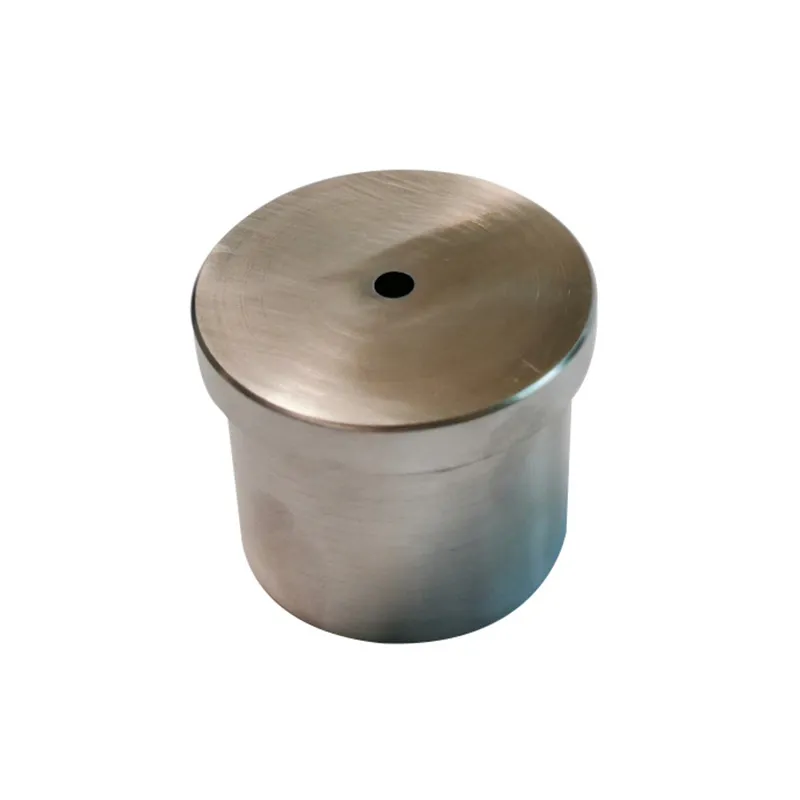
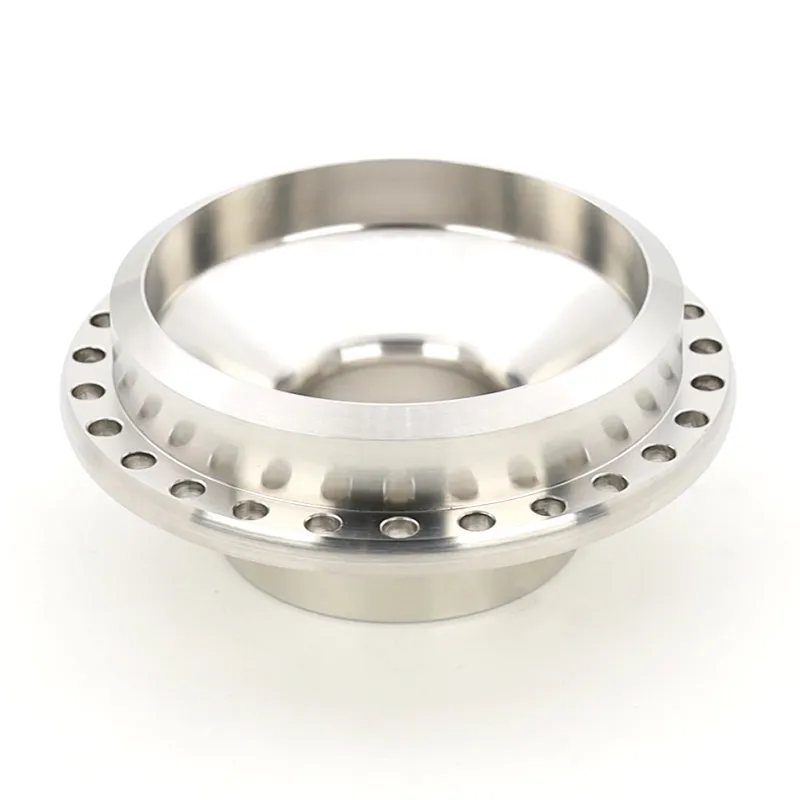
Very few precision castings are truly 'net-shape' for all features. There's almost always a datum face, a critical bore, or a threaded port that needs machining. The synergy between the foundry and the machine shop is paramount. If the casting process isn't designed with machining in mind, you create nightmares.
The biggest issue is consistent datum location and adequate machining stock. A good foundry will provide 'cast-on' datum targets or pads. A great one, like an integrated operation, will have their CNC programmers consult during the mold design phase. They'll ensure the gating and risering doesn't interfere with the fixturing in the mill. I've seen a perfectly good casting rendered useless because the only flat surface for clamping was also the location of a massive riser, leaving no clean area for the vise.
Furthermore, the residual stress from the casting process can wreak havoc during machining. A part can be in tolerance on the first cut, then warp dramatically on the second pass as internal stresses are relieved. An integrated provider that does both casting and CNC machining under one roof, as QSY's model suggests, can manage this. They can perform a stress-relief anneal between roughing and finishing passes, something that's logistically and economically challenging if the parts have to travel to another vendor.
Failures Are the Best Teachers
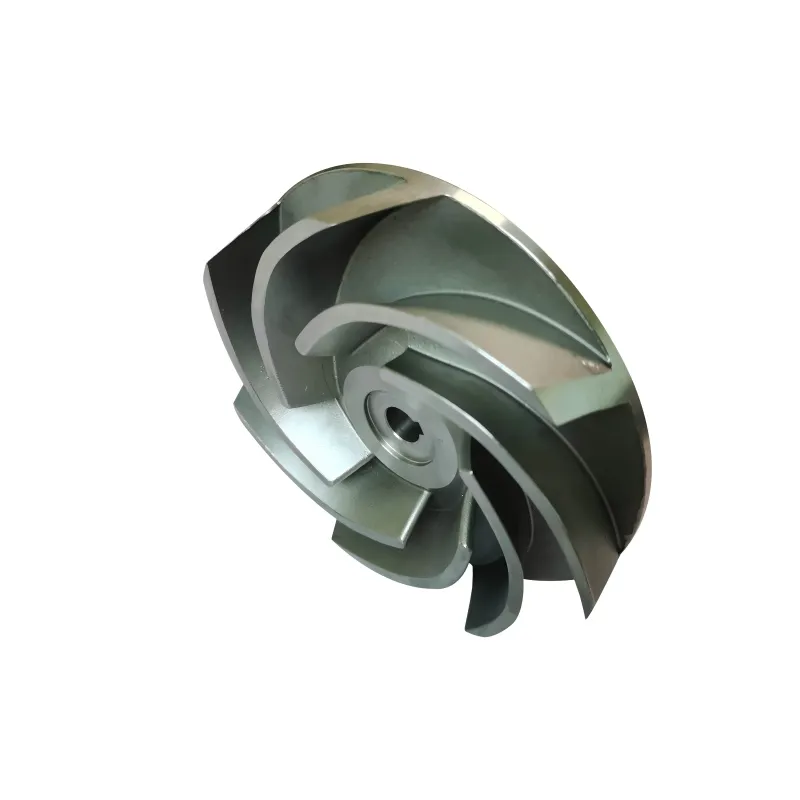
You don't learn precision from success stories. You learn from the scrap bin. Early in my career, we had a run of bronze impellers that kept showing porosity in the hub. Beautiful surfaces, but ultrasonic testing failed them. We blamed the metal, the furnace, the degassing. After weeks, an old-timer noticed a slight mismatch in the ceramic core prints in the wax assembly. It was causing a barely perceptible shift in the core during shell building, creating a restriction in the metal flow that led to microshrinkage. The fix was a 0.5mm redesign of the print geometry. The tolerance stack-up from wax to ceramic to metal is unforgiving.
Another classic failure mode in investment casting is 'veining'—fine lines on the casting surface. It's caused by thermal cracking of the ceramic shell. The instinct is to make the shell thicker. We tried that. It made the veining worse because a thicker shell creates greater thermal stress. The solution was actually to adjust the slurry formulation to increase the shell's thermal shock resistance and to control the dewaxing autoclave cycle more precisely. Sometimes the counterintuitive fix is the right one.
These experiences shape a professional's judgment. When I review a new part drawing now, my eye goes immediately to the wall thickness transitions, the potential hot spots, and the feasibility of core support. It's a gut feeling built on past mistakes. That's the 'precision' you can't download from a manual; it's the accumulated, sometimes painful, pattern recognition of a practiced eye.
Looking Ahead: Where the Real Precision is Heading
The future isn't just about tighter tolerances—it's about predictability and material science. We're seeing more demand for digitized process fingerprints. Every batch of shells, every heat of alloy, every pour parameter logged and correlated to final NDT results. This data is gold for predictive quality control.
Hybrid manufacturing is also on the horizon. Using additive manufacturing (3D printing) to create direct ceramic molds or cores for investment casting allows for geometries that are impossible with traditional tooling. This blurs the line between casting and printing. The challenge will be achieving the same metallurgical integrity and surface finish as a traditional poured casting, but the potential for one-off, ultra-complex parts is staggering.
Ultimately, precision casting processes remain a foundational manufacturing technology not because they're flashy, but because they're deeply versatile and cost-effective at volume. The real skill lies in knowing which process variant to apply, how to steer it through its inherent variables, and how to integrate it seamlessly with secondary operations. It's a craft as much as it is a science, best left to those who've spent years listening to the sound of a forming shell and studying the patterns in the dross. For a deep dive into specific capabilities from pattern to finished part, the portfolio at a long-standing specialist like Qingdao Qiangsenyuan Technology Co., Ltd. can offer a concrete view of how these principles are applied across materials from cast iron to nickel alloys.