When you see 'Precision Casting Pvt Ltd' in a company name, it's easy to make assumptions. Many immediately think of high-tolerance, intricate parts, often linking it exclusively to investment casting. That's not wrong, but it's incomplete. The 'Pvt Ltd' structure is common in many sourcing regions, but it tells you nothing about capability depth. I've seen shops with that name running decades-old green sand lines for rough castings, and others operating state-of-the-art vacuum induction melting and shell molding systems for aerospace components. The key isn't the title; it's the process mastery behind it. This ambiguity is where sourcing often stumbles—assuming precision is a given rather than a proven outcome of specific techniques and controls.
The Core: It's About Process, Not Just Promise
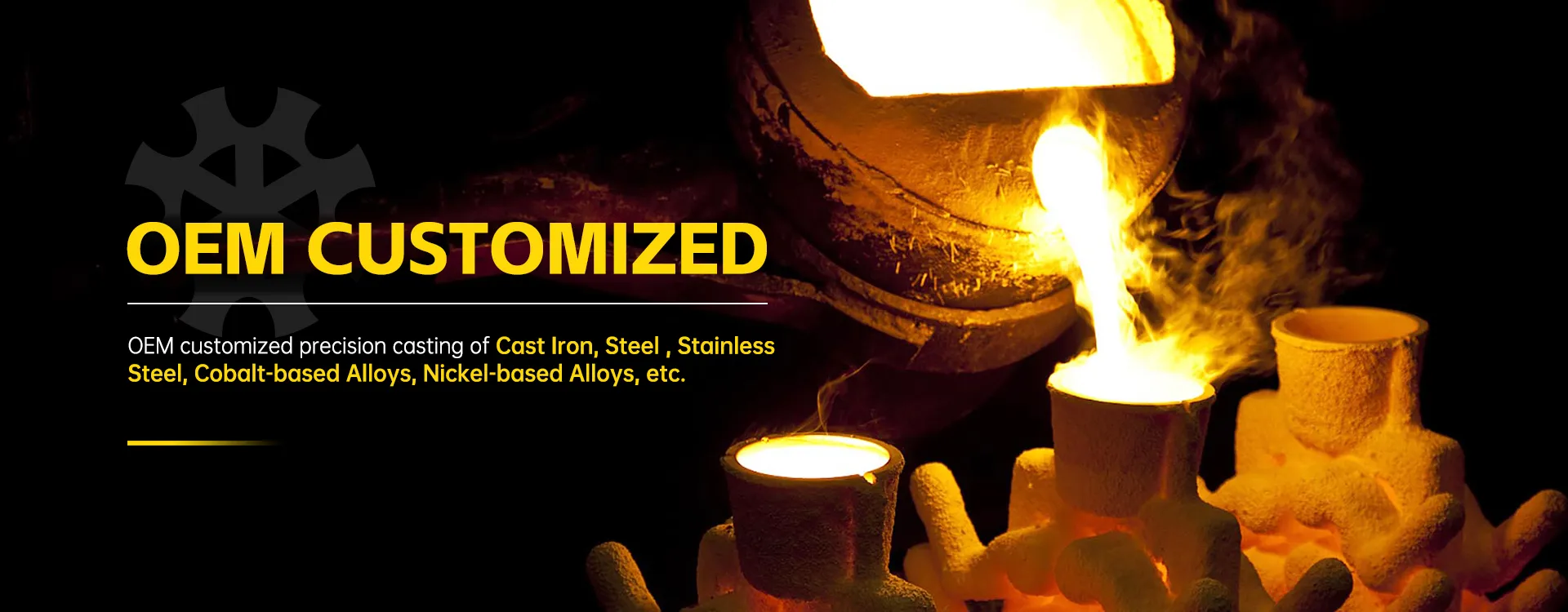
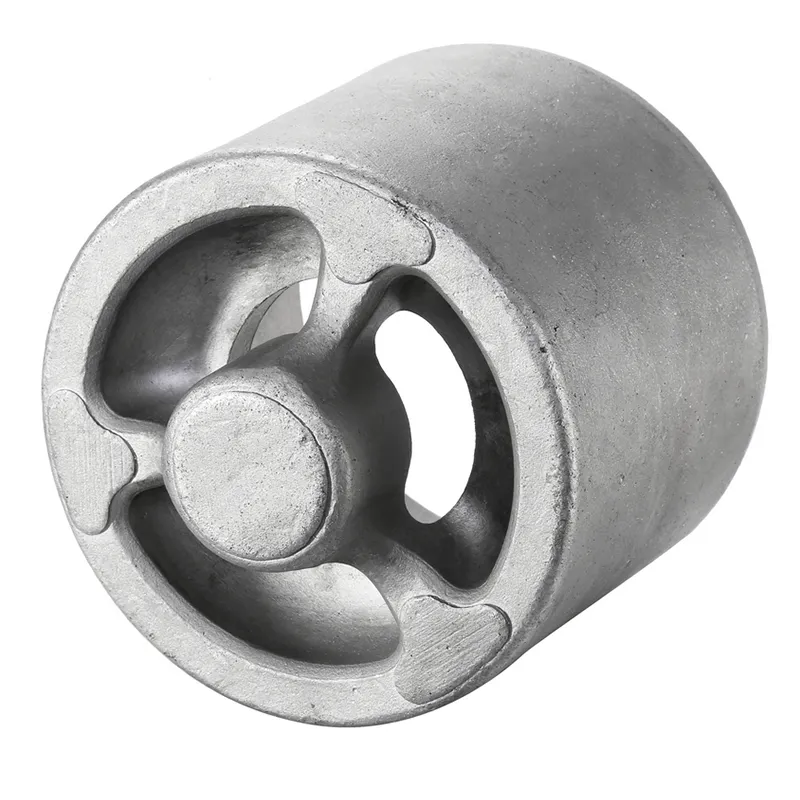
True precision casting, for me, hinges on the replication process. We're talking about patterns and molds. The shell mold process, or Croning process, is a workhorse for medium-volume, complex steel and alloy parts. It gives a better surface finish and dimensional accuracy than sand casting, but it's not the pinnacle. Where you really get into the precision realm is with investment casting, the lost-wax method. This is where the 'Pvt Ltd' outfits separate themselves. The ability to control the ceramic slurry, the stuccoing, the dewaxing furnace parameters, and the final pour—that's the orchestra. A minor deviation in the pre-heat temperature of the ceramic shell can lead to mistruns or hot tears in thin sections. It's a process I've seen mastered by long-standing specialists, not generalists.
For instance, consider materials like CF8M stainless or duplex steels. Pouring these in an investment casting setup requires tight control over solidification rates to prevent deleterious phase formation. A foundry might list these materials, but their metallurgical support—whether they do in-house spectro analysis, how they design their gating systems for these alloys—that's the real tell. I recall a project for a corrosive fluid valve component where the spec called for a strict ferrite content. Several 'Precision Casting' suppliers promised it, but only one with a properly calibrated Fischer measurement device could provide the certs with each batch, proving consistent control.
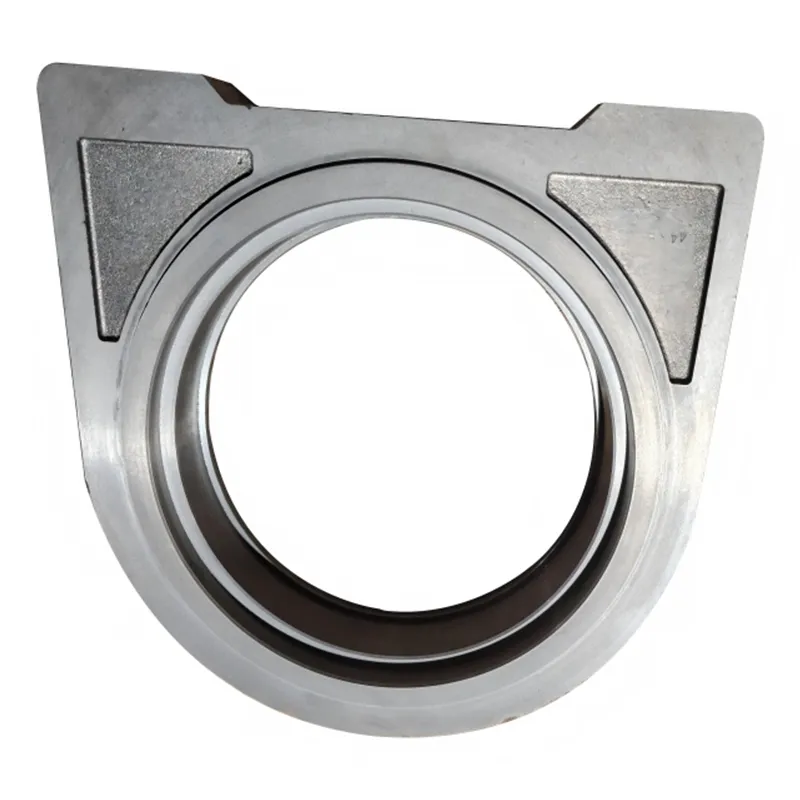
This is where a company's history becomes tangible. A firm like Qingdao Qiangsenyuan Technology Co., Ltd. (QSY), noting over 30 years in casting and machining, suggests a weathering of process cycles. They list shell mold and investment casting specifically. That's a focused offering. The 30-year span means they've likely iterated through pattern material evolution—from wood to aluminum to rapid-prototyped resins—and have dealt with the shrinkage factors for each. That institutional knowledge on how a wax pattern performs versus a 3D-printed polymer one is not in a textbook; it's in their process logs.
The Critical Bridge: Integrating Casting with Machining
Here's a major pitfall: treating casting and machining as separate silos. A precision-cast part is often near-net-shape, but it almost always requires machining for sealing surfaces, threads, or tight-tolerance bores. If the casting supplier doesn't control the machining, you inherit massive coordination risk. The machinist might find a hard spot from an unexpected chill in the casting, or a slight core shift that leaves insufficient stock on a critical flange. The blame game begins.
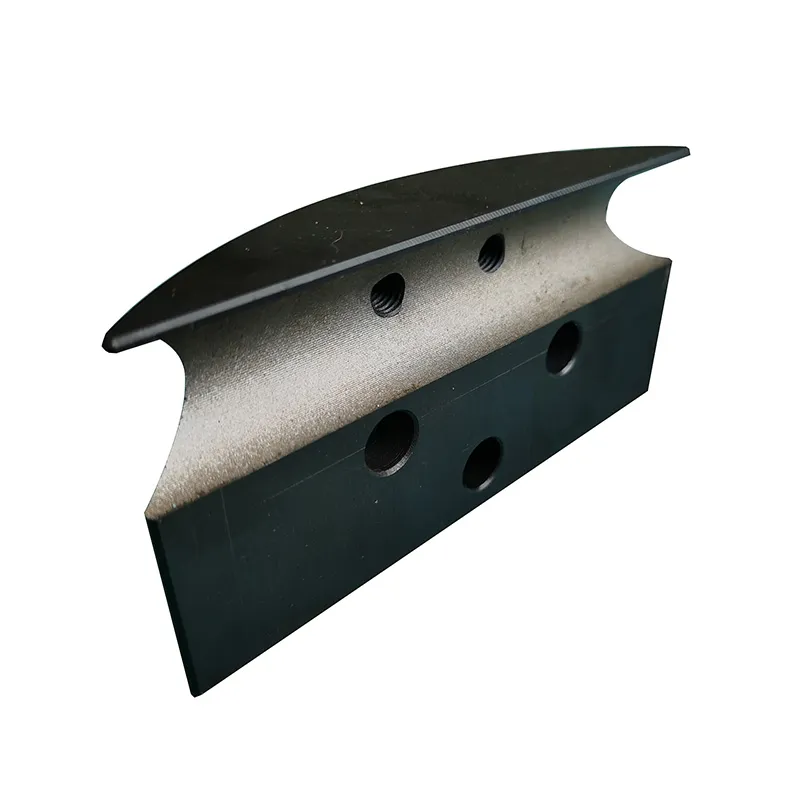
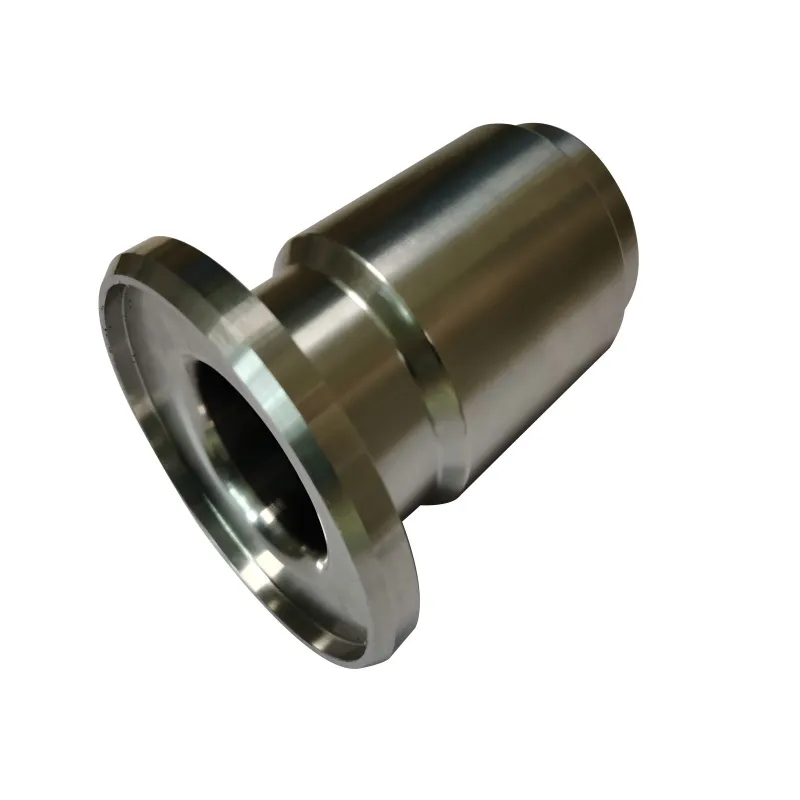
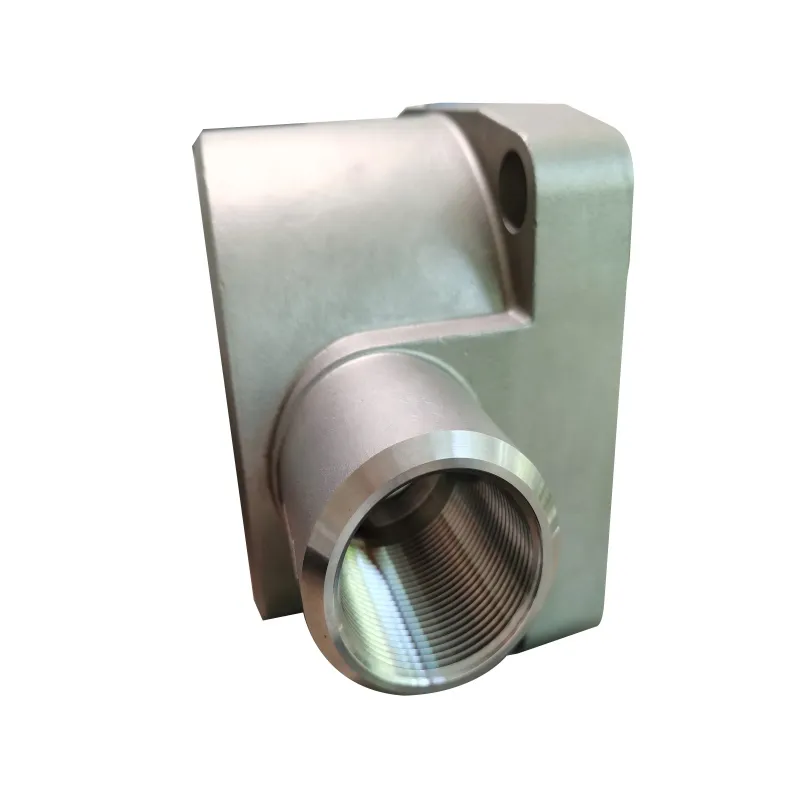
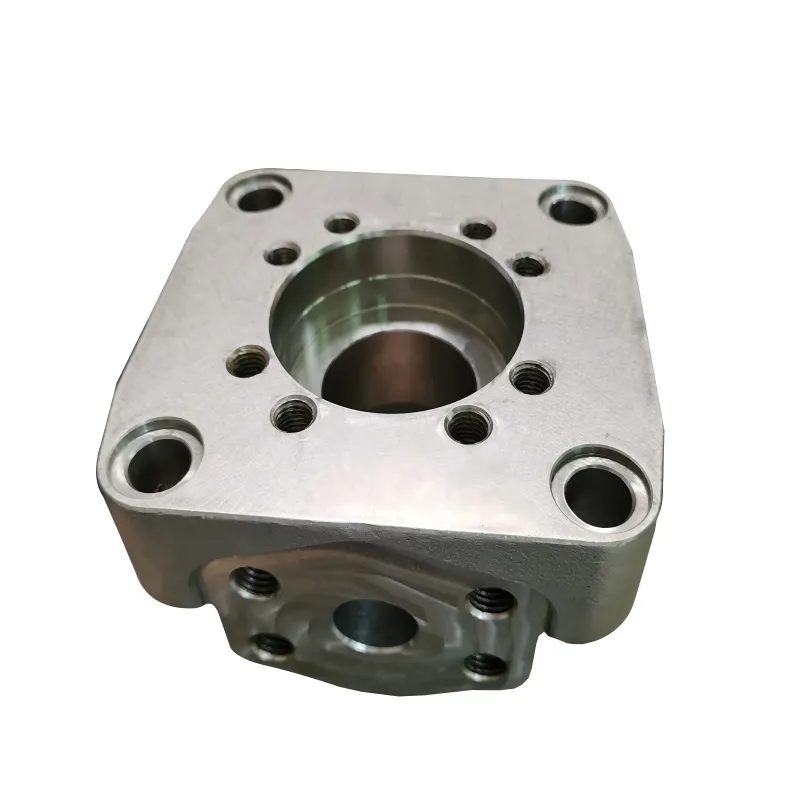
Integrated CNC machining is non-negotiable for critical components. When the casting house also does the machining, they can plan the casting process with the machining datum in mind. They can add stock exactly where needed and minimize it elsewhere. QSY's explicit mention of CNC machining alongside their casting services is a significant operational advantage. It implies they can perform coordinate measuring machine (CMM) inspection on the same setup used for machining, ensuring the final part conforms to the print from a single source of responsibility. I've audited facilities where this integration is seamless; the casting finishing cell feeds directly into a bank of CNC vertical machining centers, with process travelers that include both casting heat numbers and machining tool offset logs.
A practical example was a pump impeller in a nickel-based alloy (think Inconel 718). The casting required integrity for high rotational speeds, but the hydraulic profile of the vanes needed CNC milling to achieve the required surface finish and profile tolerance. Sourcing the casting to one 'Precision Casting Pvt Ltd' and the machining to another introduced a six-week delay due to dimensional mismatches. The lesson was clear: the value is in the vertical integration. The supplier's website at https://www.tsingtaocnc.com reflects this combined capability, which is more telling than a generic name.
Material Nuances: The Special Alloys Reality
Many suppliers list 'special alloys' on their capability sheet. It's a broad term that can mean anything from modified 4140 steel to true superalloys. The handling of cobalt-based (e.g., Stellite) or nickel-based alloys (like Monel) is a different league from standard stainless steels. These materials are often viscous, prone to hot cracking, and require specific pouring temperatures and mold pre-heats.
The challenge with these isn't just the melt; it's the entire preparation. Wax patterns for investment casting of these alloys often need specialized gating to ensure directional solidification. The shell material might need a different refractory base, like zircon, to withstand the higher pouring temperatures and prevent metal-mold reaction. A foundry truly versed in this will have separate wax injection lines and shell-building rooms for these alloys to prevent contamination. When I see a company like QSY explicitly calling out cobalt-based and nickel-based alloys, it signals dedicated infrastructure. It's not something you dabble in; the capital cost for the right furnace linings and pollution control for melting these materials is too high.
Failure often comes from treating them like standard steel. I remember a prototype run for a turbine seal segment where the cobalt alloy was poured into a standard silica-based shell meant for stainless. The result was severe surface reaction and scaling, which then caused catastrophic failure during machining as the tool hit the contaminated layer. The root cause was a process shortcut. A specialist would never make that cross-application error.
Surface Finish and Dimensional Gates: The Real Metrics
Precision is quantified. In casting, it's about CT (Cast Tolerance) standards and surface roughness (Ra). A common industry reference is the ISO 8062 CT standard. A shop claiming 'precision' should be able to tell you what CT level they consistently hold for a given part size and process. For investment casting, CT 4-6 is typical for most dimensions. Holding CT4 across a complex part is a mark of high control.
Surface finish is another giveaway. As-cast surface from a high-quality shell or investment process can achieve Ra 3.2 μm or better. But you need to ask: is that a typical value or a best-case? And on what geometry? A flat surface is easy; the internal surface of a small-diameter, curved passage is the real test. This is where firsthand observation matters. During facility visits, I always ask to see random in-process parts and the inspection reports for finish on internal features. The numbers on the report need to match the tactile and visual feel of the part.
Many 'Precision Casting' companies fall short on consistent documentation. They can make one good sample, but the first article inspection report and the process control plan for production run are what matter. A legitimate operator will have a clear workflow: wax assembly -> first article dimensional check -> shell building -> pre-pour shell inspection -> pouring -> knockout -> cut-off -> final dimensional and visual inspection. Each step should have checkpoints. The absence of this documented flow is a red flag, no matter what the company is called.
The Pragmatic Takeaway: Look Past the Banner
So, what's the conclusion on 'Precision Casting Pvt Ltd'? It's a starting point, not an endpoint. The name indicates a legal structure and a market aspiration. The substance lies in the specific process breakdown (shell mold vs. investment), the material-specific expertise (especially with the tough alloys), and the seamless integration of post-casting operations like CNC machining.
A company's longevity, like QSY's 30 years, is a proxy for stability and accumulated know-how, but it must be coupled with clear, modern technical capabilities. Their direct listing of both processes and specific material groups cuts through the generic marketing. The website domain hinting at 'CNC' is also a pragmatic signal of their integrated model.
Ultimately, engaging with any precision casting supplier is about drilling into their process controls for your specific part geometry and material. Ask for their standard CT table for investment casting. Request a video of their dewaxing autoclave cycle. Inquire about their gating design philosophy for a part like yours. Their answers—confident, detailed, and perhaps slightly technical—will tell you far more than their company name ever could. The real precision is in their thinking, not just their casting.