When you hear 'precision casting solutions,' what comes to mind? For many, it's just a glossy brochure term, a promise of perfect, ready-to-use components. The reality, the one I've lived for years, is messier. It's less about a magic 'solution' and more about a continuous, often gritty, problem-solving process. The real value isn't in the casting itself, but in navigating the journey from a design file to a part that actually functions under stress, heat, or corrosion. Too many clients, and frankly some suppliers, treat it as a commodity service. That's where the real work—and the real failures—begin.
The Shell Game: More Than Just a Mold
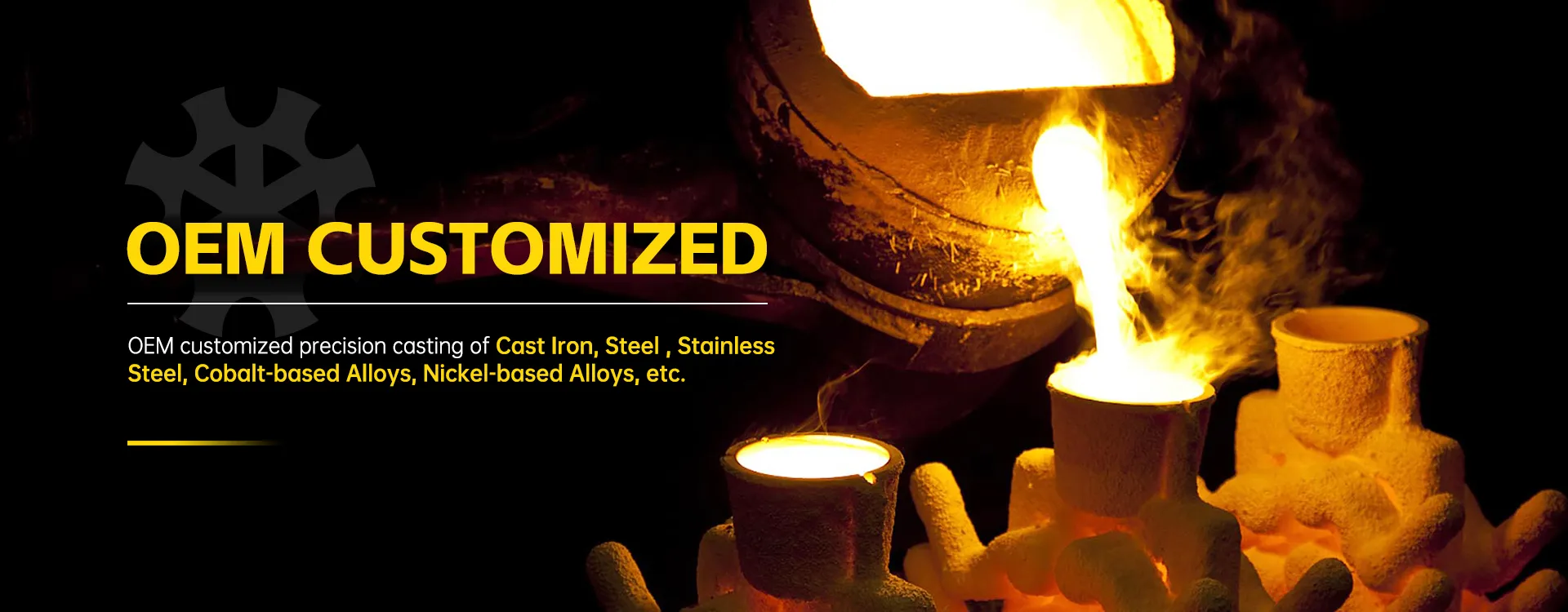
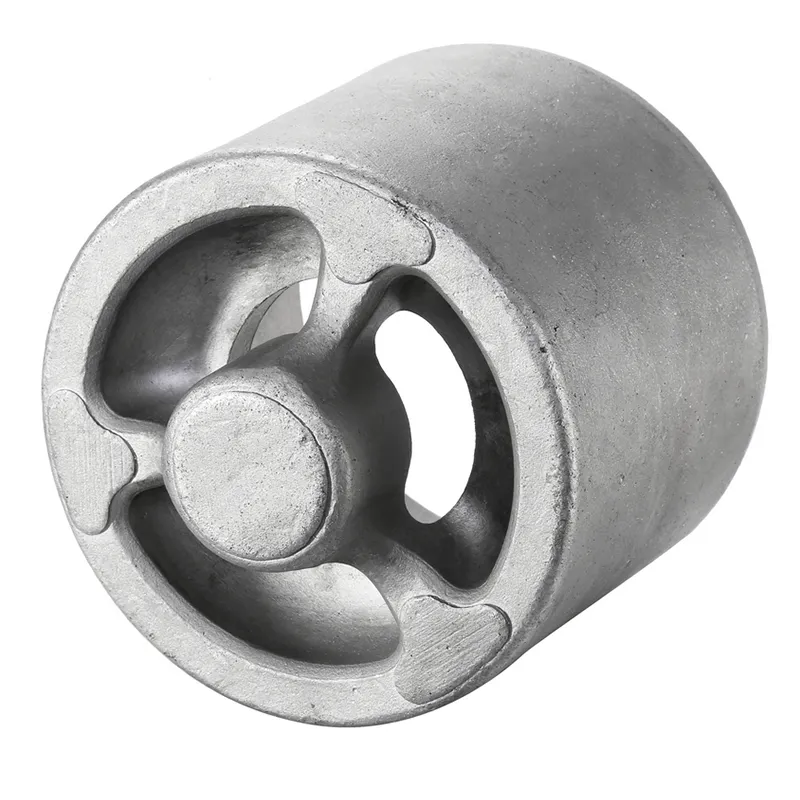
Let's talk about shell mold casting. It's a core method, but calling it just a 'precision' technique misses the point. The precision comes from controlling a hundred variables before the metal ever pours. I remember a project for a pump housing, a seemingly straightforward ductile iron part. The client's drawing had tight tolerances on the internal channels. We ran the simulation, built the ceramic shells, everything looked textbook. But the first batch came out with slight dimensional drift in the cores. Not enough to scrap every piece, but enough to cause a fit issue downstream. The 'solution' wasn't to blame the process; it was in dissecting our own shell-building cycle. Was it the drying time between dips? The ambient humidity that week? We tweaked the protocol, added an extra drying stage for that specific geometry, and the next run was spot-on. That's a precision casting solution: diagnosing the system, not just the part.
This is where a foundry's tenure matters. A shop like Qingdao Qiangsenyuan Technology Co., Ltd. (QSY), with their 30+ years, has literally baked these lessons into their walls. They've seen how a cobalt-based alloy behaves differently in spring versus autumn in their facility. That institutional memory is irreplaceable. You can't simulate that. You can find them at https://www.tsingtaocnc.com, and while the website lists their capabilities, the real asset is that accumulated, almost intuitive, grasp of material and process interaction.
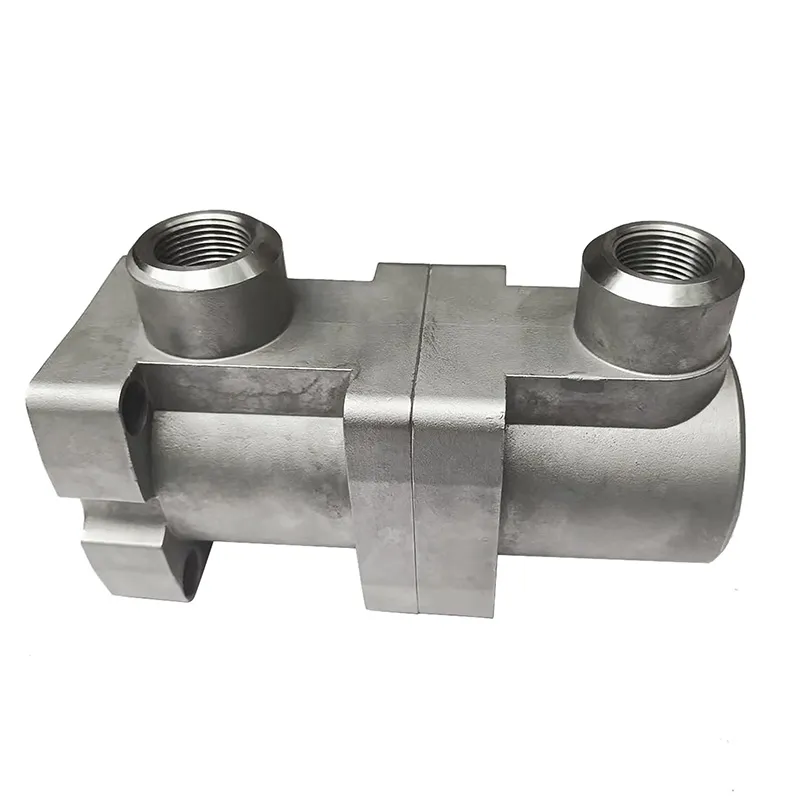
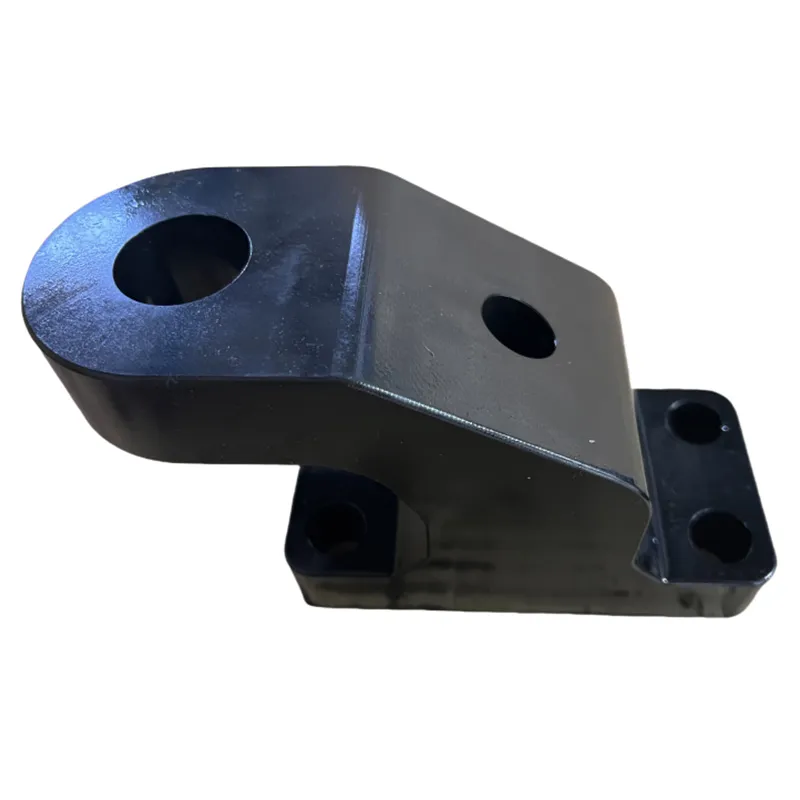
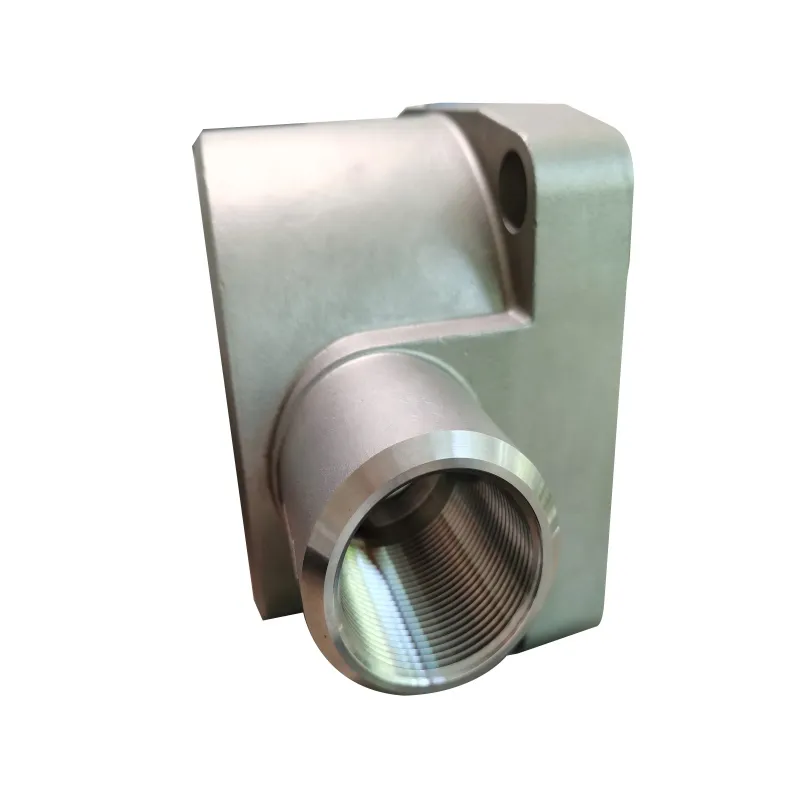
Investment casting gets the glamour for complex shapes, and rightly so. But pairing it with post-casting CNC machining is where the true 'solution' is architected. It's a strategic decision. Do you cast to net shape and risk a single fragile core defining a critical datum? Or do you cast with intentional, robust stock allowance and let a 5-axis machine establish the final geometry with absolute certainty? We often choose the latter for high-integrity parts. It adds a step, but it de-risks the entire project. The casting provides the metallurgical integrity and basic form; the machining delivers the guaranteed fit and function. QSY's integrated approach, offering both under one roof, eliminates the finger-pointing that happens when casting and machining are split between vendors.
Material is the Message
You can have the most precise mold in the world, but if the material grade is wrong or inconsistent, you've built a beautifully precise paperweight. This is a major pitfall. 'Stainless steel' isn't a single thing. Is it 304 for general corrosion resistance, or 316 for chloride environments? Or are we talking about 17-4 PH, which requires a specific heat treatment after casting to achieve its advertised strength? I've seen projects derailed because this was an afterthought.
The real challenge comes with the special alloys—the nickel-based alloys, the cobalt chromes. These aren't just 'stronger steel.' Their casting behavior is different. They're prone to segregation, have specific gating and risering requirements to prevent hot tearing, and often need controlled solidification rates. A solution here involves the foundry's metallurgist being involved at the design review stage. For instance, suggesting a slight taper or radius modification to aid flow and reduce stress concentration. It's a collaborative tweak, not a rejection of the design.
Cast iron is its own beast. The difference between a good and a great ductile iron casting often lies in the inoculation process right before the pour. It's a hands-on, time-sensitive operation. There's no room for we'll get to it in a minute. This is where the shop floor culture is critical. The team needs to understand the why, not just the what. When you work with a long-established partner, you're banking on that ingrained discipline. Their 30-year operation suggests they've had to master these minute-to-minute decisions to survive.
The Integration Imperative: When Casting Meets CNC
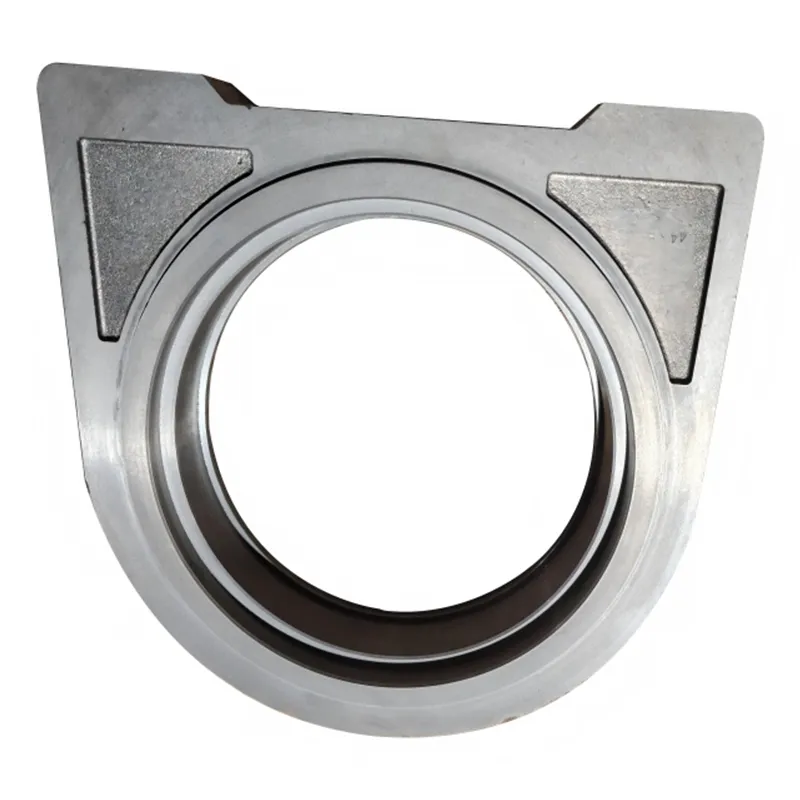
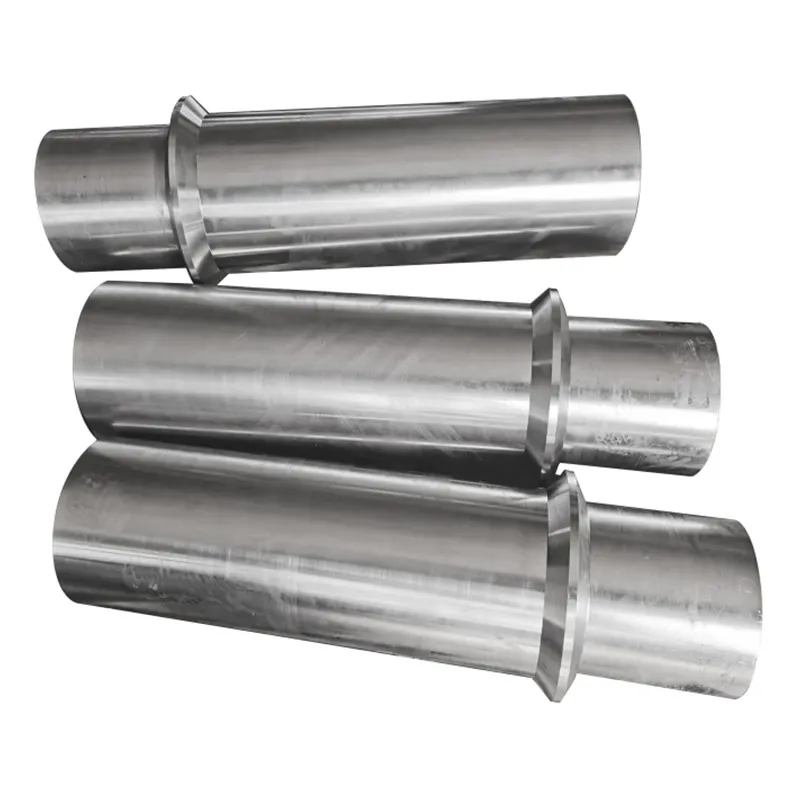
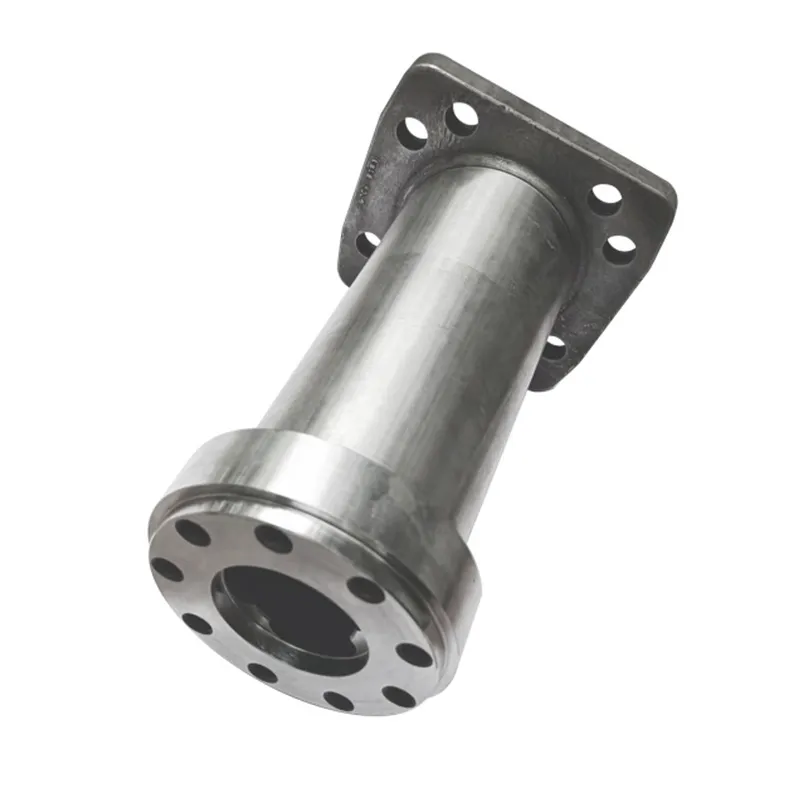
This is the crux of modern precision casting solutions. The casting is rarely the final step. How the part is held for machining is a pre-casting consideration. We have to design and cast in locating pads, datum features, or even temporary sacrificial structures that will be milled off later. I recall a turbine component in stainless steel where we cast three small, non-critical tabs onto the flange purely for the CNC vise to grip onto. After machining, they were removed. The client's initial reaction was confusion—extra material?—until they saw the flawless finish on all machined surfaces, with no clamping marks on the final geometry.
This level of process integration demands a unified engineering team. When the casting and machining engineers sit together, magic happens. They can debate the trade-offs: If we move this wall by 2mm, we can use a standard tool for the pocket. Or, If we change the alloy to this grade, its machinability improves by 40%, saving cost on the back end, even if the raw material is slightly more expensive. The website for Tsingtao CNC highlights their combined services, and that's the real value proposition. It's this internal dialogue that solves problems before they become expensive rejects.
A failure that taught me a lot was about stress relief. We had a complex, thin-walled investment-cast alloy part. It passed initial inspection beautifully. Then it went to the machining shop (a different vendor), who clamped it aggressively and took a heavy cut. A week later, the part had warped subtly. The blame game started. Was it residual stress from casting? Or machining-induced stress? The truth was, it was both. The precision casting solution that emerged was a mandatory, documented stress-relief cycle after casting and before any final machining, with specific instructions on fixturing for the machinist. Now, it's a standard line item in our process plan for similar geometries.
Communication: The Unlisted Material
The most advanced alloy or simulation software can't fix bad communication. This might sound soft, but it's a hard, technical necessity. A 'solution' is co-created. It requires the client sharing the function of the part—the loads, the thermal cycles, the mating components—not just a 3D model and a material spec. I've asked clients, What's the worst thing that happens if this part fails? The answer guides everything from non-destructive testing protocols to the level of conservatism in the process design.
This is where long-term partnerships, like the one implied by a company operating for three decades, pay dividends. They develop a shorthand. They know when to ask for a conference call over a cryptic email. They send back markups on drawings not just with corrections, but with questions: We see this tolerance. Is it critical for function, or is it a default from your CAD system? Because holding it will require X, which adds Y cost and Z lead time. That conversation is the solution engineering process.
Finally, managing expectations is part of the deliverable. True precision casting isn't always about achieving the theoretical minimum tolerance. It's about achieving a predictable and consistent tolerance band across a production run. It's about surface finish that you know will be between Ra 3.2 and 6.3, not a promise of mirror finish that can't be sustained. An honest supplier will explain the trade-offs and the realistic outcomes, building trust through transparency rather than over-promising.
In the End, It's About Reliability
So, after all this, what are we really delivering? It's not a widget. It's reliability. It's the confidence that the 500 parts in batch 1 will perform identically to the 500 parts in batch 6, a year later. It's the assurance that when your assembly line worker picks up a component, it will fit without force, scan without failure. That reliability is the sum total of material science, process control, integrated post-processing, and clear communication.
Companies that have persisted, like QSY, have done so because they've learned to bundle these elements into a coherent service. They move from being a vendor to being a manufacturing partner. You're not just buying a casting; you're buying their 30 years of problem-solving, their embedded quality systems, and their ability to think several steps ahead in the manufacturing chain.
Therefore, when I think of precision casting solutions now, I think less of a single technology and more of a philosophy. It's a commitment to seeing the part through its entire lifecycle, from molten metal to a functioning component in a larger system. The goal isn't perfection on paper; it's predictable, high-yield, and performance-driven production. That's the solution that actually matters on the factory floor.