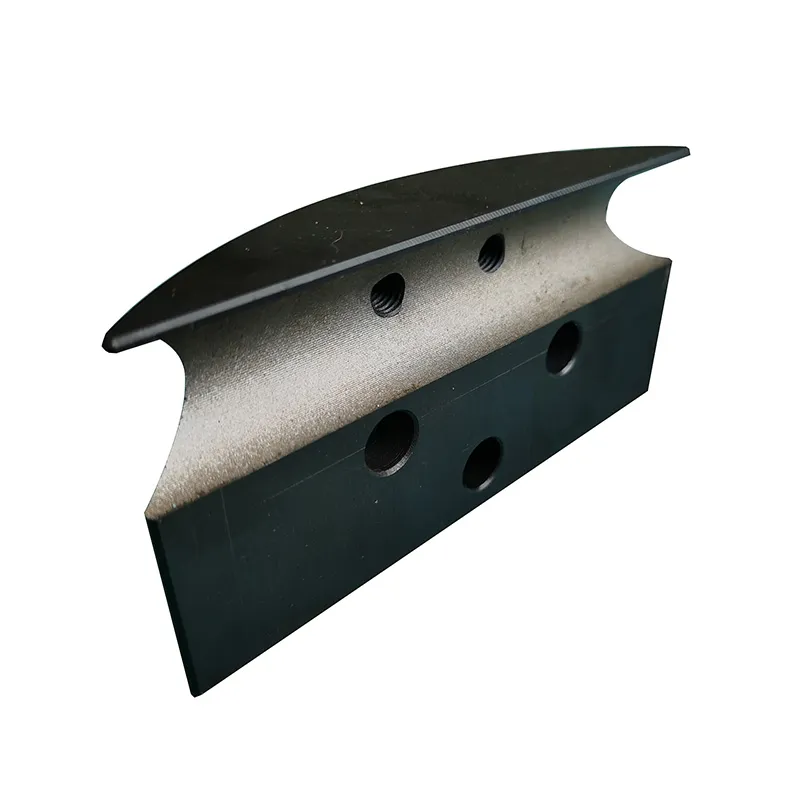
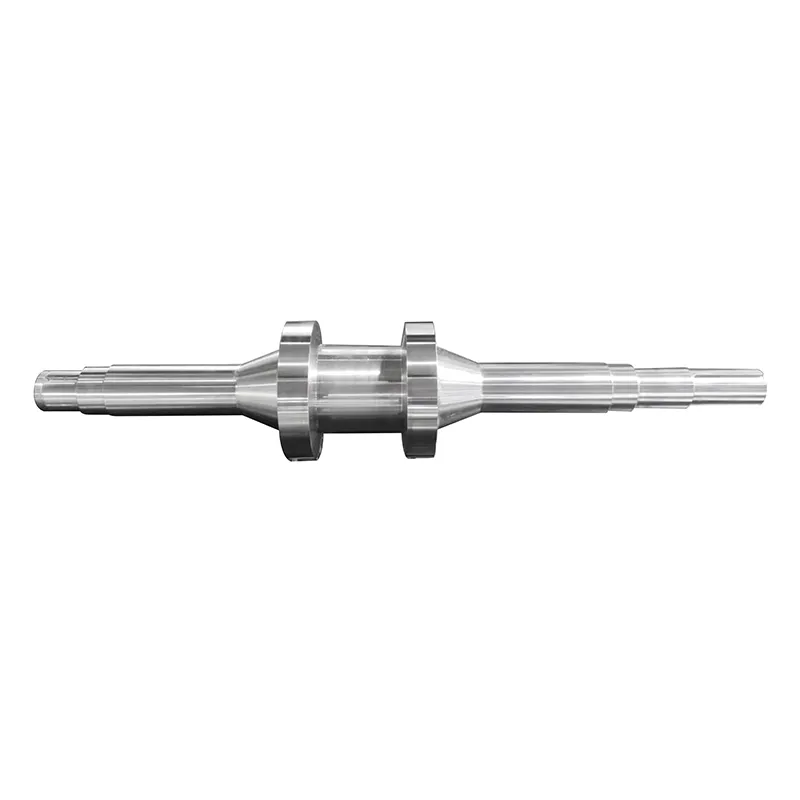
When you hear 'precision CNC machining company', the first image is often a pristine shop floor with rows of gleaming machines, maybe a perfect demo part under glass. That's the brochure version. The reality, the part that actually matters when you're sourcing, is messier. It's about what happens when a material batch has a slight variance, or when a design looks perfect on screen but creates a nightmare of tool chatter. It's the difference between a shop that just follows a program and one that understands the physics of cutting metal. A lot of outfits claim precision, but true capability is buried in how they handle the unplanned, the 'almost good enough,' and the alloys that fight back.
The Foundation Isn't Just the Machine
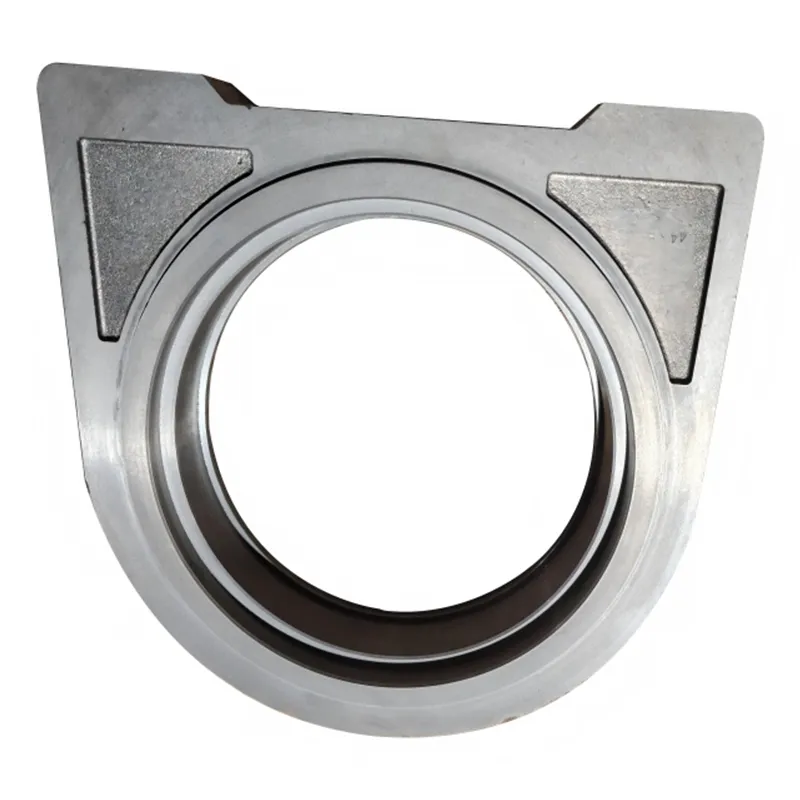
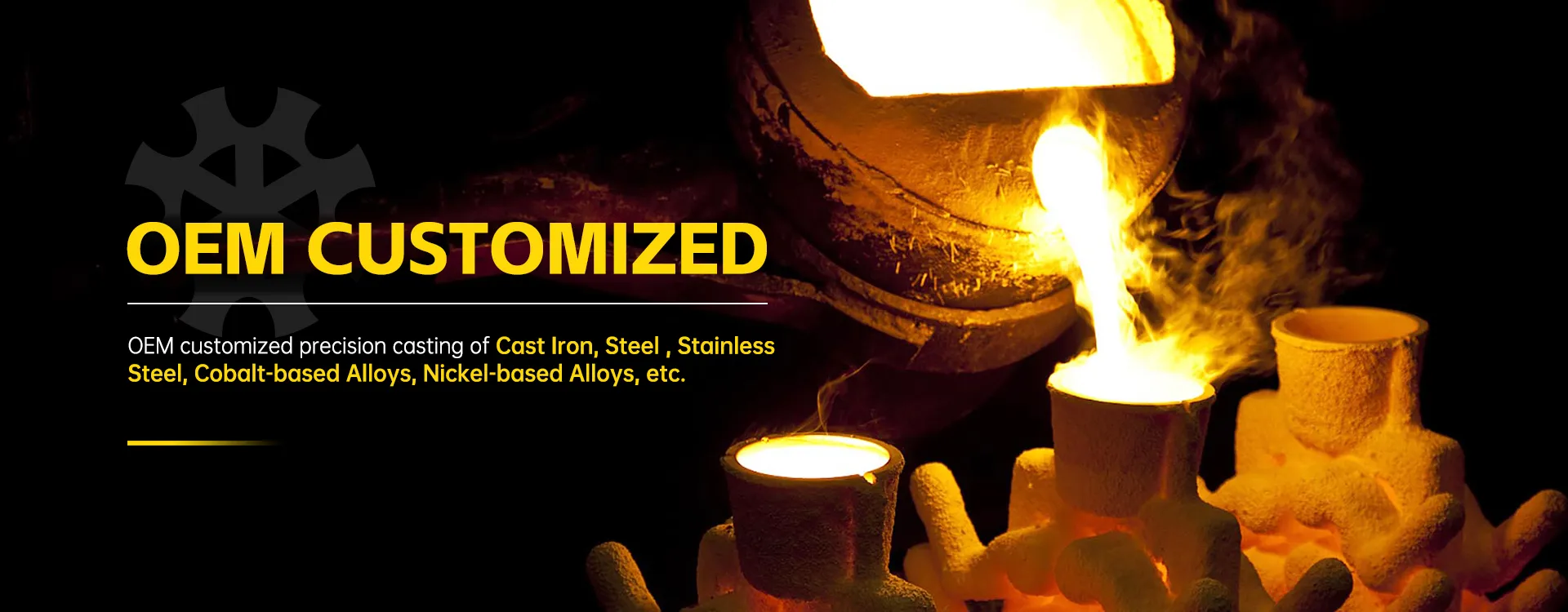
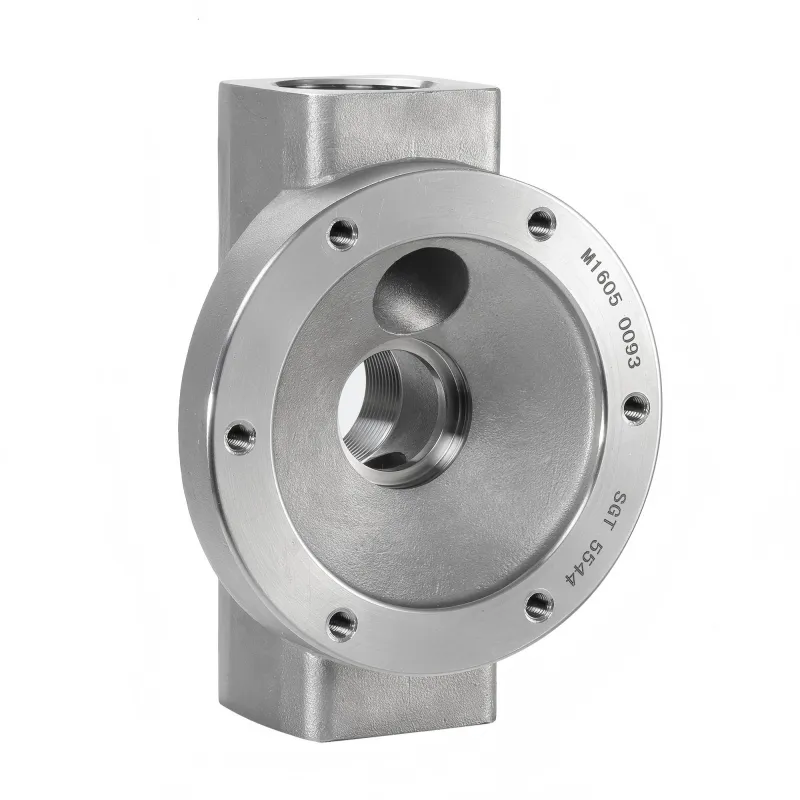
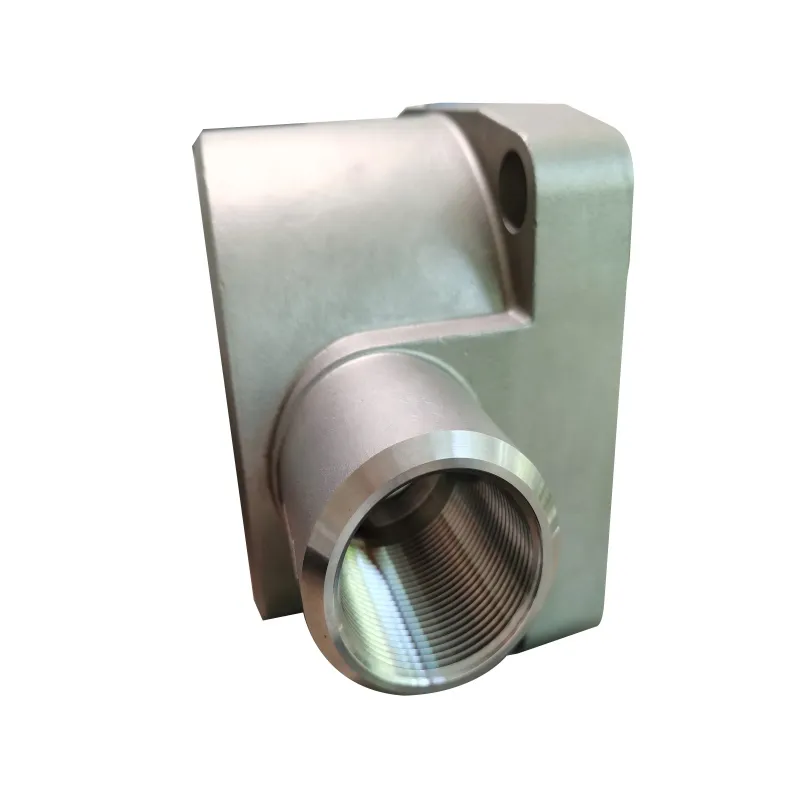
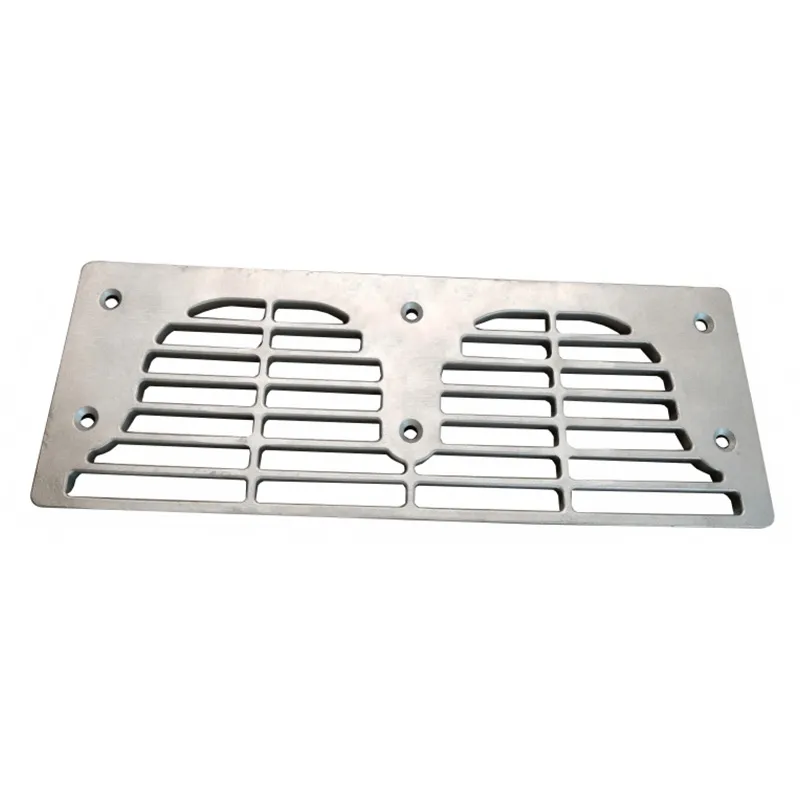
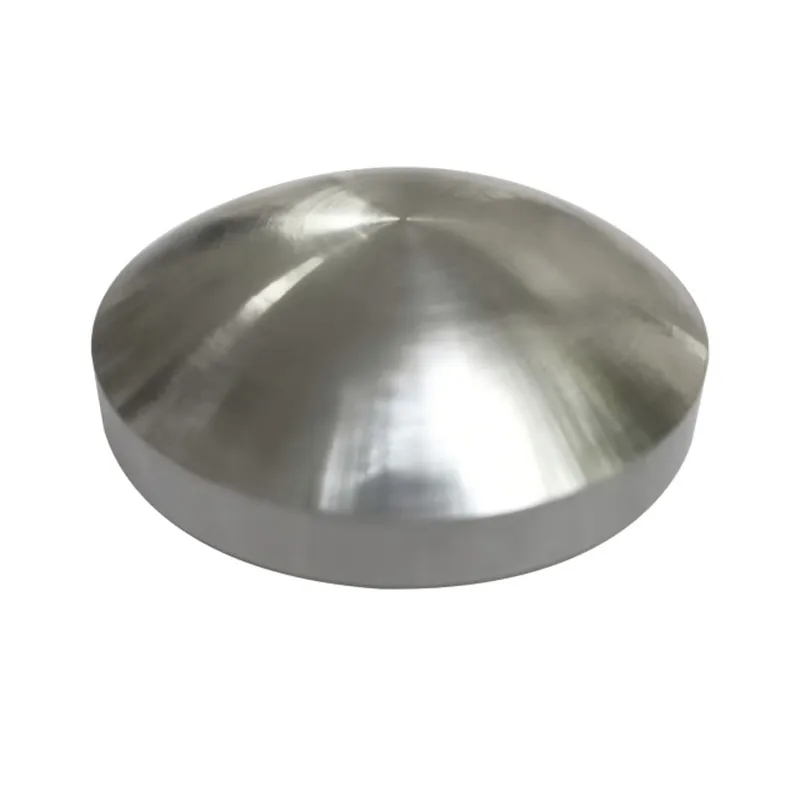
Anyone can buy a five-axis mill. The real foundation of a capable precision CNC machining company is process lineage. I'm thinking of a place like Qingdao Qiangsenyuan Technology Co., Ltd. (QSY). You look at their 30-year history starting in casting—shell mold, investment—and that changes everything. A machinist who comes from a foundry background doesn't just see a steel billet. They instinctively understand grain structure, residual stress from the casting process, and how the material will likely behave when the first tool hits it. That's an intangible edge. Their website, tsingtaocnc.com, lists their specialities in cobalt and nickel alloys, which tells you they're not afraid of the tough stuff. Working with those isn't just about running a slower feed rate; it's a whole different philosophy on tool wear and heat management.
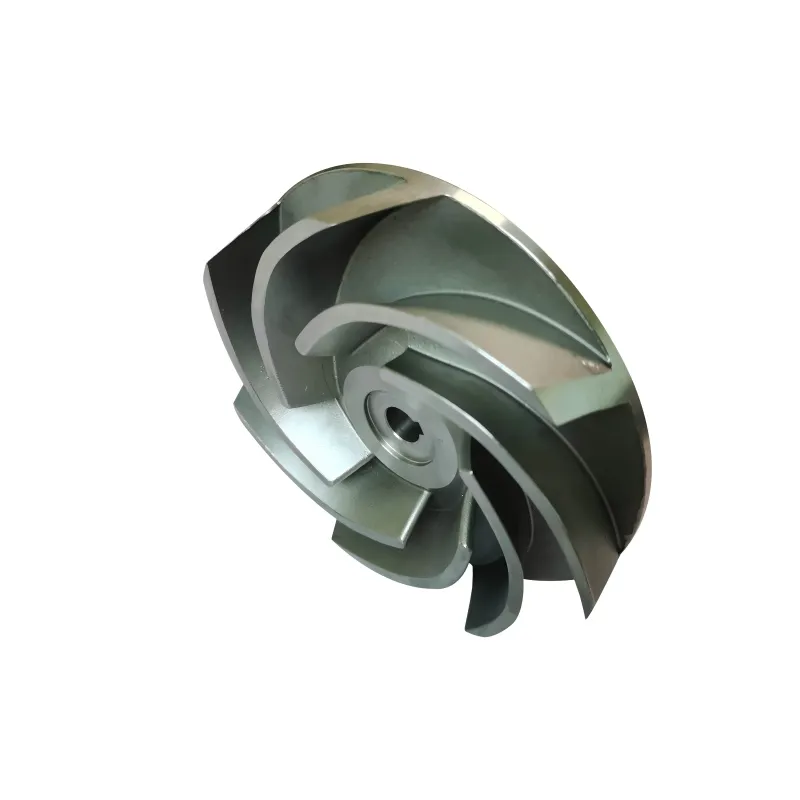
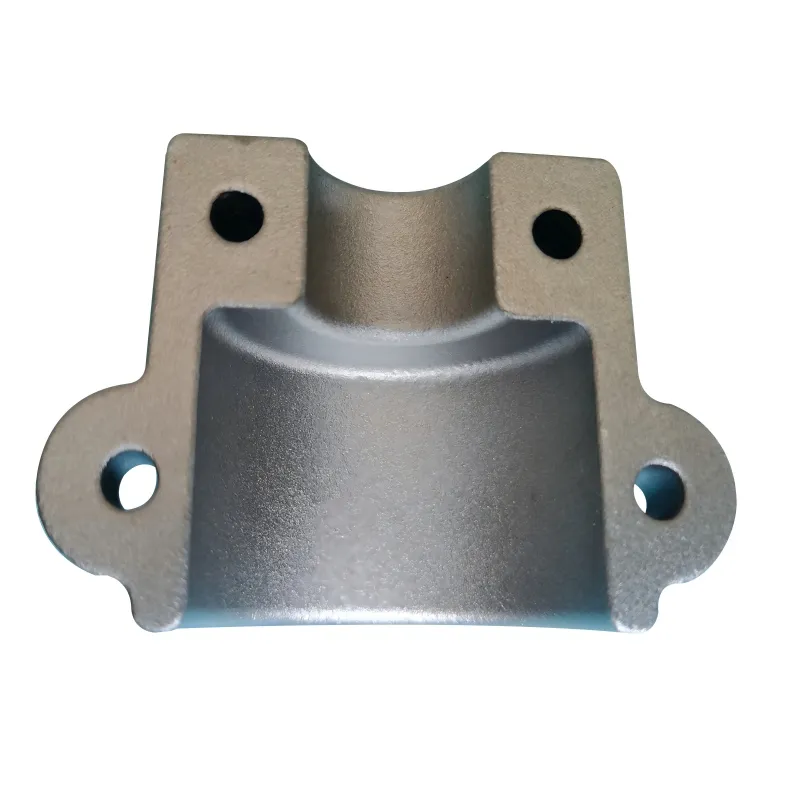
This background creates a natural synergy. They're not just machining a part; they're often finishing a component they cast themselves. That eliminates the classic blame game between foundry and machine shop when a part is out of spec. Was it a casting flaw or a machining error? When it's under one roof, the problem just gets solved. I've seen projects fail because the machining team got castings with hidden porosity or inconsistent hardness. A shop like QSY that controls the earlier stages can machine to compensate for it, or better yet, prevent it from happening in the first place.
It leads to a different kind of precision. It's not just geometric accuracy to the micron. It's about precision in the material's integrity. For instance, machining a thin-wall section on an investment-cast stainless part requires knowing exactly how much stress was locked in during cooling. A shop without that foundry insight might clamp it too aggressively and induce distortion, achieving perfect dimensions on a now-warped part. The integrated knowledge lets them develop fixturing and sequencing that respects the part's history.
Where Precision Gets Real (And Expensive)
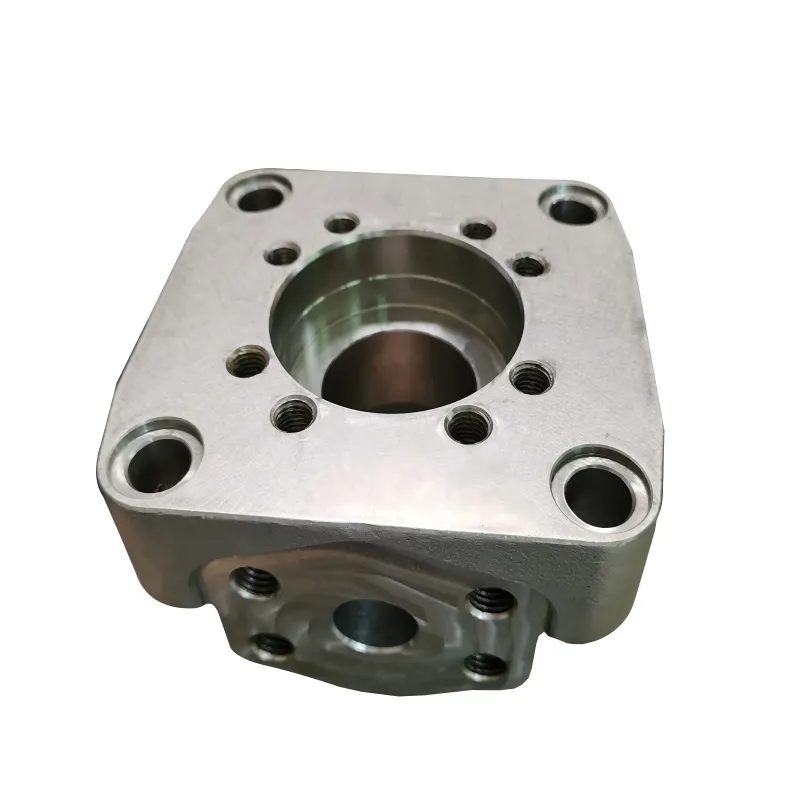
Let's talk about the shop floor moment that separates the real from the pretenders. It's first-article inspection. A good precision CNC machining partner doesn't just check the dimensions you gave them. They should be looking for things you didn't think to specify. Surface finish consistency in a bore, the sharpness of an internal corner radius, the presence of even minor burrs in a hard-to-reach channel. I remember a job for a fluid manifold where all dimensions passed, but a tiny, almost polished burr in a crossover port caused a catastrophic leak under pressure. The drawing didn't call out a specific edge break there. A top-tier shop catches that instinctively and deburrs it as part of their standard process.
The cost of precision isn't linear. Holding ±0.05mm is standard. Holding ±0.01mm might triple the machining time and require climate control. The key is honest communication. A professional company will immediately flag that tight tolerance and ask Is this critical for function? Often, it's a default CAD setting. I appreciate when a shop pushes back like that—it shows they're thinking about manufacturability and saving you money, not just blindly quoting. I've seen QSY's portfolio, and the complexity of their cast and machined assemblies suggests they're used to these conversations, especially with exotic materials where every machining minute costs more.
Tooling strategy is another silent differentiator. For high-volume CNC machining of stainless or alloy steel, using the same end mill from start to finish might get the job done, but it wears, and precision drifts. The better approach is a staged tooling strategy—roughing with one, semi-finishing with another, finishing with a fresh, dedicated tool. It's more setup, more tool inventory, but it guarantees the final passes are made with a sharp, predictable tool. You can often gauge a shop's commitment by asking about their tool management and change schedules. It's a boring detail, but it's where consistency lives.
The Material Conversation Most People Skip
Everyone focuses on the machining of stainless steel or aluminum. The real test is in the special alloys. When a company like QSY lists cobalt and nickel-based alloys as specialties, that's a signal. These aren't materials you learn on the job. Machining Inconel or Stellite is a brutal education in patience and thermal control. They work-harden instantly if you're too aggressive, turning your cutting tool into a friction-heating element that ruins the part's metallurgical properties.
The process here is less about aggressive material removal and more about controlled, calculated shearing. Coolant isn't just for lubrication; it's for heat evacuation. You need high pressure, delivered exactly to the cutting edge. And tool geometry is everything—positive rakes, specialized coatings. A shop experienced in this will have a library of proven parameters they've built up, often through expensive trial and error. They won't just quote you a per-hour machine rate; they'll have a clear plan for tool consumption, which is a massive cost driver on these jobs.
This expertise doesn't exist in a vacuum. It often comes from serving specific, demanding industries—aerospace, oil & gas, medical. The protocols and documentation requirements of these sectors force a discipline that then benefits all their work. If they can trace a batch of nickel alloy from mill cert to finished part for a downhole tool, machining a precision stainless steel valve body becomes almost routine. The high standard becomes the baseline.
When Digital Meets Physical – The CAM & Setup Hurdle
The CAD model is perfect. The CAM simulation shows no collisions. Then you load the first piece of stock. This is the gap that no software can fully bridge. A veteran machinist or programmer brings a spatial reasoning that accounts for tool deflection, workpiece vibration, and chip evacuation. I've seen beautifully simulated programs fail because no one accounted for how long, stringy chips on stainless steel would wrap around the toolholder and wreck the finish.
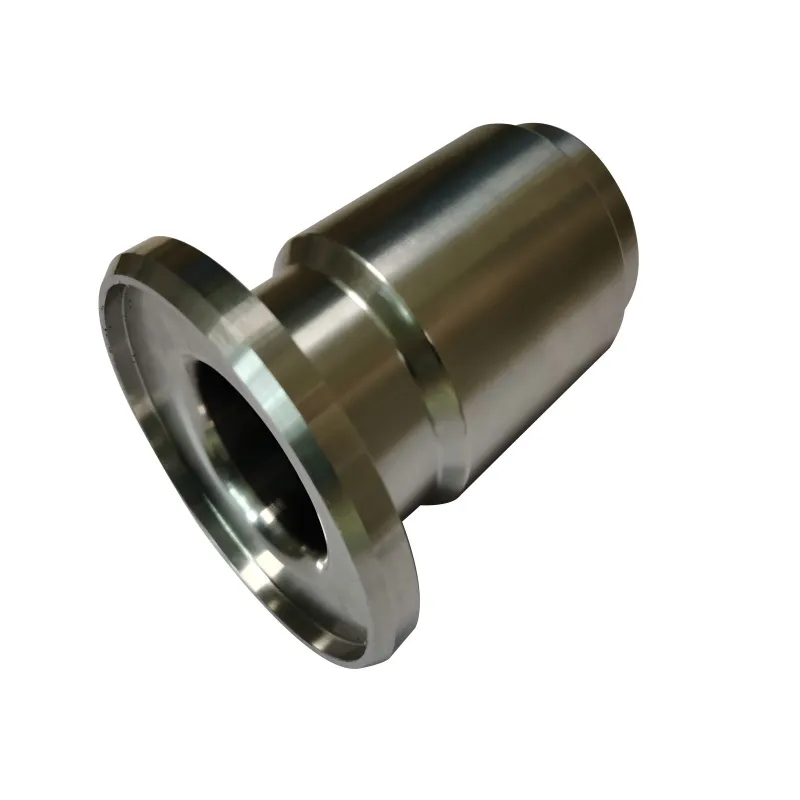
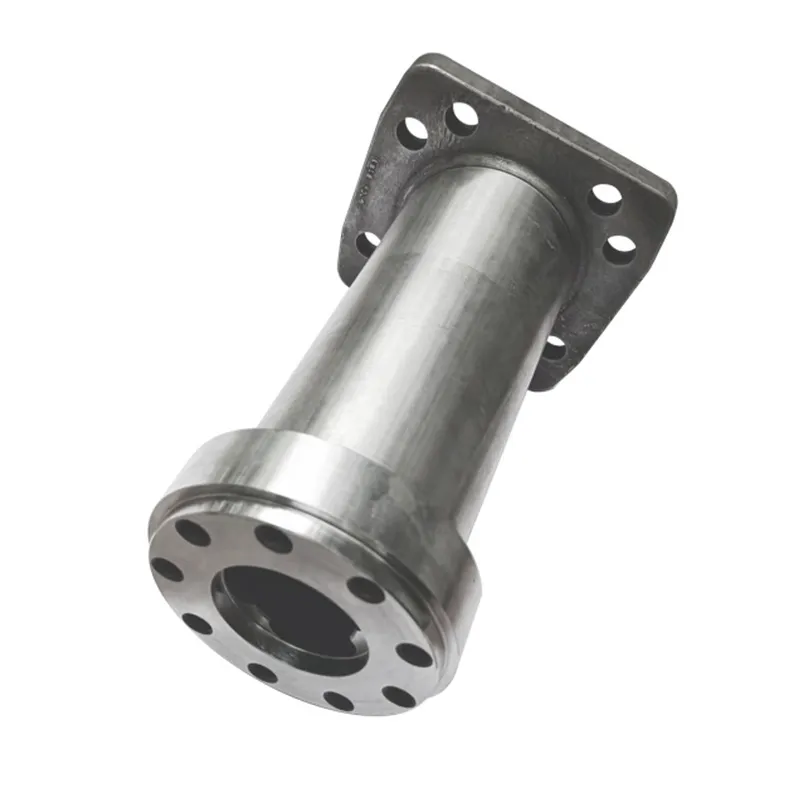
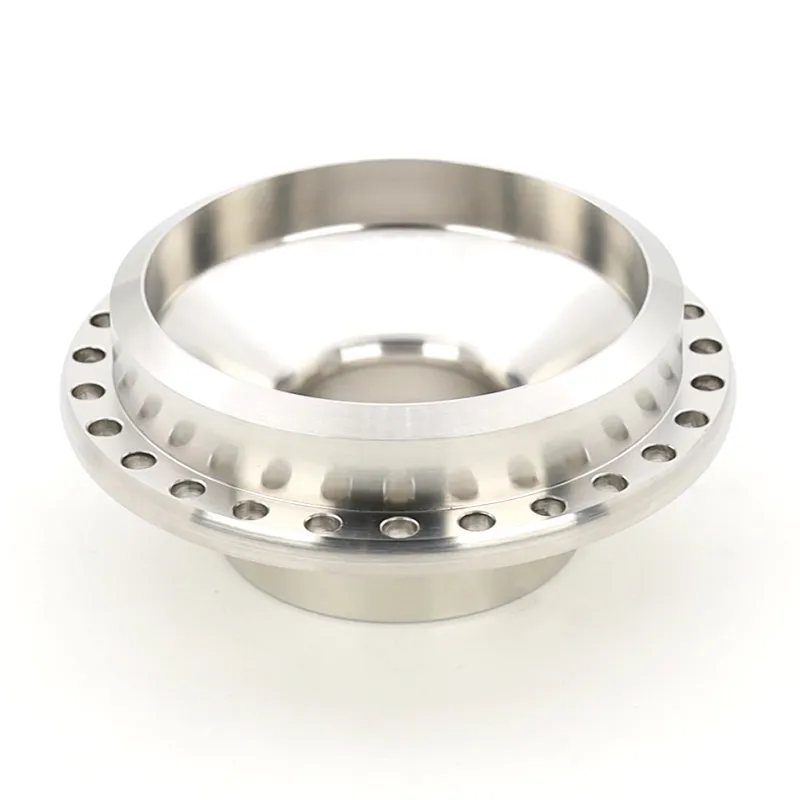
Setup is where days of schedule are lost or won. A sophisticated precision CNC machining company invests in modular, customizable fixturing—like tombstone setups on a pallet system or dedicated soft jaws machined in-house for a specific part family. The goal is to minimize the part's free volume, clamping it as rigidly as possible to dampen vibration. For complex, multi-sided parts, this might mean designing a fixture that allows the part to be rotated and re-clamped with perfect positional repeatability. Visiting tsingtaocnc.com, you can infer this capability from the multi-component assemblies they show; those parts didn't get that way with simple vises.
This is also where communication with the client is critical. Sometimes, a minor design tweak—adding a small tool access relief, or standardizing a corner radius—can transform a part from a fiendish, 5-setup nightmare into a straightforward 2-operation job. The best collaborations happen when the machining partner is brought in during the design for manufacturability (DFM) stage. It's a sign of maturity when a company proactively offers DFM analysis, not just a quote.
The Unsexy Backbone: Metrology & Mindset
Finally, precision is only as good as your ability to measure it. A room full of CNCs means nothing if your CMM is outdated or your quality team isn't empowered. Real precision requires investing in metrology that's an order of magnitude more accurate than your tolerance band. And it's not just about the machine; it's about the calibration schedule, the controlled environment, and the skill of the inspector. Measuring a complex contoured surface or true position of multiple bores is a skill in itself.
But beyond gear, it's a mindset. It's a culture where a machinist will stop a run if they hear a change in the sound of the cut, even if the parts are measuring okay. It's a willingness to scrap a $500 piece of alloy because a tool chipped halfway through and the surface finish might be compromised. That's a tough financial decision, but it defines integrity. You can't fake that. It's built through decades, like the 30-year history QSY references, likely through a lot of learned lessons.
So when you're evaluating a precision CNC machining company, look past the machine list. Ask about their biggest mistake and what they learned. Ask how they handle a material they've never worked with before. Ask to see a failed part and the report that came with it. Their answers, and the nuance in them, will tell you far more about their real precision than any shiny brochure ever could. The right partner isn't just a vendor; they're an extension of your engineering team, thinking several steps ahead about what could go wrong before the spindle even starts.