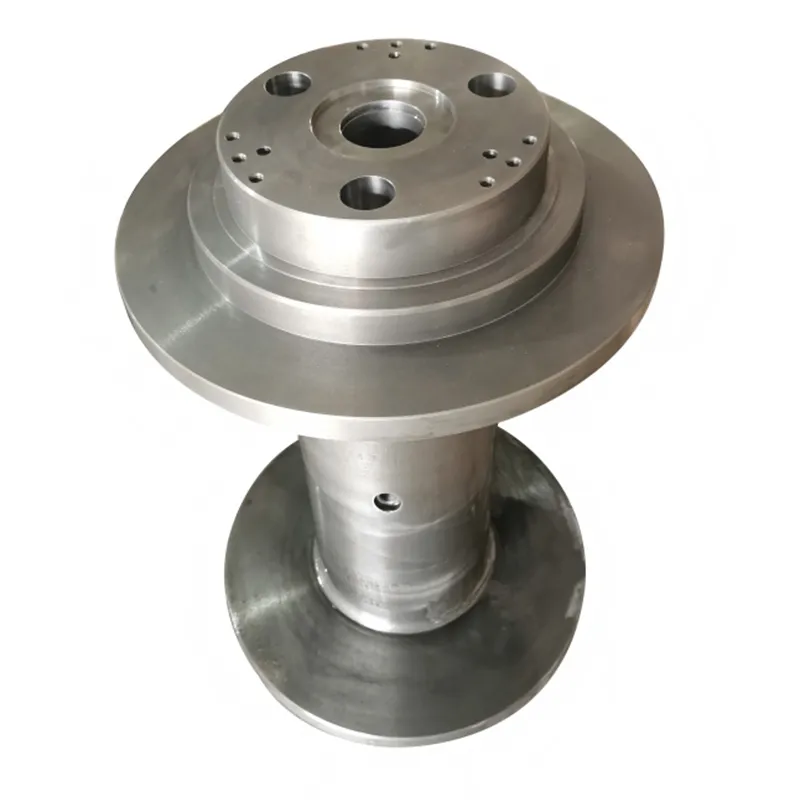
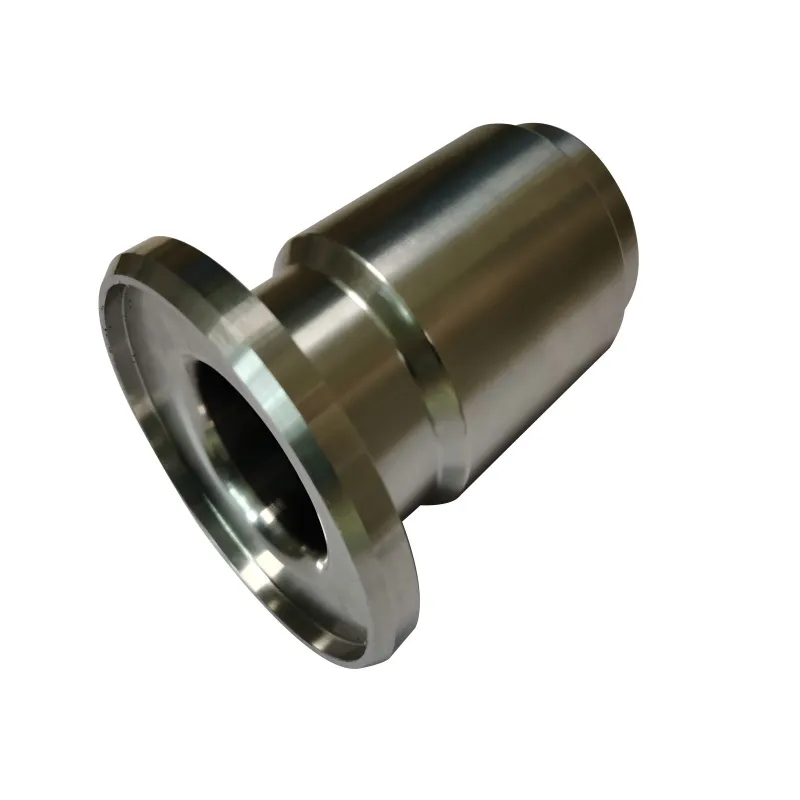
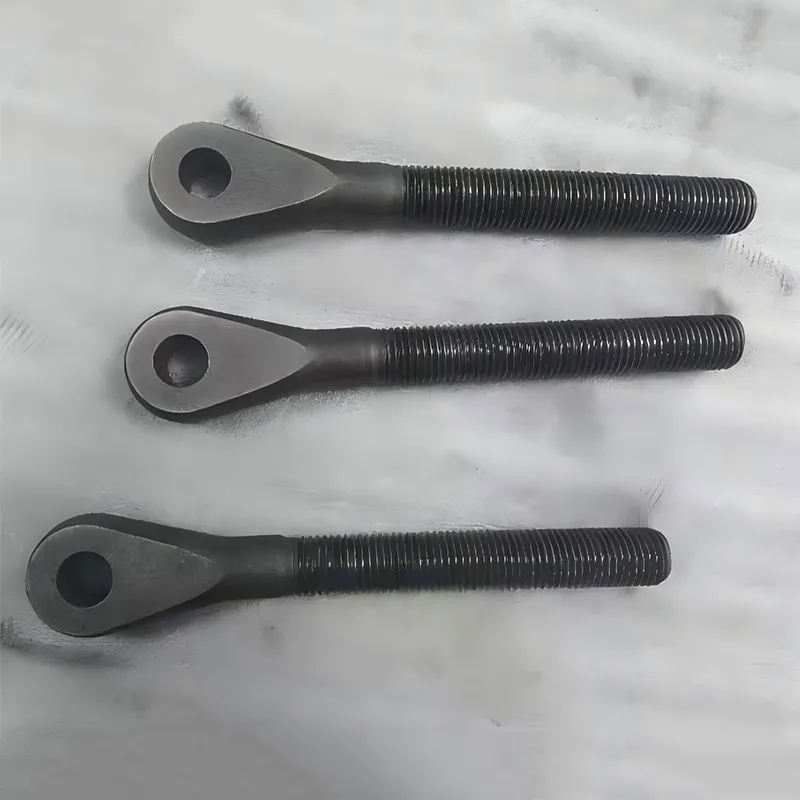
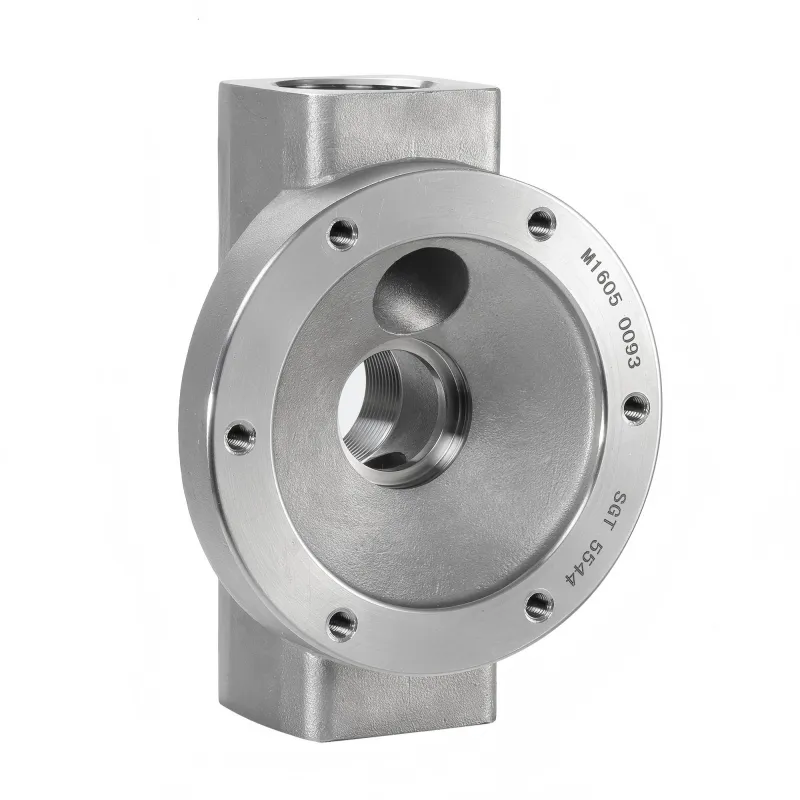
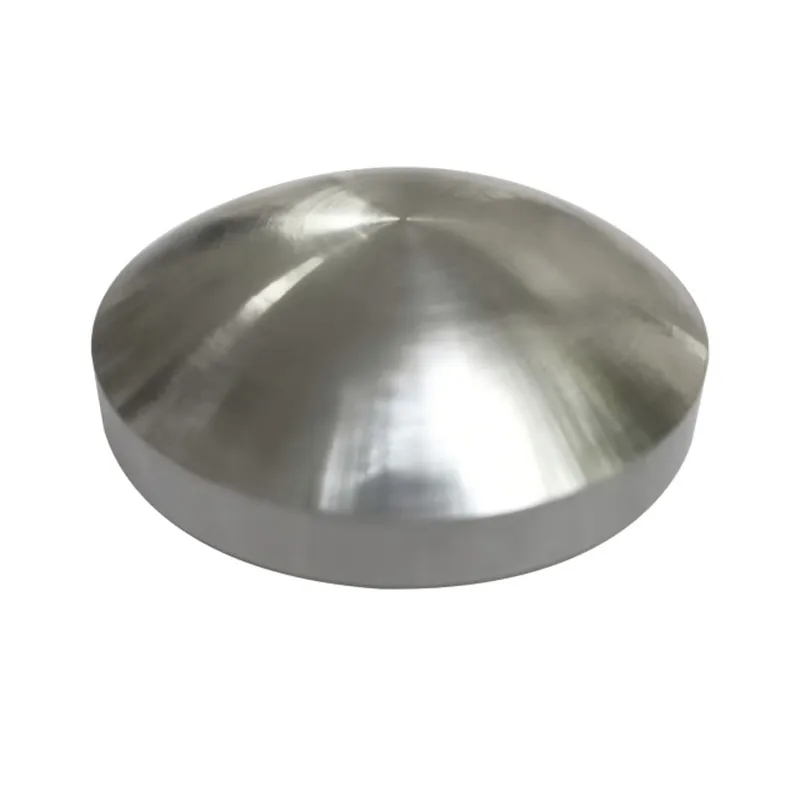
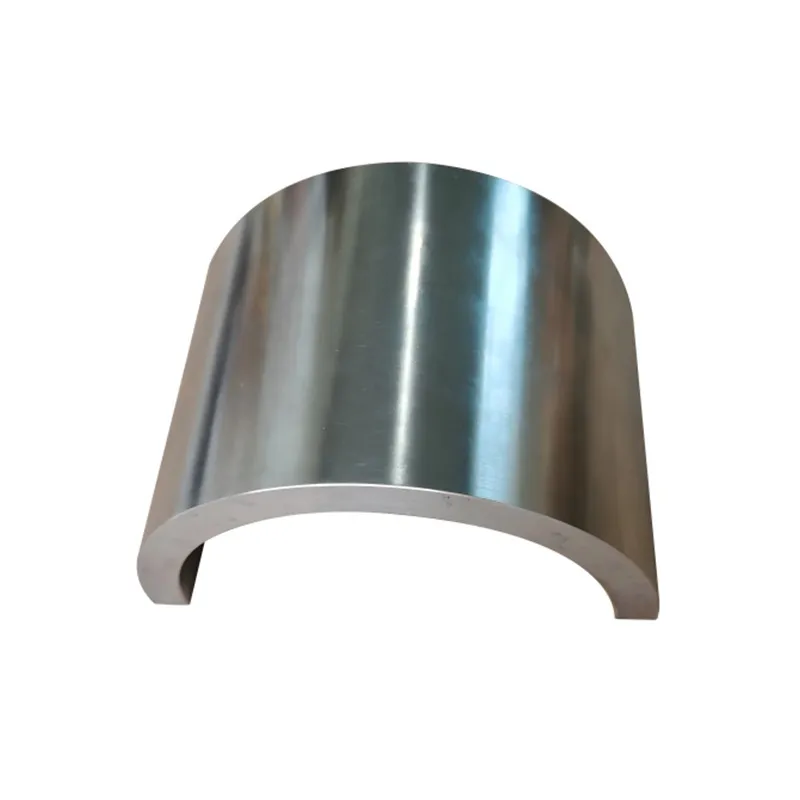
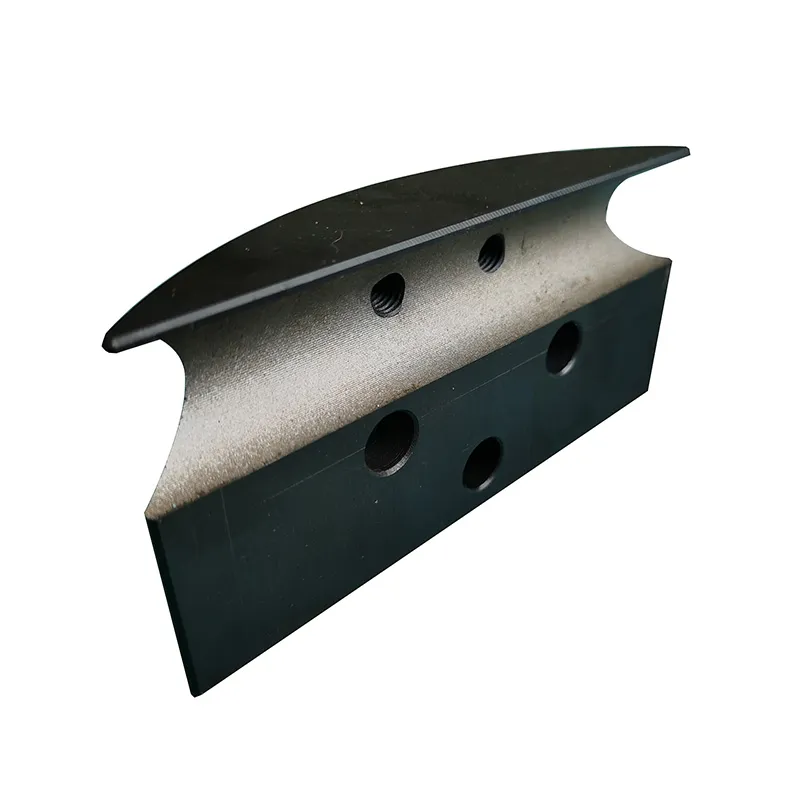
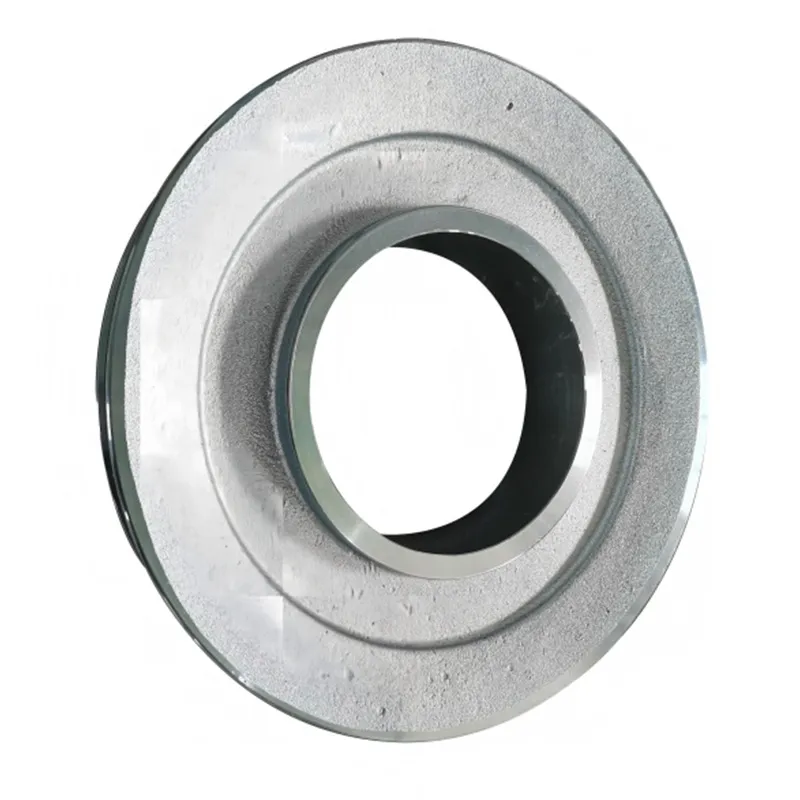
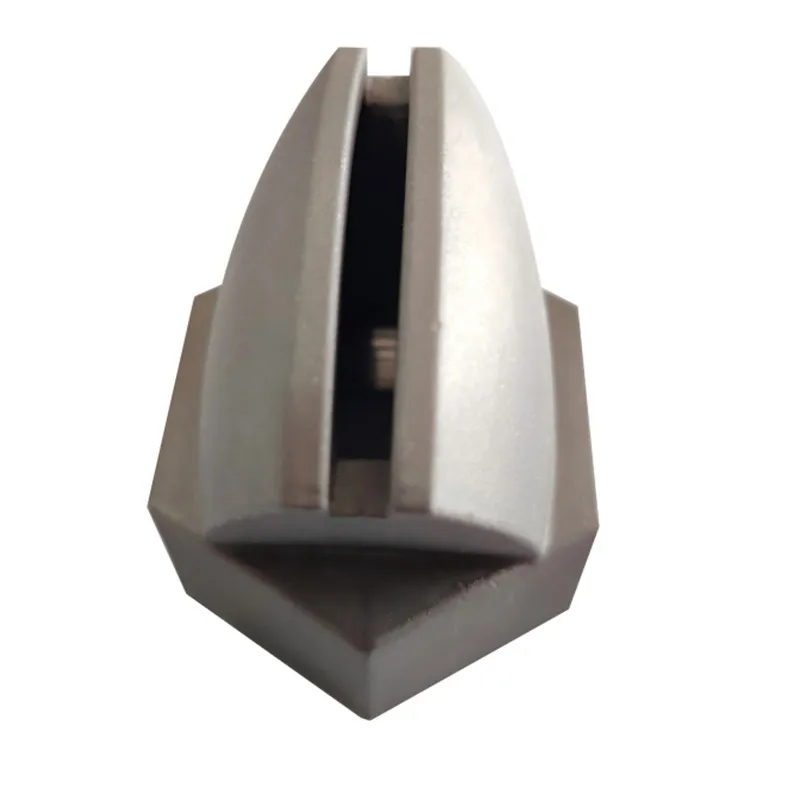
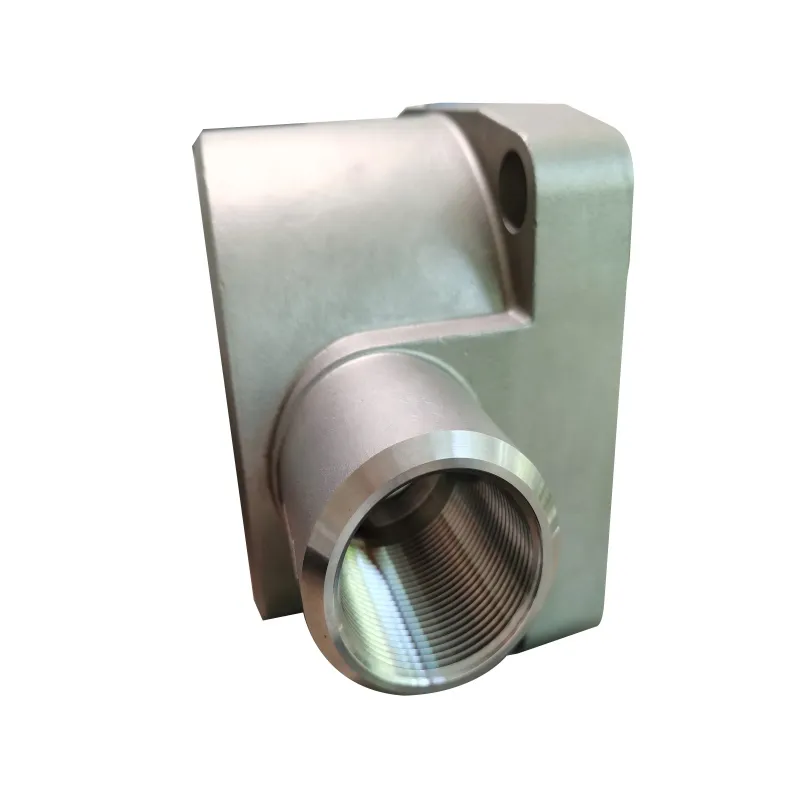
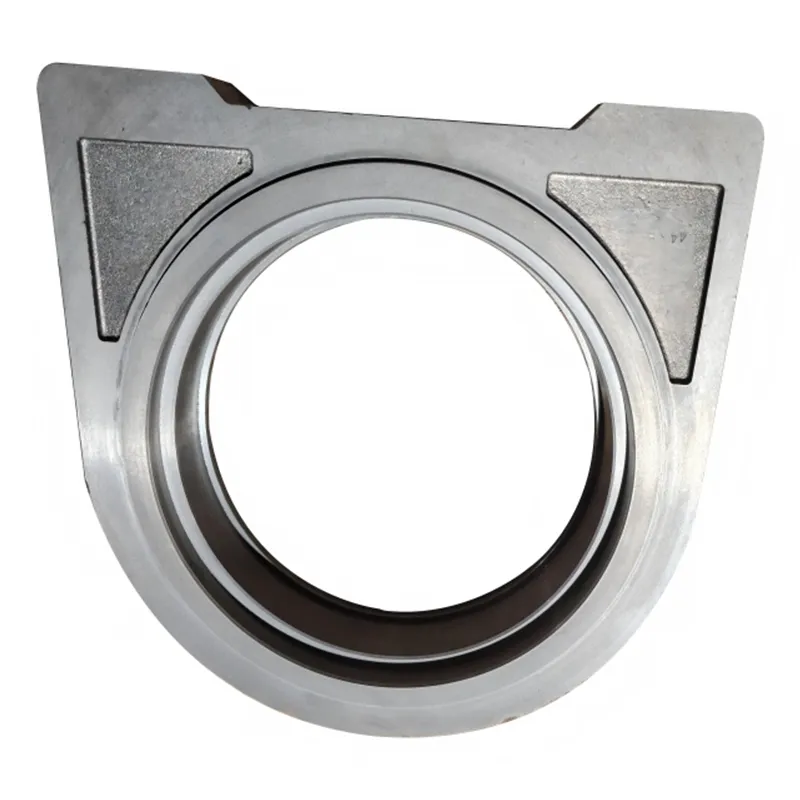
When you hear 'precision CNC machining parts', most minds jump straight to tolerances. ±0.005 inches, ±0.001, the tighter the better, right? That's the surface-level pitch. The reality, the part that actually matters on the shop floor and in the final assembly, is far more textured. It's about knowing which feature on a part truly demands that ±0.001, and which can live happily at ±0.010 without a hiccup. Chasing unnecessary precision is a fast track to blowing the budget and missing the deadline. I've seen too many drawings where every dimension is flagged critical, which usually means the designer hasn't wrestled with the physical part or the process chain that makes it. True precision is contextual, not absolute.
The Material is the First Cut
You can't talk about machining precision without starting with the blank. This is where a lot of shops get tripped up. Say you're running a batch of 316 stainless precision cnc machining parts for a marine fitting. If the raw stock has inconsistent hardness or internal stress from the mill, you're fighting a losing battle from the first clamp. The part will move, it will warp after the initial cuts, and no amount of fancy toolpath compensation will save you. This is why the sourcing and pre-processing of material is half the job.
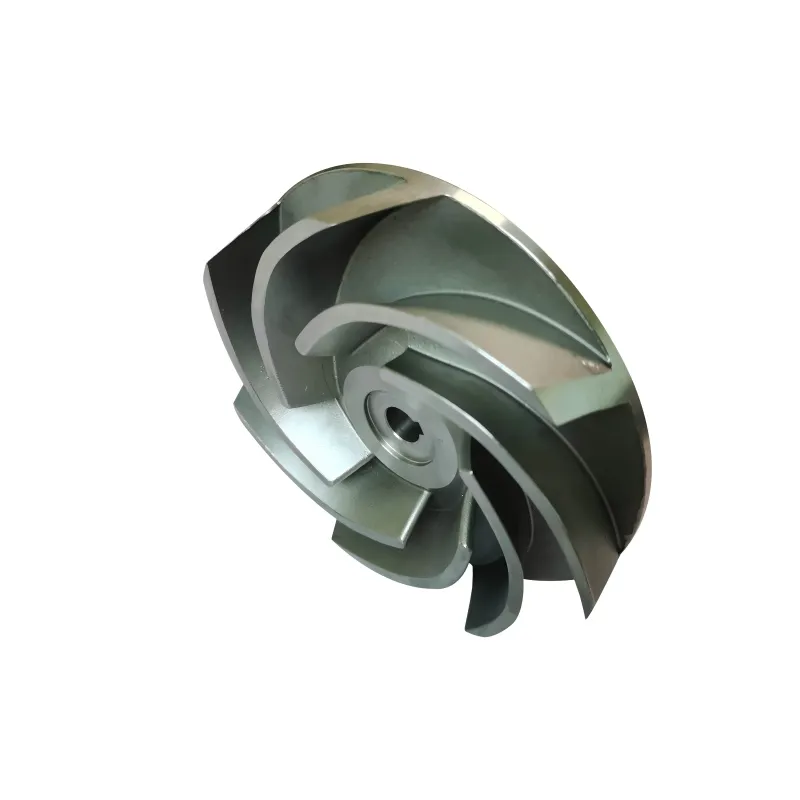
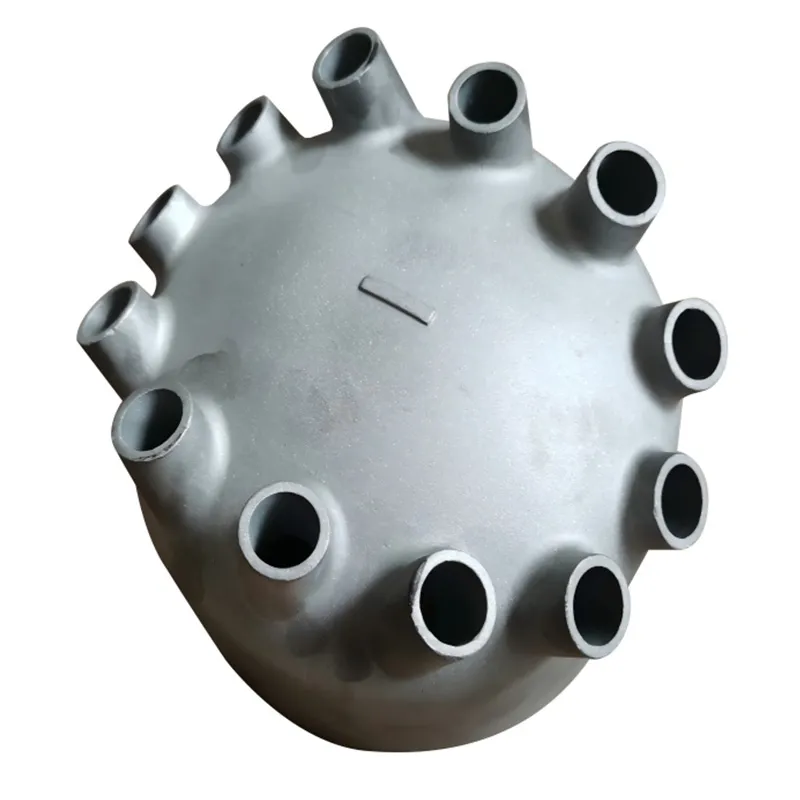
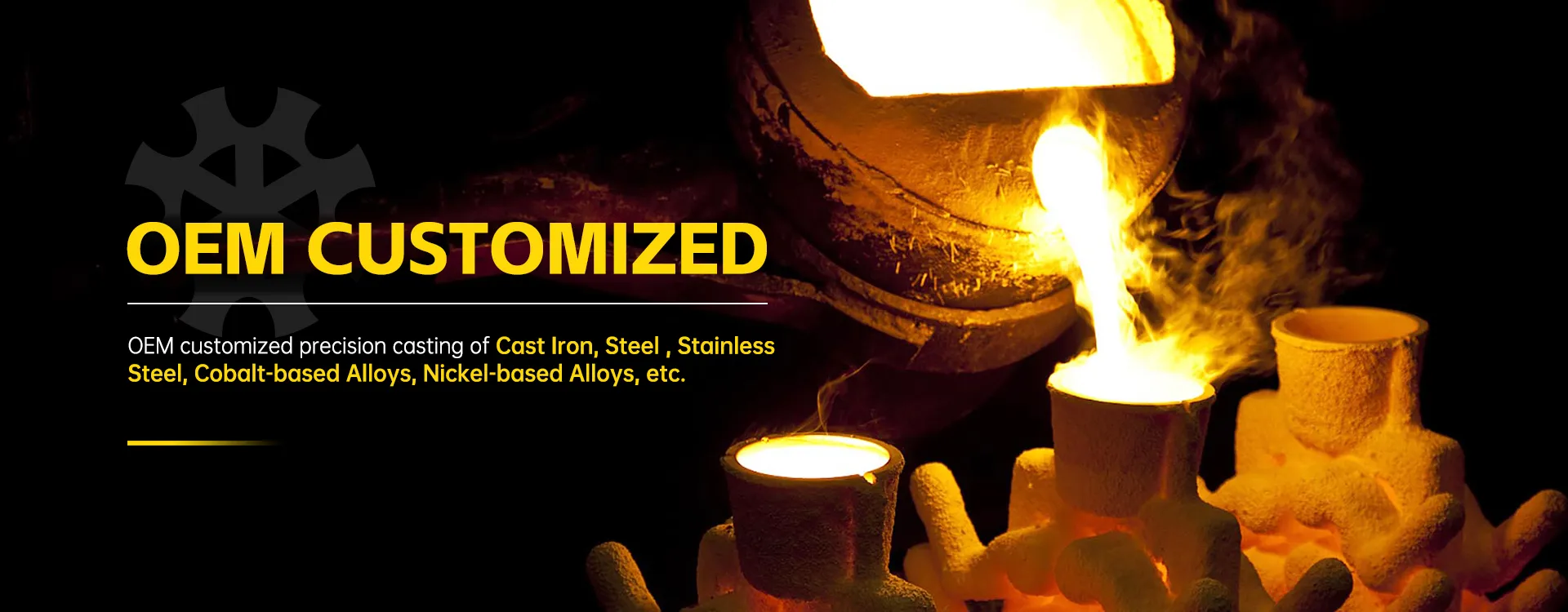
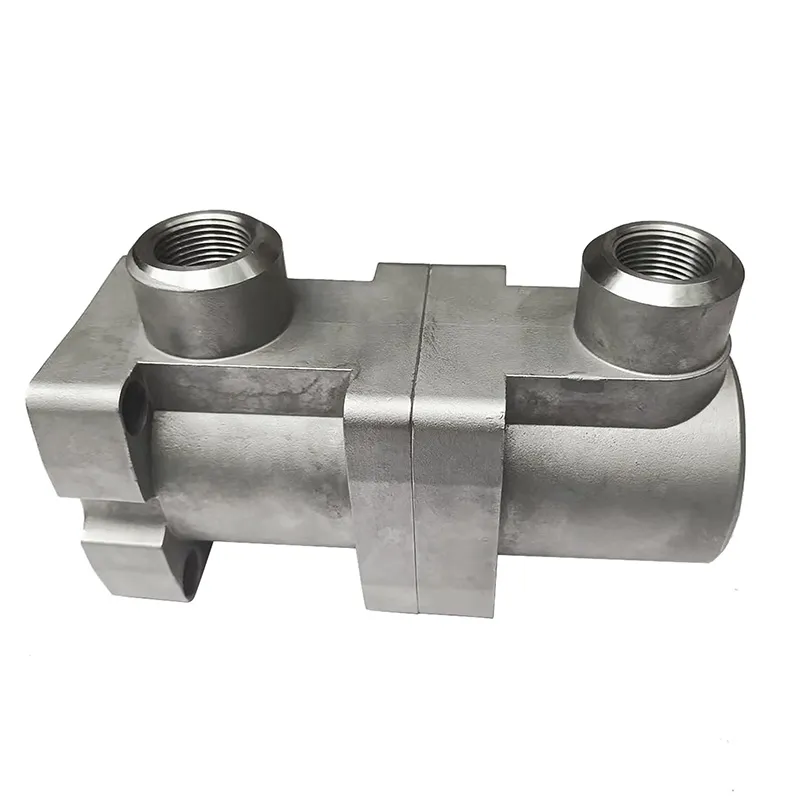
This connects to why some outfits, like Qingdao Qiangsenyuan Technology (QSY), have an edge when they handle both casting and machining in-house. I recall a project for a pump housing in duplex stainless steel. The part came from their own foundry as a near-net-shape investment casting. Because they controlled the solidification and heat treatment of the casting, the residual stress was minimal. When it hit our CNC mills, it was stable. We weren't machining away 60% of the material; we were doing the final critical bores and face seals. The precision was built-in from the pour, not just forced at the machine. That's a different league from buying bar stock and hogging out everything.
Alloys like nickel-based or cobalt-based ones? That's another story. They work-harden like crazy. Your tooling strategy, your speeds and feeds, your coolant pressure and placement—they all have to be tuned not just for precision, but to maintain a cuttable condition. Push too slow, you glaze the surface and kill the insert. Push too hard, you generate heat that alters the material properties at the edge. It's a feedback loop where the machining process itself can undermine the part integrity if you're not reading the chips and the sound correctly.
Where Tolerance Stack-Up Lives and Dies
This is the practical heart of precision cnc machining. It's not about one perfect hole. It's about the relationship between that hole, the mounting face 200mm away, and the threaded port at a 45-degree angle. The CAD model is perfect. The machine's volumetric accuracy might be certified. But your workholding, the thermal growth of the spindle over an 8-hour run, even the wear on one corner of your vise jaw—these are the gremlins that eat your stack-up.
We learned this the hard way on a manifold block. Twenty-three ports, all needing positional accuracy within 0.05mm relative to a central datum. The first-off part, done in a single setup on a brand-new pallet, checked out perfect on the CMM. Beautiful. We ran the batch. Part number 15 failed. The issue? We had to flip the part for some underside features. The secondary setup used a different set of locators. Even with a meticulously indicated fixture, there was a tiny, cumulative angular deviation that only showed up on the ports machined in the second op. The error was in our process planning, not the machine's capability. We solved it by redesigning the fixture to allow all critical features to be done in one clamping, even though it meant using a more expensive, custom tombstone setup. The cost of that fixture was less than the scrap and rework.
The Tooling Feel You Can't Program
CAM software gets smarter every year. But it doesn't have instincts. There's a moment in machining a deep, small-diameter hole in steel—you can hear when the drill is starting to load up, before the torque monitor even blips. That's when you break the cycle, retract, clear the chips, and maybe adjust the peck depth. It's a disruption to the perfect program, but it saves a broken tool buried in a half-finished, expensive part.
This feel extends to surface finishes on sealing surfaces. The program says use a specific ball-nose end mill with a stepover for a Ra 0.8 finish. But if the part has a slight curvature or the tool has 0.01mm of runout, you get a cusp pattern that feels rough even if the Ra meter says it's okay. Sometimes, the fix is a manual, slow single-point skimming pass with a fresh, dedicated tool. It's inefficient on paper, but it's what delivers a part that seals perfectly without gasket shredding. You won't find that in a standard operating procedure; it's in the technician's decision tree.
Inspection: The Final, Non-Negotiable Gate
Precision isn't what the machine says it made; it's what the measuring device confirms. This seems obvious, but the gap between these two can be a business-killer. I'm a firm believer that the inspection method must be defined before the first chip is cut. If a critical internal groove is hard to reach with a CMM probe, you need a functional gauge or a cross-section inspection plan from the start.
We worked with QSY on a series of valve bodies where the flatness of the flange and perpendicularity of the stem bore were critical. Their approach was pragmatic. They didn't just CMM every part. They used a granite surface plate and a dial indicator for a quick-check on the flange flatness on the shop floor for 100% of parts—fast, reliable, and directly tied to the function. The CMM was used for first-article and periodic audits. This blend of high-tech and classic metrology is a sign of a shop that understands that inspection is part of the manufacturing flow, not a separate, bureaucratic hurdle. Their long history in casting and cnc machining parts shows here—they've likely internalized what tolerances really matter for function over generations of parts.
The Real Cost of Precision
So, circling back. When you're sourcing precision cnc machining parts, you're not just buying a geometry. You're buying a manufacturer's understanding of this entire chain: material behavior, process planning, tooling management, and pragmatic inspection. The cheapest per-part quote often comes from the shop that overlooks the cost of stability, both in the material and in their own processes.
A company like Qingdao Qiangsenyuan Technology Co., Ltd., with its three decades in casting and machining, embodies this integrated view. Their capability with special alloys isn't just a line on a website; it's a hard-won knowledge of how to transform a difficult casting into a stable, machinable blank. That foundation makes the final precision machining step more predictable and reliable. The goal is never just a part that measures right. It's a part that fits, functions, and lasts, without drama, in whatever assembly it's destined for. That's the precision that actually has value.
In the end, the most precise machine is the one operated by someone who knows what to ignore on the spec sheet and what to fight for on the shop floor. The rest is just metal removal.