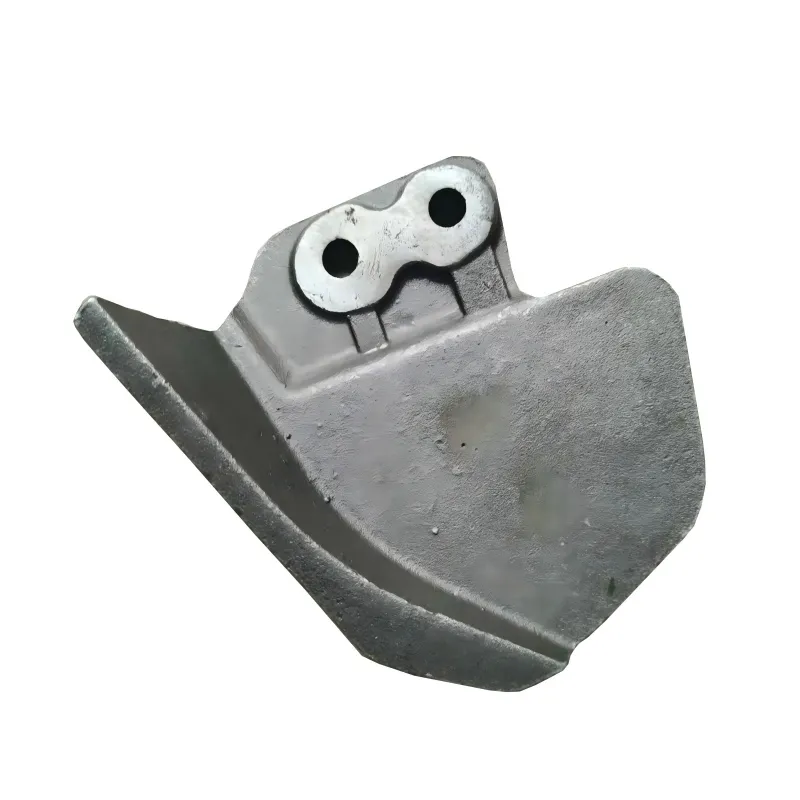
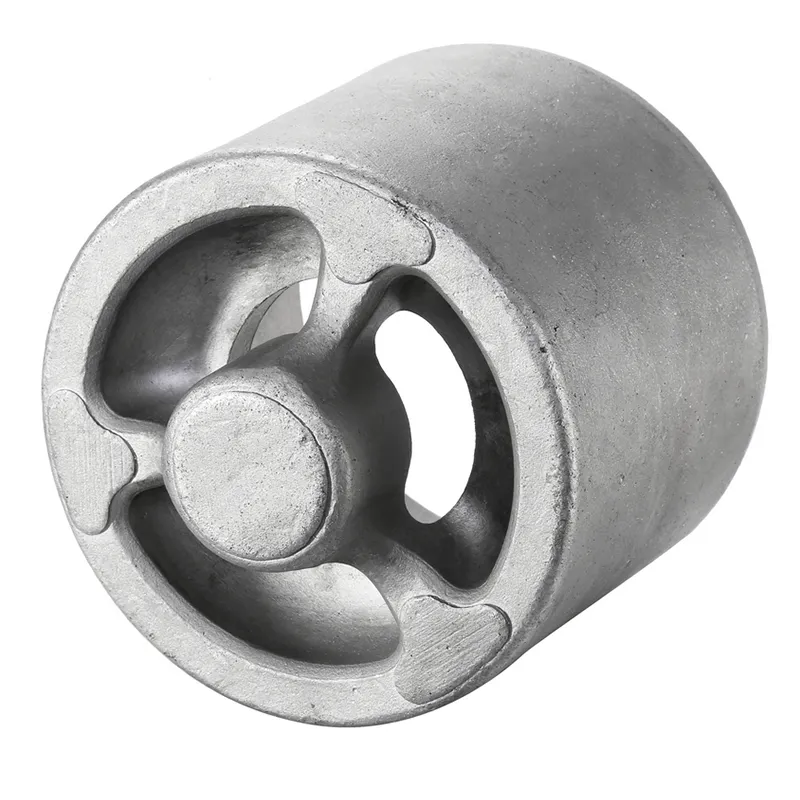
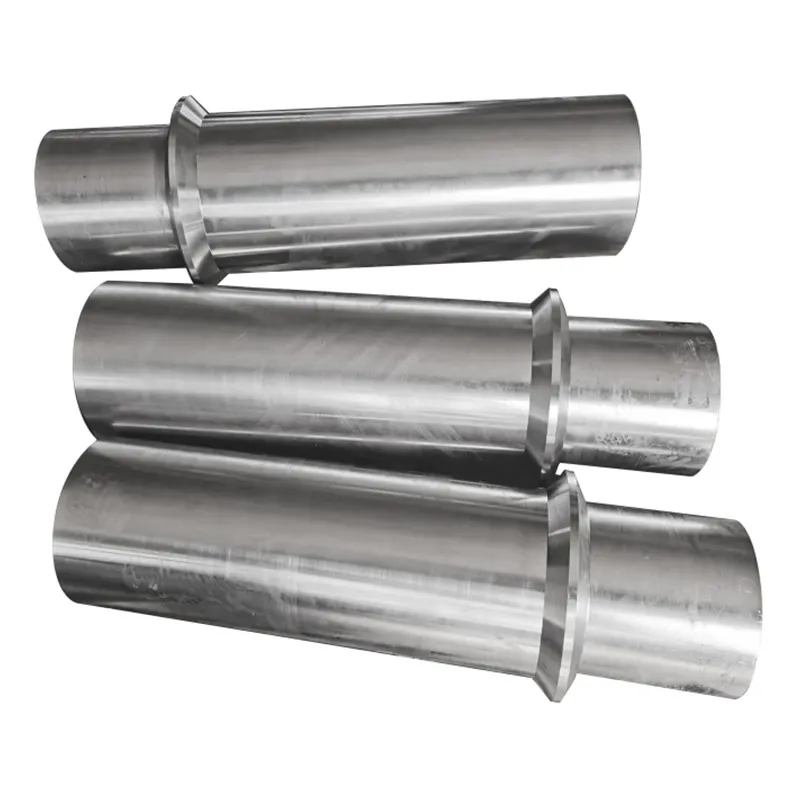
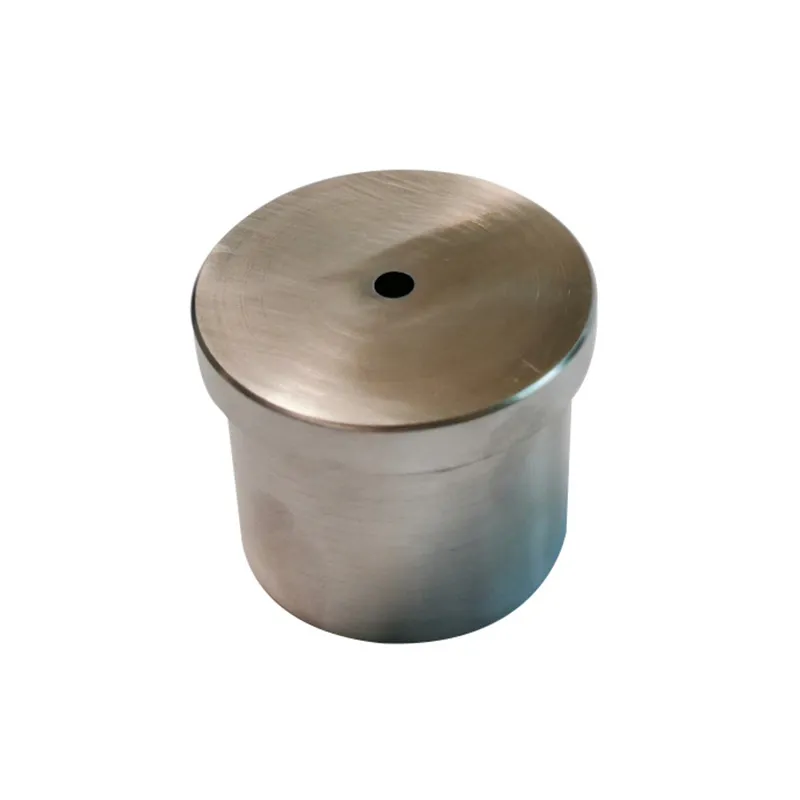
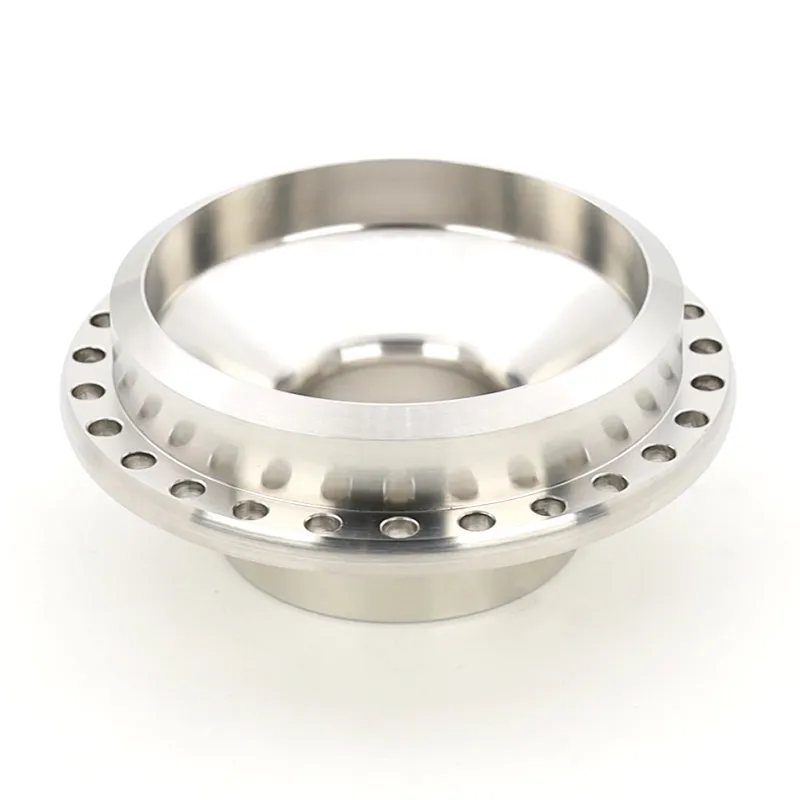
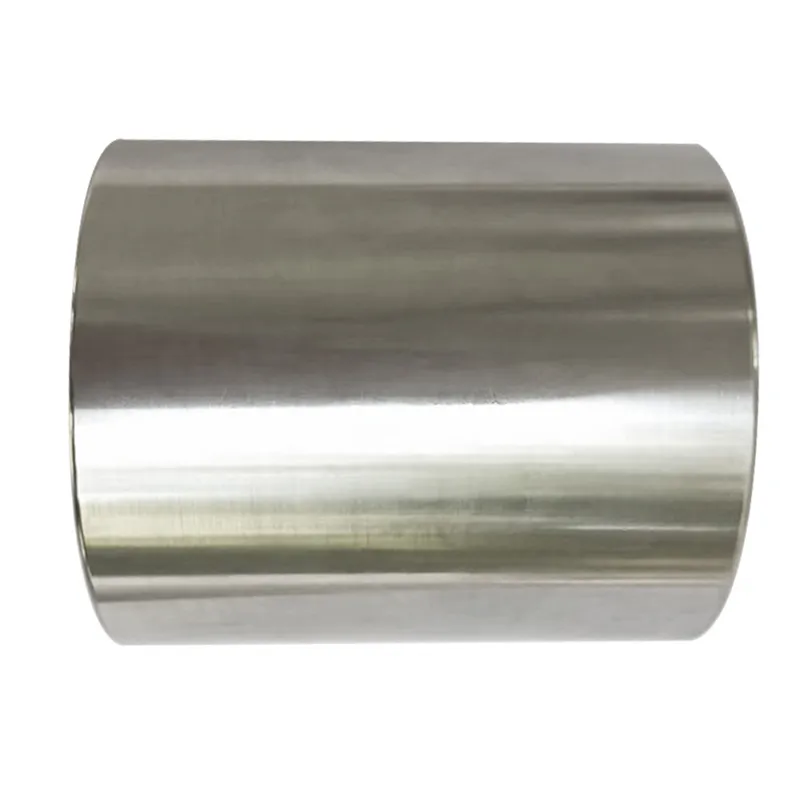
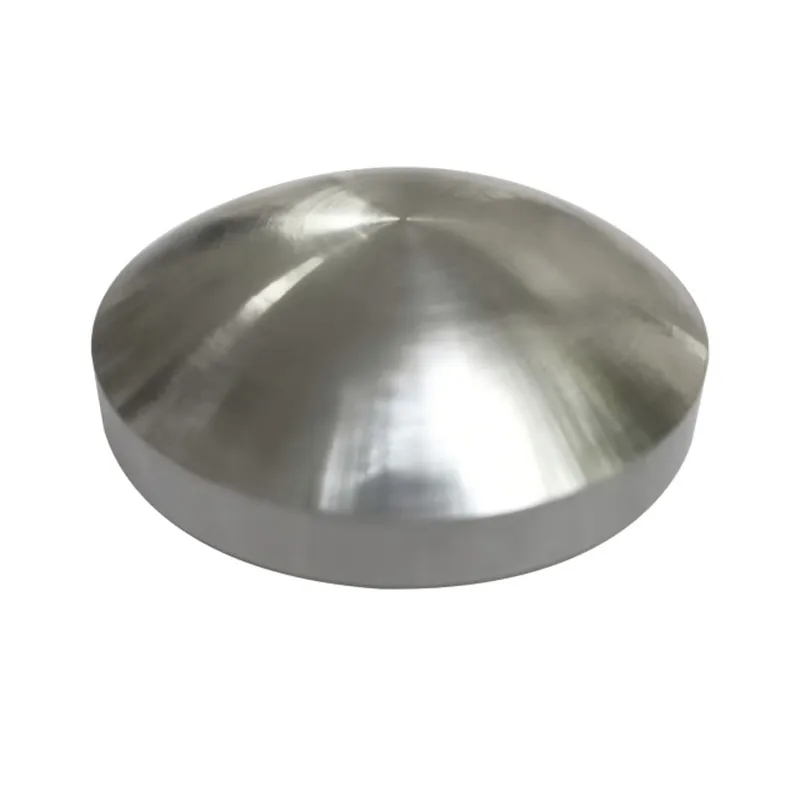
When you hear 'precision investment casting', the immediate image is often of flawless, net-shape aerospace components. That's the marketing ideal. The reality on the ground, after three decades in this game, is a constant negotiation between that ideal and the stubborn physics of molten metal and ceramic shells. Many clients, especially those new to the process, come in with CAD models expecting miracles—dimensional tolerances tighter than a gnat's eyebrow, as-cast surface finishes rivaling polishing, and all at a unit cost befitting a mass-produced stamping. That's the first conversation we have at QSY: resetting expectations to the realm of the physically achievable. The true art isn't just in making a casting; it's in engineering the entire process chain—from wax pattern to finished machined part—to hit the sweet spot between performance, cost, and reliability. It's a foundry discipline, not magic.
The Core Misconception: Precision Means No Work After Casting
Let's be blunt. If a part is truly complex, with internal channels, undercuts, or thin walls, precision investment casting is unbeatable for forming it. But 'as-cast' is almost never 'ready-to-install'. The precision refers to the repeatability and the detail capture, not the final dimensional certification. I've seen beautiful castings of a turbine blade fail inspection because a critical mounting lug was off by three-tenths of a millimeter. The wax injection die wore, ever so slightly. That's why we integrated CNC machining in-house decades ago. The casting gets you 95% there, in the correct geometry, with material integrity. The CNC finish machining, often on 5-axis machines, gets you the final, certified dimensions. Thinking of casting and machining as separate vendor steps is where projects lose time, money, and introduce tolerance stack-up errors.
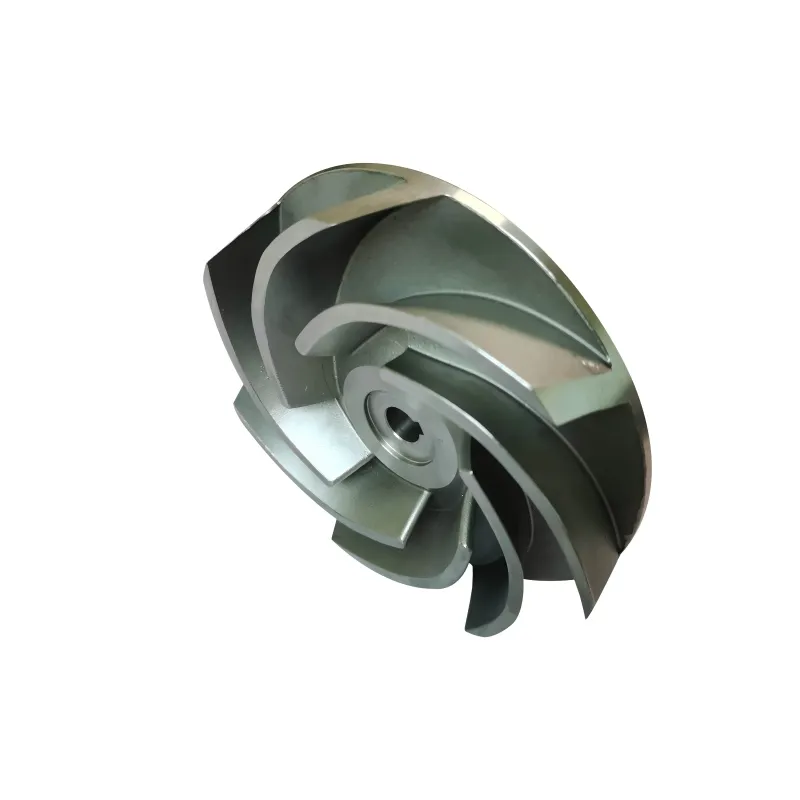
Material choice is the other half of this. We work extensively with stainless steel and nickel-based alloys. A common pitfall is specifying a high-performance alloy like Inconel 718 for its high-temperature properties, but not accounting for its intense shrinkage and hot tearing tendency during solidification. The pattern and shell design for 718 is radically different than for a 316 stainless. You can't just swap the material in the spec sheet and expect the same process to work. We learned this the hard way early on with a batch of pump impellers that cracked almost invisibly in the shell. The solution was a combination of specialized gating to control solidification direction and a tweak to the shell baking cycle. It's these material-specific process recipes, built over 30 years, that separate a job shop from a specialist.
Which brings me to a practical point about shells. The 'shell mold casting' process we use—building up those ceramic layers—is where a lot of the craft lives. Too thin a shell, and you get a breakout, a messy and dangerous failure. Too thick, and you lose dimensional accuracy as the shell doesn't collapse away from the shrinking metal properly. The slurry viscosity, stucco sand grain size, drying time between coats… it's a sensory skill as much as a scientific one. An experienced technician can tell by the sound of tapping a dried shell if it's good to go. This isn't something you automate away entirely.
Where the Process Shines (And Where It Doesn't)
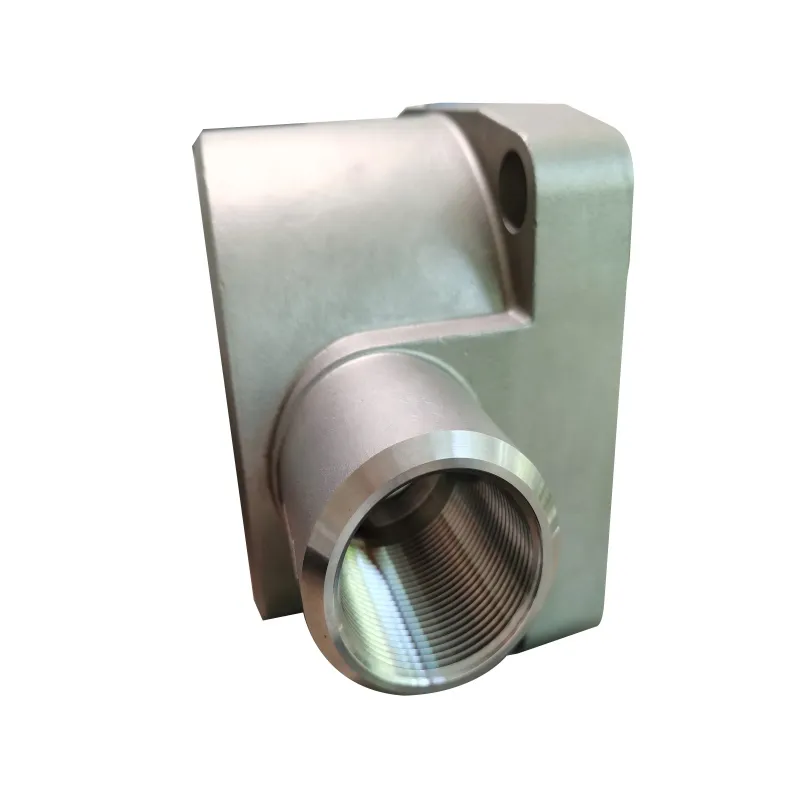
The classic win for investment casting is complexity-for-weight. Aerospace brackets, medical instrument components, fluid handling parts with integral manifolds. We recently ran a project for a sensor housing that had to be hermetic, in 17-4PH stainless, with internal baffles and external mounting threads. Casting it allowed the internal features to be formed, saving a huge amount of EDM or welding work. We then CNC-machined the sealing faces and threads to spec. One process flow, one quality system. Trying to fabricate that from billet would have been prohibitively expensive.
But it's not for everything. I always caution against using it for simple, chunky geometries. A solid block or a basic flange? You're better off with sand casting or even starting from bar stock and machining. The cost of the wax pattern and shell is amortized over the run, so for prototypes or very low volumes, the unit price is high. The breakeven point is very design-dependent. Sometimes, the value isn't in pure cost but in lead time reduction by eliminating assembly steps.
The Integration Edge: From CAD to Crate
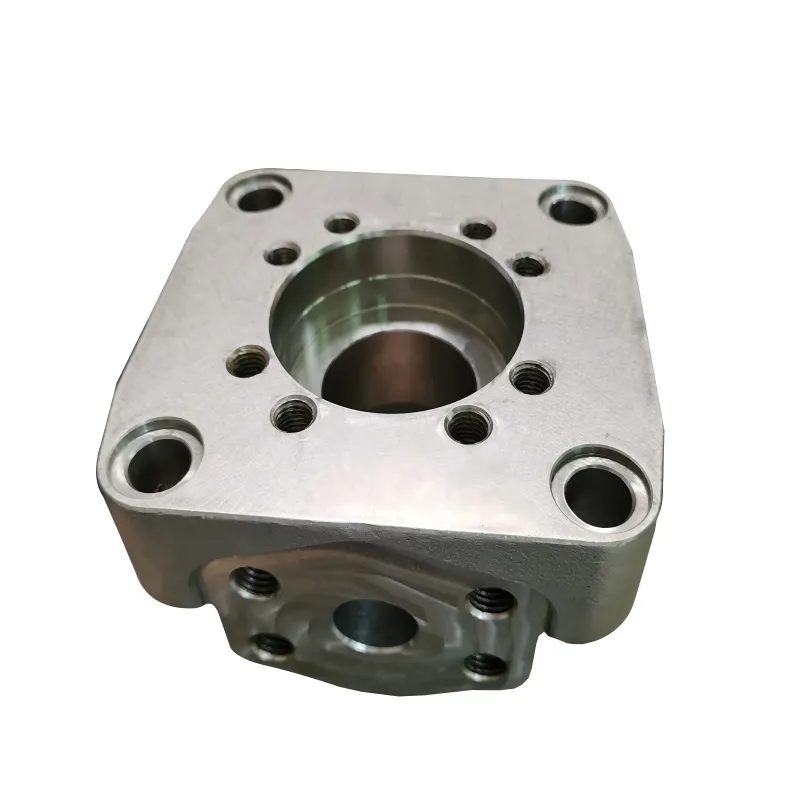
This is what our setup at Qingdao Qiangsenyuan Technology Co., Ltd. (QSY) is built around. The vertical integration isn't a buzzword; it's a necessity for control. When a client sends us a model for a valve body, our engineering team doesn't just look at the part. We design the wax assembly (how multiple parts are gated together on a 'tree'), simulate the mold filling and solidification to predict shrinkage porosity, and then plan the CNC machining workholding on the same digital model. This front-loaded engineering is critical. A well-designed casting process minimizes the amount of metal to be machined away later, saving both tool wear and material cost, especially on expensive cobalt-based alloys.
I recall a failure that taught us this lesson permanently. A client insisted on using their own wax injection tooling for a series of marine fittings. The tool was old, the wax patterns had slight variations. We cast them, machined them, and then found a batch-to-batch variation in wall thickness that caused some to fail pressure testing. The problem originated in the wax, magnified in the shell, and was impossible to correct in machining. Since then, we prefer to control, or at least rigorously audit, the entire chain. Our website, tsingtaocnc.com, outlines this capability, but the real proof is in the first-article inspection reports we generate.
The machining side isn't just an add-on. Machining a cast surface is different than machining a wrought billet. The skin can have slight hardness variations, and the fixturing has to account for the sometimes-irregular casting datum surfaces. Our machinists are accustomed to this. They know how to take the first cut to establish a true datum from an 'as-cast' part, which is a skill in itself.
Material Nuances: It's Not Just a Grade Number
Working with special alloys means understanding their behavior beyond the data sheet. Take a nickel-based alloy for high-temperature service. Its casting parameters are a tight dance. Pour too hot, you get excessive grain growth and slag reactions. Pour too cool, you get mistruns. The post-casting heat treatment is also part of the casting process, not a separate step. For precipitation-hardening grades, the solution treatment and aging cycle must be developed in tandem with the casting design to achieve the specified mechanical properties throughout the part, not just on a test coupon.
We keep detailed logs for each alloy family. The pour log for a batch of duplex stainless steel will note furnace atmosphere, tap temperature, and even the weather (humidity affects the shell dewaxing process). This traceability is non-negotiable for defense and aerospace clients, but it's good practice for everything. It turns art into a repeatable engineering discipline.
The Real-World Compromise and The Takeaway
So, what's the professional judgment here? Precision investment casting is a powerful tool, but it's not a standalone solution. Its power is fully unlocked when it's conceived as the first step in an integrated manufacturing sequence. The goal is not to achieve a perfect as-cast part (though we strive for it), but to achieve the most cost-effective and reliable route to a finished, high-integrity component. It requires deep collaboration between the client's designer and the foundry's process engineer from day one.
The biggest successes we've had are when clients come to us at the concept stage. We can advise on draft angles, wall thickness uniformity, and feature consolidation to make the part not just castable, but optimally manufacturable. Sometimes that means suggesting a slight design change that saves 20% in unit cost with no performance loss.
After 30 years, the trend I see is towards more of this synergy, not less. As materials get more advanced and designs more integrated, the line between casting and machining blurs. The shop floor of a company like QSY is that line, blurred into a single, controlled workflow. That's where the real precision is born—not just in the mold, but in the management of the entire journey from molten metal to a part in a box, ready for a demanding application. It's less about spectacular individual steps and more about relentless, documented consistency across hundreds of steps. That's the unglamorous truth of it.