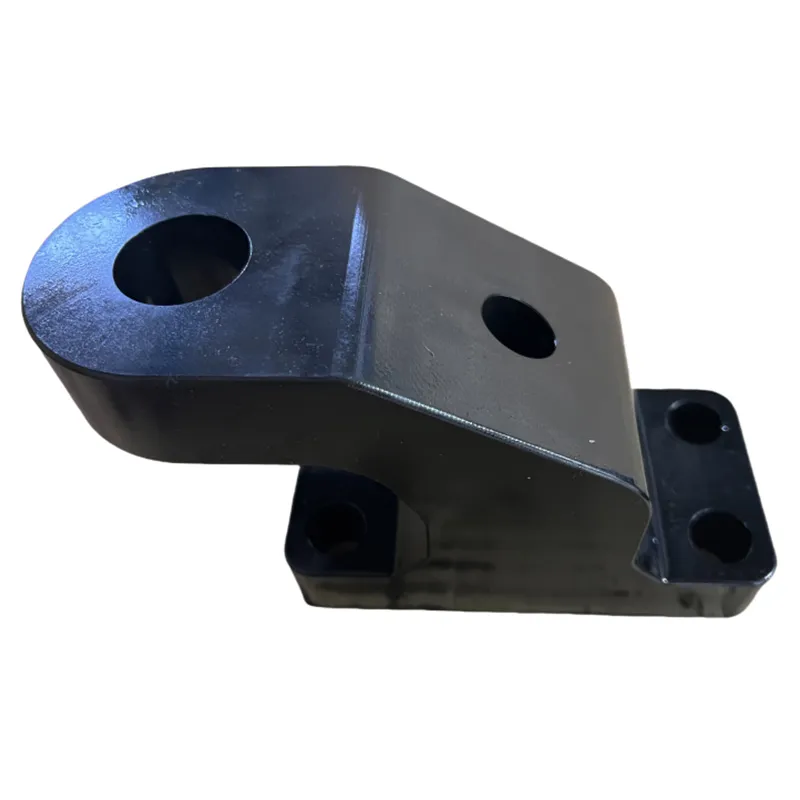
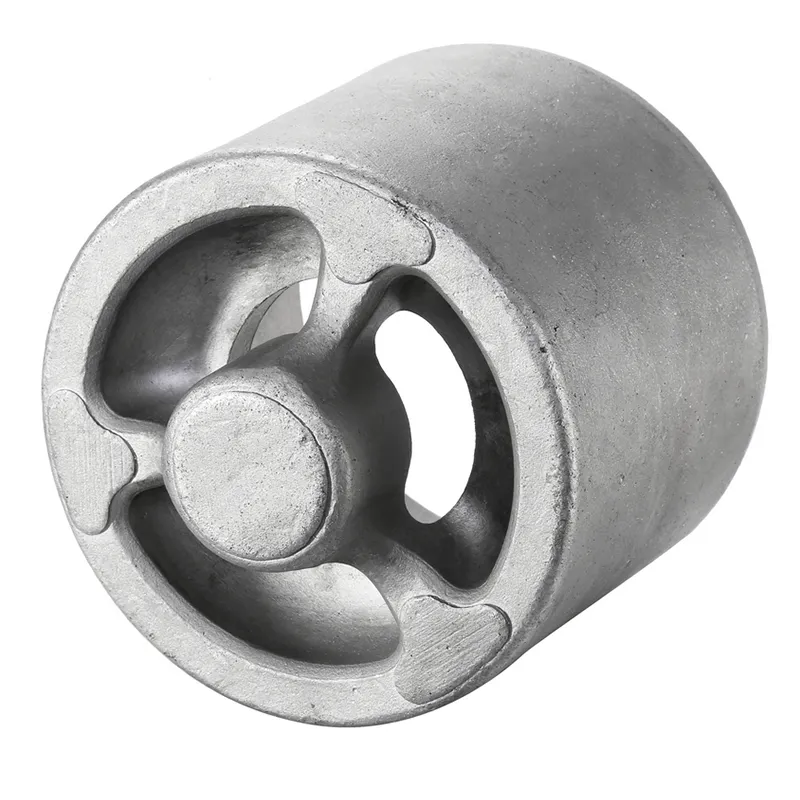
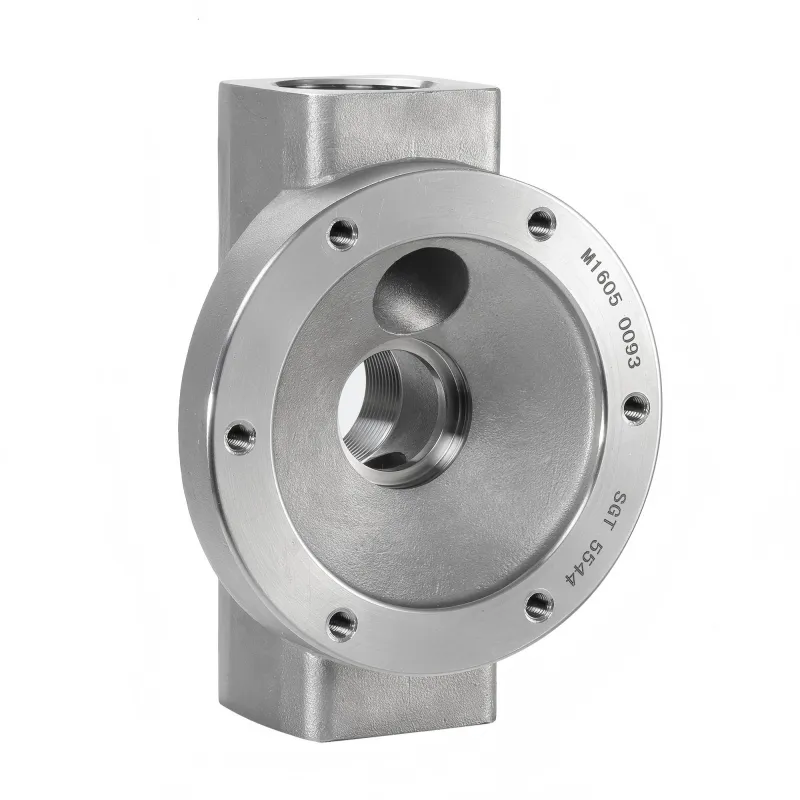
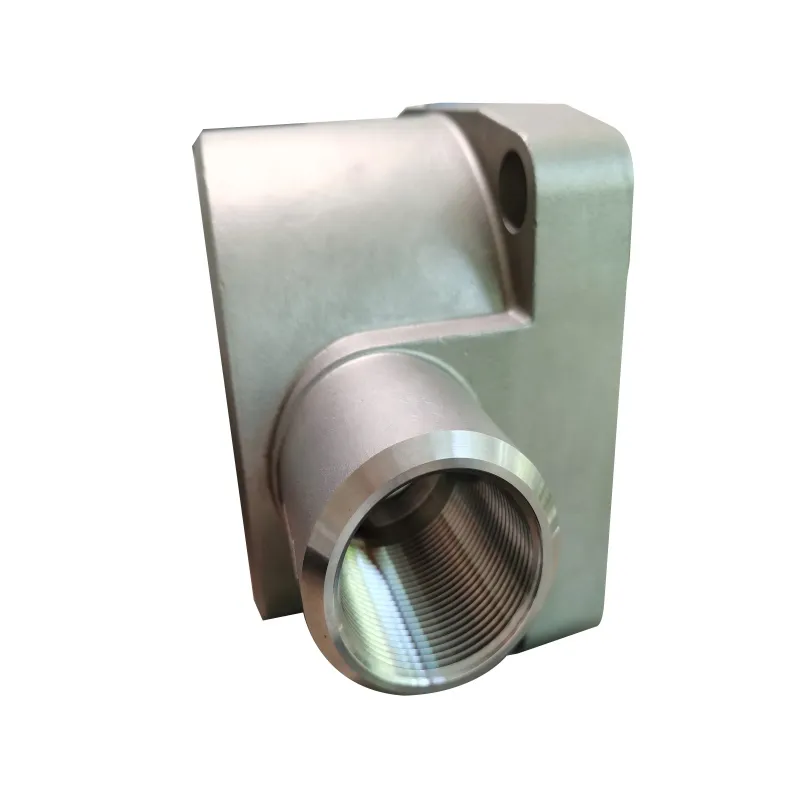
When you hear 'precision investment casting company', what comes to mind? Probably a clean brochure with shiny parts and claims of micron-level accuracy. The reality, the day-to-day grind, is far messier and more interesting. The real precision isn't just in the spec sheet; it's embedded in the accumulated grit of handling wax patterns on a humid day, in the judgment call on shell thickness for a thin-walled turbine blade, and in the quiet panic of a first-article inspection. Too many shops sell the dream of 'complex geometries' but stumble on the basics—consistent gating design, thermal management during dewaxing, or simply achieving a decent surface finish on 17-4 PH stainless without resorting to excessive machining. That's where the line gets drawn.
The Foundation: It's All About the Process Chain
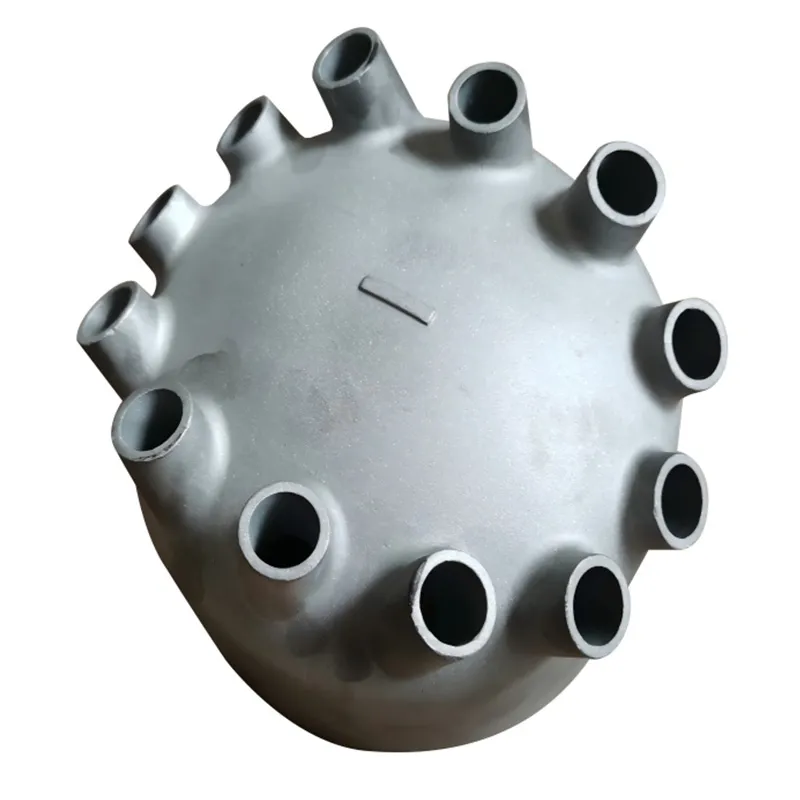
You can't talk precision without dissecting the chain, link by link. It starts with the mold for the wax pattern. If that's off, everything that follows is just expensive scrap. I've seen shops pour money into fancy 5-axis CNC for wax tooling but neglect the cooling line design, leading to pattern warpage that only shows up after the ceramic shell is built. The shell itself is an art—each dip and stucco application isn't just a step; it's a thermal barrier being constructed. Too many layers, and you risk shell cracking during the high-temperature burn-out; too few, and you get a breakout, a personal nightmare where molten metal meets sand floor. The choice of binder, zircon vs. fused silica flour for the face coat... these aren't catalog selections. They're decisions based on the alloy being poured. Pouring superalloys like Inconel 718? You need that first coat to be chemically inert to prevent surface reactions. A company that gets this, like QSY (Qingdao Qiangsenyuan Technology), with their 30 years, you can bet their process sheets have these details hammered out through trial and, yes, error.
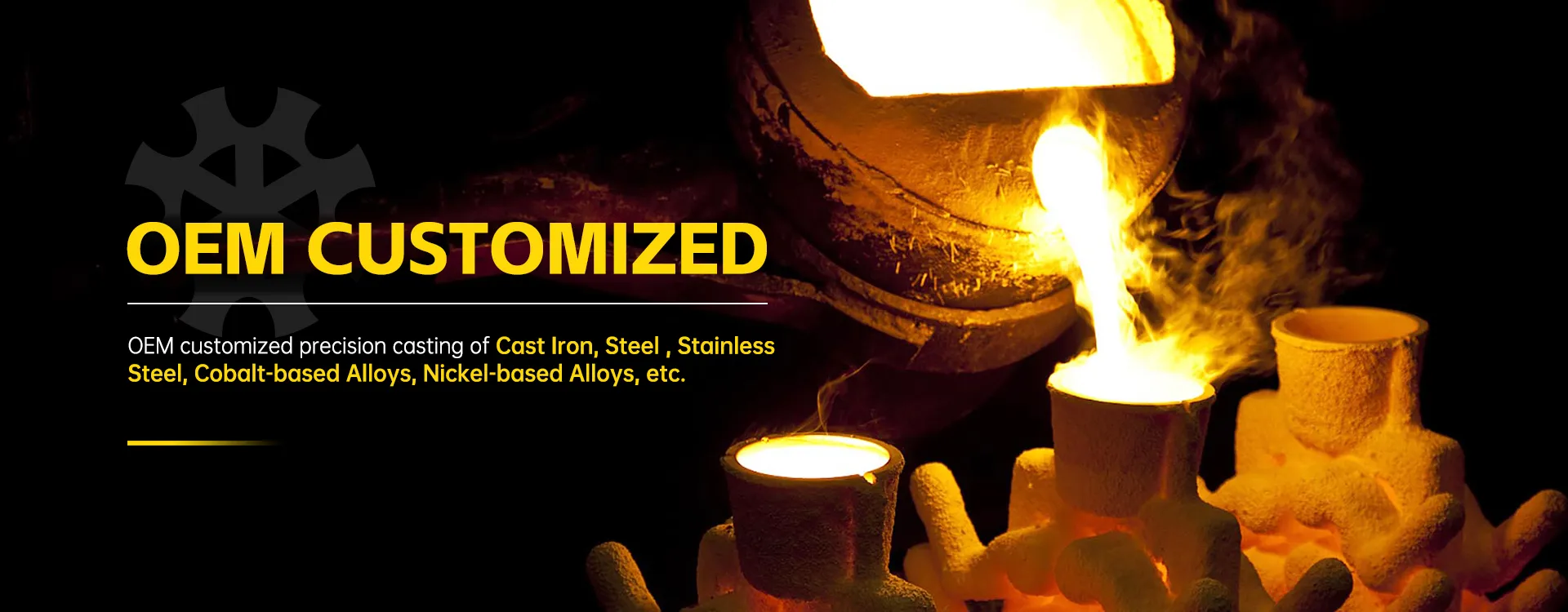
Then there's the melt and pour. 'Precision' here feels almost like a misnomer. It's controlled chaos. You're balancing the furnace temperature, the metal's fluidity, and the need to fill the mold completely before any section solidifies. For thin sections, sometimes you need to preheat the shell, a delicate operation that if overdone, weakens it. We learned this the hard way on a run of sensor housings. The geometry had these long, slender channels. First few pours, cold shell, misruns. We preheated, but got overzealous, and the shells cracked during handling. The fix wasn't in a manual; it was a slower, staged preheat and a tweak to the gating to act as a better thermal sink. That's the kind of precision investment casting detail you only get from repetition.
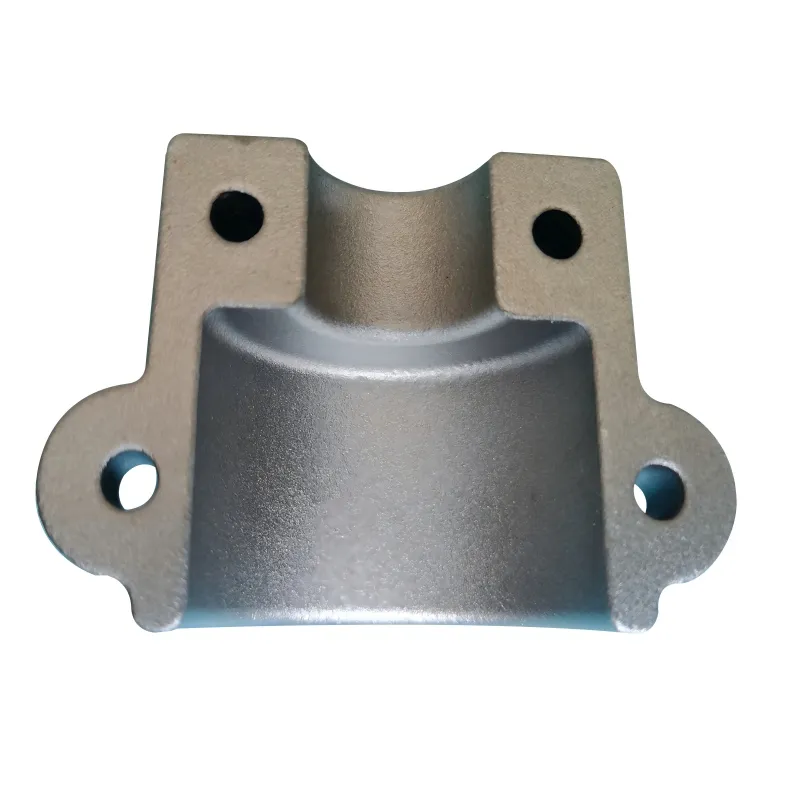
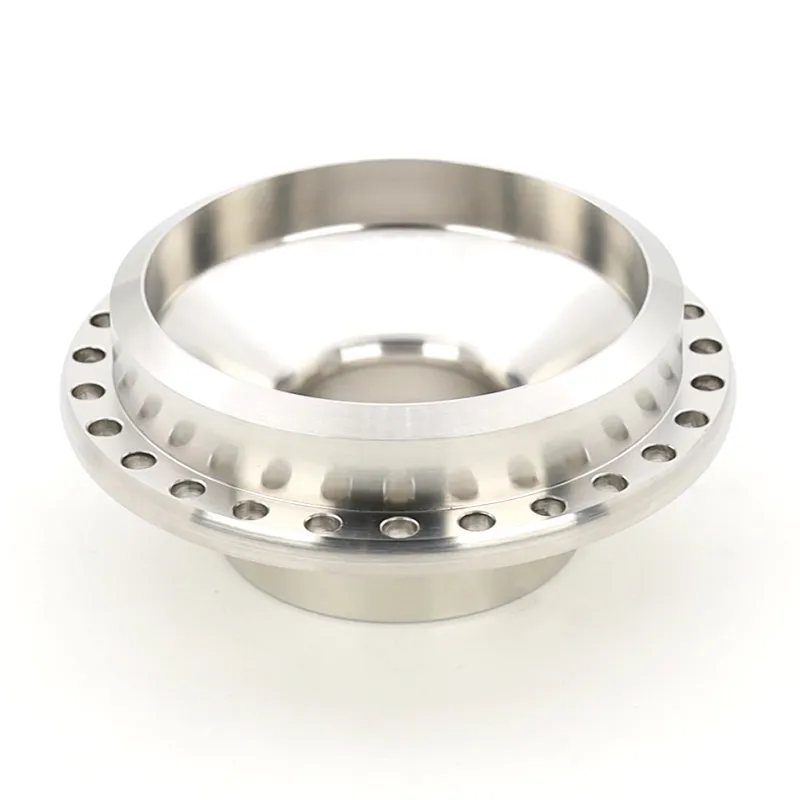
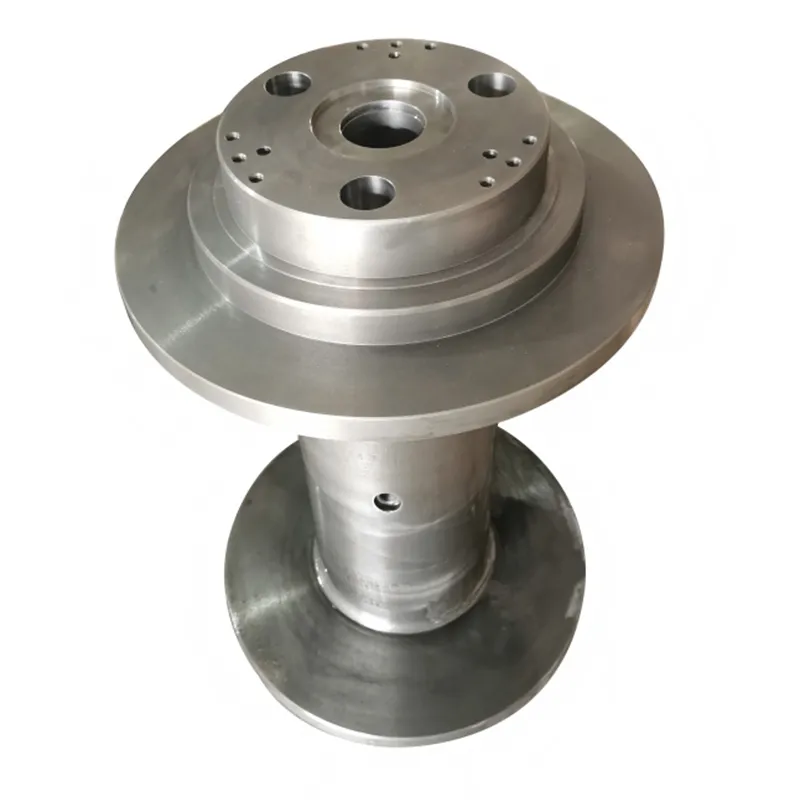
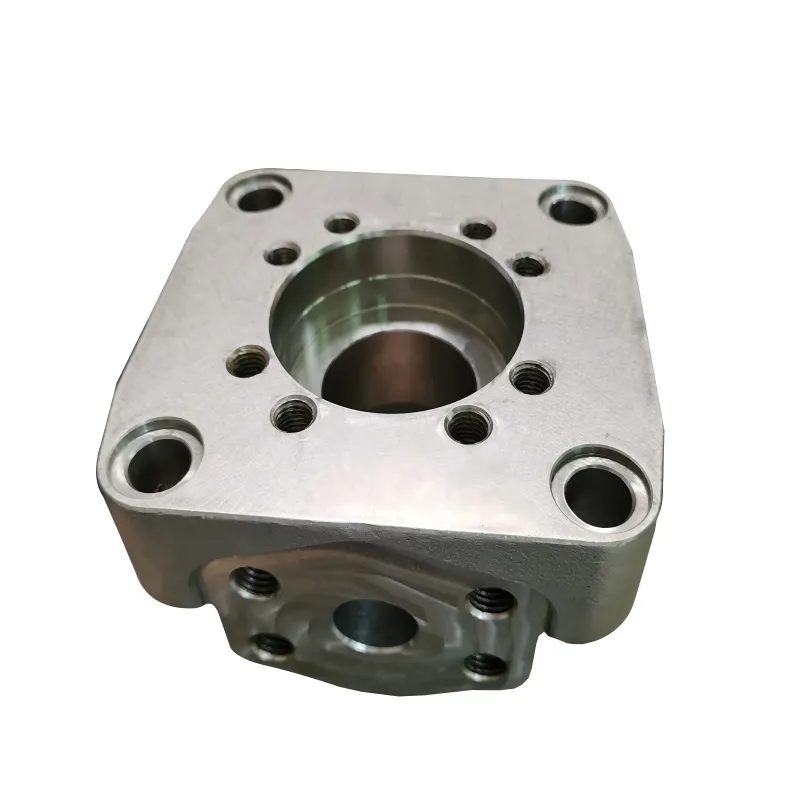
Finishing is where the promise is either realized or lost. This is where many claim 'net-shape' but quietly budget for heavy machining. True precision casting minimizes stock allowance. It means your cut-off points are planned from the design phase, your gates are placed not just for flow but for easy removal without damaging the part. A good precision investment casting company will have its CNC machining in-house, not just as an add-on, but as an integrated final step. Why? Because the same team that cast the part understands the skin depth, the potential for residual stress, and the exact datum points. When I look at QSY's setup, the fact they list investment casting and CNC machining as co-specializations isn't a sales tactic; it's a logical workflow. You cast a complex valve body in duplex stainless steel, and you machine the sealing faces in the same facility, under the same quality umbrella. The feedback loop is tight.
Materials: Where Theory Meets the Crucible
Carbon steel, 316L, cast iron—these are the bread and butter. But the real test of a foundry's mettle is in the exotic alloys. Nickel-based and cobalt-based superalloys are a different beast. They're not just 'harder to machine'; their entire casting behavior changes. They have narrow solidification ranges, are prone to hot tearing, and can be reactive with oxygen or nitrogen if the pour isn't controlled. I remember a project involving a cobalt-chrome component for a dental implant. The bio-compatibility requirement was paramount, meaning zero surface contamination. The standard shell system wasn't cutting it; we had to switch to a special alumina-based face coat. The yield rate was brutal for the first month. This is where experience, or a lack thereof, gets brutally exposed. A precision investment casting company that casually lists 'special alloys' on its website better have the metallurgical logs and the scrapped parts to prove they've done the homework.
It's not just about pouring them. It's about heat treatment. Many of these alloys derive their properties—their tensile strength, corrosion resistance—from specific post-casting heat cycles. If your foundry just casts and ships, they're handing off a potential time bomb. The part might pass initial inspection but fail in service because the microstructure wasn't stabilized. The integration of foundry and metallurgy is non-negotiable for precision work. You need to control the story from liquid to finished part.
This brings me to a practical point: material traceability. It sounds bureaucratic, but it's the bedrock of reliability. For any critical component, you need to know the heat number of the master alloy, the chemistry reports, and which shell batch it was poured into. When a problem arises six months later, this data is worth its weight in gold. It turns a blame game into a solvable engineering problem. A professional operation will have this system ingrained, not as an afterthought for aerospace clients, but as standard practice.
The Human Factor: Gauges, Eyes, and Gut Feel
No amount of automation replaces the seasoned eye. I'll say it. A good process engineer can walk past a rack of drying shells and spot one with a potential laminar defect by the sheen, or lack thereof. The 'precision' in investment casting is often locked in these qualitative checks. The first-article inspection is a ritual. You're not just verifying dimensions with a CMM; you're looking at grain structure under a microscope, checking for micro-porosity with penetrant testing, assessing the surface finish against a physical comparator. Does it feel right? This intuition is built on seeing thousands of parts, good and bad.
Training this eye takes time—years. That's why the 30-year history of a firm like QSY isn't just a marketing line; it represents institutional memory. It means there are people on the floor who remember when a similar geometry failed in 2005 and how they fixed it. That knowledge isn't always perfectly documented in a SOP; it's passed on during shift changes and problem-solving huddles. This human layer is the ultimate quality control, catching things a programmed scanner might miss.
But it's a double-edged sword. Reliance on 'tribal knowledge' can be a weakness if not backed by data. The best shops I've worked with combine the two. The veteran operator suspects a wax injector is running cool; they check it against the historical pressure/temperature logs for that mold. The data confirms the gut, and a correction is made. This synergy is what creates robust, repeatable precision investment casting processes, not just lucky batches.
When Precision Fails: Learning from the Scrap Bin
Anyone who hasn't made scrap hasn't made anything. The key is what you do with it. Early in my time, we had a flagship order for a series of marine impellers in bronze. The design was ambitious—thin, curved vanes. First production run, 70% failure rate from mistruns and cold shuts. The immediate reaction was to blame the metal temperature. We raised it. More failures, now with shrinkage porosity. We were chasing symptoms.
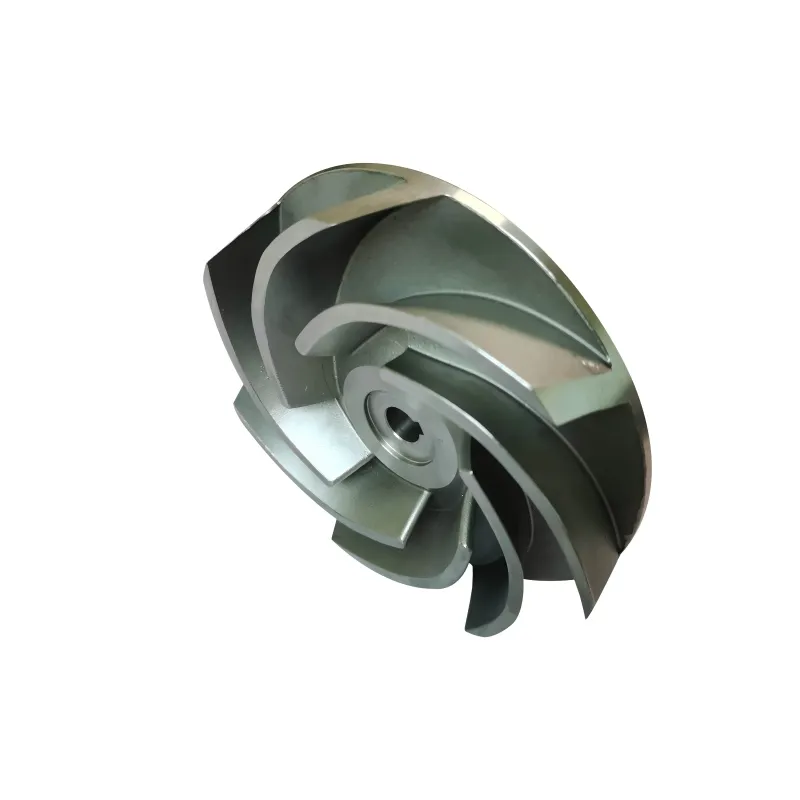
The real problem, uncovered after a week of frustration, was two-fold. First, the wax assembly (the 'tree') was too dense, causing the shell to cool too rapidly in the center during burnout. Second, the gating was inadequate to feed those thin vanes. We had to go back to the wax pattern design, increase the gate sizes, and space the patterns differently on the tree. It cost us time and money, but that failure taught me more about thermal mass and feeding than any textbook. A quality-focused precision investment casting company will have a formalized non-conformance process that forces this kind of root-cause analysis, not just a quick fix to ship the order.
Another common pitfall is communication failure with the designer. Engineers designing for machining often don't understand draft angles, natural shrinkage, or the need for uniform wall thickness for casting. It's the foundry's job to consult, to say, We can cast that, but if you allow a 0.5mm radius here instead of a sharp corner, your yield and cost will improve dramatically. This design-for-manufacturability (DFM) feedback is a critical service. It's not about saying no; it's about collaborating to make the part castable and precise. Looking at a portfolio from an established player, you can often see this evolution in their case studies—the designs become more cast-friendly over time, a sign of a true partnership, not just a order-taker.
The Integrated Model: Casting as a Component, Not the End
This is where the industry is heading, or where the successful players already are. Precision investment casting is rarely the final step. The part needs machining, maybe welding, heat treatment, surface coating. Having these competencies under one roof, or in tightly managed partnership, changes everything. It reduces lead times, ensures quality continuity, and simplifies logistics. When the casting and machining teams are in the same building, they can sit down with the part and the drawing. The machinist can point out where a slight shift in the casting core would give them a better datum. The foundry engineer can explain why a certain surface has a slightly higher as-cast roughness.
This is the model that makes sense for complex, high-value components. You see it in operations that serve demanding sectors like energy, aerospace, and medical. It's not just about having a CNC machine; it's about the process integration. For instance, a company providing a full turnkey solution from casting to finished machined part, like the services implied by QSY's combined offering, can control the entire value chain. This eliminates the finger-pointing that happens when a casting gets rejected at a separate machine shop. The accountability is clear.
Ultimately, the label 'precision investment casting company' is earned, not claimed. It's earned in the consistency of batch 100 matching batch 1. It's earned in the ability to handle not just the straightforward jobs but the near-impossible ones, the ones that require material science, process engineering, and hands-on skill to converge. It's in the details: the maintenance logs for the autoclave, the calibration stickers on the micrometers, the organized but well-used look of the quality lab. The precision is in the system, and the system is built by people who have seen what happens when it breaks down. That's the real story, far from the shiny brochure.