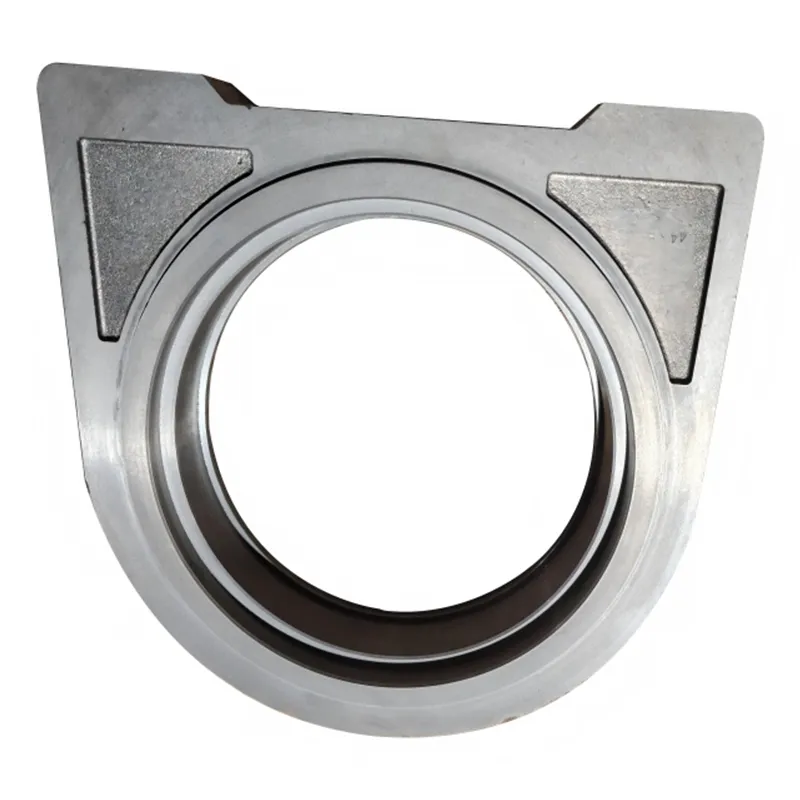
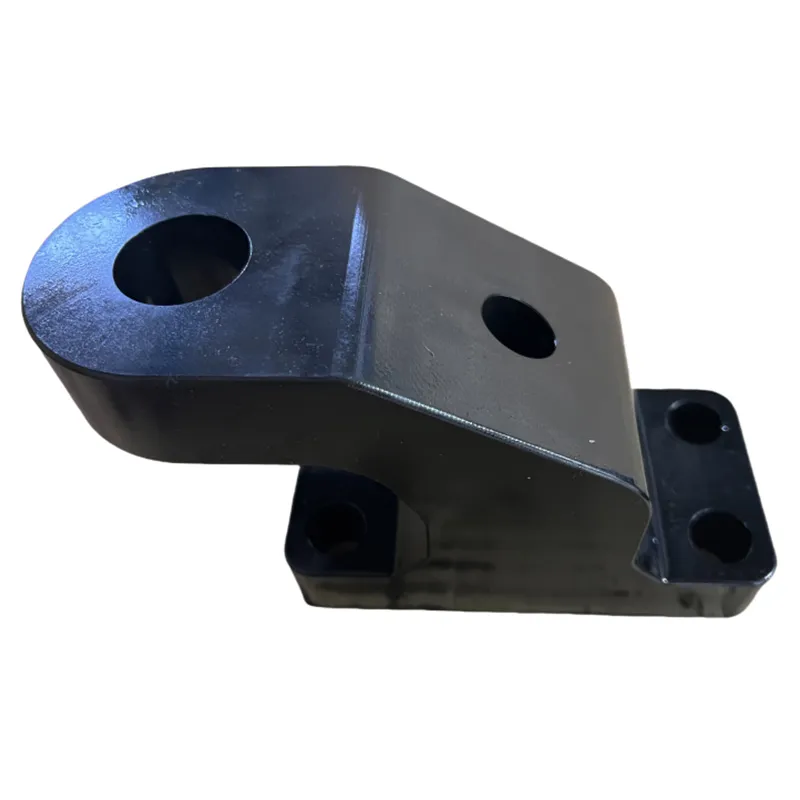
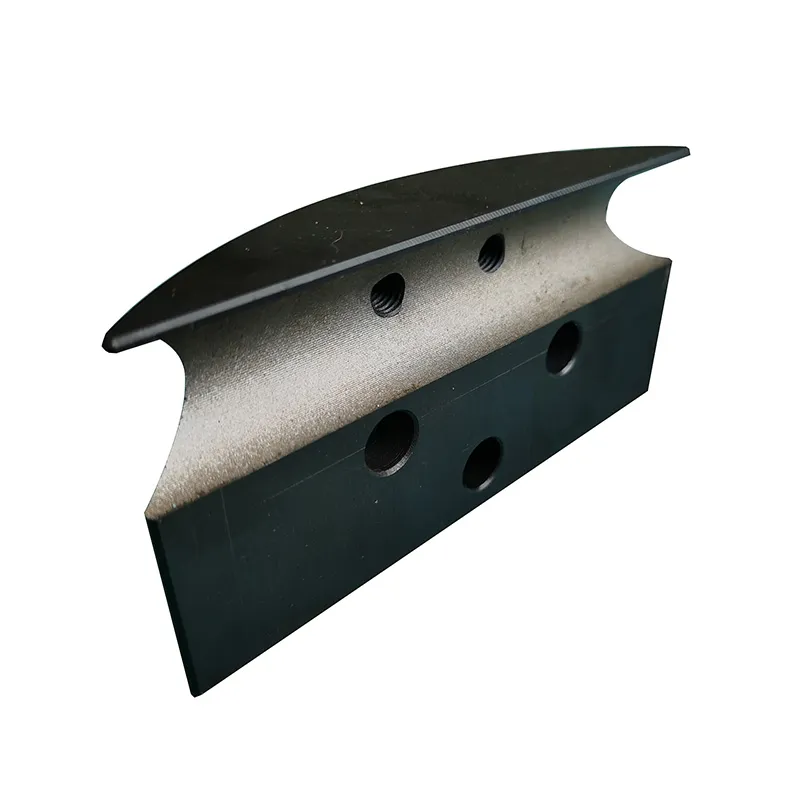
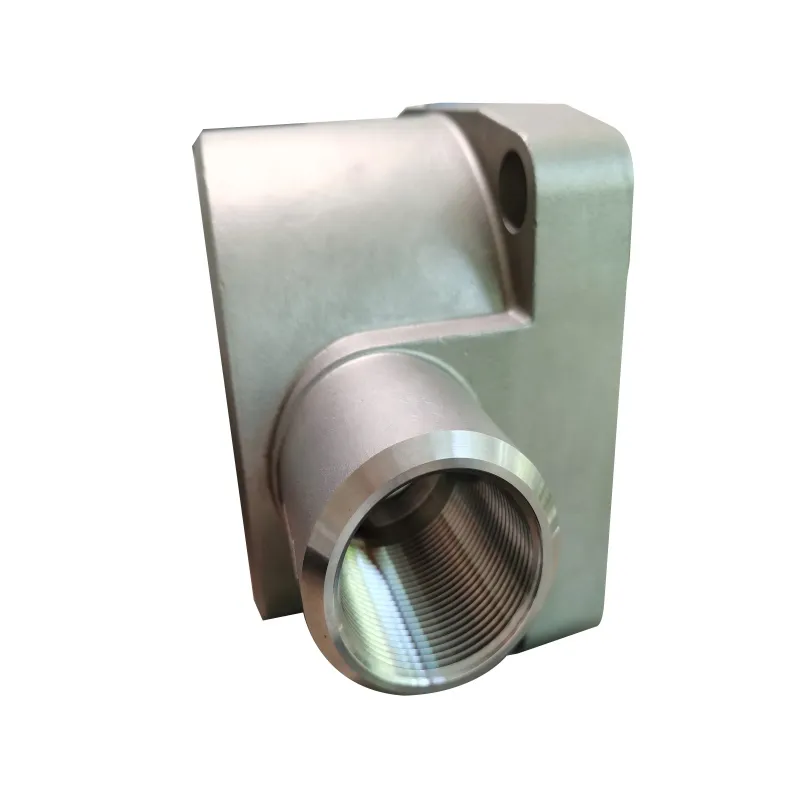
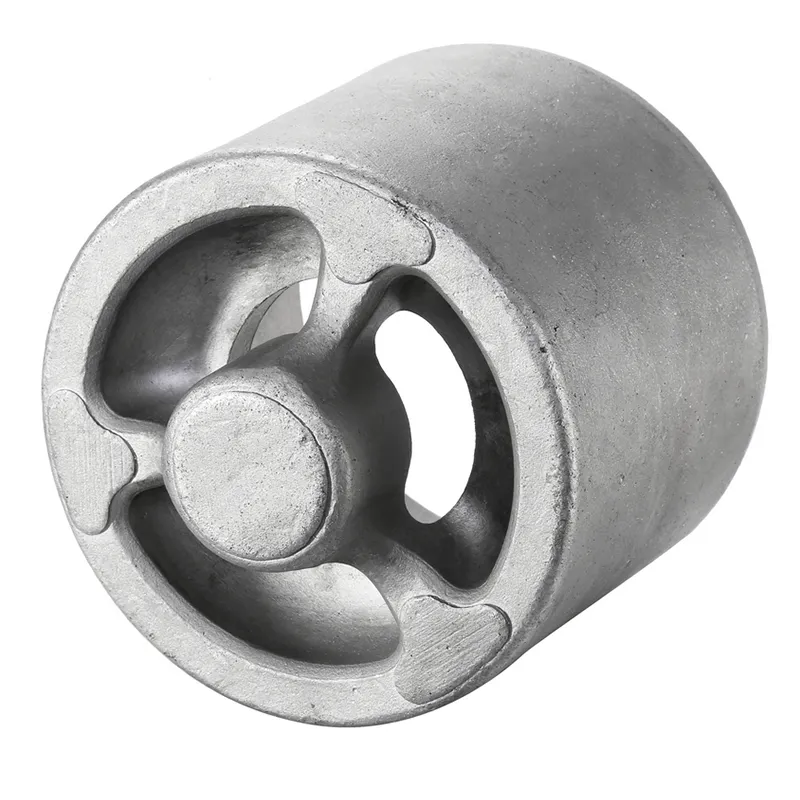
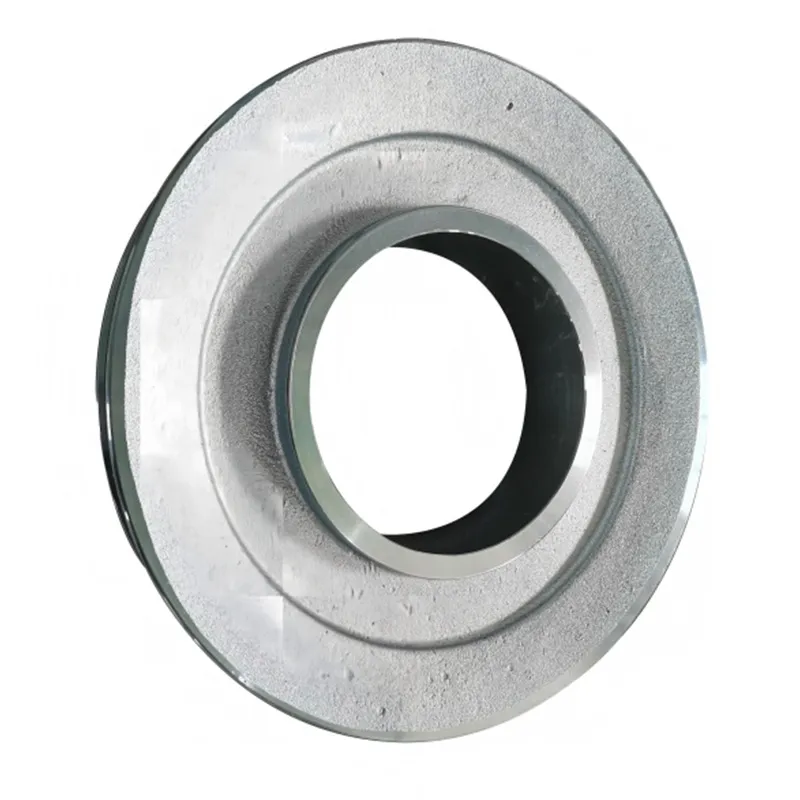
When you start looking for precision investment casting suppliers, you quickly realize it's not just about finding someone who can pour metal into a mold. The term gets thrown around a lot, often conflated with general casting or even machining shops that dabble in it. The real gap lies in understanding the process depth—the journey from a wax pattern to a finished, net-shape component with those tight tolerances, often within a couple of thousandths of an inch. Many buyers, especially those new to specifying castings, think it's all about the material certs. Sure, that's critical, but it's just the ticket to the game. The real test is in the process control, the gating design, the shell building, the dewaxing furnace cycles... things that don't make it onto a glossy brochure. I've seen projects stall because the supplier had great marketing on investment casting but their foundry practice was stuck in the 90s, unable to handle the thermal dynamics of modern superalloys.
The Core of Precision – It's a System, Not a Feature
Let's break down precision. In this context, it's not an adjective you add for flair. It's the outcome of a controlled system. A true precision investment casting supplier has that system embedded in their workflow. I remember evaluating a shop years ago. They showed me beautiful finished parts, surface finish was Ra 125, looked perfect. But when we got into first-article inspection, the dimensional variation on the internal channels was all over the place. The issue? Their wax injection process wasn't temperature-stable. The wax patterns were shrinking inconsistently, and that variation propagated all the way to the final metal part. They were good casters, but not precision casters. The difference is in controlling every variable, from the wax room humidity to the final heat treat quench rate.
This is where you see the split between general jobbing foundries and specialists. The specialists, like the team at Qingdao Qiangsenyuan Technology Co., Ltd. (QSY), often come from a background where they've had to solve these systemic problems. On their site, tsingtaocnc.com, they don't just list investment casting as a service; they frame it alongside shell mold casting and CNC machining. That's a telling detail. It suggests an integrated approach. The precision often isn't achieved in the casting alone; it's in knowing how to design the casting for minimal subsequent machining, or how to fixture a complex casting for accurate CNC work. Their three decades in casting and machining point to that practical, end-to-end mindset.
Material selection is another layer. Anyone can claim to cast stainless steel. But when you get into the specifics—say, a CF8M for corrosive service versus a 17-4 PH for strength—the supplier's metallurgical expertise gets tested. Can they control the ferrite content? Do they understand the aging cycle for 17-4? QSY's mention of working with cobalt and nickel-based alloys is a signal. These are not easy materials. They have high melting points, are prone to hot tearing, and require precise solidification control. A supplier comfortable with these is likely to have the foundational process rigor needed for precision work in more common alloys too. It's a good proxy for capability.
Where Sourcing Goes Wrong – The Pitfalls
The biggest mistake I've made, and seen repeated, is prioritizing unit price over total cost. You find a precision investment casting supplier with a quote 30% lower. Great, right? Then the first batch arrives. Dimensional outliers cause a 40% scrap rate at your machining vendor. The surface pitting requires extensive hand polishing. Suddenly, that cheap unit cost is meaningless. The real cost includes yield, rework, and schedule delays. A reliable supplier might have a higher piece price but a consistently high yield, meaning you order fewer parts to get the same number of good ones. Their process stability is the value.
Communication is another silent killer. You send a 3D model and a PDF drawing. A month later, the samples are wrong. Why? Perhaps the supplier made assumptions about draft angles or machining stock allowances that weren't explicitly called out. Or maybe your design had an un-castable feature they didn't flag. A good supplier will engage in a design review. They'll send back a marked-up drawing with suggestions: This wall thickness transition is sharp, risk of shrinkage. Suggest a radius here. or This tolerance is achievable but will increase cost; is it critical? This dialogue is part of the service. It's what you're really buying. From the brief on QSY's site, their long-term operation suggests they've learned the hard way that clear communication upfront saves immense trouble downstream.
Then there's the inspection and documentation trap. You need material certs, first-article inspection reports, maybe even PPAP. Some smaller shops treat this as a bureaucratic hurdle. They'll provide a generic cert or a sloppy report. A professional supplier has a quality system integrated into production. They know which dimensions are critical and will provide Cpk data for them. They can trace the heat number of the alloy back to the mill. This infrastructure isn't cheap, but it's non-negotiable for aerospace, medical, or high-end industrial applications. It's the backbone of trust.
The Integration Advantage – Casting and Machining Under One Roof
This is a point worth its own focus. Many investment casting suppliers are just that—foundries. You get a raw casting, and then you have to manage the logistics, quality, and technical handoff to a machine shop. This creates friction. Dimensional benchmarks shift. The machinist might blame a casting inconsistency for a tolerance miss, and the foundry might blame the machining fixturing. It's a classic blame game.
A supplier that offers integrated CNC machining, like QSY, short-circuits this problem. They become responsible for the final part geometry. This alignment of incentives is powerful. Their machining team works directly with their casting team. If a core shift is causing a machining issue, they solve it internally by adjusting the mold or the machining program. They can design the casting with specific datums and stock allowances optimized for their own CNC processes. This often leads to a more robust and cost-effective manufacturing route.
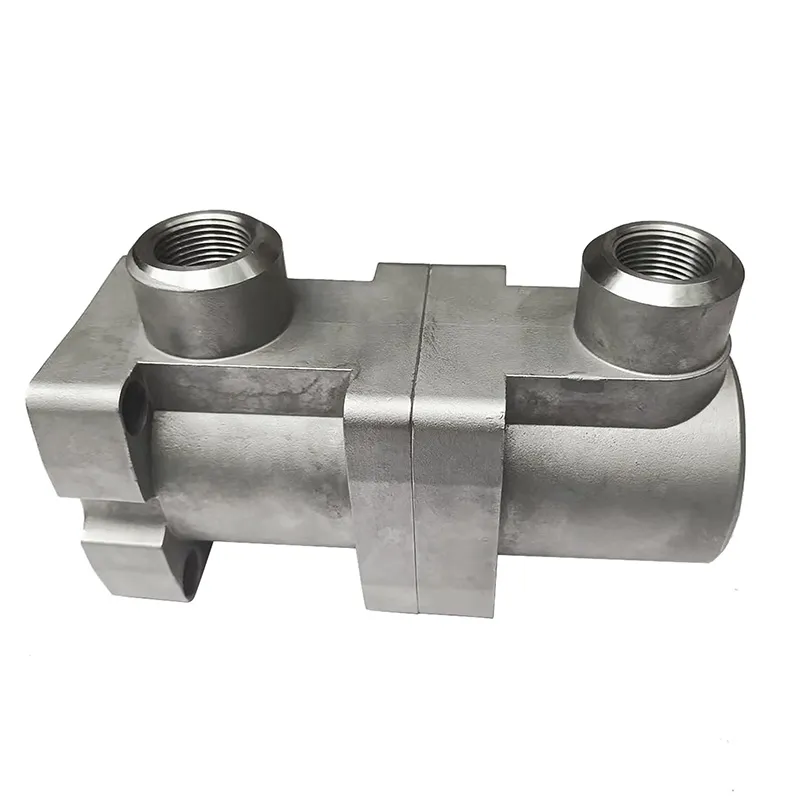
I recall a valve body project. The part had multiple angled ports and needed high-pressure sealing surfaces. We first tried a standalone foundry. The castings were okay, but holding the positional tolerance between the port faces was a nightmare during external machining. We switched to an integrated supplier. Their solution was elegant: they cast in integral location pads that served as both part of the casting and primary fixturing points for their CNC setup. The yield went from 65% to over 95%. The lesson was that the precision was achieved in the synergy between the two processes, not in either one in isolation.
Evaluating a Supplier – Look Beyond the Website
A website like tsingtaocnc.com gives you the basics: capabilities, materials, years in business. That's the starting line. The real evaluation begins with a technical conversation. Ask them about a specific challenge: How would you approach a thin-walled tubular part in Hastelloy X to prevent distortion? Listen. Do they talk about directional solidification, ceramic core design, stress relief cycles? Or do they give a vague assurance? Ask for a process flow chart for a typical job. Do they have a defined FMEA (Failure Mode and Effects Analysis) for their process?
Request samples—not just showpieces, but samples of parts similar to what you need. Examine the as-cast surface. Look at the gate and riser removal points. Are they clean, or is there evidence of brutal removal that could have induced stress? Put a pair of calipers on it. Check dimensions they claim to hold. Even better, ask for the inspection report for that sample part and see if the data matches the physical part.
Finally, talk about capacity and lead time realistically. A good precision investment casting supplier is usually not the cheapest or the fastest for a one-off. The process takes time. Tooling needs to be made or modified. Shells are built layer by layer. Rushing it compromises quality. A supplier who promises an unrealistically short lead time for a new complex part is either cutting corners or doesn't understand their own process. Honesty about timelines is a sign of professionalism.
Concluding Thoughts – It's a Partnership
At the end of the day, sourcing precision investment casting isn't a transactional purchase. It's forming a technical partnership. You're relying on the supplier's deep, tacit knowledge of a complex art-science hybrid process. The goal is to find a supplier whose process understanding is so ingrained that they can be a true extension of your engineering team.
Companies that have persisted for decades, like QSY with its over 30 years, have likely seen every kind of defect and solved every kind of problem. That institutional memory is invaluable. It means when you bring a new challenge, they're not starting from zero. They have a mental library of past solutions to draw from. That's the intangible asset you're really after—not just a machine that can pour metal, but a collective brain trust that knows how to guide a design through the intricate dance of wax, ceramic, and molten metal to arrive at a precise, reliable component.
So, look past the buzzwords. Dig into the process. Prioritize dialogue and problem-solving posture over a slick sales pitch. The right supplier won't just give you a quote; they'll start asking you smart, sometimes difficult, questions about your part. And that's exactly what you want.