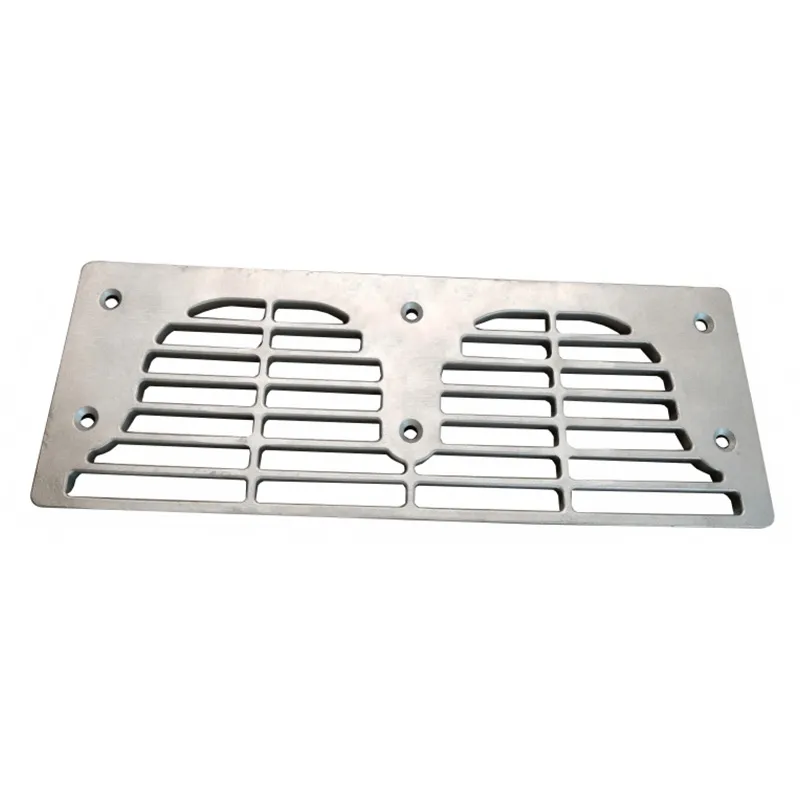
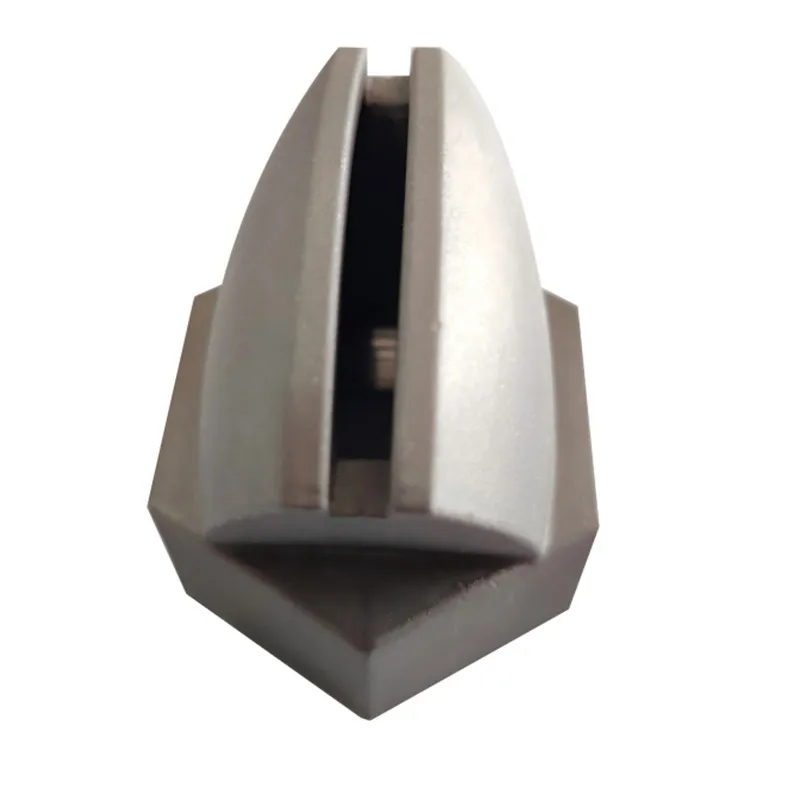
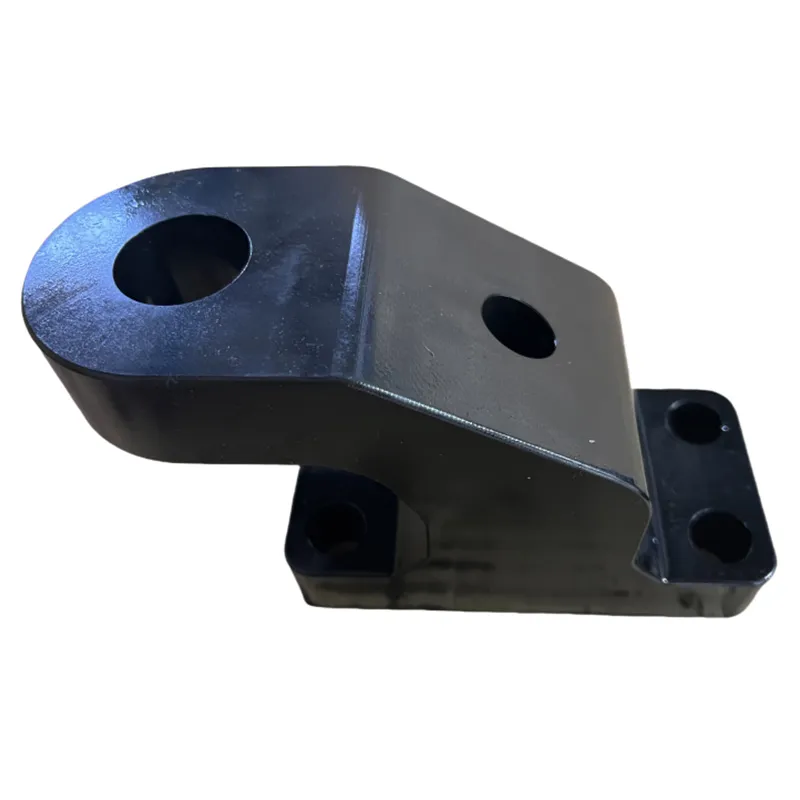
When you hear 'precision machining company', what comes to mind? For a lot of folks, even some procurement guys, it's just a fancy term for a shop with a few CNC machines. That's the first mistake. It's not about the machines; it's about the ecosystem around them. It's the decades of tacit knowledge in setting up a job for a cobalt-based alloy versus a common stainless steel, the unspoken understanding of thermal dynamics during a cut, and the brutal, expensive lessons learned from a tolerance stack-up that looked perfect on paper. I've seen too many RFQs that treat it like a commodity service. They don't realize the gulf between a job shop and a true partner in precision.
The Foundation Isn't Just Metal, It's Memory
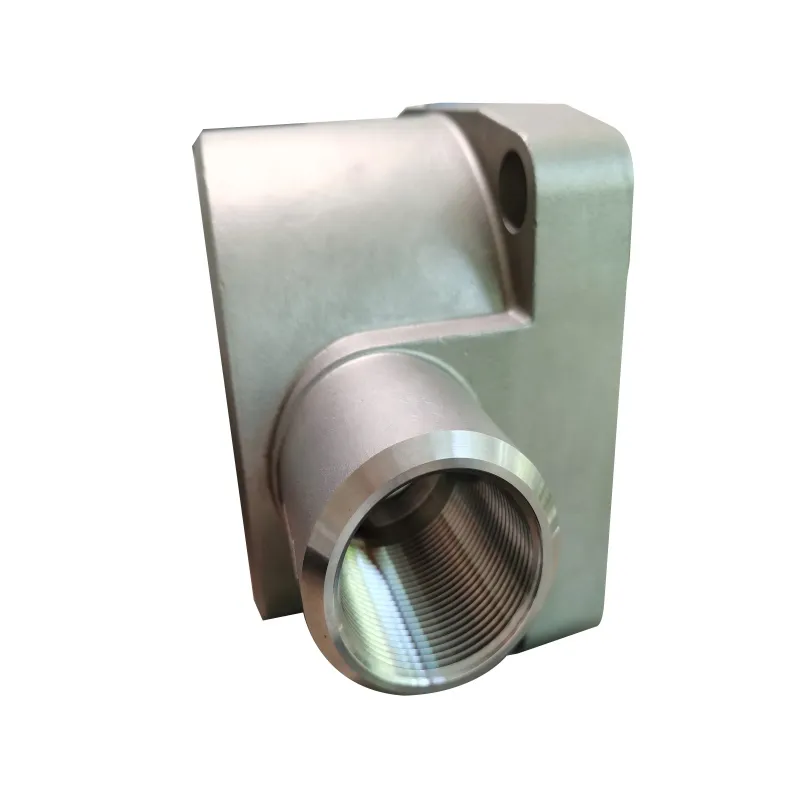
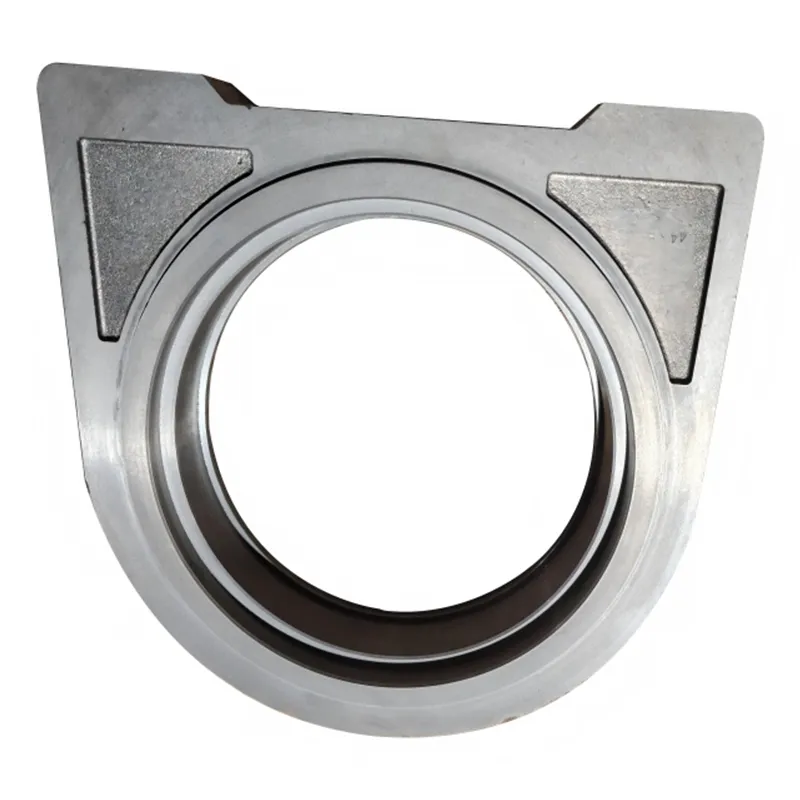
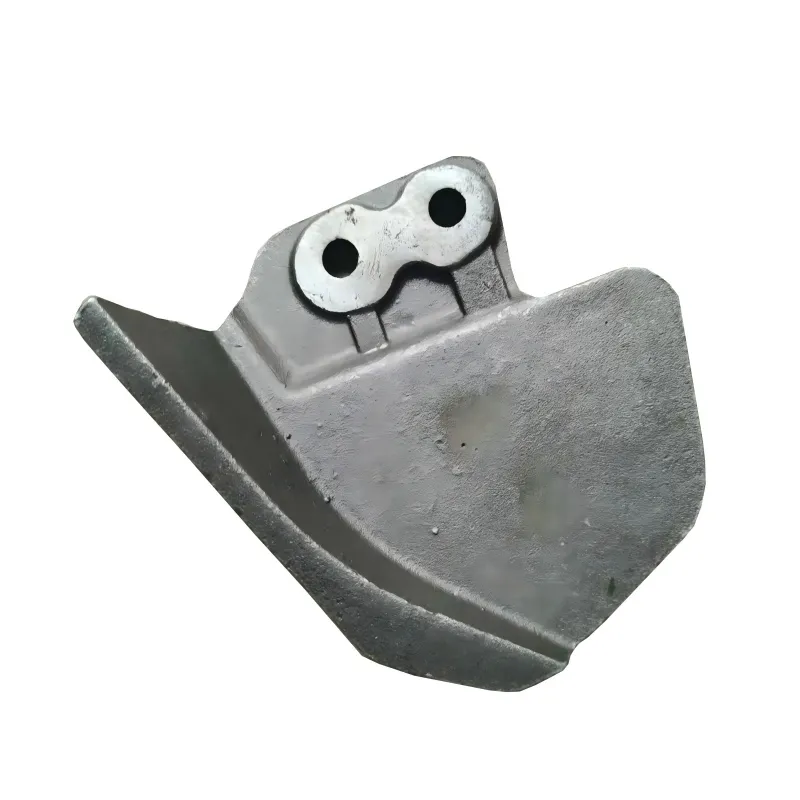
This is where history matters, and I mean real operational history, not just a line on a website. Take a company like Qingdao Qiangsenyuan Technology Co., Ltd. (QSY). You look at their record – over 30 years in casting and machining. That's not just a number. That's institutional memory. It means they've likely seen the evolution of a part from a rough sand casting to a complex investment-cast near-net shape that needs minimal but hyper-critical machining. That background in foundational processes like shell mold and investment casting fundamentally changes how their precision machining division approaches a billet of raw material. They're not just cutting metal; they're finishing a story that started in a mold, with an innate feel for grain structure and stress points that a pure machining house might miss.
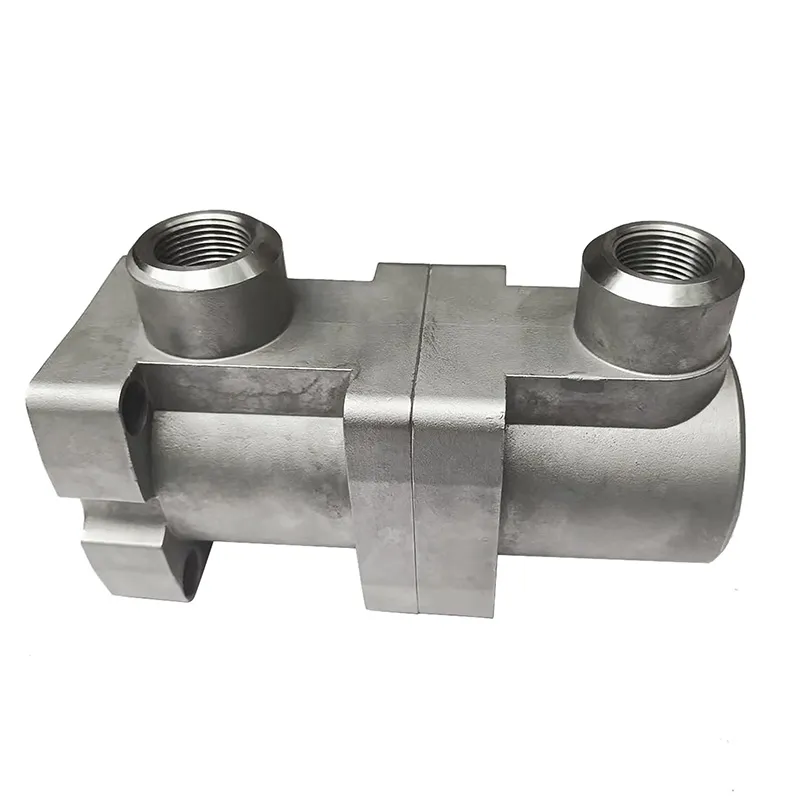
It creates a different kind of efficiency. When your machining team understands the casting process intimately, you can design the casting to minimize machining time and cost from the outset. It’s a feedback loop that takes years to establish. You can't buy that with a new 5-axis machine. I recall a project for a pump housing in duplex stainless steel. The initial design had deep, thin-walled pockets that were a nightmare to cast cleanly and even worse to machine without distortion. Because their teams talked – the foundry guys and the CNC programmers – they suggested a slight draft angle adjustment and a radius change in the casting stage. It added negligible cost to the casting but slashed machining time by about 30% and eliminated a major scrap risk. That's the hidden value.
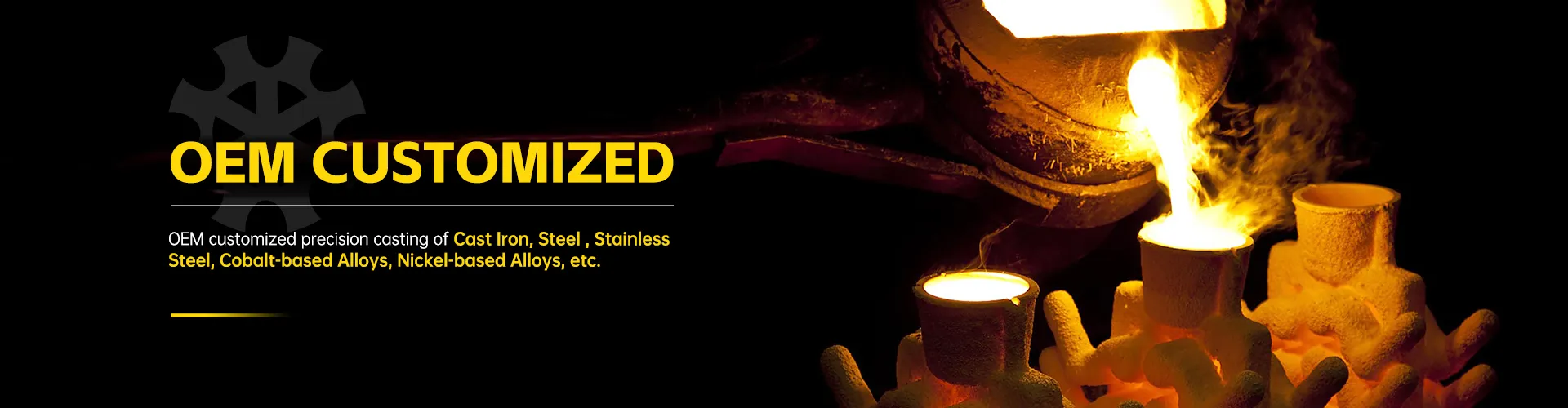
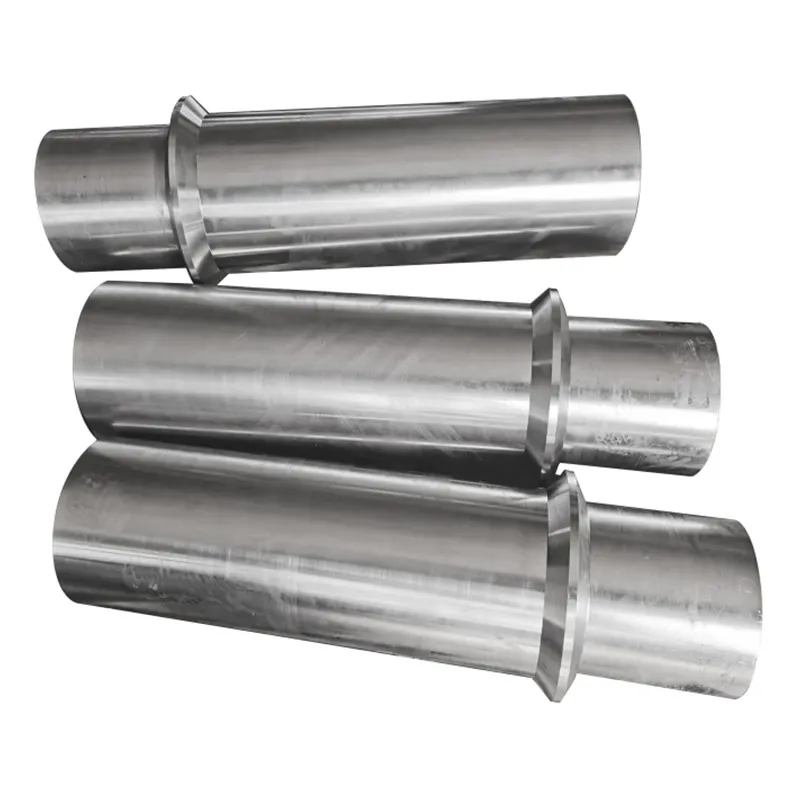
And the materials list tells another story. Cast iron, steel, stainless – that's the bread and butter. But when you see special alloys like cobalt-based and nickel-based alloys listed, you know you're dealing with a different tier. Machining these isn't a matter of just slowing the feed rate. It's a completely different philosophy. Tool wear is exponential, heat management is critical, and the cost of a scrapped part is staggering. A company that openly works with these isn't just a precision machining company; it's a problem-solving partner for extreme applications. You learn to respect the material, or it will bankrupt you.
Where Precision Actually Lives (It's Not the CAD Model)
Everyone focuses on the final tolerances, the ±0.005mm callouts. But the real precision happens long before the tool touches the part. It's in the fixturing. I can't stress this enough. For complex, asymmetrical investment castings, designing a fixture that locates off datum surfaces that might themselves have casting variance is an art. It's about creating a repeatable, rigid coordinate system for a part that isn't perfectly uniform. I've seen beautiful programs fail because the fixture allowed a tenth of a millimeter of flex. At QSY, with their casting background, they often design and cast the fixtures themselves, which is a level of vertical integration you don't see often. It sounds simple, but it's a huge advantage.
Then there's the metrology. Any shop can buy a CMM. But do they understand what it's really telling them? Statistical process control (SPC) for a long-run job on nickel-based alloys is a discipline. It's not just checking the first and last part. It's about tracking tool wear trends, thermal growth of the machine, and material lot variations. You're not just measuring parts; you're measuring the stability of your entire process. A true precision machining company has this data flowing back to the operators and programmers in near real-time, not buried in a quality manager's spreadsheet. It's a living system.
And software? It's a tool, not a crutch. The best CAM software in the world will give you a theoretically perfect toolpath. But an experienced programmer knows when to override it. They know that for a specific grade of cast steel, a slightly unconventional entry angle or a non-standard stepover will produce a better surface finish and prolong tool life. This is the feel that comes from years of running jobs, looking at chip colors, listening to the cut, and inspecting thousands of finished parts. You can find their approach detailed in case studies on their portal at https://www.tsingtaocnc.com. It's not marketing fluff; it's a log of solved problems.
The Yes, But Conversation
A reliable sign of experience is a willingness to say yes, but or even no, here's why. Early in my career, I'd get drawings with tolerances specified across parting lines of a casting or callouts for a mirror finish on an internal channel that was impossible to tool. A job shop hungry for work might just quote it and try, leading to inevitable conflict. A seasoned precision machining company will call you. They'll explain that the tolerance specified is tighter than the inherent variation from the casting process, so we need to discuss which datum features are truly critical. They'll suggest a more machinable surface finish spec or propose a design for manufacturability (DFM) tweak.
This is where the partnership forms. I remember a valve component where the client demanded a Ra 0.2μm finish on an internal bore. The initial thought was fine boring and honing. However, considering the part's function and the fluid media, the machinists suggested that a Ra 0.8μm finish achieved with a carefully controlled single-point tool would be equally functional, more consistent, and cut the cost by half. They had the data to back it up – wear tests, flow simulations. That's adding value, not just cutting metal.
The flip side is knowing when you can't compromise. For a rotating seal face in a cobalt-based alloy, the flatness and surface finish are non-negotiable. There's no DFM chat there. The conversation shifts to process validation, first-article inspection protocols, and maybe even witness testing. The confidence to have both types of conversations – the collaborative one and the uncompromising one – marks a mature supplier.
Failures Are the Real Curriculum
No one in this field gets it right every time. The lessons that stick come from expensive mistakes. A classic one is underestimating the stress relief needed after rough machining a complex casting. You might machine a large gear housing to spec, it checks out on the CMM, then you send it out for heat treat. When it comes back, it's warped beyond salvage because you didn't leave enough stock or you didn't stress-relieve at the right interim stage. I've been part of that post-mortem. It's a crushing feeling. But it teaches you to always, always consider the residual stress map of the part before programming.
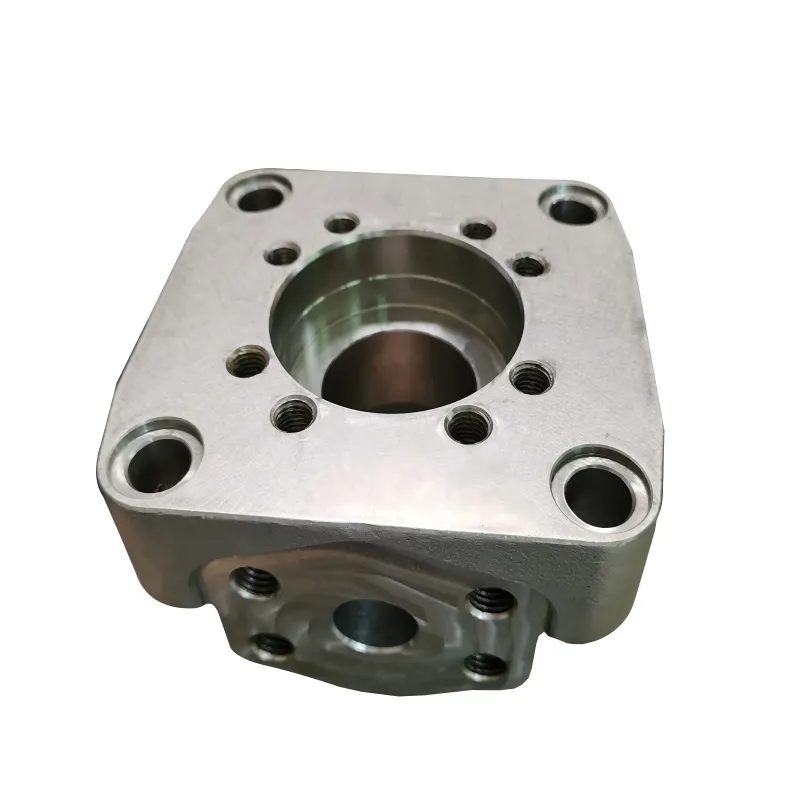
Another subtle failure is chasing the wrong kind of precision. I once obsessed over holding a concentricity tolerance between two bores on a manifold. We spent hours on setup and inspection. Meanwhile, we overlooked that the sealing surface flatness, which seemed easier, was drifting because of coolant temperature variation during the longer machining time. The part passed the concentricity check but leaked in testing. The precision that mattered was the flatness, not the concentricity. It re-calibrated my entire view on reading a drawing: understand the function first, then the dimensions.
Companies that have been around, like QSY with their three-decade run, have a library of these lessons. They're embedded in their standard operating procedures. It's why their CNC machining services for investment cast parts often include mandatory in-process inspections and interim stress relief as standard for certain geometries, not as an extra. They've priced in the cost of past failures to ensure current success.
So, What Are You Really Buying?
At the end of the day, when you engage a precision machining company, you're not buying machine time. You're buying judgment. You're buying the accumulated wisdom of thousands of completed jobs, the scars from the ones that went wrong, and the systems built to prevent those errors from repeating. You're buying a team that looks at a drawing and sees the process, the potential pitfalls, and the path to a robust, high-quality part.
It's the difference between a vendor and a partner. A vendor supplies a service to a print. A partner engages with the intent of the print. They look at your component and think about its life cycle: how it will be assembled, the forces it will bear, the environment it will live in. With a foundation in casting, a company like QSY inherently thinks this way – they've been involved from the material's birth as a molten pour.
So, the next time you evaluate a precision machining company, look past the machine list. Ask about their most common failure modes and what they've done to mitigate them. Ask for a DFM review on a hypothetical part. Their response will tell you far more than any glossy brochure. The real precision is in the thinking, long before the first G-code is ever generated.