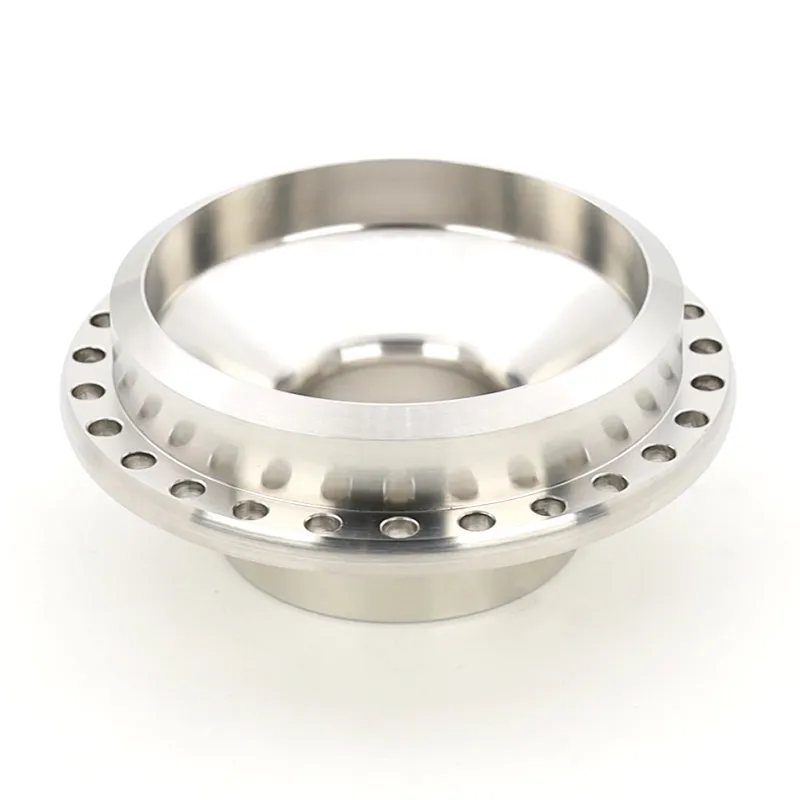
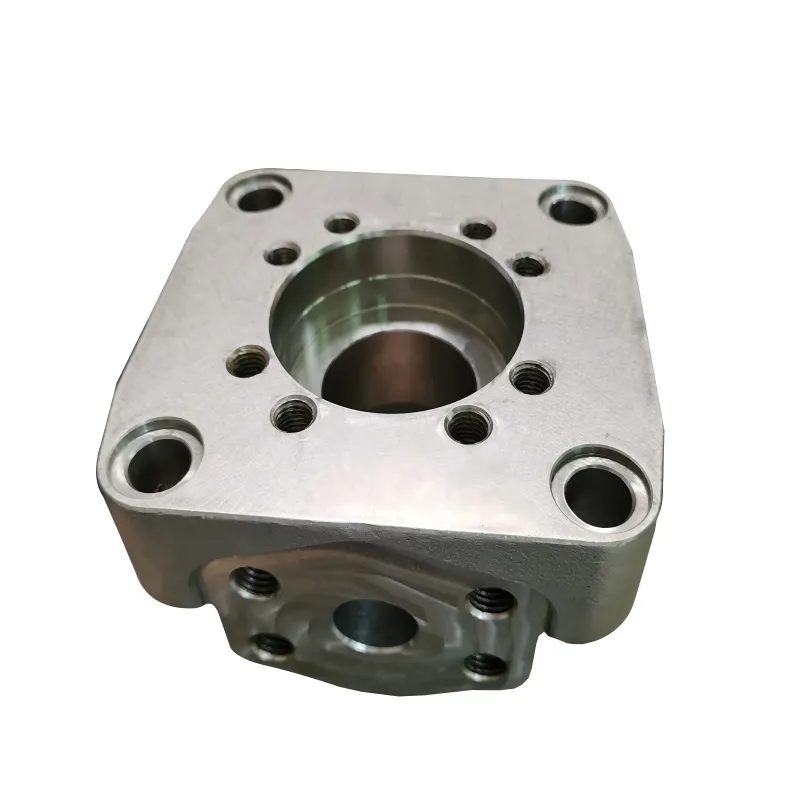
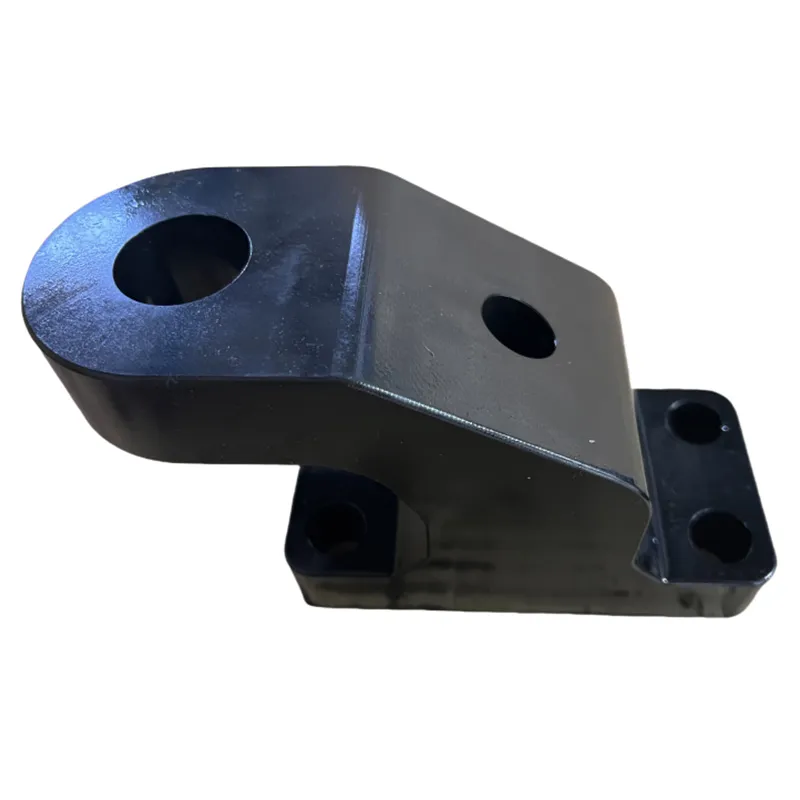
When most people hear 'precision machining industry', they picture a pristine, air-conditioned room with robots whirring silently, spitting out perfect parts. That's a marketing image. The reality is often a floor vibrating with the deep hum of a 5-axis mill taking a heavy cut on a 316L stainless block, the air smelling of coolant and hot metal. The real precision isn't just in the machine's glass scale resolution; it's in the decades of tribal knowledge on how to hold a thin-walled investment casting without distorting it, or which insert geometry to use on a gummy nickel-based alloy that won't chip but will instead produce a stringy, blue-hued swarf that's a pain to clear. That gap between the brochure and the shop floor is where the industry actually lives and breathes.
The Foundation: It Starts with the Casting
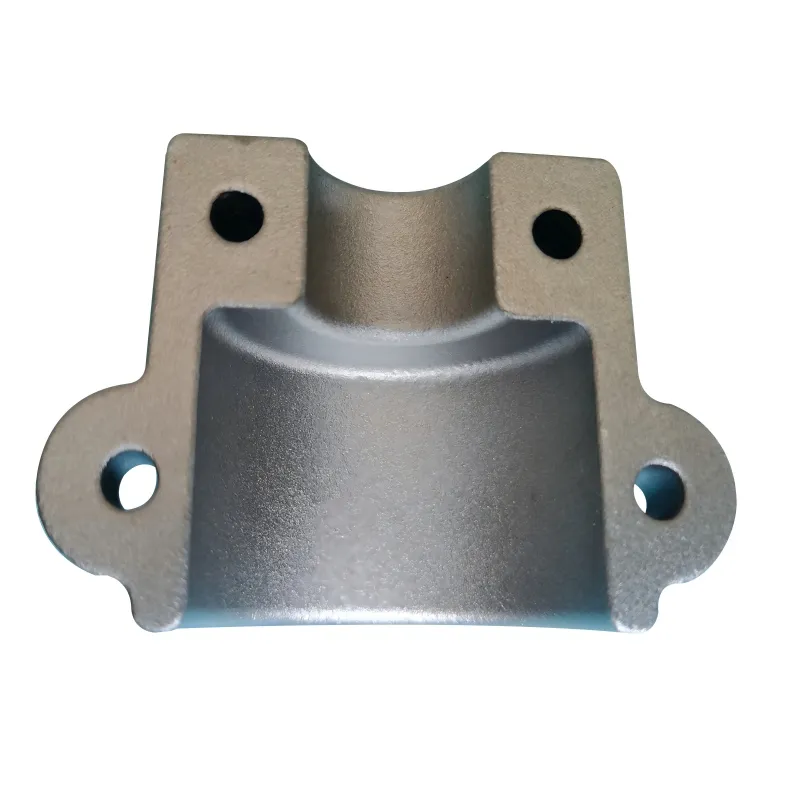
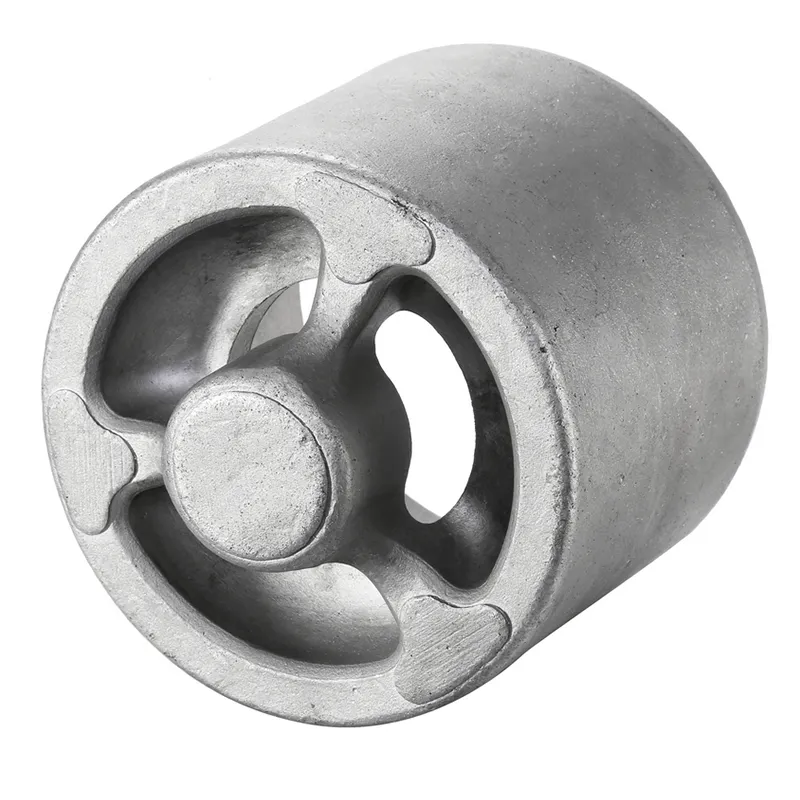
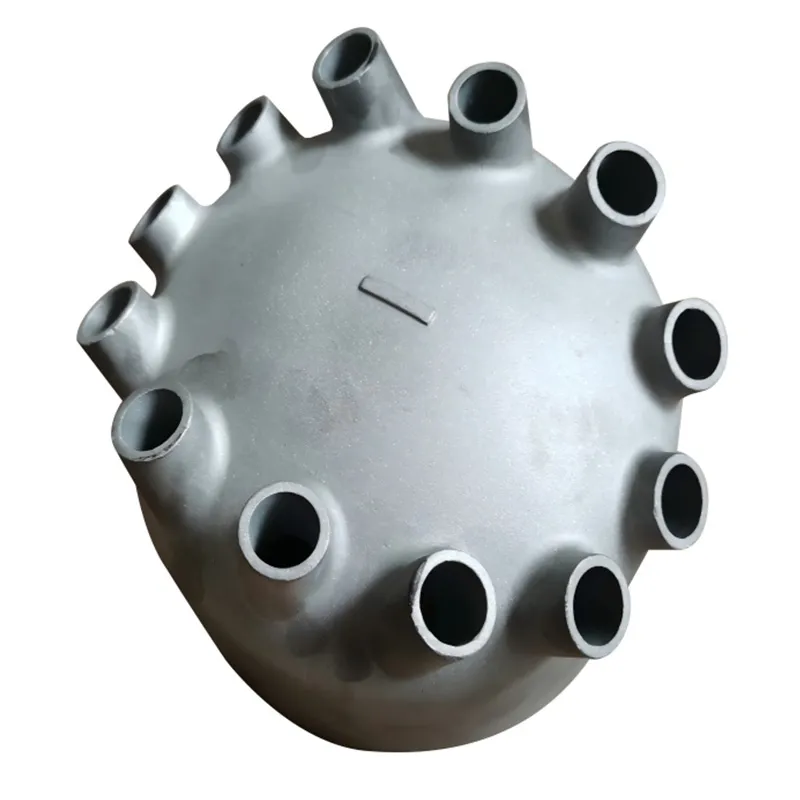
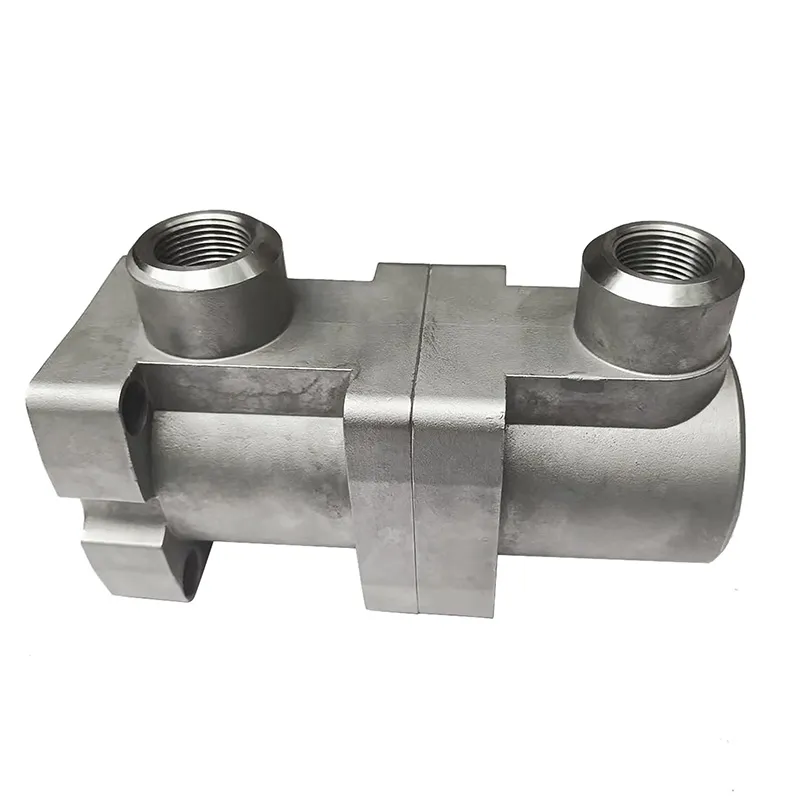
You can't talk about high-tolerance machining without talking about what you're machining. This is a fundamental point many overlook. A beautifully programmed toolpath is worthless if the raw part has inconsistent wall thickness or internal shrinkage. I've seen too many projects fail because machining was treated as an isolated miracle-worker phase. The relationship between the foundry and the machine shop isn't a handoff; it's a continuous dialogue. This is why operations that integrate casting and machining under one roof, like what I've seen with Qingdao Qiangsenyuan Technology (QSY), have a distinct edge. Their 30-year history in casting means the machining teams aren't working with a black box. They know the specific characteristics of their own shell mold and investment castings—the typical parting lines, the expected draft angles, the potential stress points in a complex steel housing. This isn't abstract knowledge; it's about knowing that for a particular turbine component pattern, you need to leave an extra 0.5mm of stock on one flange because that's where the ceramic shell tends to warp during dewaxing. That kind of insight doesn't come from a supplier audit; it comes from shared history and, frankly, shared pain.
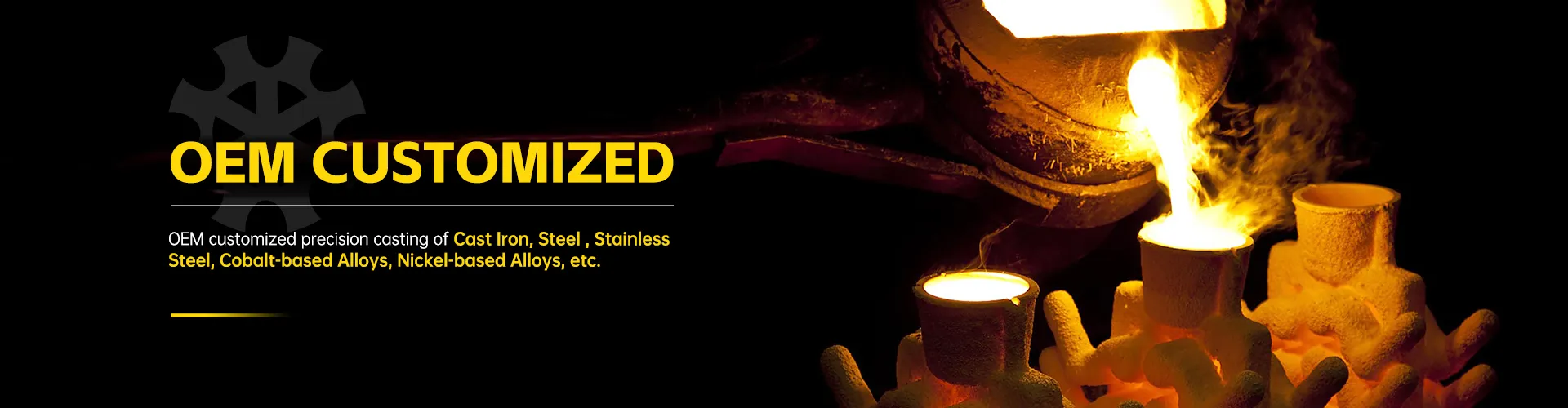
Take their work with special alloys, like cobalt or nickel-based ones. These are brutal to machine. They work-harden instantly, they're abrasive, and they love to weld onto the cutting tool. If the casting process introduces any micro-porosity or inconsistent grain structure, the machining process will find it, usually by chipping a $150 ceramic insert. An integrated approach allows for feedback loops. The machinists can go back to the foundry team and say, This batch from mold cavity 'C' is causing excessive tool wear on the finishing pass, and they can tweak the pour temperature or the gating design. It turns a quality problem into a process optimization opportunity. This synergy is critical for the precision machining industry, yet it's often sacrificed in the name of supply chain diversification.
I recall a case involving a manifold for a hydraulic system. The print called for a complex network of intersecting bores with very tight true position callouts. The part came to us as a finished casting from an external supplier, a nice-looking ductile iron piece. We spent days on CMM programming and fixturing, only to scrap the first three parts during machining. The problem? The casting's internal sand core had shifted slightly, making the wall thickness on one side nominal, but on the opposite side, it was barely above the finish machined dimension. By the time we discovered it during the boring op, we'd already invested hours of machine time. An integrated producer would have caught that core shift during their own internal inspection long before it ever hit a CNC table, saving the cost and the schedule.
The Toolbox: CNC is Just the Start
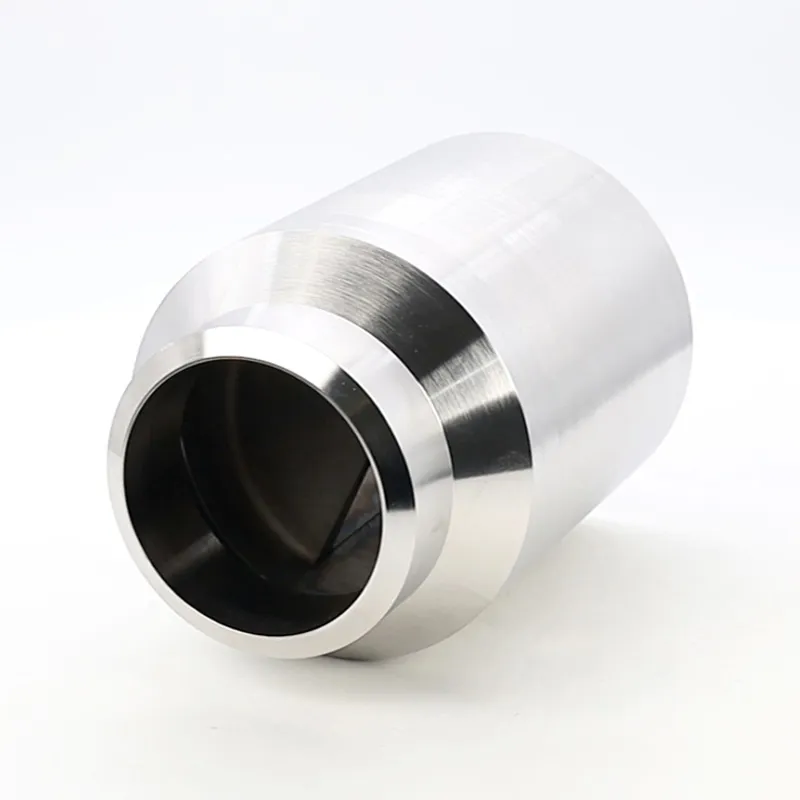
CNC machining is the workhorse, no doubt. But in precision work, the machine is just a very expensive, very precise hammer. The real craft is in the tooling, the fixturing, and the sequencing. For instance, machining a thin-section stainless steel investment casting for a medical device. The part might have a 1mm wall. The challenge isn't making the cut; it's holding the part without crushing it or allowing it to resonate and chatter. We'd often design a sacrificial fixture that locates off certain datums, supports the internal geometry with a melt-able or soluble filler during machining, and is then removed in a secondary process. It's messy, it adds steps, but it's the only way to hold the tolerances. Companies that have been in the precision machining industry for a long time, like QSY with their three-decade span, have cabinets full of these custom fixtures and a mental library of when to use which approach. That's intangible capital.
Then there's the material-specific dance. Machining a standard cast iron bracket is engineering. Machining a nickel-based alloy casting for a high-temperature application is alchemy. You're balancing cutting speed, feed, depth of cut, and coolant pressure not just to achieve a surface finish, but to control the heat input into the part to prevent inducing thermal stress or exacerbating the material's tendency to work-harden. The parameters you'd use for a steel counterpart would destroy tools and ruin the subsurface integrity of a nickel alloy. This is where the generic CNC machining capability listing on a website becomes laughable. The real question is: what's your specific experience with this family of materials on this type of geometry? Looking at QSY's focus on special alloys, it's clear they've had to develop this deep, non-standard playbook. It's not something you can buy with a new machine; it's paid for in scrapped parts and broken tools over years.
Software is another layer. CAM programming for complex, multi-axis simultaneous machining on a contoured casting is an art form. It's not just about collision avoidance. It's about maintaining constant tool engagement to avoid sudden load changes that deflect the tool, leaving a visible witness line on the part. It's about optimizing the toolpath to minimize air-cutting time on a part where the stock allowance varies because it's a casting. The best programmers I've known think in 3D space instinctively and have a feel for the machine's kinematics—they know that just because the software says the tool can reach a pocket doesn't mean it should approach from that angle when you consider the stiffness of the extended tool holder. This operational wisdom is the bedrock of precision.
The Gritty Reality: Tolerances and Tribulations
Everyone loves to tout their tolerance capabilities on a website. We hold +/- 0.005mm! Sure, in a controlled environment, on a perfect day, with a single, ideal part. The reality of production is different. Holding a true position of ?0.05mm on a set of holes across a 500mm long cast steel frame, after stress relief, is a monumental task. It involves understanding the residual stresses in the casting, planning a machining sequence that removes material symmetrically to avoid warping, and often, incorporating in-process measurements to adjust for any drift. The precision machining industry is littered with the corpses of projects that took the nominal tolerance at face value without a plan for variation.
Temperature is the silent killer. That steel frame might be measured perfectly in the 20°C inspection room. But if it was machined in a shop that was 28°C, and the part itself was warm from cutting, the dimensions are all wrong at the reference temperature. For true precision, you need environmental control, or you need to compensate for it. I learned this the hard way early on with a batch of aluminum housings. They all passed final inspection in the morning. By the afternoon, when the shop had heated up, the CMM showed the bores had shrunk beyond tolerance. The parts hadn't changed; our reference point had. Now, for critical features, we either climate-control the entire process or build thermal compensation factors into our offsets—a small but crucial procedural detail.
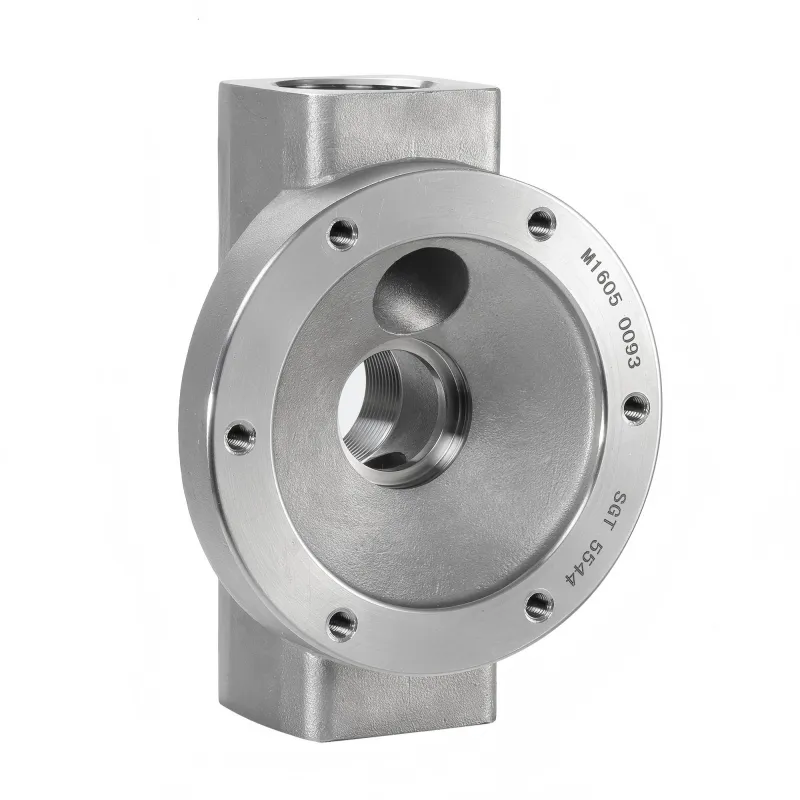
Failure is a better teacher than any textbook. We once had a run of stainless steel valve bodies where we were experiencing sporadic surface finish issues on a critical sealing face—a sort of micro-tearing. We checked everything: tools, speeds, feeds, coolant concentration. The problem persisted randomly. After weeks, we traced it back to a subtle inconsistency in the casting's hardness from one batch of raw material to another. The solution wasn't in the machining parameters alone; it was in tightening the material certification requirements with the foundry and adding a quick hardness test on the first part of each casting batch. This kind of problem-solving is the unglamorous core of the job. It's detective work, not just button-pushing.
The Integrated Advantage: A Seamless Flow
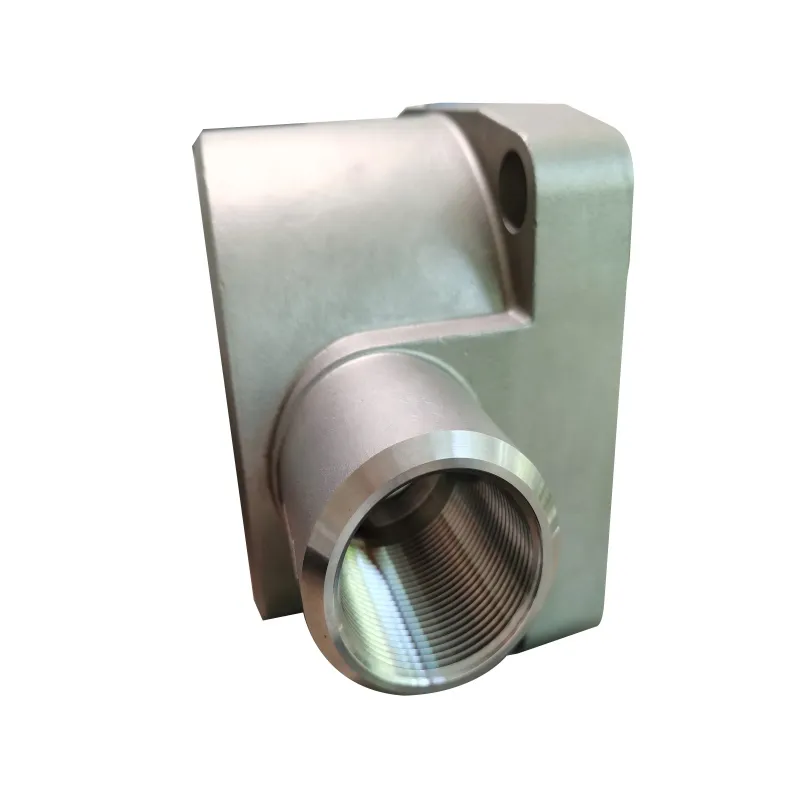
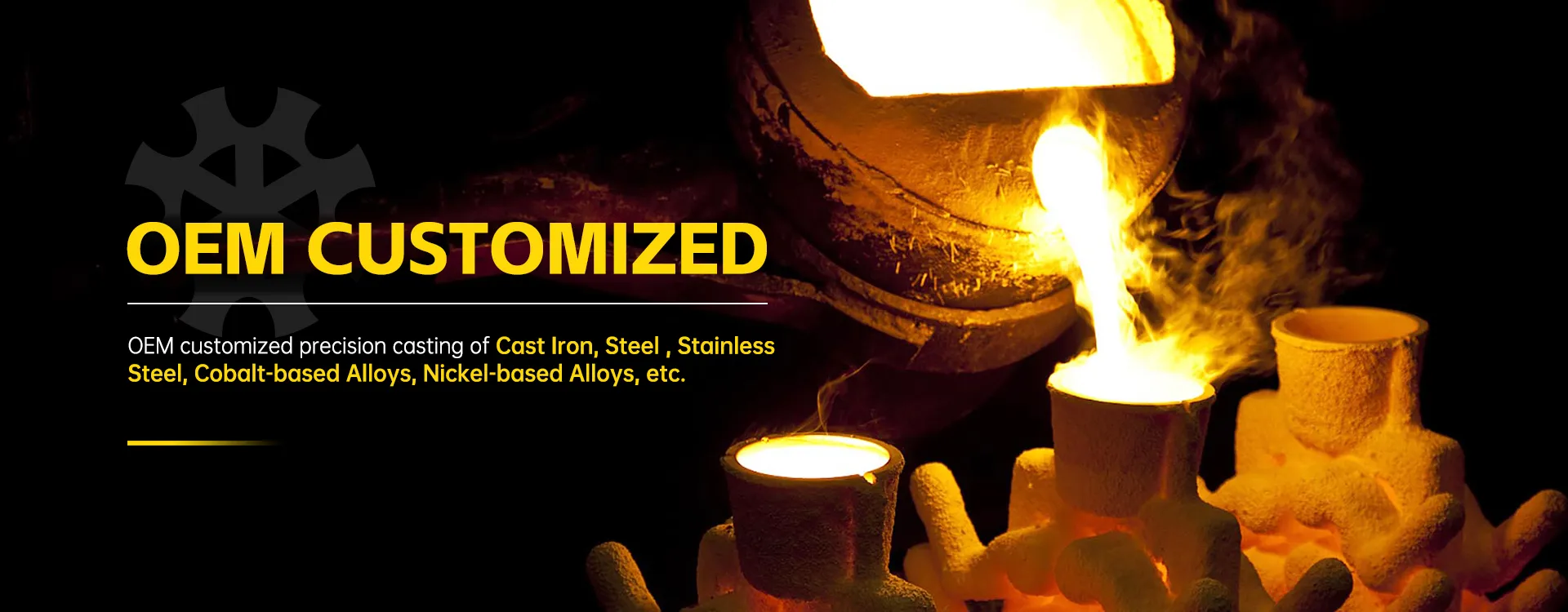
This brings me back to the value of vertical integration. When you look at a company's scope like what's outlined on https://www.tsingtaocnc.com for Qingdao Qiangsenyuan Technology Co., Ltd., the combination of shell mold casting, investment casting, and CNC machining isn't just a list of services. It's a coherent production philosophy. The shell mold process might be used for a heavier, simpler ductile iron gear housing where the priority is volume and cost. The investment casting process is pulled out for the intricate, thin-walled stainless steel or nickel alloy component where near-net-shape is critical to reduce expensive machining time on an exotic material. Then, the CNC machining department finishes the job with a deep understanding of the casting's genesis.
The flow of information is seamless. The machinist who encounters an unexpected hard spot can walk over to the foundry manager. The foundry engineer can sit with the CAM programmer during the initial job planning to point out, We can add a small reinforcement rib here in the mold to reduce chatter during this milling operation, if your program can accommodate leaving it on. This collaboration happens in real-time, not over weeks of emails between separate companies with misaligned priorities. It drastically reduces the unknown unknowns that plague complex component manufacturing.
For a customer, this means a single point of accountability. There's no casting supplier blaming the machine shop for over-machining a thin wall, and no machine shop blaming the foundry for a bad casting. One team owns the entire process from molten metal to finished, inspected part. This alignment is priceless when you're dealing with high-value, low-volume components for aerospace, energy, or medical applications where failure is not an option. The precision machining industry is ultimately a trust industry. You're trusting a supplier with your design, your timeline, and your reputation. An integrated model builds that trust on a more solid foundation of shared control and visibility.
Looking Ahead: The Human Element Endures
With all the talk of Industry 4.0, AI, and fully lights-out factories, it's easy to think the human element in precision machining is diminishing. In my view, it's just shifting. The machine may run unattended, but someone still has to design the fixture, program the adaptive toolpath, analyze the post-process CMM data, and diagnose the odd harmonic vibration during a roughing pass. That requires judgment, experience, and a kind of tactile intuition that you can't code into software. The veteran machinist who can listen to the sound of a cut and know the insert is starting to dull is still an invaluable asset.
The future, for shops that want to stay in the high-precision game, is about marrying that human expertise with digital traceability. It's about not just holding a tolerance, but being able to prove how you held it, with data from the casting process (pour temp, cooling rate) all the way through to the final machining vibration analysis. This data-driven approach allows for continuous refinement. If you control both the casting and machining, you have a complete data set to work with, which is a powerful advantage for process improvement and quality assurance.
So, when evaluating the precision machining industry, look beyond the machine brands and the ISO certificates. Look for the depth of material-specific experience, the evidence of integrated problem-solving, and the culture of craftsmanship that treats each drawing as a puzzle to be solved, not just an order to be fulfilled. It's in the gritty details of fixturing, in the feedback loop between the furnace and the CNC controller, and in the hard-won lessons from past failures that true precision is forged. That's the difference between a vendor and a partner. The rest is just metal removal.