When someone types 'precision machining near me' into a search bar, I often wonder what they're truly after. Is it just geography, or is it a deeper need for a shop they can drive to, look a foreman in the eye, and discuss a burr on a titanium actuator housing? The phrase itself is deceptively simple. It bundles a high-expectation process with a basic locator, and that's where the first misunderstanding often lies. Proximity doesn't guarantee capability. I've seen buyers get burned choosing the closest shop, only to find they can't handle a true 5-axis simultaneous job or lack the metrology for the tolerances we're talking about—think ±0.0005 on a complex contour, not just drilling some holes in a plate.
Beyond the Zip Code: Defining Precision in Real Terms
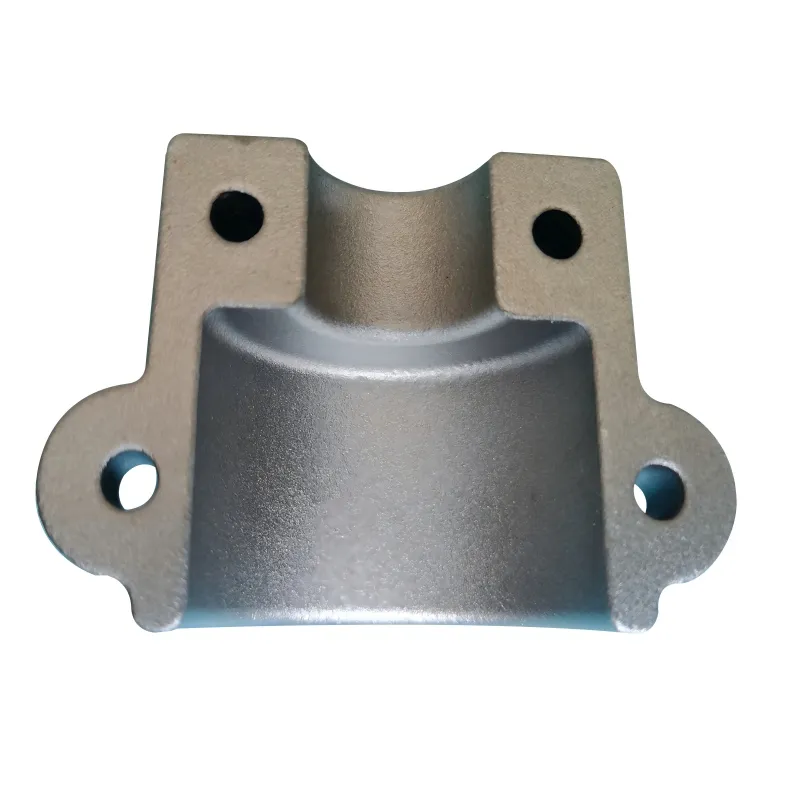
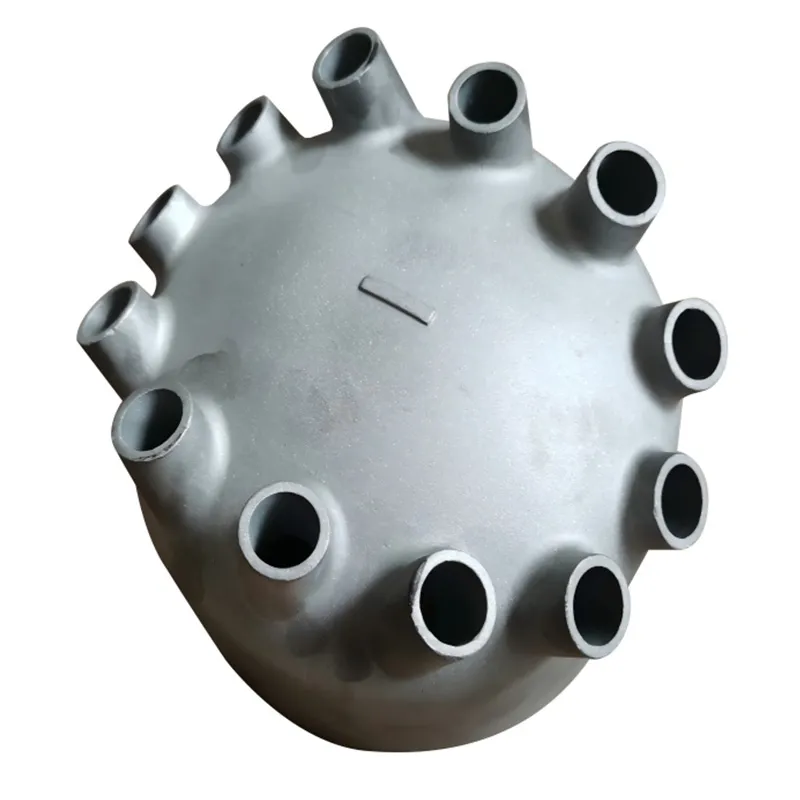
Let's break down 'precision machining' from the inside. It's not a marketing term we throw around lightly. In our world at Qingdao Qiangsenyuan Technology Co., Ltd. (QSY), it starts with the stock. You can't machine precision into a poor casting. That's why our three decades in shell and investment casting aren't a separate business; they're the foundational step. If the near-net-shape from the foundry has internal shrinkage or inconsistent wall thickness, the CNC program is fighting a losing battle from the first tool touch. So when a client brings us a print for a marine pump impeller in duplex stainless, my first thought isn't the machine. It's whether our casting process can deliver a blank that gives the machining side a fair chance to hit those flow channel surface finishes.
The materials list tells a story. Cast iron, steels, stainless—sure. But when the spec calls for cobalt-based or nickel-based alloys, the game changes. Near me becomes almost irrelevant if the shop doesn't understand work hardening, doesn't have the right ceramic end mills, or can't manage the heat. I remember a job for a turbine seal component in Inconel 718. A local competitor took it on based on location. They burned through tools, introduced residual stress, and the parts warped post-machining. The client ended up shipping the salvageable blanks to us anyway. Distance cost them a batch of expensive material and weeks of delay.
So my advice? Use near me to find potential partners, but vet them with a test piece. Ask about their process control for a simple but telling feature: a deep, small-diameter hole in 304 stainless. Can they hold straightness and finish over a depth 10x the diameter? Their answer—and the sample—will tell you more than their location pin on a map.
The Integration Edge: When Casting and CNC Are Under One Roof
This is where the model of a fully integrated manufacturer like QSY changes the calculus. The major advantage isn't just logistical, though having the foundry and machine shop a few hundred meters apart cuts lead time dramatically. It's about feedback and accountability. The machinist who encounters a hard spot in a casting can walk to the foundry manager and point it out. The foundry team can adjust the gating or cooling process for the next batch based on real machining data, not just theoretical specs.
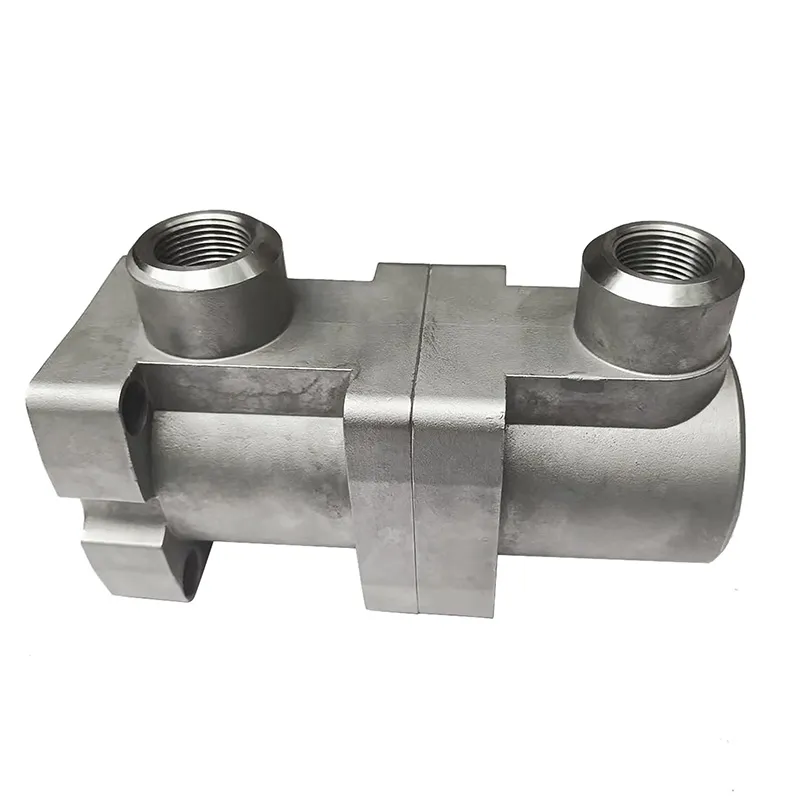
We had a project for a series of valve bodies in CF8M stainless. The client needed ASME B16.34 compliance, which meant rigorous NDE on the castings and tight tolerances on the flange faces and bore. Because both processes were in-house, we could machine a first article, perform a pressure test, find a micro-porosity issue at a high-stress corner, and then modify the casting mold's venting design. The iteration cycle took days, not weeks. A client searching for precision machining near me might not initially think about the foundry link, but for complex parts, it's often the difference between a prototype that works and one that's just a costly model.
The downside? It requires a deep bench of cross-trained engineers. Our machining programmers need to understand solidification shrinkage. It's a specific skillset that doesn't come from a job shop near me that only does machining from bought-in bar stock.
Tooling, Fixturing, and the Unseen Hours
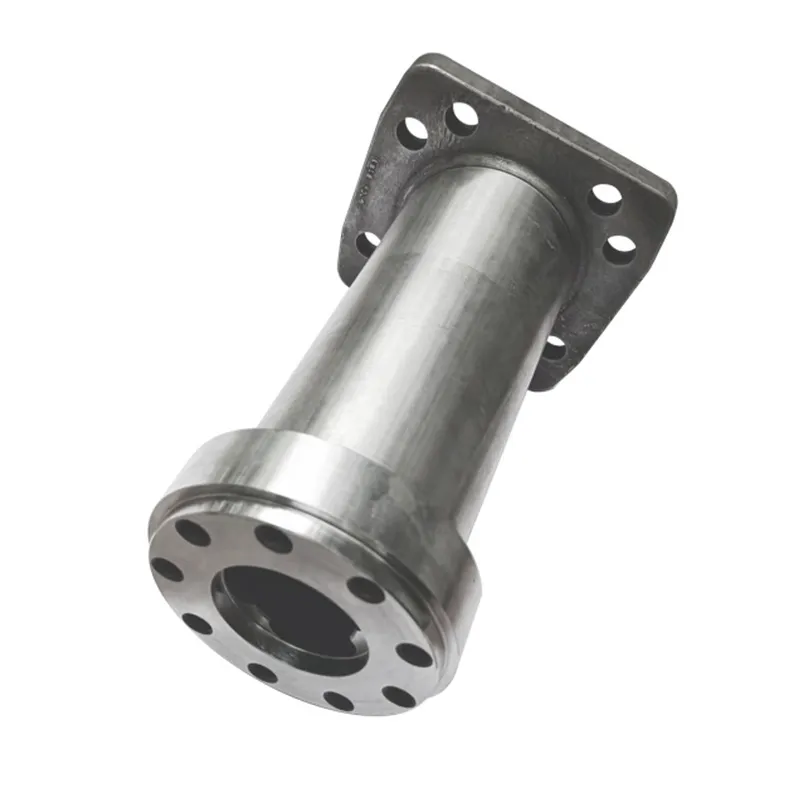
Anyone can buy a modern CNC machine. The real art—and the hidden cost—is in the workholding and tool path strategy. For a batch of pump housings, we might spend 40 hours designing and building a custom multi-station fixture that allows us to machine 80% of the features in one setup. That's 40 hours of non-machining time before the spindle even turns. A shop competing on local and low price might skip this, using vise and step blocks, introducing multiple setups and cumulative error. The part might be done, but it won't be precise.
Then there's software. High-speed machining strategies for alloys, trochoidal milling to reduce tool load—this is where the programmer's experience pays off. It's not in the manual. We learned this through broken tools and scrapped parts early on. Now, for a new material like a proprietary nickel alloy, we'll still do a sacrificial test run, dialing in feeds and speeds by hand on the control, watching the chip color and listening to the cut. That's a process you can't outsource or find with a simple location search.
The Metrology Reality Check
Precision is defined by measurement, not intention. A shop might claim ±0.001 capability, but what are they measuring with? A handheld micrometer is good for a shaft diameter, but useless for true position of 12 bolt holes on a PCD or the profile of a curved manifold. Our CMM room is as critical as our DMG Mori 5-axis. And even then, environmental control matters. We measure critical aircraft components in the morning, after the lab has been temperature-stable overnight. If your local precision machining partner is measuring parts on a shop floor next to a open door in summer, the data is suspect.
I recall a failure that stung. We machined a set of injection mold inserts from H13 tool steel. They measured perfect on the CMM at 20°C. The client installed them in a mold base that ran at 90°C. Thermal expansion differences caused misalignment. We hadn't considered the operational temperature in our tolerance stack-up. Now, for any tooling or high-temp component, that conversation is part of the initial review. It's a specific, painful lesson that reshaped our DFM checklist.
Making Near Me Work for You
So, if you're searching for precision machining services, use the geographic filter, but then dig deeper. Look for evidence of integrated manufacturing if your part starts as a casting or forging. Examine their material history—ask for case studies on the specific alloy you need. Request a tour. A clean, organized shop with modern, well-maintained machines and a dedicated quality lab is a good sign. Ask about their largest CMM, its volumetric accuracy, and how often it's calibrated.
For a company like ours, QSY, the 30-year history isn't just a number. It means we've machined thousands of different parts, from simple bushings to reactor components, and we've built the institutional knowledge of what can go wrong. That experience gets baked into the process planning. The near me aspect for our clients often translates to easier collaboration—they can visit, see their parts in process, and have face-to-face engineering reviews. That intangible value often outweighs a minor per-part cost difference from a distant, unknown supplier.
Ultimately, true precision machining is a partnership, not a transaction. The search should be for a capable partner who happens to be geographically convenient, not the other way around. The right shop will ask as many questions as you do, because they know their reputation is machined into every part they ship.