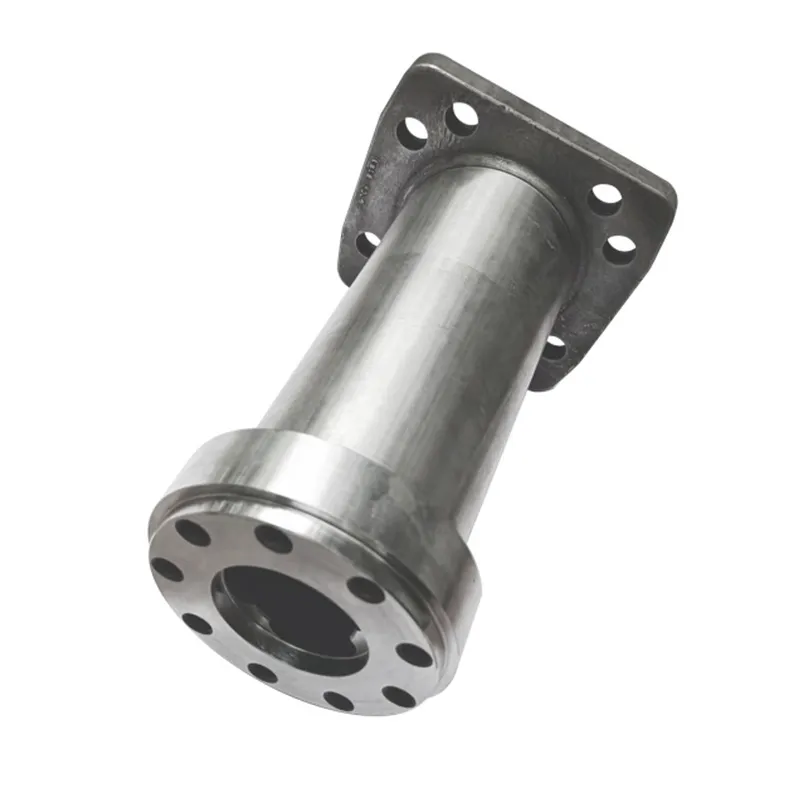
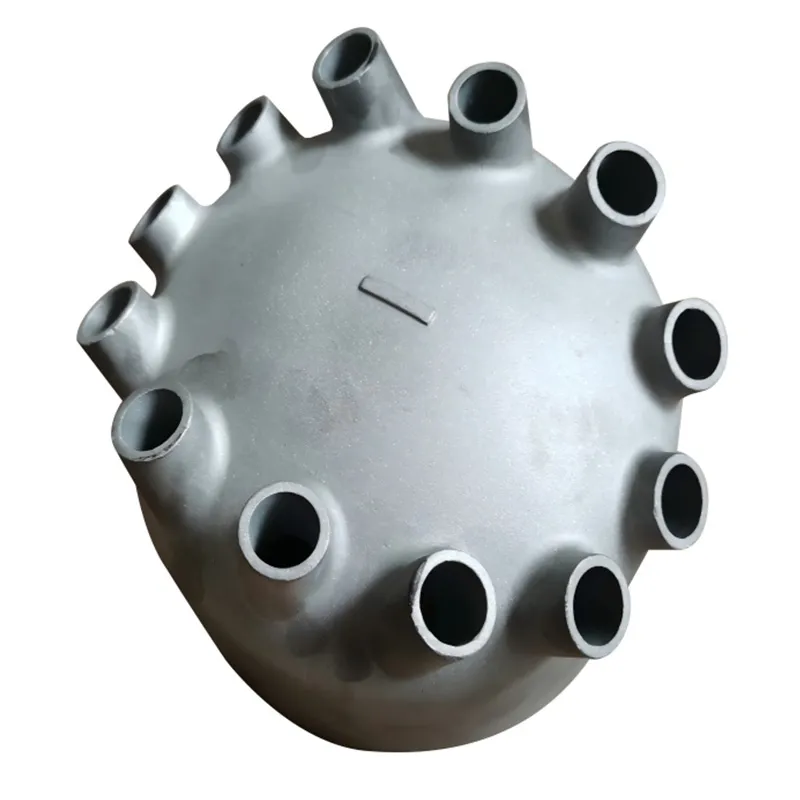
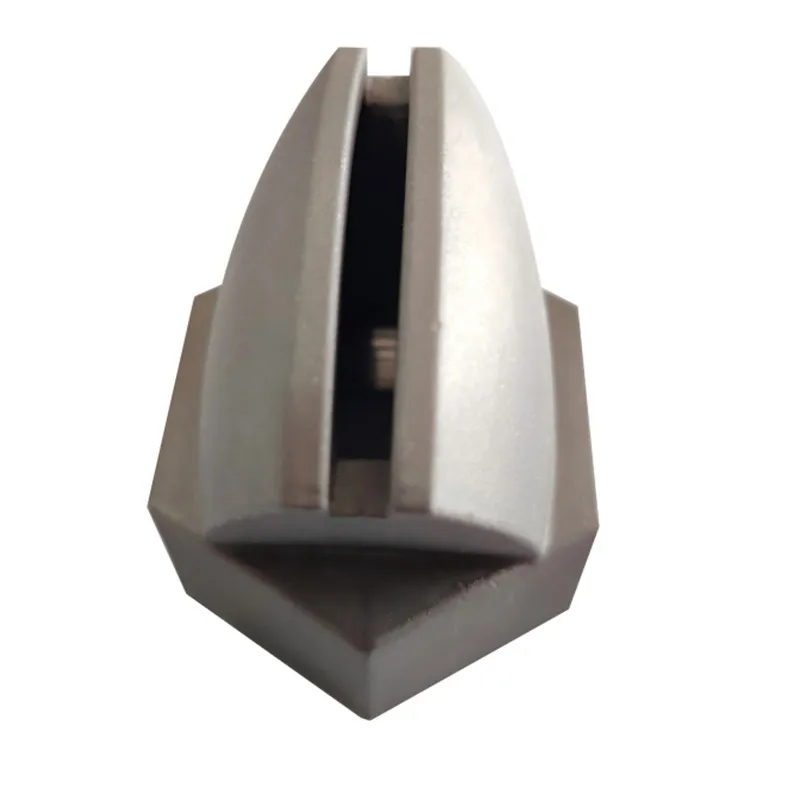
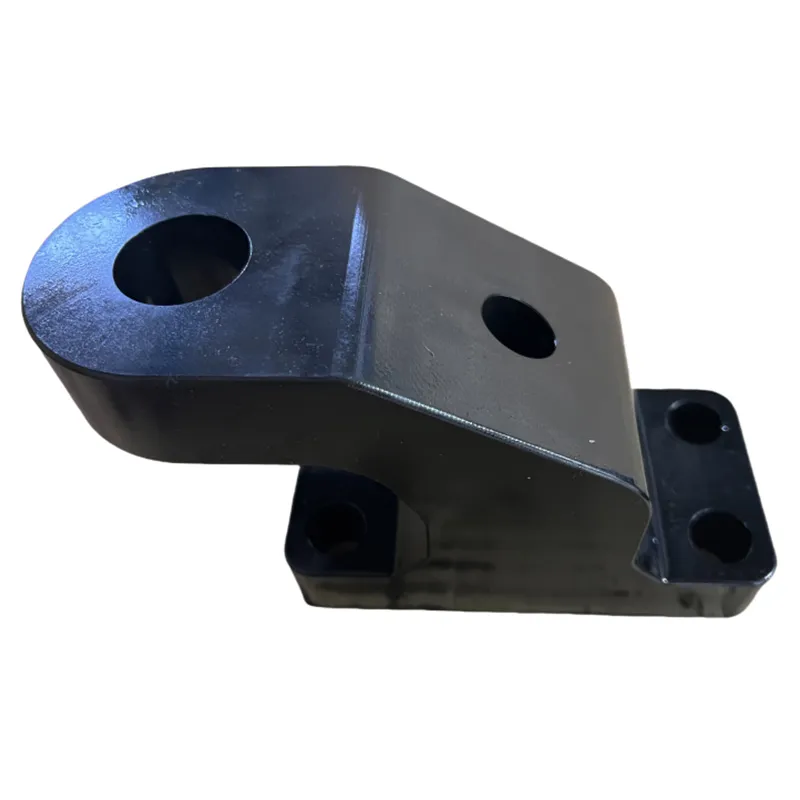
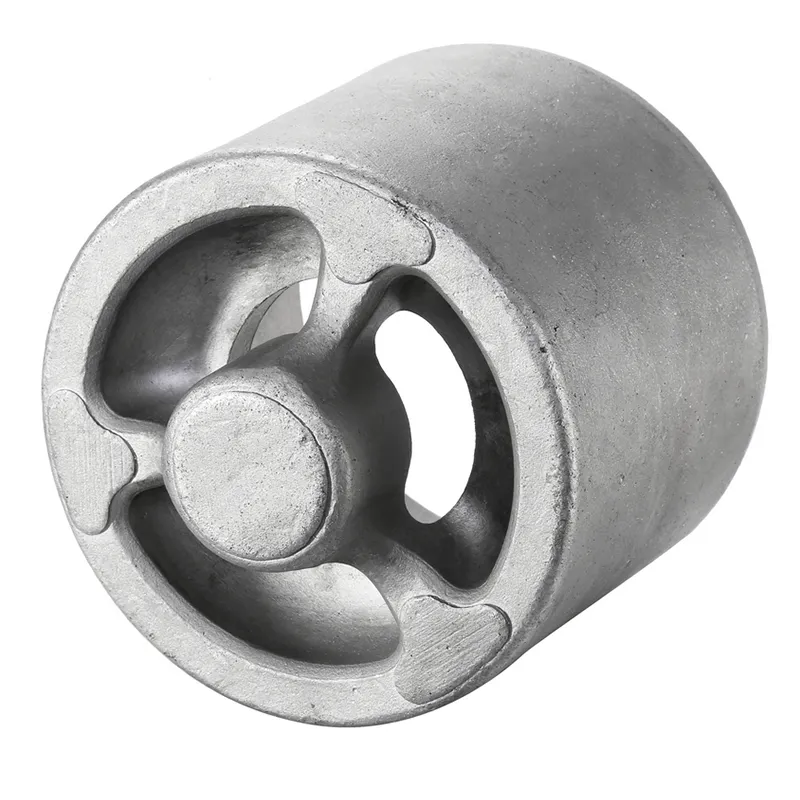
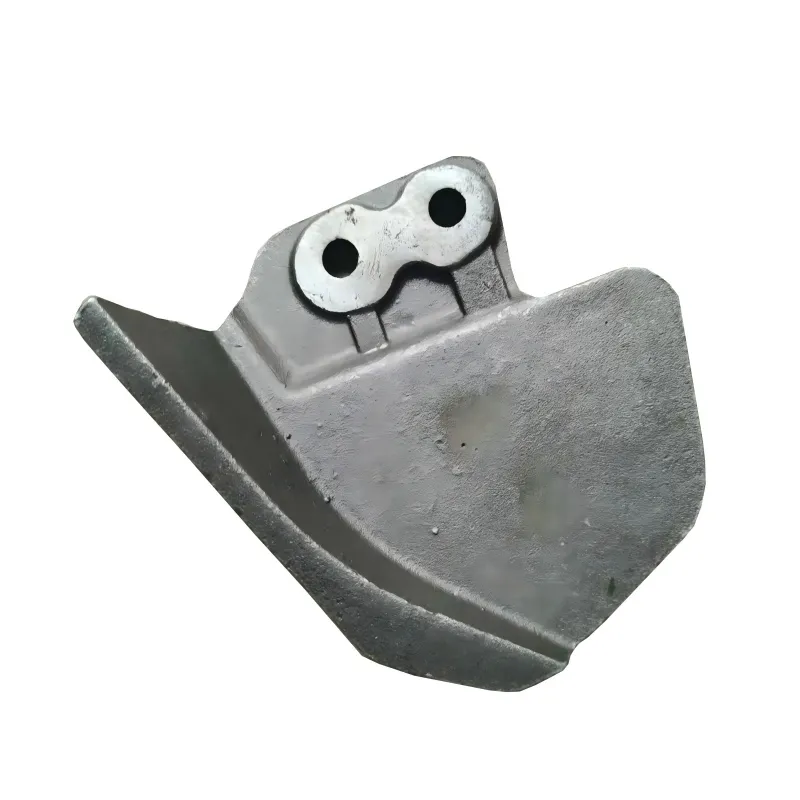
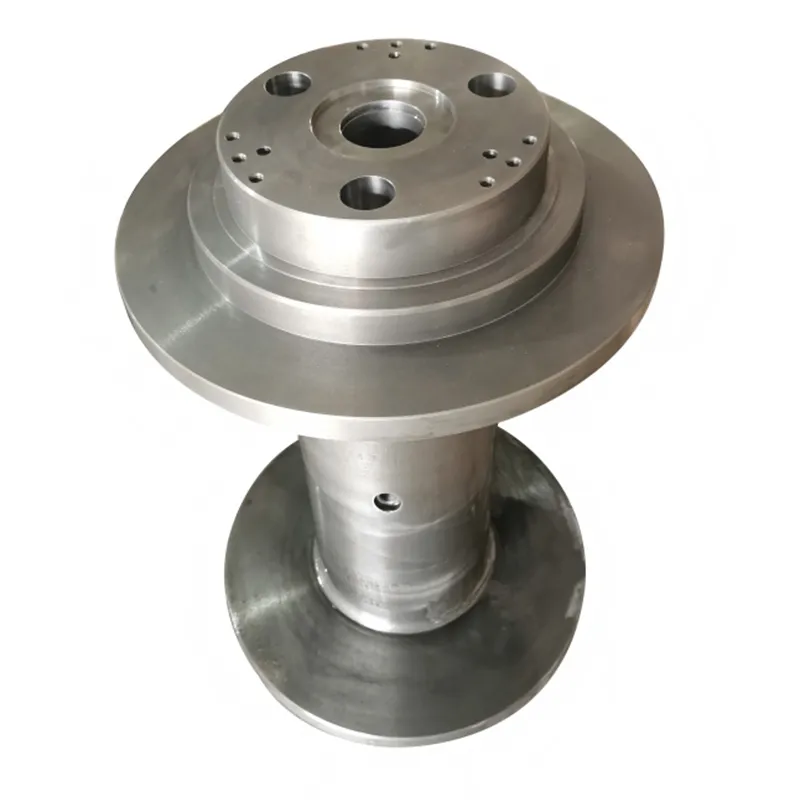
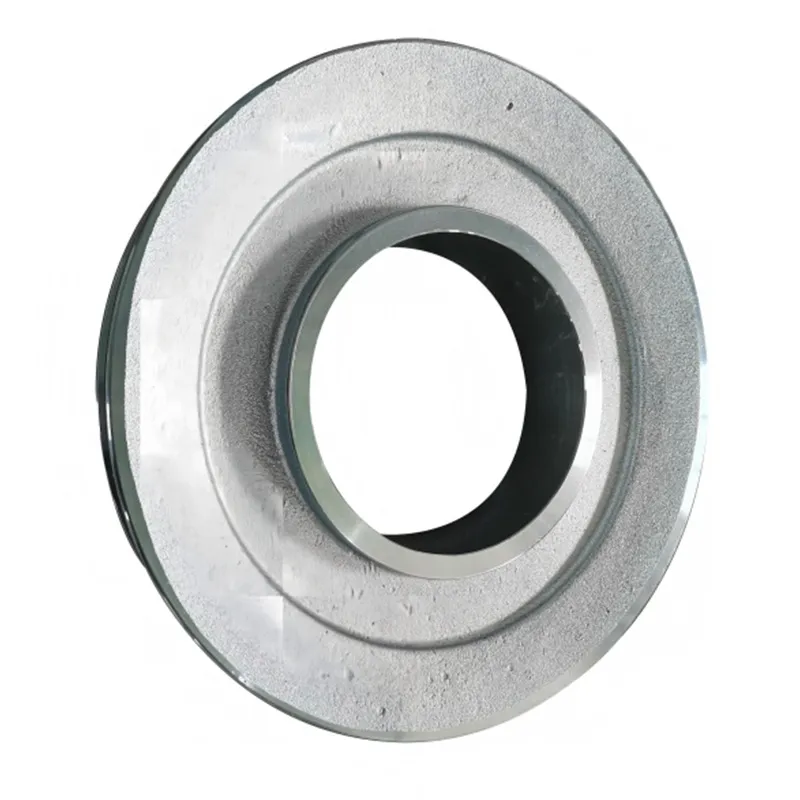
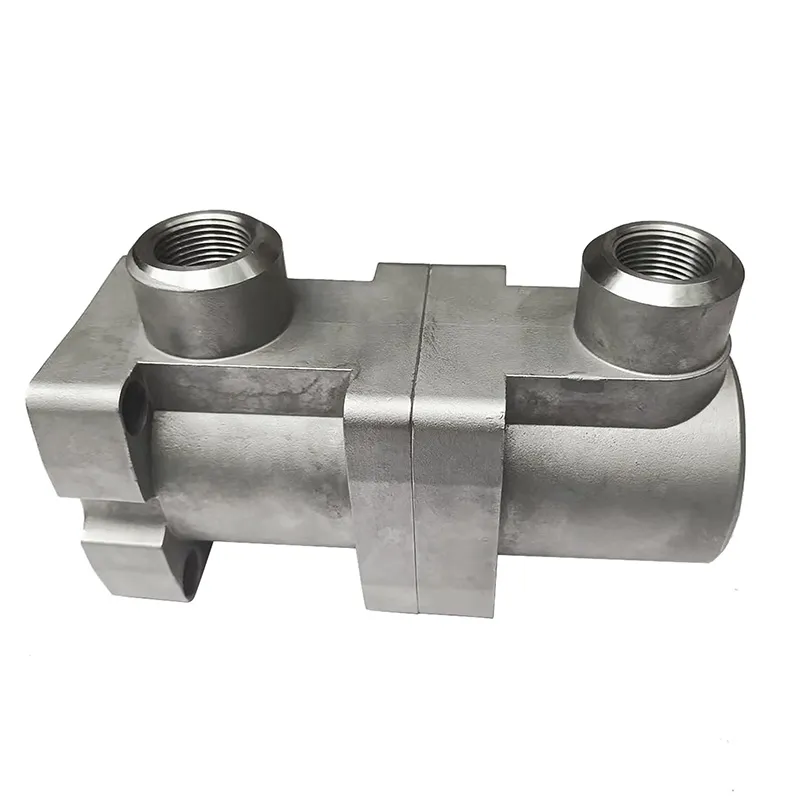
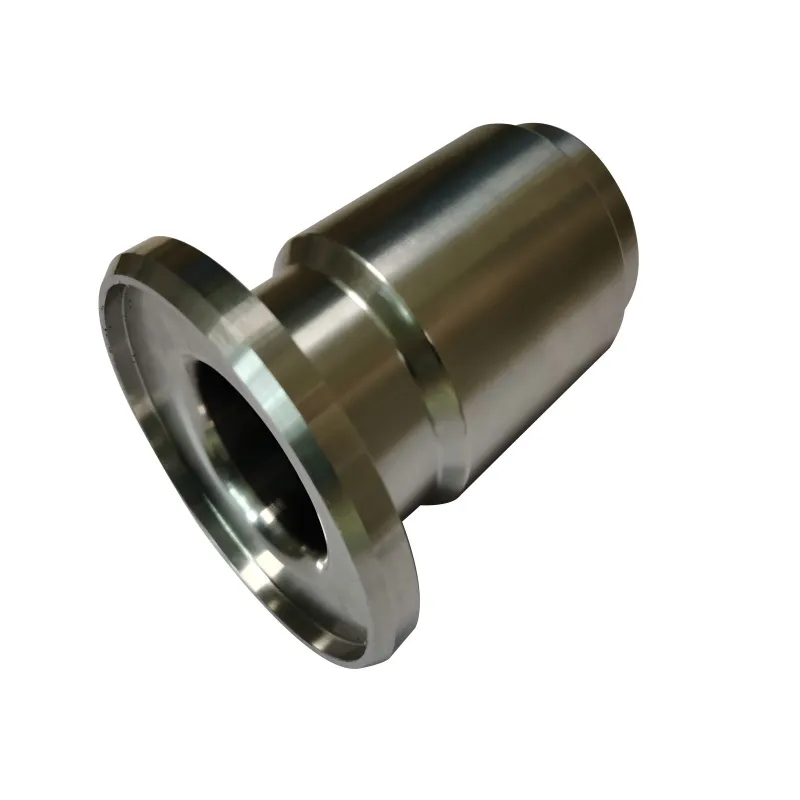
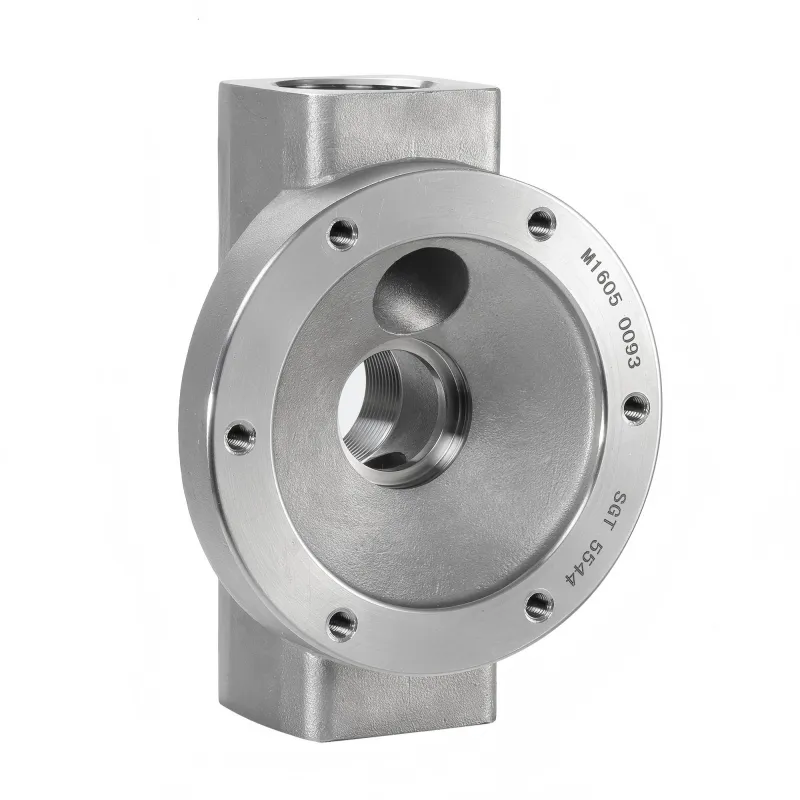
When most people hear 'precision mechanical parts', they picture a flawless CAD model or a shiny component in a catalog. The reality is messier. True precision isn't just about the numbers on a spec sheet; it's about how a part survives first contact with the real world—the stress, the heat, the constant motion. A lot of shops miss that. They chase tight tolerances on paper but forget about grain structure, residual stress from machining, or how a part interacts with the one next to it. That gap between the ideal and the functional is where the real work happens.
The Foundation: It Starts with the Right Ingot
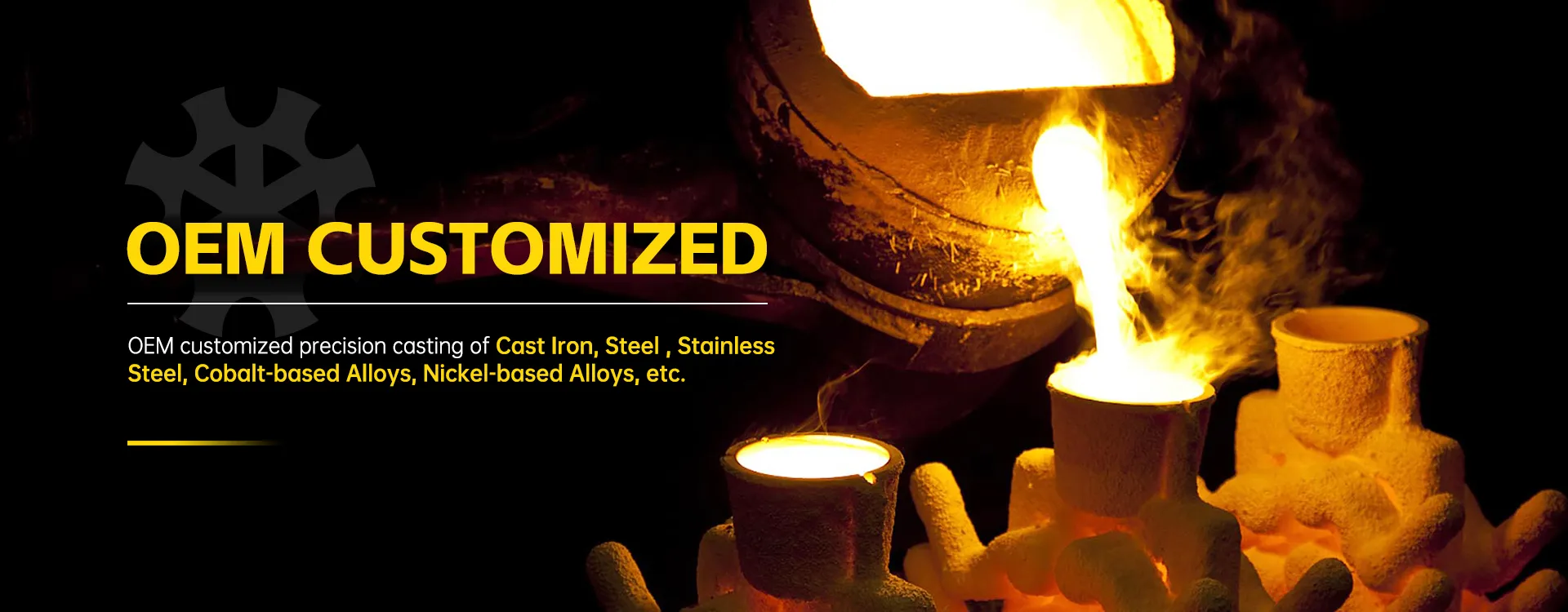
You can't machine precision into a bad casting. I've seen too many projects fail because someone tried to save cost on the initial blank. The porosity, the inconsistent hardness—it all comes back to haunt you during finishing. The foundry stage is non-negotiable. A company like Qingdao Qiangsenyuan Technology Co., Ltd. (QSY) gets this. With thirty years in casting and machining, their approach is integrated. They aren't just selling machining; they control the process from the molten alloy onward. For precision mechanical parts in demanding applications, that vertical control is a silent advantage. It means the machinist and the foundry engineer are talking the same language, troubleshooting issues like shrinkage or hot tears before the metal even hits the CNC bed.
Material choice is another classic pitfall. Specifying stainless steel is almost meaningless. Is it 304 for general corrosion resistance, or 316 for chloride environments? Or are we talking about the precipitation-hardening grades like 17-4PH, where the heat treatment cycle is as critical as the machining? For high-temperature valves or turbine components, you jump into nickel-based or cobalt-based alloys. These are a different beast. Their strength works against you during machining, leading to rapid tool wear and work hardening if your speeds, feeds, and coolant aren't dialed in perfectly. QSY's experience with these special alloys isn't a bullet point; it's a library of failed tools and successful parameters built over decades.
I recall a prototype for a hydraulic manifold block. The print called for 4140 steel, but the part had complex internal channels. The initial supplier used a standard sand casting. The surface finish inside those channels was terrible, leading to fluid turbulence and eventual cavitation. We switched to a supplier using the shell mold process—which QSY specializes in—for much better surface definition and dimensional stability of the core. The extra cost per part was offset by zero failures in testing. The lesson? The manufacturing method for the blank is a design parameter, not an afterthought.
Machining: Where Theory Meets the Vibration
CNC machining is often viewed as a fully automated, push-button process. In high-precision work, it's anything but. The programmer and the operator are constantly making judgment calls. Holding a ±0.005mm tolerance on a thin-walled section of an investment-cast stainless part requires strategy. Do you rough it, stress-relieve it, then finish it? How do you fixture it without inducing distortion? The chatter mark is the enemy of precision.
One of the trickiest jobs I was involved with was a series of impellers for a small turbocharger. The blades were undercut, with tight root radii. The material was Inconel 718. We broke so many end mills in the first trials. The solution wasn't just a faster spindle or a better tool coating (though that helped). It was about re-sequencing the operations and using a non-standard, progressive step-down strategy to never let the tool's full flute engage in that nasty material at once. It felt less like programming and more like negotiation with the physics of metal cutting. This is the unglamorous, iterative work that defines quality machining.
Surface integrity is another hidden spec. For parts in cyclic loading, a machined surface with micro-cracks or tensile residual stress becomes a failure origin. Sometimes, you need to specify processes like low-stress grinding or even abrasive flow machining for final deburring and polishing of internal passages. It's not just about how it looks; it's about how long it lasts. A good partner understands these downstream implications of their machining choices.
The Synergy of Casting and Machining Under One Roof
This is where the operational model of an integrated manufacturer shows its value. When casting and machining are separate entities, there's always blame-shifting. The machinist says the casting was out of spec; the foundry says the machining distorted it. When it's one entity, the problem is just the problem, and it gets solved. I've seen QSY's team handle this. A complex gear housing in ductile iron needed a specific bore alignment. The machining team knew the casting's likely shrinkage pattern, and the foundry team could adjust the gating system based on the machining datum points. It's a feedback loop that happens in days, not weeks.
For precision mechanical parts that are both structurally sound and dimensionally perfect, this synergy is critical. Take a pump body made from duplex stainless steel. It needs corrosion resistance from the alloy and precise mating faces for seals. The investment casting gets you close to net shape with good material properties. The subsequent CNC machining, informed by the casting process, establishes the critical datums and finishes the seal grooves without compromising the cast surface's corrosion resistance. Trying to do this by shipping a casting to a third-party machine shop adds risk and cost.
Their website, tsingtaocnc.com, reflects this integrated capability without overstating it. It's a practical showcase of processes—shell mold, investment casting, CNC—applied to real material groups. It speaks to someone who knows what they're looking for, not just generic marketing.
When Good Enough Isn't: The Cost of Failure
We learn more from failures than successes. Early in my career, I was working on a batch of actuator linkage arms. They were simple, machined from mild steel bar stock. The prints were followed, the tolerances were met. They passed QC. But in field assembly, about 30% had interference fits with the mating bearings. The issue? We had only inspected the parts at 20°C in the climate-controlled QC room. The parts were assembled in an unheated warehouse in winter. The temperature differential, combined with the different thermal expansion coefficients of the steel and the bearing, was enough to cause a fit issue. It was a brutal lesson in defining the functional tolerance environment, not just the nominal one.
This is why for true precision, you need a supplier that thinks in systems, not just operations. Can they advise on material behavior under temperature? Can they suggest a coating or plating that will affect final dimensions? A partner like QSY, with its long-term material experience, is positioned to have those conversations. It's the difference between making a part and engineering a component.
Another failure point is over-specification. Not every surface needs to be a 0.8Ra finish. Not every dimension needs to be ±0.01mm. Specifying unnecessary precision drives cost through the roof for no benefit. A good manufacturer will push back, ask for the function of the feature, and suggest the most cost-effective way to achieve it. Sometimes, that means using their shell mold casting to achieve a tolerance directly, saving a machining step altogether.
The Unwritten Spec: Repeatability and Trust
Finally, the hallmark of a quality source for precision mechanical parts isn't a perfect first article. It's the 10,000th part being as good as the first. Repeatability is a function of process control, equipment maintenance, and a quality culture. It's boring stuff: calibrated gauges, rigorous first-article inspection, statistical process control charts for critical dimensions, and traceability back to the heat of material.
This is where a 30-year-old company's history matters. They've seen machine tools come and go, but the principles of control remain. Building that level of trust takes years and is easily broken by one rushed job or a compromised standard. When I look at a potential supplier, I'm less impressed by their newest 5-axis machine and more interested in their calibration logs and their non-conformance report system. Do they have a clear, un-bureaucratic process for when something goes slightly out of spec? That tells me everything.
In the end, precision is a promise. It's a promise that the part will fit, function, and endure. That promise is built on a chain of decisions—from alloy selection to finishing—each link as important as the next. It's not magic; it's the accumulation of hard-won, sometimes painful, experience in metal. And that's something you can't fake or automate away.