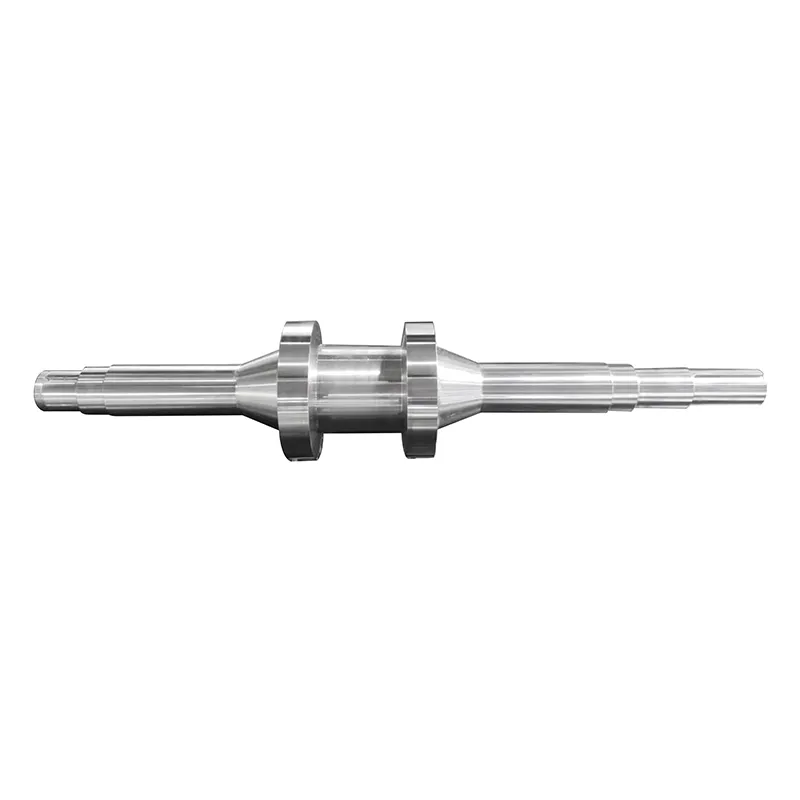
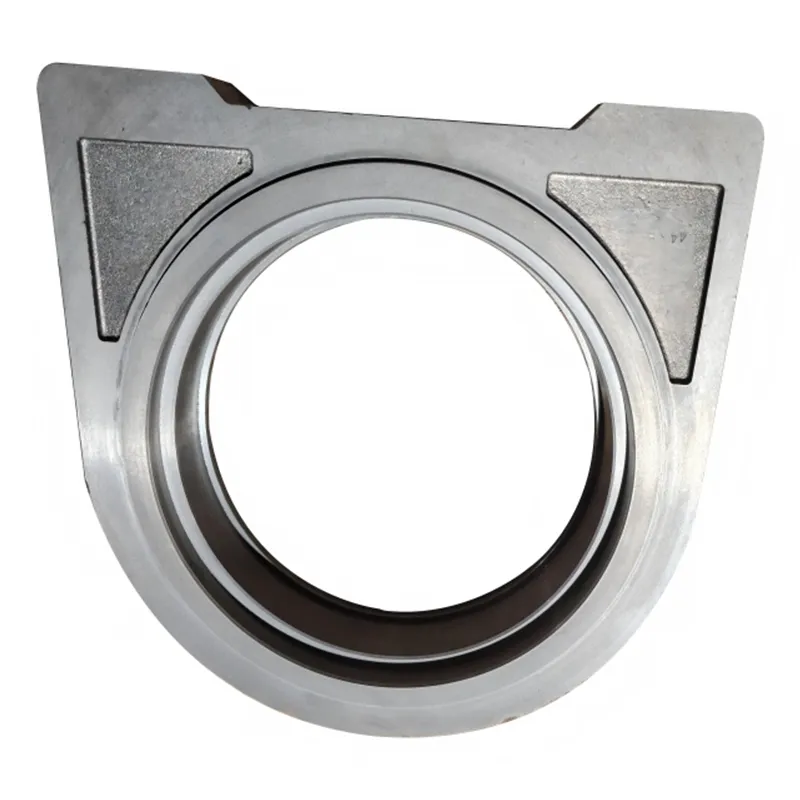
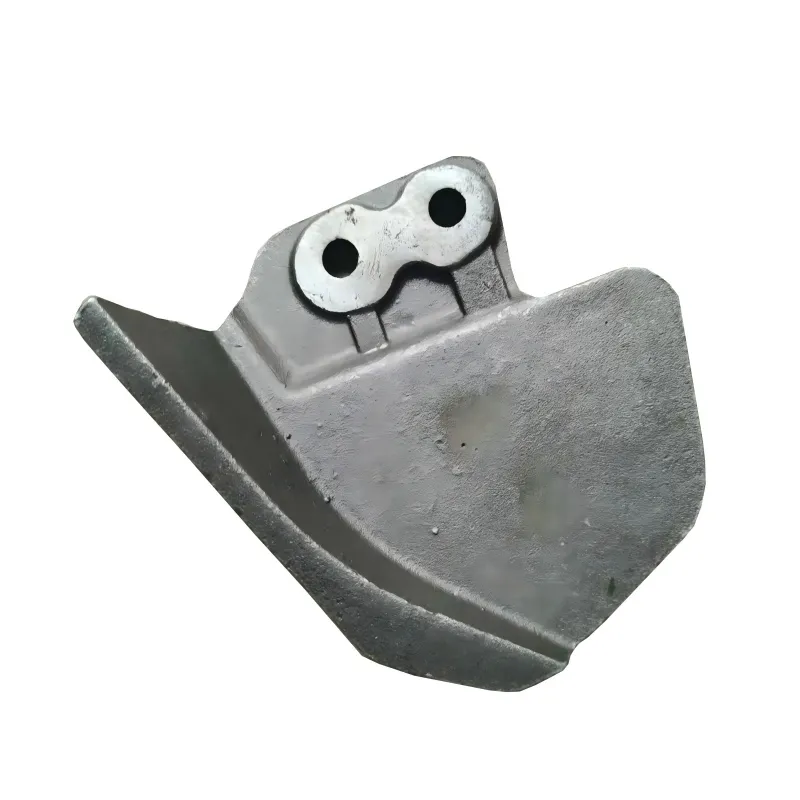
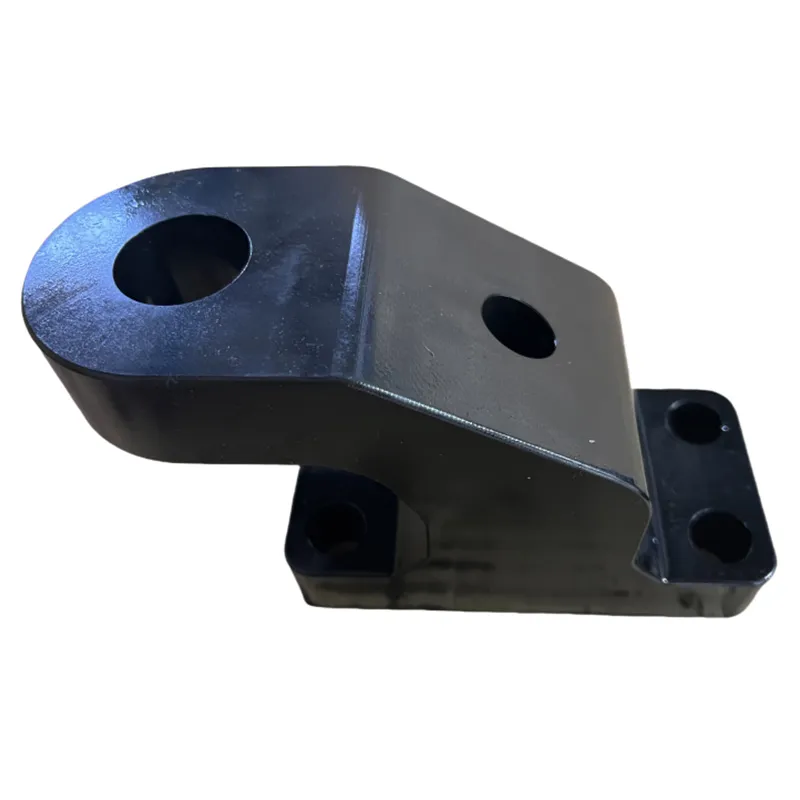
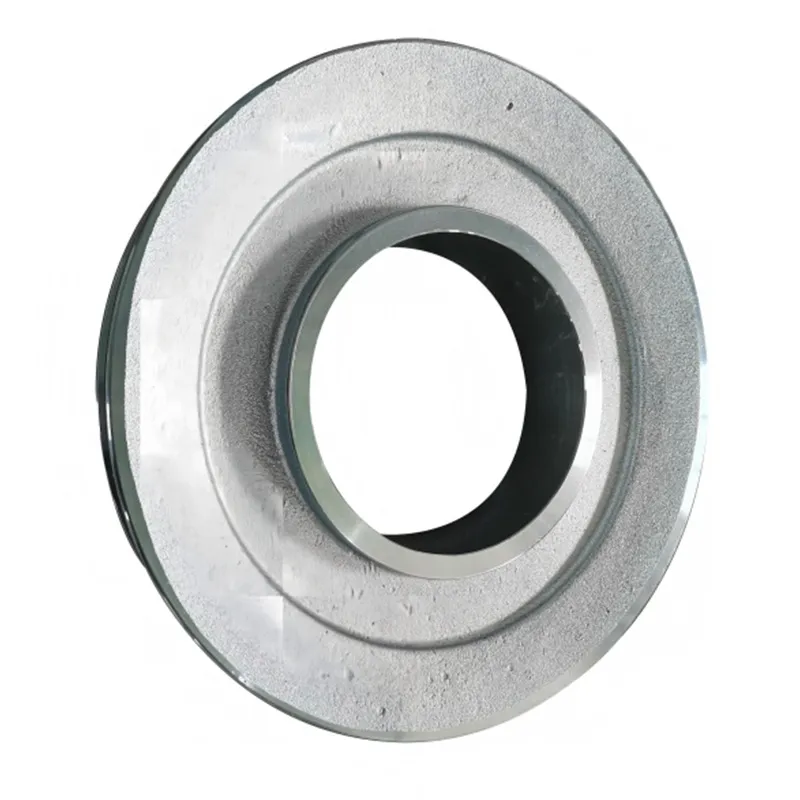
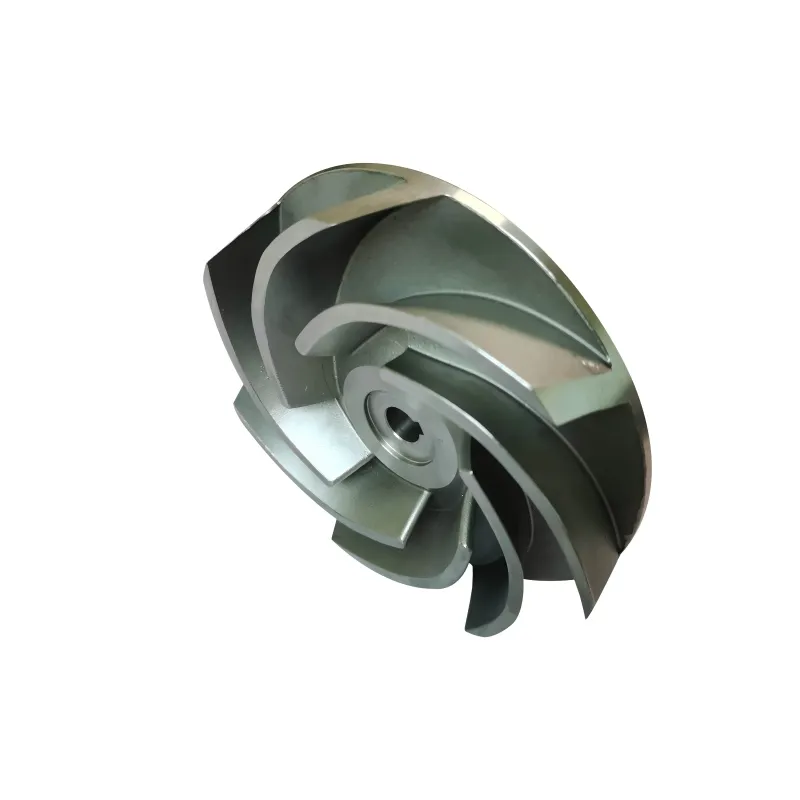
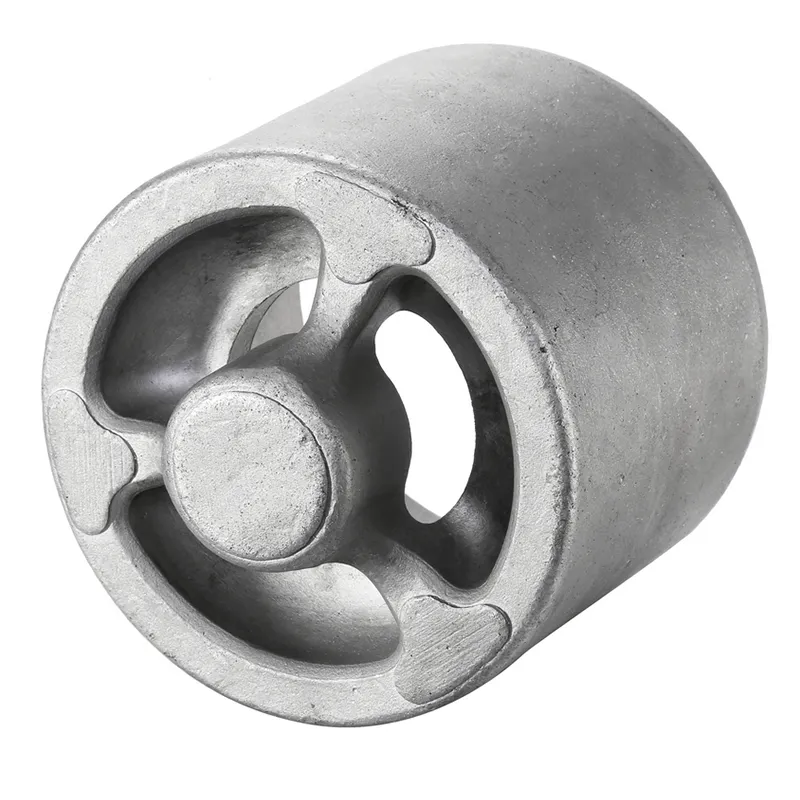
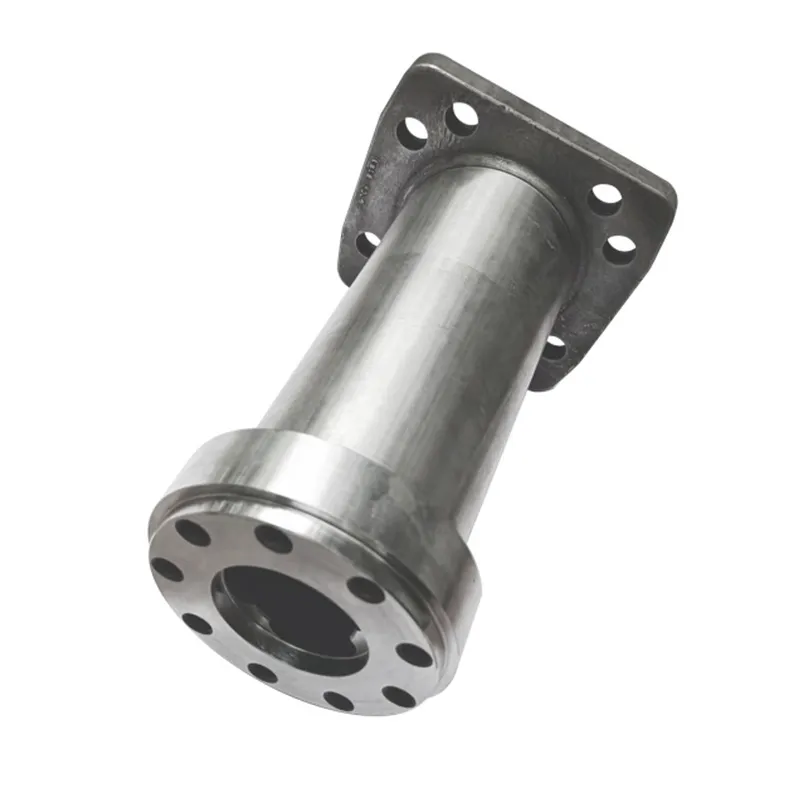
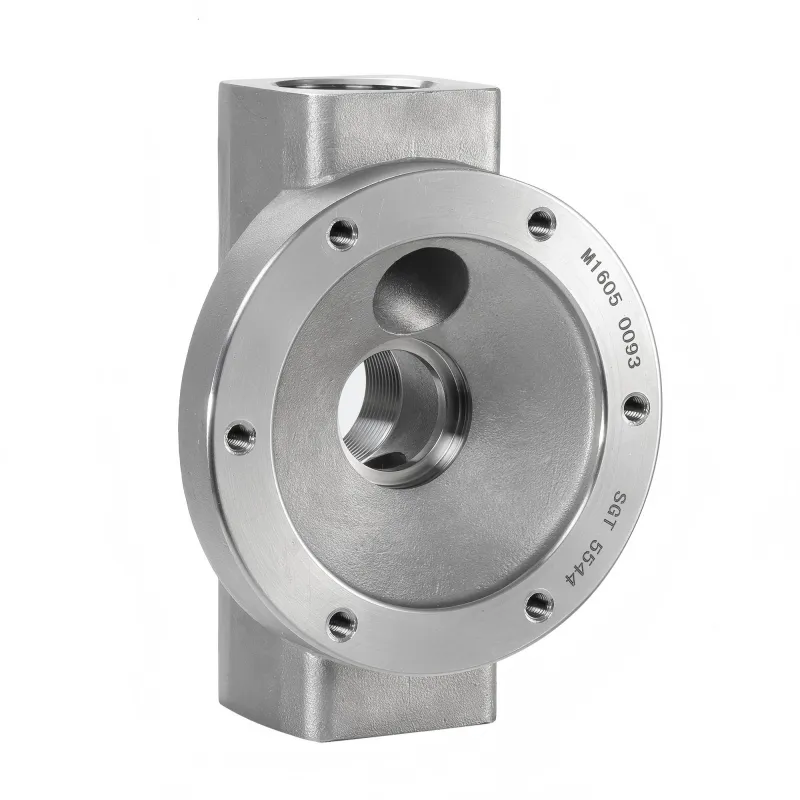
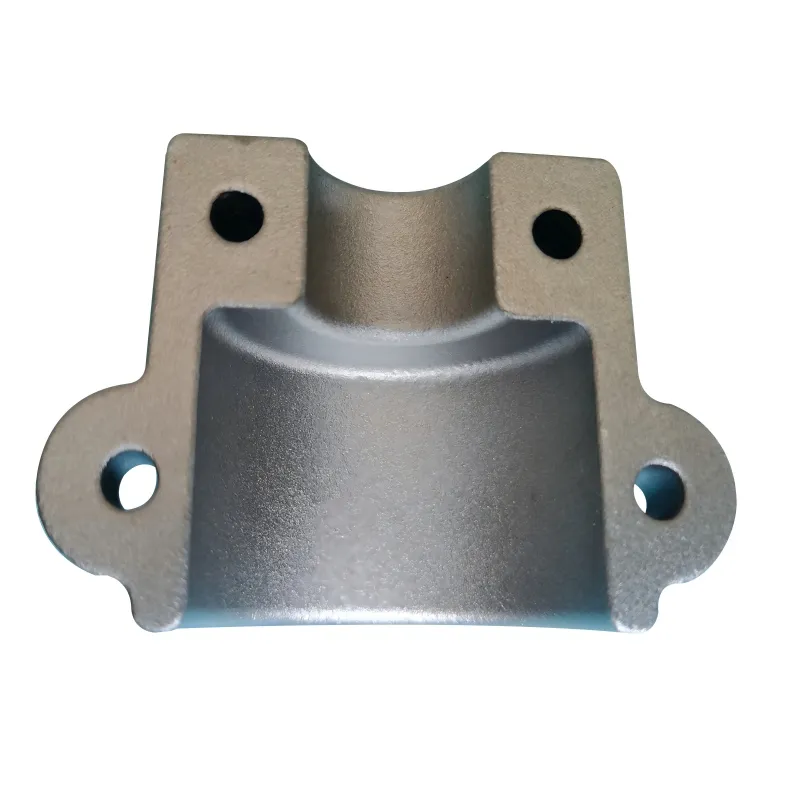
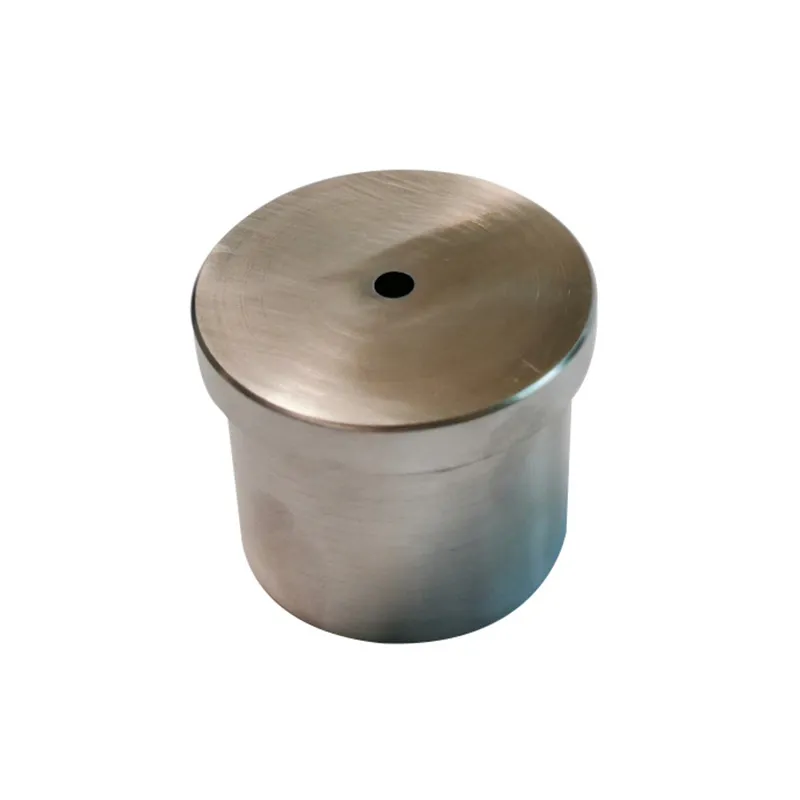
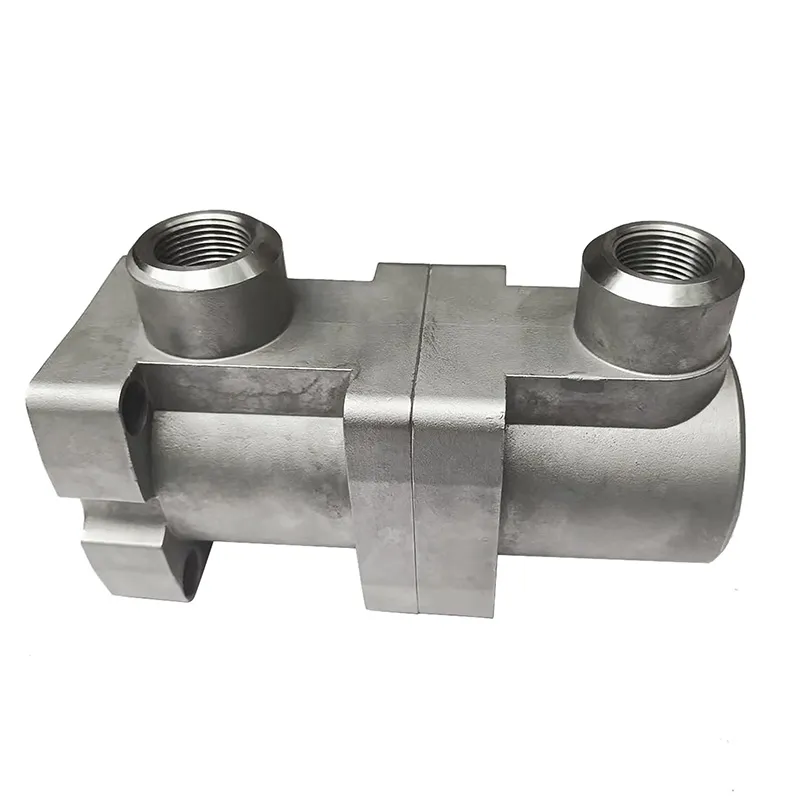
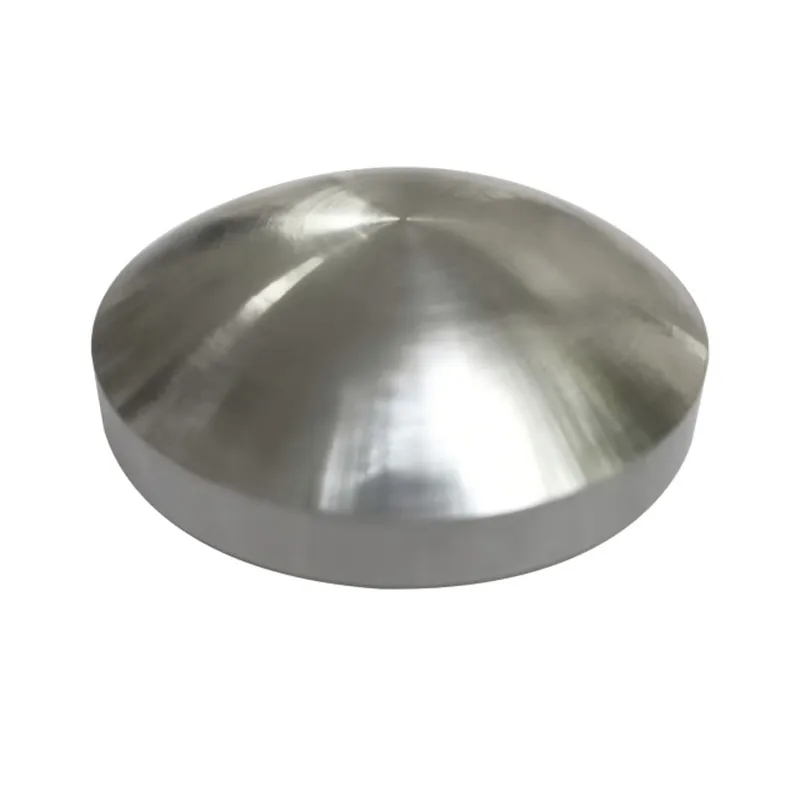
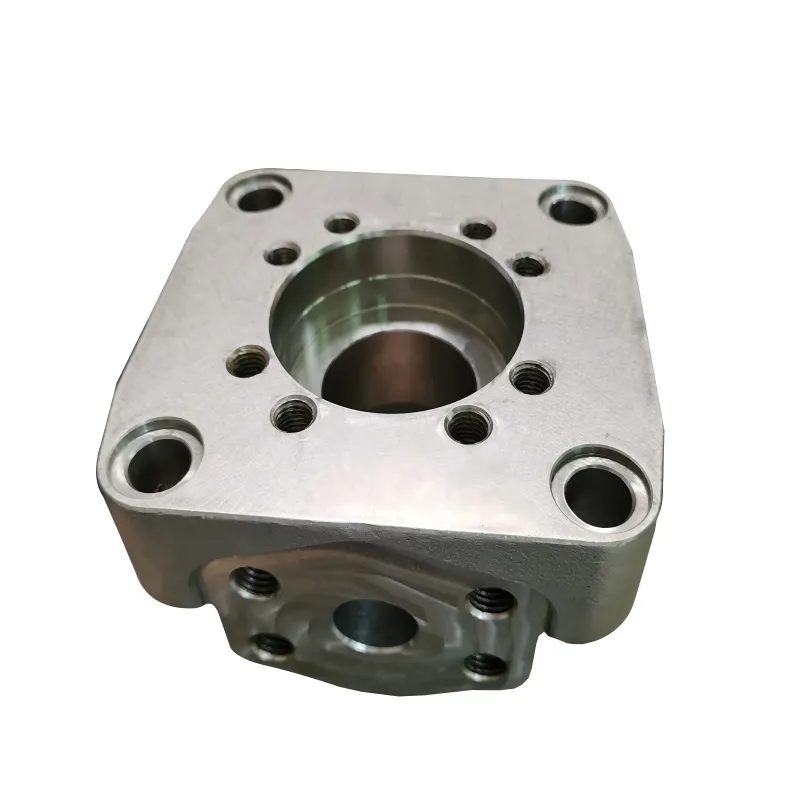
When someone says precision parts, most think of flawless, shiny components straight off a CNC machine. That's the glossy brochure version. The reality, the one you live through on the shop floor, is about managing microns under heat, stress, and the unforgiving nature of physics. It's not just about hitting a number on a drawing; it's about understanding that the drawing is often the beginning of the negotiation, not the end. The real precision lies in anticipating how a part will behave when it's no longer on the granite table of a CMM, but bolted into a system, under load, at temperature. That's where the decades of casting and machining, like what you see at a firm such as Qingdao Qiangsenyuan Technology Co., Ltd. (QSY), actually matter. It's the institutional memory of how a nickel-based alloy warps during cooling in an investment casting shell, or how a specific grade of stainless steel work-hardens during milling, that separates a usable part from a scrap bin candidate.
Where Precision Actually Lives
Let's get specific. A client sends a 3D model for a hydraulic valve body, tolerances ±0.02mm on critical bores. On paper, with modern 5-axis machines, that's achievable. But the material is ductile iron. If you just clamp it and go, the cutting forces and internal stresses from the casting process will move the part. You might measure perfection after machining, only to find it's out of spec 24 hours later as stresses relax. The precision here isn't in the machine's programmed path, but in the pre-machining stress relief, the fixturing strategy that minimizes distortion, and the sequence of operations. You have to rough it out, let it sit, then finish. That's time and cost no one in procurement wants to hear about, but it's the only way. I've seen too many shops skip these steps to meet a deadline, resulting in field failures. The part was precise in the lab, but not in the real world.
This is where integrated processes show their value. A company that handles both the casting and the machining under one roof, like QSY with their three decades in shell mold and investment casting paired with CNC machining, has a fighting chance. The machinists talk to the foundry team. They know the specific shrinkage factors of their own shell molds, the typical porosity zones for a given gating design. This means the CNC program can be adjusted before the first chip is cut—maybe adding an extra 0.05mm of stock on a wall that typically pulls inward. That's proactive precision. It's not in the CAD file; it's in the handover notes between departments that have worked together for years. You can find their approach detailed on their portal at https://www.tsingtaocnc.com, which frankly reads more like a process manual than a sales site, which I appreciate.
The material choice is another silent dictator of precision. Everyone wants stainless for corrosion resistance, but which grade? 304 is a nightmare for tight-tolerance machining—it gums up, it walks. 316 is slightly better but still tough. For real stability, you might need to push the client toward a precipitation-hardening grade like 17-4PH, but then you're dealing with heat treatment distortion post-machining. Or take cobalt-based alloys for extreme wear resistance. They're brutally hard to machine. Achieving a fine surface finish and holding a tolerance on a Stellite part isn't about having a fancy machine; it's about toolpath strategies, coolant pressure at the insert, and spindle speed harmonics. You learn these things by ruining a lot of expensive material first.
The Measurement Trap
Here's a classic industry pitfall: over-reliance on the CMM report. The part checks out, all green lights. But it fails in assembly. Why? The CMM might be measuring a single point in a bore, but the functional requirement is the alignment of that bore over its entire length relative to another feature. Or surface finish. A 0.8Ra finish might be called out, and you hit it. But if the lay of the finish is circumferential on a sealing surface that needs a radial seal, it will leak. The CMM doesn't catch that. You need functional gauging, or better yet, you need to test it in a fixture that simulates its final assembly. True precision is validated by function, not just by a coordinate list.
I recall a project for a sensor housing in a nickel-based alloy. The dimensions were perfect, but the part was electrically noisy in the end device. The culprit? A barely visible burr on a thread, creating a micro-antenna. The drawing didn't specify deburring standards for that internal thread. Our inspection missed it because it wasn't on the checklist. The precision of the major dimensions was irrelevant; the failure was on a feature considered non-critical. Now, our post-machining workflow includes a specific low-power microscope check for such burrs on any part with an electronic function. It's a lesson written in RMA paperwork.
This is why the final step for critical precision parts often isn't machining or measuring—it's handwork. A skilled technician with a stone, polishing a sharp edge to a specific break. Or using a pneumatic tool with a custom abrasive tip to uniformly blend a surface. It's not automated, it's not easily scalable, but it's often the difference between a part that works and one that doesn't. You won't find this in many marketing bulletins, but it's a daily reality on the floor.
When Good Enough Isn't
The economics of precision are brutal. The cost curve isn't linear; it's exponential. Going from ±0.1mm to ±0.05mm might double the machining time and require new tooling. Going to ±0.02mm might triple it again and demand climate control. One of the most valuable skills a manufacturing engineer has is pushing back on design engineers to justify every tight tolerance. Does that clearance hole really need to be H7? Or will an H8 suffice? Often, the drawing is a copy-paste from a previous project, with tolerances no one has questioned. A collaborative partner doesn't just say yes to every spec; they ask why? and suggest where to tighten and, more importantly, where to loosen to achieve a reliable part at a sane cost. This dialogue is a hallmark of a mature supplier.
Looking at a long-standing operation's portfolio, like the one you can see from QSY's experience with special alloys and complex castings, you can infer they've had these conversations thousands of times. When you've been making parts for 30 years, you've seen designs that worked and ones that failed. That historical data is invaluable. It allows you to say, For this type of load in this cobalt alloy, we recommend adding a radius of at least 1.5mm here, or we risk a fatigue crack initiating. That's precision applied at the design-for-manufacturability stage, which is far more impactful than precision applied during production.
A failure that taught me this involved a thin-walled stainless steel investment casting for a medical device. The design had a beautiful, sharp internal corner. We produced it exactly to print. It cracked during pressure testing. The solution wasn't a better machining process; it was going back to the client and proving, with FEA and past examples, that the corner needed a radius. We re-cast it with a modified mold. The part succeeded. The precision of the final part was dependent on the precision of the initial engineering consultation.
The Tooling and Process Inertia
Precision isn't just about the part; it's about replicating it. Batch-to-batch consistency is the holy grail, and it's fiendishly difficult. For cast parts, the wear on the mold or the wax pattern dies changes dimensions subtly over runs. For machining, tool wear is the enemy. You might start a run of 1000 parts with a fresh endmill holding ±0.01mm, but by part 300, you're drifting. Do you have in-process gauging to catch that? Or a tool-life management system? For high-volume precision parts, the process control is more important than the capability of a single machine.
This is another area where vertical integration helps. If the same company controls the casting pattern making, the shell molding, the heat treatment, and the CNC machining, they can build consistency checks and feedback loops at every stage. A shift in the as-cast dimensions can be flagged and the CNC program offset adjusted before the batch hits the machines. It's a systemic approach to precision. On their website, QSY's emphasis on controlling the entire chain from mold to finished machined part isn't just a sales point; it's a direct contributor to dimensional stability across production lots.
Then there's the human factor. The best processes are worthless if not followed. A machinist deciding a climb mill looks good enough without checking with a micrometer can scrap a whole batch. The culture on the floor has to respect the process sheet. This comes from training, but also from understanding the why. When people understand that a ±0.03mm tolerance on a bearing seat is what prevents a pump from vibrating itself to death in a year, they're more likely to care. That's the intangible part of manufacturing precision parts that you can't buy with a new machine tool.
Wrapping It Up: A Practical Mindset
So, after all this, what's my take? Precision parts manufacturing is a discipline of controlled compromise. It's about deeply understanding the interplay between material, process, design intent, and cost. It's messy, iterative, and full of hidden variables. The most impressive shops aren't the ones with the newest robots, but the ones with the most comprehensive notebooks—the literal or figurative records of what worked and what didn't on thousands of past jobs.
The goal isn't perfection in a vacuum. It's delivering a component that disappears into its assembly and just works, for its intended lifespan, without fuss. That requires a partnership mindset from the very first sketch. It requires suppliers who bring manufacturing reality to the design table, and designers who listen. When you find that synergy, that's when you achieve real precision—the kind that holds up on a dusty construction site, in a sterile operating room, or in the depths of a working engine, not just in an air-conditioned metrology lab.
In the end, it comes down to experience. There's no substitute for having made a similar part before, in a similar material, and remembering how the challenges were solved. That accumulated knowledge, the kind built over 30 years of tackling everything from cast iron to cobalt alloys, is the ultimate tool for making parts that are precisely right.