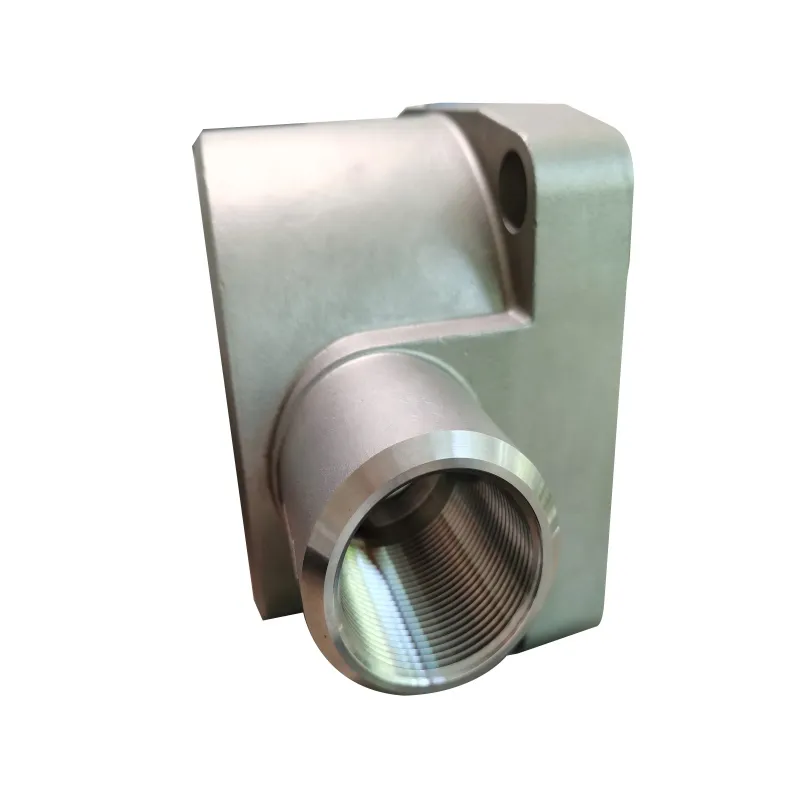
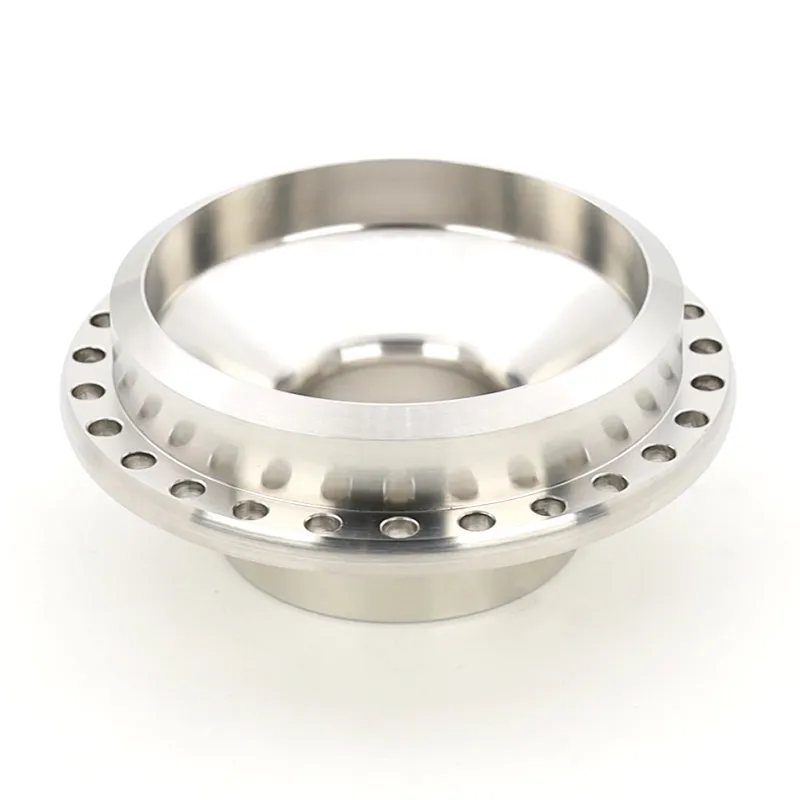
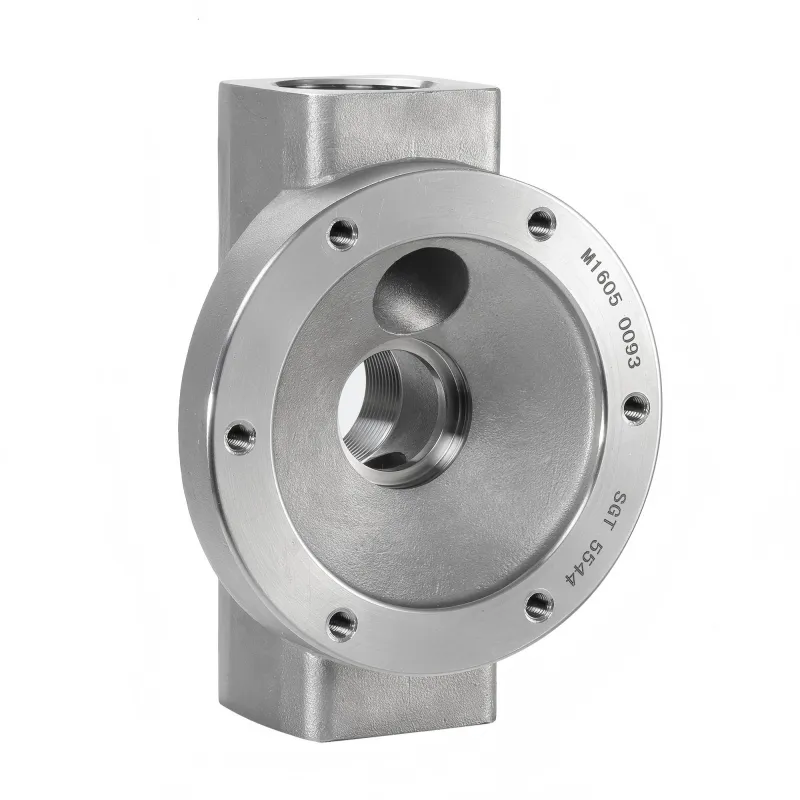
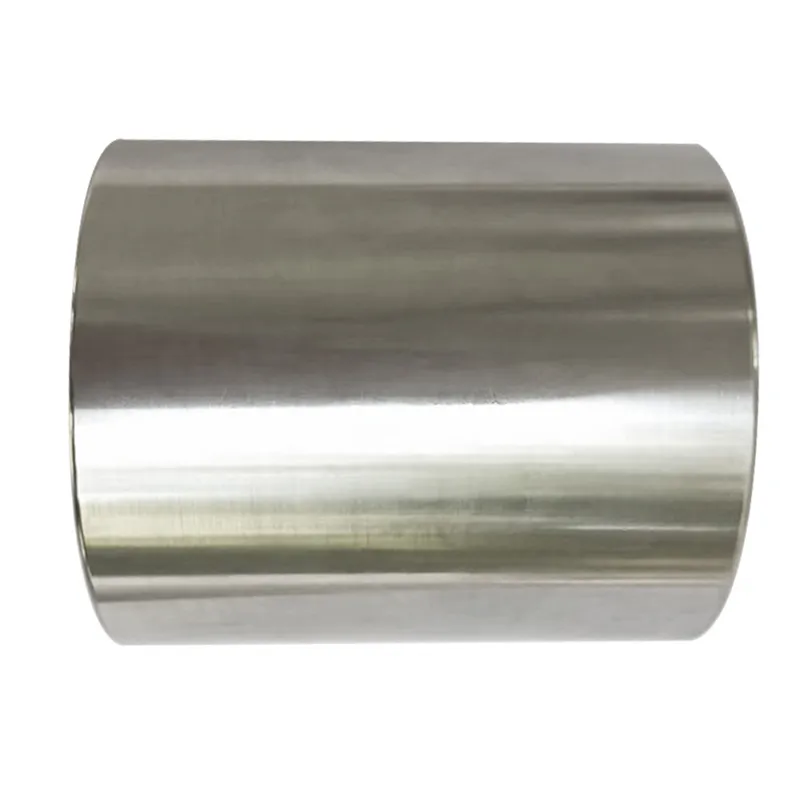
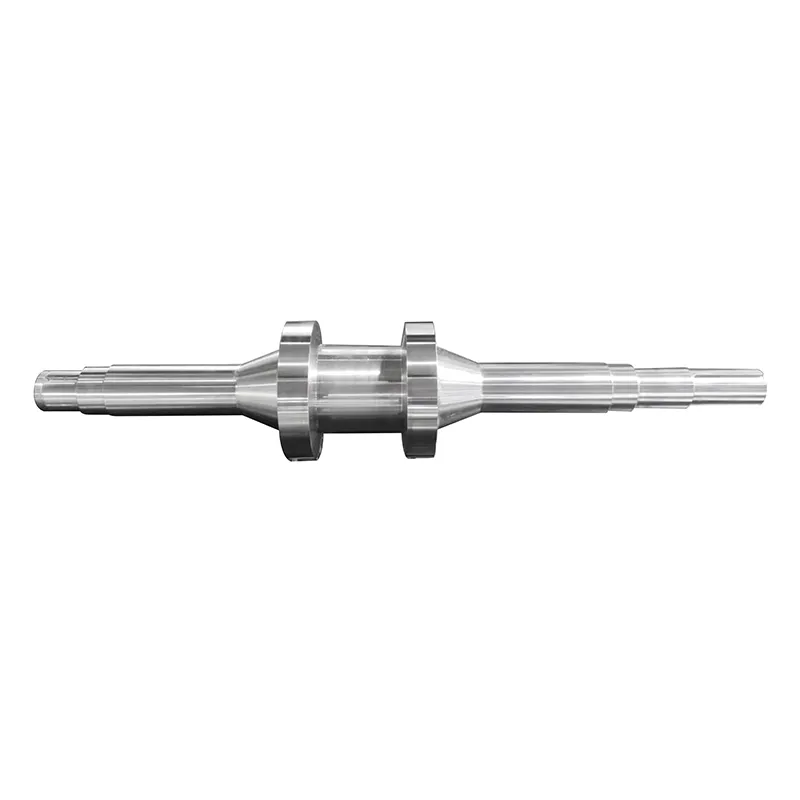
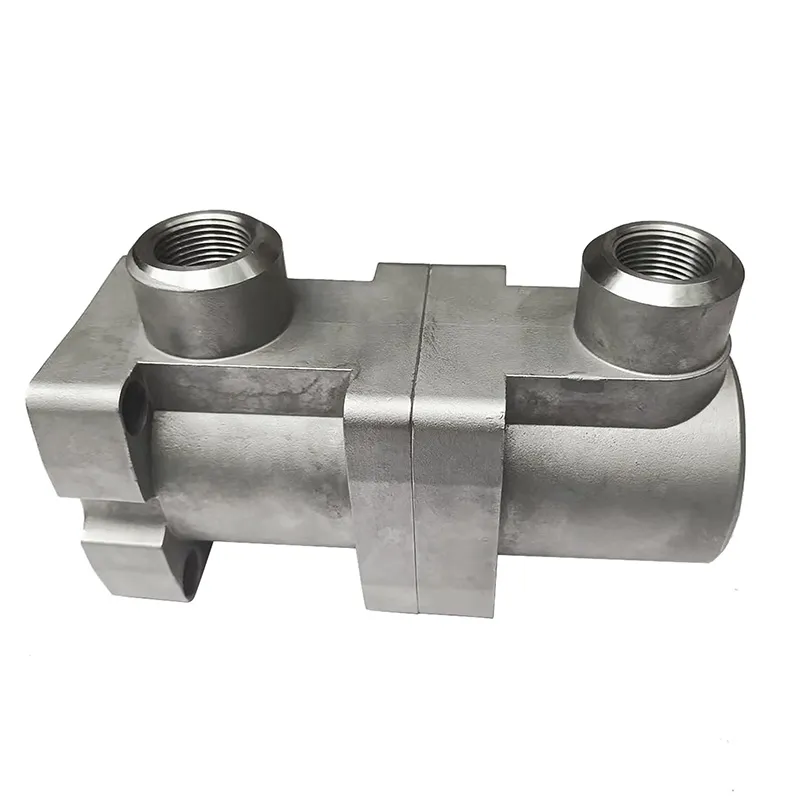
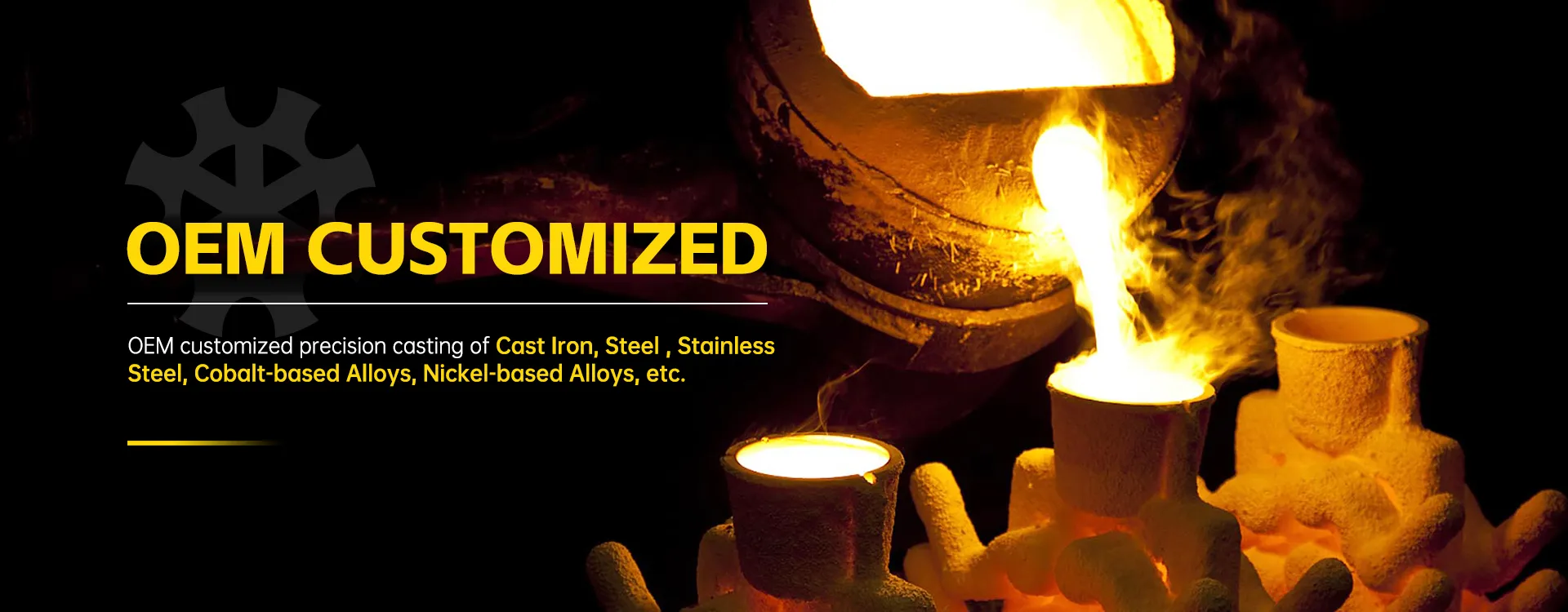
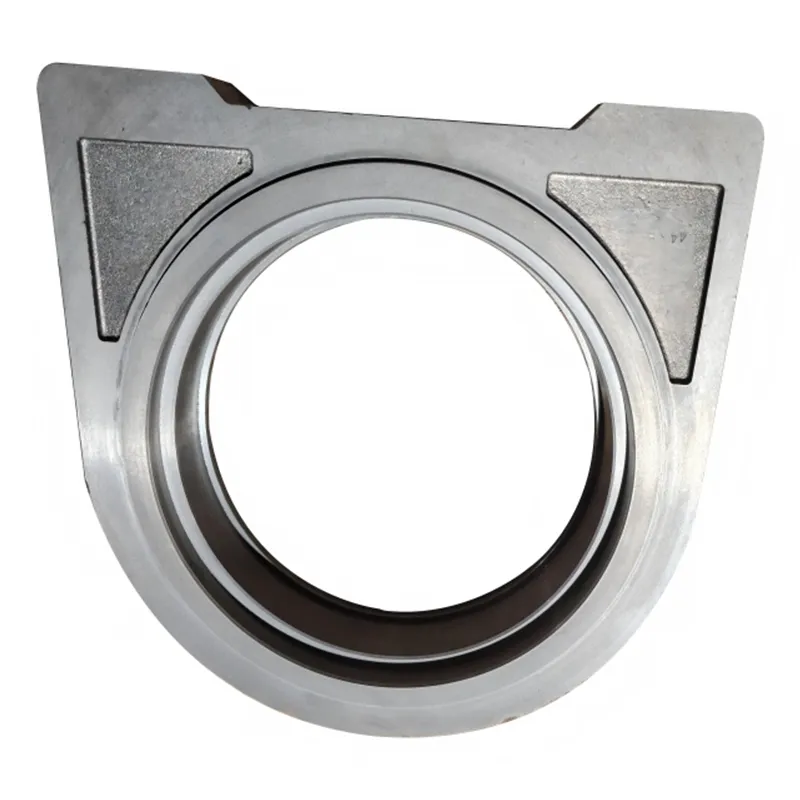
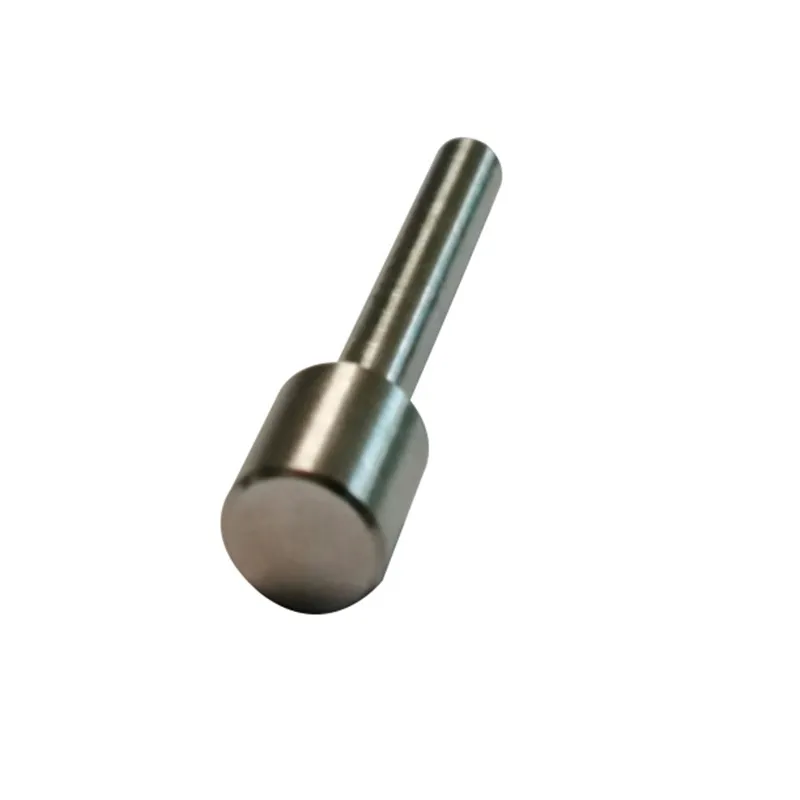
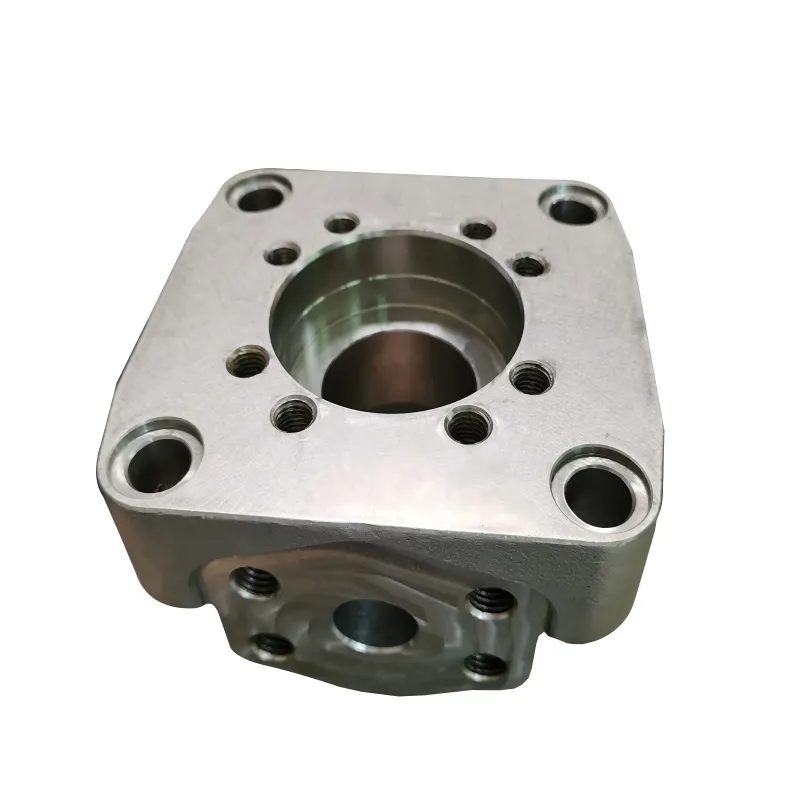
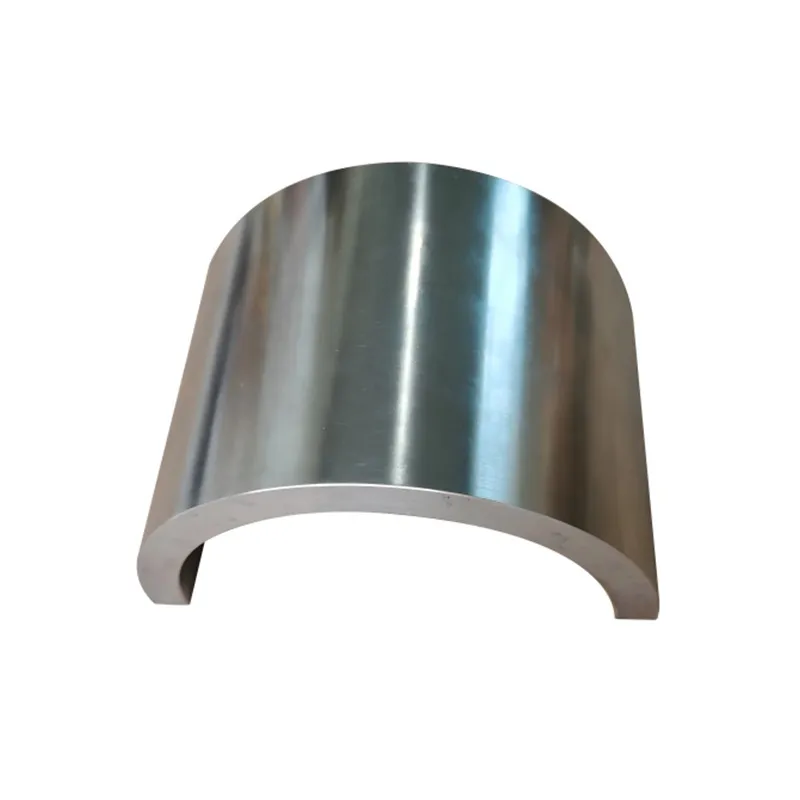
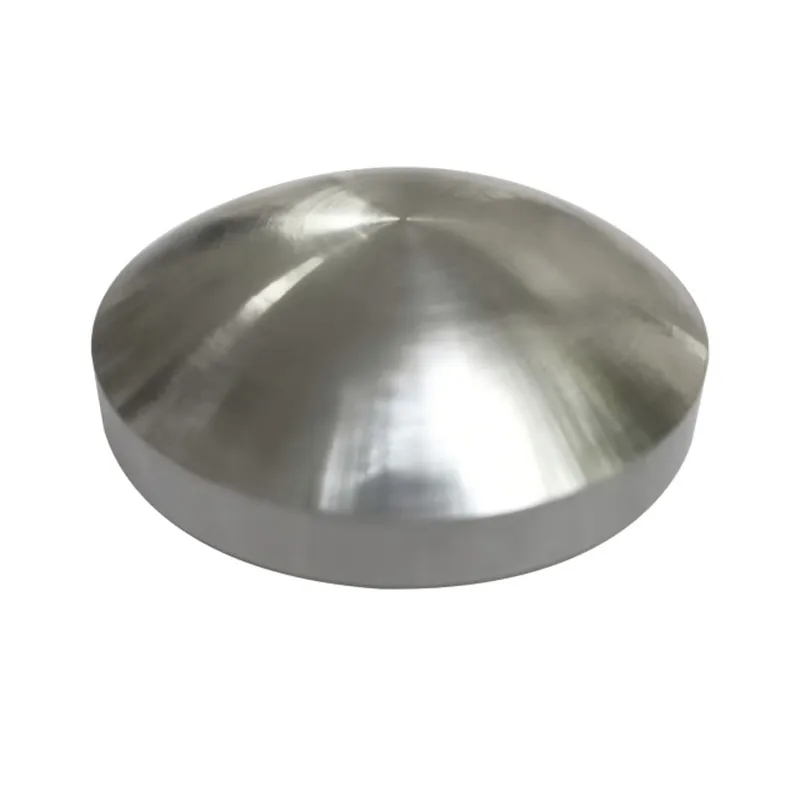
When most people hear 'precision parts machining', they picture a pristine CNC machine humming away, spitting out perfect parts. That's the marketing gloss. The reality, the part that actually matters, is what happens in the margins—the decisions made before the first tool touches the stock, and the problem-solving that happens when, inevitably, something doesn't go to plan. It's not just about holding a tolerance; it's about understanding how that tolerance lives in the real world, under stress, at temperature, in assembly. Too many shops get hung up on the machine's capability on paper, forgetting that the material, the fixturing, the tool path strategy, and even the coolant, are the real arbiters of precision.
The Foundation: It Starts with the Casting
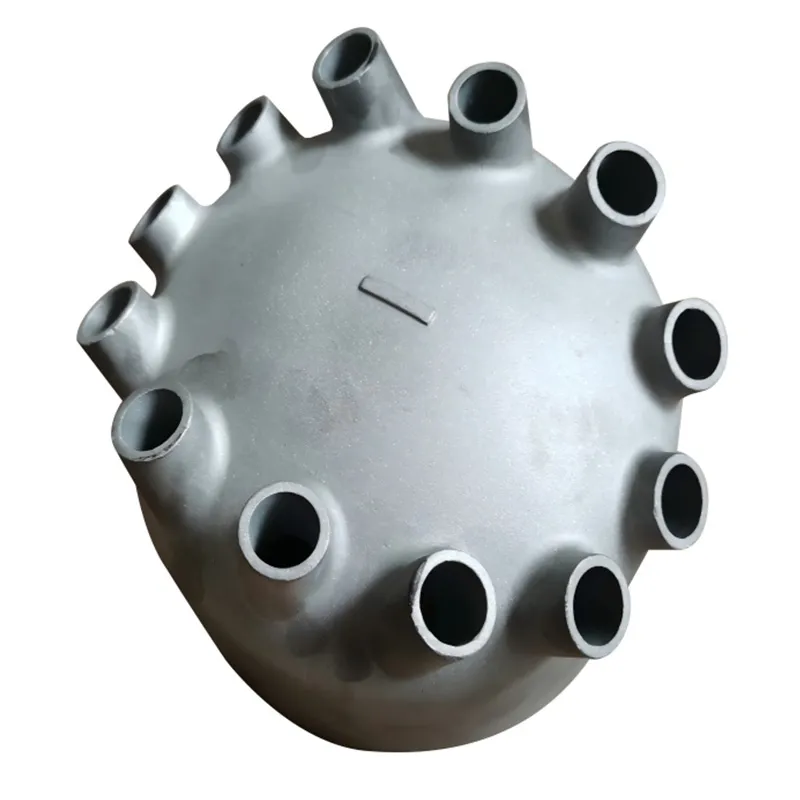
You can't machine precision into a bad foundation. This is where a lot of projects, especially complex ones, go sideways early. We get a print for a turbine component or a valve body, and the immediate focus jumps to the tight bore tolerances and surface finishes. But if the initial casting has internal shrinkage, inconsistent wall thickness, or hard spots, you're fighting a losing battle from the start. The machining becomes a salvage operation, not a precision one.
This is why our approach at Qingdao Qiangsenyuan Technology Co., Ltd. (QSY) is somewhat backwards to some. With over 30 years in casting, we look at the part holistically. For a high-pressure valve body in duplex stainless steel, the discussion begins with the mold design for the investment casting process. How do we orient the part in the shell to ensure directional solidification and minimize porosity in the critical sealing areas? That decision, made weeks before machining, has a bigger impact on achieving a leak-proof, dimensionally stable final part than any last-minute adjustment on the CNC.
I recall a job for a marine pump impeller in a nickel-based alloy. The client came to us after another shop struggled with tool breakage and couldn't hold balance specs. The issue wasn't the machining program; it was the grain flow in the casting. The original foundry process created random, coarse grains. We redesigned the gating system for our shell mold process to promote a more uniform, finer grain structure. Suddenly, the machining was predictable, the tools lasted, and the dynamic balance was right in spec. The precision parts machining was successful because the casting was designed for it.
Material is Not Just a Selection on a Drop-Down Menu
Working with special alloys like cobalt-based or Inconel series isn't just about switching to a more wear-resistant insert. The material's behavior dictates everything. It's a conversation with the metal. Stainless steel, for instance, wants to work-harden. You go in with a light cut, a slow feed, and you can glaze the surface, making the next pass even harder and ruining the tool. You need the confidence to take a sufficiently aggressive cut to get under that work-hardened layer, which requires rigid fixturing and a machine with torque.
Then there's heat. Machining these alloys generates intense, localized heat. Where does that heat go? Mostly into the tool, which is why coolant selection and application are critical. But it also goes into the part. For a thin-walled section of a cobalt alloy aerospace bracket, that thermal expansion is real. You might machine it to perfect dimensions at 25°C, but the heat from machining has expanded it. When it cools back down in the inspection room, it's out of tolerance. You have to compensate for that, either through in-process cooling or in your CAM programming. It's a feel you develop over time, watching how the chips curl and their color.
We learned this the hard way early on with a batch of Stellite seats. We machined them all to the low end of the tolerance band, assuming a perfect, cool process. The CMM showed them all slightly undersized after thermal equilibrium. Had to scrap the lot. Now, for critical dimensions on such materials, we build in a thermal offset or, better yet, use in-process probing after a controlled cool-down cycle. It adds time, but it's the difference between a part and a precision part.
The CNC is a Partner, Not a Magician
The allure of a 5-axis machining center is strong. The idea that you can fixture a complex casting once and machine every feature is technically true. But the practicality is different. Every time you tilt the head or rotate the table, you're changing the vector of cutting forces, the effectiveness of coolant, and the rigidity of the setup. For a heavy cast iron housing, that might not matter. For a slender, unfinished casting of 17-4 PH stainless, it can lead to chatter or deflection.
Sometimes, the less precise method is more precise. We might choose to do a second operation on a 3-axis mill with a dedicated fixture for a set of angled ports, because that fixture provides unparalleled stability for that specific operation. The goal is the final part's integrity, not showing off the machine's brochure capabilities. The team's experience in judging this—when to use the 5-axis simultaneous, when to index, when to use a secondary setup—is the invisible value. You can't buy that software.
I was reviewing a process plan the other day for a manifold. The young engineer had programmed a beautiful, efficient single-setup 5-axis toolpath. It looked perfect on the simulation. But I had him change it. One of the finishing passes would have left the tool engaging the material in a near-vertical orientation, which for that specific grade of steel, would have promoted poor surface finish on a critical sealing face. We broke it into two setups. It took longer, but the finish was perfect. The machine is a tool; the process knowledge is the craft.
Inspection: The Story the Data Tells
Passing a first-article inspection is one thing. Understanding why you passed is everything. We lean heavily on our CMM and surface profilometer data, but not just for a pass/fail stamp. We look for patterns. If the bore diameter on a series of cast iron pump bodies is consistently trending toward the high side of the tolerance, but within spec, that's a signal. Is it tool wear? A slight thermal shift? Or is it a pattern in the casting itself—maybe a consistent, minimal distortion from the casting process that we can now predict and compensate for in the CAM?
This data feedback loop is where true consistency is built. It closes the gap between the casting shop floor and the machining center. We've shared these kinds of reports with our own casting team, leading to tweaks in the shell mold baking process that reduced residual stress and made the machining more stable. When you control both processes, you have the luxury—no, the responsibility—to use data from one to improve the other.
For instance, data from machining special alloys often shows us which material batches machine more consistently. That intel goes back to our material sourcing. It's a level of integration that's only possible when machining isn't seen as a standalone service, but as one phase in the part's lifecycle. This is the philosophy we've built at QSY over three decades, and it's detailed in our approach on tsingtaocnc.com. The goal isn't just to make a part to print today, but to understand the process so deeply that we can make it better, and more predictably, tomorrow.
The Good Enough Trap
The biggest challenge in precision parts machining isn't always technical; it's often commercial. The pressure to reduce cost per part is immense. And there's always a point where the part is good enough—it passes QC, it fits (mostly), the customer might not even notice. But that's the trap. In applications like those using the cobalt-based alloys we often work with—think fuel systems or high-wear industrial components—good enough fails. It fails slowly, expensively, and dangerously.
Pushing back on this requires a clear voice. It means sometimes telling a client that their requested tolerance on a non-critical feature is unnecessarily costing them 20% more, or that a different material grade would give them better performance for their actual application. It's about being a manufacturing partner, not just a vendor. This is where the 30 years of context matters. We've seen how parts fail in the field, and that informs how we insist they be made.
Ultimately, precision machining is a trust exercise. The client trusts us to understand the unspoken requirements—the fatigue life, the thermal cycles, the assembly loads—that aren't on the drawing but are written into the application. We earn that trust by showing our work, by explaining the why behind a process choice, and by having the casting history, the material certs, and the full traceability to back it up. That's the real product. The machined part is just the physical evidence.