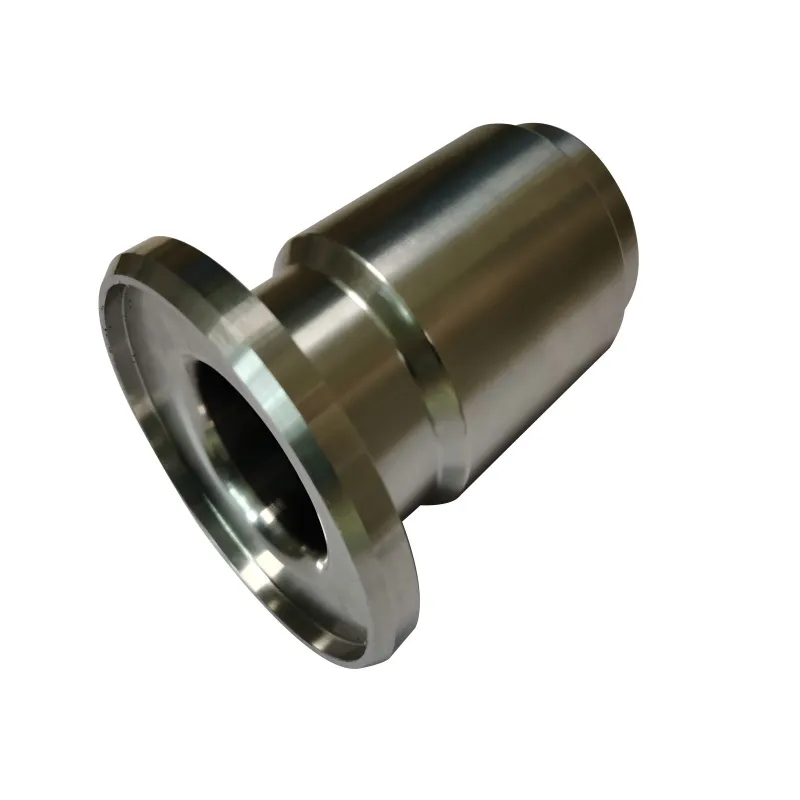
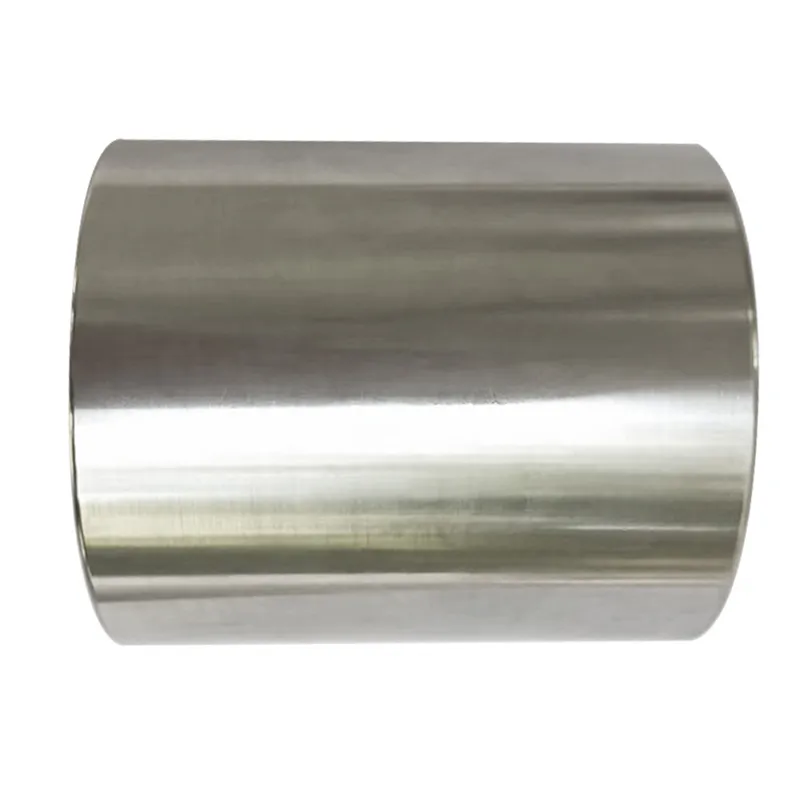
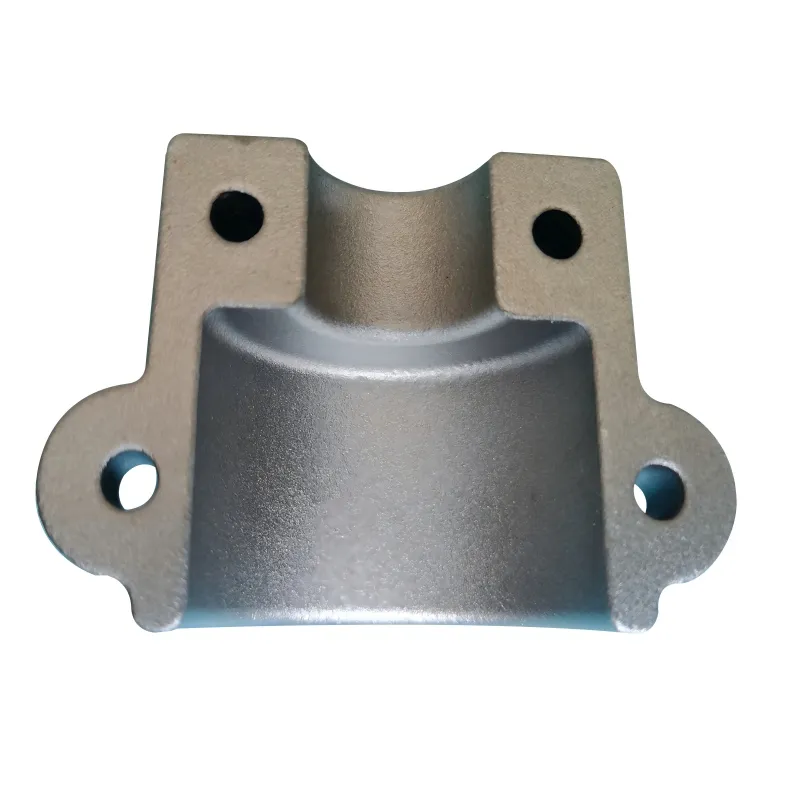
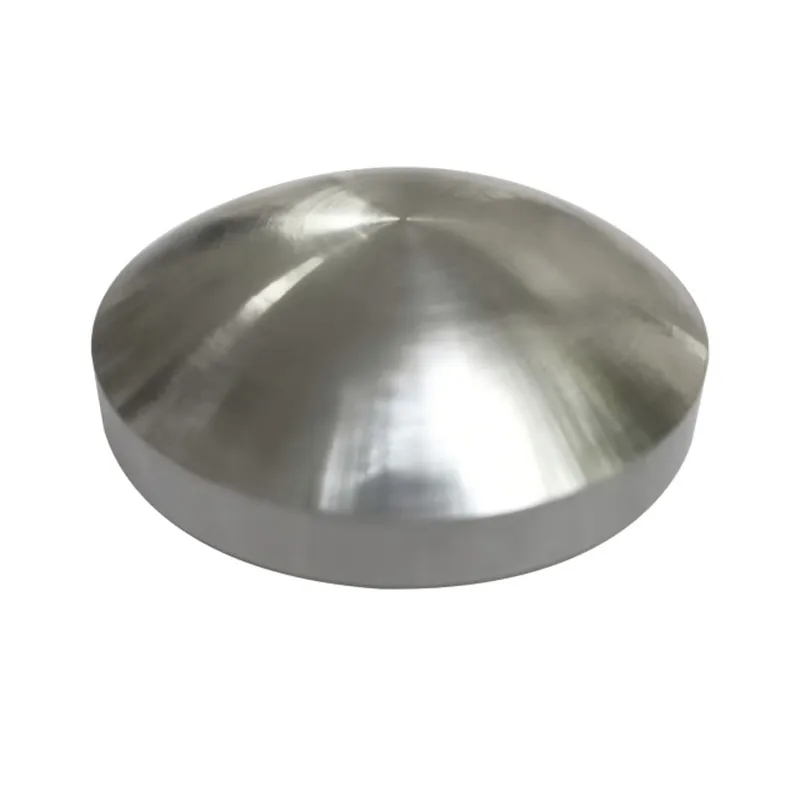
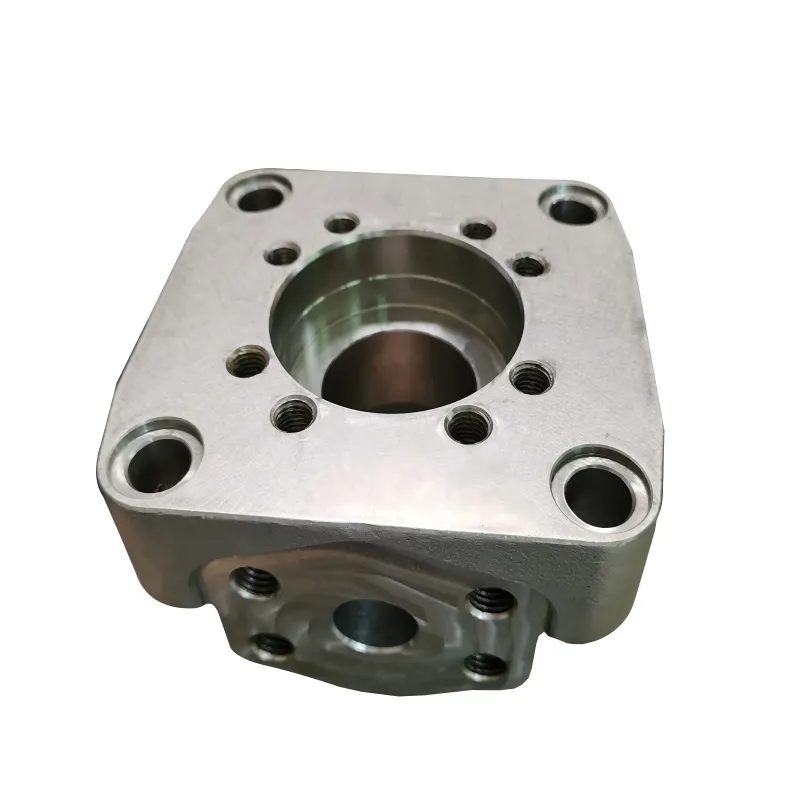
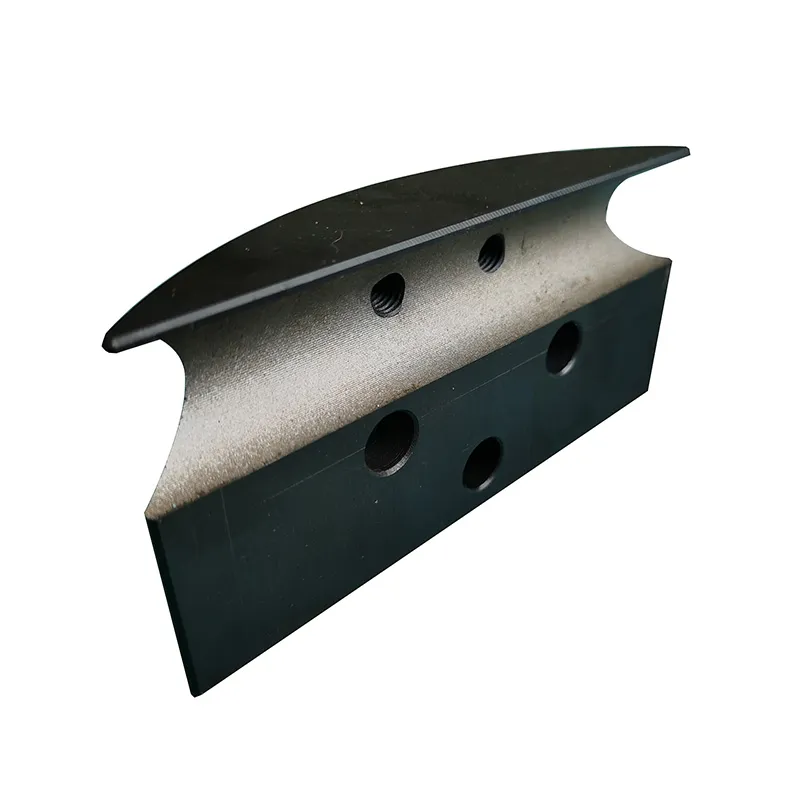
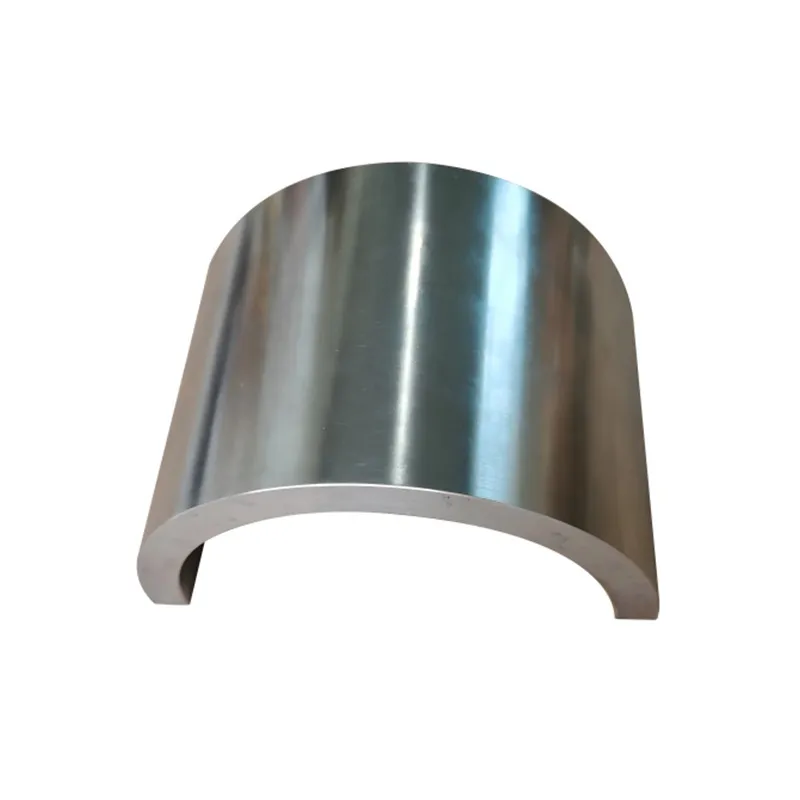
When most engineers hear 'precision prototype machining', they immediately think of micron-level tolerances and flawless surface finishes. That's part of it, sure, but if you've been on the shop floor long enough, you know the real challenge isn't just hitting a number on a print. It's about making a part that actually functions in the real world, often with materials that fight you every step of the way. I've seen too many beautiful, dimensionally perfect prototypes fail in testing because the process focused on the wrong kind of precision. The true precision is in the thinking, not just the cutting.
The Material is the First Hurdle
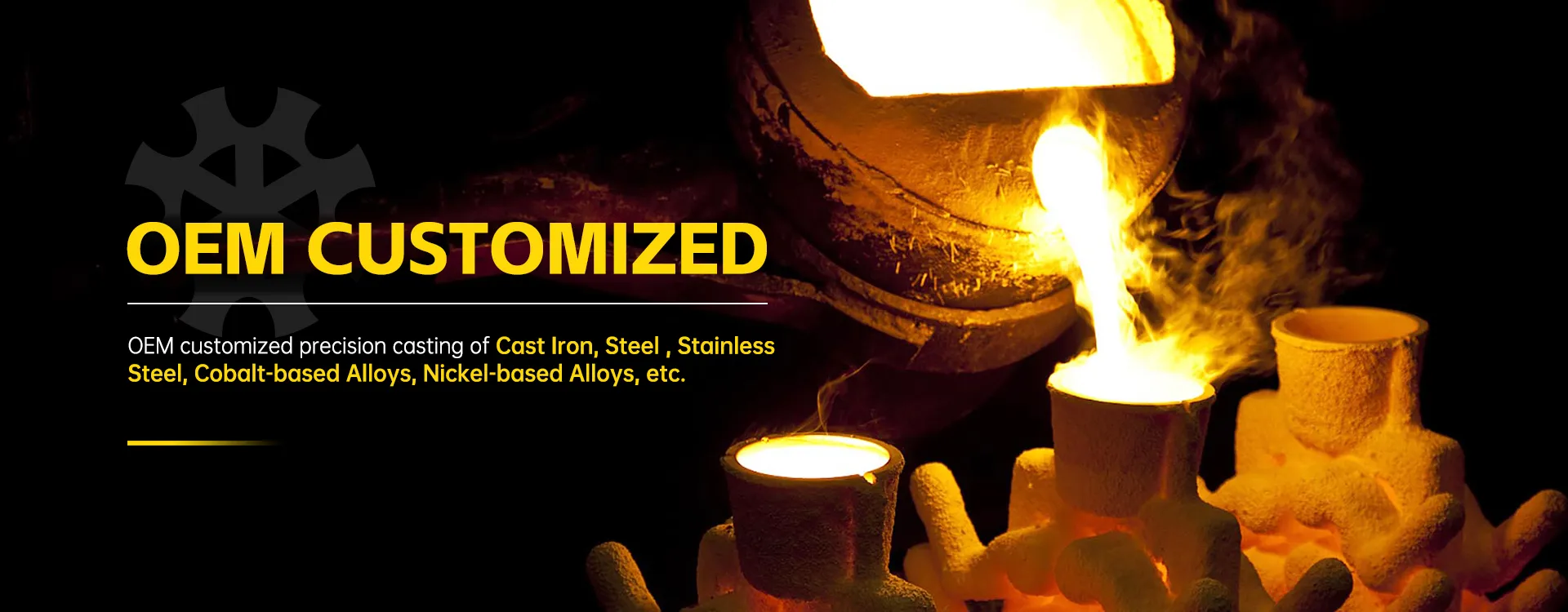
You can have the best 5-axis machine in the world, but if you don't understand the material's personality, you're screwed from the start. This is where a background in casting, like what we've built over decades at Qingdao Qiangsenyuan Technology Co., Ltd.(QSY), becomes invaluable. We don't just machine blocks of stock; we often start with our own castings. So when a client brings a design for a high-temperature aerospace component in Inconel 718, we're not just thinking about feeds and speeds. We're thinking about the residual stress from the investment casting process, how that might warp when we clamp it, and where to leave extra stock. That initial material knowledge is a form of precision most pure machine shops miss.
I remember a prototype for a turbine seal segment. The print called for a crazy-tight flatness on a thin, wide flange. The first attempt, using a standard vise and a textbook machining sequence from a block of nickel-based alloy, resulted in a beautiful, in-spec part. That is, until it relaxed off the machine and warped like a potato chip. We achieved machining precision but failed prototype precision. The part was useless.
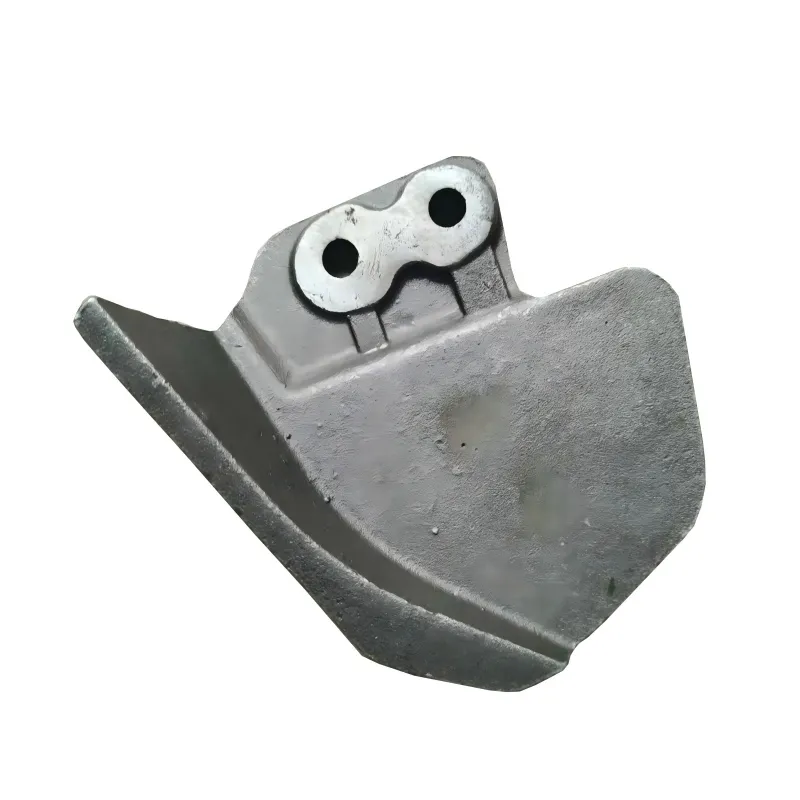
The fix wasn't a fancier machine. It was going back to the source. We collaborated with our own shell mold casting team to design a pre-machined casting with integral support ribs in non-critical areas. These ribs stabilized the part during machining and were wire-EDM'd off as the very last step. The final part held its shape. That's integrated precision prototype machining—considering the entire journey from molten metal to finished component.
When Good Enough is the Enemy
Prototypes are for learning, so there's a temptation to cut corners. It's just a fit-check model, they say. But in my view, every prototype should be machined with the intent of it being a production part. Why? Because the failures you discover at the prototype stage are the most valuable data points you'll get. A sloppy prototype might fit, hiding a design flaw that becomes a million-dollar recall later.
We had a medical device client once—a surgical tool. The first prototype for the main housing was machined from 316 stainless. It assembled perfectly, and the mechanism worked. But during functional testing, the anodized aluminum actuating lever developed slight play after a few hundred cycles. The problem wasn't the lever's machining; it was the hardness and wear characteristics of the prototype material versus the planned production material. We were using easy-to-machine stock for speed. The good enough prototype nearly validated a flawed material pairing.
We insisted on machining the next iteration from the actual cobalt-chrome alloy specified for production. It was hell on tools, cost three times as much, and took longer. But it revealed a galling issue between the two components under load, forcing a design change to the interface. That's the precision in decision-making: knowing when prototype fidelity must extend to material authenticity, not just geometry.
The Tools in the Shed: More Than Just CNC
Everyone talks about CNC machining for prototypes, and it's the workhorse. But true capability comes from having the right secondary and support processes under one roof. At QSY, because we're coming from a foundry background, we don't see machining as an isolated service. It's one tool in the box.
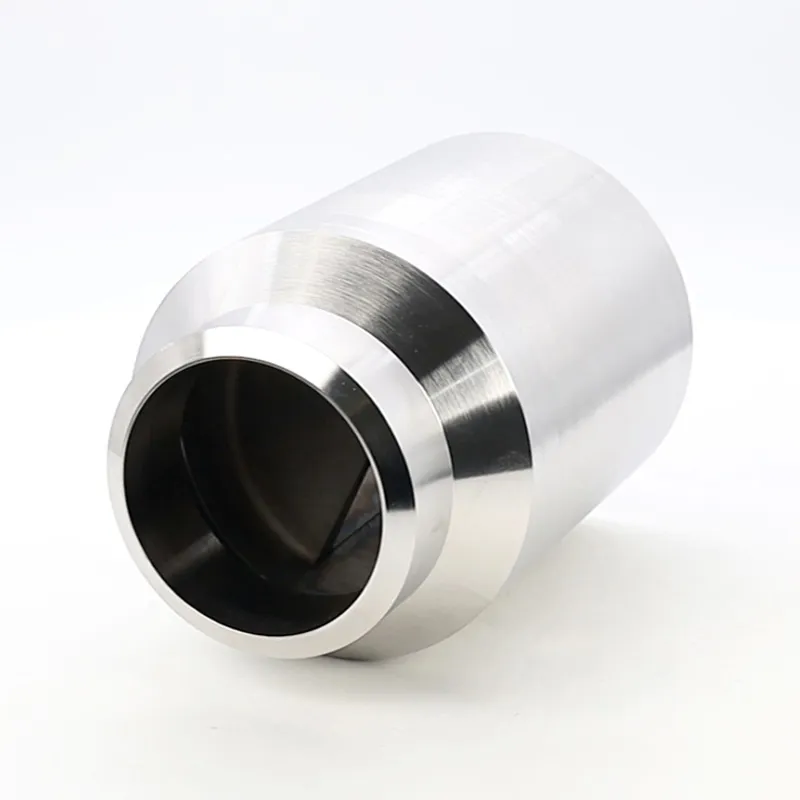
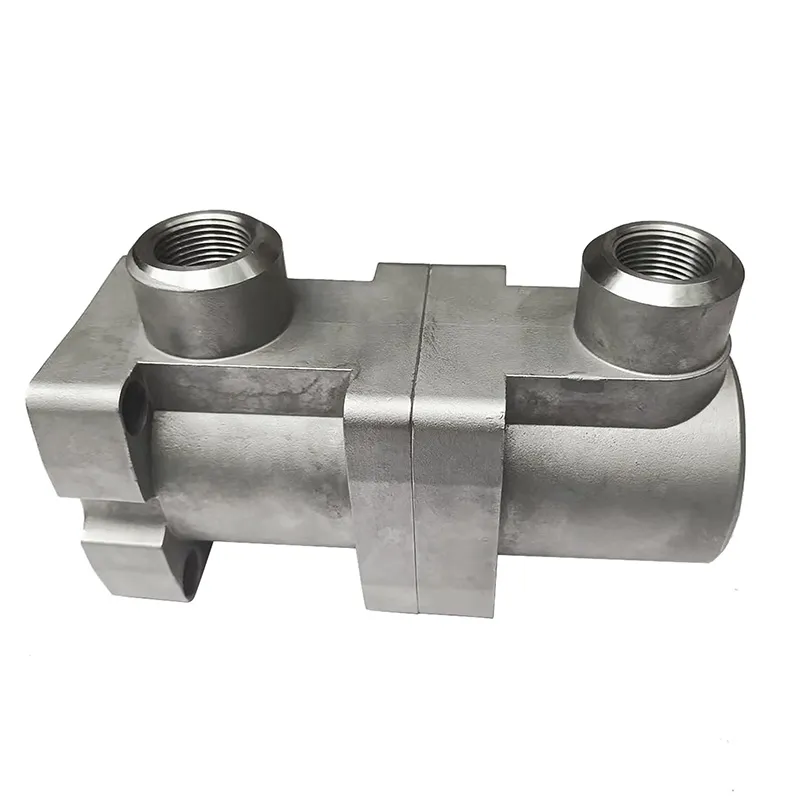
For instance, a complex impeller prototype might be best as a hybrid. We might produce the core geometry as an investment casting in duplex stainless steel, achieving the internal passages that would be impossible or wildly expensive to machine. Then, we bring it to the CNC department for precision machining of the mounting faces, bore, and blade tips. This hybrid approach gets a functional, representative prototype into a client's hands faster and often at a lower cost than trying to hog out a solid billet. The precision is in selecting the optimal process chain.
This is where you see the difference between a job shop and a solution provider. A job shop quotes the print. We look at the print and ask, What is this for? What does it need to withstand? Then we might suggest, The main body could be a precision shell mold casting to save time and material, and we'll finish the critical interfaces on the CNC. That consultation, born from 30 years of making both cast and machined parts, is a critical layer of the service.
The Communication Loop is a Critical Tolerance
Here's a dirty little secret: the biggest source of error in precision prototype machining isn't machine tool accuracy; it's communication. A drawing is a model of a model of an intent. Gaps in understanding get filled with assumptions, and that's where prototypes go wrong.
We now insist on a kick-off call for any complex prototype, even if it delays the PO by a day. We ask why about certain features. Is that radius just for aesthetics, or for stress flow? Is this surface a sealing face or just a cover? The answer changes how we approach it—toolpath strategy, cutter selection, even the order of operations.
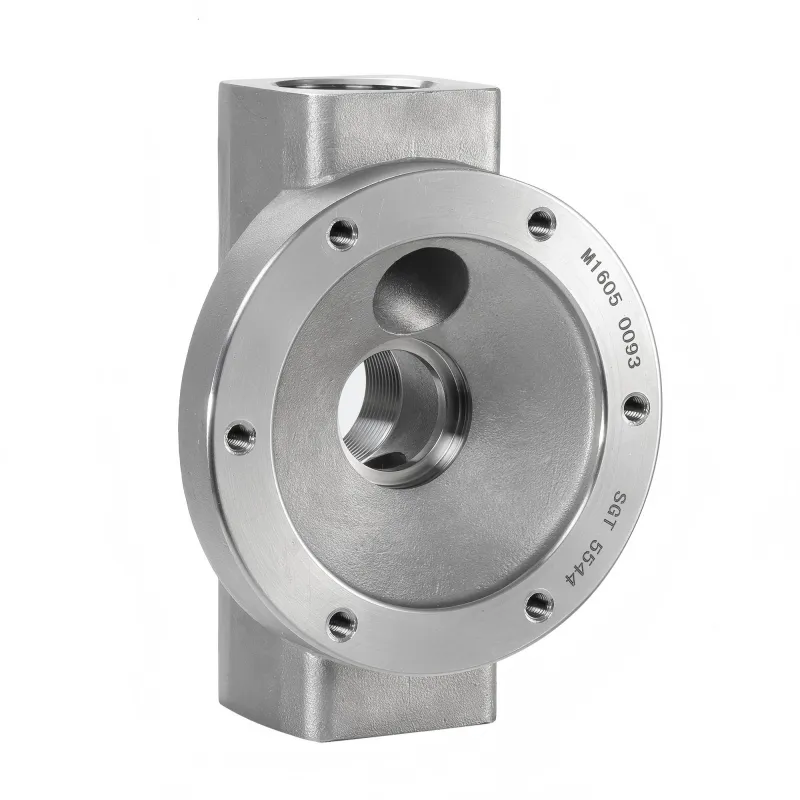
I learned this the hard way early on. A client sent a model for a sensor housing with a deep, small-diameter blind hole. We machined it perfectly to spec. They were furious. Why? Because they failed to communicate that the hole was for a glued-in fiber optic line, and the surface finish from our drilling operation wasn't rough enough for the adhesive to bond properly. We had to go back and manually abrade the hole. A five-minute conversation could have saved a week. Now, that conversation is a standard part of our process. The precision of the final part is directly proportional to the precision of the initial dialogue.
Looking Ahead: Precision as a Philosophy
So where does this leave us? After thirty years in casting and machining, I see precision prototype machining evolving. It's less about chasing tenths of a micron on a CMM report and more about holistic fidelity. Does the prototype behave like the production part will? That's the question.
It means sometimes choosing a slightly looser dimensional tolerance to preserve a material property, or spending extra time on a non-critical feature because it informs a manufacturing process decision. It's about leveraging a full-spectrum capability, like what we've built at QSY, where knowledge from the furnace informs the machining vise, and feedback from the machining center informs the casting mold design.
The end goal is never just a shiny part in a box. It's a validated piece of data. A successful prototype, machined with this broader definition of precision, doesn't just prove a design works. It de-risks the entire path to production. It tells you where the real costs will be, where the material challenges lie, and how the design needs to bend to meet manufacturing reality. That's the real value. And achieving that requires more than just a good machine shop; it requires a partner who thinks about the entire lifecycle of the part, from raw material to end use. That's the kind of precision that actually matters.