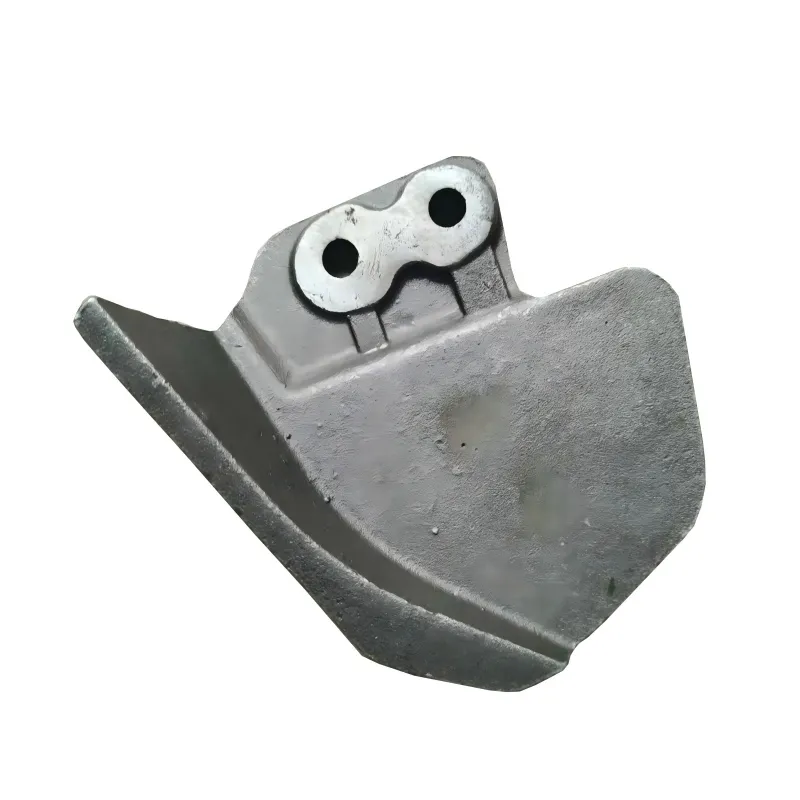
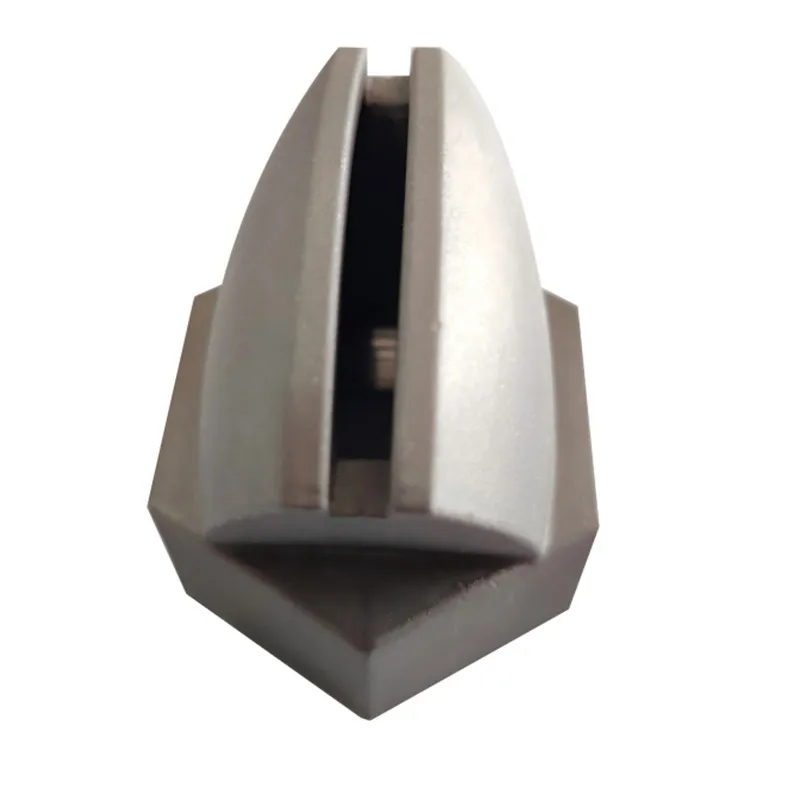
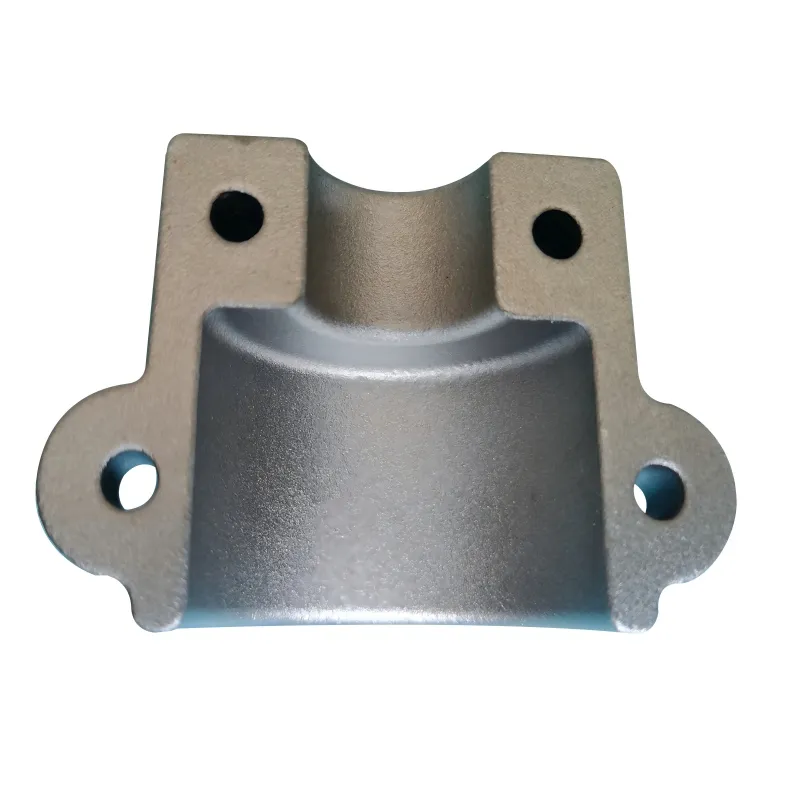
When you hear 'Precision Sand Casting', the immediate image might be of intricate, near-net-shape parts. That's part of it, but the real nuance—and where many specs get it wrong—is in understanding that 'precision' here isn't about chasing micron-level tolerances like in investment casting. It's about controlled, repeatable geometry and surface integrity in a process that's fundamentally more robust for certain part families. The common pitfall is treating it as a cheap alternative to shell molding or lost-wax, when it's actually a distinct solution for volume production of medium-complexity components where dimensional stability and internal soundness are non-negotiable.
The Misunderstood Tolerances
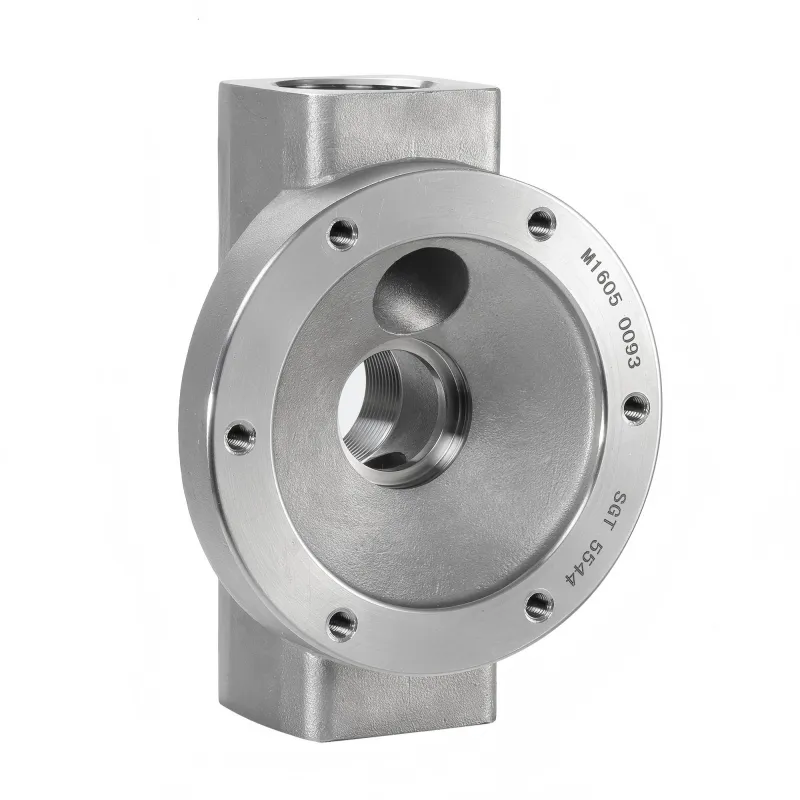
I recall a project years ago for a hydraulic valve body. The drawing called out ±0.5mm on critical bore centers. The client initially pushed for investment casting, thinking it was the only way. We argued for precision sand—using a zircon-based system and a tightly controlled molding process. The trick wasn't just the sand; it was the pattern equipment, the gating design, and a rigid curing cycle. We hit ±0.4mm consistently, but more importantly, the pressure integrity was superior due to the finer grain structure we achieved. The 'precision' was in the process control, not just the starting material.
Where it falls short, frankly, is on ultra-thin walls. If you're trying to go below 3mm on a sizable casting, you're in shell or investment territory. The binder system in precision sand has limits on flowability. I've seen foundries try to push it, resulting in mistruns that look perfect on one side and are crumbly on the other. It's a material limitation you have to respect.
This connects to what a shop like Qingdao Qiangsenyuan Technology Co., Ltd. (QSY) would emphasize with their three decades in casting. They list shell mold and investment casting separately for a reason. When you operate across processes, you develop a clearer sense of where each one truly fits. Their long-term operation suggests they've seen the cost of misapplication—where forcing a part into the wrong process leads to leak paths or excessive machining cost later.
The Core: Binders and Sand Systems
The heart of the process is the binder-sand chemistry. Phenolic urethane cold box is the workhorse, but the 'precision' often comes from the sand itself. Silica is standard, but for steel or high-temperature alloys, moving to chromite or zircon sand is a game-changer for dimensional repeatability. The thermal expansion coefficient is lower. Less expansion during pour means less geometric drift. It's more expensive, so you don't use it for a manhole cover, but for a pump housing in duplex stainless? Essential.
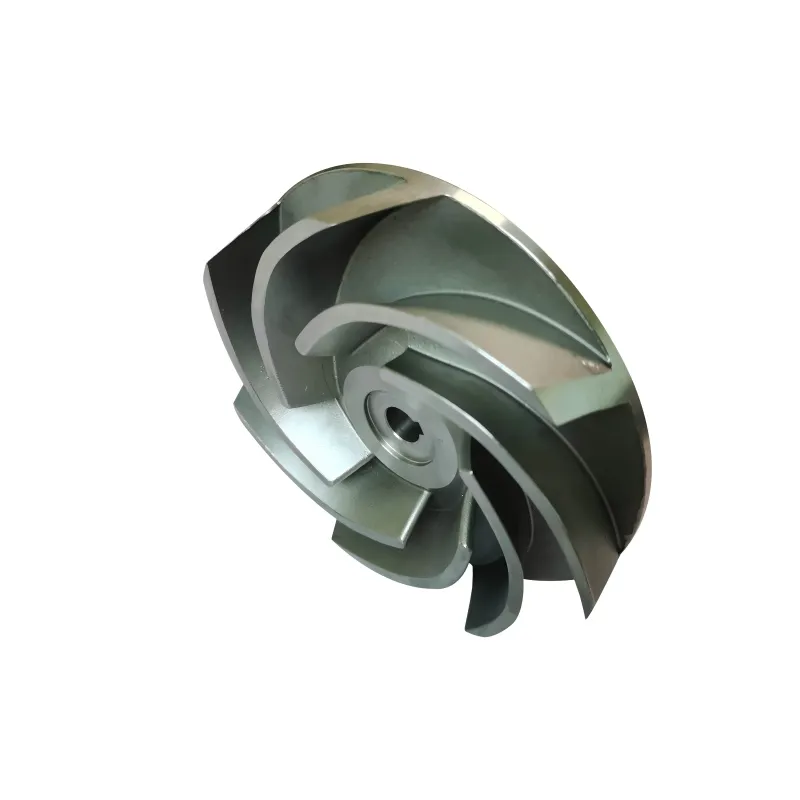
We learned this the hard way on a batch of pump impellers in CF8M. Using standard silica, we had consistent shrinkage issues on the blade tips, requiring massive weld repair. Switched to a zircon system, redesigned the feeders slightly, and the scrap rate dropped from 15% to under 2%. The sand cost went up 40%, but the total part cost dropped by 18%. That's the kind of trade-off calculation that defines real-world precision sand casting.
It's not magic. The binder ratio, the gassing time, the purge—every second counts. An under-cured mold will wash out. An over-cured one becomes brittle and can cause inclusions. The skill is in dialing it in for the specific part geometry and alloy. This is where experience, like that built up at a firm such as QSY, becomes tangible. You can't automate that judgment.
Gating and Feeding: The Unseen Architecture
This is where the CAD models look nothing like the final mold. The gating for precision sand is often more aggressive than for green sand. You need faster fill to exploit the better surface finish potential. But faster fill can mean turbulence. We use ceramic filters religiously now—simple porous blocks placed in the runner. It adds cost, but the reduction in oxide inclusions, especially in alloys like nickel-based ones, is dramatic. It's a non-negotiable for any part destined for dynamic loading.
Feeding design is another subtle art. The higher strength of the cured mold means it resists metal pressure more, which can actually hinder feeding if you're not careful. You sometimes need larger feeders or more of them compared to green sand for the same part. I remember a thick-walled gear blank where we copied the feeder size from a green sand pattern. Ended up with a massive shrinkage cavity at the hub. Had to go back, increase the feeder neck modulus, and add an exothermic sleeve to keep it hot longer. Solved it. It's these iterative fixes that get baked into a foundry's standard practice.
Looking at the material list from Qingdao Qiangsenyuan Technology Co., Ltd.—special alloys, cobalt-based, nickel-based—you know they've had to master this. Those alloys have terrible feeding characteristics. Getting a sound casting in them with precision sand is a serious validation of a foundry's technical capability.
Machining Allowance: The Critical Interface
This is a major selling point. A well-run precision sand process can drop machining stock to 1.5-2mm per face, sometimes even 1mm on stable surfaces. That's a huge cost saucer on CNC time and tool wear. But it's not guaranteed. The allowance must be negotiated based on the specific feature. A flat surface? 1.5mm might be fine. Across a parting line or near a core? You might need 3mm. I've had furious calls from machine shops when a batch comes in with what they deem 'insufficient stock', only to find the variation was from core shift we didn't adequately account for.
The partnership with machining is key. This is why integrated operations, like what QSY highlights with their combined casting and CNC machining services, have an advantage. Their machining team feeds back dimensional data directly to the foundry. That closed loop allows for continuous tightening of the process. If the casting and machining are in separate companies, that feedback is often slow, filtered, and politicized.
We instituted a simple rule: the first article inspection report from machining goes to the foundry process engineer, not just sales. Reduced machining allowance disputes by 70% in a year. It forced everyone to speak the same language of datums and measurable features.
When It Fails, and Why
Failures are instructive. The most common one I see is veining—those fin-like defects on surfaces. It's usually a mismatch between the sand's thermal expansion and the binder's hot strength. Sometimes it's fixed by switching sand grades; sometimes it requires a tweak to the binder catalyst ratio. It's detective work.
A more catastrophic failure is mold wall movement during pouring, leading to gross dimensional error. This is almost always a pattern or core box issue—worn tooling, inadequate support. It's a capital problem, not a process one. A foundry running worn-out patterns cannot deliver precision sand casting, period. This is a quiet indicator of a shop's health. If you visit and see pristine, well-maintained pattern equipment, it's a good sign. If the patterns are chipped and held together with tape, walk away.
The longevity implied by QSY's 30-year history suggests they've navigated these capital cycles. Maintaining pattern accuracy over decades of production for various clients is a core competency that doesn't appear on a spec sheet.
The Real-World Niche
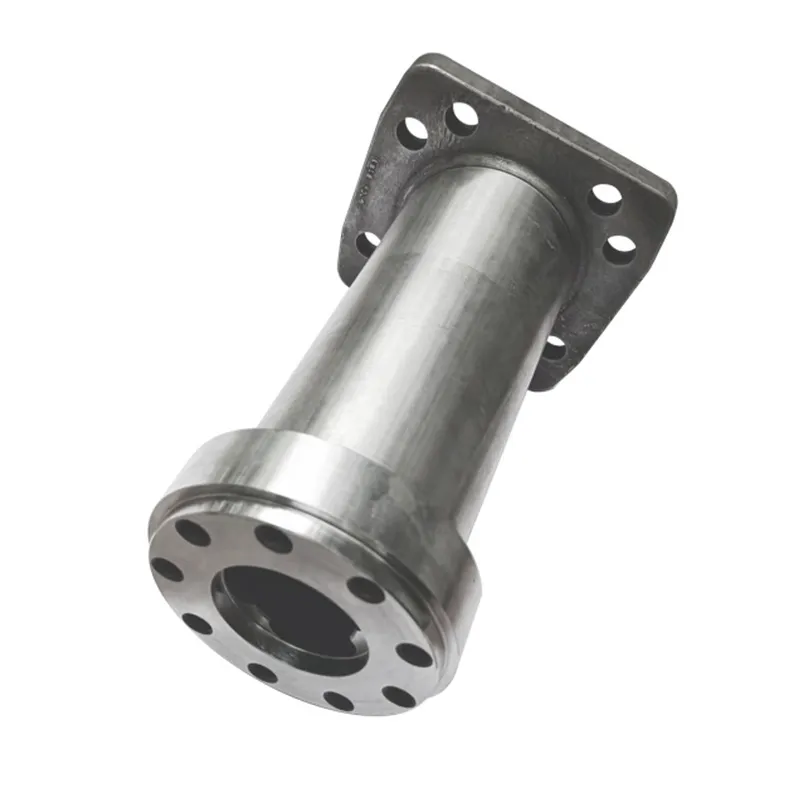
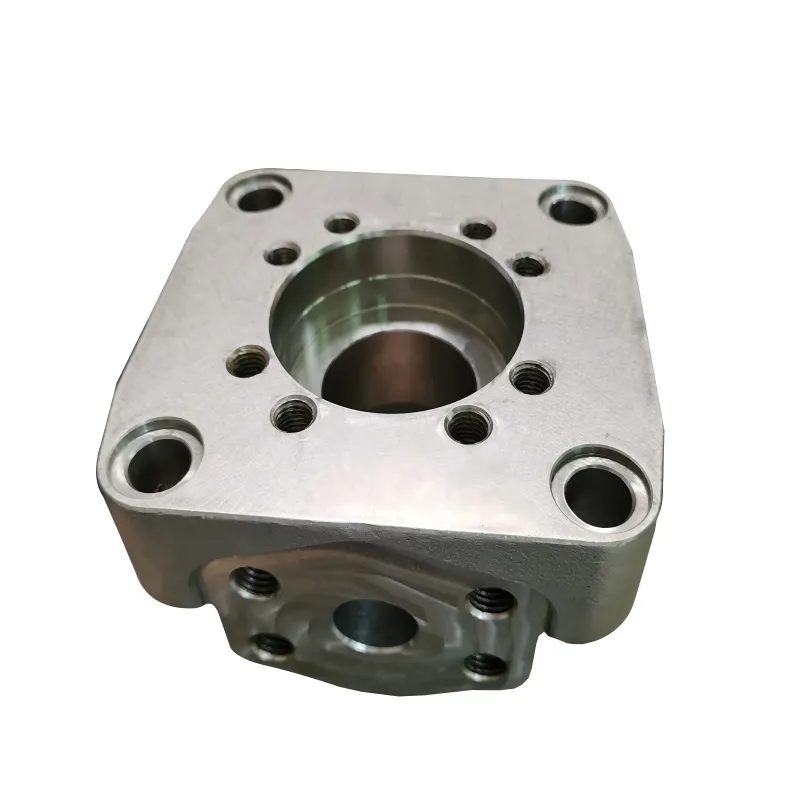
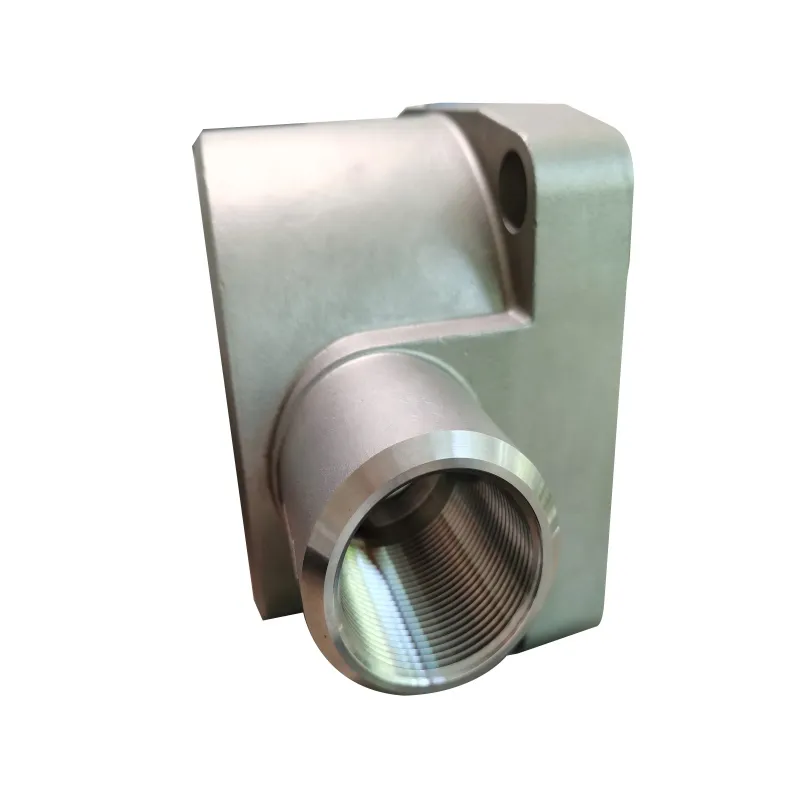
So, where does it sit today? It's not for prototyping—the pattern cost is too high. It's not for the simplest parts—green sand is cheaper. Its sweet spot is medium-to-high volume (500-10,000 pieces annually) components that need better dimensional control and finish than green sand can offer, but don't have the ultra-fine detail or thin walls that mandate investment casting. Think compressor housings, valve bodies, medium-sized gearboxes, hydraulic manifolds.
The material flexibility is a huge plus. Moving from ductile iron to a nickel-based alloy often just requires a sand system change and adjusted thermal management in the mold. The core process logic remains. This versatility is why many integrated manufacturers, especially those serving the energy and heavy machinery sectors, rely on it.
In the end, precision sand casting is a testament to engineered compromise. It accepts the fundamental granularity of sand to gain scalability and structural integrity, then uses chemistry, thermal management, and rigorous process control to push that system to its consistent limit. It's a process for engineers who understand that manufacturing is about selecting the most robust solution, not just the one with the tightest number on paper. That's a judgment that only comes from seeing parts succeed, and fail, on the shop floor for years.