When most folks hear 'precision screw machining', they immediately picture Swiss-type lathes churning out tiny, complex parts. That's not wrong, but it's a surface-level view. The real challenge, the part that separates shops, isn't just about holding tight tolerances—it's about managing the entire lifecycle of a part, from material behavior to post-machining stresses, especially when you're dealing with the tough stuff like nickel-based alloys. I've seen too many designs come in that specify tolerances tighter than necessary, driving up cost for no functional benefit. The precision is in the planning, not just the cutting.
The Material is the First Blueprint
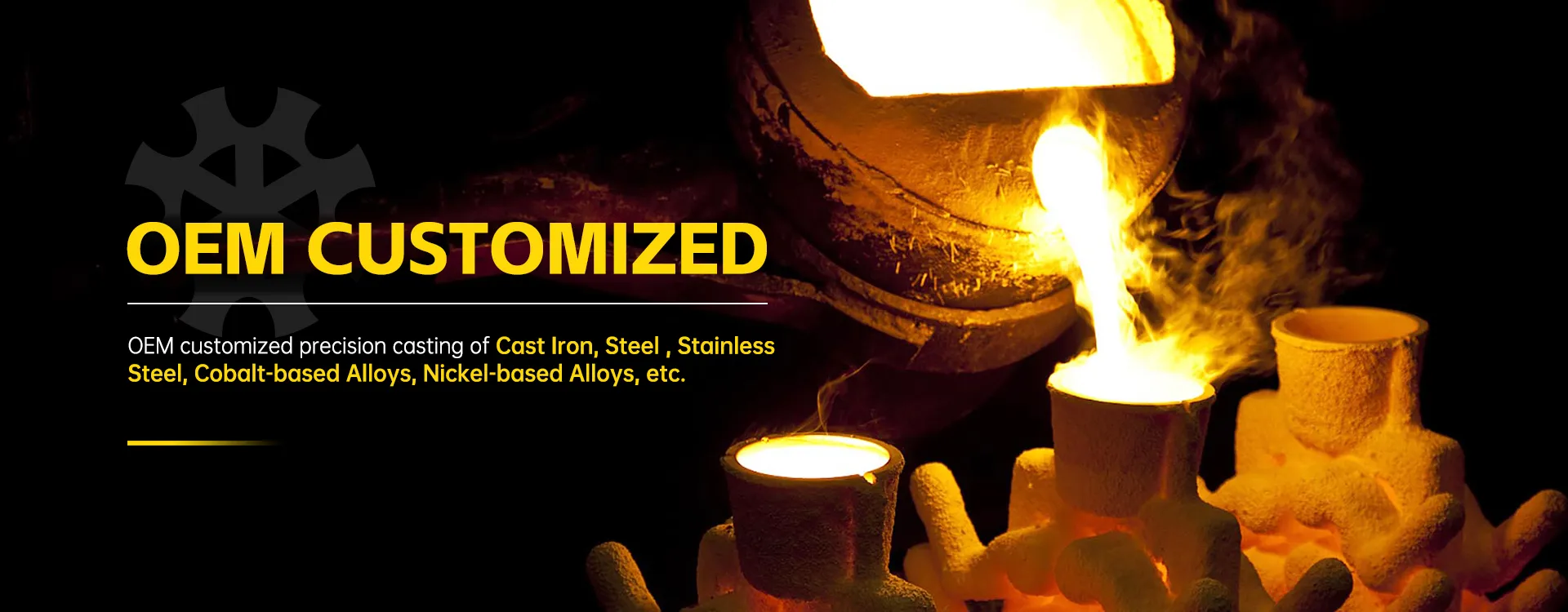
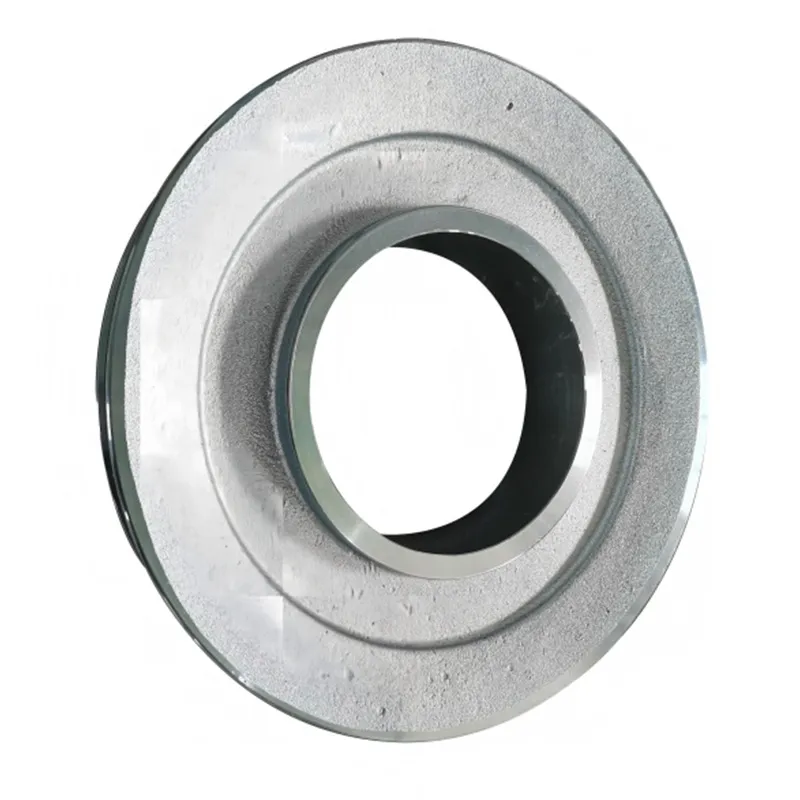
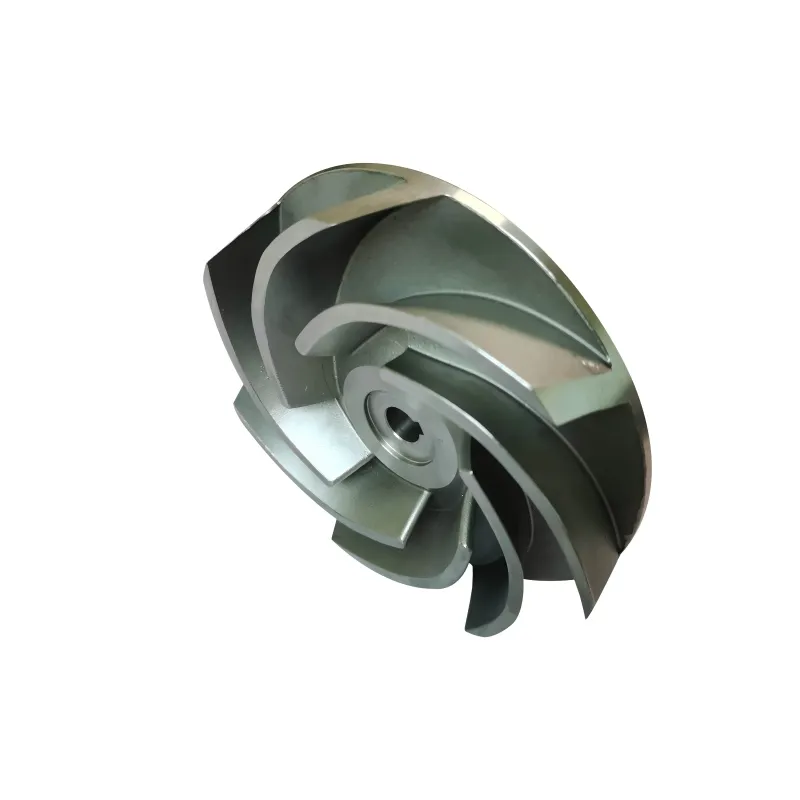
You can't talk about precision work without starting with the stock. This is where a lot of assumptions fail. A company like Qingdao Qiangsenyuan Technology Co., Ltd. (QSY), with their three decades in casting and machining, gets this instinctively. They don't just receive billets; they often start with their own castings. The homogeneity, the internal stress state from a shell mold or investment casting process—that sets the stage for everything that comes after. If the base material has inconsistencies, your machining process is just documenting them, not creating precision.
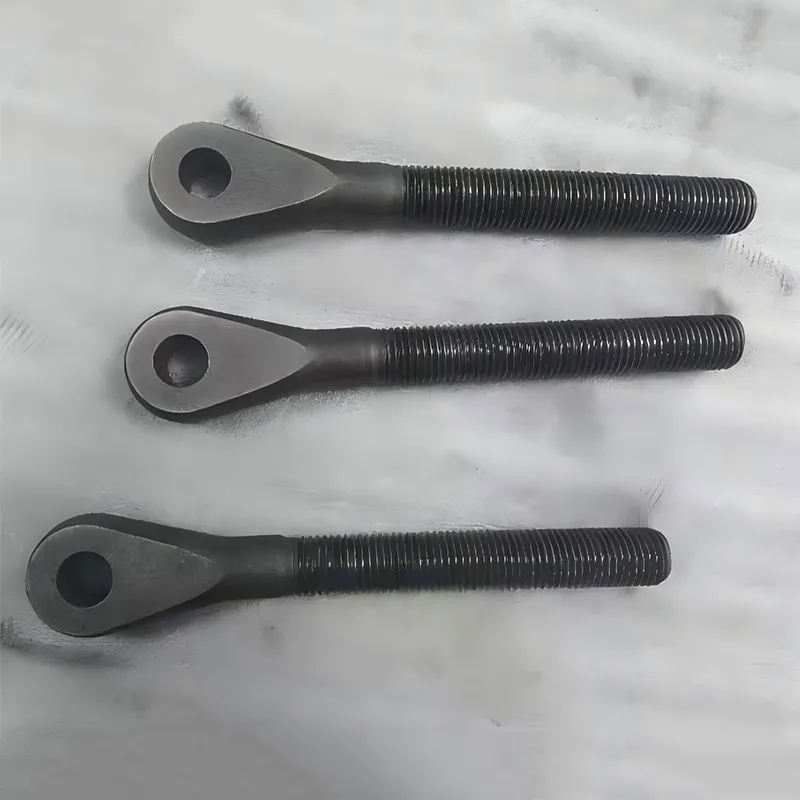
Working with special alloys, say for a high-temperature aerospace fastener, changes the game completely. Cobalt-based alloys work-harden rapidly. Your tool path, feed, and speed become a negotiation with the material, not a command. A precision program that doesn't account for this will produce a beautifully dimensioned part that's full of micro-cracks or has a work-hardened surface layer that'll fail in service. The tolerance on the print might be ±0.0005, but the real spec is the integrity of the grain structure.
I recall a project for a fluid control valve stem. The print called for 316 stainless, but the application involved cyclic stress. We suggested a switch to a vacuum-melted variant with tighter controls on inclusions. The cost per blank went up, but the reduction in tool wear and the elimination of sporadic failures during proof testing saved magnitudes more. The precision screw machining was identical on paper, but the outcome was different because the material was treated as a variable, not a constant.
Where Casting Meets Machining: The Critical Handoff
This is the secret sauce for vertically integrated operations. At a facility that does both, like QSY, the machining team isn't working against an anonymous casting. They have a history with it. They know the shrinkage allowances used, the typical gate locations, the potential for slight porosity zones in certain geometries. This isn't documented on any traveler; it's tribal knowledge.
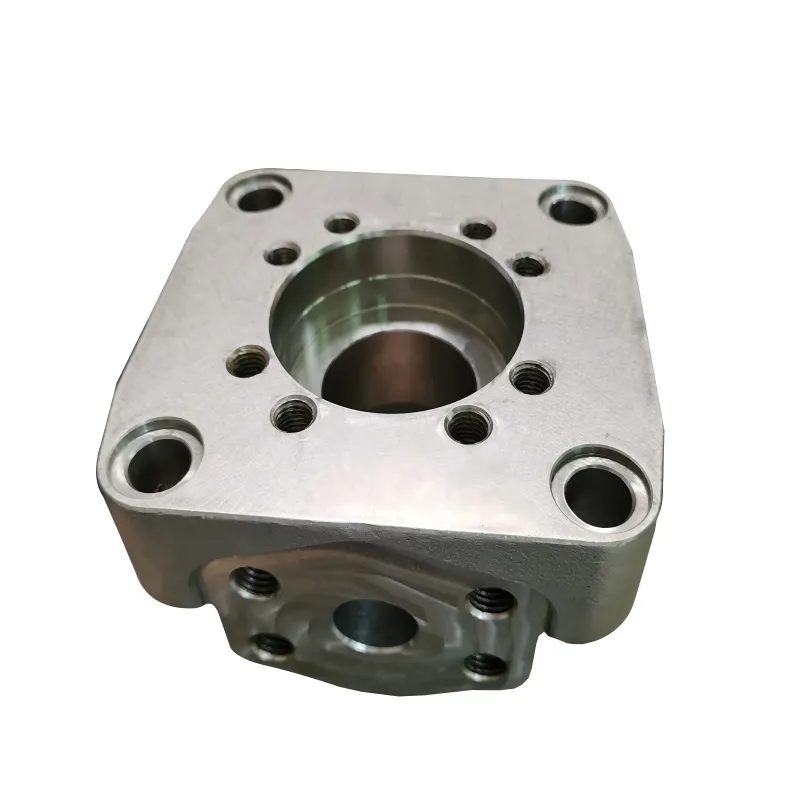
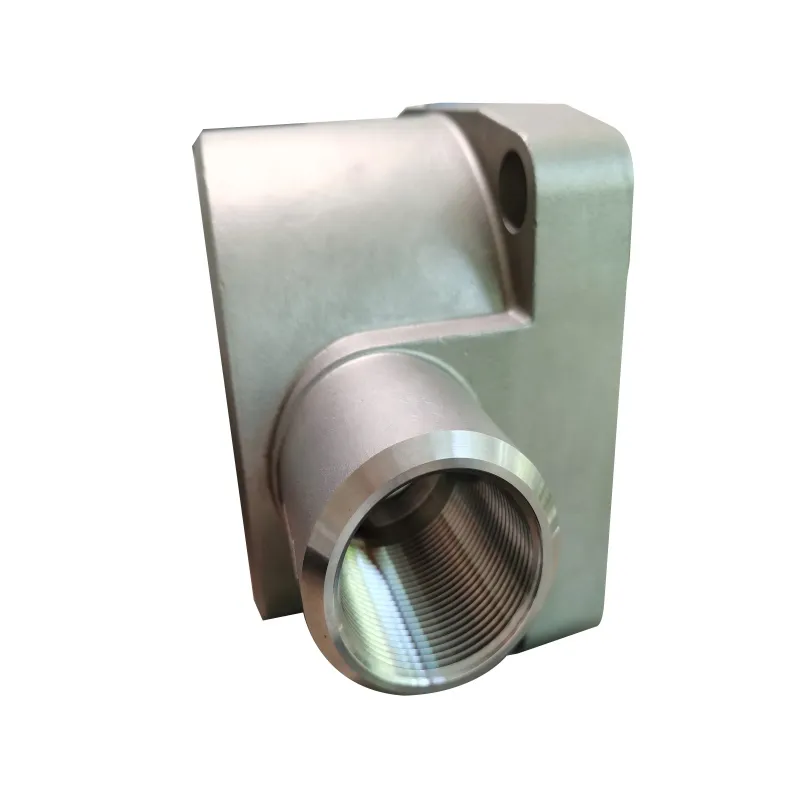
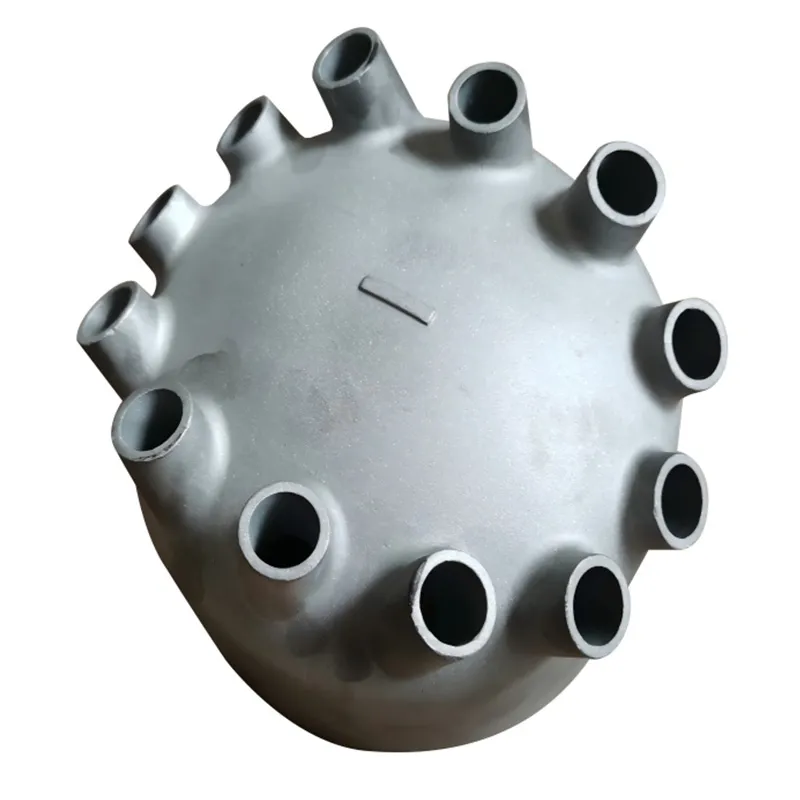
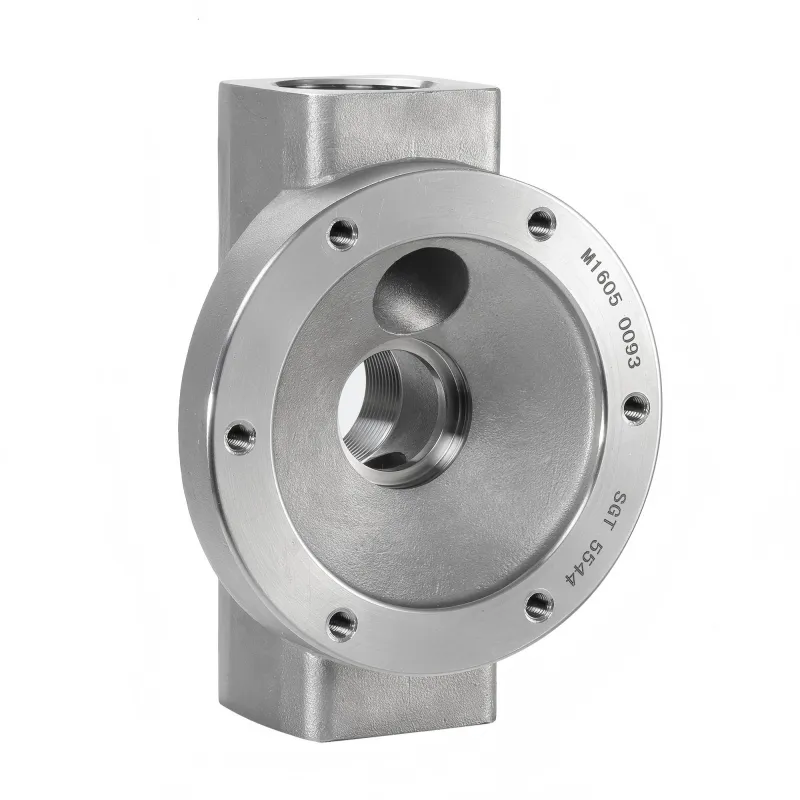
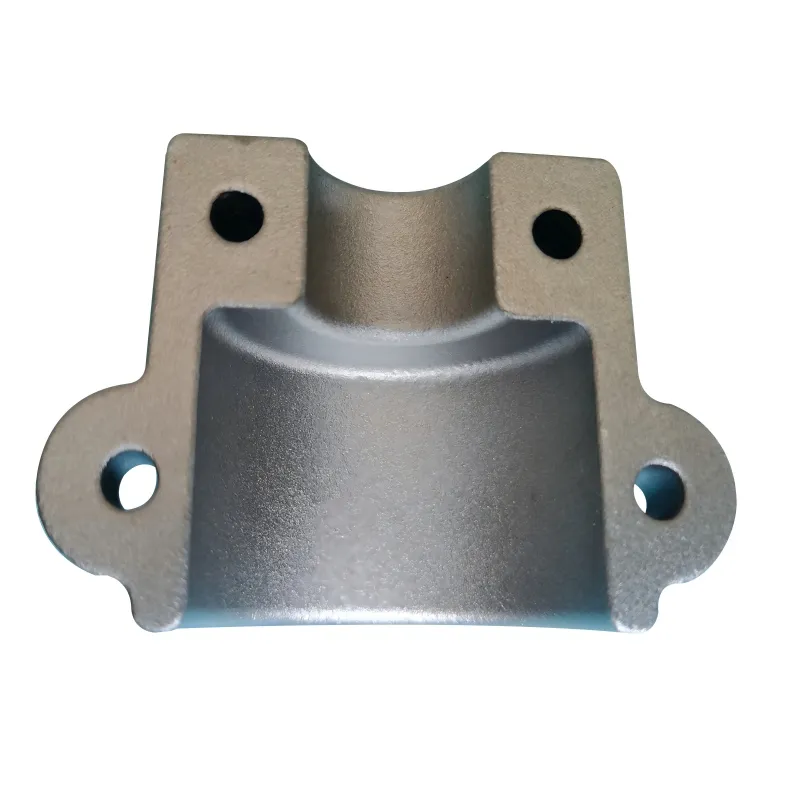
For a complex investment-casted housing that needs precise threaded ports, the machinist knows which datums are most reliable from the casting. They might leave an extra half a millimeter on a specific wall, not because the print requires it, but because they know that wall in that alloy tends to distort minimally during heat treat, and they'll hit final spec after that step. This is precision screw machining thinking in four dimensions, adding time and process sequence into the tolerance stack.
The handoff failure mode I've witnessed is when machining is siloed. They get a casting, clamp it, and start cutting. If the casting has a slight bow from residual stress, they'll machine it straight... only to have it creep back after the clamps are released. The part is now scrap, but it measured perfectly on the CMM while fixtured. Integration prevents this. The machining plan is part of the casting design review.
Tooling Philosophy: Not Just About the Tool
Talk to any machinist, and they'll geek out on tool geometries and coatings. That's vital. But the philosophy behind tooling strategy is what defines a shop's capability. For high-precision, small-batch work on alloys, it's about predictability, not just peak performance.
We standardized on a specific brand of micro-grain carbide inserts for finishing ops on steel alloys. Not because they were the absolute hardest, but because their wear curve was linear and predictable. We could run a hundred parts, measure tool wear, and reliably forecast when to change inserts before tolerance drift. This is boring, unsexy precision. It doesn't win speed awards, but it eliminates scrap batches. You can find this pragmatic approach detailed in the technical resources on a site like tsingtaocnc.com, where the focus is on process reliability for critical components.
Coolant isn't just a lubricant; it's a thermal management system. When you're holding tenths on a stainless screw, the heat from cutting needs to be drawn away consistently. A 5-degree Celsius swing in part temperature can blow your tolerance. We had a job where parts measured in-spec at the machine but failed final QA. The issue? The CMM room was 10 degrees cooler. The parts had contracted. The precision was lost to basic physics. Now, thermal equilibrium is part of our first-article checklist.
The Fixturing Fallacy
Everyone knows good fixturing is key. The fallacy is thinking complex, custom fixtures are always the answer. For true precision screw machining, especially on legacy multi-spindle automatics or Swiss lathes, sometimes the most elegant solution is a modified standard collet or a carefully placed live center.
I learned this the hard way. Designed a beautiful, dedicated fixture for a family of brass connector parts. It held six at a time, machined all features in one op. In theory, perfect. In practice, any tiny chip embedded in the fixture body would tilt a part fractionally, scrapping the whole batch. We spent more time cleaning and verifying the fixture than running parts. Went back to simple, single-part collet workholding. Cycle time per part was longer, but overall throughput and yield skyrocketed. Precision is often about reducing variables, not adding complexity.
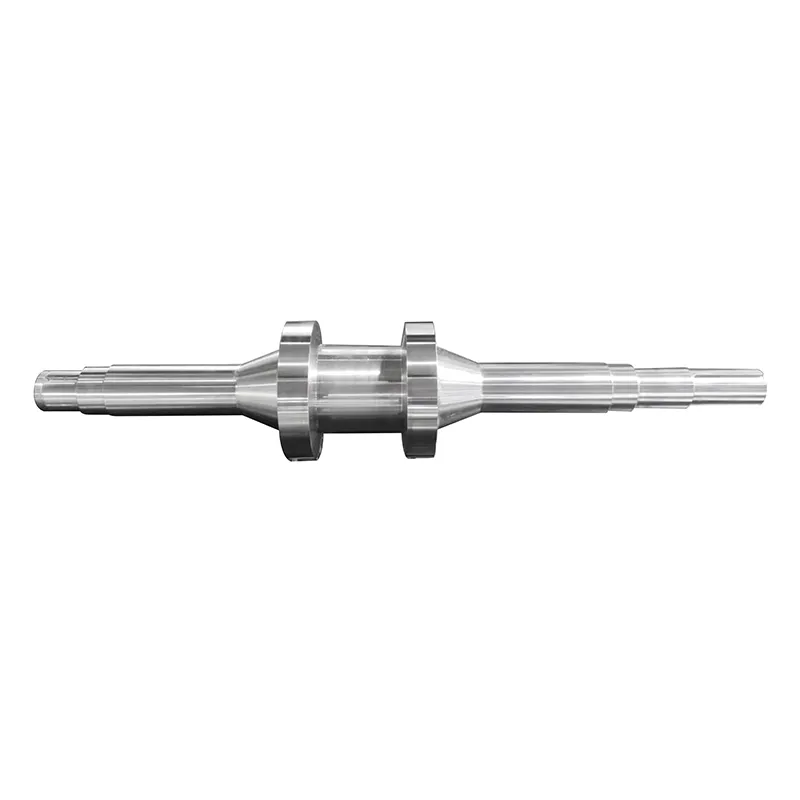
For long, thin screws—think lead screws or actuator shafts—the fixture is the entire process. You're fighting deflection. The trick isn't always a steady rest. Sometimes it's a sequence of operations: turn, stress relieve, then finish turn. You machine the part twice to let it find its natural state in between. The machine time doubles, but the part works. That's a cost-benefit analysis you won't find in a textbook.
Measurement is a Process, Not a Step
Final inspection isn't quality control; it's an audit. Real quality is built into the process. For screw machining, this means in-process gauging, SPC data collection on critical dimensions, and—critically—understanding what you're measuring.
A threaded medical implant component might have a perfect major diameter and pitch. But if the thread root has a microscopic radius from a worn tool, it becomes a stress concentrator. A standard thread plug gauge will pass it. A optical comparator or a profilometer might catch it. The definition of precision for that part includes a surface finish spec in the root. You have to measure the right thing.
We integrated a simple laser micrometer on the feed stock for a high-volume pin job. It wasn't for sorting; it was for monitoring. Seeing the diameter of the incoming bar stock drift by a few microns allowed us to proactively adjust tool offsets before the parts drifted out of spec. This is the mindset: measurement as a feedback loop for the machine, not just a pass/fail gate at the end. It aligns with the comprehensive approach you see from established suppliers who handle the full chain, from alloy selection to final metrology.
Bringing It All Back to the Floor
So where does this leave us? Precision screw machining isn't a department; it's a culture. It's the material person talking to the casting team, who talks to the programmer, who listens to the machinist running the job, who feeds data back to the quality engineer. It's about making decisions with the whole process in mind.
When you look at a company's capabilities, like those outlined for QSY, the key isn't the list of machines. It's the fact that they've been doing casting and machining under one roof for over 30 years. That longevity suggests they've solved these integration problems. They've likely learned, through trial and error, how to machine a casting without shocking it, how to select an alloy that will machine cleanly and perform in the field, and when a ±0.001 tolerance is good enough.
The final test is always the part in application. I've seen exquisitely machined screws fail because the precision was only skin-deep. And I've seen parts with a few rough areas on non-critical surfaces perform flawlessly for decades because the critical features were made with a deep understanding of material, process, and function. That's the real goal. It's messy, iterative, and full of judgment calls. And that's what makes it an actual craft, not just a line on a capability sheet.