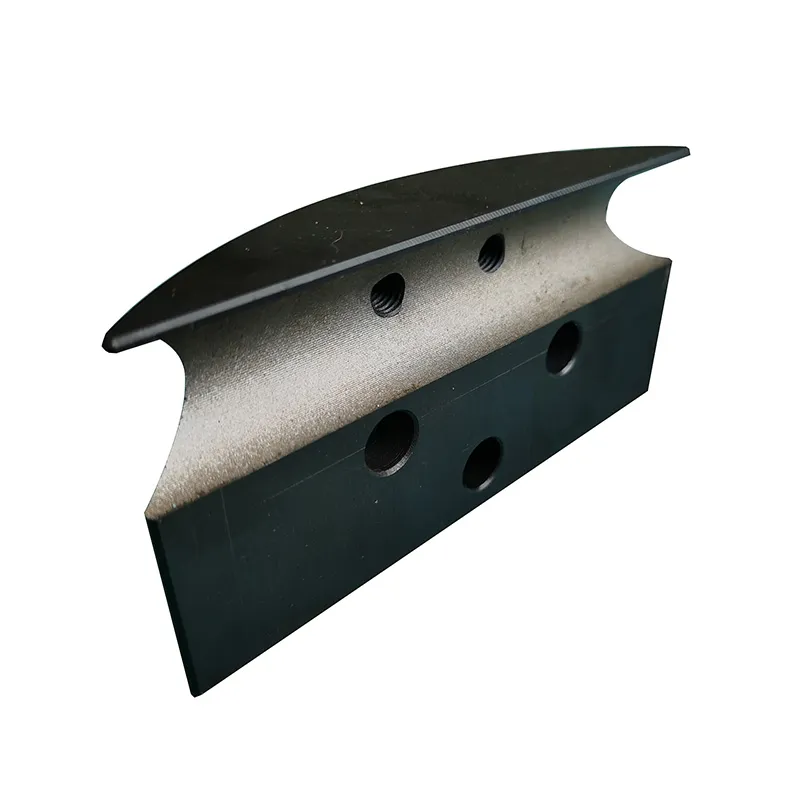
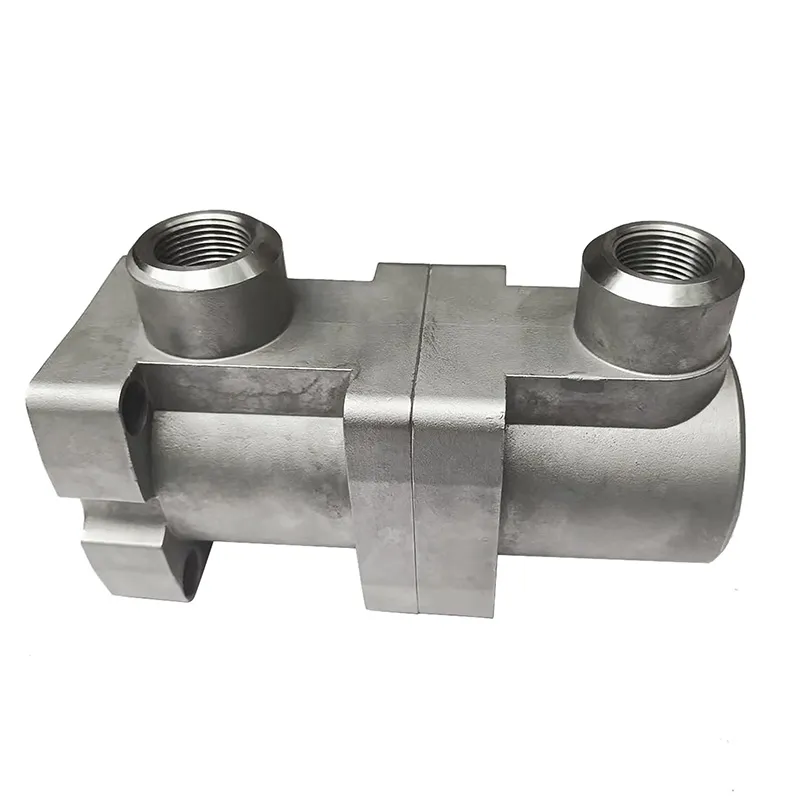
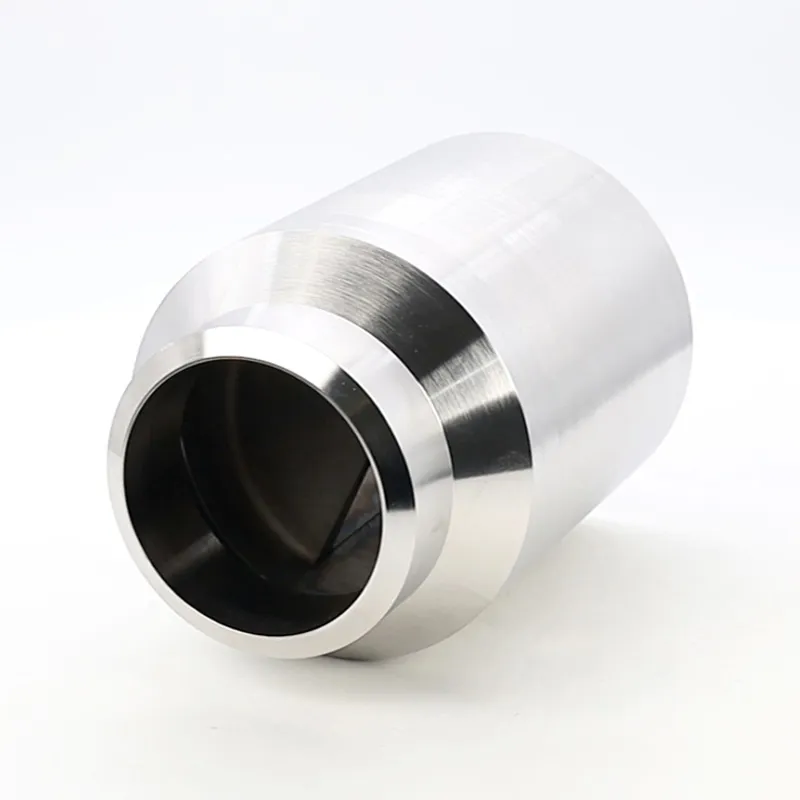
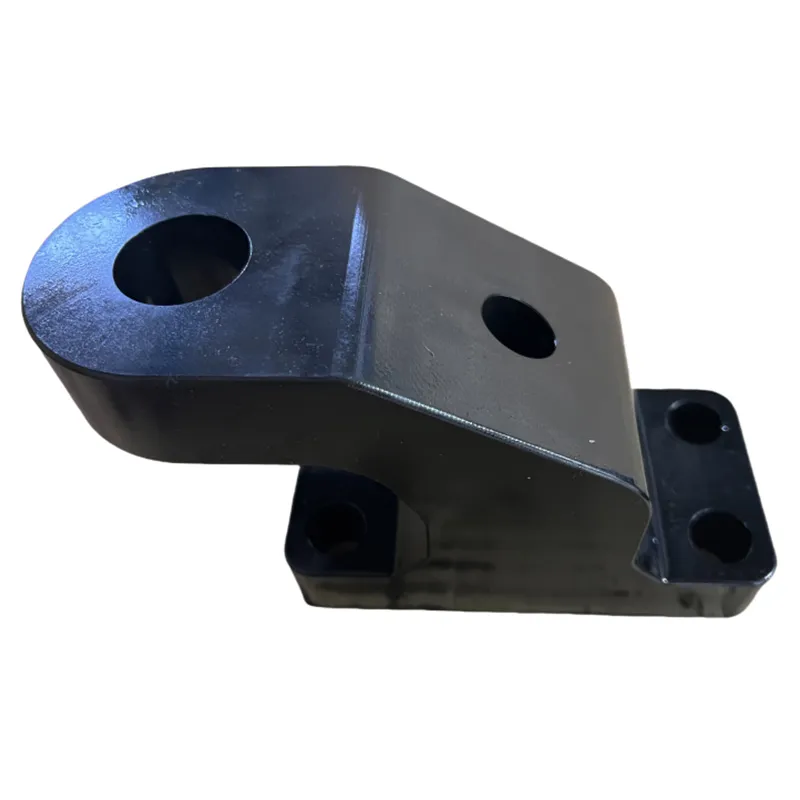
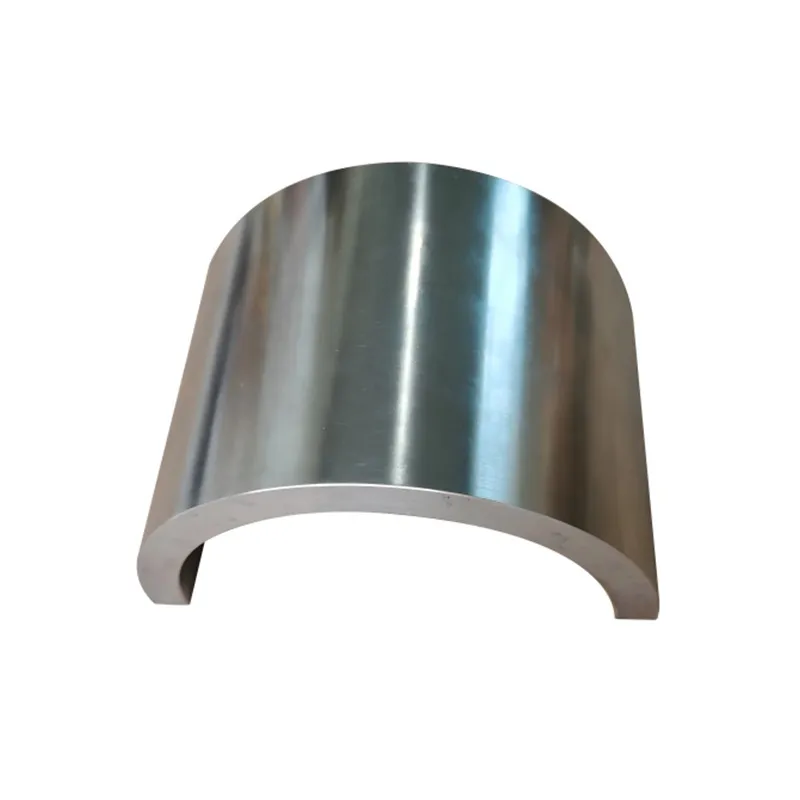
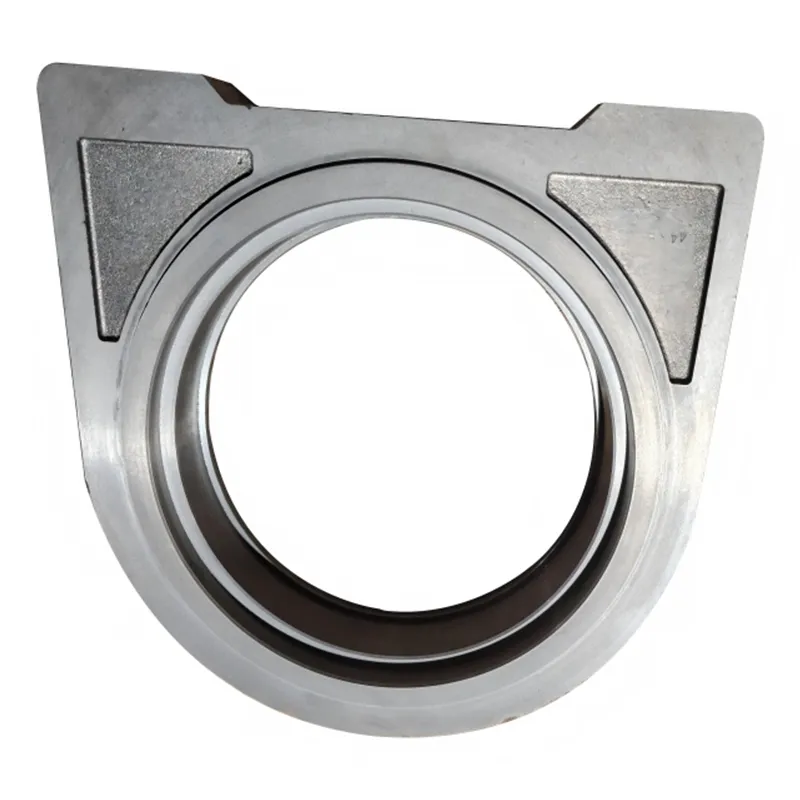
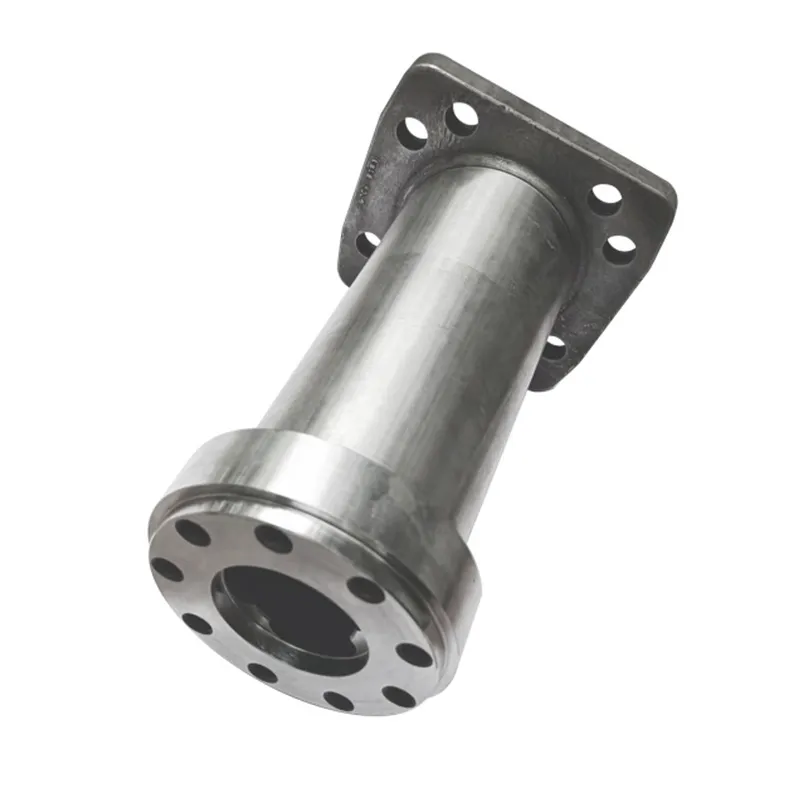
You hear 'precision steel casting' and immediately think of tight tolerances, flawless surfaces, maybe aerospace components. That's the marketing pitch. The reality on the foundry floor is a constant negotiation between the ideal geometry on the CAD model and the stubborn physics of molten metal. The real precision isn't just in the measurement; it's in predicting how the 316L or low-alloy steel will behave from the moment it leaves the ladle until it cools in the shakeout. Too many procurement guys fixate on the final dimensional report, missing the entire engineered process that makes that report possible. That's where the real cost and value lie.
The Shell Game: More Than Just a Mold
Most associate precision with investment casting, the lost-wax process. It's excellent, but for a range of steel components, especially those with moderate complexity and higher volume needs, shell mold casting is the unsung workhorse. At shops like Qingdao Qiangsenyuan Technology Co., Ltd. (QSY), where they've been at this for over three decades, you see the choice isn't dogmatic. It's practical. Shell molding, using resin-coated sand, gives you a fantastic balance. The mold rigidity controls distortion better than many expect, and the surface finish can hit Ra 12.5 μm or better if you manage your parameters. It's not always about the absolute finest finish, but about the most robust and repeatable process for the part's function.
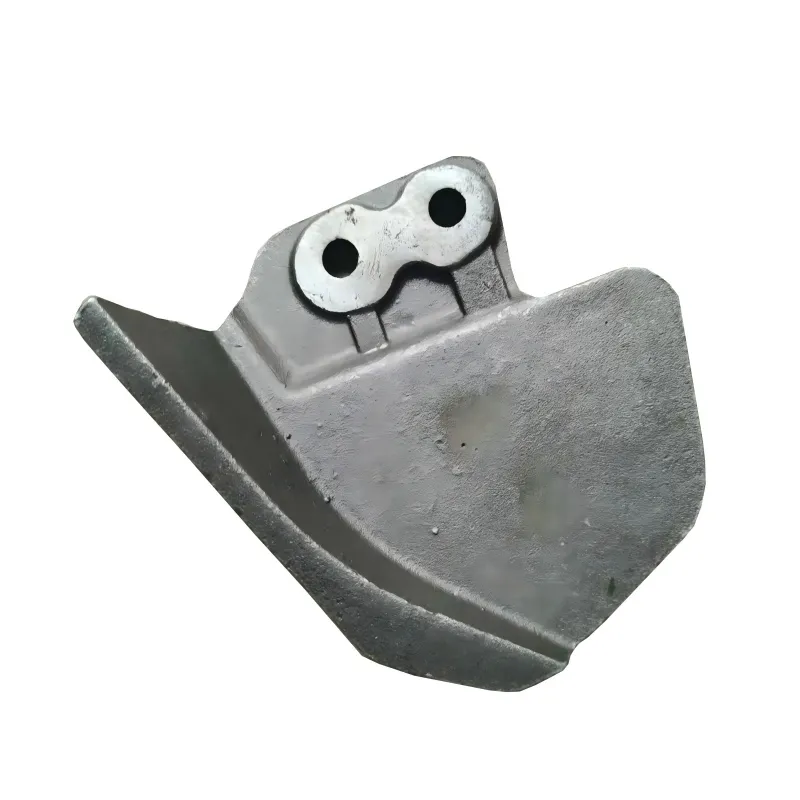
The key is in the pattern. A high-quality metal pattern, machined to perfection, is the non-negotiable starting point. Any flaw here gets replicated exponentially. I've seen projects fail because someone tried to save on the pattern cost. The shell thickness isn't uniform either—it's layered strategically. Thicker sections where the thermal shock will be highest during the pour. That kind of detail comes from logged experience, not just a manual. You learn to 'read' the shell after dewaxing, looking for subtle cracks or soft spots that hint at future scabbing or metal penetration.
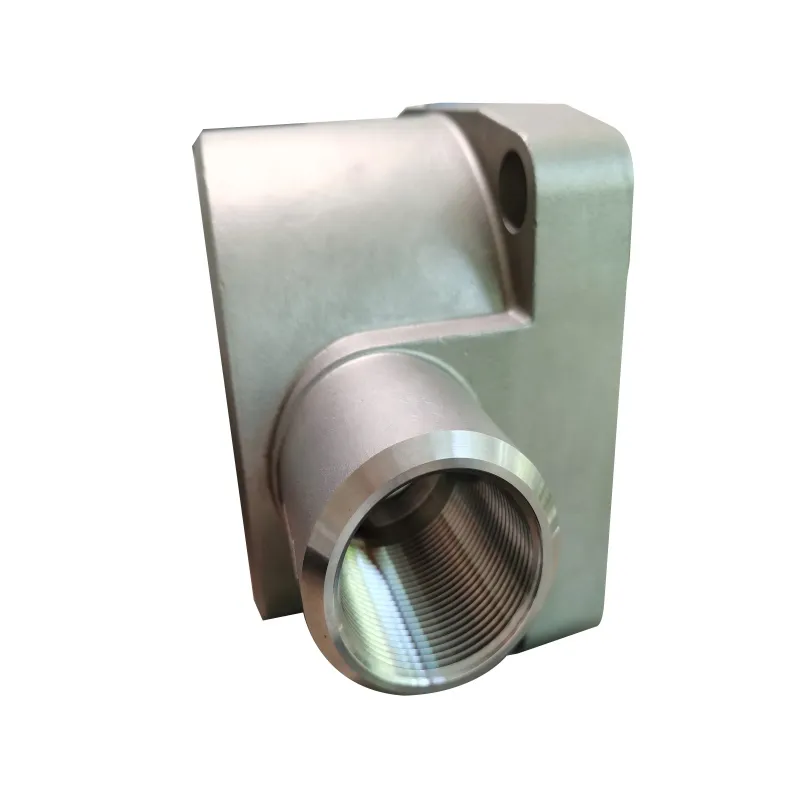
Where it gets tricky is with internal channels or cores. For steel, core assembly in a shell mold needs a surgeon's touch. Misalignment by half a millimeter can turn a cooling passage into a useless void. QSY's approach of integrating CNC machining post-casting often saves these parts. They can machine into a cast feature, correcting minor core shift, but the design has to allow for that. It's a conversation that needs to happen before the first pattern is cut: Where can we afford to leave extra stock for a clean-up machining pass? That's integrated manufacturing thinking.
Material is the Silent Variable
Steel isn't just steel. Pouring carbon steel versus a nickel-based alloy like Inconel 718 is a different universe. The precision of the casting is utterly dependent on the material's solidification behavior. Shrinkage factors aren't linear. A simple lever arm in CF8M stainless might need a feeding riser twice the mass of the part itself to prevent shrinkage porosity in the hub. You don't guess this; you learn it from cutting up and inspecting hundreds of sacrificial prototypes.
This is where the 30-year background of a foundry matters. They've built a mental library, a kind of tacit knowledge. They know that a particular grade of duplex stainless tends to 'pull' more at sharp re-entrant corners, demanding a larger fillet radius than the designer might want. They'll push back on a drawing, not to be difficult, but because they know that chasing an unrealistic as-cast radius will lead to hot tearing, scrapping the part. The precision is achieved by sometimes not casting to the very edge of what's theoretically possible.
Special alloys, like cobalt or nickel-based ones listed in QSY's portfolio, add another layer. Their fluidity is different, they're often poured at higher temperatures, and they react more with the mold atmosphere. Your gating and venting system becomes critical. A poorly vented mold will cause turbulence, trapping gas and creating surface defects that no amount of machining can fully fix. The precision is lost before the metal even fully fills the cavity.
The CNC Handshake: Where Casting Meets Certainty
No serious precision steel casting operation stops at the shakeout. The as-cast state is a pre-form. The guaranteed dimensions come from CNC machining. This is the critical link. A foundry with in-house machining, like what you see at tsingtaocnc.com, has a massive advantage. The machinists and foundry engineers talk the same language. They share the same floor.
The first operation is often establishing a datum. How you fixture the raw casting is everything. You need to locate off surfaces that are relatively stable and representative of the part's functional geometry. Sometimes, we'd even cast in small, sacrificial pads on non-critical faces just to have a clean, machinable surface for the first vise grip. It's a humble detail, but it ensures all subsequent machining is referenced correctly, locking in the precision steel casting's potential.
I recall a hydraulic valve body, a low-alloy steel casting. The as-cast bore was within 1mm of finish size, but the true position of multiple port intersections was the challenge. By having CNC machining in-house, they could probe the cast part, adjust the machining coordinates minutely to compensate for foundry variation, and still hit the true position callouts on the print. This isn't correcting for bad casting; it's compensating for the natural, allowable variation of a casting process to achieve a net-precision outcome. It's a holistic view of manufacturing.
Failures Are the Real Textbooks
You learn more from a scrapped batch than a thousand perfect parts. Early on, we had a run of pump housings in CA15 martensitic stainless. The dimensions were beautiful, the surface was clean. Passed initial inspection. But in pressure testing, we had leaks along a seemingly solid wall. Cut it open, and there was a hairline network of micro-shrinkage, invisible from the outside. The culprit? The pouring temperature was a bit too high, chasing better fluidity to fill some thin sections, but it altered the solidification sequence. We cooled the pour, slowed it down, and added a small, localized chill to that problem wall. Problem solved. The spec sheet just said CA15, ASTM A743. It didn't say how to pour it.
Another classic failure is over-designing for precision. A client once demanded a non-functional internal surface to be cast to a Ra 6.3 μm finish and a ±0.1mm tolerance. It was astronomically expensive. We argued for machining it, but they insisted. The yield rate was terrible, maybe 30%. Finally, after cost overruns, they agreed to let us cast it rougher and machine it. The cost dropped by 60%, and the yield shot to 98%. The lesson: True precision is applying the right process to the right requirement. Not every surface on a precision steel casting needs to be precision-cast.
The Pragmatic Supply Chain: It's About Consistency
When you source precision castings, especially from a partner like QSY, you're not just buying a component. You're buying their process control ledger. The consistency over a 500-part order is more valuable than the absolute perfection of a single sample. Can they hold the same surface finish on part 1 and part 500? Does their metallurgical report show the same chemistry batch after batch?
This comes down to mundane things. Sand reclamation systems. Temperature logs for every heat. Calibration schedules for spectrometers. A foundry's website can list all the alloys in the world, but the proof is in the process documentation they can provide. The most reassuring thing a supplier can show you isn't a shiny sample; it's a well-worn, consistently filled-out process control chart.
Ultimately, precision steel casting is a bridge between design intent and physical reality. It's not magic. It's a gritty, technical, and deeply experienced discipline where success is measured in repeatable yields and the quiet confidence that the part coming out of the shipment box will work, every time. The companies that last, the ones with decades under their belt, understand that the precision is in the system, not just in the moment of the pour.