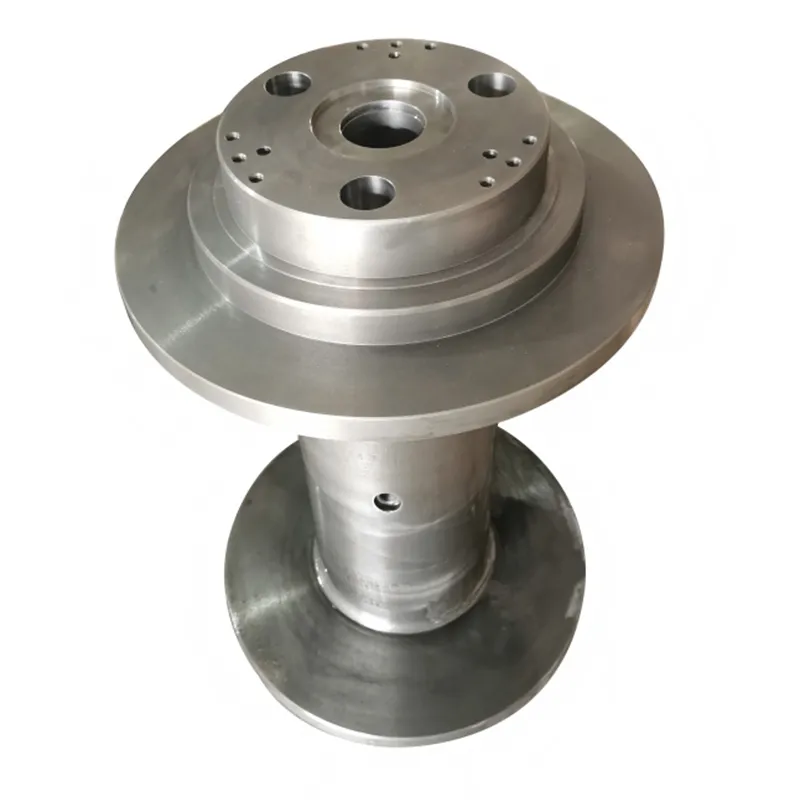
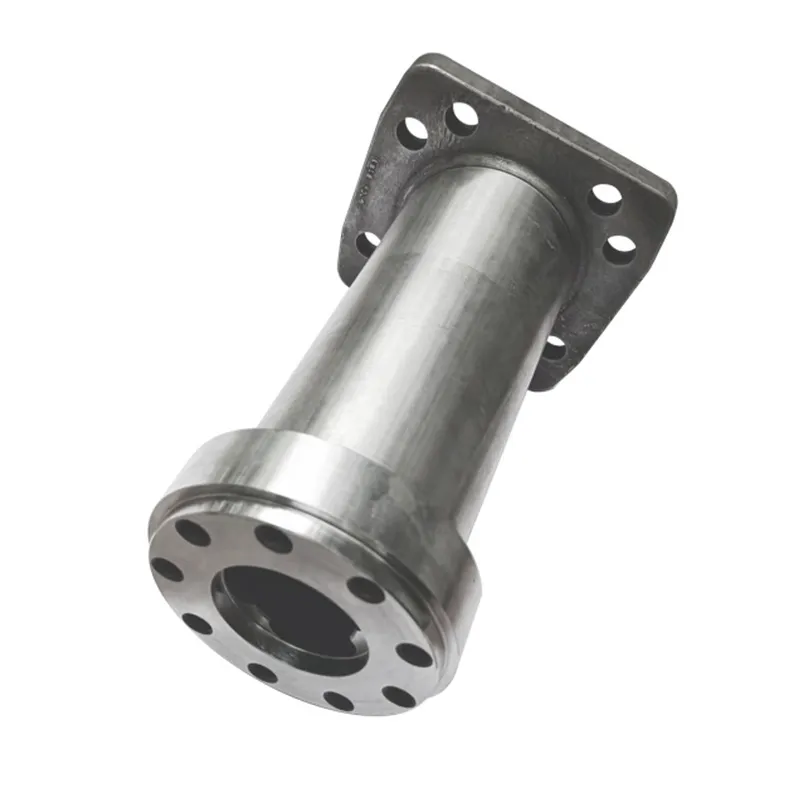
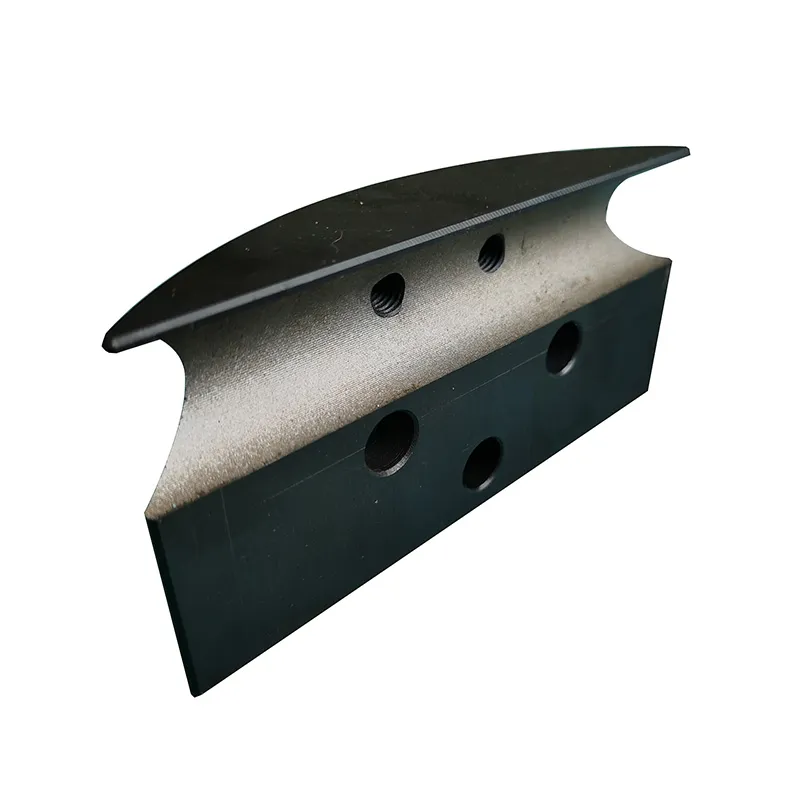
When most people hear pressure valve, they think of a simple safety device, a basic regulator. That's the biggest misconception. In reality, it's a system's decision point. Its performance isn't just about holding pressure; it's about predictable response, material integrity under cyclic stress, and machining precision that ensures a perfect seal every single time. Get that wrong, and you're not just looking at inefficiency—you're looking at catastrophic failure. I've seen valves chosen purely on spec sheet pressure ratings fail within months because no one considered the media's corrosive nature or the thermal cycling involved. It's never just a valve.
The Core: Where Casting Meets Function
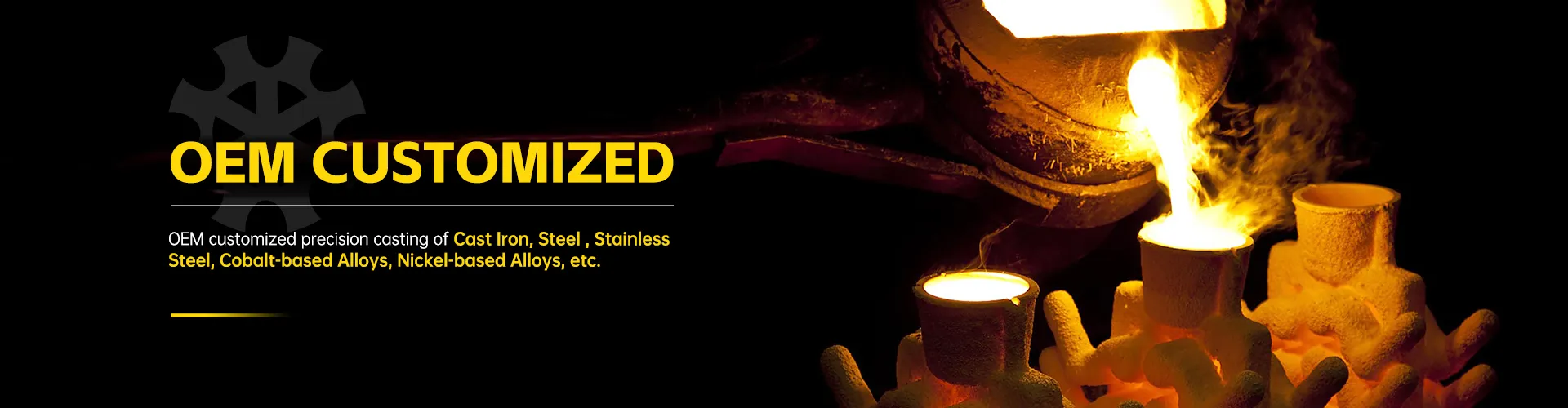
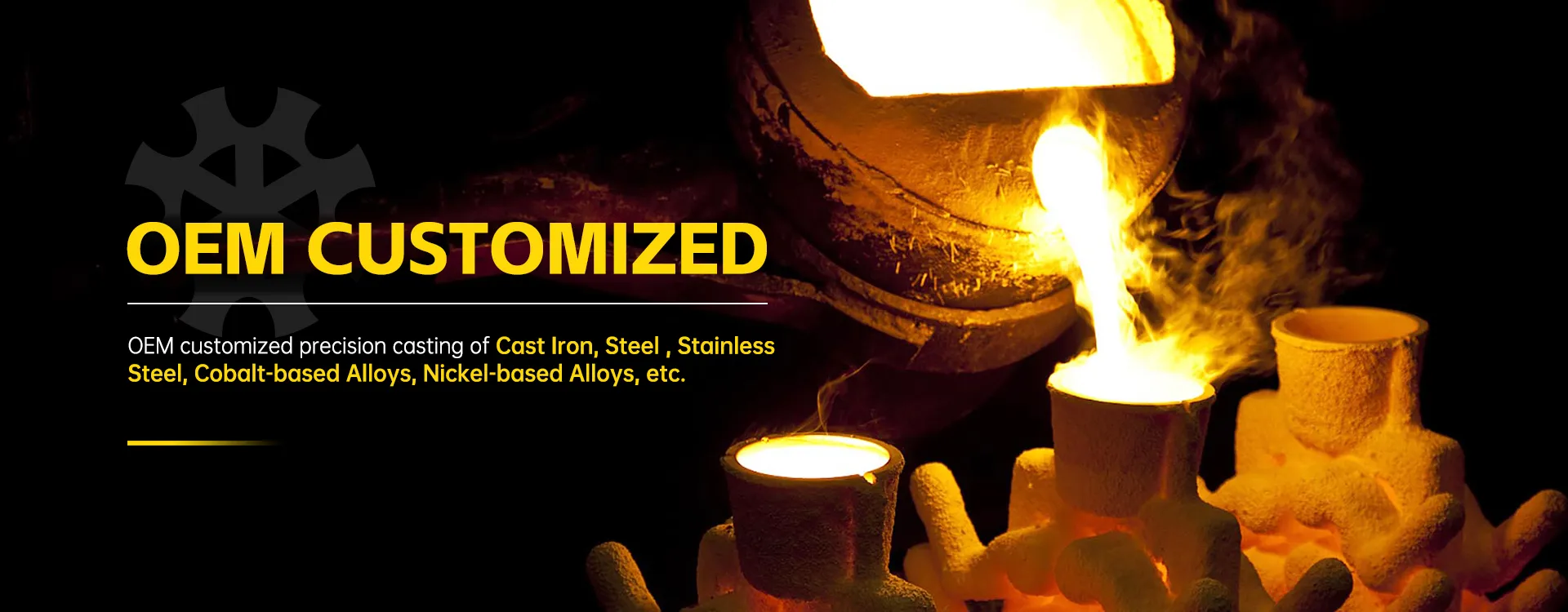
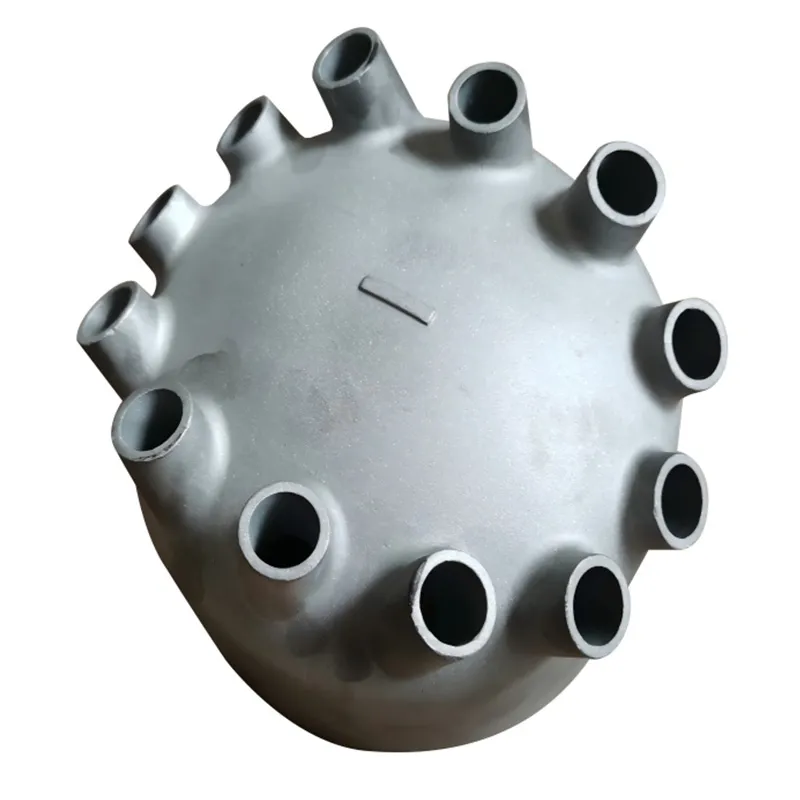
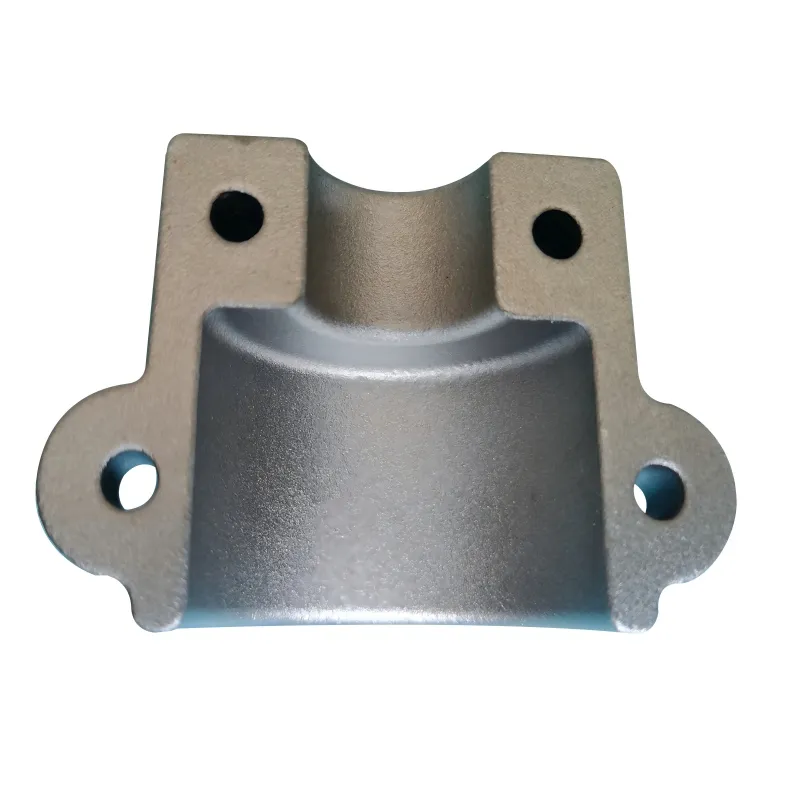
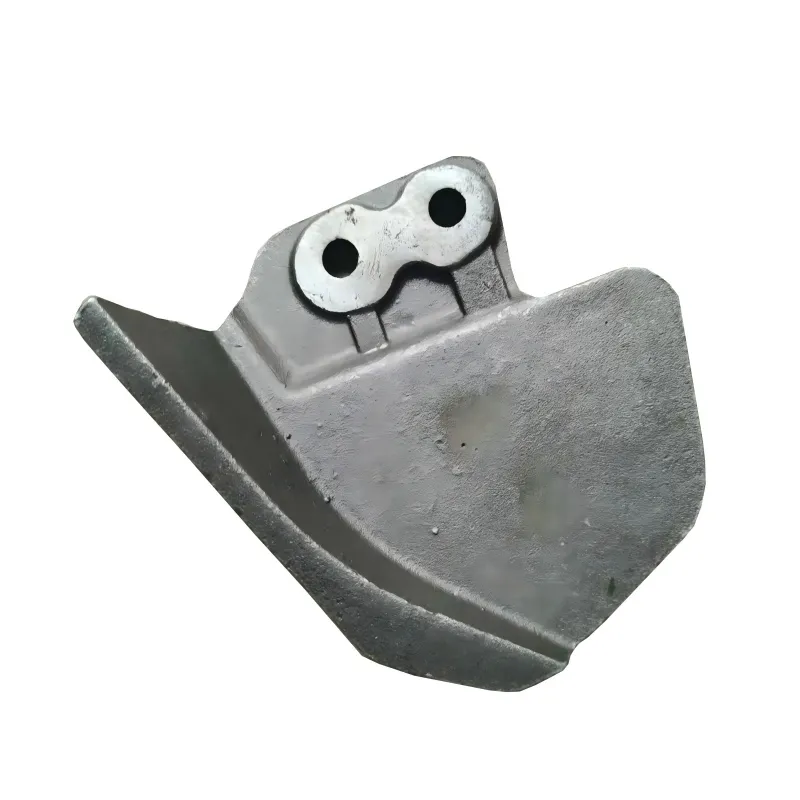
The journey of a reliable pressure valve starts long before assembly, in the foundry. The choice between shell mold and investment casting isn't academic; it dictates everything. For complex internal passages in a globe valve body, investment casting from a shop like QSY is often the only way to achieve the necessary as-cast surface finish and dimensional accuracy. It minimizes subsequent machining, which is crucial because every cut into the material can introduce stress points. I recall a project for a steam line where we initially used a standard cast steel body. It passed the hydro test, but failed in service. The culprit? Micro-porosity in a high-stress area from an inferior casting process. We switched to a supplier specializing in precision casting for high-integrity applications, and the problem vanished. That's the difference.
Material selection is another layer. 304 stainless might be the go-to for many, but for high-chloride environments? That's a fast track to stress corrosion cracking. You move to 316L, or even a duplex grade. For extreme heat and abrasion, like in certain petrochemical catalyst lines, that's where the special alloys come in—the nickel-based or cobalt-based ones. Companies that have been in the thick of it, like Qingdao Qiangsenyuan Technology Co., Ltd. (QSY), get this. They don't just offer materials; they've likely seen the failure modes associated with each over their 30 years in casting and machining. That historical, practical knowledge is what you're buying, not just a block of metal.
Here's a practical headache: thermal expansion. You design a valve assembly with a stainless steel body and a stellite seat. They expand at different rates. If your machining tolerances and assembly clearances don't account for that, you get binding at operating temperature or a leak path. It's a detail that separates a catalog part from an engineered solution. The machining has to be as intentional as the casting.
Precision Machining: The Make-or-Break Phase
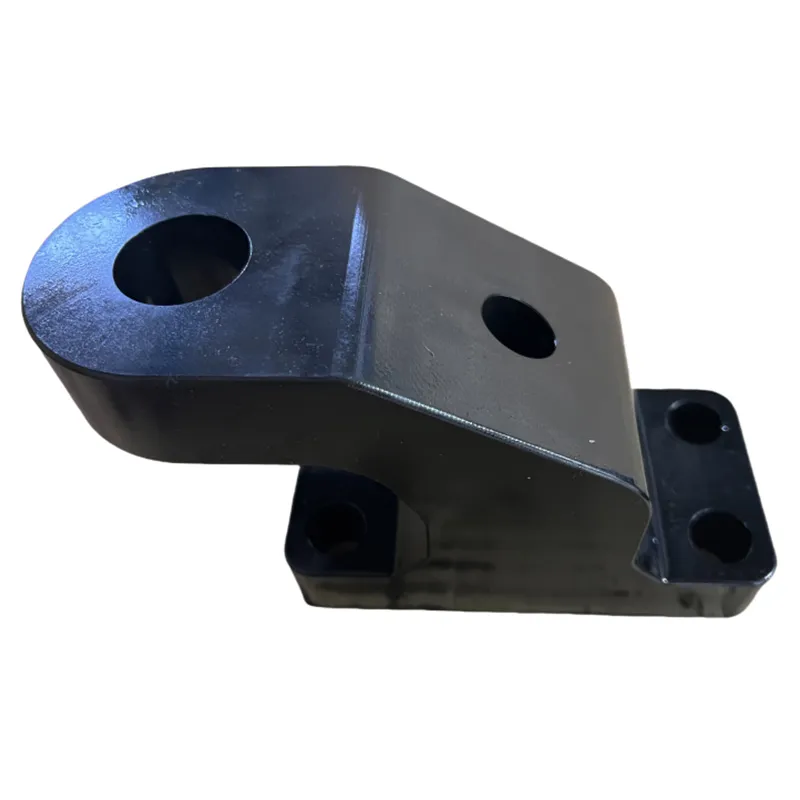
This is where the theoretical design becomes a physical, functioning part. CNC machining isn't just about following a CAD model. It's about understanding how the tool path affects the material grain structure, especially on sealing surfaces. A mirror finish on a ball valve's ball or a gate valve's wedge is non-negotiable. But achieving that on cast materials, which can have variable hardness, requires experience. I've witnessed a batch of valves where the sealing surface was machined beautifully but then lapped too aggressively, creating a slight convexity that only leaked under high pressure. The fix was subtler than you'd think—a recalibration of the finishing protocol.
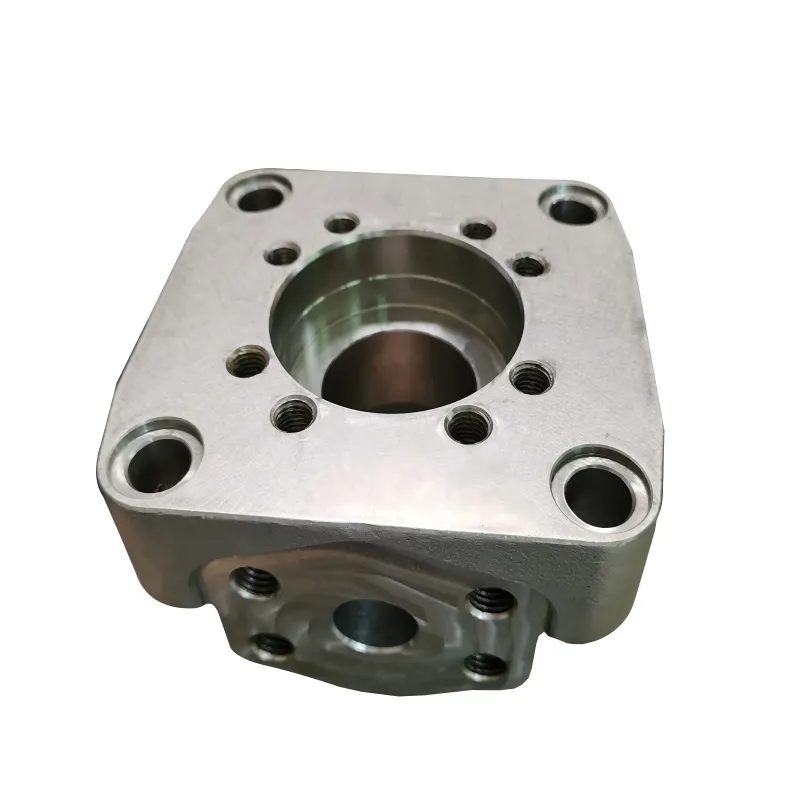
Another critical, often overlooked, aspect is the machining of the threads or flange faces. For a pressure valve, these are the interfaces with the rest of the system. A misaligned flange face or a thread with a burr can create a point load, leading to a leak under cyclic pressure. Good shops use post-machining processes like deburring and specific surface treatments for gasket faces. It's the attention to these finishing details that often correlates with a supplier's longevity in the field. A company's portfolio, like the one you can see at their site https://www.tsingtaocnc.com, tells a story. When you see decades of specialization in both casting and CNC machining under one roof, it suggests they understand the entire value chain, how each step impacts the next.
Dimensional inspection is the final gatekeeper. It's not just about checking diameters. It's about checking true position, perpendicularity, and surface flatness with CMMs. The data from this phase is what allows you to trace a field failure back to its root cause in the manufacturing process. Without this, you're just guessing.
Integration and The Real-World Test
You can have a perfectly cast and machined valve body, but the trim—the stem, seat, disc—is a separate universe. The interaction between these moving parts under pressure is the final exam. Galling, erosion, cavitation. These are dynamic failures. A common mistake is oversizing a valve for safety, which can lead to instability and chatter at low flow rates, prematurely wearing out the seat. The valve has to be sized for its actual duty cycle, not a theoretical maximum.
I remember a case on a hydraulic test stand. We installed a new relief valve, a pressure valve critical for protecting the pump. It was rated correctly, but it would simmer or leak slightly before reaching its set pressure, causing system pressure to droop. The issue wasn't the valve's rating, but a mismatch between the spring characteristics and the damping in the system fluid. We solved it by switching to a pilot-operated style with a different response curve. The lesson? The valve doesn't exist in a vacuum. Its environment—the fluid viscosity, temperature, potential for vibration—dictates its final form.
This is why the best manufacturers or integrators think in systems. They consider the actuator type (pneumatic, electric, hydraulic) and how its response time pairs with the valve's inherent characteristics. A slow-moving actuator on a fast-acting valve can cause water hammer. It's all connected.
Failure as a Teacher
You learn more from a failed valve than a hundred successful ones. Early in my career, we had a series of bronze gate valves failing on a hot water return line. The specs looked right. The failure analysis showed dezincification—the zinc in the bronze alloy was leaching out, leaving a porous, weak copper structure. The spec was wrong for the water chemistry. We replaced them with DZR (dezincification resistant) brass valves. The problem wasn't pressure; it was chemistry. This is where a supplier's material expertise is invaluable. A foundry that works with a broad range of alloys, like cast iron, steel, stainless, and special grades, has likely encountered these failure modes and can advise proactively.
Another classic is fatigue failure. A valve passes all static tests but fails after a year of constant, small-pressure cycles. The root cause is often a sharp corner or a machining mark in a high-stress area, acting as a stress concentrator. This is why the transition from design to manufacturing is so critical. The machinist needs to understand the part's function to avoid creating these initiation points. It's a collaborative knowledge.
These failures underscore that a pressure valve is a lifecycle product. Its reliability is baked in at the design, material selection, casting, and machining stages. You can't inspect quality in at the end; you have to build it in from the start.
The Unseen Benchmark: Consistency
Finally, the true mark of a quality component isn't just that one unit works, but that the ten-thousandth unit performs identically to the first. This is the hardest part. It requires process control at every stage: consistent melt chemistry in the foundry, maintained tooling and programs in the CNC shop, and rigorous, standardized testing. When you find a supplier that delivers this over decades, like QSY's 30-year history suggests they aim to do, you've found a partner, not just a vendor.
So, when you next specify a pressure valve, look beyond the pressure rating on the PDF. Think about the journey it will take from molten metal to a humming part of your system. Think about the casting method, the alloy's true compatibility, the intent behind the machining, and the supplier's depth of experience in making all these elements come together, not just once, but every single time. That's what you're actually paying for. The valve itself is just the physical manifestation of that process.
In the end, it's an exercise in applied physics and trusted craftsmanship. There are no shortcuts.