When most people hear 'processing machinery', they picture a clean, automated line humming away. The reality on the shop floor is often grittier, a constant negotiation between the ideal cycle time and the stubborn physics of metal. A major misconception is viewing these machines as isolated units. In truth, their performance is entirely dependent on the upstream process—get the casting wrong, and even the best 5-axis mill is just making expensive scrap. This is where decades of foundry work, like what we've done at Qingdao Qiangsenyuan Technology Co., Ltd. (QSY), fundamentally shapes how you specify and run your processing machinery.
The Foundry-Machining Handoff: Where Problems Are Born or Solved
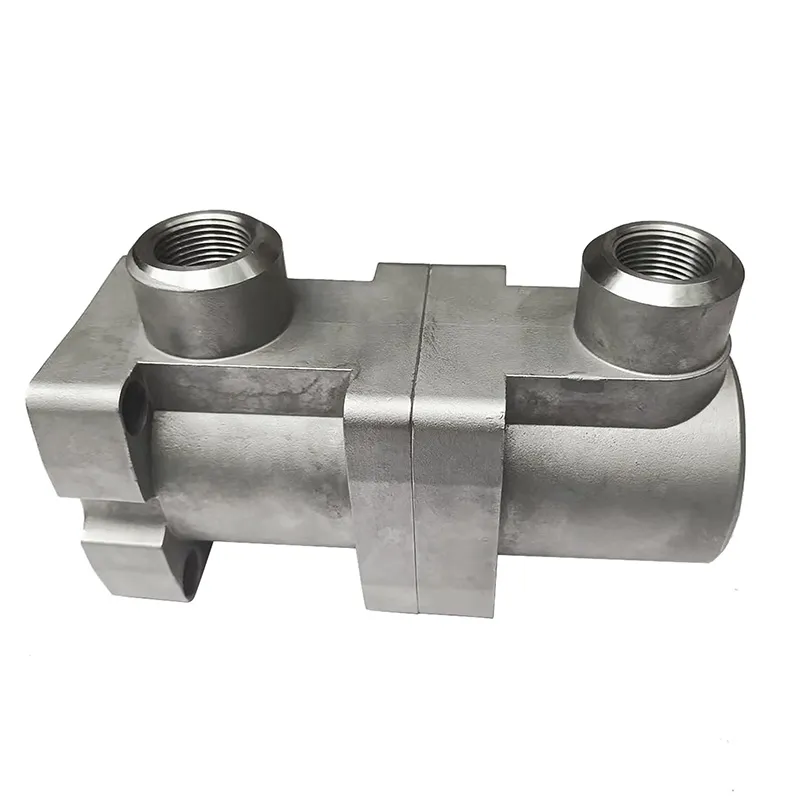
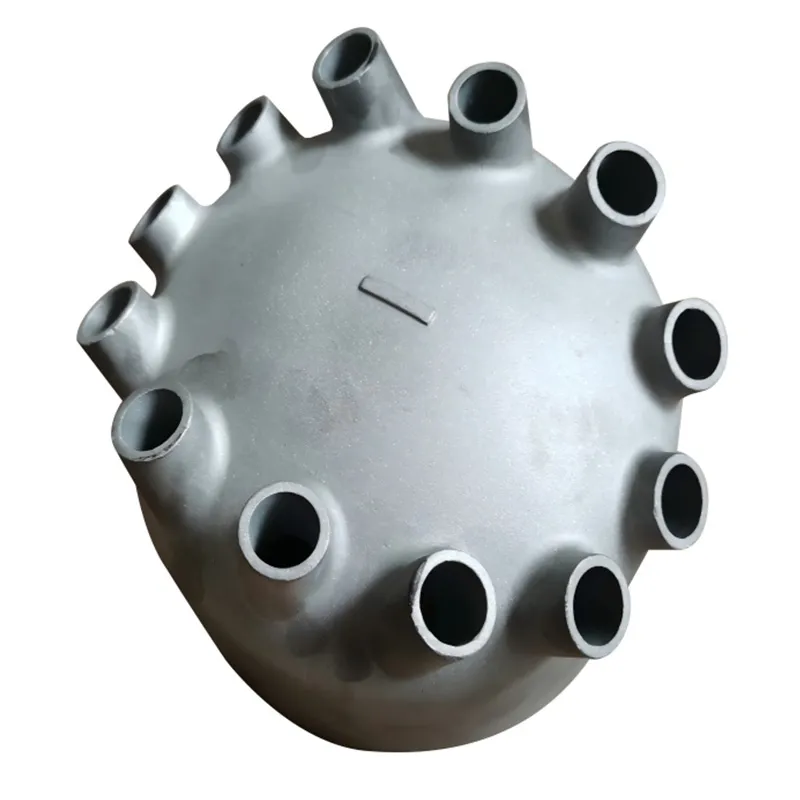
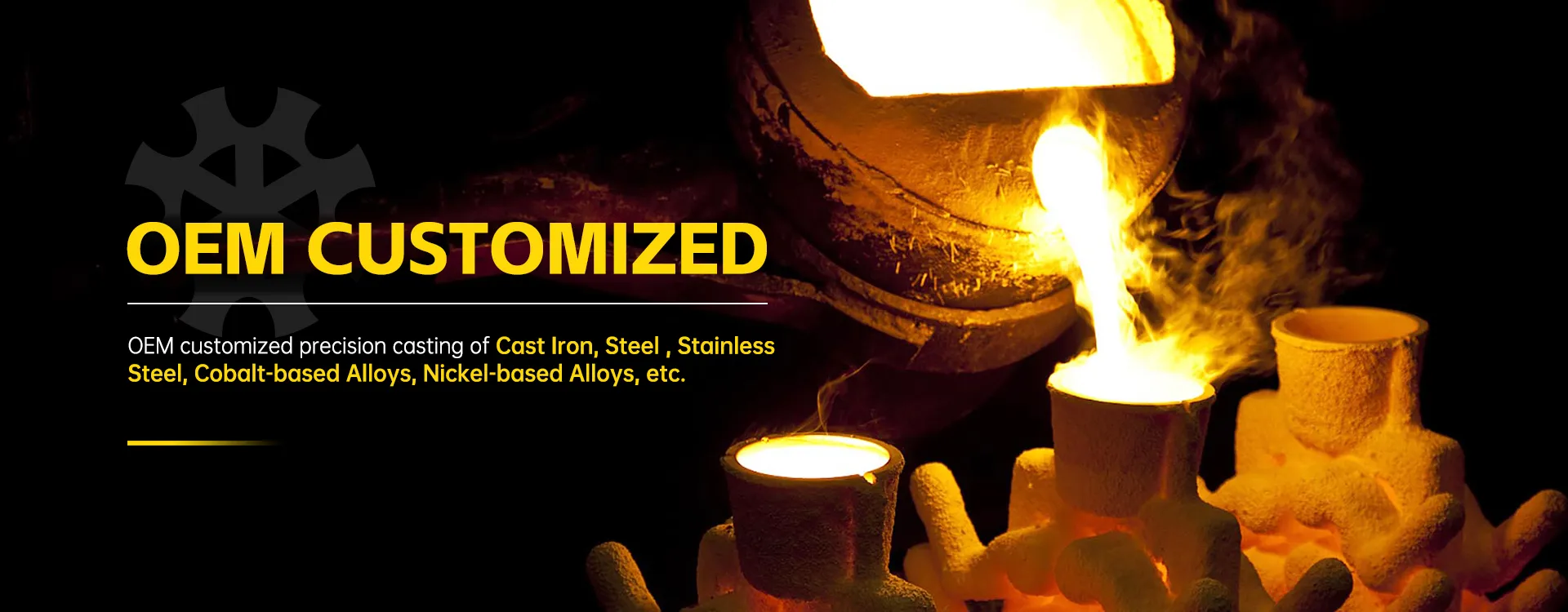
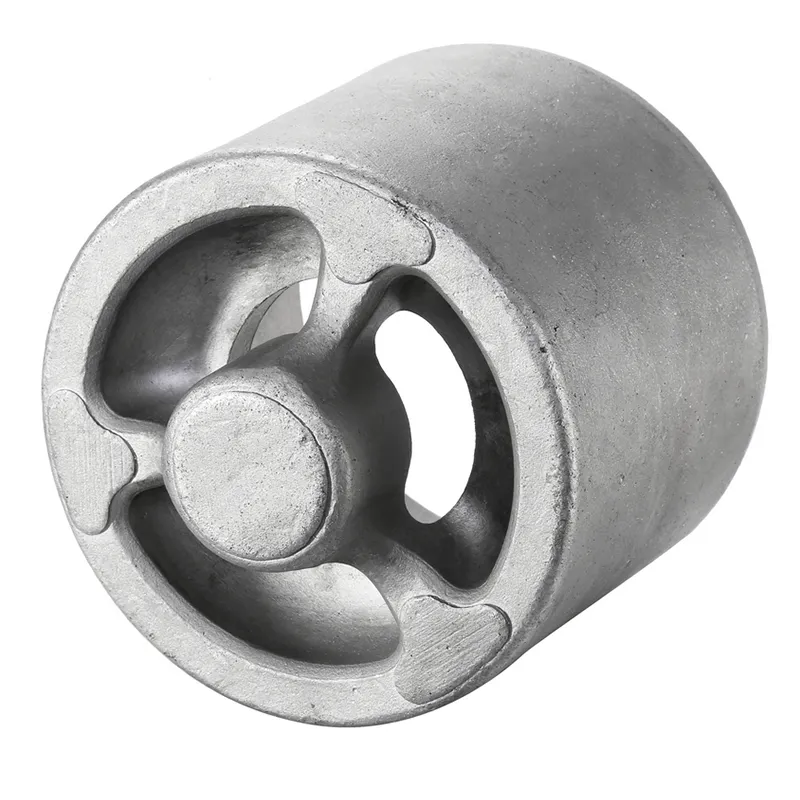
The handoff from casting to machining is the critical juncture. You can't talk about CNC efficiency without first talking about the blank. With shell mold and investment casting, we're often dealing with near-net-shape parts, which is great for material savings. But 'near-net' is a spectrum. A variance of half a millimeter in wall thickness might be acceptable for the casting, but it means the CNC program's first operation—facing or boring—isn't cutting air one second and then taking a heavy, unpredictable cut the next. This chatter ruins surface finish and tools. We learned this the hard way early on with a batch of pump housings.
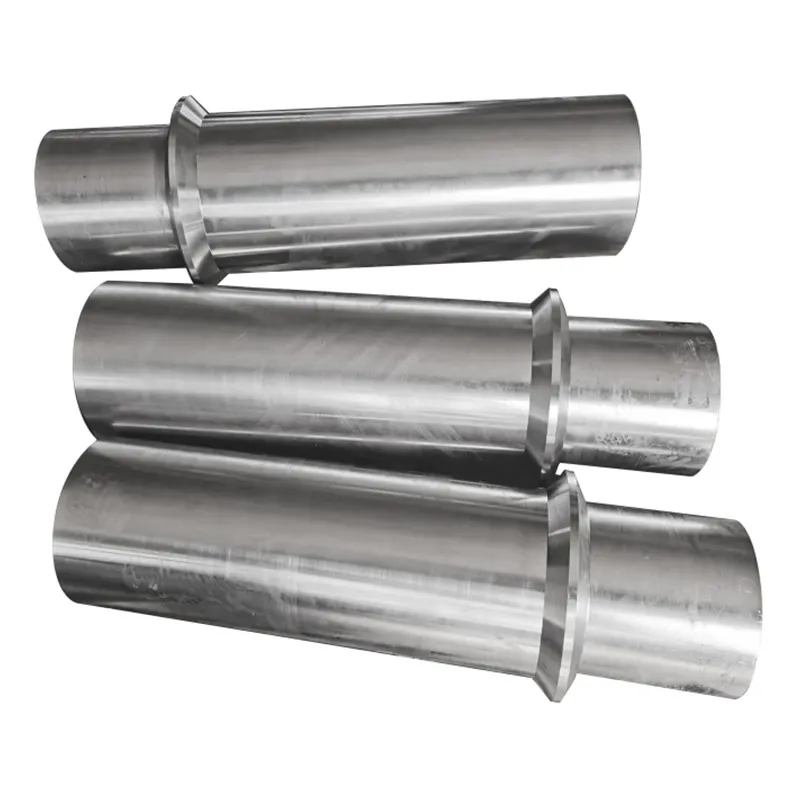
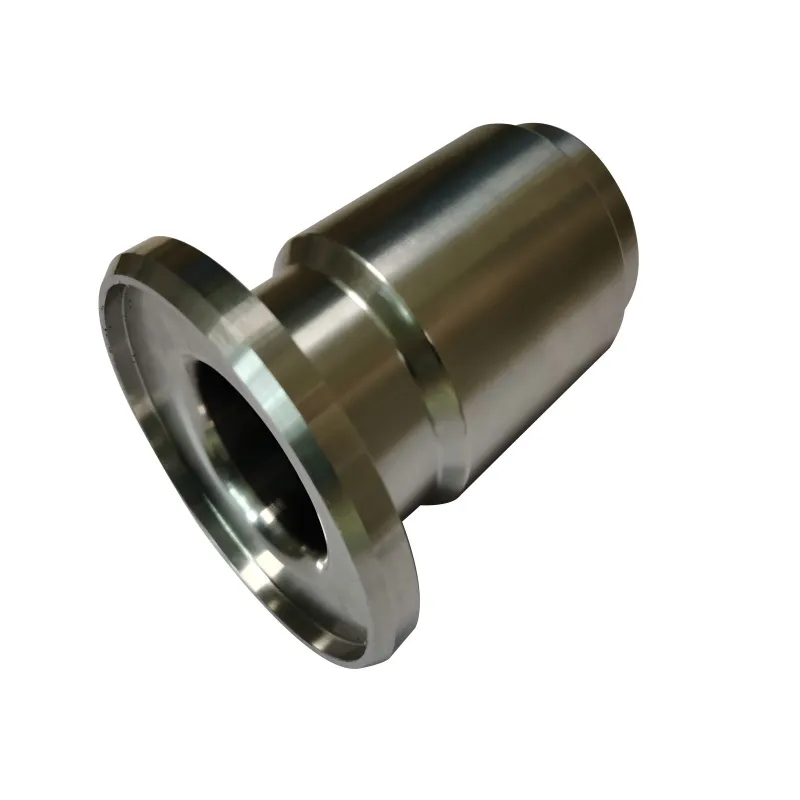
The alloy choice dictates everything that follows. We run a lot of stainless and nickel-based alloys for corrosion and heat resistance. Fantastic in service, a nightmare to machine. They work-harden instantly. If your processing machinery lacks the rigidity and torque to maintain a consistent feed rate, you're just glazing the surface, turning the next pass into a tool-killer. We standardized on machines with box-way constructions for heavier cuts in these materials, moving away from linear guides for those specific jobs. It's not the trendy choice, but it works.
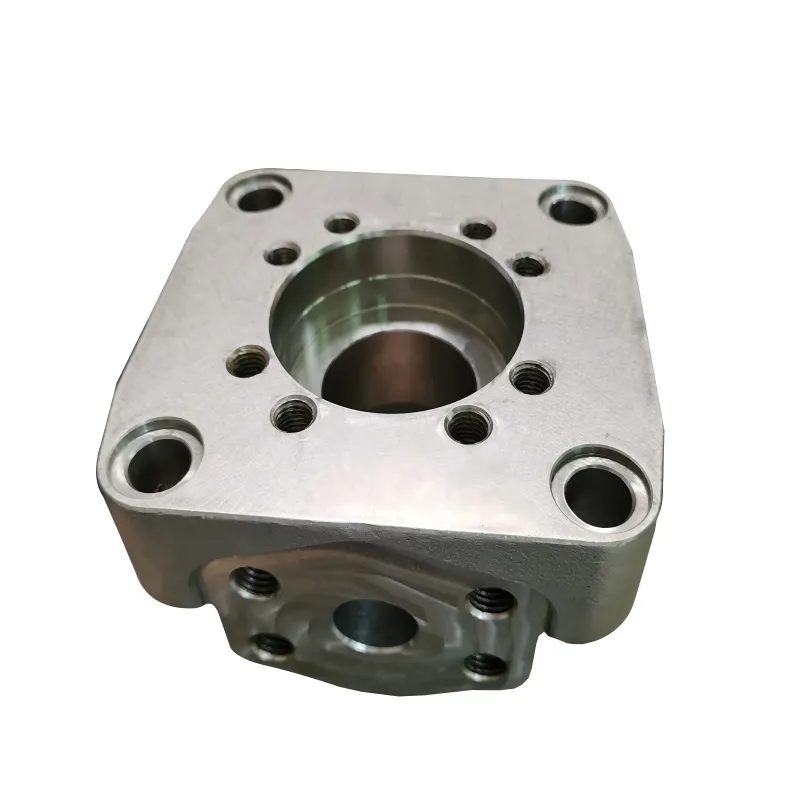
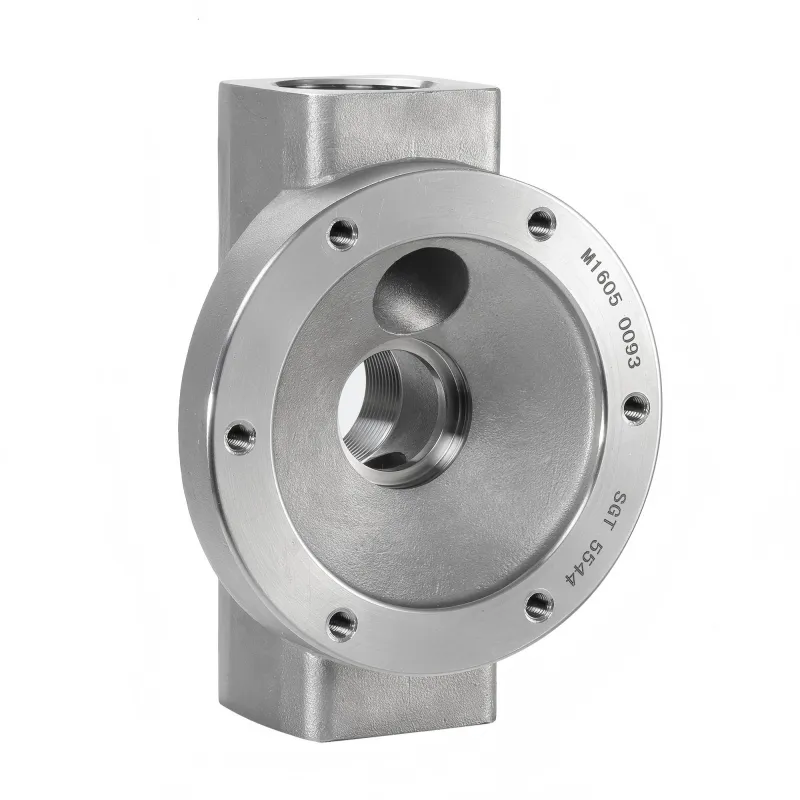
Then there's residual stress. A casting cools unevenly. It sits, sometimes for weeks, internally settling. If you clamp it on a machining pallet and take off one side, you release that stress. The part moves. Maybe only a few microns, but for a valve seat or a precision manifold, it's a reject. We now build in stress-relief cycles—thermal or vibrational—for critical components before they even touch the CNC bed. It adds time, but it saves a whole batch from being machined to perfect, wrong dimensions.
CNC Machining: It's Not Just About the Code
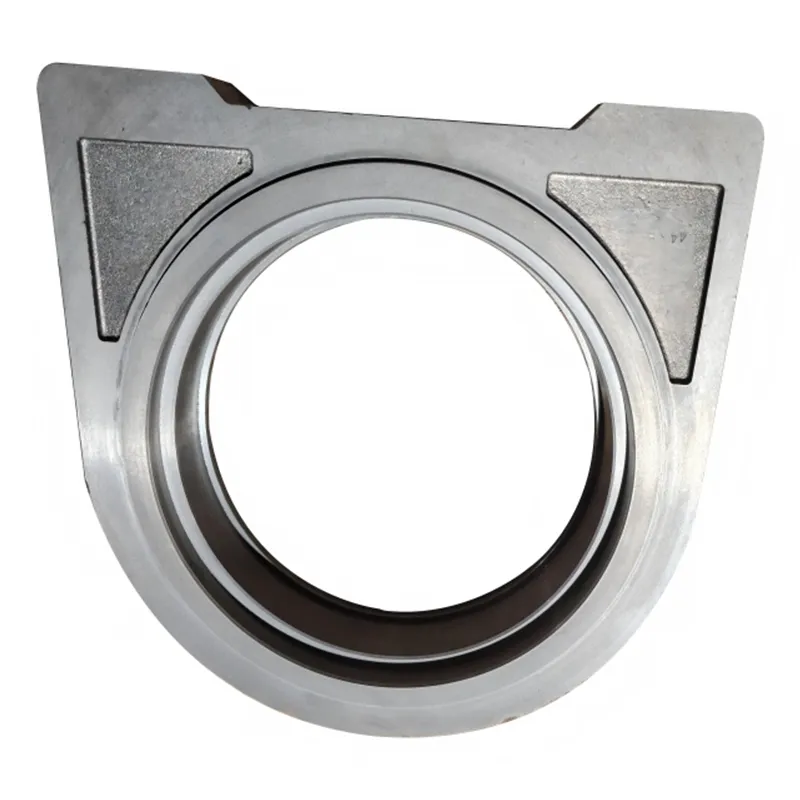
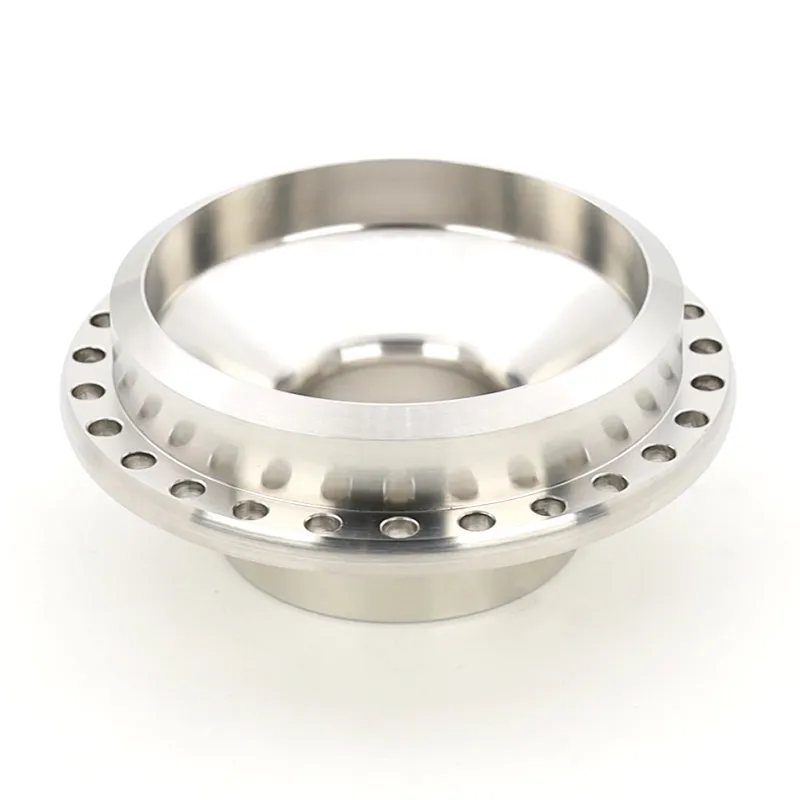
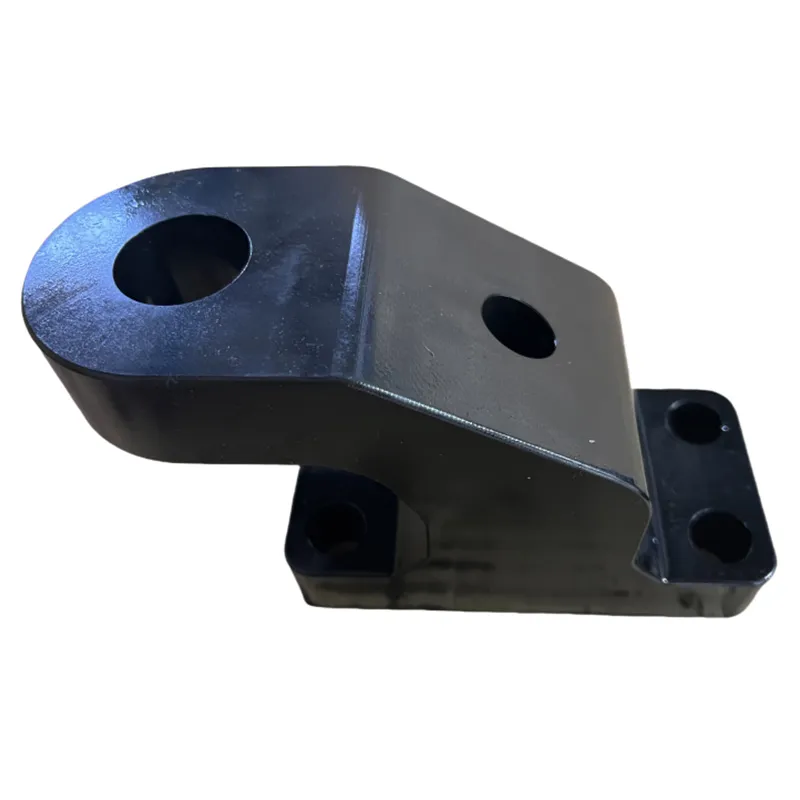
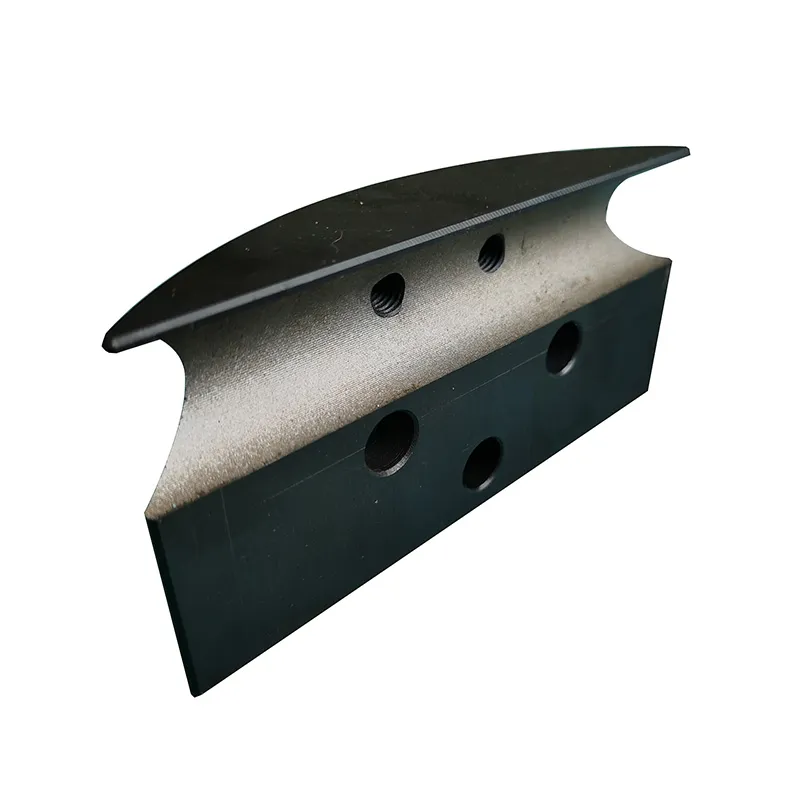
Our CNC machining segment is where the processing machinery gets its spotlight. But the real expertise isn't just in programming a path. It's in workholding for cast parts. A forged block is predictable; a complex casting with uneven datum surfaces is not. Designing a fixture that locates off the 'as-cast' features in a way that minimizes distortion during clamping is a black art. We've got fixtures that look bizarre, with custom soft jaws that match the casting's contour before squeezing. It's the only way to ensure the first machined face is truly a reliable datum for all subsequent ops.
Tooling strategy is another money pit. Using off-the-shelf inserts on Inconel is a fast way to burn money. We work closely with tooling suppliers to develop custom geometries and coatings—sometimes a slightly more expensive insert with a specialized chipbreaker geometry lasts three times longer in our specific alloys. The machine's capability is unlocked by the tool. I remember pushing a new high-speed spindle to its limits, only to have the project fail because we couldn't find a tool that could handle the thermal load at those speeds in cobalt alloy. The machine was capable, but the supporting technology wasn't there yet.
Coolant isn't just coolant. For deep cavity machining in ductile iron, we need high-pressure through-spindle coolant to blast chips out. For stainless, we need oil-based coolants for lubrication to prevent built-up edge. Running the wrong fluid can look fine for a shift, then cause a cascade of tool failures. We have three different central systems. It's a logistical headache, but it's non-negotiable for consistency.
Material Specifics: The Devil's in the Details
Cast iron is forgiving, until it's not. Gray iron machines beautifully, the graphite acts as a lubricant. But for high-strength ductile iron (like for hydraulic components), the nodular graphite structure is tougher. You need sharper, more positive rake tools. If your processing machinery spindle isn't balanced for higher RPMs, you'll get harmonic vibration that leads to premature tool wear and a poor finish on what should be a simple facing operation.
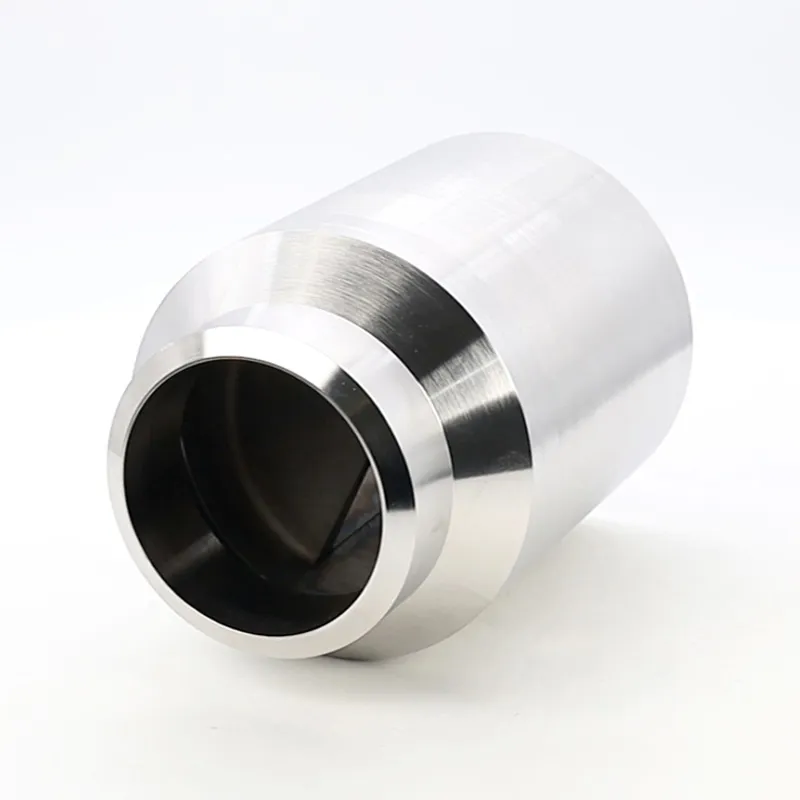
Stainless steel, especially the precipitation-hardening grades we sometimes get specs for, is a different beast. Every parameter matters: speed, feed, depth of cut, tool path. A climb mill versus a conventional mill can be the difference between a mirror finish and a torn surface. We keep detailed run sheets for each alloy—these aren't from the textbook, they're built from years of broken tools and successful batches. They're our most valuable internal documents.
The special alloys, like Hastelloy or Stellite, almost require a dedicated cell. They're so abrasive and tough that they contaminate coolant systems and standard tooling. We schedule these jobs in blocks, completely tearing down and cleaning the machines afterwards. The cost is baked into the quote. Trying to cheap out here by mixing it in with a schedule of aluminum parts will contaminate everything.
Integration and Real-World Bottlenecks
Buying a new multi-million dollar machining center feels like the solution to all problems. It rarely is. The bottleneck often shifts. Now you can mill a part in one setup in three hours instead of five across two machines. Great. But now the deburring and cleaning station is overwhelmed because you're producing finished parts faster. Or the CMM can't keep up with the inspection throughput. Processing machinery must be viewed as part of a system. Our biggest gains in overall throughput sometimes came from adding a simple robotic part washer or investing in a faster optical comparator, not from the flashy new VMC.
Another hidden bottleneck: programming and setup. For low-volume, high-mix work like we often do at QSY, a machine might be down for setup as long as it runs. We've invested heavily in offline programming and simulation software, and in modular fixture systems. The goal is to have the next job's program proven and fixtures kitted while the current one is running. It's a constant battle against downtime. The machine's spindle uptime is the only metric that truly pays the bills.
Maintenance is not an expense; it's a prerequisite. A machine with worn ball screws or way covers full of chips will never hold tolerance, no matter how good the operator is. We run preventive maintenance on a strict, hours-based schedule. The grease, the filters, the way wipers—it's boring, unsexy work. But letting it slide is how you get a 0.01mm tolerance drift that scrapes a whole batch of precision-machined investment cast turbine blades. We learned that lesson once, painfully.
Looking Back, Moving Forward
After thirty years in this game, from the manual lathes to the latest multi-tasking turn-mill centers, the core truth remains: the machine is only as good as the process that feeds it and the people who understand its context. A perfect G-code program is useless if the casting has a hidden shrink cavity that the tool hits unexpectedly. The most advanced post-processor can't compensate for a fixture that flexes under load.
The evolution at our facility, which you can trace through the equipment on our floor at tsingtaocnc.com, reflects this learning. We didn't just buy faster machines; we built a more integrated system. The casting process informs the machining prep. The machining challenges feed back into the casting design for the next iteration. It's a loop.
So when I think about processing machinery now, I don't just see iron and code. I see the stress-relieved blank, the custom fixture drawing, the coolant concentration report, and the maintenance log. The machine is the focal point, but the real work—the real expertise—happens in the ecosystem around it. That's what turns a block of metal into a reliable component. Anything less is just moving material around.