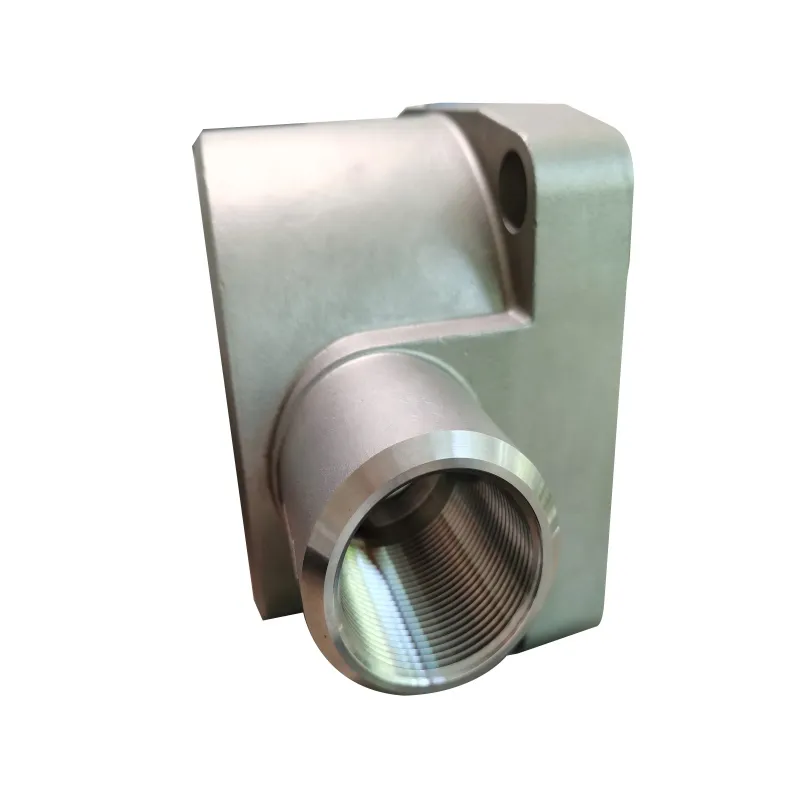
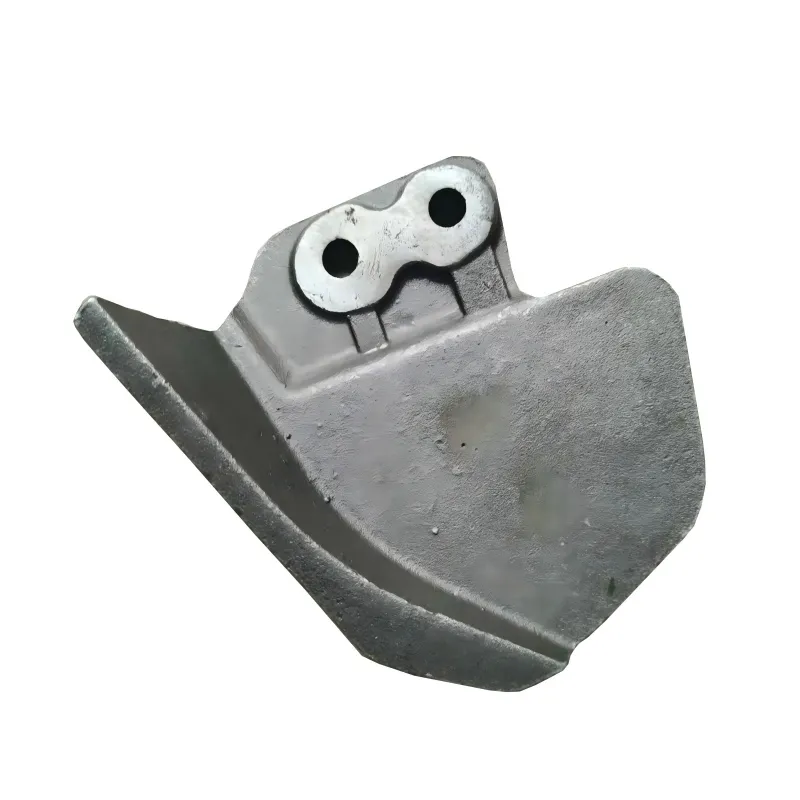
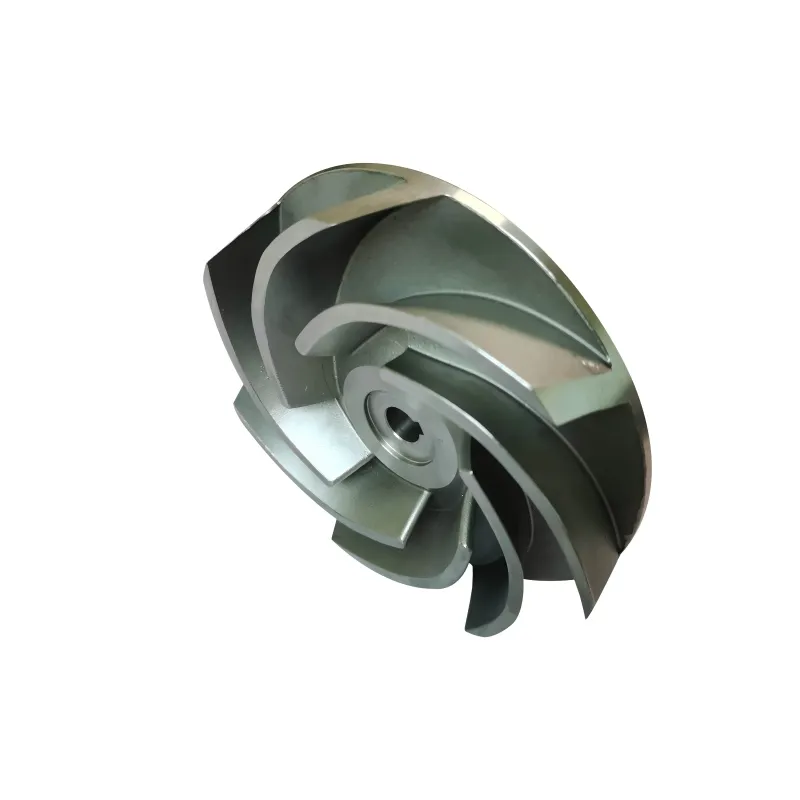
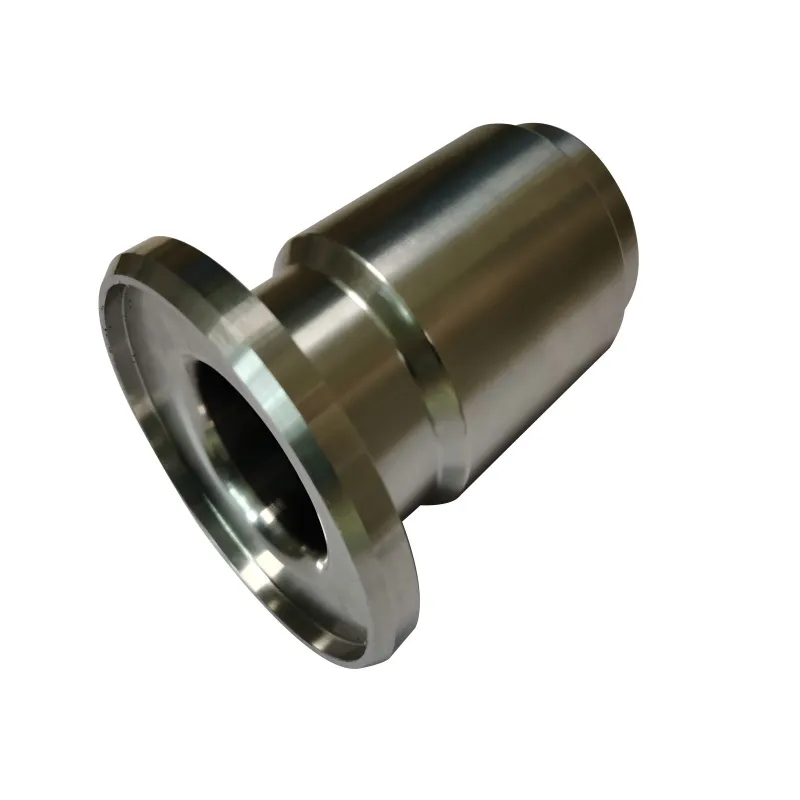
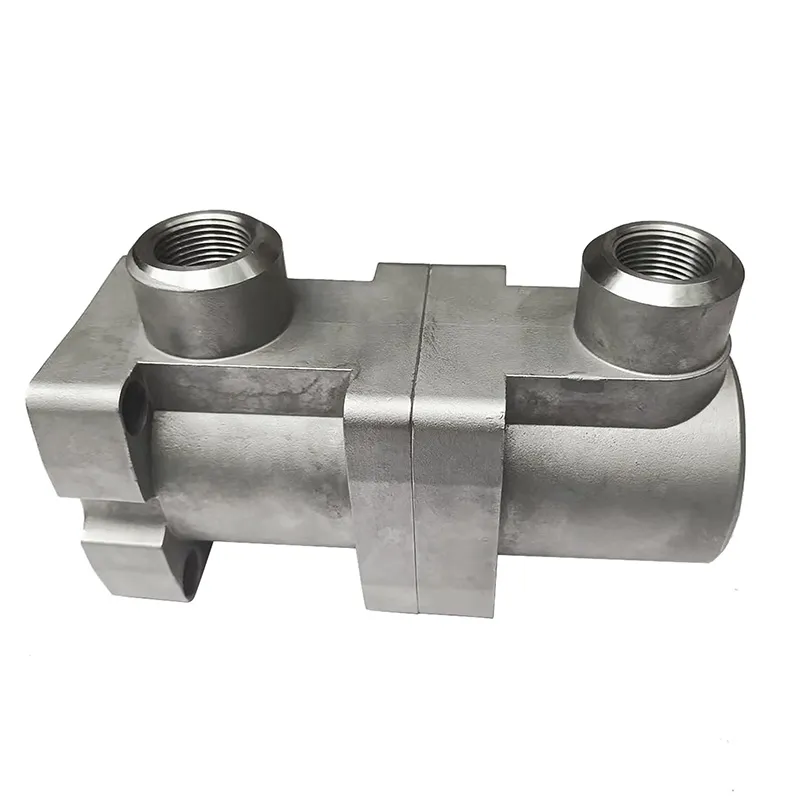
Let's cut through the hype. When most hear 'prototype investment casting', they picture a flawless, near-net-shape part magically appearing from a ceramic shell. The reality is messier, more iterative, and far more dependent on upfront collaboration than many CAD jockeys assume. It's not just a fancy 3D printing alternative; it's a bridge between design intent and production feasibility, and that bridge often has a few unexpected tolls.
The Prototype Misnomer and Early-Striage Value
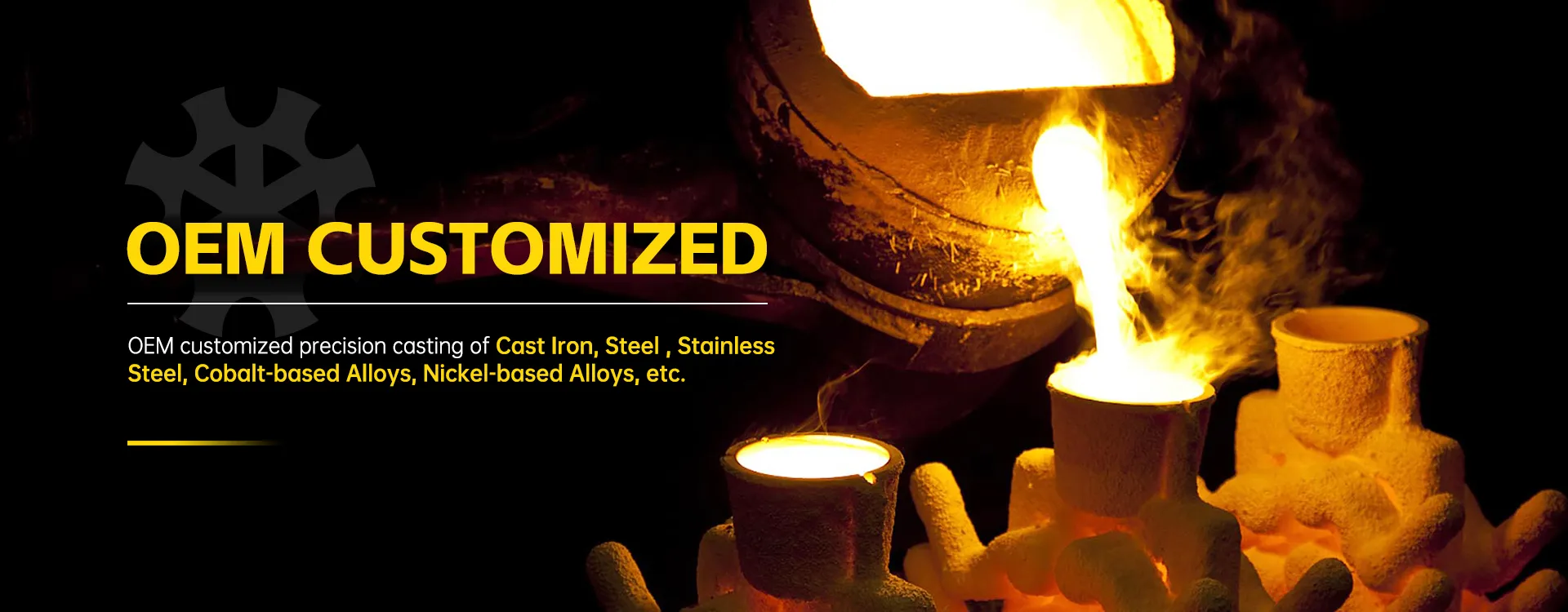
Calling it a prototype investment casting already sets a tricky expectation. The word prototype suggests one-off, speed, maybe even lower fidelity. But the process itself—creating a wax or 3D printed pattern, building a ceramic shell, dewaxing, firing, pouring, finishing—is fundamentally a production process in miniature. The real value isn't in making one part fast (SLA might beat it there), but in making a part that behaves like a production part. Thermal characteristics, grain structure, mechanical properties—you're validating the manufacturing method itself, not just the geometry. I've seen too many projects where a beautifully printed resin prototype passed fit-check, only for the first investment casting run to fail from solidification issues the plastic couldn't reveal.
This is where the 30-year focus of a shop like Qingdao Qiangsenyuan Technology Co., Ltd. (QSY) becomes tangible. It's not about having the fanciest 3D printers for patterns. It's about their pattern makers and foundry engineers knowing, instinctively, how a 3mm wall in 316 stainless will behave versus the same wall in a nickel-based alloy during shell burnout and pour. That judgment, baked into the prototype phase, saves months. Their website, tsingtaocnc.com, lists their work with special alloys, and that's key—prototyping in Inconel isn't just about material cost; it's about knowing how to tweak the shell recipe and pour temperature to avoid micro-cracks that only show up in machining.
The biggest mistake? Treating the prototype cast as a final validation. It's a process validation. We use it to check core fits, shrinkage allowances, gating efficiency. Sometimes, the most successful prototype run is the one that reveals a fatal flaw in the gating design—a failure that prevents a catastrophic production batch. I recall a turbine blade prototype where the trailing edges kept showing porosity. The solution wasn't to tweak the CAD; it was to adjust the slurry viscosity in the primary ceramic coat and the stucco sand grade. That's data you only get by doing.
Wax vs. Printed Patterns: A Practical Tug-of-War
The debate between machined wax and 3D printed (often SLA or material jetting) patterns is perennial. Wax is traditional, often cheaper for simple geometries, and behaves exactly like production wax, so you get zero surprises during dewaxing. But for complex internal channels or undercuts? Printing wins. However, here's the rub: printed resin patterns have a different thermal expansion and burnout characteristic. If the shell isn't formulated to handle the more aggressive gas evolution during burnout, you get shell cracks—or worse, inclusions in the metal.
QSY's dual expertise in shell mold casting and investment casting is a silent advantage here. Shell mold casting uses resin-bonded sand, a different beast, but the material science of binders and refractories crosses over. Their experience tells them when a printed pattern needs a modified shell build-up schedule—maybe an extra prime coat or a longer, slower burnout cycle. This isn't in a manual; it's in the collective memory of the technicians. I've sent them a complex manifold printed in a common photopolymer, and their first question was about the resin's ash content. That's the right question.
We once tried to cut lead time by using a high-resolution printed pattern for a ductile iron component. The pattern was perfect. The cast part had surface pitting. The culprit? Residual ash from the printed pattern binder contaminating the metal surface. The fix was reverting to a machined wax for the prototype. It added two days to pattern lead time but saved two weeks of rework and investigation. The lesson: the fastest pattern route isn't the fastest path to a good prototype.
Where CNC Machining Intersects the Cast Prototype
This is critical and often overlooked. A prototype investment casting is rarely, if ever, a finished part straight from the shakeout. It needs machining—drillings, tapped holes, critical datum surfaces finished. This is where the vertical integration at a place like QSY changes the game. Having CNC machining under the same roof as the foundry isn't just a convenience; it's a feedback loop.
The machinist becomes the final inspector of the casting process. If they're constantly breaking tools on a hard spot in a specific area of every prototype, it signals a potential chill or segregation issue in the solidification. If a thin wall machines out with porosity, the foundry can adjust the pour temperature or gating within the same building. I've worked with shops where the casting and machining are separate entities, and the blame game that erupts when a prototype fails in machining is a project killer. When it's one team, the conversation is, The pocket at station D showed micro-shrinkage. Let's add a riser or a chill.
Their work with stainless steel and special alloys makes this even more crucial. Machining cobalt-based alloys is a specialty in itself. If the casting prototype has residual stress from uneven cooling, it can warp dramatically on the CNC mill's first heavy cut. Their machinists know to take lighter passes on the first article, to feel out the material's behavior—a tacit knowledge that informs the foundry side for the next iteration.
The Alloy Choice: It's Not Just a Drop-Down Menu
Picking a material for a prototype isn't just about the final spec. Yes, you might need 17-4PH stainless for corrosion resistance. But for a prototype, sometimes it's smarter to use a more forgiving, easier-to-pour alloy like 304 stainless to prove out the geometry and gating, then switch to 17-4PH for the performance prototype. The foundry's experience dictates this.
QSY's listed expertise in nickel and cobalt-based alloys is a perfect example. These are brutal materials to cast. They have high melting points, are reactive, and have tricky solidification ranges. Prototyping in these is a high-stakes game. You don't just jump to a complex superalloy. Often, the process is staged: maybe a first pattern in aluminum to check fluidity and fill, then one in a lower-grade steel to check shrinkage, then finally the Inconel. Each step de-risks the expensive material pour. I've seen projects try to skip steps to save cost, only to lose a $10,000 charge of Hastelloy to a misdesigned sprue. That sting teaches you patience.
The choice also affects the tooling—even for prototypes. If the production intent is for a steel family, prototyping in aluminum because it's cheaper can be misleading. The shrinkage is different, so the pattern dimensions need to be adjusted. It's a valid path, but you have to know you're only validating form and basic function, not manufacturability. This is a key judgment call a seasoned engineer makes early on.
Communication: The Unwritten Spec
The most sophisticated process fails with poor communication. Sending a STEP file and a material spec to a foundry for a prototype investment casting is an invitation for delay. What are the critical tolerances? Which surfaces are as-cast, which must be machined? Is there a specific microstructure requirement? What is the part's primary load case? This context turns a shop from a passive order-taker to a collaborative partner.
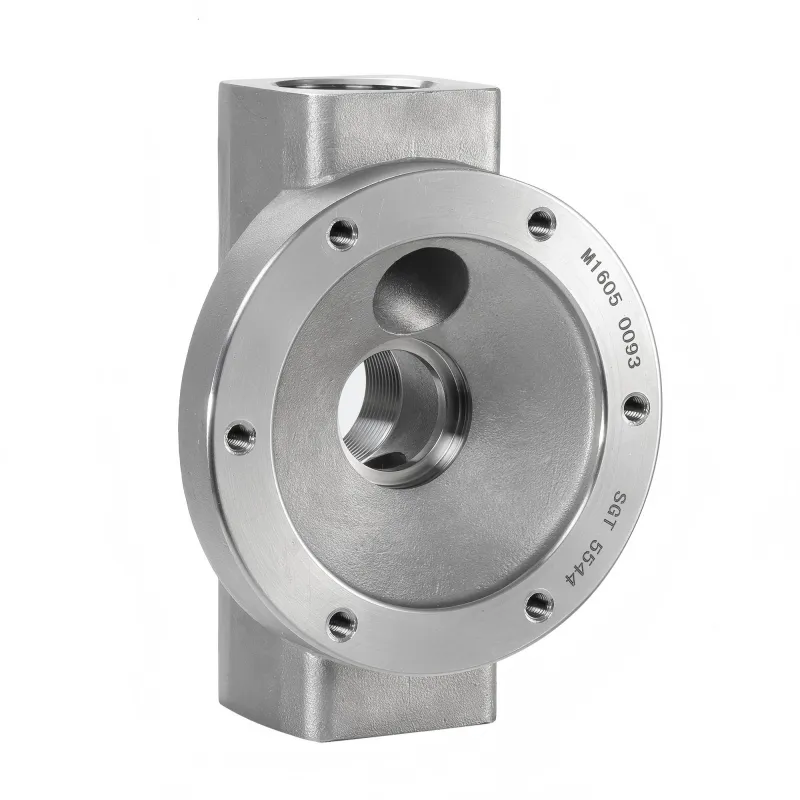
With a multi-capability partner like the one described at tsingtaocnc.com, you need to engage all their departments early. A quick review call with their casting engineer and a senior machinist can flag issues a designer might miss for months. I remember sending a drawing for a valve body with beautiful, thin reinforcing ribs. Their feedback was simple: Those ribs will cool first and create hot tears at the junctions. Can we make them thinner or add fillets? We added fillets. The prototype was sound. That's the hidden ROI of experience.
The final thought is this: prototype investment casting is a dialogue. It's a tangible, metal conversation between your design and the laws of physics and metallurgy. The goal isn't a perfect first article. The goal is an article that teaches you exactly what you need to change to make the tenth, the hundredth, and the thousandth article perfect. It's where theory gets its hands dirty. And finding a shop that speaks that language—through decades of shell building, pouring, and chip-making—is the real shortcut.