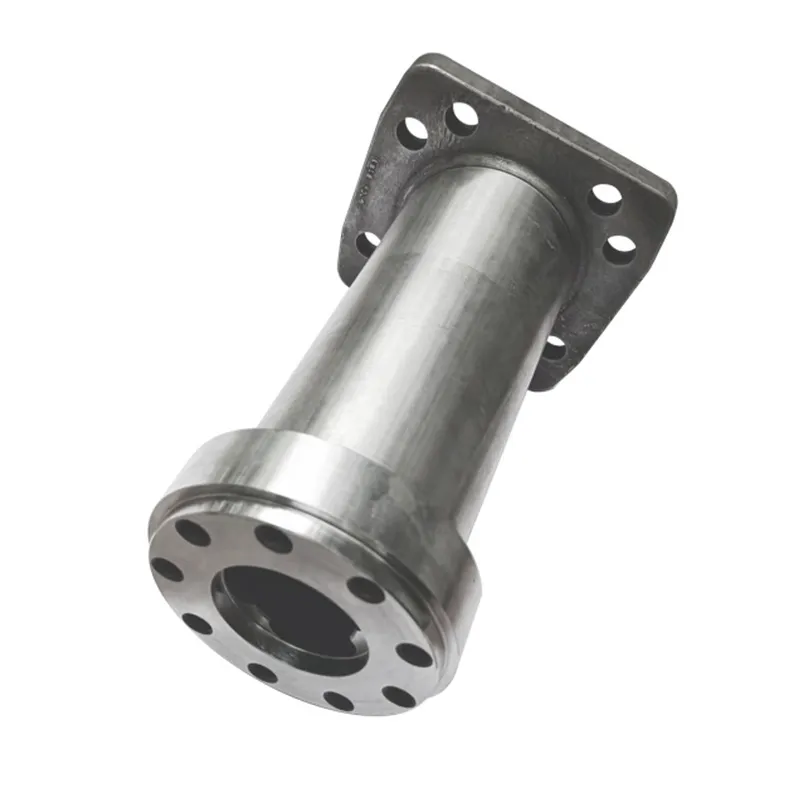
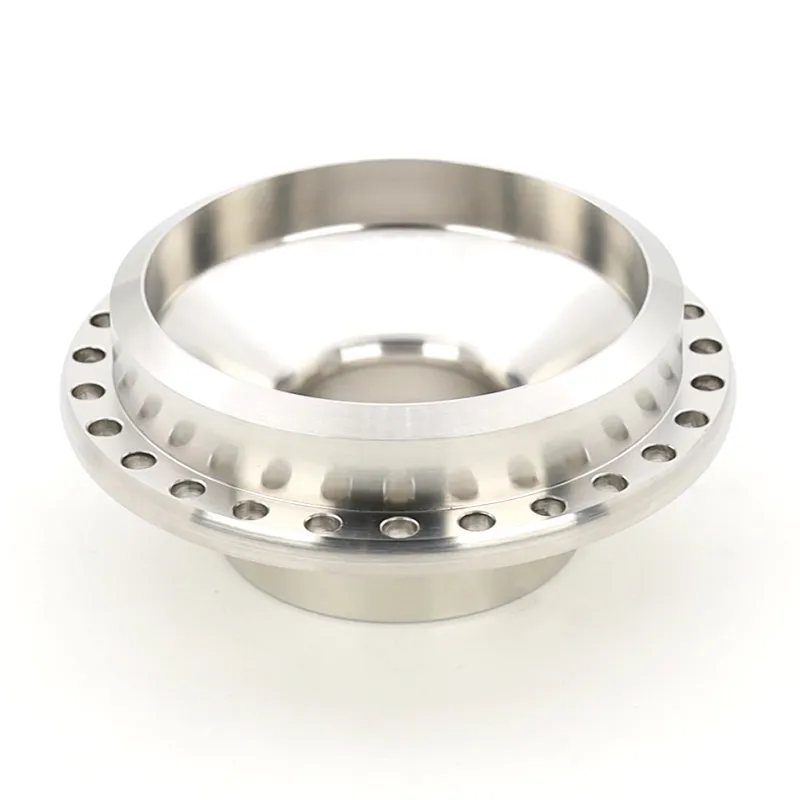
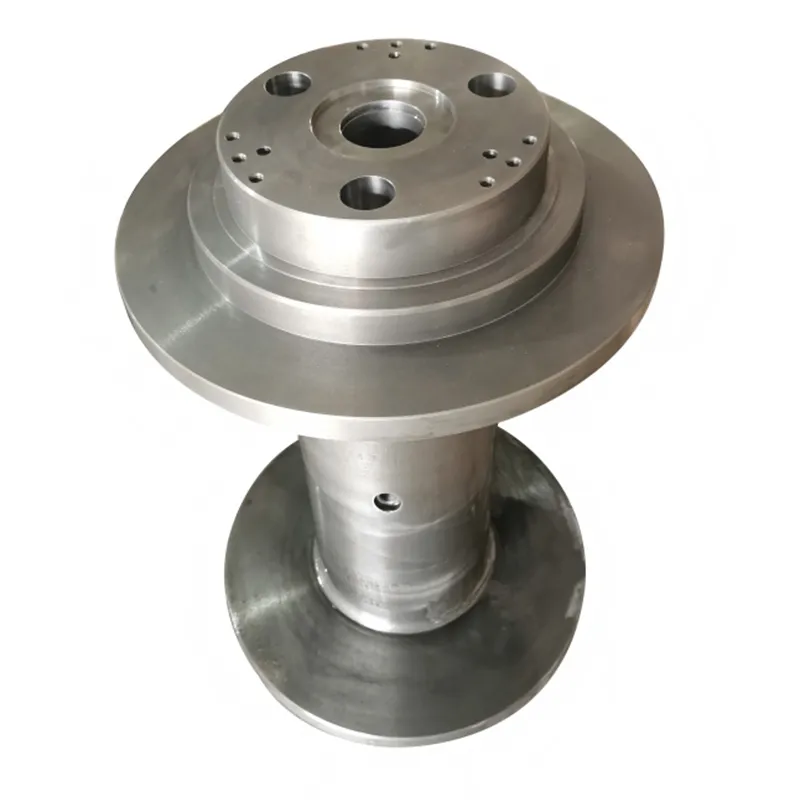
Let's talk about prototype sand casting. It's one of those terms that gets thrown around a lot, often with a bit of a misunderstanding. People hear prototype and think of 3D printing or high-speed machining, something sleek and digital. Then they hear sand casting and picture massive, gritty production runs for engine blocks. The real magic, and the real challenge, happens right where those two concepts meet. It's not about making one perfect piece in a lab; it's about making a functional, testable part that behaves like the final production version will, using the same basic family of processes. The goal isn't just a shape—it's a representative material structure, draft angles, surface finish, and all the quirks that come from pouring metal into a sand mold. Too many times I've seen projects stall because the prototype was made from a different process entirely, and the data from testing just didn't translate. That's the gap prototype sand casting aims to bridge.
The Core Idea: Fidelity Over Polish
The fundamental value of using sand casting for a prototype is fidelity. You're committing to the realities of the process early. If your final part will be a sand casting, then your prototype should be too. This forces design for manufacturability (DFM) conversations to happen at the very beginning, not as an afterthought. You'll see where you need draft, you'll feel the weight of the metal, you'll understand the gating and risering challenges firsthand. It's a brutal but honest teacher. A beautifully machined billet prototype might look perfect on the desk, but it tells you nothing about how the metal will flow in a mold, where shrinkage porosity might occur, or if your wall thickness transitions are too severe for the foundry process.
I remember a project for a mounting bracket for a piece of industrial equipment. The client's first prototype was CNC machined from solid aluminum plate. It fit, it worked. They greenlit the tooling for high-pressure die casting. The first shots from the production die were riddled with cold shuts and incomplete fills. Why? The machined prototype had sharp, square internal corners that were impossible for molten metal to fill at high speed. A simple prototype sand casting, even a rough one, would have immediately flagged that geometry as a problem. We would have seen the need for radii. That's the kind of lesson that costs tens of thousands in reworked dies.
This is where a partner with deep foundry experience is non-negotiable. You need someone who can look at a CAD model and immediately visualize the mold, the parting line, the cores. A company like Qingdao Qiangsenyuan Technology Co., Ltd. (QSY), with their 30 years in casting, operates in this space intuitively. It's not just about making the mold; it's about advising on how to adjust the design for the mold to make the prototype—and by extension, the final part—successful. Their work across shell mold casting, investment casting, and various alloys means they understand the spectrum, so they know exactly when and why to recommend sand for a prototype.
The Process: Quick, Dirty, and Informative
So, how does it actually work for a one-off or a short run? It's often a manual or semi-manual process. You're not building a durable, reusable pattern for a molding machine. More likely, you're machining a positive pattern from a medium like urethane board or even high-density foam. This pattern is then used to create the sand mold, often using a no-bake sand system for speed. The mold might be a simple two-part cope and drag, or it might require loose pieces. The focus is on capturing the geometry, not on achieving a production-level surface finish.
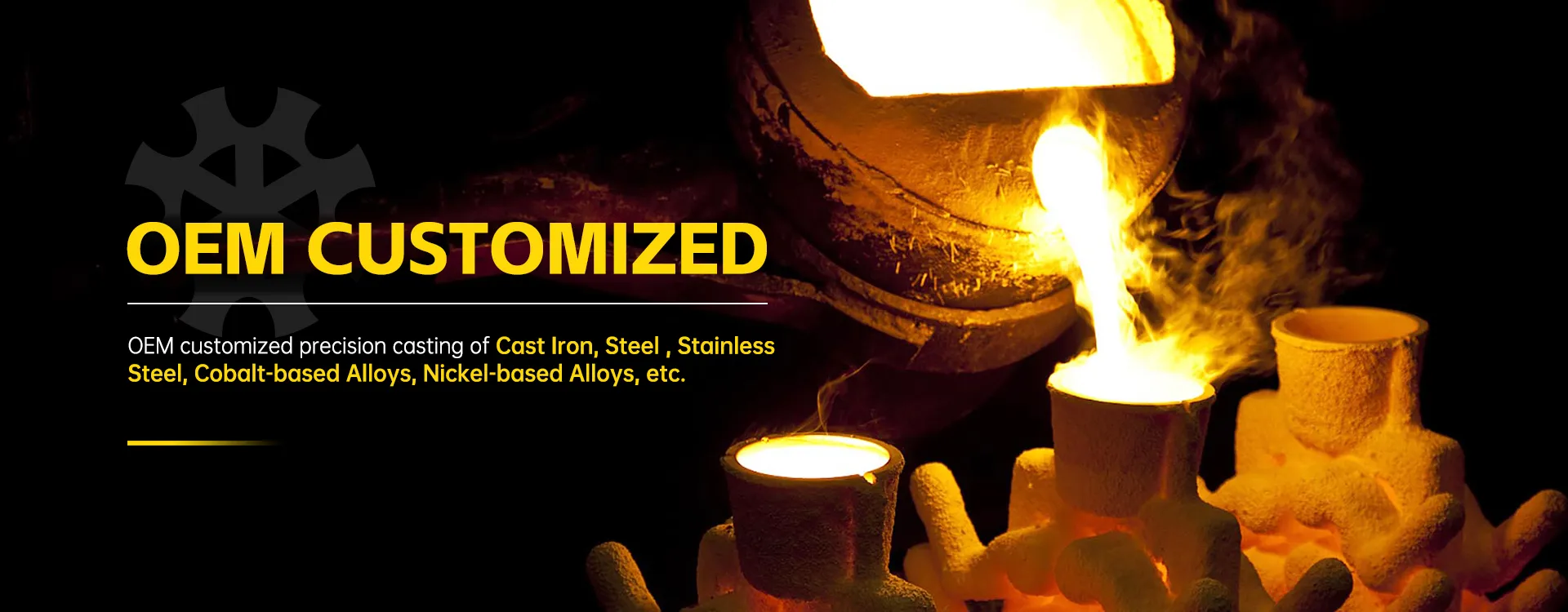
The metal choice is critical. You want to match, as closely as possible, the alloy intended for production. If the final part is to be ductile iron, your prototype should be poured in ductile iron. This tests the fluidity of that specific alloy, its shrinkage rate, its feeding requirements. Pouring a prototype in aluminum when the production will be steel is almost useless from a material behavior standpoint. This is another area where a foundry's material expertise is key. QSY's experience with cast iron, steel, stainless steel, and even special nickel-based alloys means they can guide you to a representative material, even for a prototype. The thermal dynamics of pouring a superalloy are a world apart from gray iron.
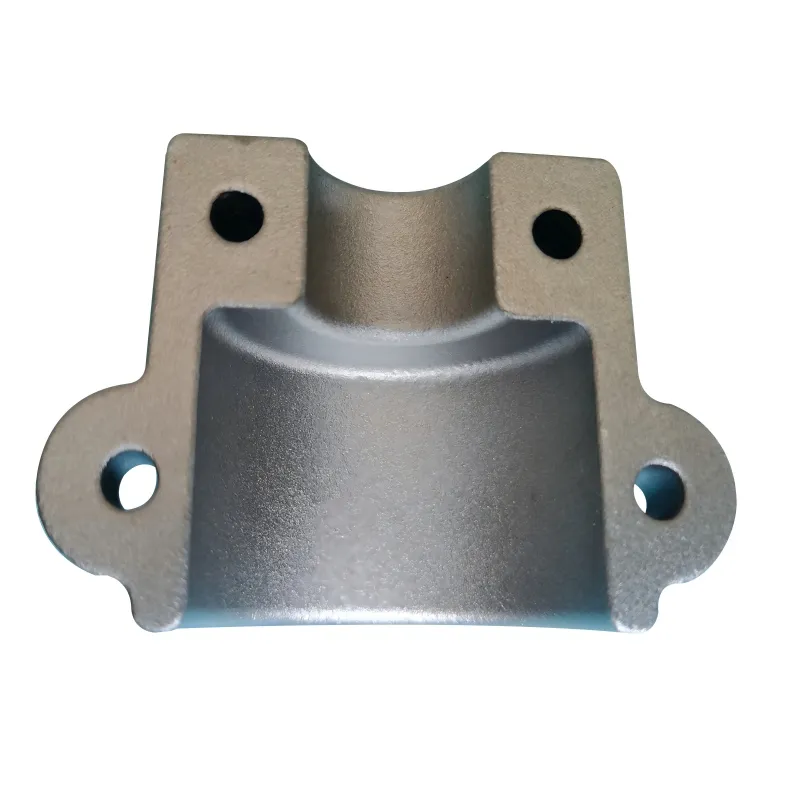
The aftermath is just as important as the pour. You shake out the casting, cut off the gates and risers, and then you really see what you've got. The first look is always telling. You might see a visible shrink cavity in a thick section, confirming you need a bigger riser. You might see sand burning on a thin section, indicating the metal was too hot or the section is too thin to fill properly. This is raw, immediate feedback. You then do minimal cleanup—maybe a quick shot blast and a pass over the parting line with a grinder—just enough to make it functional for testing. The goal is to get it into a rig or onto a machine to see if it works, and more importantly, how it fails if it does.
When It's the Right Tool (And When It's Not)
Prototype sand casting shines for certain applications. Large parts, for one. It's often the only cost-effective way to prototype a component that's a meter or more in size. Heavy-section parts are another good candidate, as other rapid prototyping methods struggle with solid metal volumes. It's also ideal for parts with complex internal cavities that require sand cores. You can prototype the core-making process itself. And of course, it's essential when the material properties of a specific casting alloy are paramount to the test, like the heat resistance of a cobalt-based alloy or the corrosion resistance of a specific stainless grade.
But it's not a panacea. For very small, highly detailed parts with tight tolerances, investment casting might be a better prototype route, even for a sand-cast production part, just to check fit and form. If you need a dozen nearly identical prototypes for a test batch, the economics might push you toward a short-run permanent mold or even machining. And if surface finish or dimensional accuracy is the primary concern of the test, then you're probably better off machining. The strength of prototype sand casting is testing the manufacturability and bulk functional performance of a design intended for sand casting.
A practical example: we once worked on a prototype for a new manifold design. The geometry was complex, with intersecting passages. The production method was to be shell molding. We used prototype sand casting (effectively a green sand method) to test the basic design. The prototype revealed a major turbulence issue in one passage that would have led to dross formation. We redesigned the runner system based on that single prototype pour. When we later moved to the actual shell mold casting process for pre-production, that problem was already solved. The prototype didn't look pretty, but it saved the project.
The Tangible Hurdles and Real Decisions
It's not all straightforward. One of the biggest headaches is pattern making. For a true one-off, destroying a machined pattern in the mold is acceptable. But if you think you might need two or three pours to iterate, you need a durable pattern. That drives up the initial cost and time. There's a constant trade-off: how much do we invest in the prototype tooling (the pattern) versus just getting metal in hand?
Another subtle point is the sand itself. Production foundries use tightly controlled, recycled sand with specific additives. A prototype shop might use a different, more versatile sand system. The thermal properties differ. This can sometimes lead to slight variations in cooling rates and surface texture compared to the final production process. You have to be aware of this and not over-interpret minor surface discrepancies. The core mechanical properties, however, should be governed by the metal, not the sand.
Lead time is another factor. It's faster than building production tooling, but it's not overnight. You have pattern fabrication, mold assembly, pouring, cooling, and shakeout. A realistic timeline for a medium-complexity part is two to four weeks. This is where planning matters. It's a phase that needs to be respected in the product development schedule, not a last-minute oh, we need a metal part scramble.
Integrating with the Next Steps: CNC and Beyond
Rarely does a prototype sand casting go straight to testing without some machining. That's the natural link to the full service chain. You'll almost always need to machine critical datum faces, bolt holes, or sealing surfaces to get an accurate test. This is why the model of a company that offers both casting and CNC machining is so powerful. They can handle the entire loop: design review, pattern making, pouring, shakeout, heat treatment if needed, and then precision machining of the critical features on the same rough casting.
This integrated approach eliminates a huge amount of logistical friction and miscommunication. The machinist isn't guessing where the real surface is on a rough casting; they're part of the same team that made it. At a facility like QSY (https://www.tsingtaocnc.com), this is the standard workflow. The prototype comes out of the foundry, gets shot blasted, and moves to the machine shop. They have the original CAD model, and they know which features are as-cast and which need to be machined to spec. This continuity is invaluable for maintaining the prototype's integrity and ensuring the test results are meaningful.
Ultimately, the prototype becomes the foundation for the production process. The gating system you validated, the riser placement you confirmed, the core design you tested—all of that knowledge feeds directly into the design of the production pattern and mold. A well-executed prototype sand casting phase doesn't just yield a test part; it yields a process roadmap. It de-risks the high-cost tooling investment that comes next. It turns the unknowns of a new design into known quantities, or at least, into much more educated guesses. And in this business, an educated guess is often the difference between a smooth launch and a costly failure.