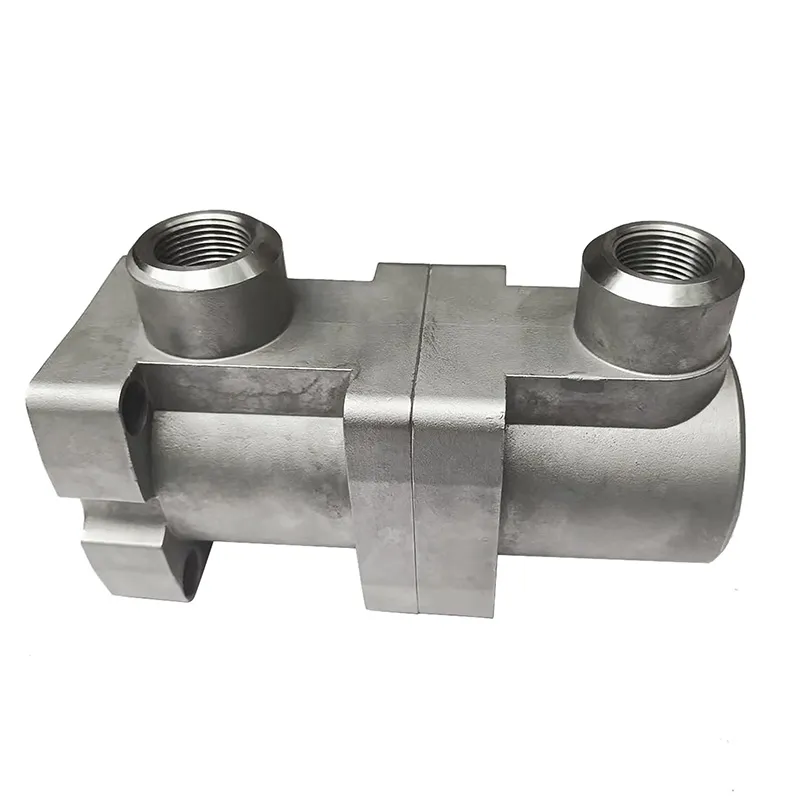
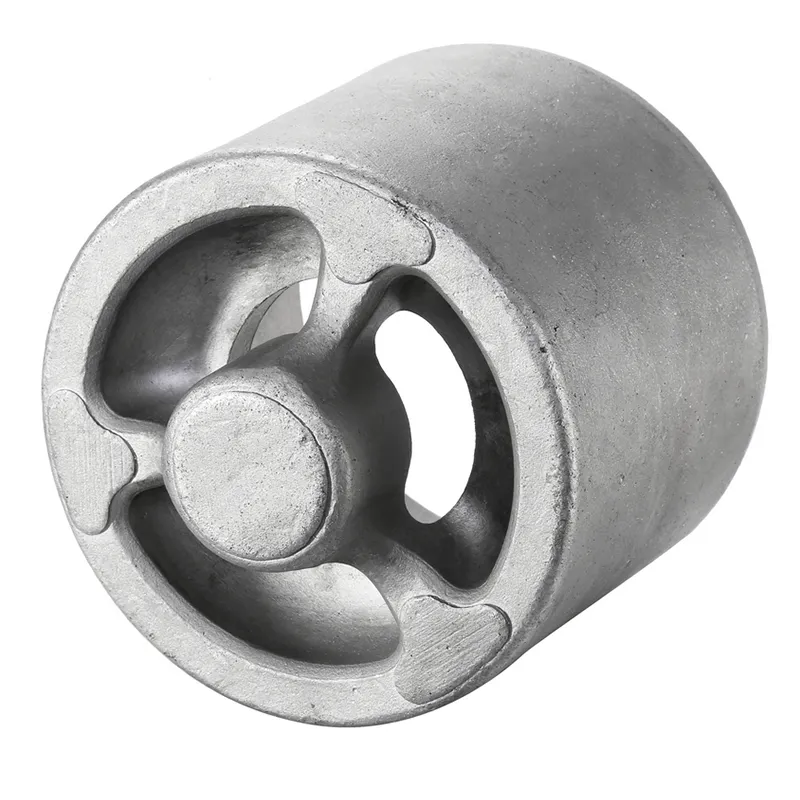
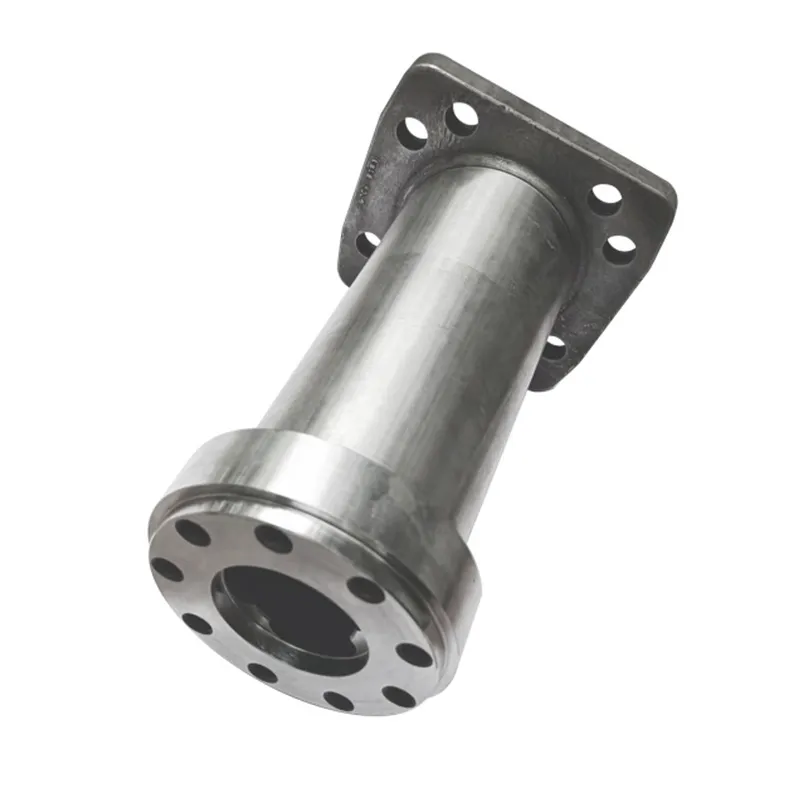
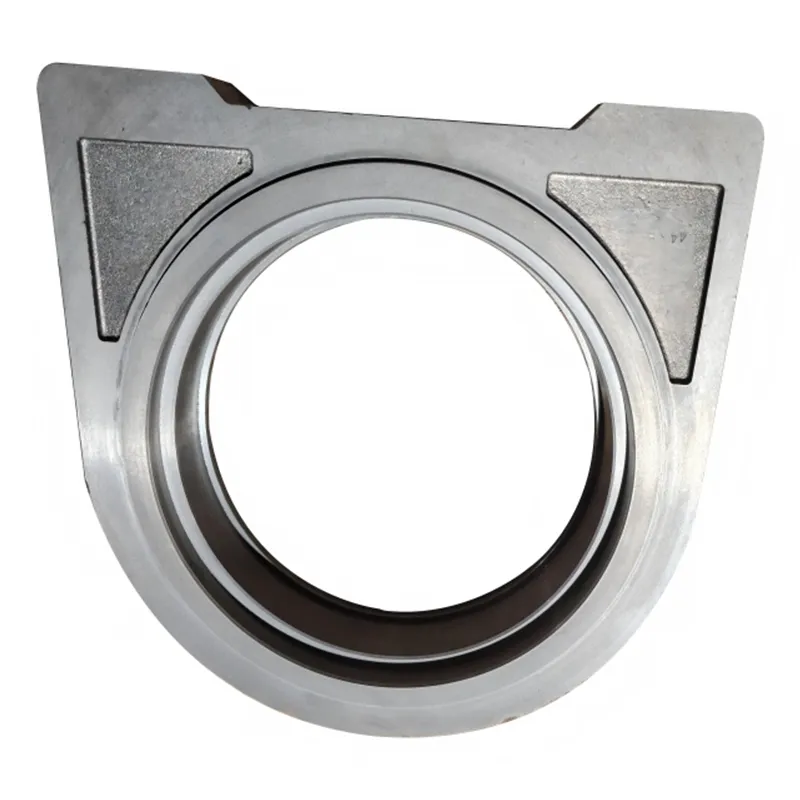
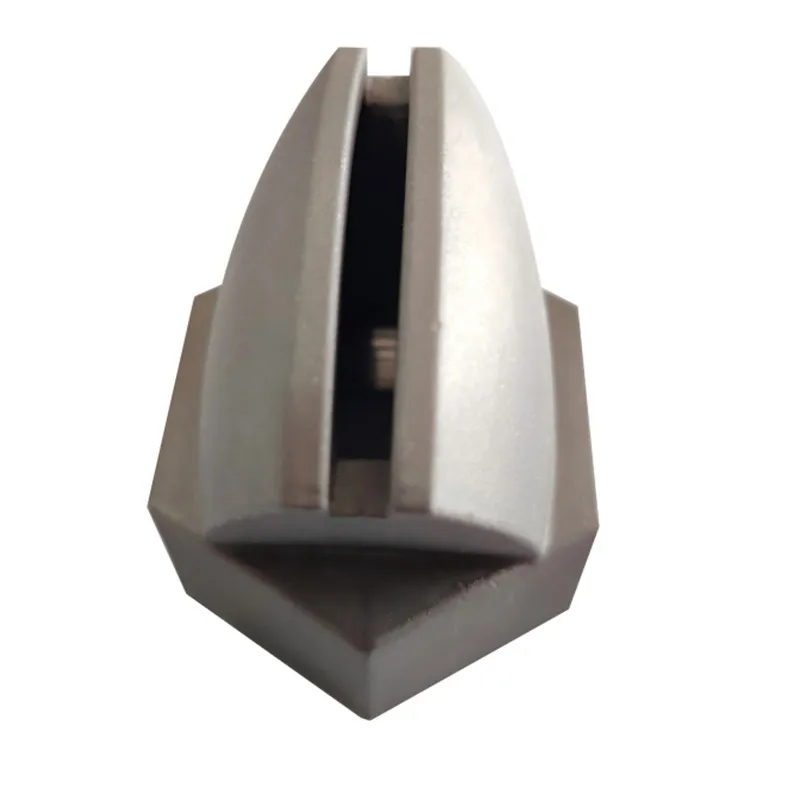
When most people hear 'pump and valve castings', they picture a rough, dirty lump of metal. That's the first mistake. The real story is in the geometry you can't see from the outside—the internal passages, the wall thickness transitions, the seating surfaces. Get those wrong, and your high-performance pump is just an expensive paperweight. It's not about making a shape; it's about making a shape that holds pressure, resists corrosion, and survives cyclic fatigue for decades, often in environments you wouldn't want to visit. The gap between a drawing and a functioning casting is where the real work happens.
The Foundry Floor Reality
Let's talk materials first. Specs call for CF8M stainless for a corrosive service valve. Sounds straightforward. But CF8M's weldability and corrosion resistance hinge entirely on its ferrite content and how you control the cooling cycle in the mold. I've seen batches where the chemistry was perfect on paper, but the cooling rate was off by a hair, leading to sigma phase precipitation at grain boundaries. The parts passed the initial pressure test but developed micro-cracks after six months in the field. The failure wasn't in the material choice, but in the process control around that material. That's the hidden cost.
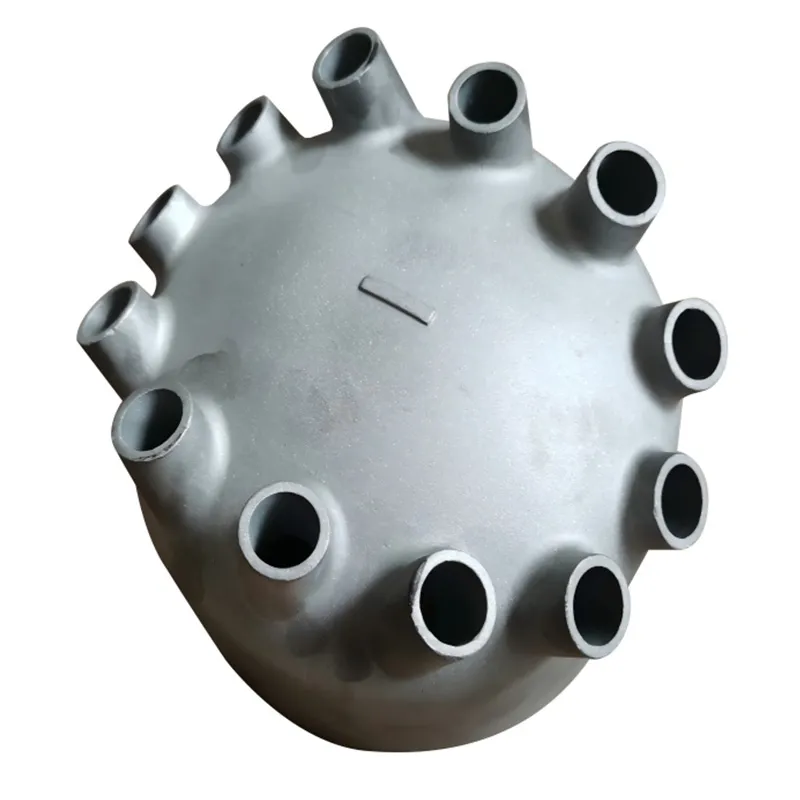
This is where a foundry's pedigree matters. A shop like Qingdao Qiangsenyuan Technology Co., Ltd.(QSY), with their three decades in shell and investment casting, isn't just selling metal. They're selling process memory. They've seen how a slight tweak to the gating system for a complex impeller casting in duplex stainless steel can prevent shrinkage porosity in the blade root—the kind of flaw that only shows up under X-ray or, worse, in a catastrophic failure. You can't get that from a new operation. It's baked-in, trial-and-error knowledge.
I recall a project for a multi-stage pump casing. The design had sharp corners transitioning from the suction flange to the volute. Every simulation showed potential hot spots. We went back and forth with the engineering team, finally adding subtle radii that weren't on the original model. It meant modifying the wax pattern dies, which cost time and money. The client grumbled about the delay. But the first pour was sound, with no tears or cracks. That's the unglamorous work: arguing over a millimeter of curvature to ensure structural integrity.
Precision Beyond the Cast
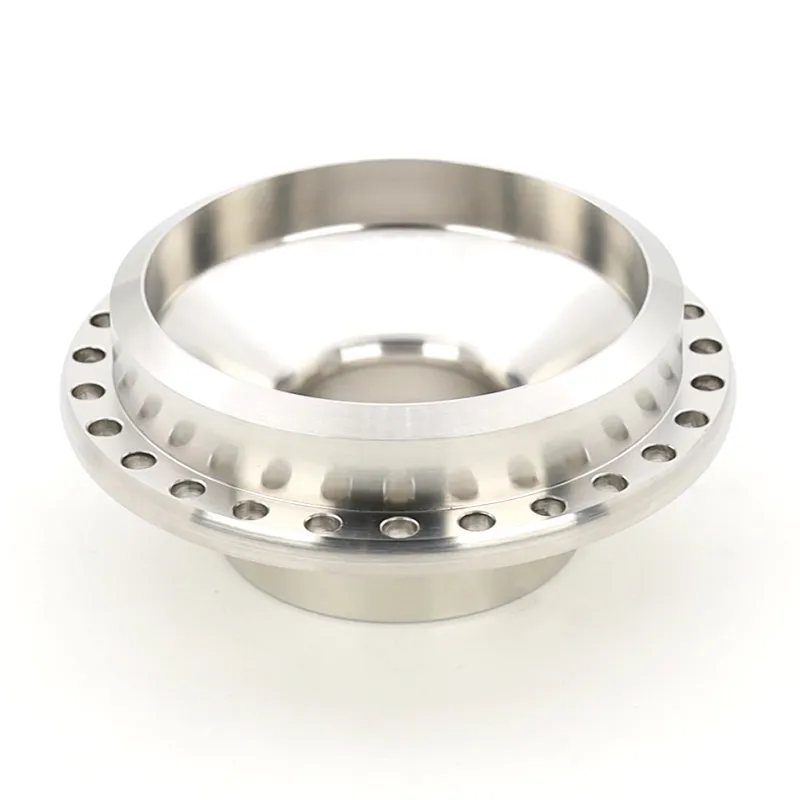
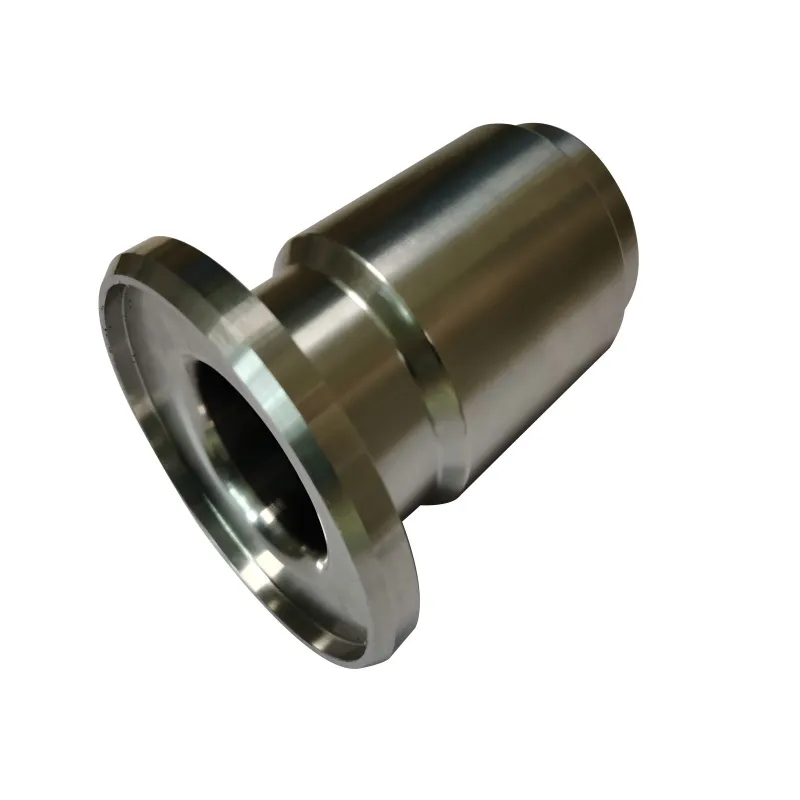
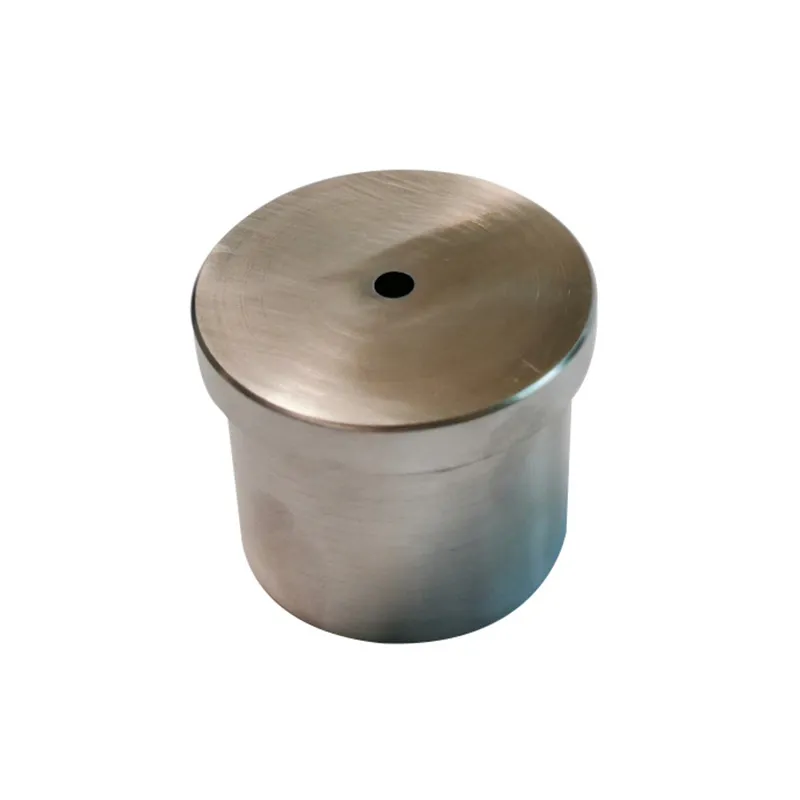
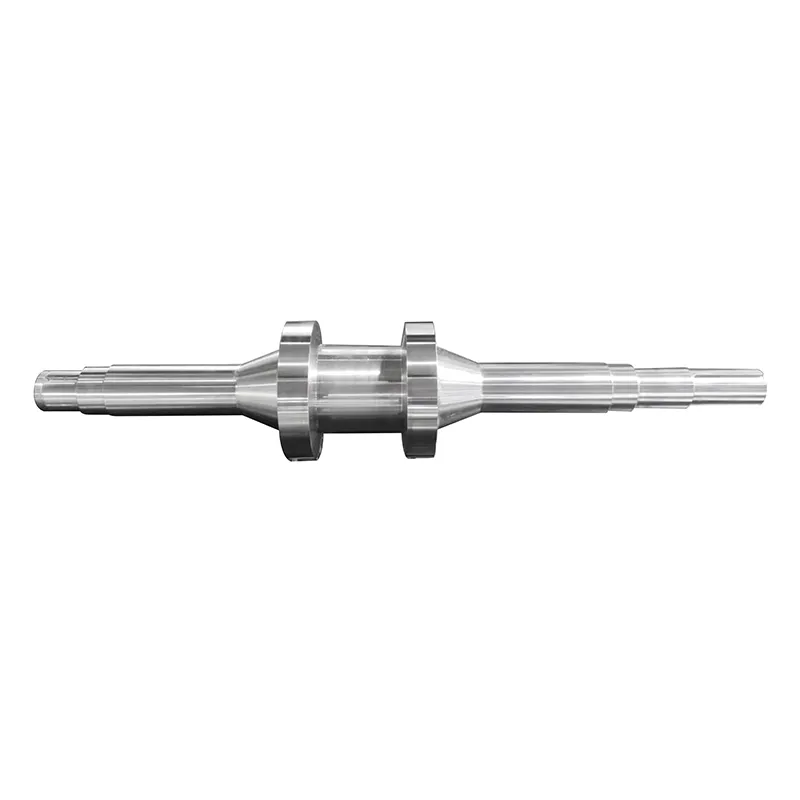
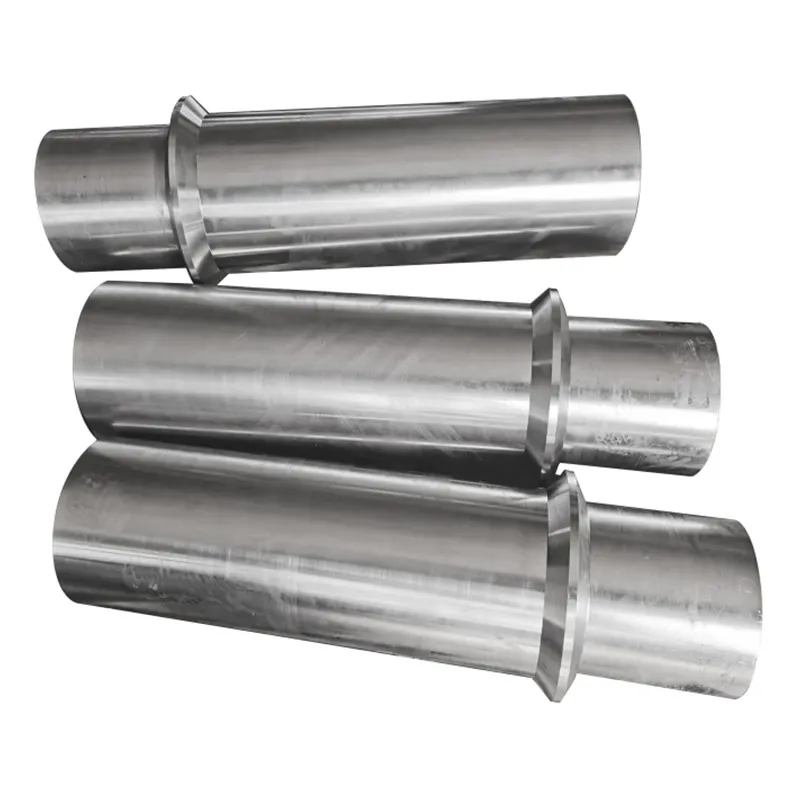
Casting is only half the battle. A raw casting is useless for a precision valve trim or a pump shaft sleeve. The as-cast surface finish and dimensional tolerance are starting points. This is where integrated machining becomes non-negotiable. You can't ship a casting to a generic machine shop and hope they understand the datum structure or the critical sealing surfaces. The machinist needs to know which surfaces are as-cast and which are to be finished, understanding the stock allowance and the part's final function.
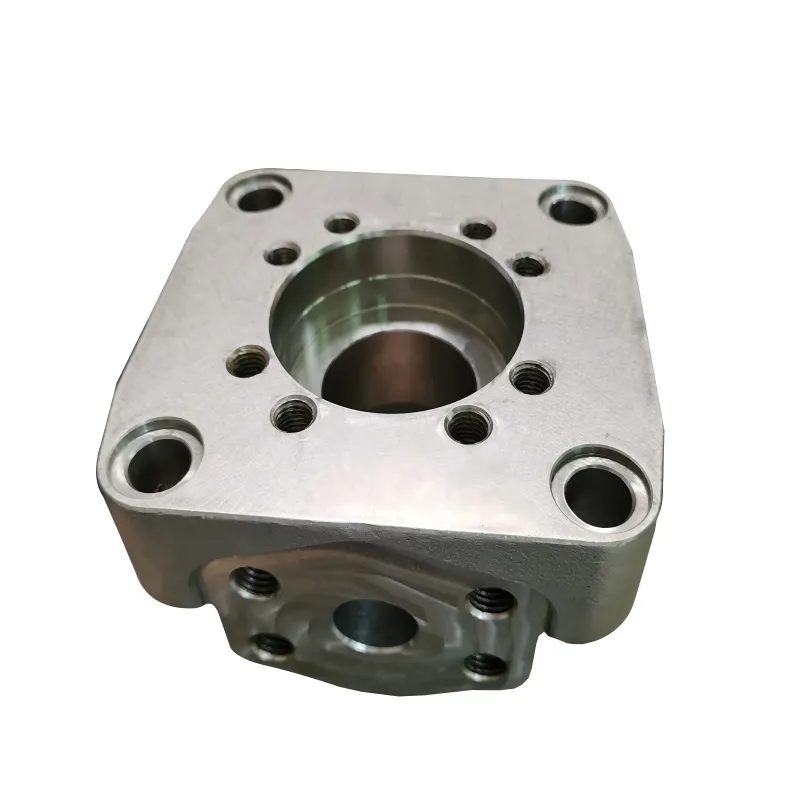
QSY's setup, offering both casting and in-house CNC machining, tackles this head-on. For a valve body, they can cast it using their shell mold process for good surface finish and dimensional accuracy, then machine the flange faces, bore, and seat pockets on the same floor, using the same set of process drawings. This continuity eliminates a huge layer of miscommunication. I've dealt with nightmares where a separately machined casting had the bolt holes beautifully aligned but the flange face was machined so thin it warped under bolt torque. The problem wasn't machining quality; it was a lack of holistic view of the part.
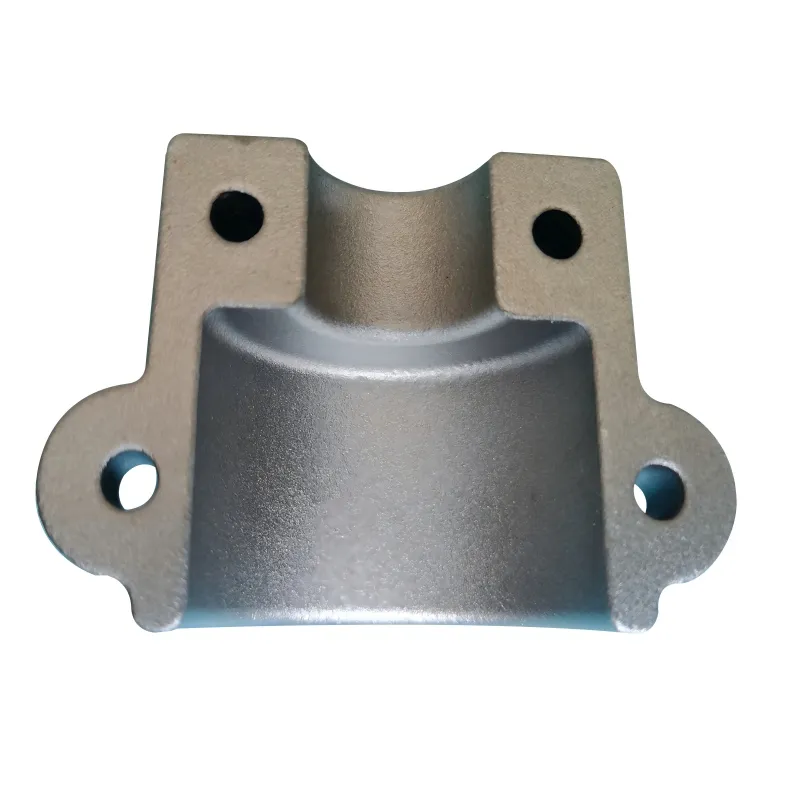
The choice between processes like investment casting and shell molding for pump components isn't just about volume. It's about feature definition. For a small, intricate turbine blade or a valve plug with complex internal cooling channels, investment casting is king. But for a larger, heavier-section pump casing or a valve bonnet, a robust shell mold might be more economical and just as precise for the required features. It's a value-engineering decision that requires honest consultation, not just upselling the most expensive option.
When Alloys Make the Difference
Moving beyond standard stainless steels into nickel-based or cobalt-based alloys changes everything. These are often for extreme services: high-temperature valves in refineries, or pump components handling highly abrasive slurries in mining. The casting characteristics are totally different. They're often more viscous when molten, have higher melting points, and are prone to specific defects like hot tearing if the mold design isn't accommodating.
Working with these special alloys isn't something you dabble in. It requires dedicated furnace linings, controlled atmosphere, and a crew that knows the exact pour temperature window for something like Hastelloy C-276. A shop that lists these materials, as QSY does, is signaling capability, but also inviting a much more scrutinizing clientele. The margins for error are minuscule. I was involved in a project for alloy 20 valve bodies for sulfuric acid service. The chemistry control, particularly on carbon and silicon levels, was brutal. One heat went slightly out of range, and the entire batch had to be scrapped—a six-figure lesson in vigilance.
The post-casting heat treatment for these alloys is another critical step that's often an afterthought. Solution annealing and quenching for duplex steels, or stress relieving for heavy-section castings, must be performed to exact curves. An improperly calibrated furnace can undo all the careful work of the foundry. It's one reason why vertical integration, from melt to machining, provides a more reliable audit trail for quality.
The Friction Point: Design for Manufacturability
The biggest source of delays and cost overruns isn't the foundry; it's the drawing. Engineers design for function, which is correct, but sometimes they design geometries that are nearly impossible to cast soundly. A classic example is a thick flange connected directly to a thin wall without a gradual transition. It's a guaranteed shrinkage cavity. Or specifying an unrealistically smooth as-cast surface finish across an entire internal passage.
Early engagement is key. A good foundry partner will do a design review, not just a cost quote. They'll suggest draft angles, recommend moving a parting line, or propose converting a difficult-to-cast feature into a separate machined insert. This collaboration saves immense pain later. I remember a pump cover design that had a deep, narrow recess. The initial pattern yielded consistent sand inclusions. The solution wasn't to blame the molding sand; it was to slightly alter the recess angle and add a small chill to the mold at that point to solidify the metal faster. Simple fix, but it required foundry input.
This is the practical value of a partner with deep experience. Their website, https://www.tsingtaocnc.com, showcases their scope, but the real test is in the back-and-forth emails and marked-up drawings during a project's feasibility stage. That's where you see if they're just order-takers or true technical collaborators.
Looking at the Whole, Not Just the Part
Finally, it's crucial to think about the casting as part of a system. A valve isn't just a body and a bonnet. It's about how the cast gate valve wedge interfaces with the cast seat ring, both potentially from the same foundry but needing matched material properties to prevent galling. Consistency across multiple cast components is a huge advantage.
Similarly, for pumps, the hydraulic performance depends on the internal surface finish and dimensional fidelity of the cast volute and impeller. A slight deviation in the impeller vane profile from the design due to casting distortion or inadequate machining can kill pump efficiency. You're not just buying a collection of metal parts; you're buying a contributor to the system's performance and lifespan.
This brings us full circle. Pump and valve castings are foundational. Their quality determines the reliability of the entire fluid system. It's a field where theoretical knowledge must be tempered with practical, sometimes hard-won, experience. The goal is never just to deliver a part that matches the print. It's to deliver a part that you know, based on that experience, will work when the pressure is on, the temperature is extreme, and shutting down for repair isn't an option. That's the real measure.