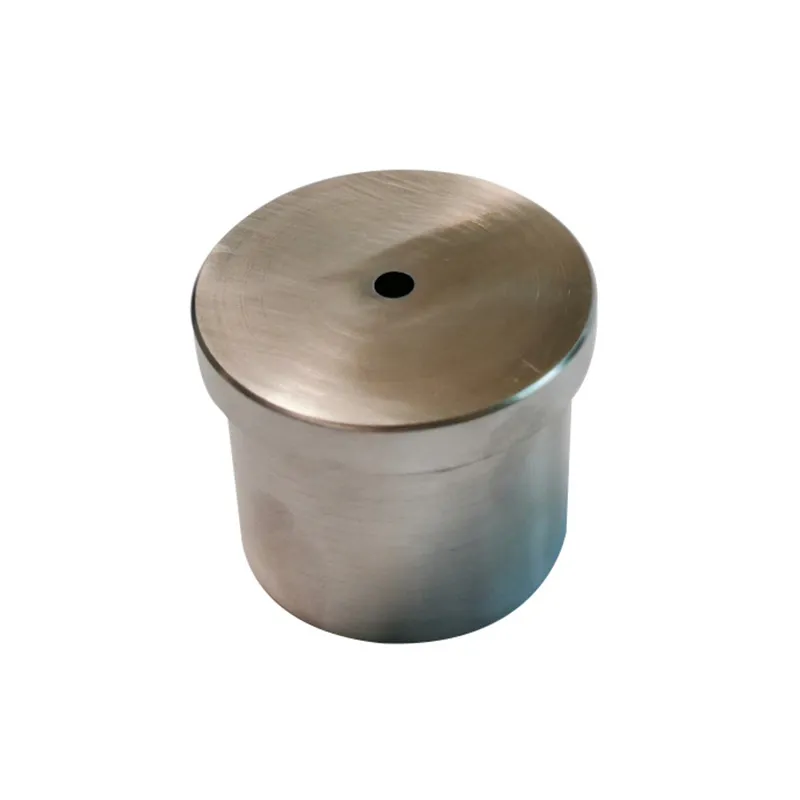
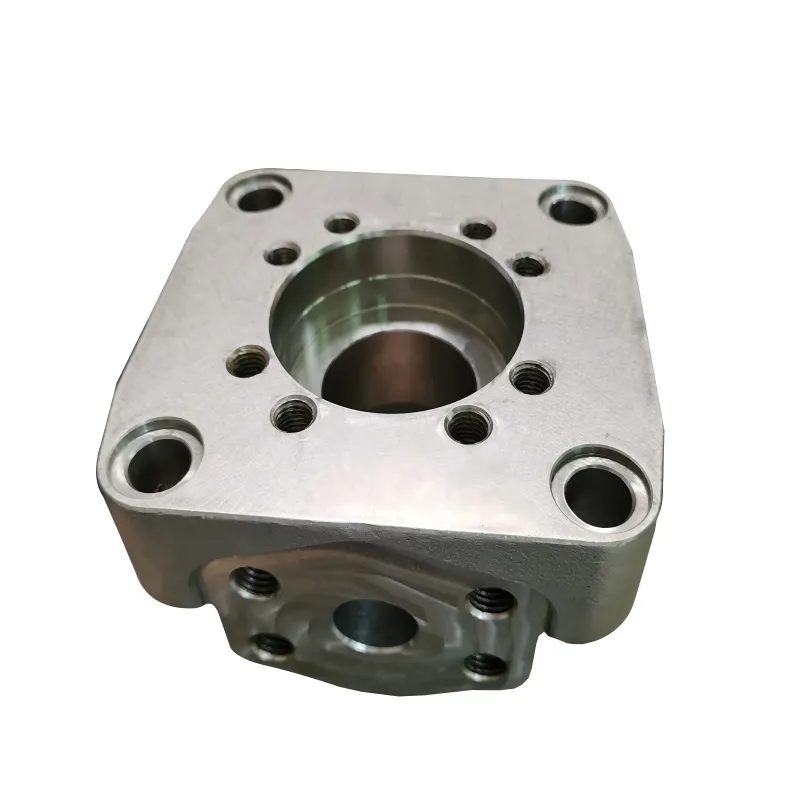
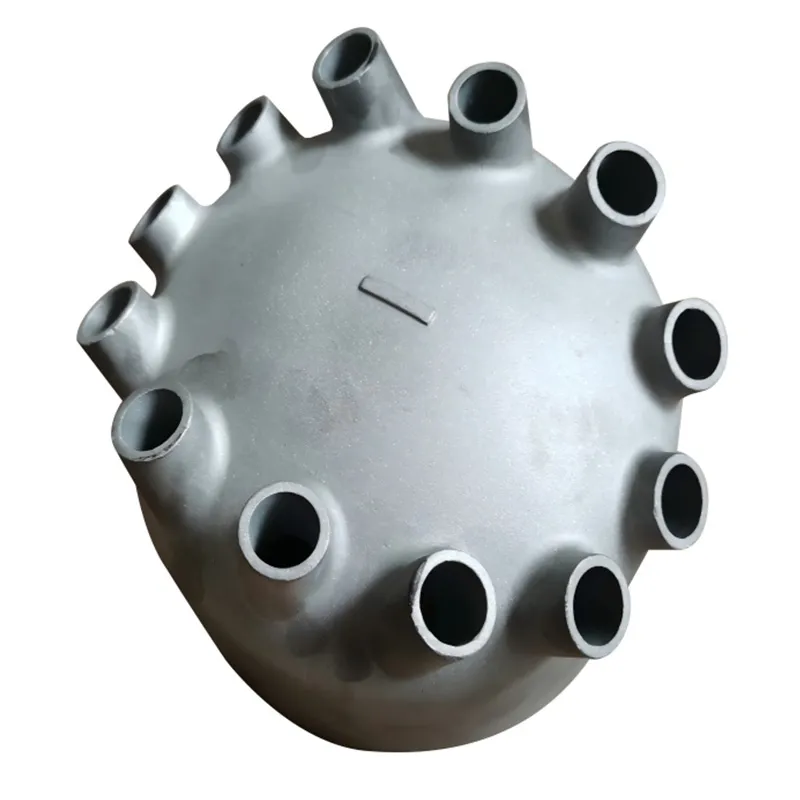
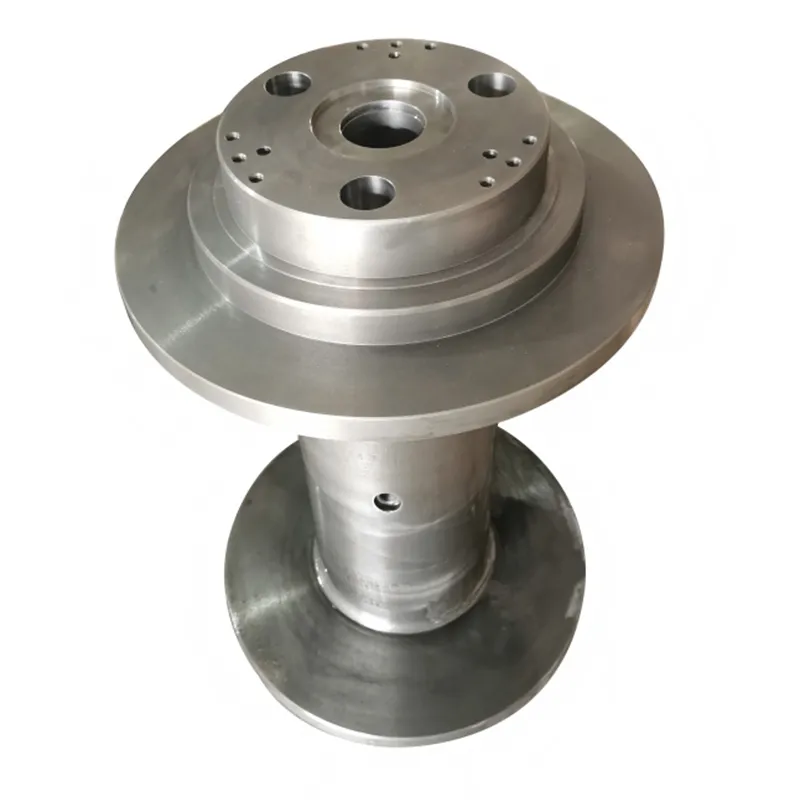
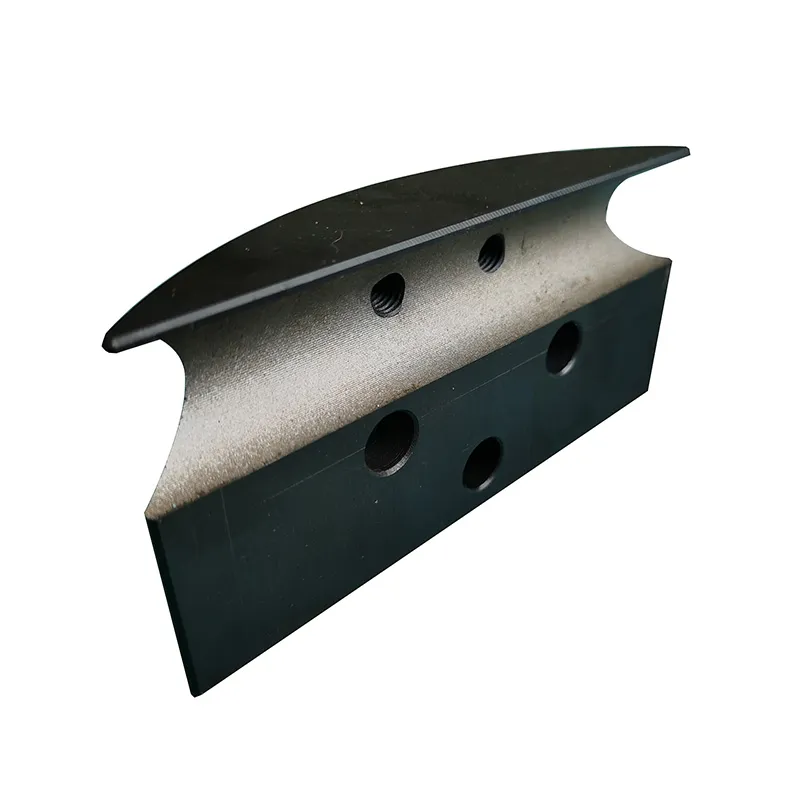
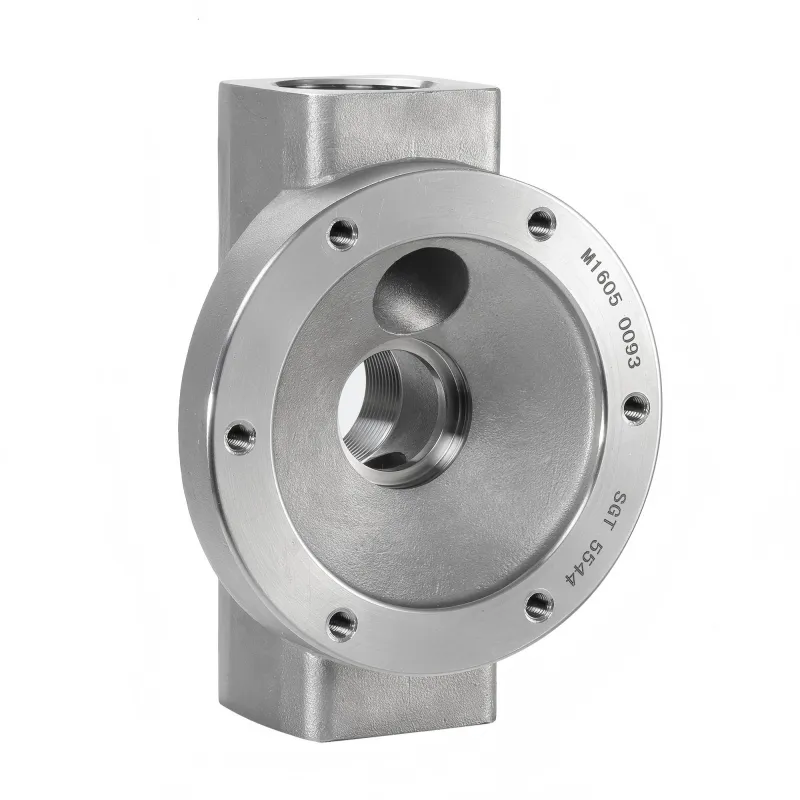
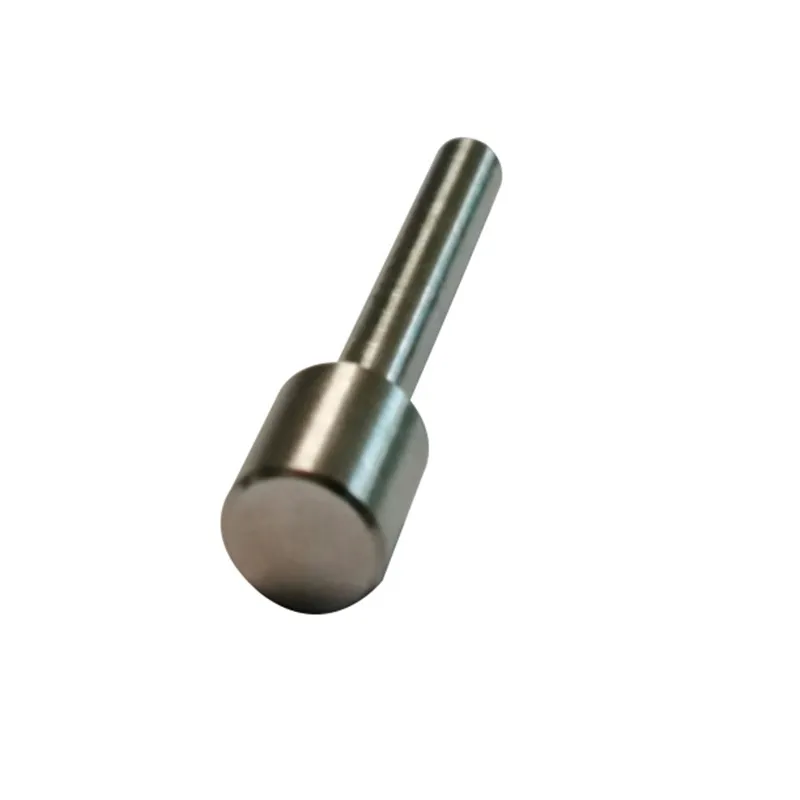
You see QT400-18 on a spec, and the first thing that comes to mind is often just ductile iron. But that's where the oversimplification starts. The 400 MPa tensile and 18% elongation are minimums, a starting line, not a guaranteed finish. In reality, how you get there—the melting practice, the inoculation, the cooling rate in the mold—dictates whether you have a truly reliable material or just something that barely ticks the boxes on paper. I've seen too many projects where the focus was solely on hitting that 18% elongation in a test coupon, while the actual casting, with its varying section thicknesses, ended up with inconsistent properties. That's the real conversation about QT400-18.
The Practical Reality of Specifying QT400-18
When a design engineer specifies QT400-18, they're usually looking for that combination of decent strength and good machinability, often for housings, brackets, or valve bodies. The assumption is it's a forgiving material. And it can be. But the forgiveness comes from the foundry's process control, not from the grade name itself. I recall a batch of pump bodies we sourced a few years back. The certs were perfect: 420 MPa, 19% elongation. But during machining at our partner shop, the tool life was erratic. Some parts cut beautifully, others caused excessive tool wear. The problem wasn't the average properties; it was the microstructural inconsistency—variations in nodule count and pearlite content that the standard test bar didn't capture.
This is why a long-term relationship with a competent foundry is non-negotiable. You need a supplier who understands that the chemistry window for consistent QT400-18 is tighter than many think. Silicon content, for instance, is critical for ferritizing but too high hurts toughness. Magnesium treatment needs to be spot-on. It's a balancing act. A company like Qingdao Qiangsenyuan Technology Co., Ltd. (QSY), with their three decades in casting, typically has these parameters dialed in through experience. They've seen how subtle shifts in returns ratios or pouring temperature affect the final structure in complex shell or investment molds.
The 18% elongation is a classic example of a spec that can be misleading. You can achieve it with a fully ferritic matrix, which is ideal for impact resistance at low temperatures. But you can also sneak past it with a mixed structure if the ferrite is soft enough. The latter might pass the tensile test but fail in a real-world shock load application. The key is specifying not just the grade, but often a complementary requirement like a maximum hardness (HBW 170 or lower is a good target for machinability) or even a Charpy impact value if the part sees dynamic loads. This pushes the foundry to aim for a truly ferritic structure.
Machining QT400-18: Where Theory Meets the Chip
On paper, QT400-18 is supposed to be one of the easier cast irons to machine. Its ferritic structure is relatively soft. But relatively is the operative word. If the microstructure isn't uniform, you get hard spots—small areas of pearlite or carbides—that act like sandpaper on your cutting tools. The difference between a consistent batch and a variable one can double your tooling cost per part. It's not uncommon to have to adjust feeds and speeds part-way through a run, which is a nightmare for CNC programming and process stability.
In our own machining work, and from what I've seen in the practices of integrated suppliers like QSY who handle both casting and CNC machining, the approach is pre-emptive. They'll often run a hardness traverse on a sample casting from a new pattern or after a significant process change. It's a simple check, but it tells you more about machinability than the tensile report sometimes. The goal is to avoid surprises at the machining center. A perfectly good casting can be ruined by poor machinability, leading to scrapped parts and blown budgets.
Coolant choice and application become critical, too. Even with good ductile iron, the graphite acts as a chip-breaker but can also lead to abrasive wear. A high-pressure coolant system that effectively penetrates the cut and evacuates the fine, stringy chips (yes, even ferritic iron can produce stringy chips) is a worthwhile investment. It's these practical, shop-floor details that separate a theoretical material spec from a manufacturable component.
The Shell Mold and Investment Casting Advantage
This is where the process really interacts with the material. When you're working with QT400-18 in processes like shell mold casting or investment casting, which QSY specializes in, you get a different set of challenges and benefits compared to green sand casting. The superior surface finish and dimensional accuracy of these processes are major pluses, often reducing machining stock allowance. But the faster cooling rates inherent in shell molds, for example, can promote carbide formation or a finer pearlite, which can push the hardness up and the elongation down.
The foundry has to compensate for this. It usually means adjusting the inoculation strategy—perhaps using a late-stream inoculant with stronger ferrite-promoting elements. I've been involved in projects where we switched a part from green sand to shell mold for better tolerances, and the first few pours came out too hard. We had to work back with the metallurgist to tweak the silicon and inoculation to get back to that soft, ferritic QT400-18 structure despite the quicker solidification. It's a classic process-material interaction.
For complex, thin-walled components in valves or actuators, this control is everything. Investment casting, with its ceramic shell, offers even greater geometric freedom but presents similar cooling rate challenges. A foundry's experience in managing these microstructural outcomes across different processes is what you're really paying for. It's not just about making a shape; it's about making a shape with the correct, reliable material properties throughout.
Failure Modes and the Good Enough Trap
One of the most costly lessons is assuming QT400-18 is always the right choice for non-critical parts. I've seen brackets and levers made from it fail in fatigue, not because the load was too high, but because of unnotched sensitivity. The ferritic matrix has relatively low fatigue strength compared to its tensile strength. If there's a sharp corner or a machining mark in a high-stress area, a crack can initiate. A grade like QT500-7, with its pearlitic structure, often has better fatigue performance for dynamically loaded parts, even with lower elongation.
Another trap is low-temperature embrittlement. While ferritic ductile iron has good low-temperature impact properties generally, poor quality metal with excessive impurities or micro-shrinkage can become brittle. We had a case with some outdoor machinery housings that cracked in a cold snap. The material was certified as QT400-18, but failure analysis showed a high density of oxide inclusions acting as stress raisers. The foundry had used a high percentage of poorly prepared scrap. The lesson was clear: the grade standard doesn't police melt quality. You need a supplier with rigorous charge control and melt purification practices.
This is where a supplier's broader material expertise matters. A company that also works with special alloys, like the nickel-based or cobalt-based alloys mentioned in QSY's portfolio, likely has a more disciplined approach to furnace management and chemistry control across the board. That discipline filters down to their production of more common grades like QT400-18, resulting in cleaner, more reliable iron.
Concluding Thoughts: It's a Dialogue, Not a Monologue
So, specifying QT400-18 shouldn't be a one-line entry on a drawing. It should be the start of a dialogue with your supplier. The questions matter: What is your typical microstructure target for this grade? How do you control it for my part's geometry? What is your standard hardness range? Can you provide machining recommendations? The answers will tell you more about your part's real-world performance than the datasheet ever will.
The value of an integrated supplier—one that can follow the material from the furnace through to the finished machined part—cannot be overstated. They see the entire cause-and-effect chain. A machining issue traces back to a casting issue, which traces back to a process parameter. That closed-loop feedback is how you achieve consistency. For a material like QT400-18, where the property window is broad and the devil is in the microstructural details, that consistency is the difference between a component that merely exists and one that performs reliably.
In the end, QT400-18 is a versatile workhorse, but it's not a default. It's a choice that requires understanding and control. Treat it with that respect, partner with a foundry that does the same, and you'll get the durable, machinable components you're counting on. Anything less is just hoping the numbers on the paper translate to the metal in your hand.