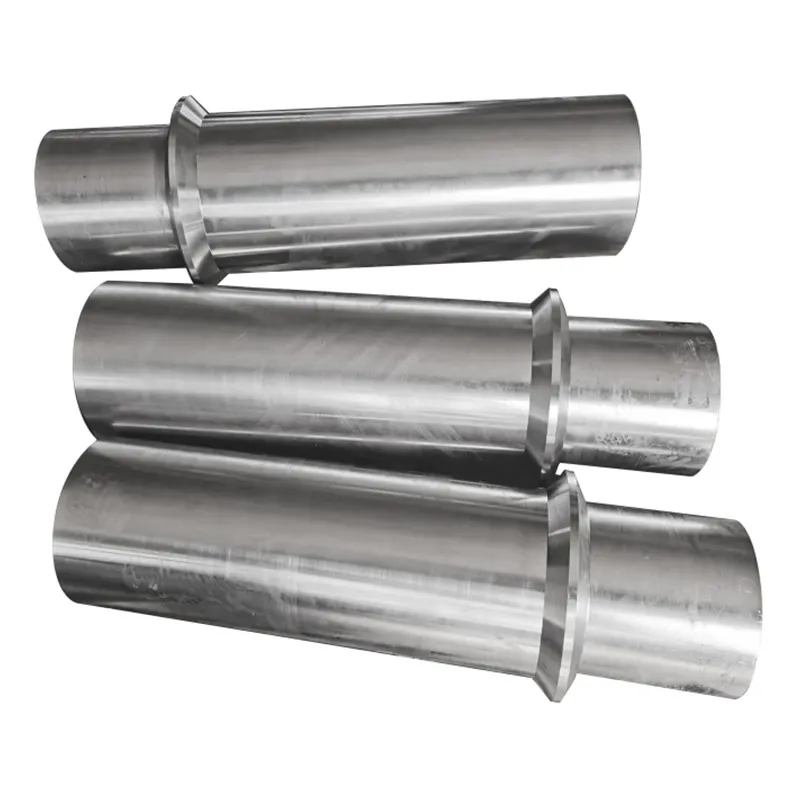
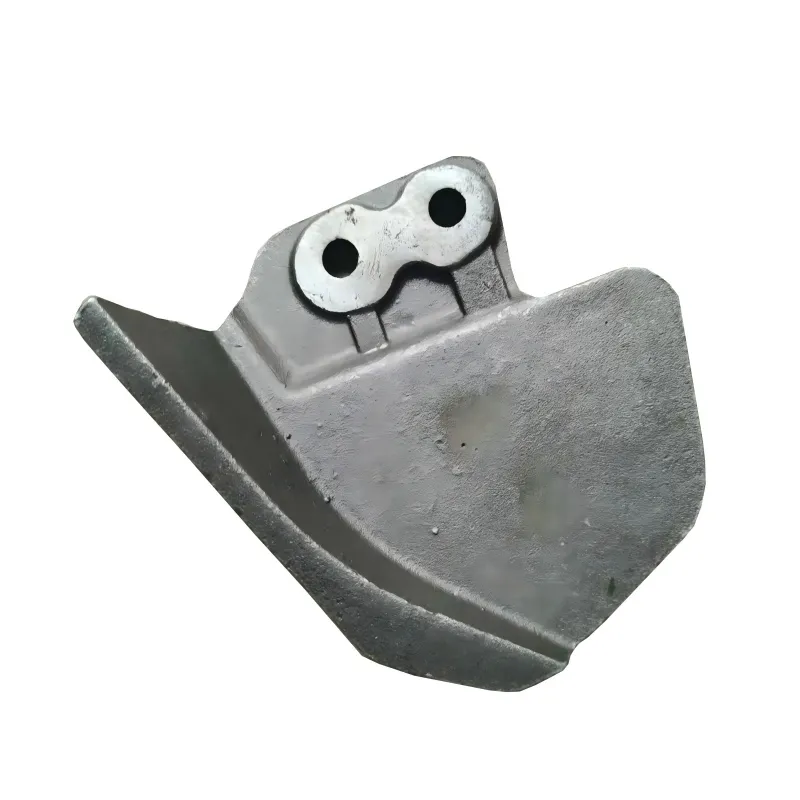
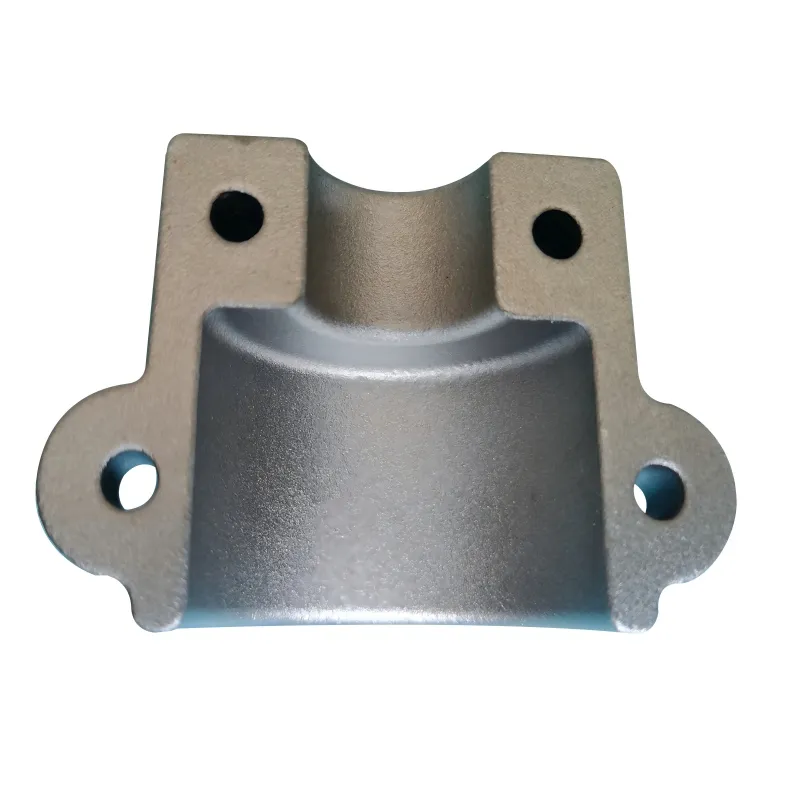
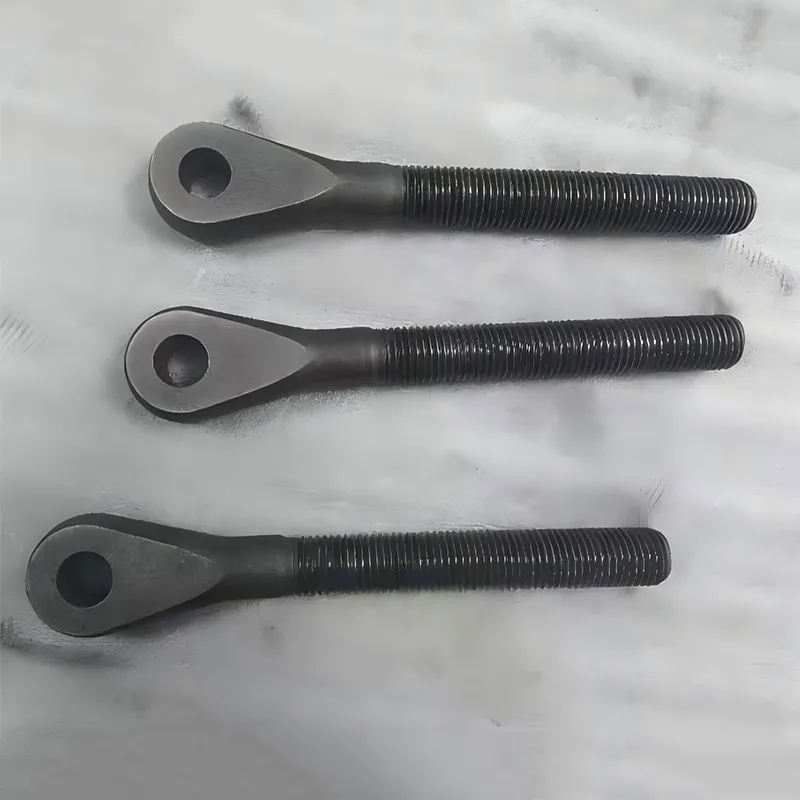
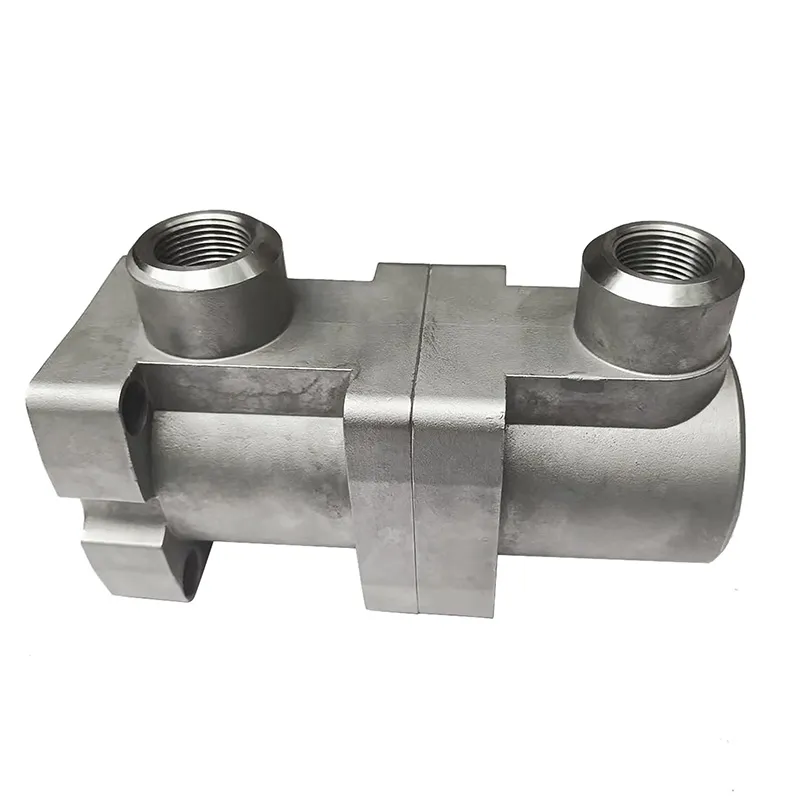
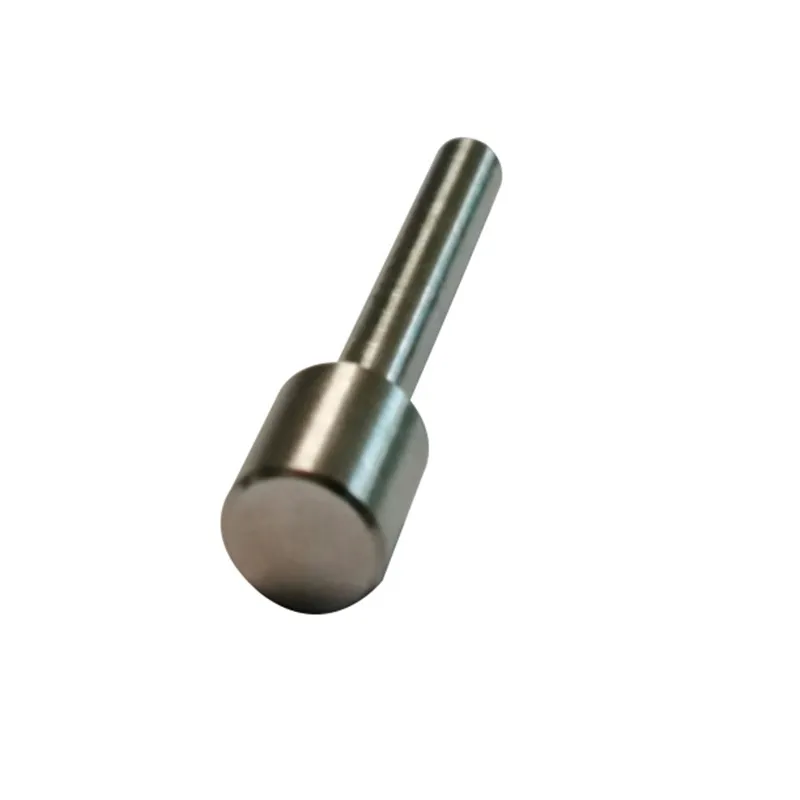
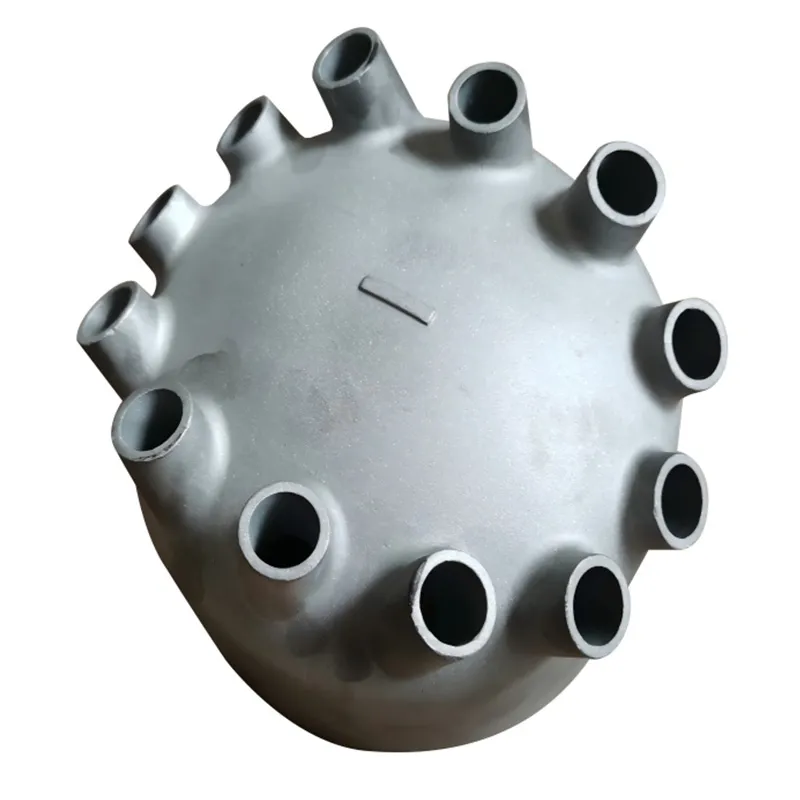
When you hear 'railway train spare part', most people outside the industry picture a simple, off-the-shelf component—a bolt, a washer, maybe a brake pad. That's the first misconception. In reality, it's a universe defined by relentless stress cycles, environmental extremes, and a non-negotiable mandate for longevity. A spare isn't just a piece of metal; it's a certified piece of the system's safety integrity. The real challenge begins when you need to source or manufacture one that matches the original's performance, not just its dimensions. That gap between a drawing and a functioning, reliable component is where decades of foundry and machining experience actually matter.
The Foundry Foundation: It Starts with the Pour
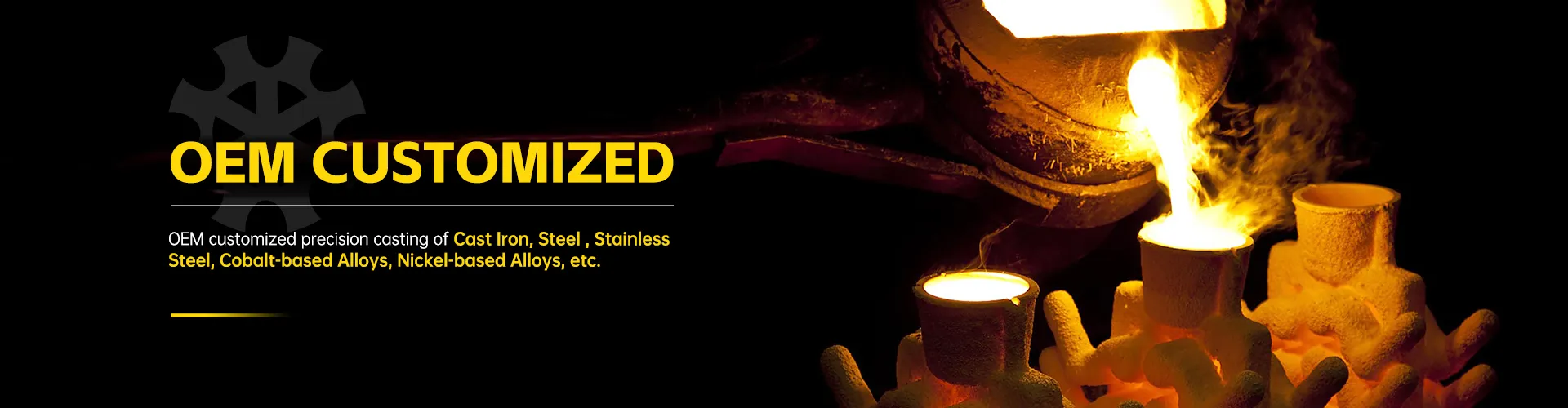
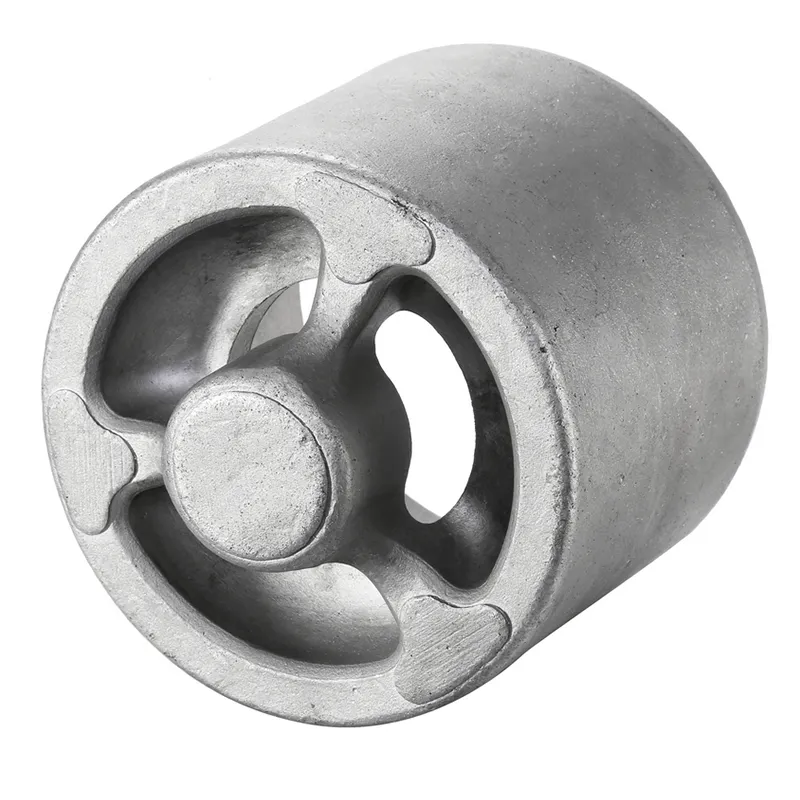
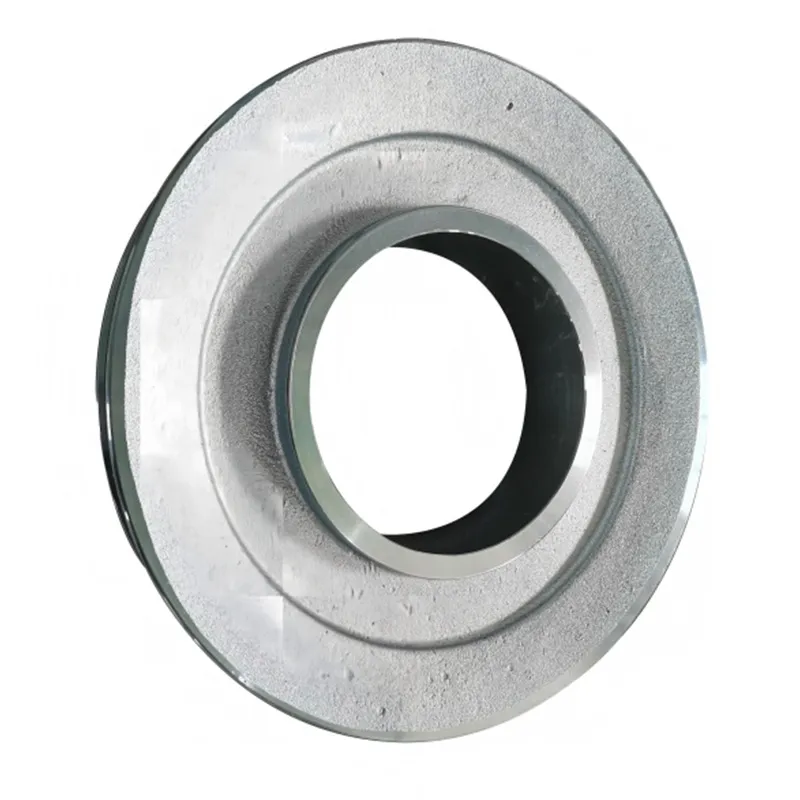
You can't machine reliability into a part if the casting is flawed from the start. For railway components, especially those bearing load or involved in traction and suspension, the casting method is critical. We've moved far beyond basic sand casting for critical parts. Take something like a draft gear housing or a coupler component. The internal stresses from improper cooling or impurities can cause catastrophic failure under cyclic loading. That's why for many of these parts, we at QSY lean heavily on shell mold casting and investment casting. The dimensional stability and superior surface finish aren't just for looks; they reduce machining time and provide a more consistent material matrix from the get-go.
Material selection is another layer. It's not just steel. Is it for a high-wear application like a brake disc segment? You're looking at specific grades of cast iron or heat-treated steels. For components near the wheelset dealing with impact and abrasion, maybe a manganese steel. We had a project for a freight car side bearing component. The initial prototype in a standard carbon steel failed fatigue testing spectacularly—cracked at the root after a fraction of the required cycles. Back to the drawing board. We switched to a low-alloy steel with a specific quenching and tempering process. The difference wasn't just on the spec sheet; you could see the grain structure was tighter, more uniform. That part eventually passed. The lesson? The material on the print is just the starting point; the foundry process defines its soul.
This is where a company's history tells you something. Qingdao Qiangsenyuan Technology Co., Ltd. (QSY) has been in casting for over 30 years. That timeline isn't just a marketing line; it means they've seen specification changes, material evolutions, and have probably poured thousands of tons of metal for various applications, including railway. That institutional memory on how different alloys behave in the mold, how to gate and riser for complex geometries common in train spare parts like brackets or housings, is irreplaceable. It prevents the costly trial-and-error that newcomers inevitably face.
Precision Machining: Where Tolerances Talk
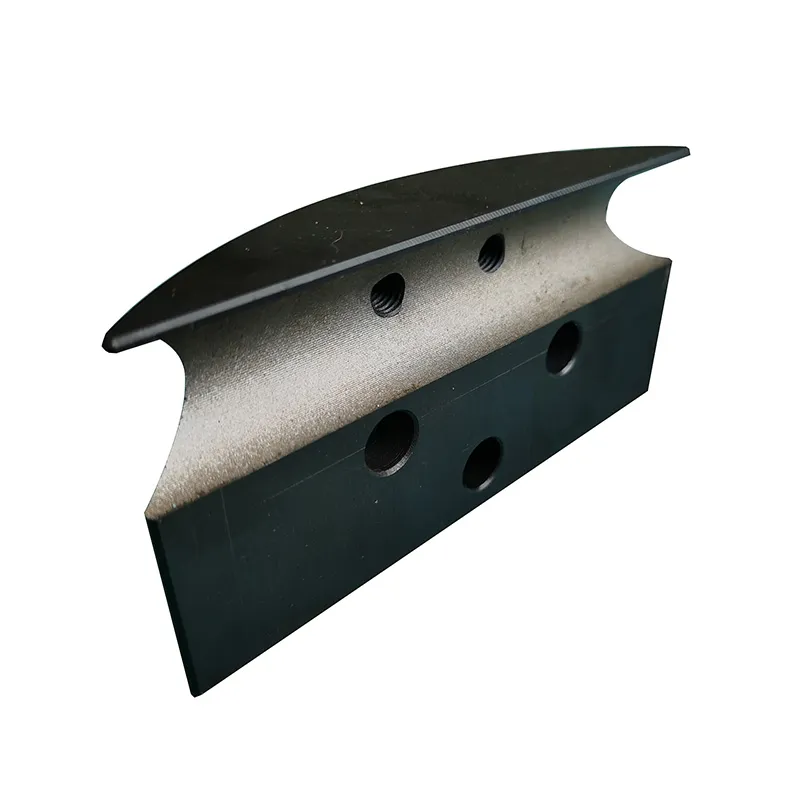
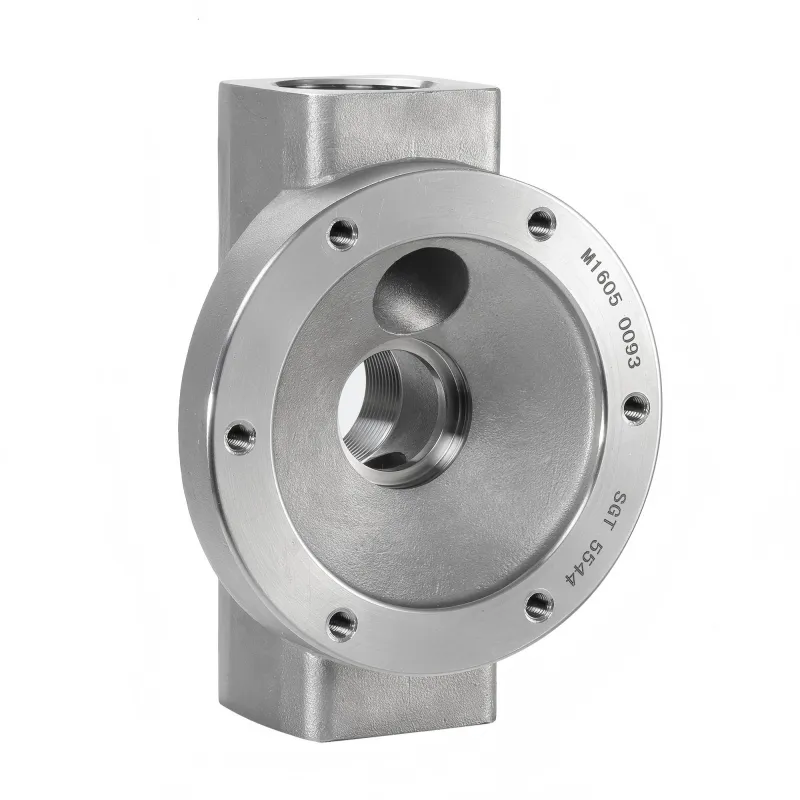
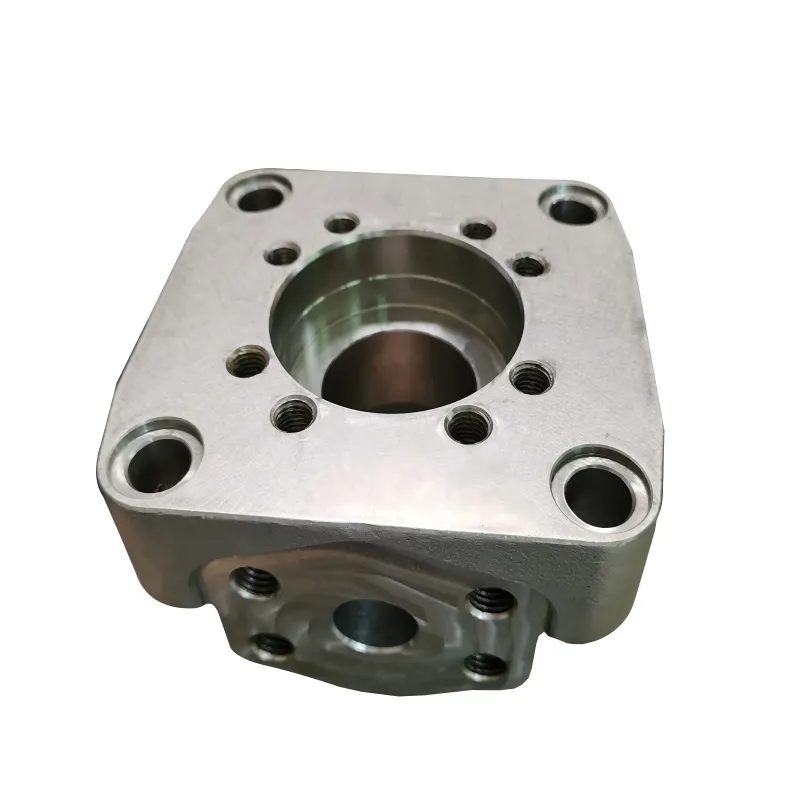
Casting gets you 90% there. The final 10%—the machining—is where the part earns its name as a genuine spare. A mounting surface that's off by a few tenths of a millimeter can mean misalignment, premature wear, or failure to fit during maintenance. For railway applications, CNC machining isn't a luxury; it's the baseline. We're talking about bolt hole patterns on bogie frames, precise bearing seats on axles, or the complex contours of a coupler knuckle.
The chatter you sometimes see online about CNC machining often misses the point for heavy industrial parts. It's not just about having the machines (though that's important), but about the workholding and toolpath strategy for often large, irregular castings. Machining a delicate aluminum bracket is one thing; holding a 200kg steel casting for a brake system component rigidly enough to achieve a fine surface finish and tight positional tolerances is another beast entirely. Vibration is the enemy. We learned this the hard way early on, trying to save time on a fixture design for a series of suspension links. The result was a batch with inconsistent keyway dimensions. Scrap. The fix was a custom, multi-point hydraulic fixture that cost more but eliminated the variability.
This precision capability is what allows a manufacturer to be a true solutions provider, not just a caster. On their platform, https://www.tsingtaocnc.com, QSY highlights their integration of casting and CNC machining. For a railway train spare part buyer or engineer, that integration is key. It means accountability. The same team that poured the metal is responsible for machining it to print, so there's no finger-pointing if a casting flaw appears during milling. The feedback loop is short. If the machinists find a consistent porosity in a certain area of the casting, the foundry team can adjust the mold design or pouring parameters for the next batch. That seamless handoff is critical for quality control.
The Alloy Equation: Beyond Standard Steels
While a lot of components are in various grades of steel and iron, the interesting—and often most challenging—work comes with special alloys. Think about components in high-temperature or highly corrosive environments on modern locomotives, or parts subject to extreme wear. This is where nickel-based alloys or cobalt-based alloys come in.
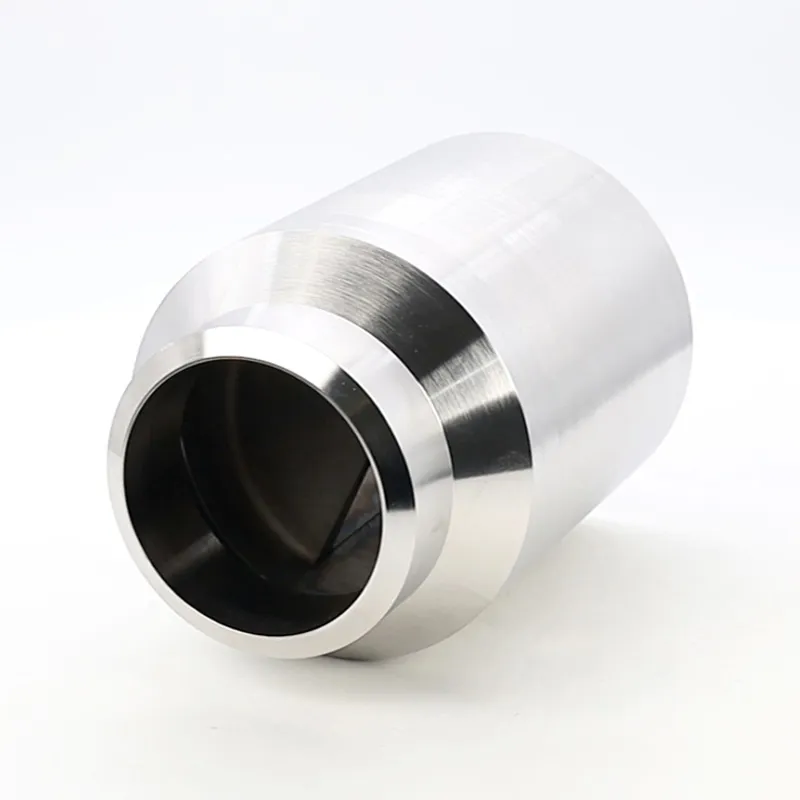
We had an inquiry once for a small but critical valve component used in a diesel engine auxiliary system on a train. The environment was hot and exposed to corrosive exhaust byproducts. Stainless steel 316 wasn't cutting it; it was corroding and seizing. The solution proposed was a nickel-based alloy, Inconel 625. The catch? Machinability is terrible. It work-hardens instantly, eats tooling for breakfast, and requires very specific speeds, feeds, and coolant strategies. It's a great example of where material expertise from the foundry side must inform the machining process. You can't just throw a standard CNC program at it. The partnership between the metallurgist and the machining lead becomes vital.
This capability to handle exotic materials is a significant differentiator. When a company's portfolio includes these special alloys, it signals an ability to tackle the non-standard, high-performance end of the spare part spectrum. It's not for every component, but for those where failure is not an option, having a supply chain partner who understands both the casting intricacies and machining nightmares of these materials is invaluable.
Failure Analysis: The Unspoken Teacher
Nobody likes to talk about failures, but they're the best teachers. In the railway spare parts business, a failure in the field is a crisis, but a failure in testing is data. I recall a case with a newly sourced lateral shock absorber bracket for a passenger coach. It passed all static load tests but failed in dynamic fatigue testing. The fracture surface showed a classic brittle failure initiation at a sharp internal corner—a stress riser that wasn't apparent on the drawing.
The fix wasn't just to make the part thicker. It involved a redesign to add a fillet radius in the casting, a change to the mold, and a review of the heat treatment cycle to improve toughness in that specific section. The original supplier couldn't handle this root-cause analysis and iterative redesign process; they were just job-shop machinists working from a print. We had to bring it to a partner with integrated engineering, like what you'd expect from a firm with QSY's background, where the foundry and machining teams can sit down with the failure part and the drawing and figure out the manufacturing solution, not just the design change.
This process—failure, analysis, material/process adjustment, retest—is the core of developing reliable spare parts. It's messy, time-consuming, and doesn't fit into neat marketing brochures. But it's what separates parts that merely fit from parts that last.
Sourcing Realities and the Digital Footprint
Let's be practical. How does a maintenance depot manager or a procurement officer for a rolling stock company actually find a reliable source? They might start with a search, but they quickly filter based on evidence of relevant experience. A website like tsingtaocnc.com serves as that initial evidence. When it shows a long operational history in casting and machining, and lists materials and processes aligned with railway needs, it gets you to the inquiry stage.
But the website is just the door. The real test comes in the technical dialogue. Can you discuss Brinell hardness requirements for a wear plate? Do you understand the implications of a RT (Radiographic Testing) or MT (Magnetic Particle Testing) callout on a drawing for a safety-critical train part? Can you provide a material certification traceable to the melt? The online presence of a company like Qingdao Qiangsenyuan Technology Co., Ltd. sets a premise of capability, but every subsequent email, drawing review, and sample request is a verification of that premise.
In the end, the world of railway train spare parts is built on a foundation of metallurgy, precision, and accumulated problem-solving. It's a field where there are no shortcuts, only proven processes and the lessons learned from when those processes were pushed to their limit. The goal is never just to make a part. It's to make a part that disappears into the system, performing silently and reliably for hundreds of thousands of kilometers, as if it were always there.