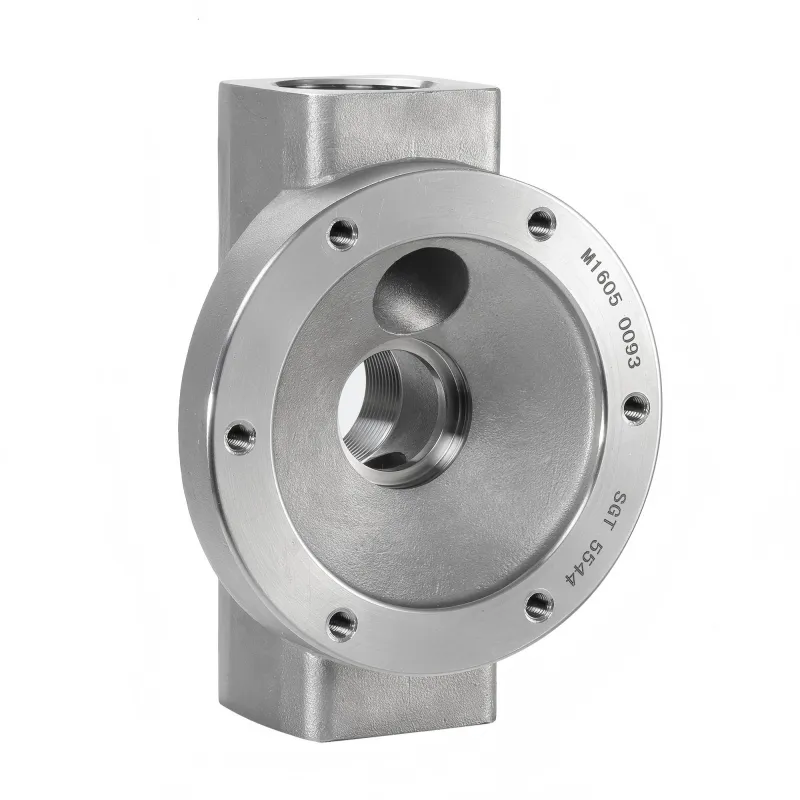
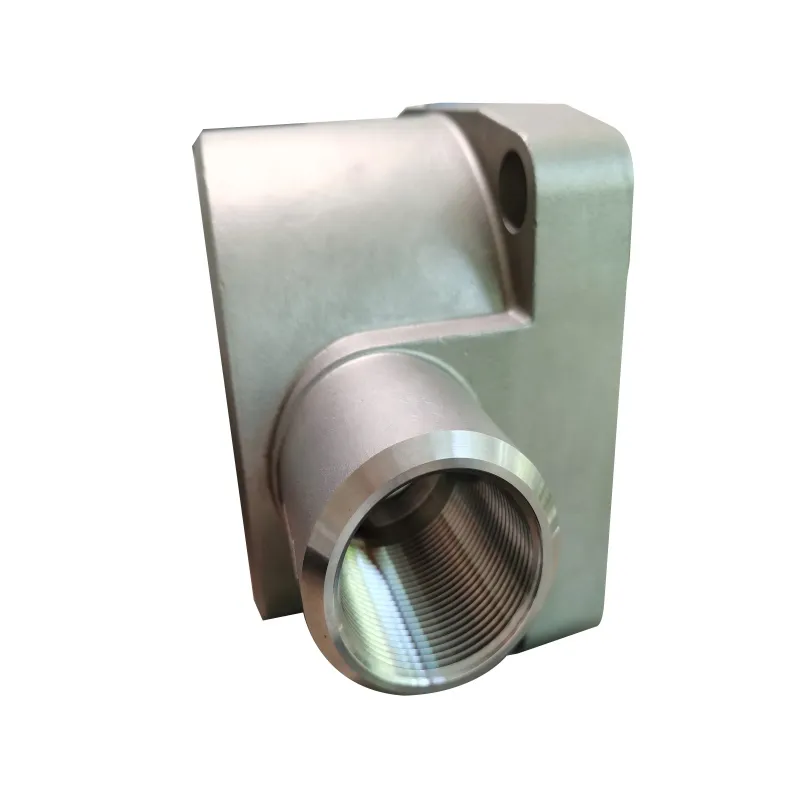
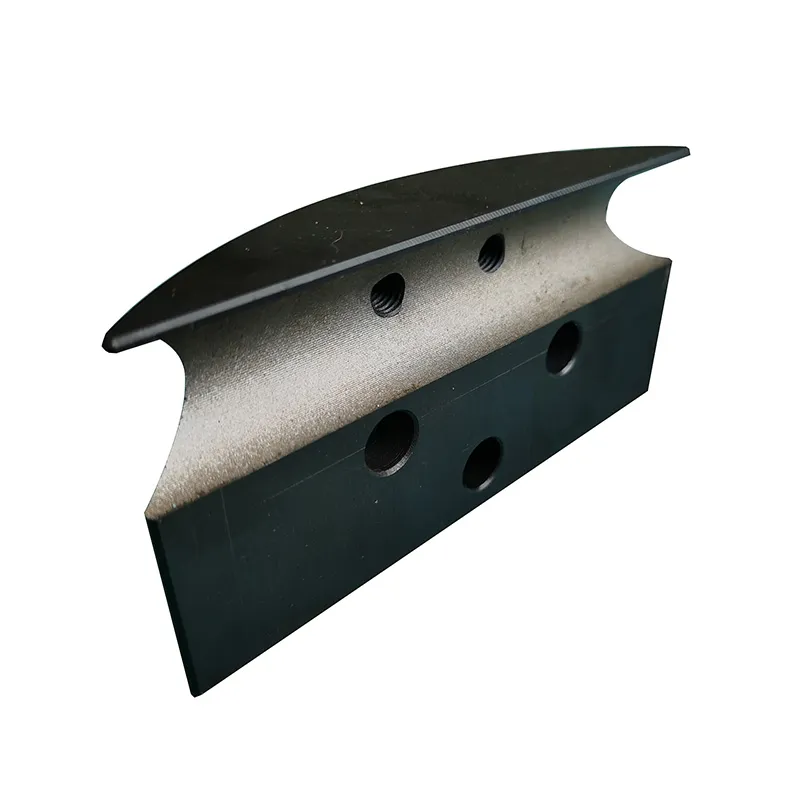
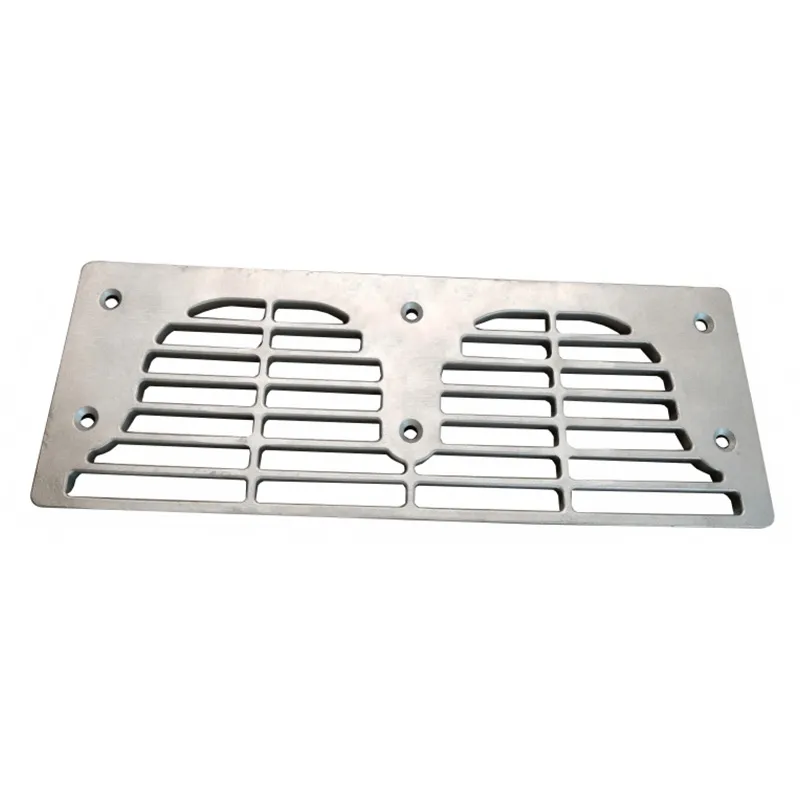
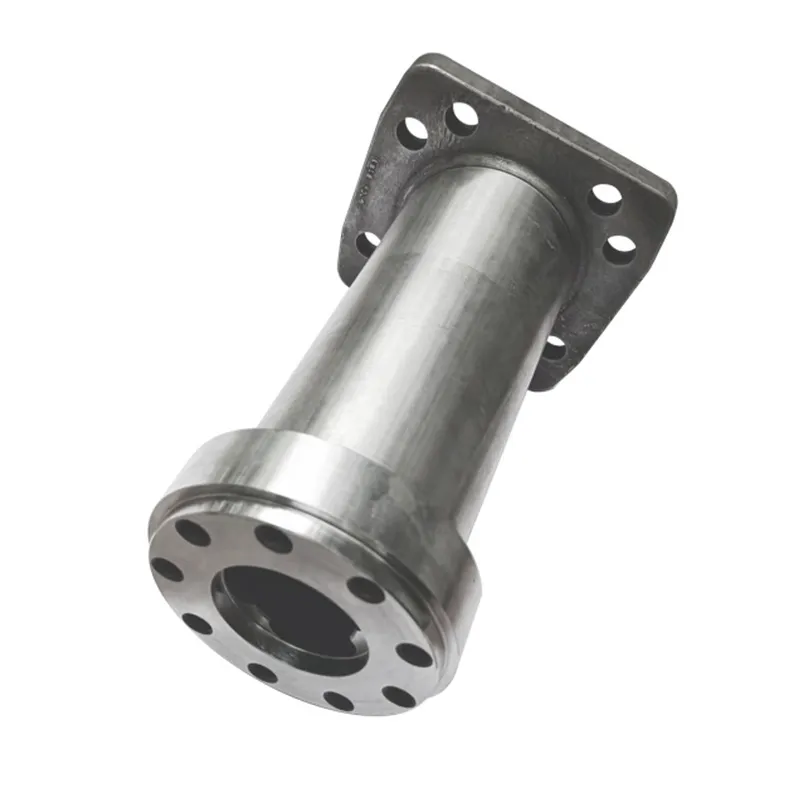
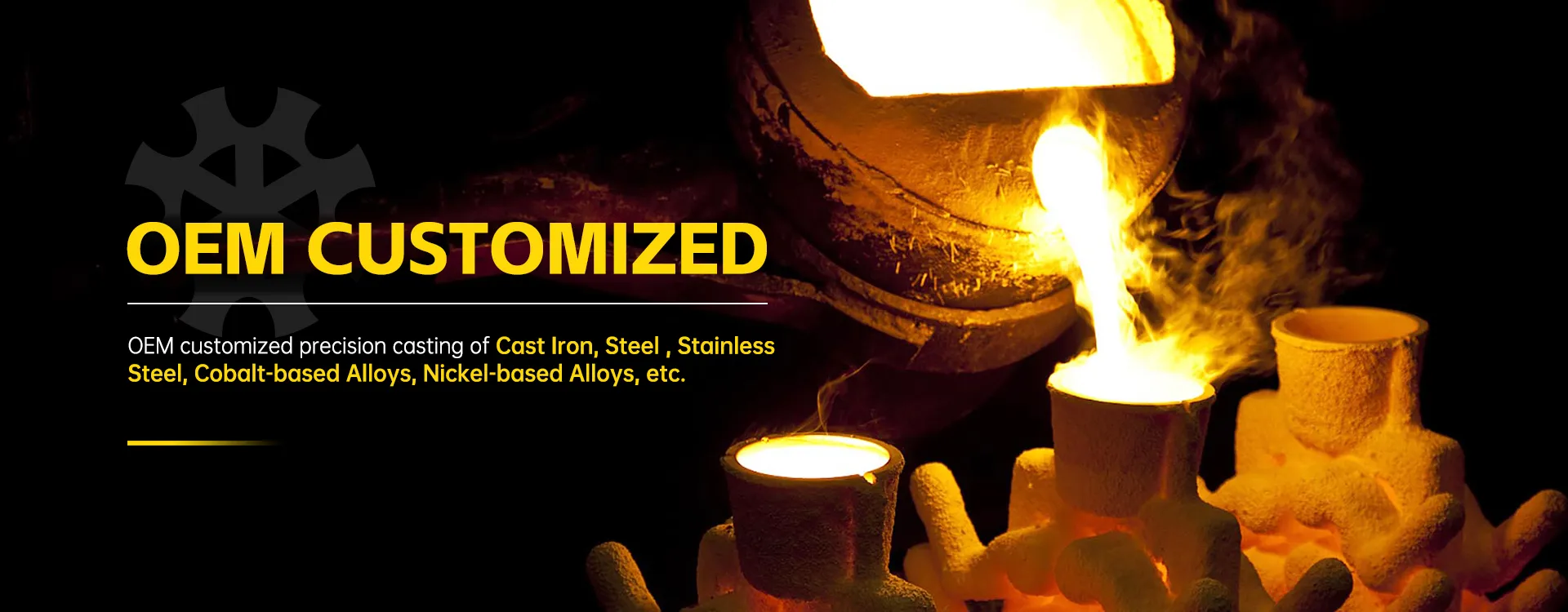
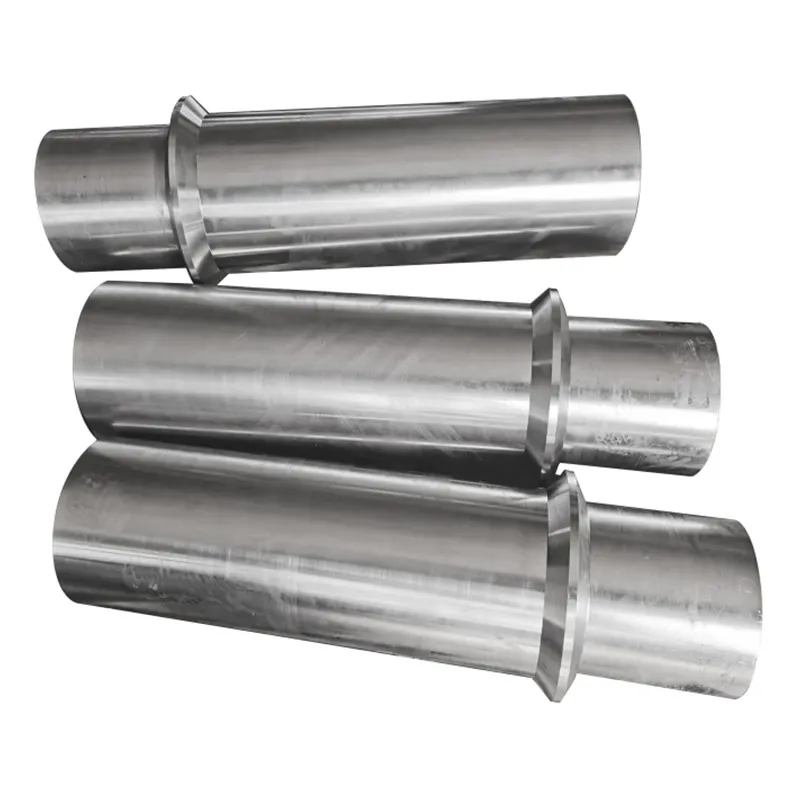
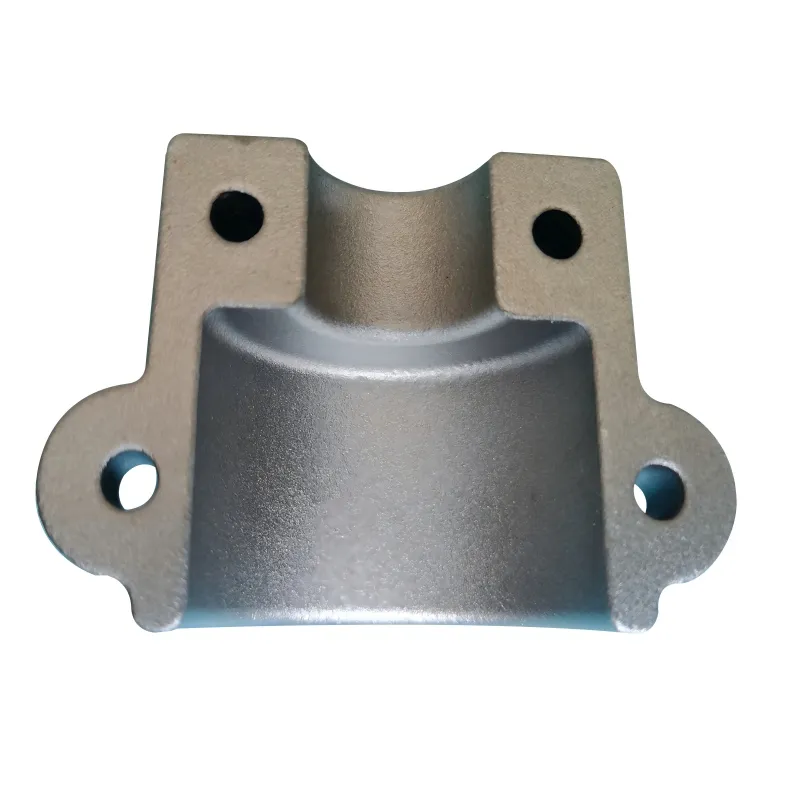
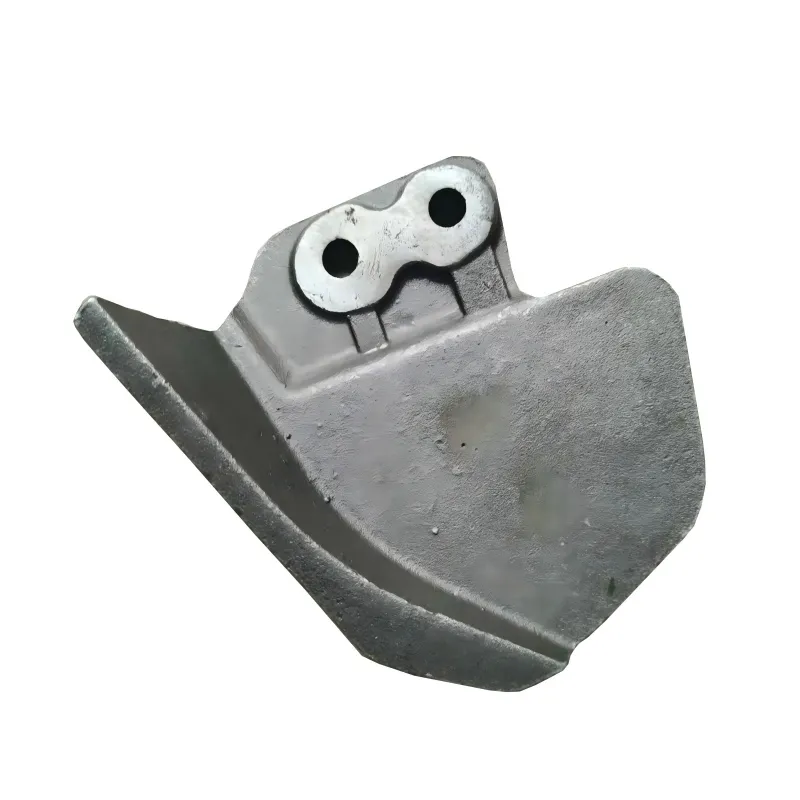
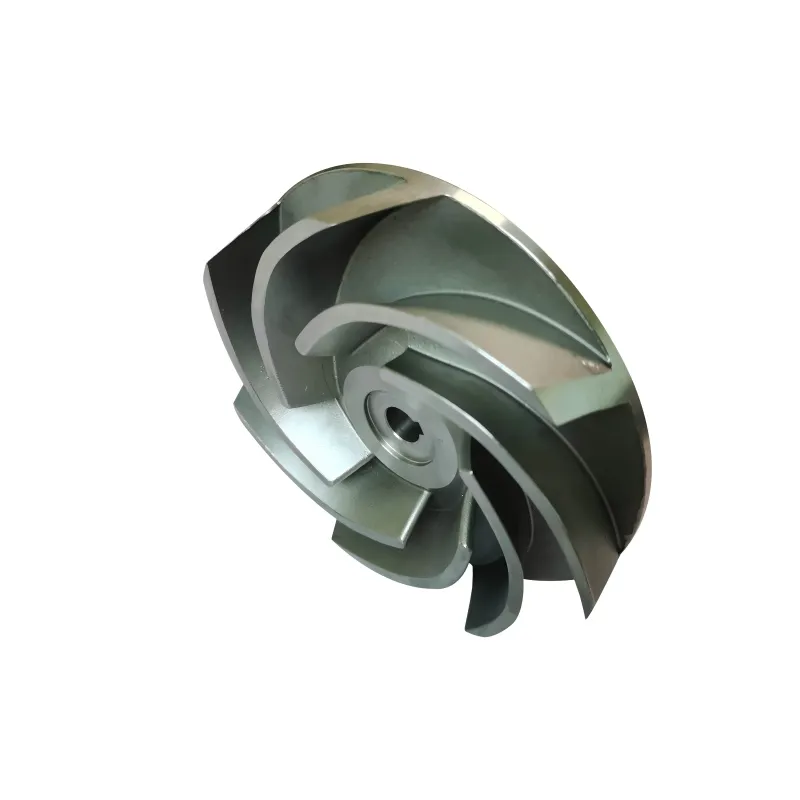
When you hear 'resin-coated sand casting', most folks immediately picture those crisp, hollow shell molds for engine blocks or valve bodies. That's the textbook image. But in the shop, it's rarely that clean-cut. The reality is a constant negotiation between sand resin content, gating design, and the damn thermal expansion of the sand itself. A lot of newcomers, even some buyers, think it's just a fancier version of green sand. That misconception leads to some painful, and expensive, learning moments.
The Core Misunderstanding: It's Not Just a Coating
The term 'coated' is almost misleading. It implies a passive layer. In practice, the phenolic or furan resin isn't just a shell; it's the entire structural matrix. The curing process—whether hot-box, warm-box, or cold-box—dictates everything from dimensional stability to gas evolution during the pour. I've seen shops skimp on the resin percentage to save cost, only to end up with molds that crumble during handling or, worse, cause massive veining defects on the casting surface. The sweet spot is precise, and it shifts based on the alloy. For instance, with high-nickel alloys, you have to be extremely cautious about sulfur pick-up from certain resin systems.
This is where long-term experience in a full-service foundry matters. A company like Qingdao Qiangsenyuan Technology Co., Ltd. (QSY), with their three decades in casting and machining, has likely burned through enough resin and sand to develop proprietary blends. They don't just buy pre-coated sand off the shelf; they likely tweak formulations for specific jobs. When you've been operating that long, you accumulate a library of cause-and-effect: this resin with that sand fraction for a stainless steel pump housing yields this surface finish, but for a thin-walled ductile iron bracket, you need a different catalyst and a faster strip time.
The gating and venting design for resin sand is another beast entirely. Because the mold is rigid and nearly impermeable compared to green sand, the escaping gases have fewer paths. You can't rely on the mold's porosity. I learned this the hard way early on, designing a gating system for a series of carbon steel flanges. The geometry was simple, so I used a standard running system. The result wasn't dramatic blowholes, but a persistent, fine-scale pitting on the upper surfaces of the castings—gas micro-pinholing. The fix wasn't more vents, but a complete re-think of how the metal entered the cavity to promote a more tranquil fill. It's these subtle failures that separate a job-shop from a specialist.
Material Compatibility: Where Alloy Dictates the Process
Speaking of alloys, this is a critical junction. Resin-coated sand casting isn't a one-size-fits-all for every metal. It shines for steels, stainless steels, and especially those tricky special alloys QSY lists, like cobalt and nickel-based ones. Why? Because the mold provides excellent dimensional accuracy and a good surface finish for alloys that are often machined later. But the resin system must be chosen to avoid chemical reactions. Pouring a high-manganese steel into a mold with the wrong resin breakdown chemistry can lead to nasty carbon enrichment on the casting skin, turning the first millimeter of metal into a hard, unmachinable crust.
For cast iron, particularly gray iron, it's a different story. The process works, but the economic case has to be right. The high dimensional accuracy is sometimes overkill for simpler iron castings where green sand would do. However, for complex, thin-sectioned iron parts that require precision, like some automotive components, it's indispensable. The key is not to force the process where it doesn't belong. I recall a project for a series of manhole covers—utterly simple geometry. The client insisted on shell molding for 'quality'. We did it, but the unit cost was absurd. The 'quality' gain was invisible. The process must match the part's functional and economic requirements.
This material expertise is what you'd expect from a vertically integrated operation. Looking at QSY's scope—from shell and investment casting to CNC machining—their use of resin-coated sand is likely a strategic link in that chain. They're not just making a mold; they're making a pre-form for their machining centers. The casting must have minimal variation, predictable shrinkage, and a consistent surface to ensure the CNC processes that follow are efficient and scrap-free. The foundry process is designed with the finish machining in mind. That's a level of integration you only get from decades of handling the entire workflow.
The Devil in the Details: Temperature, Timing, and Trash
Two operational factors that never show up in a brochure: temperature control and sand reclamation. The coating process is sensitive to ambient humidity and temperature. In a non-climate-controlled shop in coastal Qingdao, for example, summer humidity can play havoc with cure times and sand flowability. You end up adjusting catalyst percentages day by day, almost by feel. It's an art backed by science.
Then there's the used sand—the 'backing sand' or the sand that gets burned from contact with hot metal. You can't just throw it away. Effective thermal reclamation is crucial for both cost and consistency. Poorly reclaimed sand has dead resin, char, and fines that destroy the performance of the new coated sand. If you mix in too much reclaimed sand without proper conditioning, your mold strength plummets. I've visited foundries with beautiful new coating equipment ruined by a subpar reclamation line. The entire system is only as strong as its weakest link. A mature company has had the time—and likely the capital—to invest in a closed-loop sand system that maintains consistency.
Another gritty detail is pattern wear. Because the sand is abrasive and the patterns are used in a hot, curing environment, the tooling maintenance schedule is aggressive. A worn pattern draft or a slightly warped pattern plate doesn't just affect the mold; it can cause stripping failures where the cured shell tears. This isn't theoretical. It leads to downtime, manual patchwork on molds, and casting scrap. The pattern shop is a vital, often underrated, part of a successful shell mold operation.
When It Fails: Reading the Casting Like a Story
Failure analysis is where the real knowledge lives. A casting defect is the process writing a report. With resin sand, the defects have a specific signature. Veining, for example, those fin-like projections on a casting surface, usually trace back to sand thermal expansion and the rigidity of the mold. It tells you your sand mix might be off, or the pre-heat of the pattern is inconsistent. Burn-on, a rough, fused layer of sand on the metal, points to excessive heat and potentially a resin that breaks down too violently.
The most insidious defect might be gas-related porosity. As mentioned, because the mold isn't porous, gas has to escape through designed vents or be forced into solution in the metal. If your venting is inadequate or your pouring temperature is too high, you get porosity. But here's the trick: distinguishing between gas from the mold and gas from the metal itself (like nitrogen pinholing). The location, shape, and internal surface of the pore are clues. Mold gas porosity often appears just under the casting surface, is rounded, and has a shiny, oxidized interior. Solving it might mean adjusting the resin type, reducing the catalyst, or adding more vents—not tweaking the melt chemistry. This diagnostic skill is pure, accumulated, hands-on experience.
Synthesis: Why Specialization and History Matter
So, circling back, what does this all mean for someone looking for a reliable source for resin-coated sand castings? It means looking beyond the equipment list. It means looking for a track record that suggests depth of problem-solving. A company's longevity, like QSY's 30-year history, is a proxy for this. It implies they've survived the learning curves, the material shortages, the failed trials, and have refined their process to a point of reliability. They've likely seen the evolution of resin technology from early, fume-heavy systems to today's more environmentally conscious binders.
Their offering of complementary processes—investment casting for ultra-complex shapes, CNC machining for finished components—also speaks volumes. It shows they understand where shell molding fits in the broader manufacturing ecosystem. It's not the only tool, but a specific one for specific applications: complex geometries in demanding alloys where precision from the cast state reduces downstream machining cost and risk.
In the end, successful resin-coated sand casting isn't about a formula. It's about a practiced, almost intuitive, control of a hundred interacting variables. It's about knowing that the weather tomorrow might change your sand mix today, and that the success of a $50,000 machined component starts with the choice of a $5 bag of resin. That's the kind of grounded, unglamorous expertise that comes from doing it day in, day out, for decades. And that's what you're really buying.