When people talk about resin sand casting, they often picture a simple, almost crude process—just sand mixed with binder poured around a pattern. That's a dangerous oversimplification. The reality is a nuanced dance between chemistry, timing, and feel, where the difference between a sound casting and a costly scrap pile often hinges on details most spec sheets don't mention. It's not just about making a mold; it's about controlling a reaction.
The Core Chemistry and the Feel of the Sand
The heart of it is the binder system, typically a furan or phenolic resin with an acid catalyst. The ratios aren't just numbers from a manual; they shift with humidity, sand temperature, even the brand of resin. You learn to read the sand. The mix should hold its shape when squeezed, but break cleanly—not too sticky, not too friable. If the sand feels cold and the strip time is sluggish, you might need to tweak the catalyst percentage, maybe by half a percent. It's a judgment call. I've seen batches ruined because someone followed the data sheet to the letter on a humid summer day, ignoring the fact that the sand pile by the door was absorbing moisture.
Then there's the sand itself. Silica sand is common, but for certain applications demanding better thermal stability or surface finish, you might move to zircon or chromite. The grain size and distribution matter immensely for permeability. A too-fine sand can trap gases, leading to blows and pinholes. We learned this the hard way on a batch of pump housings for a client, where a change in sand supplier—seemingly identical specs—led to a 15% scrap rate from subsurface defects. The spec sheet said AFS 55, but the grain shape was different, affecting how the gases escaped.
This is where experience trumps theory. The muller time—how long you mix the sand, resin, and catalyst—is critical. Undermixed, you get weak spots. Overmixed, you start the curing reaction prematurely, losing bench life. You develop a rhythm. For a furan system, maybe it's 90 seconds after the catalyst sprays in, but you're watching the texture change. It's a tactile and visual process as much as a timed one.
Pattern Making and the Critical Draft
The pattern, whether wood, metal, or plastic, is where the process begins. A common rookie mistake is underestimating draft. Even with the excellent collapsibility of resin sand compared to green sand, you need sufficient draft for clean stripping. For complex internal geometries, we sometimes use multi-part patterns or loose pieces. I recall a complex gear case pattern where we initially missed an undercut on a core print. The mold stripped, but it tore, leaving sand inclusions in the casting. A slight redesign of the pattern, adding a mere 1.5 degrees of extra draft, solved it completely.
Surface finish on the pattern translates directly to the casting. A polished epoxy pattern will yield a markedly smoother as-cast surface than a rough machined wood one. For high-volume runs, metal patterns are the go-to, but for prototypes or short runs, high-density urethane or even well-sealed hardwood can work, provided you account for wear. The pattern equipment is an investment, and its quality dictates the efficiency of every mold that follows.
Venting is another pattern-related nuance. The pattern needs strategically placed vents, often small pins or wires, to allow air to escape as the sand is rammed around it. If these are blocked or poorly placed, you get soft, poorly compacted areas in the mold, which leads to swell defects or even run-outs during pouring. It's a small detail with massive consequences.
The Pouring Process and Solidification Control
Pouring into a resin sand mold is different from greensand. The mold is rigid and cured, so it doesn't have the give of a greensand mold. This means you need to be more careful with the gating and risering design to avoid hot tears from hindered contraction. We often use exothermic riser sleeves to keep the riser metal molten longer, feeding the casting effectively. The chilling power of the mold is also different; resin sand typically has lower thermal conductivity than dense greensand, which can affect the solidification structure, sometimes leading to slightly coarser grain if not managed.
Temperature control of the metal is paramount. Pouring too hot can cause excessive reaction at the mold-metal interface, leading to penetration and a burned-on sand layer that's a nightmare to clean. Pouring too cool risks mistruns and cold shuts. For a medium-sized steel casting, we might aim for a pouring temperature around °C, but that's adjusted for section thickness. A thin-walled bracket needs it hotter than a thick block.
The shakeout is where another advantage of resin sand shines. After cooling, the mold literally falls apart due to the thermal breakdown of the resin binder. It's much less labor-intensive than knocking out a heavy greensand mold. However, the sand is now thermally degraded and coated with a dead clay layer from the burnt resin. You can't just reuse it directly. It needs reclamation—crushing, scrubbing, and thermal treatment—to be reintroduced into the system, which is a whole other operational cost factor.
Real-World Applications and Material Considerations
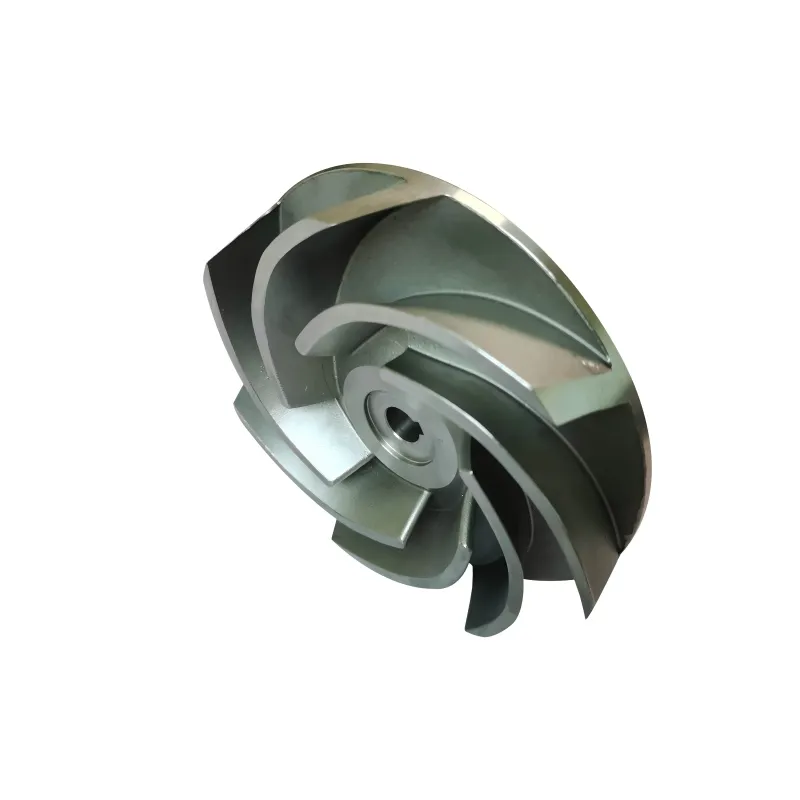
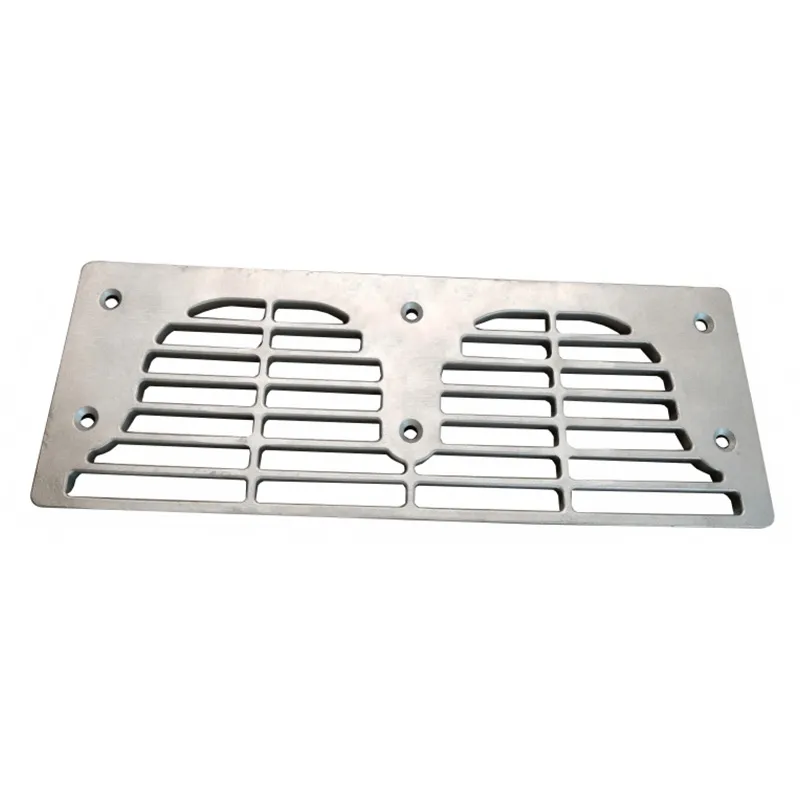
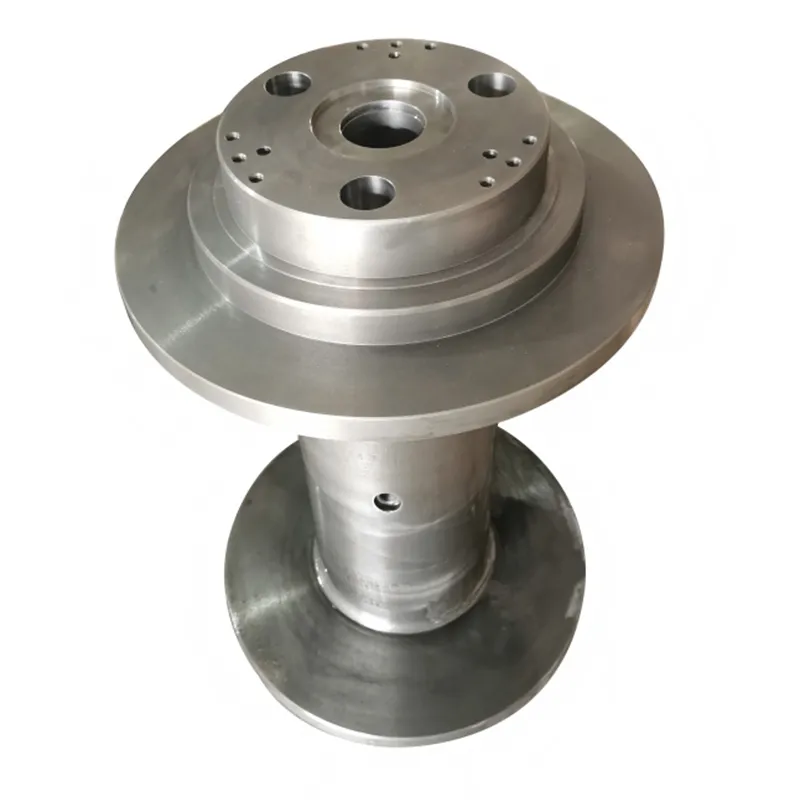
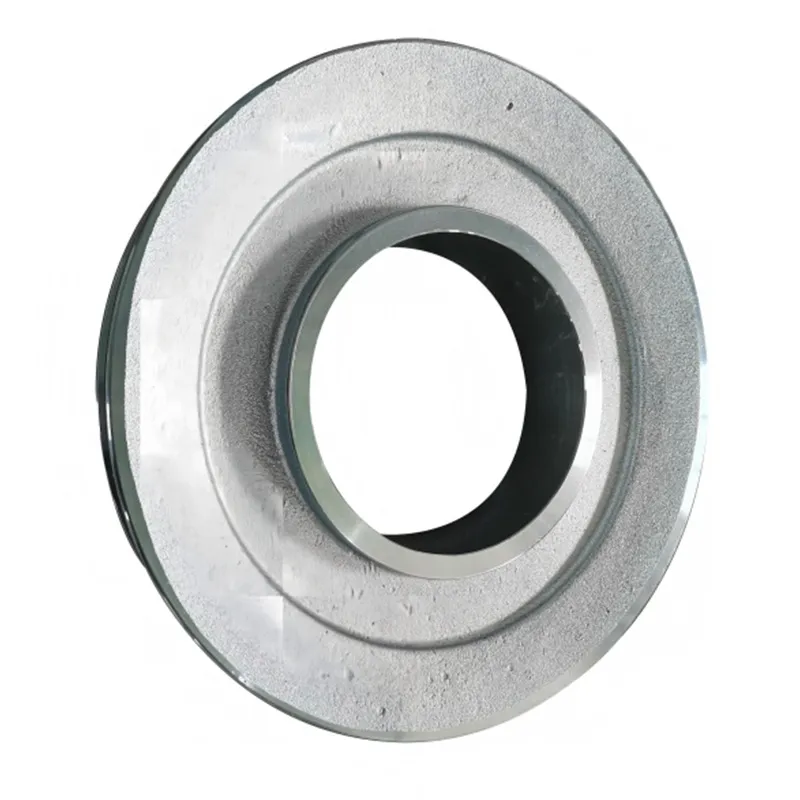
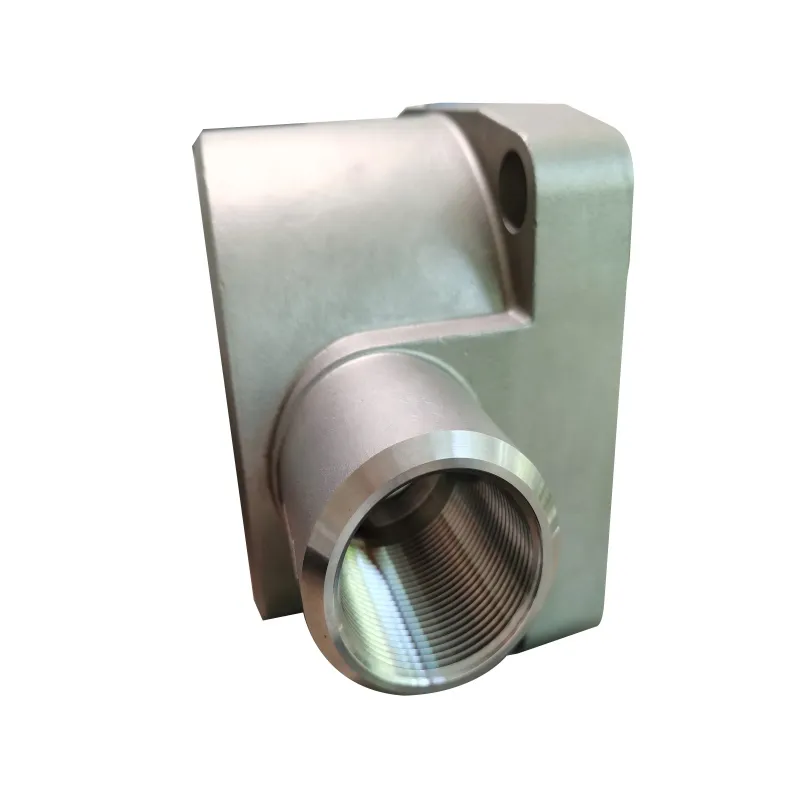
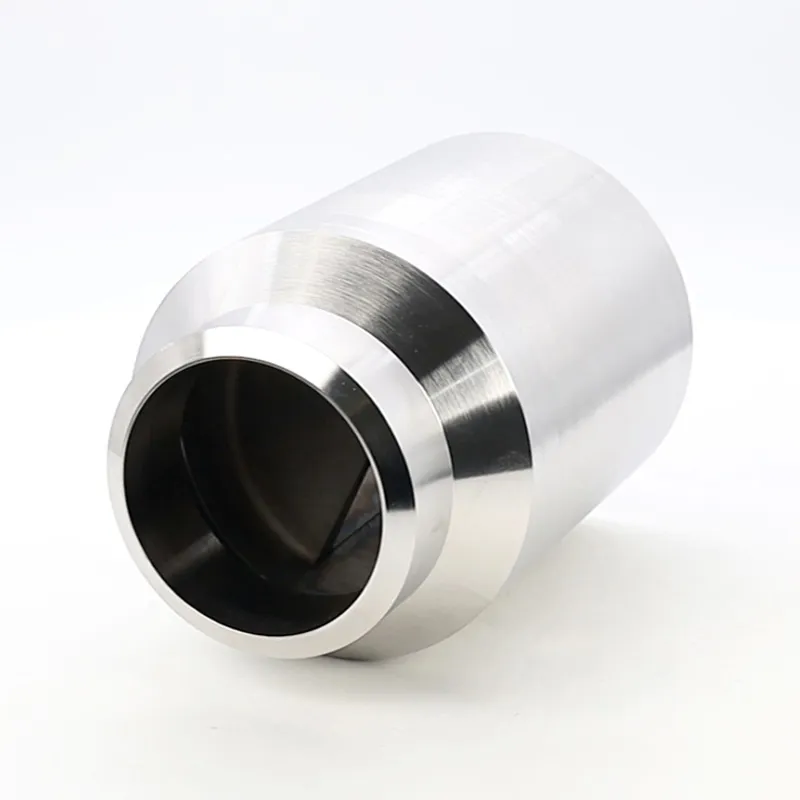
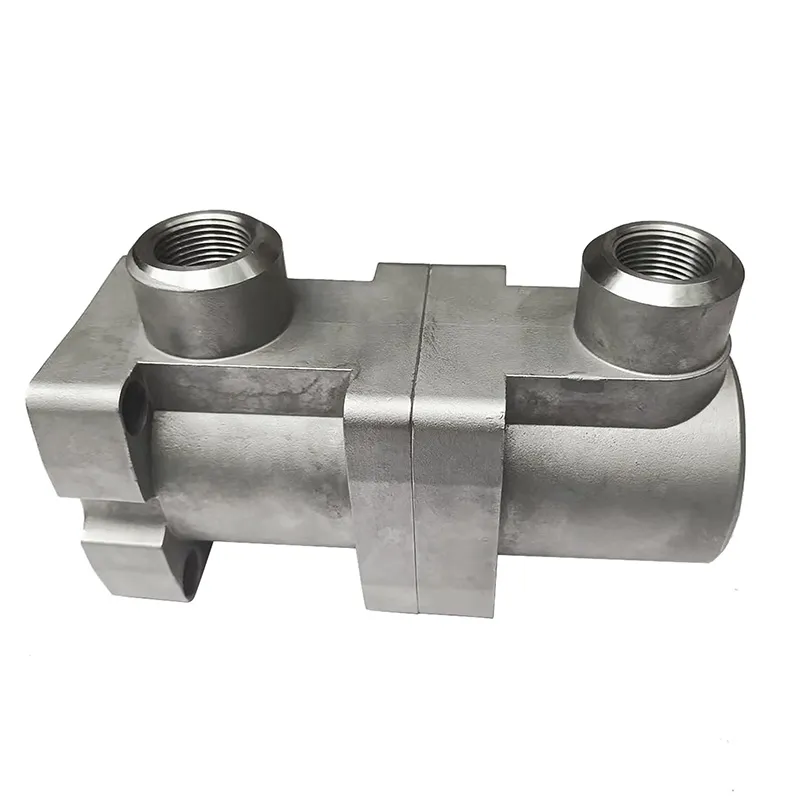
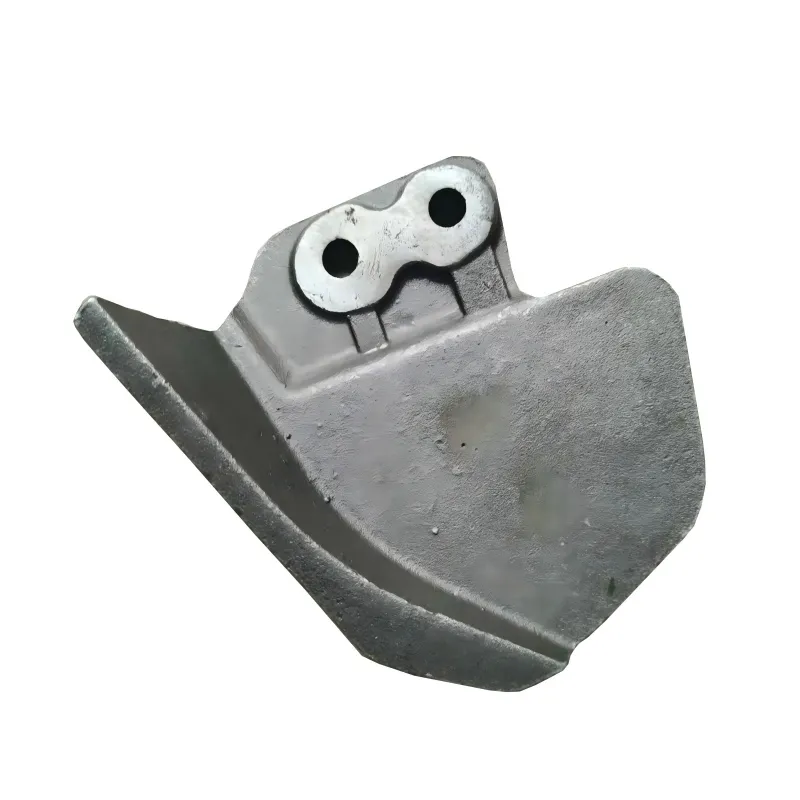
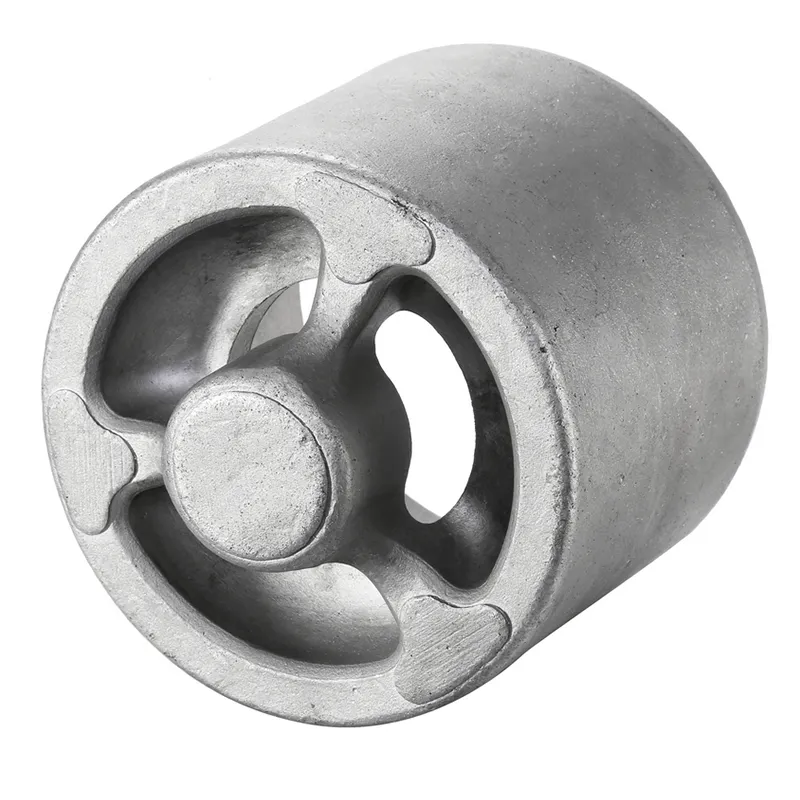
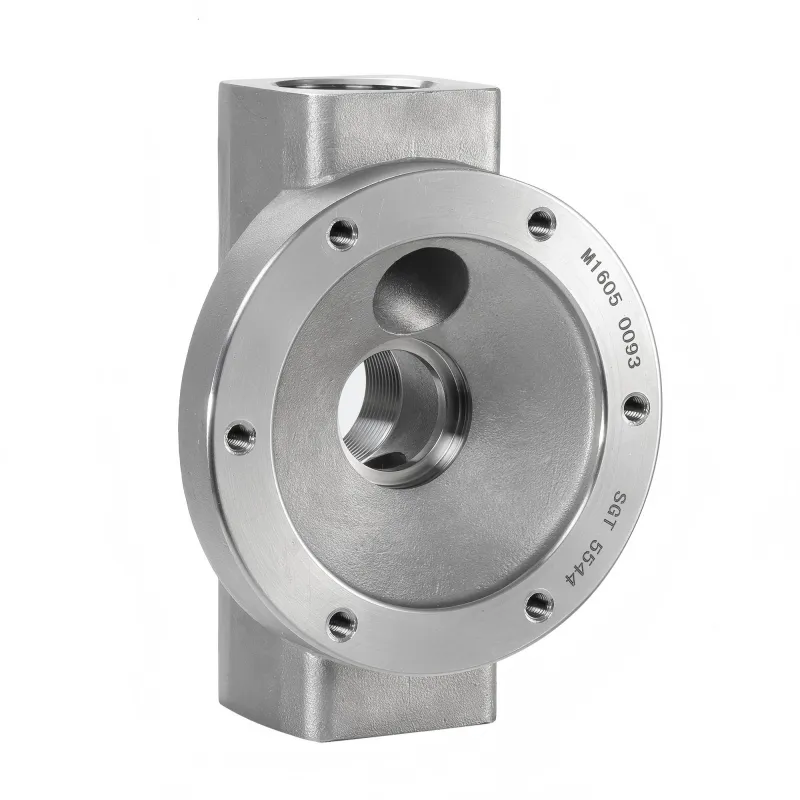
Resin sand casting excels where you need dimensional accuracy, good surface finish, and the ability to produce complex shapes in lower to medium volumes. It's a staple for jobbing foundries and for components that are too intricate or require better tolerances than typical greensand can provide. Think of valve bodies, pump casings, marine hardware, and machinery bases.
The material range is broad. We've done it successfully with ductile iron, gray iron, carbon and low-alloy steels, and even some stainless grades. However, for high-alloy steels, super duplex stainless, or those special nickel and cobalt-based alloys, you have to be very careful. The mold atmosphere and the potential for carbon pickup from the binder can be an issue. Sometimes a different binder system, like an alkaline phenolic, is chosen for these reactive alloys to minimize surface contamination. A company with deep material experience, like Qingdao Qiangsenyuan Technology Co., Ltd. (QSY), which has worked with cobalt and nickel-based alloys for years, would understand these subtleties intimately. Their long-term focus on precision casting and machining means they've likely navigated these exact material-mold interaction challenges across their various processes, from shell molding to resin sand casting.
It's also worth noting that while resin sand casting is versatile, it's not always the cheapest option for massive, simple parts. The binder cost and sand reclamation expense mean the piece price for sand is higher than for greensand. So its use is justified by the value added through precision and complexity. For a simple manhole cover? Use greensand. For an engine block prototype with intricate water jackets? That's where resin sand comes into its own.
Lessons from the Floor and Integrated Manufacturing
One of the biggest lessons is that casting is rarely the final step. How the part comes out of the mold dictates the cost and feasibility of machining. A well-designed resin sand casting process should aim for near-net-shape, minimizing machining stock. This requires close collaboration between the foundry and the machine shop. Poorly placed parting lines or inconsistent wall thickness can cause nightmares in fixturing and tool wear during CNC operations.
This is why the model of a vertically integrated manufacturer is powerful. A company that handles both the casting and the precision machining under one roof, as QSY does, can optimize the entire workflow. The foundry team knows the capabilities and constraints of the CNC machines on the other side of the wall, and vice versa. They can design the casting process—including gating, risering, and core placement—with machinability in mind. They can ensure critical datum surfaces are cast clean and flat enough to be used for fixturing. This synergy is something a standalone foundry or machine shop struggles to replicate. You can learn more about their integrated approach to casting and finishing on their site at https://www.tsingtaocnc.com.
Finally, don't neglect the environmental and safety aspects. Furan resins release formaldehyde during mixing and pouring. Proper ventilation and PPE are non-negotiable. The spent sand, if not reclaimed, becomes a disposal issue. Modern foundries are moving towards more environmentally friendly binder systems, but they often come with trade-offs in cost or performance. It's a constant balancing act between technical requirements, economics, and regulatory compliance.
So, when you look at a resin sand casting, you're not just looking at a metal part. You're looking at the result of hundreds of small decisions—about chemistry, temperature, timing, and design. Getting it right feels less like following a recipe and more like conducting an orchestra where every instrument is slightly temperamental. But when it all comes together, the precision and complexity you can achieve are what keep this decades-old process firmly relevant in modern manufacturing.