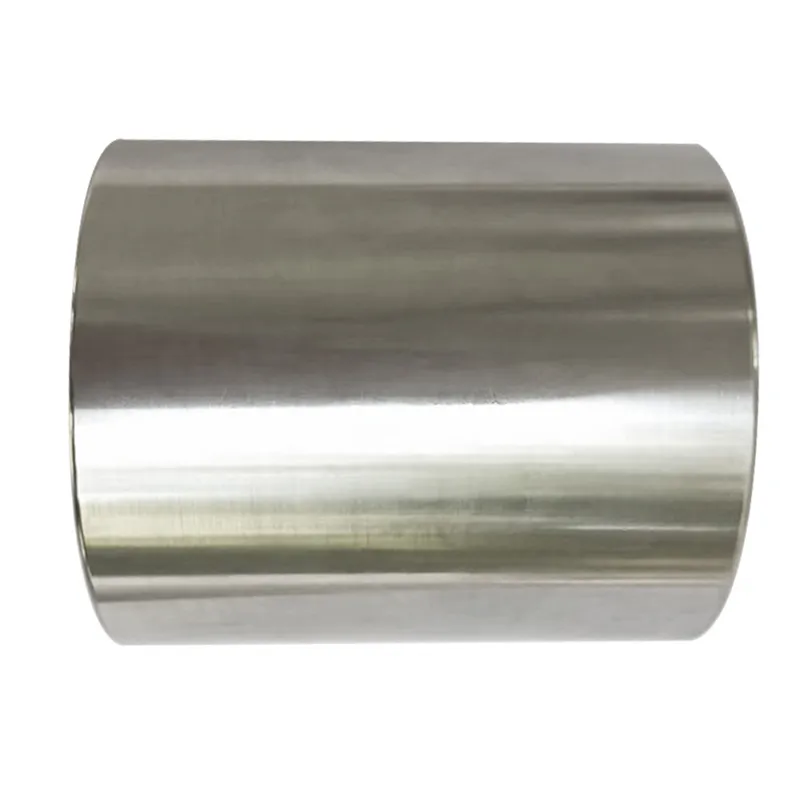
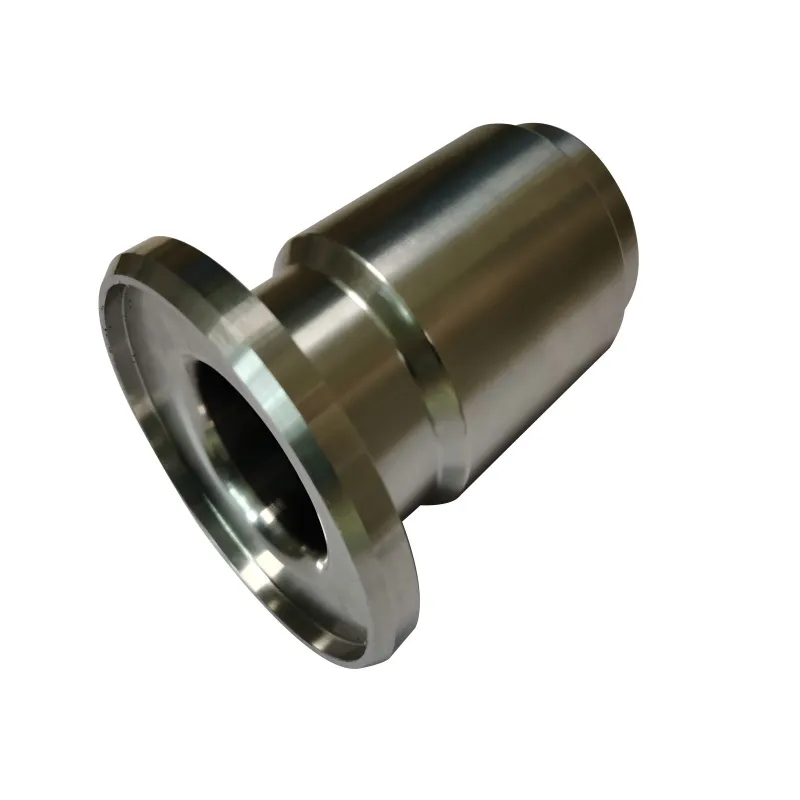
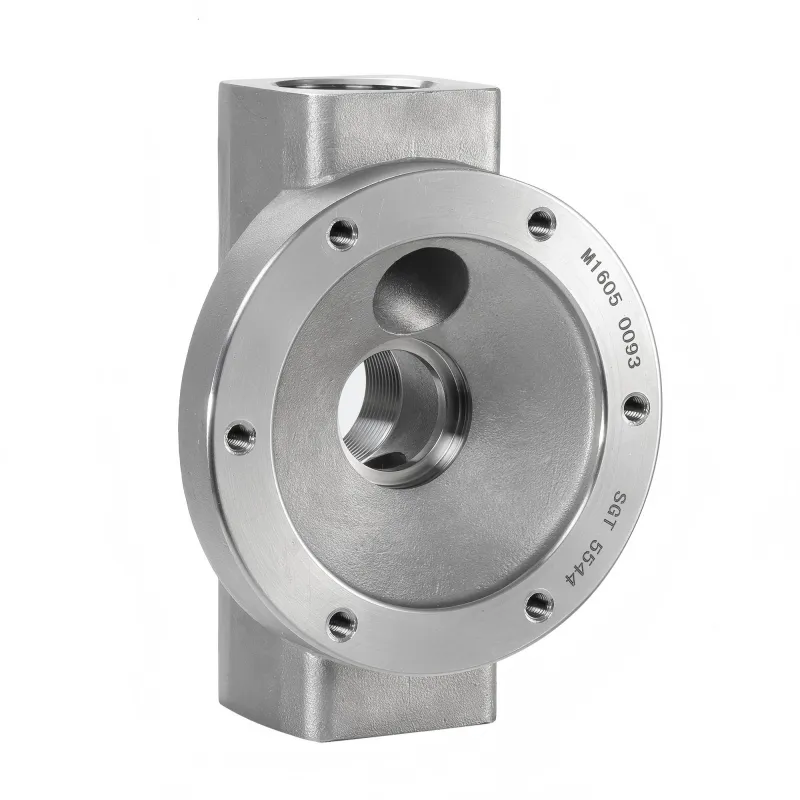
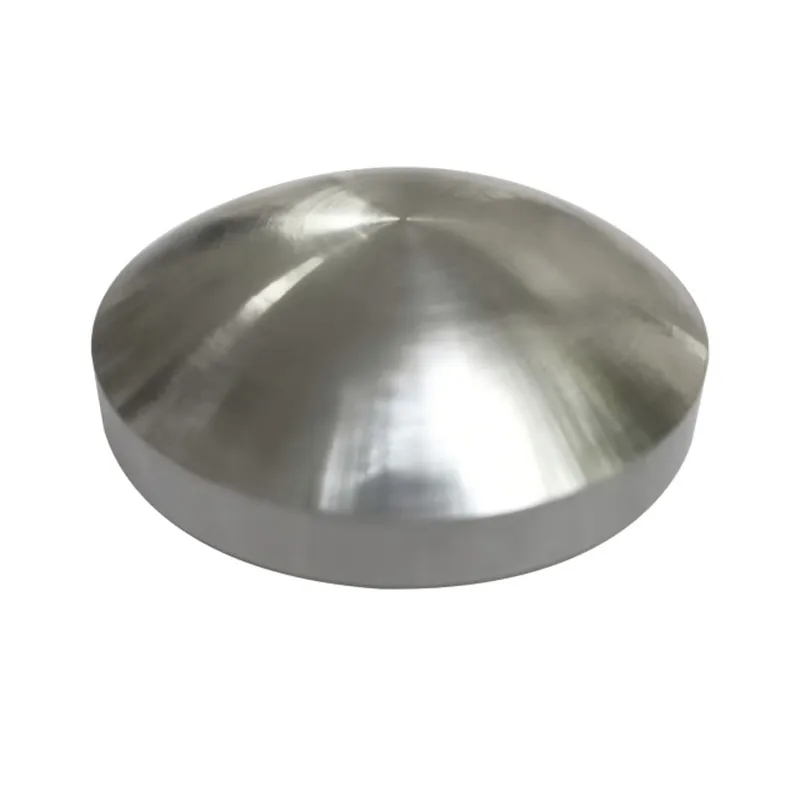
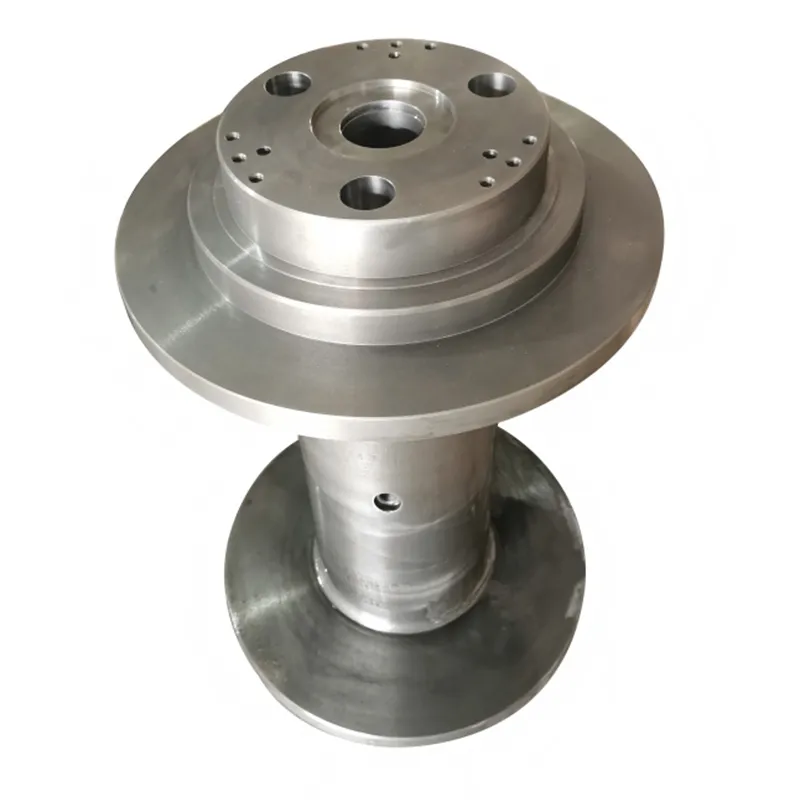
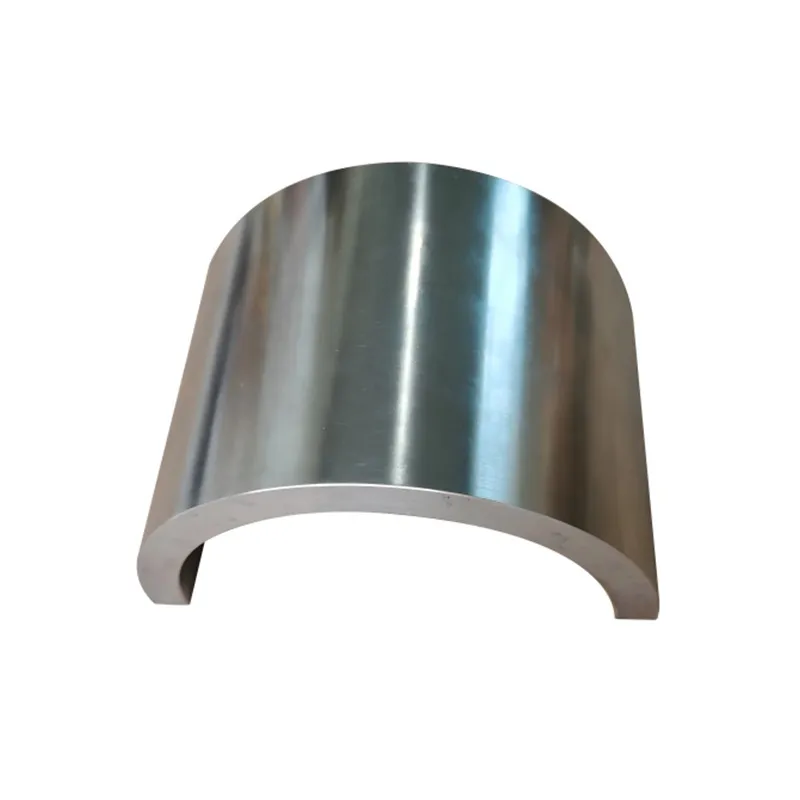
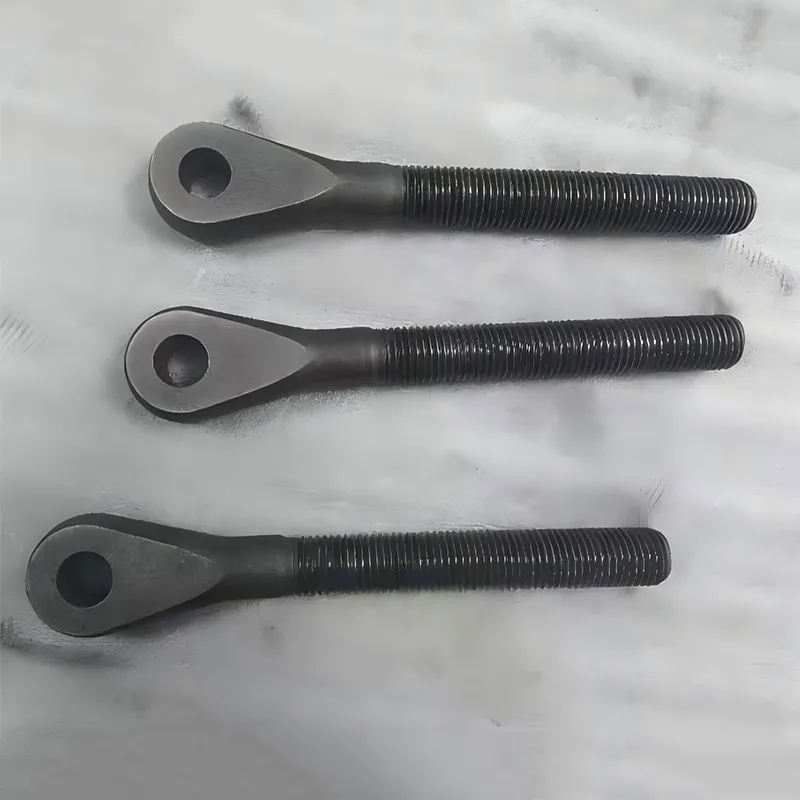
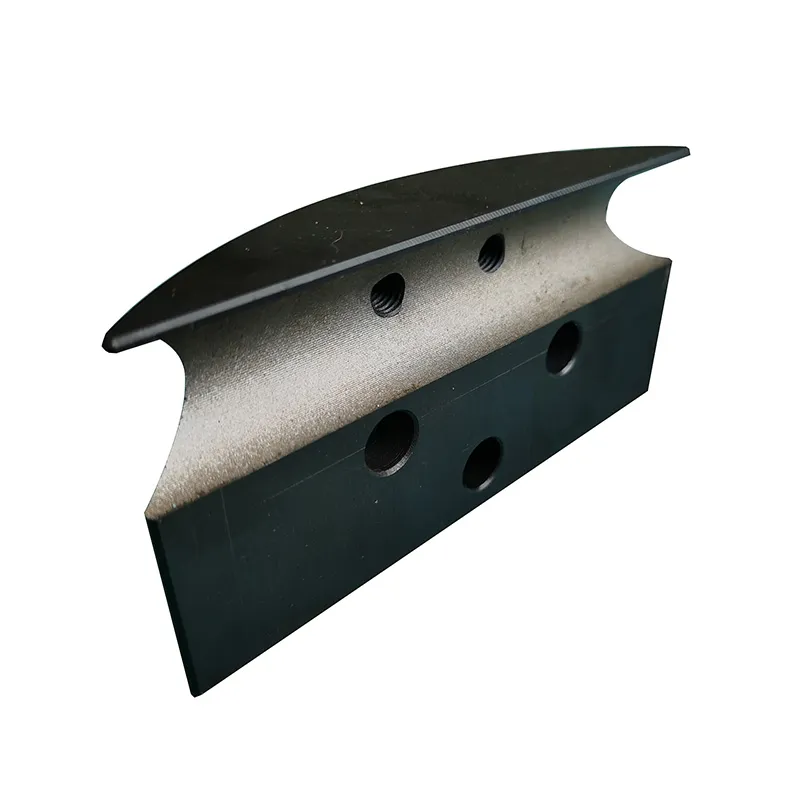
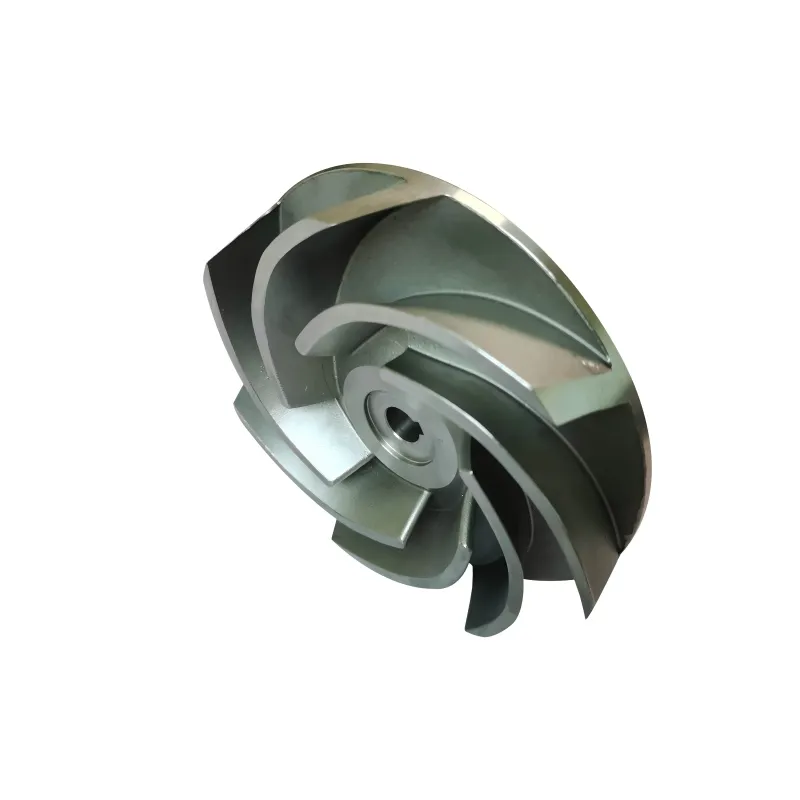
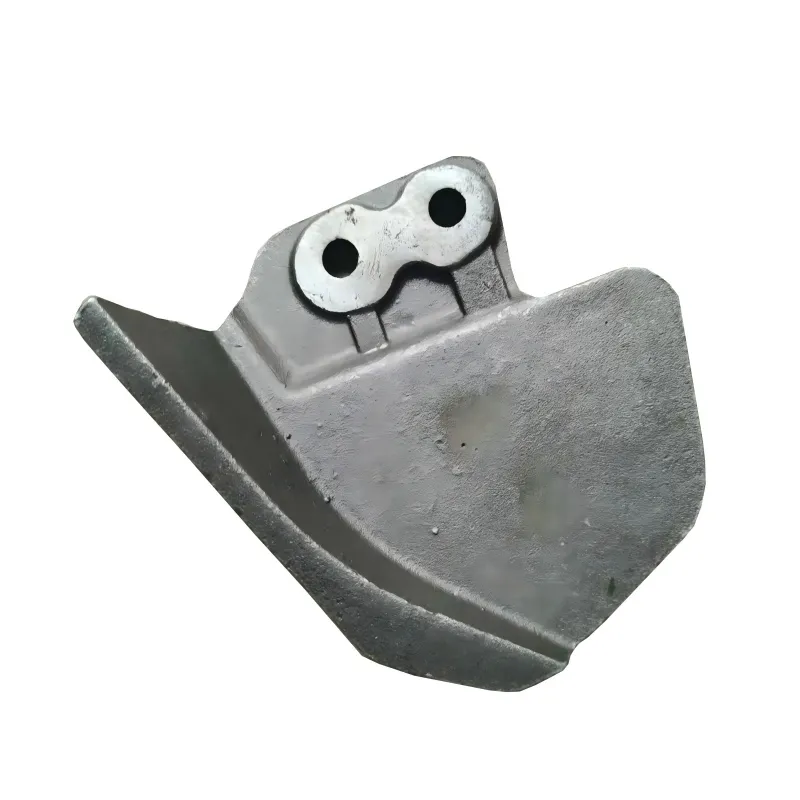
When you hear 'rollformers part', the immediate thought for most is the forming roll itself. That's the star, sure. But that's also where the first big mistake happens. In my years around these machines, I've seen too many shops hyper-focus on the roll profile and neglect everything else that makes the line hum—or screech to a halt. The real story is in the supporting cast: the rollformers part ecosystem of shafts, bearings, housings, and even the seemingly simple spacers. Get one of those wrong, and your perfect profile means nothing.
The Unseen Backbone: Shafts and Housings
Let's talk shafts. Everyone specs for hardness, which is correct. But torsional stiffness? That's a conversation that often gets skipped until you see a slight, persistent wave in a long run that torque calculations said shouldn't be there. We had a job for a roofing panel line where the issue wasn't the forming rolls from our usual supplier. The problem was a slight deflection in an intermediate shaft under sustained load. The material was good, the heat treat was to spec, but the design just didn't account for the new, higher-tensile coil the client switched to. The fix wasn't a harder shaft; it was a redesigned one with a different stiffness profile.
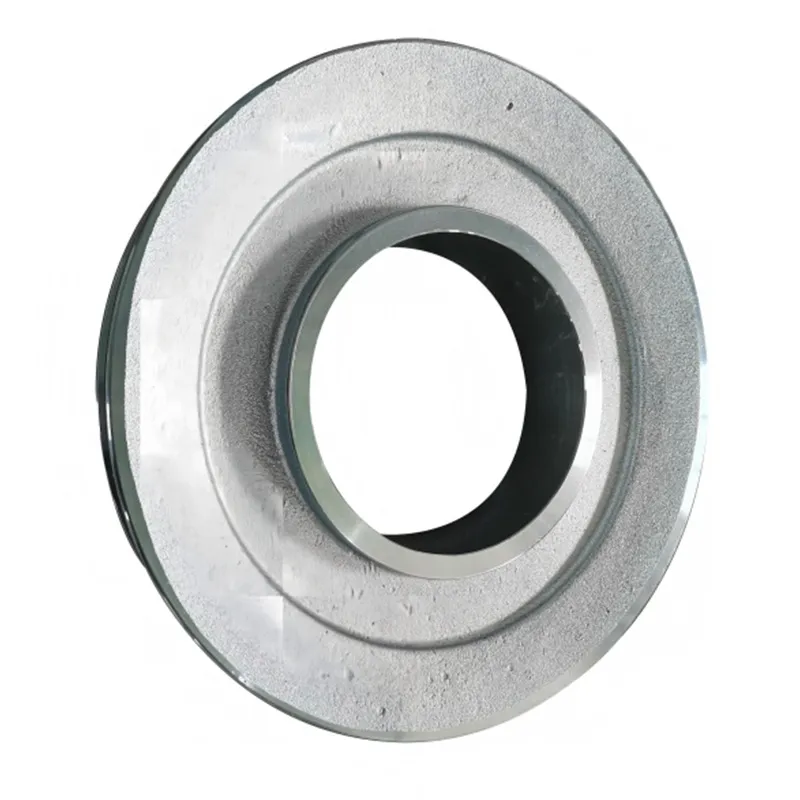
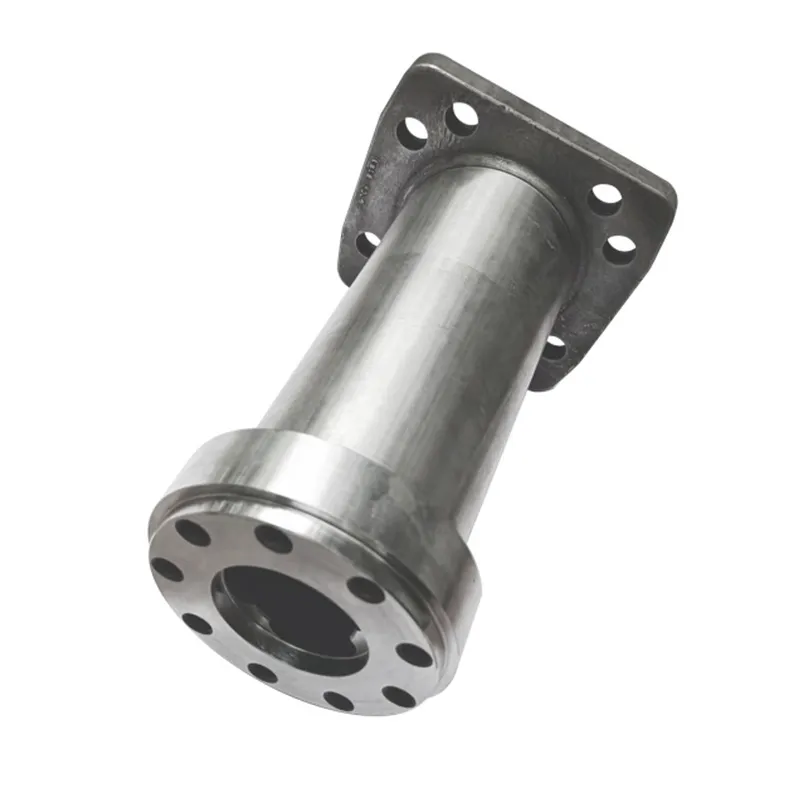
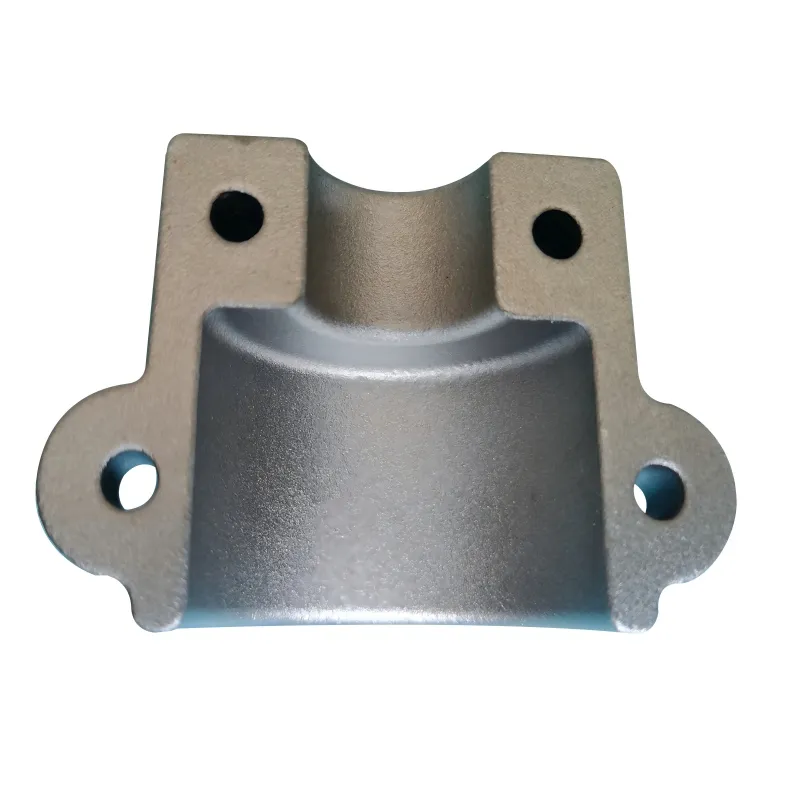
This is where a foundry and machining partner's experience shows. You need someone who understands that a rollformers part like a shaft isn't just a turned bar. It's a loaded component. A company like QSY, with their decades in casting and CNC machining, gets this instinctively. They're not just cutting metal; they're thinking about grain flow in a forged shaft blank or the integrity of a cast housing that needs to absorb vibration across a 20-station machine. I've reviewed drawings from their engineers that included suggestions for rib placement on a bearing housing to dampen harmonic chatter we hadn't even fully diagnosed yet. That comes from cross-industry experience.
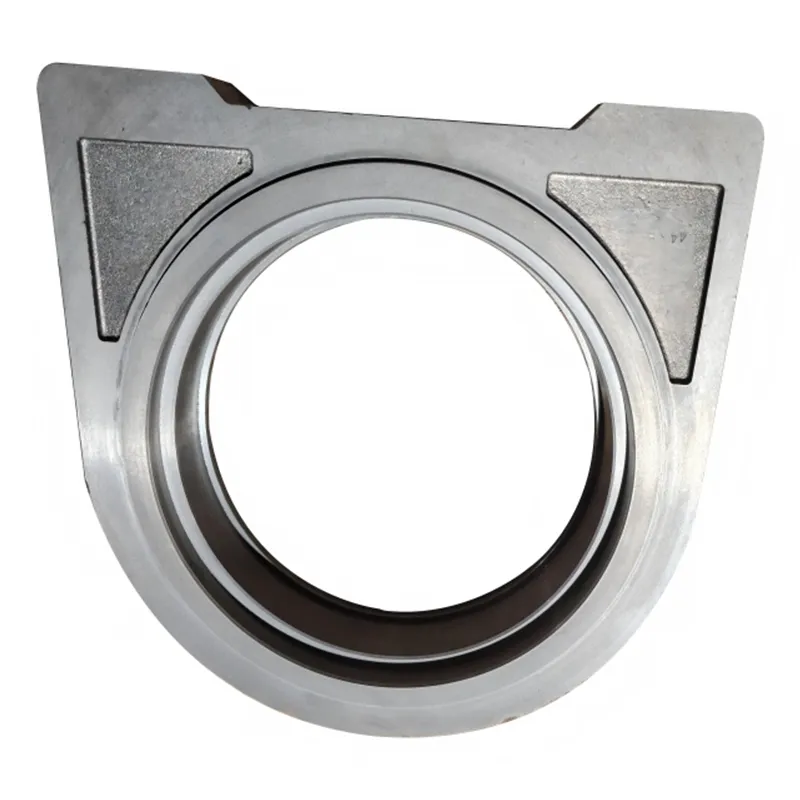
Housings are another silent workhorse. A poorly machined housing bore leads to premature bearing failure, which leads to roll misalignment, which leads to scrap. It's a domino effect. The tolerance isn't just about the diameter; it's about the surface finish and the perpendicularity to the mounting face. I recall a retrofit where we used off-the-shelf pillow blocks and kept fighting alignment. Switched to custom-machined housings from a partner who could ensure all mounting faces were finished in the same setup, and the problem vanished. The rollformers part you don't see often matters most.
Material Choices: Beyond the Data Sheet
Everyone asks for D2 or 52100 for rolls. It's standard. But for the other components? The spec sheets often just say steel. That's a vast, dangerous territory. For guide plates or wear strips that see constant, abrasive contact, a standard mild steel might last a month. A through-hardened 4140 or a tool steel insert can last a year. The calculus isn't just part cost; it's line downtime cost. This is an area where a supplier's material range is telling. Seeing that a company like Qingdao Qiangsenyuan Technology Co., Ltd.(QSY) routinely works with everything from ductile iron to nickel-based alloys signals they're used to these conversations. They're not just offering a material; they're offering a solution based on wear resistance, impact, or thermal fatigue.
I learned about cobalt-based alloys the hard way. We had a decoiler mandrel segment—arguably a rollformers part—that was getting gouged by coil edges. Standard hardened steel was chipping. We tried a cobalt alloy (Stellite-type) overlay on the contact face. The cost was high, but the segment outlasted the machine's service contract. The takeaway wasn't use cobalt for everything. It was that having a partner who can source and machine these exotics is a huge advantage when the standard playbook fails. Their background in investment casting for special alloys, as mentioned in their intro, is directly relevant here for creating complex, wear-resistant components.
Corrosion is another silent killer, especially in plants without climate control. A stainless shaft might seem like overkill until you're dealing with rust pits that wreck seal surfaces. Sometimes, the answer isn't a more expensive material, but a specific grade or finish. A 400-series stainless might suffice where 304 is overkill, saving cost. These are the granular decisions that happen on the shop floor, not just in the procurement office.
The Machining Nuance: Where Theory Meets the Chip
Precision machining for rollformers part isn't just about hitting +/- 0.001. It's about understanding function. A roll's bore needs a precise finish for a shrink-fit application, but also might need a specific lead-in chamfer to prevent stress risers during mounting. I've seen a perfectly in-tolerance roll crack during installation because the chamfer was too sharp. The machinist followed the print, but the print didn't specify the edge break. This is the tribal knowledge a good shop brings.
CNC capability is table stakes. The real question is how they handle the non-standard. Can they grind a precise radius on a hardened guide tip? Can they mill a complex, non-linear profile on a entry guide plate? This is where QSY's stated combo of casting and CNC machining makes sense. They can produce a near-net-shape part via shell or investment casting for complex geometries, then finish it with precision CNC. This isn't just efficient; it often results in a better part with consistent material properties, compared to hogging everything out of a solid block.
Then there's heat treatment distortion. Anyone can send parts out for hardening. The good shops pre-machine with distortion in mind, leaving stock in the right places so the part finishes true after heat treat. They understand the sequence. For a critical spacer stack, we once had parts that were flat and parallel before hardening, but came back slightly dished. The vendor's solution was to surface grind them flat, which worked but added cost and time. A more experienced shop would have rough-machined, stress-relieved, then finished, or used a different quenching method. The devil is in these processes.
Failure Analysis: The Best Teacher
You truly learn about rollformers part longevity when they fail. A bearing race spalling on a lower shaft. Not just a bad bearing—inspection showed fretting corrosion on the shaft seat. The fit was wrong; it was a slip fit where it should have been a light press. The part wasn't the bearing; it was the shaft-bearing interface. We had to build up the seat with a thermal spray and re-grind it. A proper fix would have been a new shaft, but downtime dictated a patch. That patch held, but it was a lesson in specifying fits for dynamic loads.
Another case: cracking in the root of a keyway on a drive shaft. Material and hardness were fine. The failure analysis pointed to the keyway's end—it was a standard sled-runner style with sharp corners. The stress concentration was huge. The redesign used a profiled keyway with radiused ends, and the problem disappeared. Now, when I see a drawing, I look at the keyway detail. It's a small rollformers part feature with massive implications.
These aren't academic exercises. They're expensive, disruptive lessons. This is why I value suppliers who engage in this kind of troubleshooting. A good partner doesn't just ship a replacement; they ask for photos of the failure, the operating context, and they might suggest a design tweak on the next order. It turns a transaction into a collaboration.
Sourcing and the Real-World Supply Chain
Finally, let's be practical. The perfect rollformers part is useless if it arrives six months late. Or if the quality isn't consistent from batch to batch. Sourcing from a capable, stable manufacturer is a strategic decision. A company with 30 years of operation, like QSY, has presumably navigated supply chain storms and built resilience. They're not a fly-by-night job shop. For a production line manager, that stability is as valuable as the precision. Knowing you can get a matched set of replacement rolls or a critical shaft in a predictable timeframe keeps lines running.
It also allows for better planning. Can you work with them on a annual blanket order for wear parts? Do they keep certain raw material blanks in stock for emergency turnaround? These are the questions you ask after you've been burned by a line-down situation. The website address, https://www.tsingtaocnc.com, is more than a contact; it's a promise of a persistent entity you can hold accountable.
In the end, thinking about rollformers parts is thinking about the entire system's reliability. It's moving beyond the catalog item to the engineered component, the material science, the machining intent, and the partnership that delivers it all consistently. The forming roll defines the product, but all the other parts define your uptime.