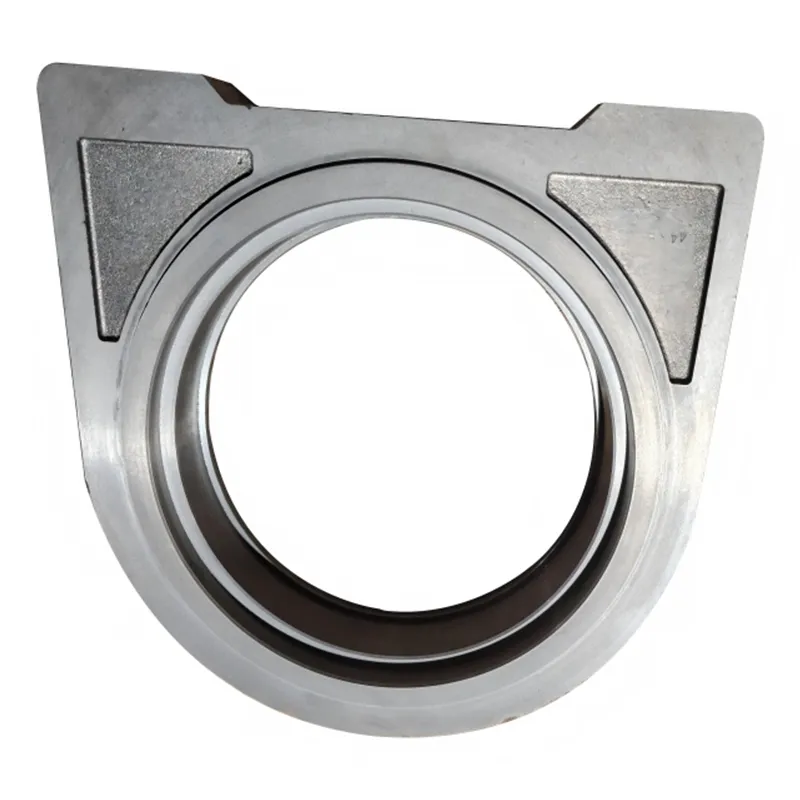
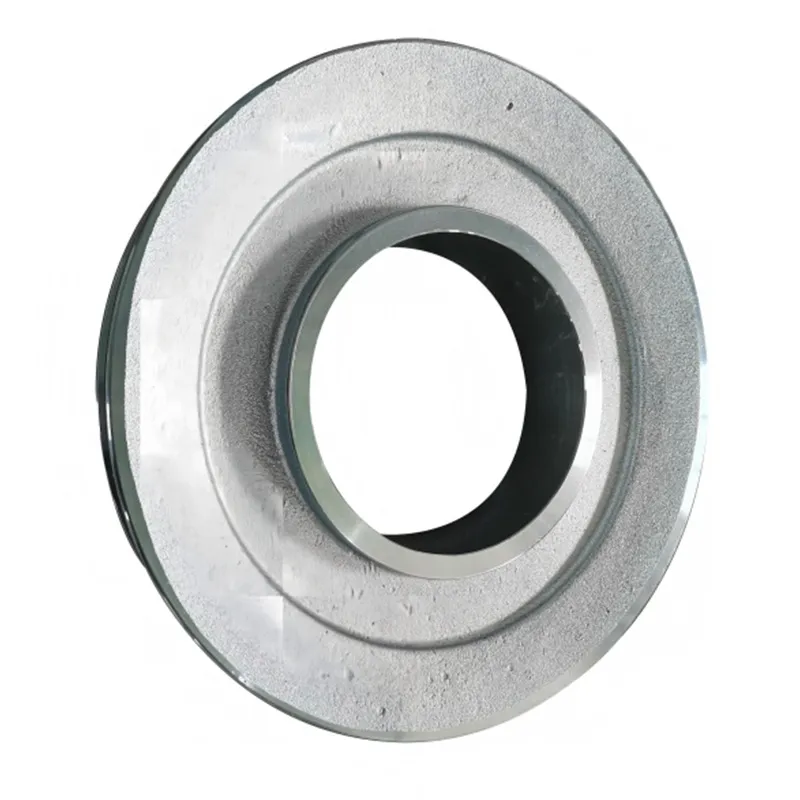
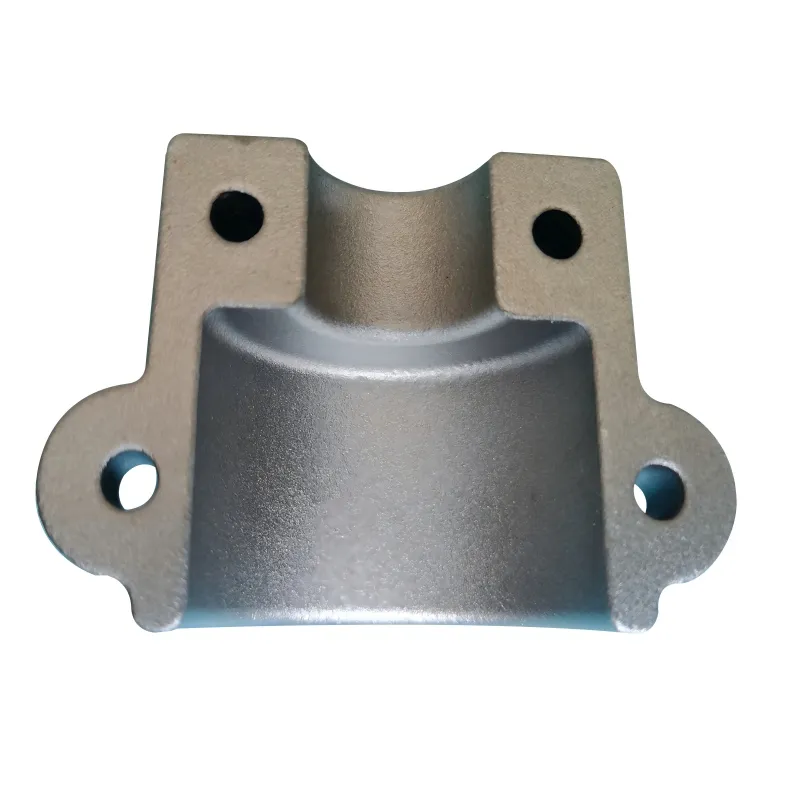
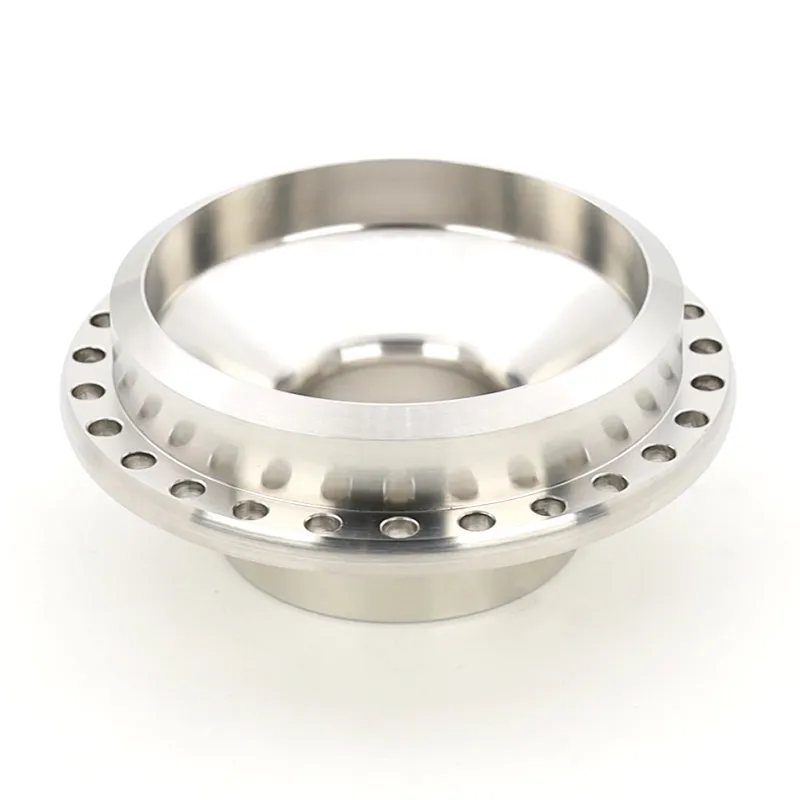
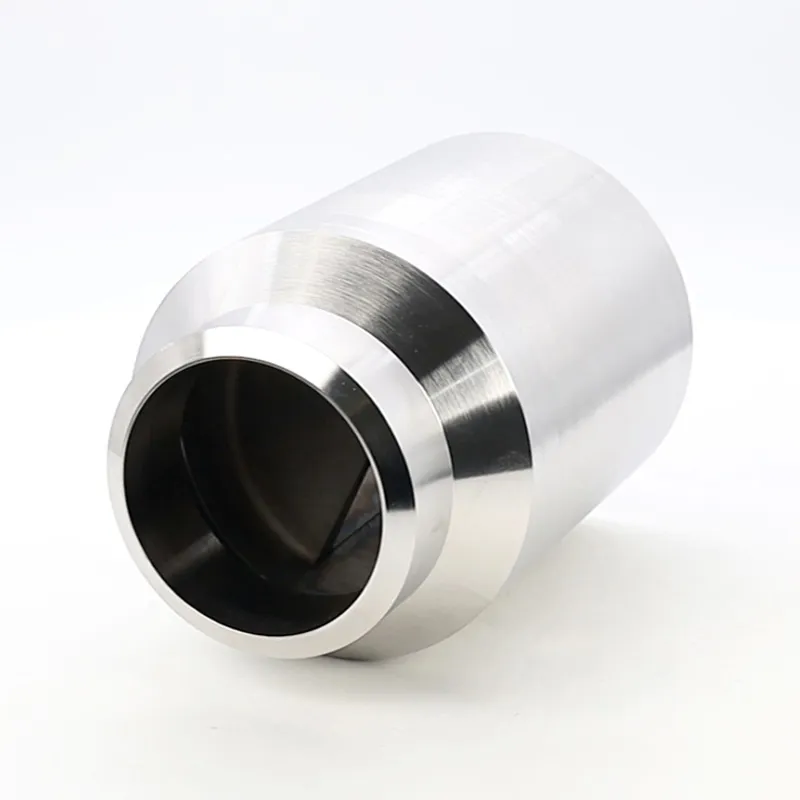
When you hear 'rollformers shaft roller', most people immediately picture just the roller itself—a hardened steel cylinder, maybe with some bearings. That's the first mistake. In reality, it's a system. The performance hinges on the synergy between the shaft's metallurgy, the roller's surface finish and hardness profile, and the bearing assembly's tolerance. I've seen too many operations focus solely on the roller OD specs, then wonder why they get premature wear or scoring on profiles. The shaft, often an afterthought, is where many failures originate. It's not just a pin; it's a dynamically loaded component.
Material Selection is Not a Guessing Game
Early in my time working with rollform lines, we had a recurring issue with a specific rollformers shaft roller set used for forming high-strength steel channels. The rollers, made from a standard D2 tool steel, held up fine, but we kept experiencing shaft deflection. Not breakage, just enough bend to throw the profile tolerance off after a few hours of running. The assumption was always need a bigger diameter shaft, which created a cascade of redesign issues for the housing blocks.
The real fix came from a material change for the shaft itself. We switched from a standard 4140 steel to a through-hardened 4340 alloy, working with a supplier who understood the fatigue loading. This wasn't a decision from a catalog; it came from analyzing the fracture patterns and the micro-movement at the bearing seat. Places like Qingdao Qiangsenyuan Technology Co., Ltd.(QSY) have the background for this. With over 30 years in casting and machining, they get that a shaft for a heavy-duty shaft roller isn't just a turned bar stock. It often needs to be a forged or precision-cast blank to ensure grain flow direction, then machined to exacting tolerances. Their work with special alloys like nickel-based alloys is relevant here—sometimes, for extreme environments, you need to look beyond standard steel grades.
This leads to another nuance: the interface. The shaft's bearing seats often get ground, but the transition radii are critical. A sharp corner is a stress concentrator waiting to create a crack initiation point. We learned to specify and inspect these radii meticulously. It's a tiny detail on a drawing that makes a monumental difference in mean time between failures.
The Harder is Better Fallacy for Rollers
There's a pervasive myth that cranking up the surface hardness on a roller to the max (say, 65 HRC and above) will automatically yield the longest life. It's a costly trap. For rollformers rollers, especially those forming pre-coated or abrasive materials (like some galvanized steels), an extremely hard surface can become brittle. Instead of wearing gracefully, it can chip or spall, instantly ruining the sheet surface.
I recall a project where we were forming an aluminum-bronze alloy strip. The material was gummy. Our first batch of rollers was super-hardened. They didn't wear; they just loaded up with material, picking up the alloy onto the surface and then imprinting defects back onto the strip. The solution was counterintuitive: we used a slightly softer roller material with a polished, almost mirror-like finish and a specific surface treatment to reduce galling. The wear rate was managed through a different mechanism—lubricity rather than just brute hardness.
This is where specialized machining and finishing capabilities matter. A company like QSY, with its deep CNC machining and shell mold casting expertise, can produce rollers with complex internal cooling channels (vital for high-speed runs) and controlled surface textures. The ability to work with stainless steel or cobalt-based alloys opens doors for corrosive or high-temperature forming applications that standard carbon steel rollers can't handle.
Bearing Fit: The Make or Break Tolerance
This might be the most hands-on, grimy part of the job, but getting the bearing fit wrong on a shaft roller assembly will waste all your good work on materials. It's not just about pressing a bearing onto a shaft. There's a thermal consideration and a load zone consideration. For fixed bearing arrangements, you need an interference fit that's sufficient to prevent creep but not so heavy that it excessively preloads the bearing or distorts the inner race.
We once assembled a set of brand-new rollers on shafts with what the manual said was a standard fit. Under load and at operating temperature, the shaft expanded just enough to create a slight clearance. The result wasn't catastrophic failure; it was a persistent, low-frequency vibration that showed up as a subtle wave in the formed product. Took us days of diagnostics to trace it back to that micro-movement. The fix was switching to a selective fit based on actual measured dimensions at a controlled temperature, not just the nominal print values.
For the bearing housing in the roller itself, the tolerance is equally delicate. Too tight, and you risk binding when the roller heats up. Too loose, and you get play that translates directly into form inaccuracy. This is precision machining territory. It's not just about hitting a number; it's about consistency across a whole set of rollers for a multi-stage line. The capability to hold tenths (0.0001 inches) consistently, as you'd expect from a seasoned CNC machining provider, is non-negotiable here.
Integration and Real-World Testing
You can have the perfect individual components—a perfectly machined shaft from a premium alloy, a roller with ideal hardness and finish, and precision bearings—and still have a system failure. The integration is key. How is the roller lubricated? Is it a grease-packed, sealed-for-life unit (common but with heat limitations), or does it have a provision for continuous oil mist? The choice dictates the internal design of the rollformers shaft roller.
We learned this on a high-speed roofing panel line. The theoretical specs were all correct. But in practice, the heat buildup from continuous forming at 150 feet per minute was greater than anticipated. The grease in the standard bearings broke down, leading to overheating and seizure. The redesign involved specifying rollers with open bearing designs and integrating a centralized oil mist system into the rollformer frame. The shafts themselves needed cross-drilled oil passages. It was a retrofit nightmare that would have been simpler if the application's true thermal load was considered from the start.
This is why prototyping and testing under load are irreplaceable. A supplier that offers not just the component but can advise on the system integration based on material science and practical machining experience adds immense value. For instance, knowing that a shell mold cast roller blank can offer better homogeneity for complex shapes than a fabricated one, or that a specific nickel-based alloy is worth the cost for its thermal stability in your application, comes from decades on the floor, not just a sales sheet.
Failure Analysis as a Learning Tool
Never throw away a failed rollformers roller or shaft without cutting it open first. A post-mortem is the best education. I keep a gallery of failed components in my office. One shaft showed a classic fatigue crack originating from a machining mark in a non-critical area—a lesson in specifying finish for the entire shaft, not just the bearing seats. Another roller showed a distinctive wear pattern only on one side, pointing to misalignment in the stand that we hadn't caught with our dial indicators.
One particularly instructive failure involved a roller that cracked circumferentially. Initial blame went to material defects. Metallurgical analysis, which we had done by an external lab (though some integrated manufacturers like QSY have this capability in-house given their foundry background), showed the material was fine. The crack pattern pointed to excessive hoop stress. The root cause? The hydraulic system for locking the roller onto the shaft was applying far more pressure than designed, essentially creating an interference fit that overstressed the roller wall. The fix was a simple pressure regulator.
These experiences shape a more pragmatic specification process. Now, when ordering, the conversation isn't just about dimensions and material grade. It's about the application: formed material, line speed, lubrication method, expected tonnage, and maintenance cycle. It turns a commodity purchase into a collaborative engineering effort, which is how you truly achieve reliability and cost-effectiveness in a rollforming operation.