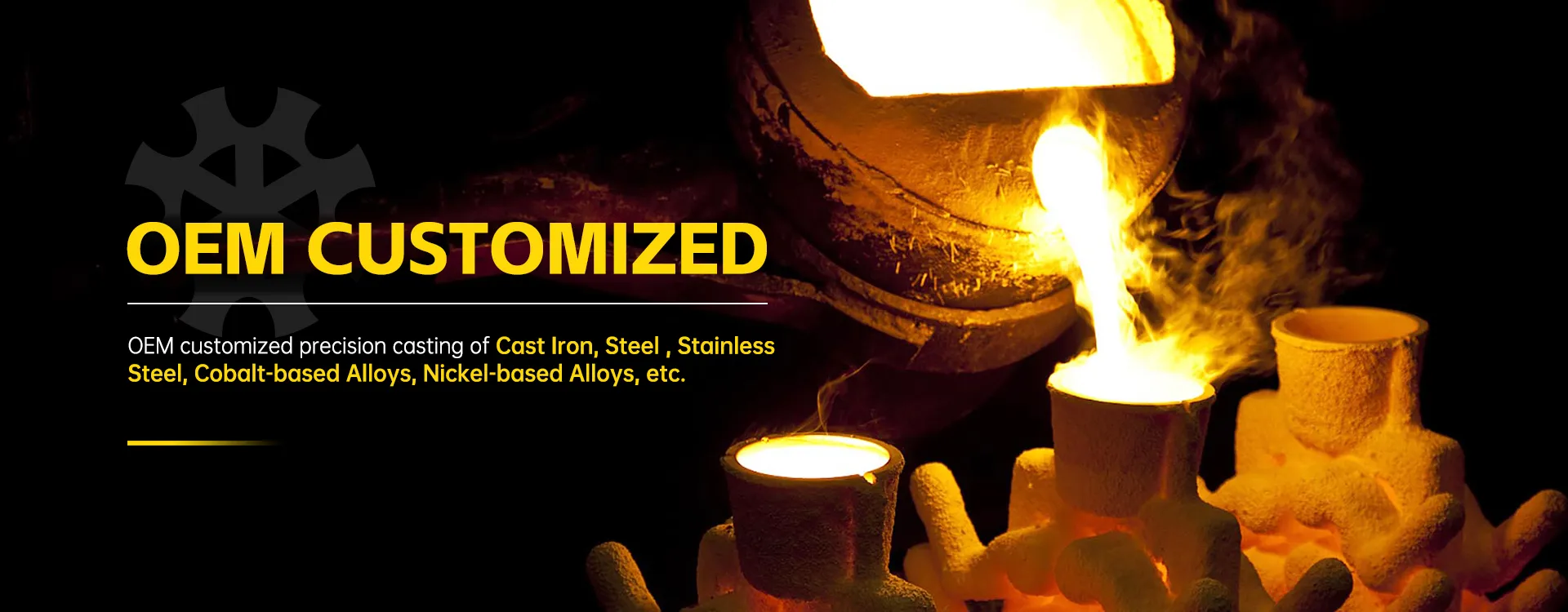
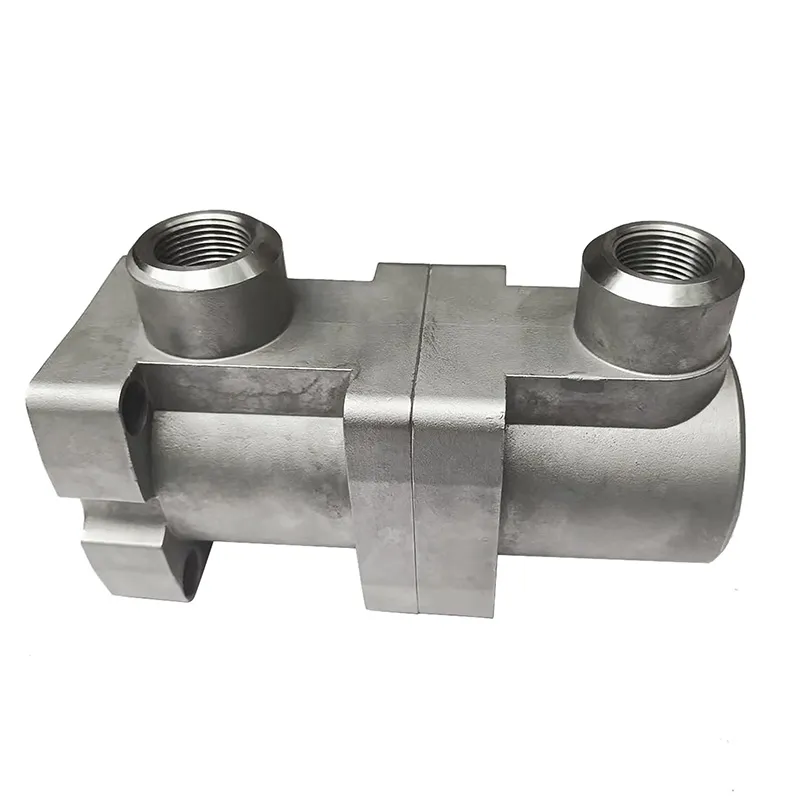
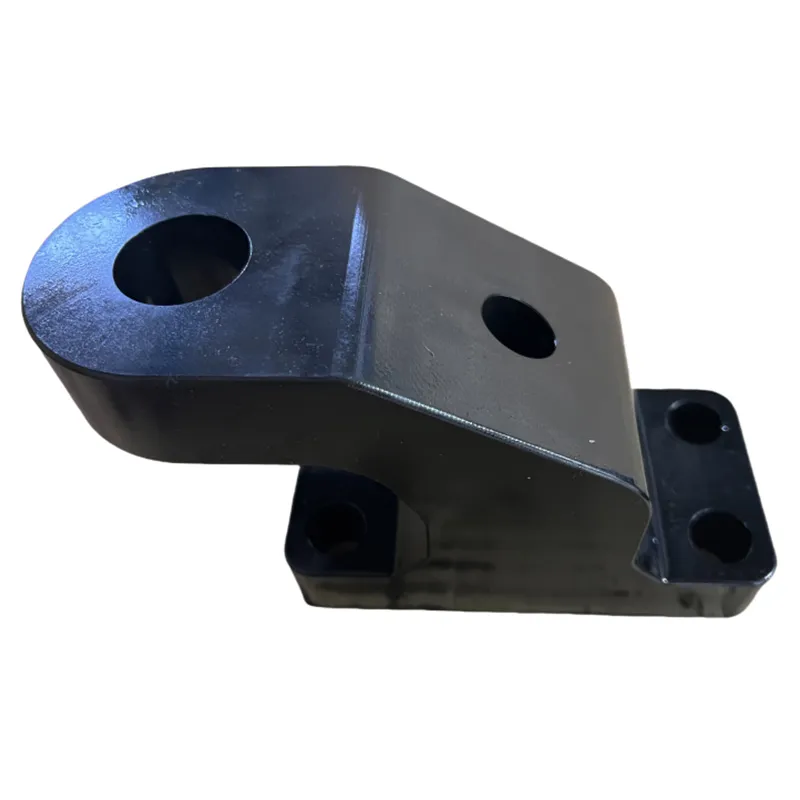
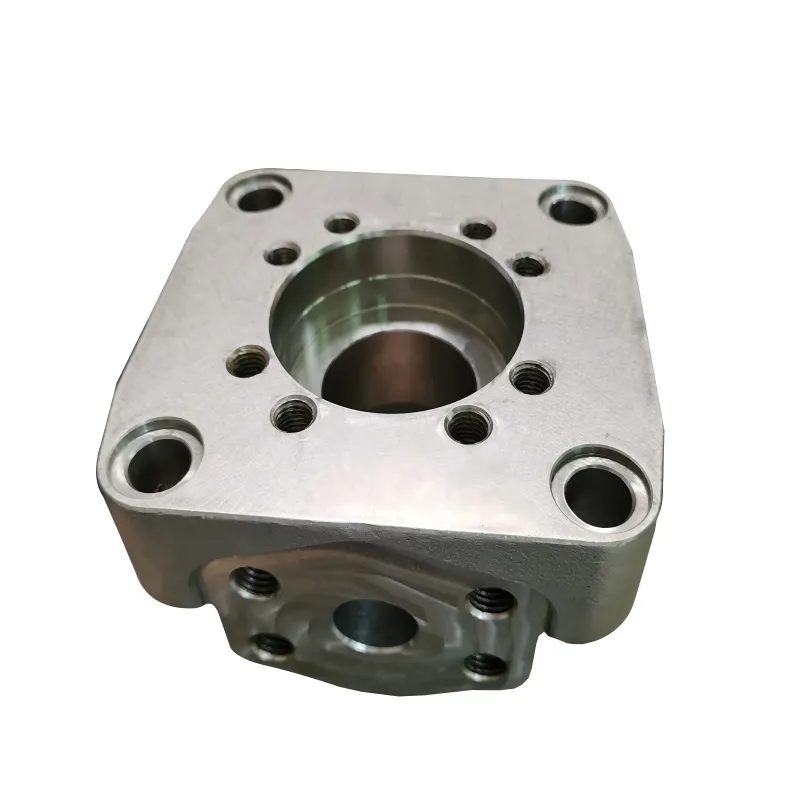
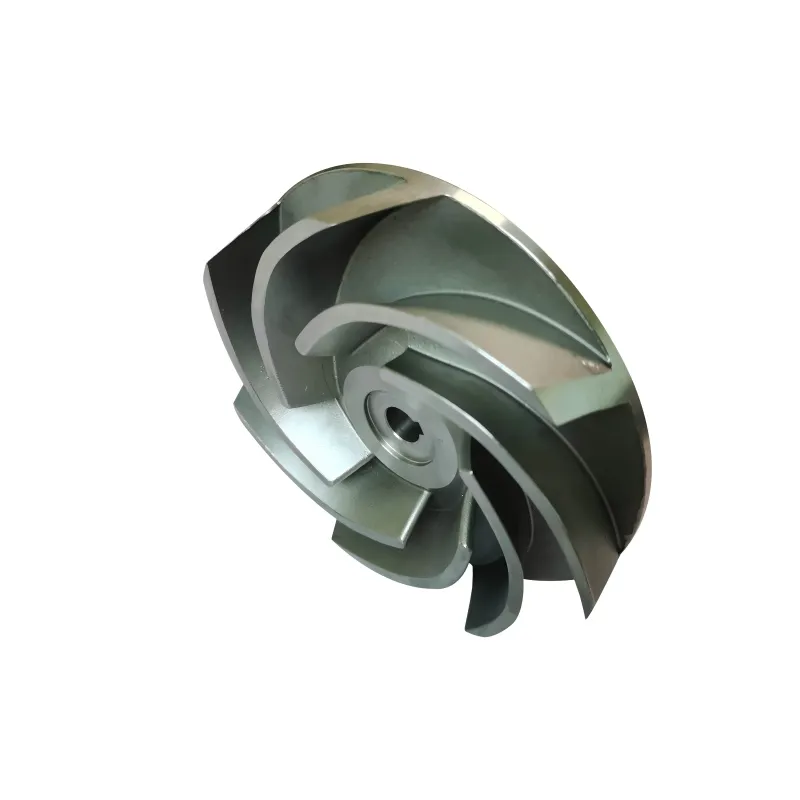
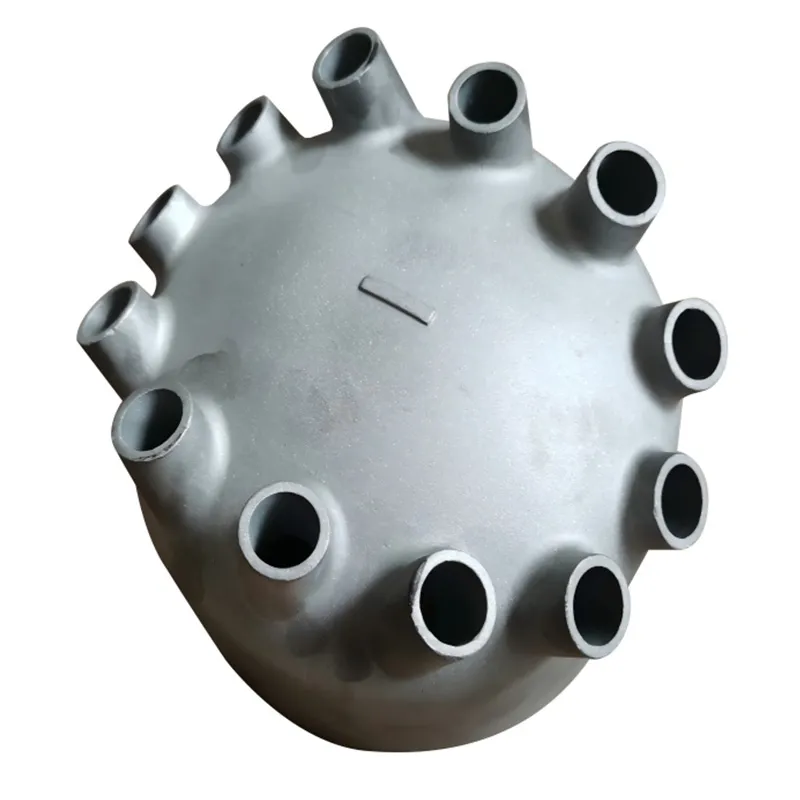
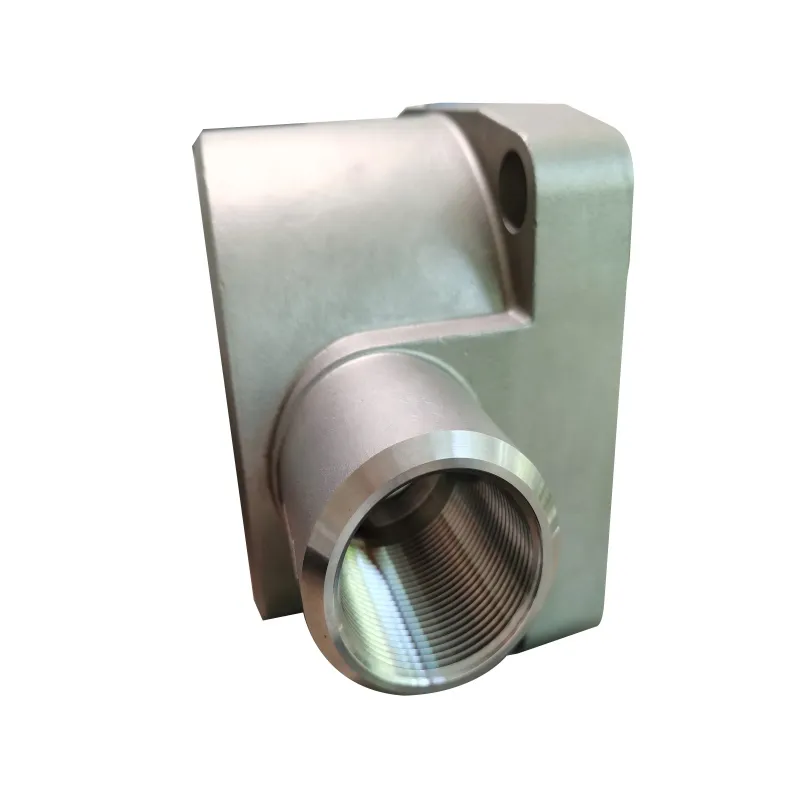
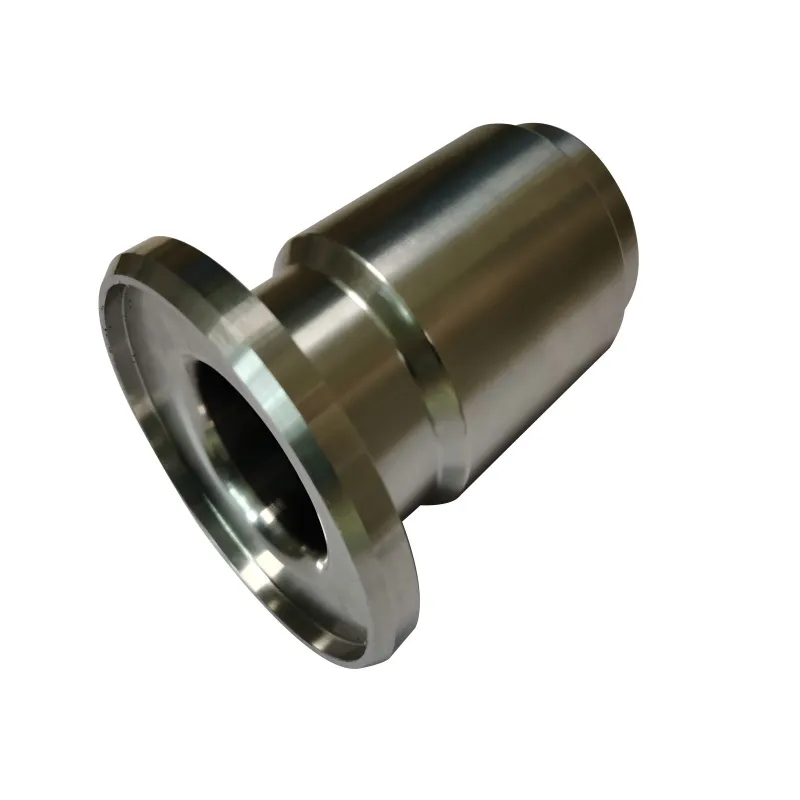
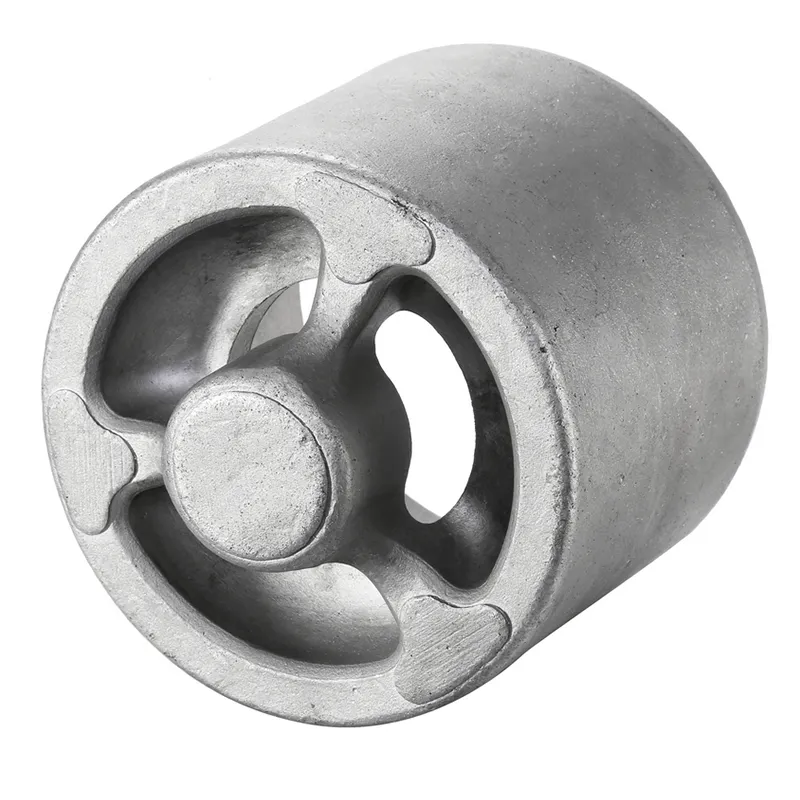
When you say 'sand casting', most people picture a black-and-white film reel of a foundry floor, sparks flying, men shoveling sand. That's not wrong, but it's the tip of the iceberg. The real story is in the gritty details—the compromises, the problem-solving, the sheer breadth of what this process can and cannot do. It's not just about making a mold in sand; it's about managing a chaotic dance of heat, chemistry, and physics to get a usable part. Too many specs come in with sand casting assumed as the cheap, easy option for everything. That's a quick way to burn money and time. Let's talk about where it truly shines, where it falls flat, and what you really need to know before you commit.
The Core of It: Green Sand vs. No-Bake, and Why It Matters
If you're not deep in the foundry world, you might think sand is just sand. That's the first big divide. Green sand casting—the classic—uses moist, clay-bonded sand. It's fast, reusable, and dirt cheap for the mold material itself. But 'green' refers to the moisture, not eco-friendliness. The dimensional accuracy? Let's call it 'forgiving'. You get a decent surface finish for a casting process, but you're also dealing with higher moisture-related defects if the sand isn't perfectly controlled. Gas holes, swellings—it's a constant battle of balance.
Then you have the no-bake sand casting systems. Resin-bonded sands. These give you a much more dimensionally stable mold, better accuracy, and a finer surface finish. The trade-off? Cost per mold is higher, and the sand reclamation gets trickier. You don't choose between them based on a textbook; you choose based on the part geometry, the alloy, and the required quality level. For a simple gray iron manifold, green sand is probably fine. For a complex low-volume steel component where machining stock is critical, you're likely looking at a no-bake process, maybe even a hybrid like the shell molding QSY does, though that's a different beast.
I remember a job for a pump housing, mid-volume, in ductile iron. The drawing called for tight tolerances on the bore locations. We quoted it as no-bake. The client pushed back, wanted the cheaper green sand quote. We tried a sample run. The variation in the as-cast dimensions was all over the place. The machining shop couldn't hold location because the stock allowance wasn't uniform. We ended up eating cost to switch to no-bake mid-production. The lesson? The 'cheaper' process isn't cheaper if it wrecks your downstream operations. This is the kind of practical calculus a shop like Qingdao Qiangsenyuan Technology (QSY), with their decades in casting and machining, does instinctively—they see the whole chain, not just the pour.
Material Choices: It's Not Just About Melting Point
You can throw almost any metal that pours into a sand mold. Cast iron, steels, stainless, bronzes, aluminum. The catch is how the material behaves with the sand. High-temperature alloys, like the nickel-based ones QSY lists, introduce a whole other layer of complexity. The heat transfer is different. The metal stays liquid longer, which can lead to more sand burn-in and penetration, ruining the surface. You might need special facing sands or coatings—zircon-based, often—which adds cost and steps.
Aluminum sand casting is its own world. It seems easy because of the lower temperature, but it's prone to shrinkage porosity and dross inclusions if the gating and risering isn't designed perfectly. The fluidity is great, so it fills thin sections well, but that also means it's quick to show any turbulence-related defects. For aluminum, the quality of the melt treatment (degassing, grain refinement) before it even touches the sand is 50% of the battle. A foundry that does a lot of aluminum will have a completely different setup and skill set than one specializing in steel castings.
We once experimented with a cobalt-based alloy for a wear plate. The alloy itself was a nightmare to source. The sand casting process was the only viable route due to the part size. The biggest issue was hot tearing. The alloy's solidification range and the restraint from the sand mold created cracks every time. We had to redesign the part geometry to have more uniform wall thickness, add strategic padding (extra material) in certain areas just to be machined off later, and use a highly collapsible sand mix. It worked, but the yield was terrible. It highlighted that with exotic alloys, sand casting is often a compromise between geometric freedom and material integrity.
The Pattern: The First and Most Critical Investment
Everything starts with the pattern. Wood, plastic, metal, or nowadays, 3D-printed sand molds directly. The pattern cost is your first sunk cost. For prototype or very low volume, machined foam (expendable pattern) or 3D-printed sand molds are game-changers. But for production, you need a durable pattern. The finish on the pattern directly translates to the finish on the casting. Any scratch, any imperfection, gets replicated.
Draft angles. This seems like Foundry 101, but you'd be amazed how many engineers forget to add adequate draft, or worse, design negative draft. In green sand, you need more draft because you're ramming the sand around the pattern—you need to pull it out cleanly. In no-bake, you can sometimes get away with less because the mold is cured and rigid. A half-degree can be the difference between a pattern that lasts for thousands of molds and one that gets destroyed on the fiftieth pull.
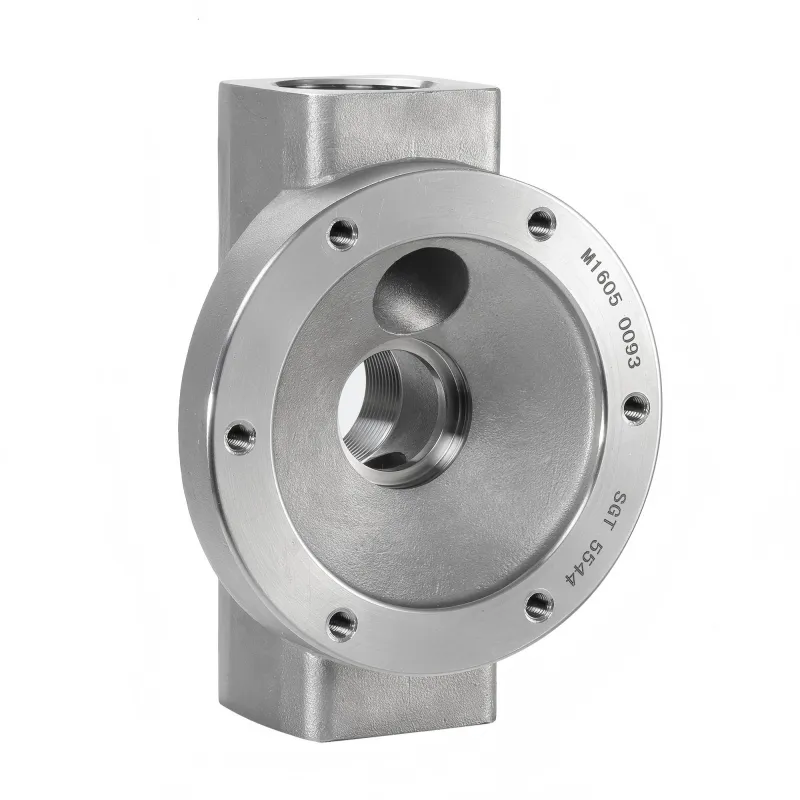
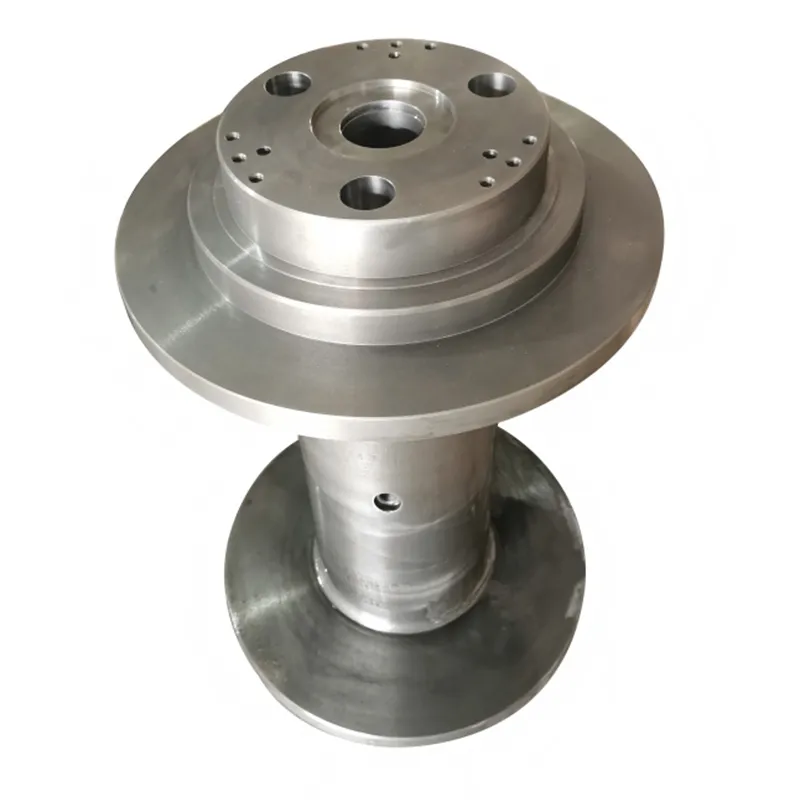
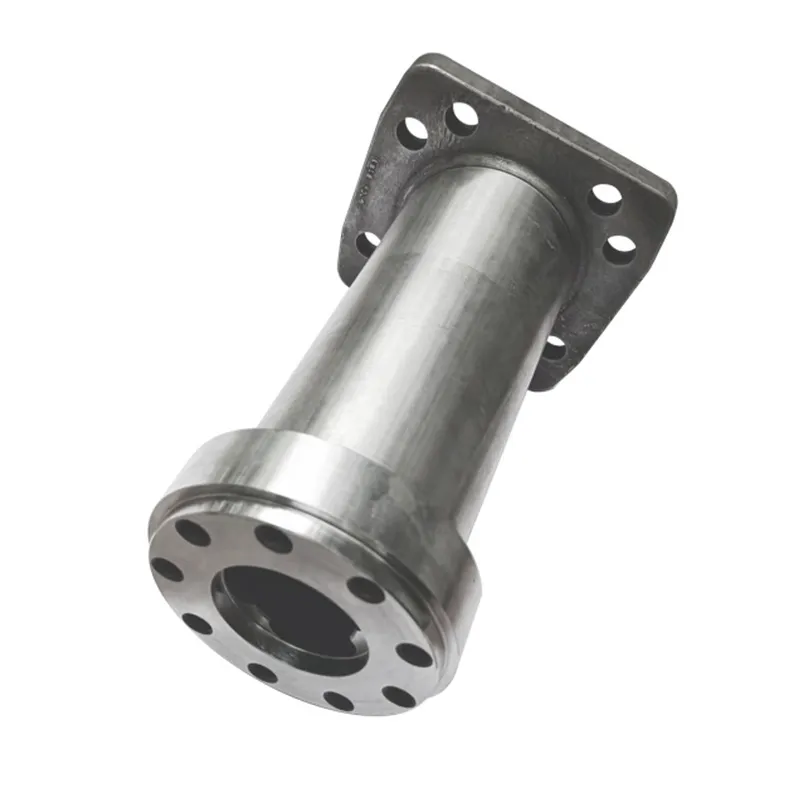
Pattern allowance. This is pure experience. You're adding extra material (the machining allowance) to the pattern so the casting comes out oversized, ready for the CNC machines. But how much? It depends on the part size, the alloy (shrinkage rate), and the expected mold wall movement. For a large steel casting, you might add 3-5mm per surface. Get it wrong, and you either leave too much stock, wasting machining time and tool life, or too little, resulting in a 'skin' defect where the tool can't clean up the as-cast surface. This is where integrated shops have a huge advantage. A company that does both the sand casting and the CNC machining in-house, like QSY, can optimize this allowance based on their own historical data from their machine shops, not on a guess. They close the loop.
Gating and Risering: The Invisible Art
This is the black magic of foundry work. It's where science meets art, and sometimes, prayer. The gating system—the channels that guide the metal into the mold cavity—needs to fill the mold quickly but quietly. Turbulence is the enemy; it causes oxide inclusions and sand erosion. You want laminar flow. The risers (or feeders) are the reservoirs of hot metal that feed liquid into the casting as it solidifies, preventing shrinkage cavities.
There's software for this now, solidification simulation, and it's incredibly valuable. But it's still a guide. The real test is cutting up a sample casting, a 'saw cut', to see if the risers worked, if the metal fed properly. I've seen beautifully simulated fill patterns fail in reality because the sand permeability was off that day, or the pouring temperature was 20 degrees Celsius lower than planned.
A classic failure was a thick-walled steel bracket. We placed a top riser, logic said it should work. The casting passed visual inspection. Under X-ray? A massive shrinkage cavity right in the middle of the thick section. The riser had frozen off too early; it didn't stay liquid long enough to feed that hot spot. The fix wasn't a bigger riser, but changing its shape to a 'neck-down' design that stayed hot longer, and using an exothermic riser sleeve to concentrate heat. It's these tiny, unglamorous details—sleeve types, chills (metal pieces placed in the sand to draw heat), and filter placement—that separate a scrap part from a sound one.
Post-Cast Reality: Cleaning, Finishing, and the Machining Handoff
The part comes out of the sand, and the real work begins. Shakeout, cutting off the gates and risers (gates are often removed with a bandsaw or an abrasive cutter, risers might need a torch for steel), shot blasting to clean the surface. This is labor-intensive and often overlooked in planning. A complex geometry with internal passages is a nightmare to clean. Sand gets trapped. If you're doing a valve body, you better have good core design and knockout provisions, or you'll be spending hours with pneumatic chisels and rods.
The surface finish from sand casting is, frankly, rough. It has a characteristic texture. For many applications, it's fine. For others, it needs to be machined off. This is the critical link. The casting must be designed for clamping in a CNC mill or lathe. You need locating pads, machined surfaces established as datums. If the foundry and machine shop are separate entities, this handoff is fraught with finger-pointing. Your casting is warped. Your machining fixturing is wrong.
This integrated approach is what makes a supplier like QSY compelling. They take a raw casting from their own foundry floor, design the machining process around the known variables of their sand casting process—the likely distortion, the exact location of the parting line, the residual stress state—and machine it. They control the variables from pour to finished part. For an engineer sourcing a component, that continuity reduces risk dramatically. You're not just buying a casting; you're buying a process flow that has been debugged over 30 years of making similar parts, from shell molding for precision to sand casting for bulk and size, all the way through to the final machined dimension.
So, When Do You Choose Sand Casting?
It's not the answer to every metal part question. It's for when you need geometric complexity that can't be easily forged or machined from stock, but you don't need the ultra-fine resolution of investment casting. It's for medium to large parts, from a few kilograms up to many tons. It's for alloys that are difficult to process other ways. It's for when tooling cost for die casting is prohibitive for your volume.
It's a process of managed imperfection. You accept some draft, some added stock, some surface roughness, in exchange for design freedom and relatively low tooling cost. The key is working with a foundry that understands these trade-offs at a gut level, that can guide the design, and that has the downstream capabilities to deliver a finished component, not just a rough casting. That's the modern reality of this ancient process. It's not about shovels and sparks anymore. It's about integrated material science, engineering, and a deep, sometimes frustrating, hands-on knowledge of what happens when 1500-degree metal meets bonded sand.
In the end, successful sand casting is less about perfecting any single step and more about orchestrating all the imperfect ones so their flaws cancel out. You balance the sand's weakness against the metal's shrinkage, the pattern's cost against the part's volume, the casting's roughness against the machining allowance. Get that balance right, and it's still one of the most versatile and cost-effective ways to make a metal part there is. Get it wrong, and you're left with a very expensive paperweight.