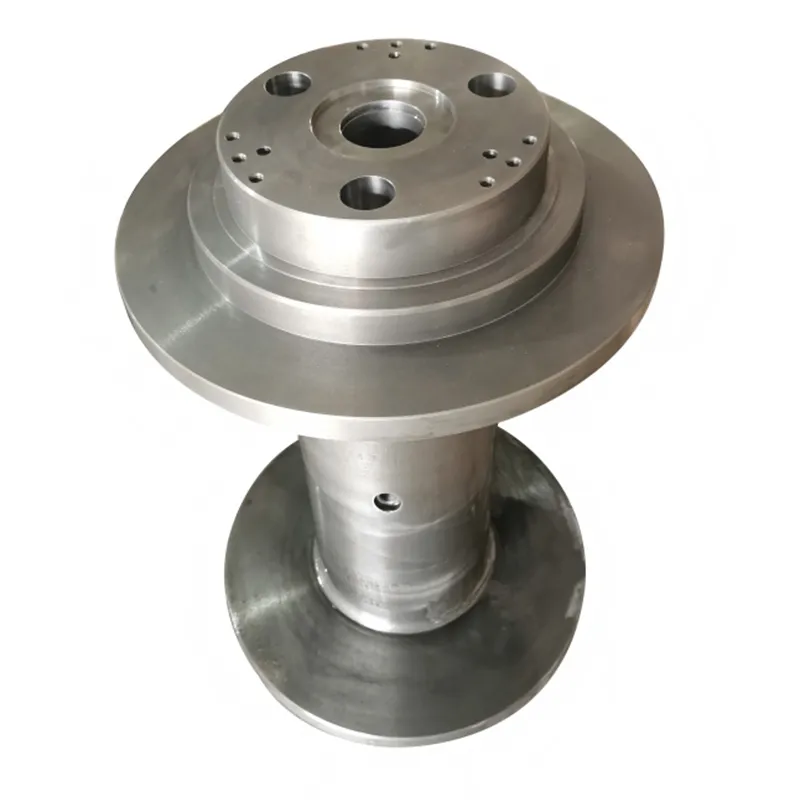
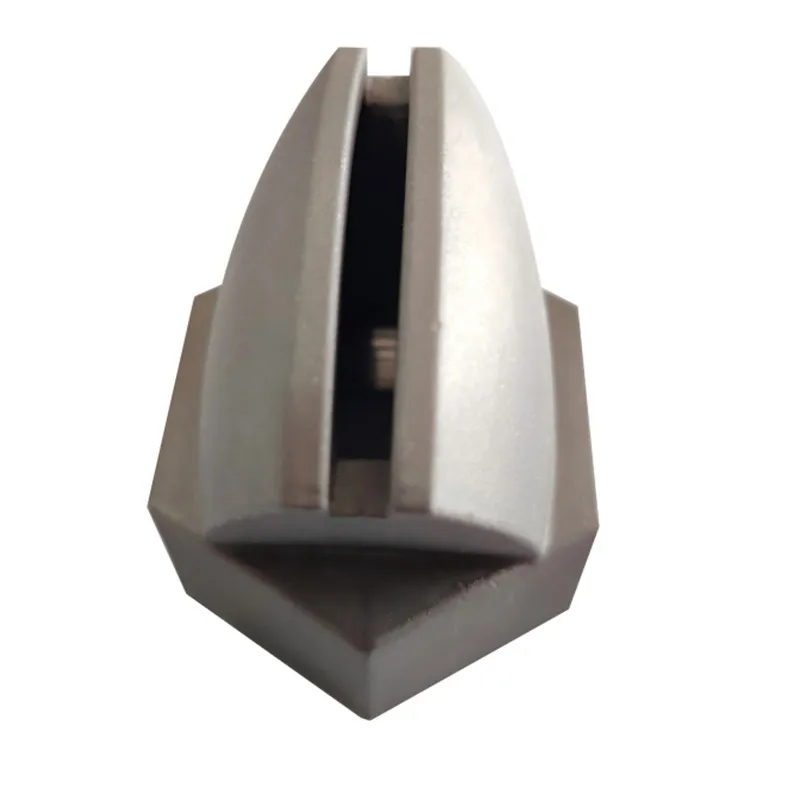
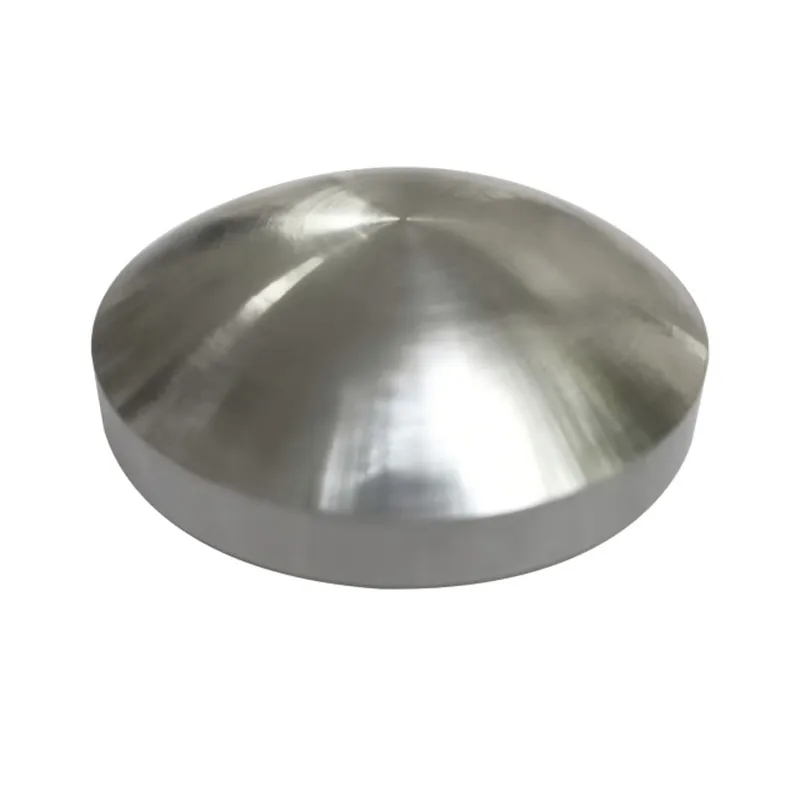
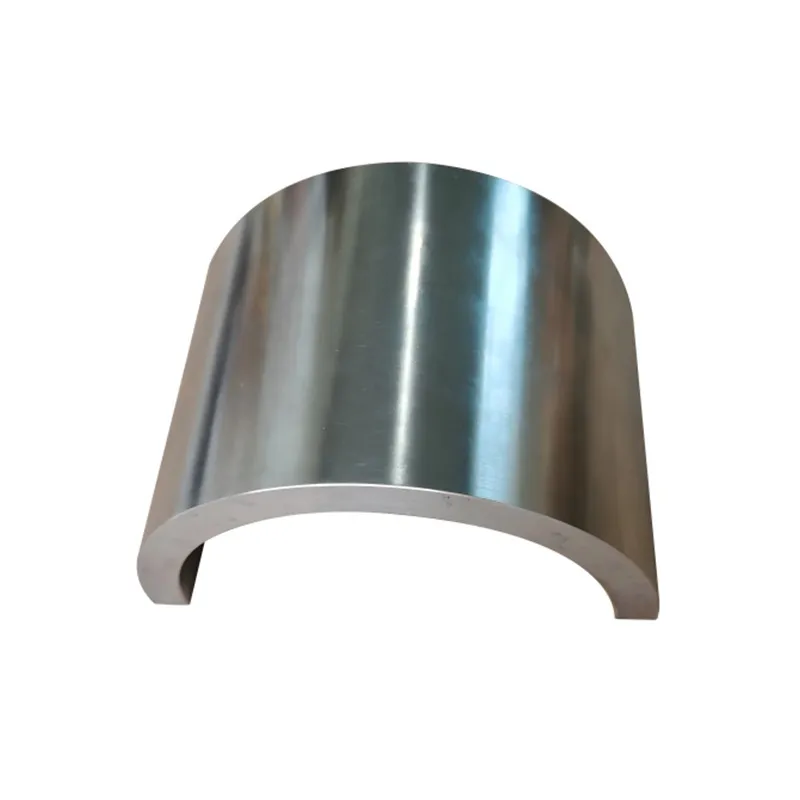
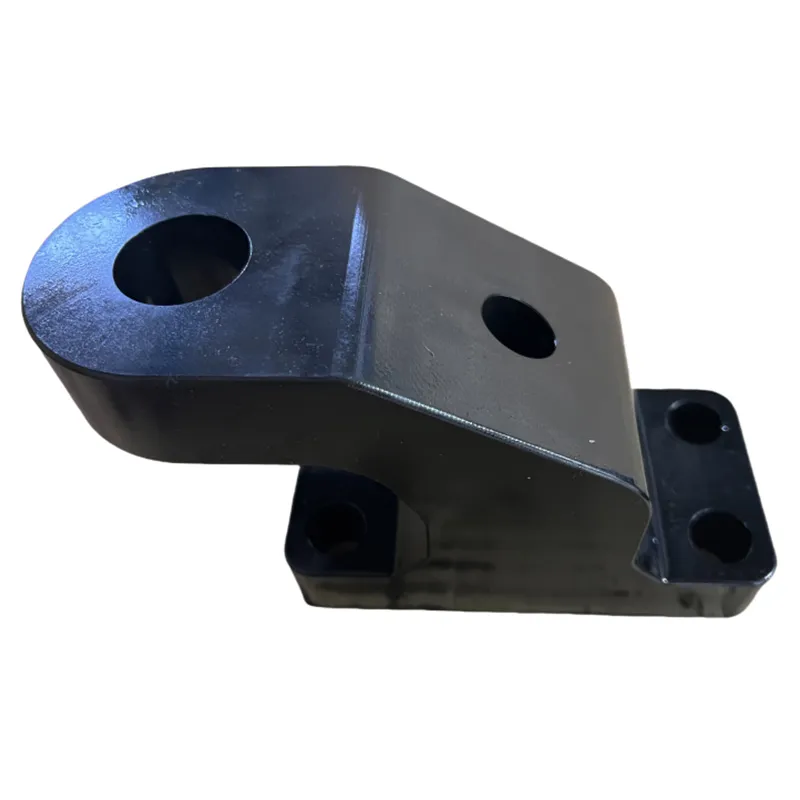
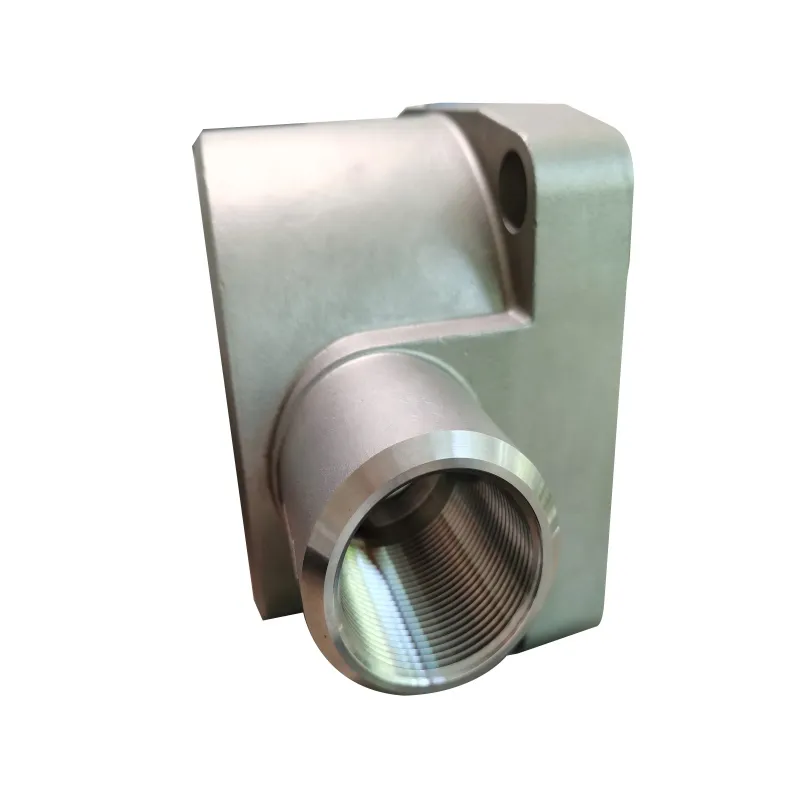
When most folks hear 'sand casting aluminum', they picture a simple, almost primitive process—dump molten metal into a sand mold, cool it, and you're done. That's the biggest misconception. The reality is a constant negotiation between the fluidity of the aluminum and the stubbornness of the sand, where success hinges on details most spec sheets never mention. It's not just a casting method; it's a series of calculated compromises.
The Sand Isn't Just Dirt, and the Aluminum Isn't Just Metal
Let's talk about the sand first. Green sand, resin-bonded, sodium silicate—each has its own personality. For general aluminum work, a good ol' green sand mix with proper clay and moisture control is the workhorse. But I've seen projects fail because someone treated the sand system like a static ingredient. It's a living system. The sand recycles, but it degrades, picks up contaminants from the binder burnout, and its permeability changes. If you don't monitor its properties batch to batch, you'll start getting surface defects, like scabbing or rat tails, that look like metal issues but are purely a sand problem.
Then there's the aluminum. 'Aluminum' is too broad. Are we talking A356 for its excellent castability and heat treatability? Or maybe 6061 for a specific machinability requirement, even though it's trickier to cast? The choice dictates everything—the pouring temperature, the gating system design, the solidification shrinkage. Pouring A380 at the same temp as A356 is a recipe for porosity. The alloy dictates the dance.
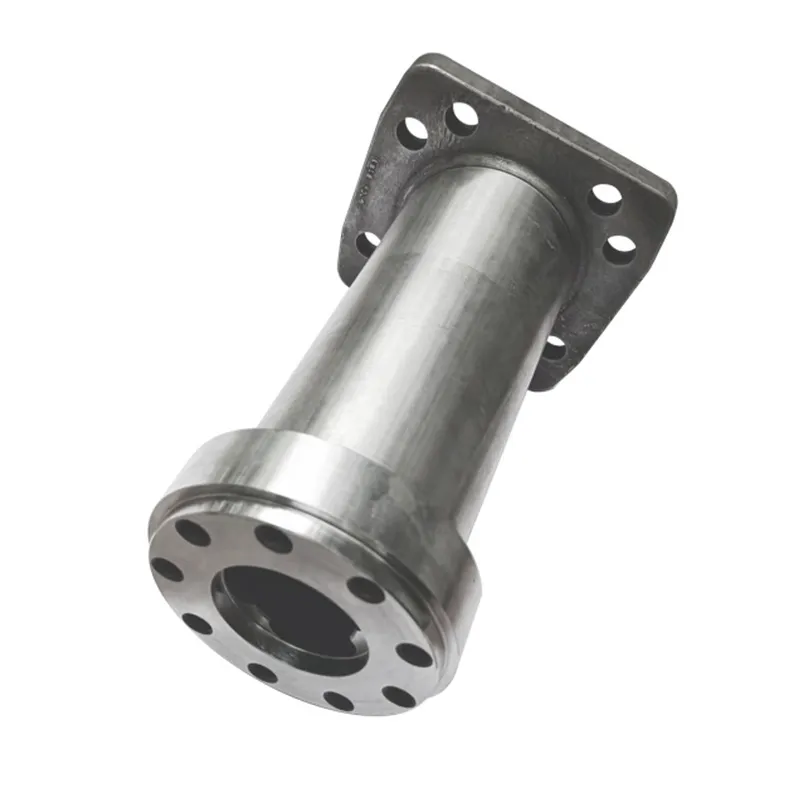
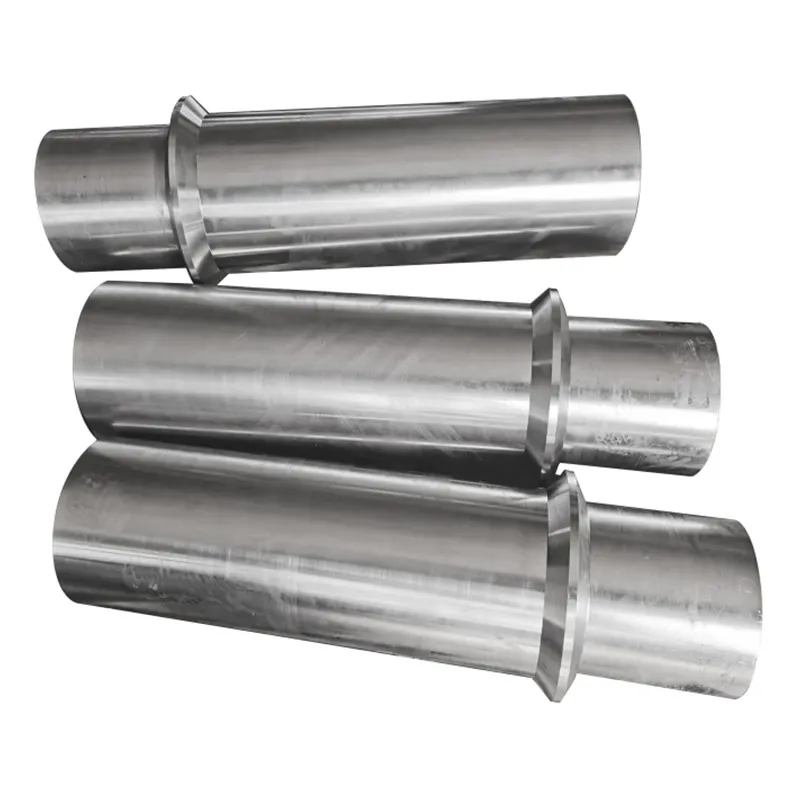
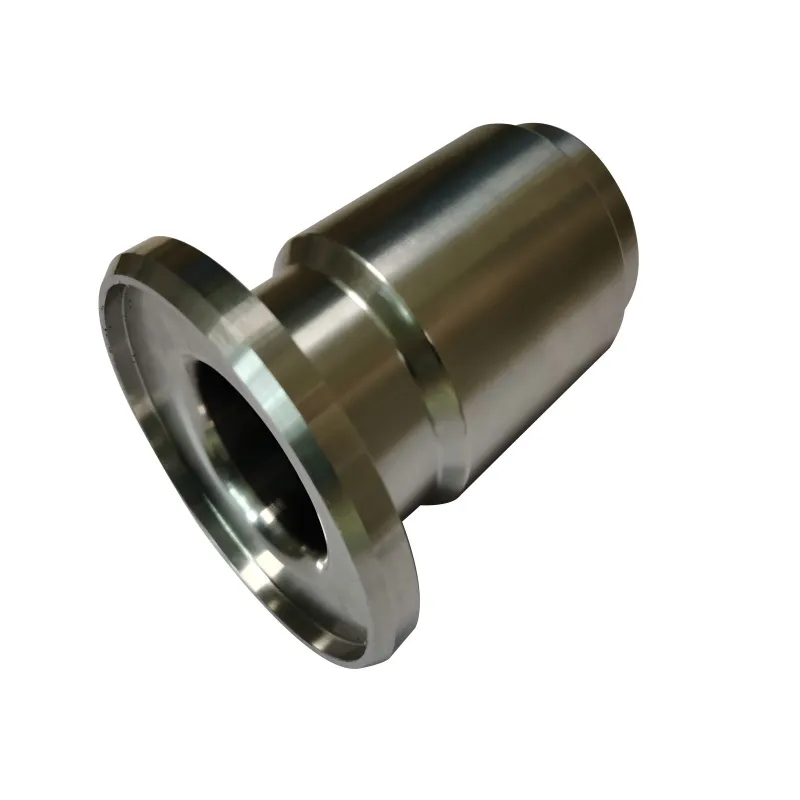
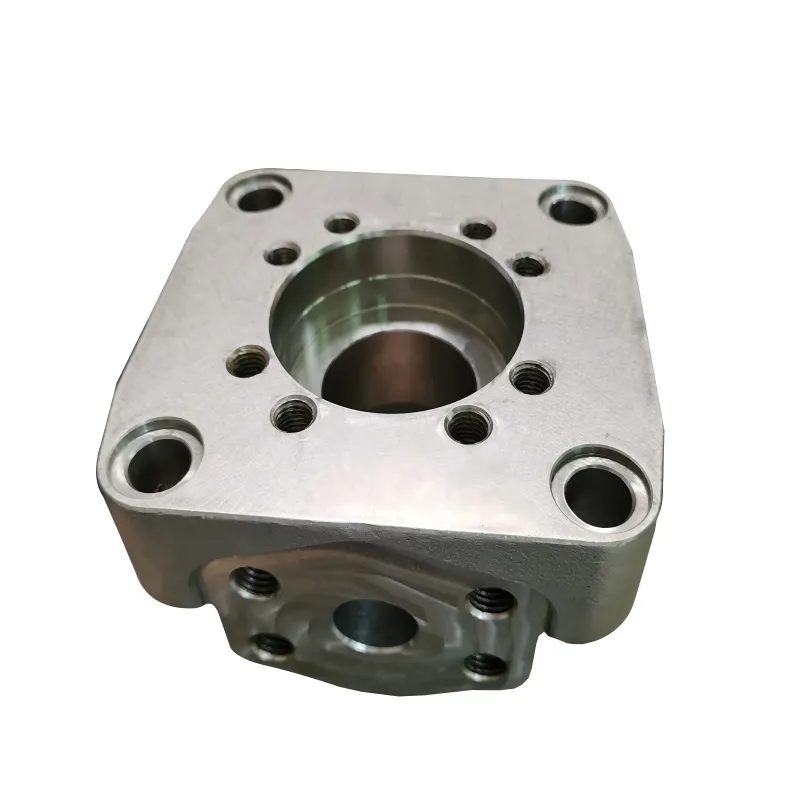
This is where experience from a full-service shop matters. A place like Qingdao Qiangsenyuan Technology Co., Ltd. (QSY), with their decades in casting and machining, gets this interplay. They wouldn't just look at a drawing for an aluminum housing; they'd consider the entire journey from molten metal to finished, machined part. The sand casting process sets the stage for all downstream CNC work. A poorly cast part with internal shrinkage or hard spots will murder tooling during machining, a cost often overlooked in cheap casting quotes.
Gating, Feeding, and the Art of Directional Solidification
This is the heart of it. You can have perfect sand and perfect alloy, but if your gating and risering (feeding) system is an afterthought, you'll scrap the part. The goal is directional solidification: making the metal solidify from the farthest point of the casting back toward the riser, which is a reservoir of hot metal that feeds shrinkage. For aluminum, this is critical because its shrinkage rate is significant.
I learned this the hard way early on with a thick-walled pump bracket. The casting looked sound, but during pressure testing, it leaked. Sectioning it revealed a spongy center of micro-shrinkage porosity. The problem? The riser was too small and placed wrong; it solidified before the thick section of the bracket did, so there was no liquid metal left to feed that shrinkage. The fix wasn't just adding more metal; it was redesigning the gating to control the thermal gradient. We used chills—metal inserts in the sand—to speed up cooling in specific areas and force solidification in the right direction.
Software simulation helps now, but it's not gospel. It gives you a trend, a prediction. You still need to interpret it with practical knowledge. Sometimes, the simulation shows a hot spot, and the textbook says add a riser there. But if that spot is in a thin web, adding a massive riser is overkill and creates a huge machining burden. Maybe the better solution is to slightly alter the part design with the customer, adding a small rib to redistribute the mass. That's the kind of value engineering a seasoned partner brings.
Where Sand Casting Hits Its Limits (And Where It Shines)
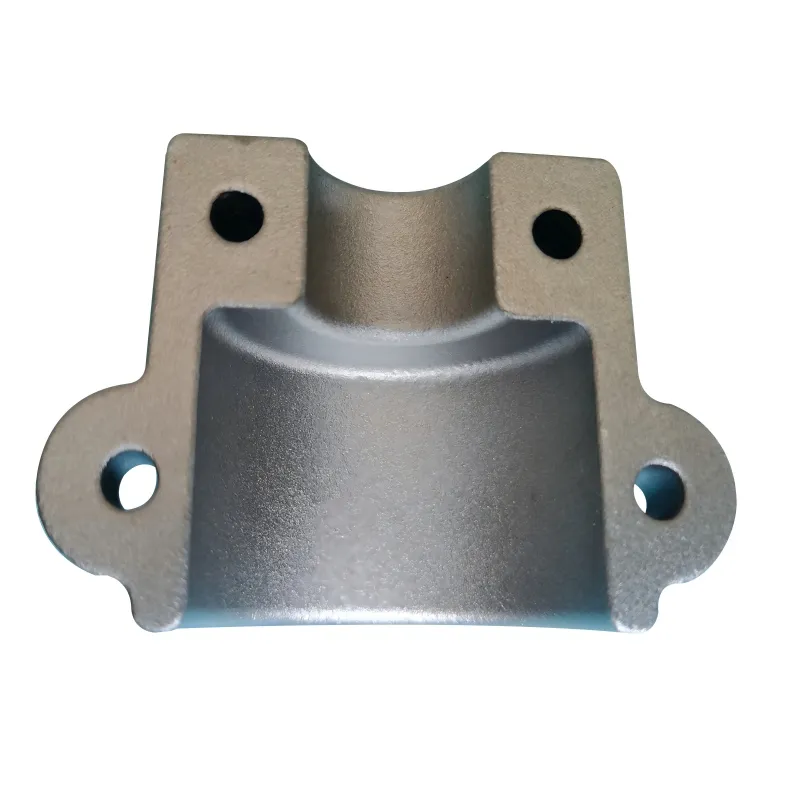
Sand casting aluminum is fantastic for low to medium volumes, for large parts, and for designs that would be prohibitively expensive to machine from solid billet. Think engine blocks, transmission cases, large structural frames. The surface finish won't be as smooth as investment casting or die casting, and dimensional tolerances are wider. You're trading off some precision for flexibility and lower tooling cost.
But the limit isn't just size or tolerance. It's geometric complexity. Deep, narrow pockets? Undercuts? These are nightmares for a simple two-part sand mold. You start adding cores—separate sand shapes inserted into the mold. Each core adds cost, complexity, and a new source of potential defects (like core shift or gas from the core binder). I recall a project for a complex valve body where the core assembly had six separate pieces. The yield rate was terrible until we switched the core binder material to one that produced less gas and increased the core print dimensions (the registration points) for better stability.
This is why companies that offer a range of processes, like QSY with their shell mold and investment casting capabilities, have an advantage. They can look at a part and honestly say, For this geometry and required surface finish, sand casting isn't optimal. An investment casting might save you total cost by reducing machining. That objectivity is crucial.
The Critical Handoff: As-Cast to Machined
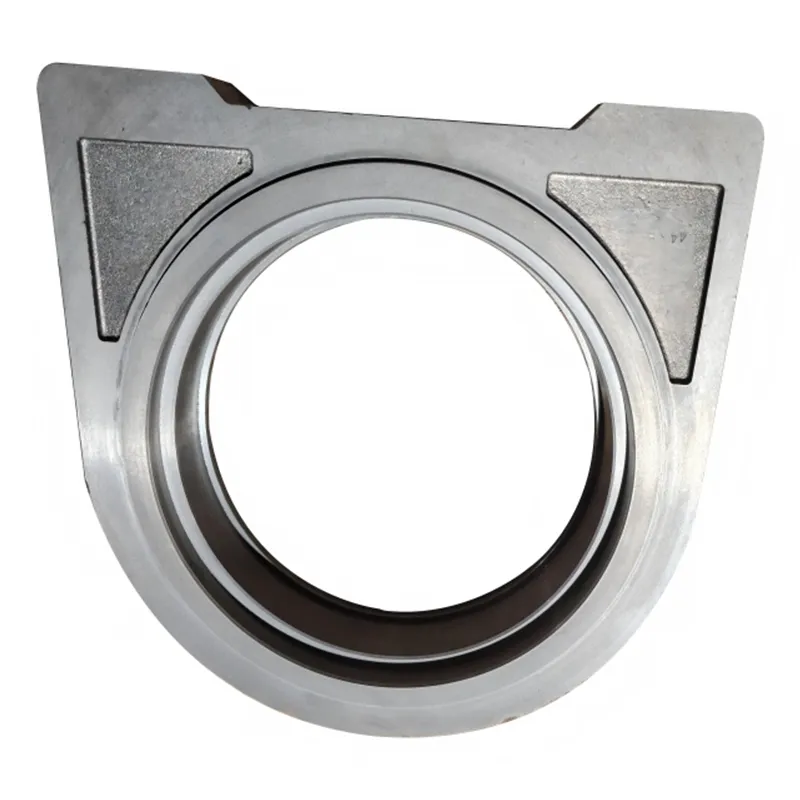
A casting isn't a finished part. Almost always, it needs machining. The relationship between the foundry and the machine shop can't be adversarial. The machinist needs to understand casting quirks—like the slight draft angles on vertical faces, the potential for hard spots near chills, or the non-uniform stock allowance. The foundry needs to understand what the machinist needs: consistent datum surfaces, enough stock for cleanup, and avoiding defects in critical bore areas.
Integrated operations solve this. If the same company that pours the casting also machines it, like the CNC machining services at QSY, the feedback loop is tight. The machining team tells the foundry, We're seeing tool wear every time we hit this junction. The foundry can investigate—maybe it's an alumina inclusion, maybe it's a localized chill effect—and adjust the process. This synergy is how you achieve reliability. It turns a sourced component into a manufactured solution.
I've been on projects where the casting was sourced from one vendor and machining from another. The finger-pointing when a batch failed was endless. Was it a casting flaw or a machining error? An integrated provider owns the entire process, and that accountability translates to quality.
Material Isn't an Island: When Aluminum Isn't Enough
Finally, a thought on materials. While we're focused on aluminum, a good foundry doesn't think in silos. Sometimes, what starts as an aluminum sand casting specification evolves. Maybe the part needs to withstand higher temperatures or more corrosion. Having expertise in other materials, like the stainless steel and special alloys (nickel-based, cobalt-based) that QSY lists, provides a broader perspective. They might suggest that for a particular high-wear surface on an aluminum part, a different alloy insert could be cast-in or machined later. It's about having the full toolkit to solve the client's performance problem, not just their stated process request.
So, sand casting aluminum? It's a deceptively deep field. It's about managing the behavior of sand, directing the solidification of a shrinking metal, designing for manufacturability from the start, and ensuring the cast part is a perfect precursor for its final machined form. It's messy, hands-on, and full of variables. But when it all clicks, and you pull a sound, clean casting from the sand, ready for precision machining, that's the real payoff. It's not primitive; it's foundational.