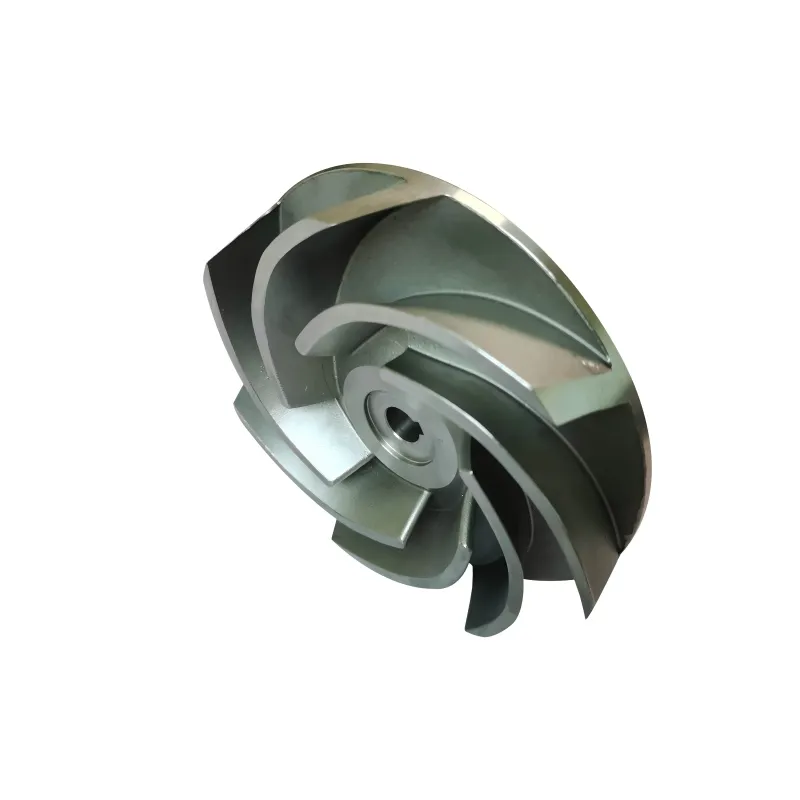
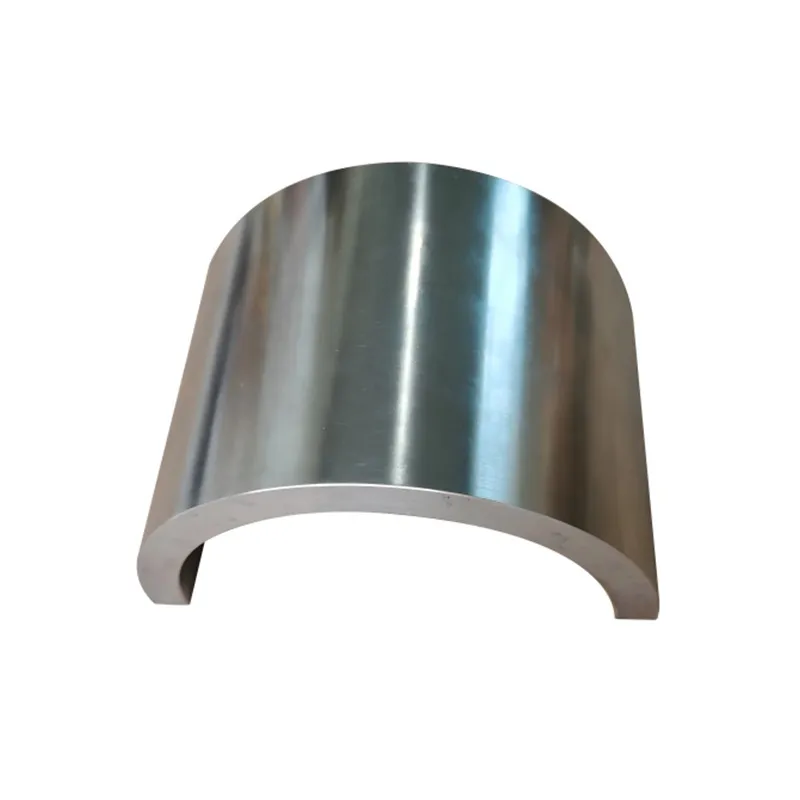
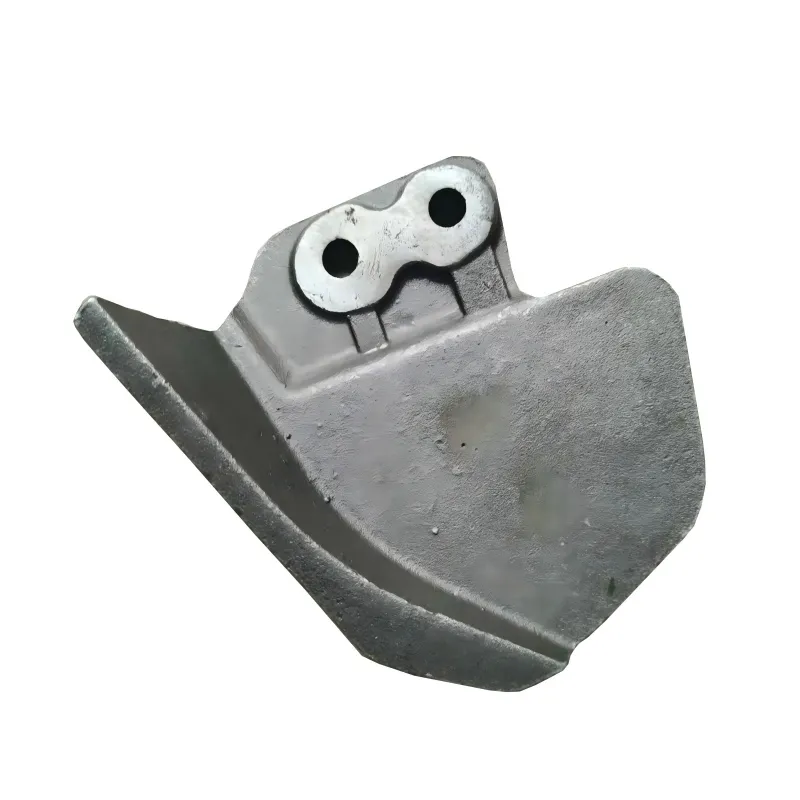
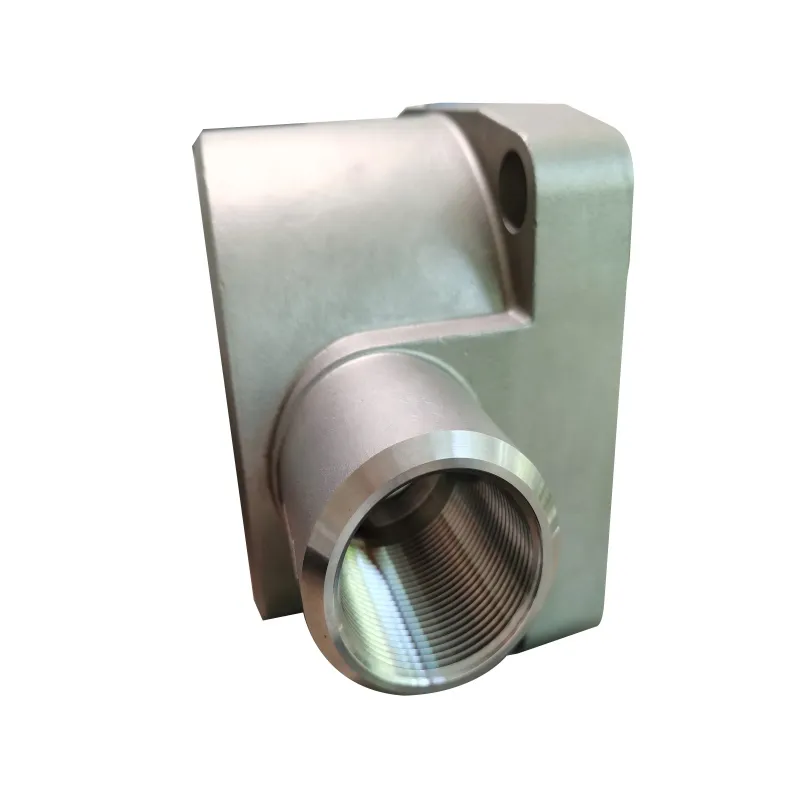
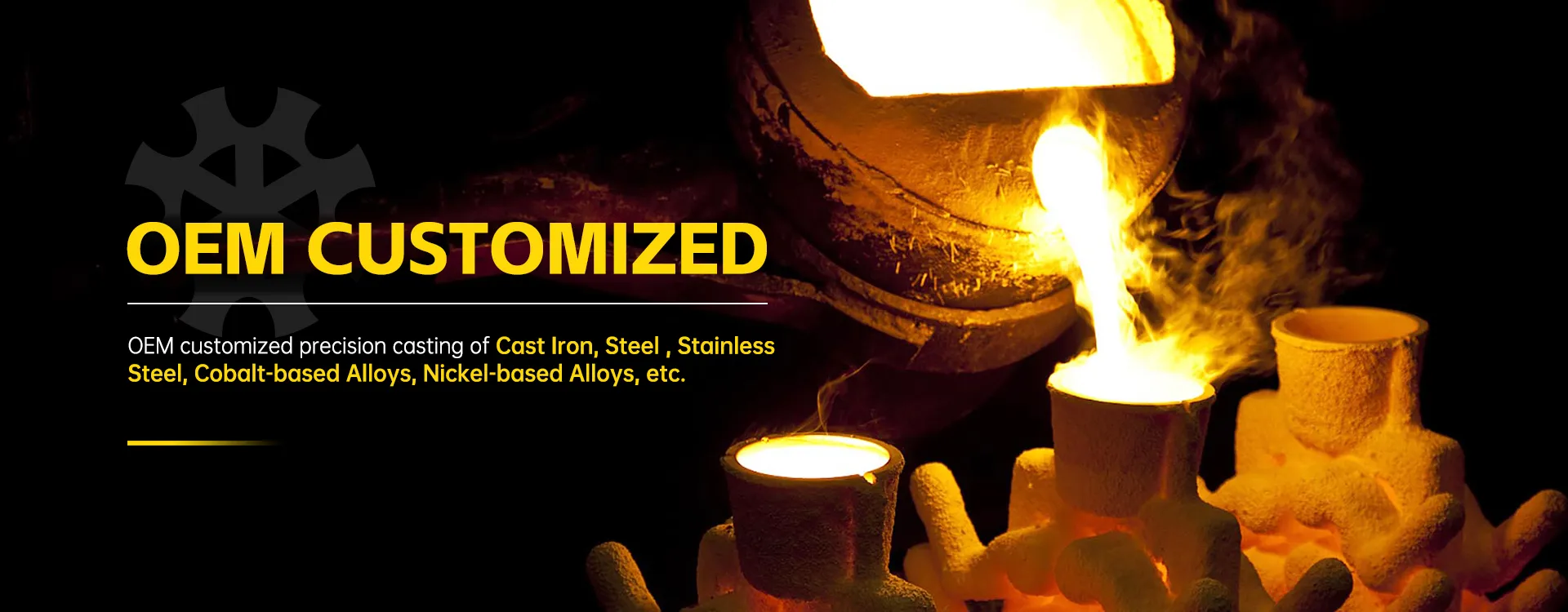
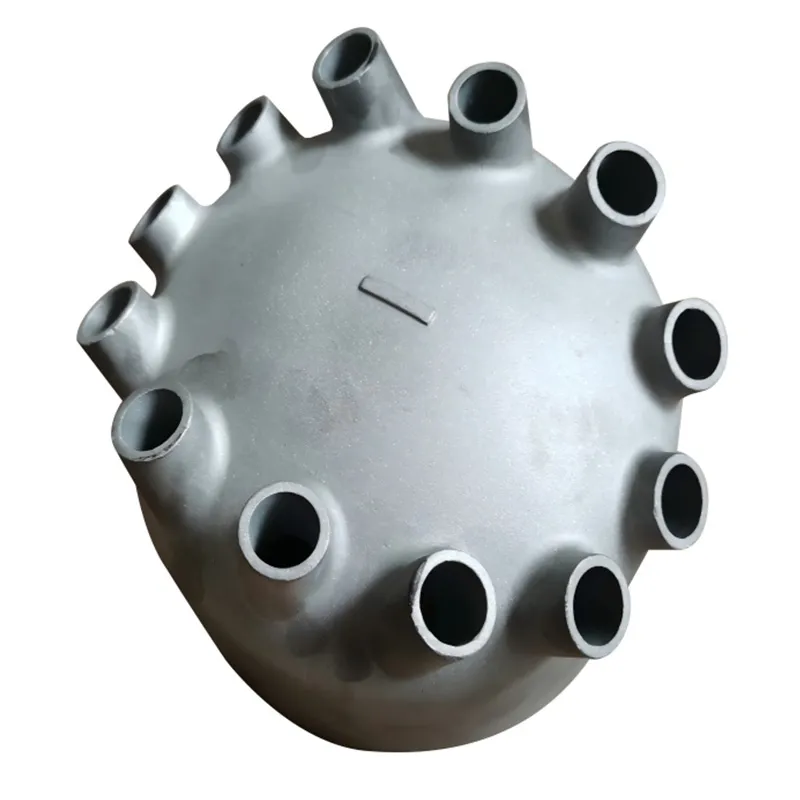
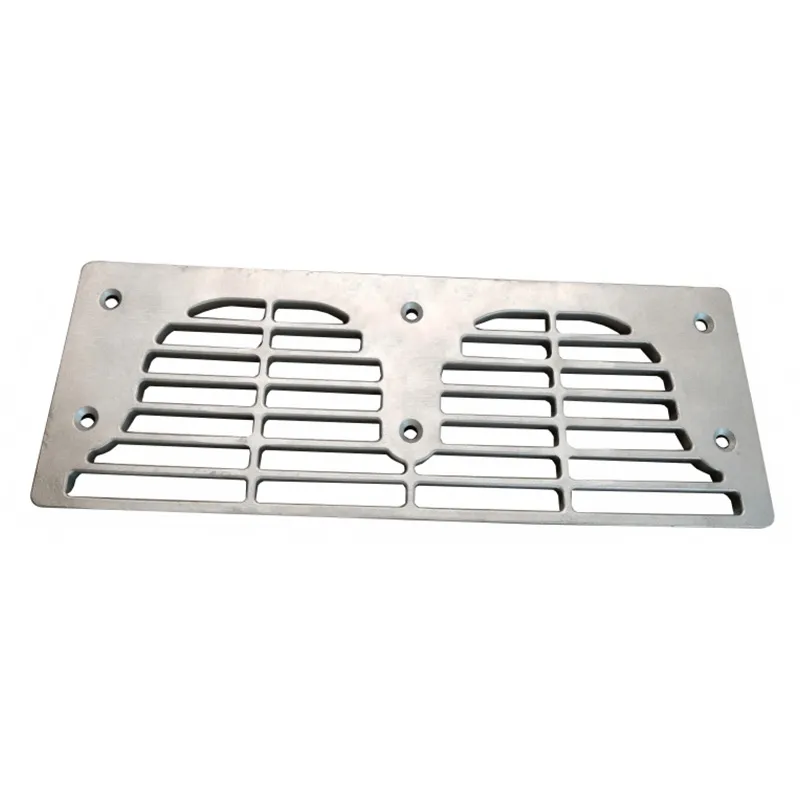
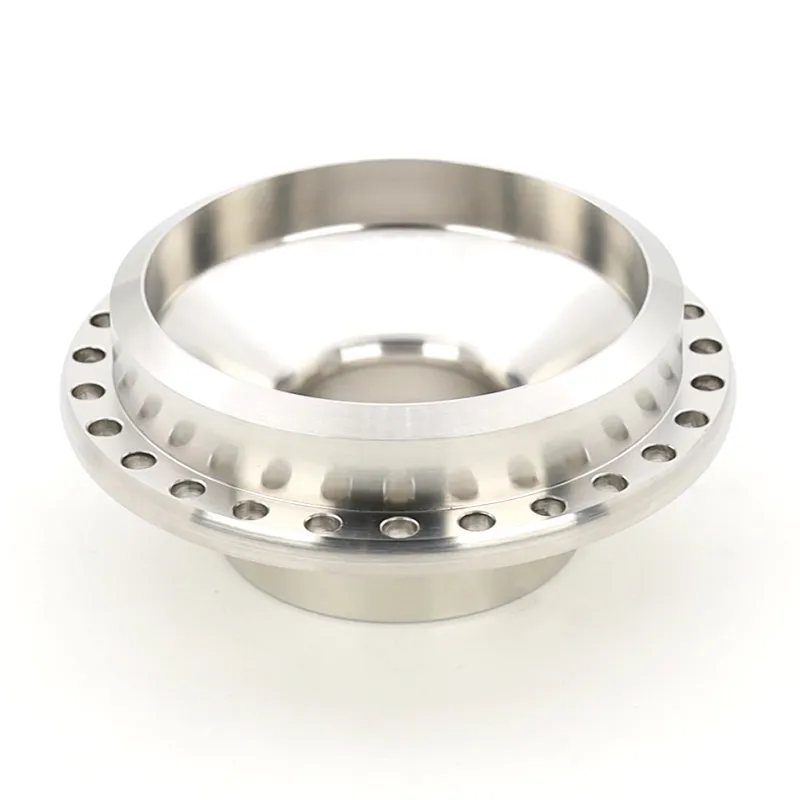
When most people hear 'sand casting companies', they picture a dark, dusty foundry floor, just pouring metal into sand molds. That's the classic image, but it's only about 20% of the story today. The real challenge, and where many projects get derailed, isn't the casting itself—it's everything that happens before the metal hits the sand and long after it cools. It's the design feedback, the patternmaking, the post-casting machining, and the material science behind it. If you're just buying a casting, you're probably leaving value—and reliability—on the table.
The Core Misconception: It's Just a Commodity
A lot of procurement teams treat sand casting as a simple buy. Send a drawing, get a quote, pick the cheapest, wait for parts. That approach is a recipe for headaches. The sand casting process is incredibly versatile, but that versatility means the outcome is hyper-dependent on the foundry's expertise. The grain size of the sand, the binder system (green sand vs. resin-bonded, for instance), the gating design—these aren't minor details. They dictate the mechanical properties, surface finish, and the likelihood of hidden defects like shrinkage porosity.
I've seen beautifully designed parts fail in testing because the foundry chosen based on price used a less suitable sand system for the geometry, leading to inconsistent cooling. The drawing called for a certain grade of ductile iron, and the chemistry report matched, but the microstructure was poor because the cooling rate in the mold wasn't right. The foundry did exactly what was on the print, but the print didn't—and couldn't—specify the foundry process parameters. That's the gap.
This is where the longer-established players differentiate themselves. It's not about having bigger furnaces; it's about having the metallurgical and process engineering in-house to guide the design. A company like Qingdao Qiangsenyuan Technology Co., Ltd. (QSY), for example, with their 30 years in casting and machining, likely has that ingrained process knowledge. You can find them at their site, tsingtaocnc.com. Their focus isn't just on making the mold; it's listed right there: they combine shell mold casting and investment casting expertise with CNC machining. That's a signal they're thinking about the entire manufacturing chain, not just the first step.
The Critical Link: From Casting to Machining
This is arguably the most overlooked cost driver. A sand casting comes out with draft angles, parting lines, and excess material (the gate and riser system). Machining it to final dimensions is a given. But if the casting supplier and the machine shop are separate entities, you get the blame game. The machinist finds a hard spot or a subsurface void, and it's a fight over whose fault it is—the foundry's for a bad casting or the machinist's for taking too heavy a cut.
Integrated suppliers, those true sand casting companies that also handle machining, eliminate that. They own the entire process from molten metal to finished part. At QSY, they explicitly mention working with cast iron, steel, stainless, and special alloys like cobalt and nickel-based ones. Machining these, especially the superalloys, is a specialty in itself. Having the casting and machining under one roof means they can optimize the casting design for machinability—maybe adding a little extra stock in a tricky area knowing their own CNC department will handle it. They've already factored in the distortion from heat treatment before the first cut is made. It's seamless.
I recall a valve body project in stainless 316. The initial samples from a foundry-only supplier machined poorly, with tool chatter and rapid insert wear. We brought the problem to an integrated provider. Their solution was subtle: they adjusted the cooling fins in the mold slightly to alter the solidification sequence, resulting in a more uniform hardness in the areas to be machined. The drawing didn't change, but the cast part was fundamentally more machinable. That kind of fix only comes from controlling both processes.
Material Selection Isn't Just a Drop-Down Menu
Clients often come in saying, I need it in stainless steel. Okay, but which one? 304 for general corrosion? 316 for chlorides? Or a CF8M cast equivalent? And is it for structural load or just fluid containment? The choice directly impacts the sand casting process. Austenitic stainlesses have high shrinkage rates—they need robust risering systems designed by someone who knows that specific alloy's behavior.
This is where the mention of special alloys on a company's profile matters. If a sand casting company lists nickel-based or cobalt-based alloys, it tells me they're likely dealing with high-temperature or highly corrosive service applications. Think turbine components, pump impellers for harsh chemicals. These aren't standard jobs. Pouring these alloys requires precise temperature control, often under protective atmospheres, and the sand mold chemistry must be compatible to avoid surface reactions. It's a different league from casting gray iron for a counterweight.
I made a mistake once, pushing for a proprietary nickel alloy for a high-heat fixture because the data sheet properties were perfect. I didn't consult deeply enough with the foundry first. It turned out the alloy was notoriously prone to hot tearing in thick sections with the sand system they used. We had to backtrack, switch to a more castable grade, and redesign for slightly different properties. The lesson: material selection is a dialogue with the foundry's metallurgist, not a solo engineering decision.
The Unsexy Details That Make or Break a Project
Patternmaking. It's the upfront cost everyone wants to minimize, but it's the foundation of everything. A cheap, warped wooden pattern will produce inconsistent molds forever. For production runs, the investment in a durable, dimensionally stable metal pattern (often aluminum or iron) is non-negotiable. Good sand casting companies will be upfront about this. They might even manage the patternmaking for you, which is a huge benefit.
Then there's quality documentation. A commercial-grade casting might just get a visual inspection. A critical component needs a material cert (mill test report), possibly radiographic or ultrasonic testing for internal soundness, and first-article inspection reports. You need to know what level you need and ensure the supplier's capabilities match. A shop that also does precision machining is typically set up for this level of documentation, as it's standard in machining job shops.
Lead time is another practical hurdle. People think sand casting is fast because it's a simple process. Creating a new pattern, qualifying the first articles, setting up the molding lines—that takes time. The actual pouring is quick. Realistic scheduling from a professional supplier accounts for all these steps. The promise of two-week lead time for a new, complex part is usually a red flag.
Looking at a Real-World Operation
Let's circle back to that example of Qingdao Qiangsenyuan Technology Co., Ltd. (QSY). Their listed capabilities on tsingtaocnc.com paint a picture of a specific type of operation. They mention shell mold casting, which is a step above conventional green sand in terms of dimensional accuracy and surface finish. It's often used for medium-volume, more complex parts. Pairing that with investment casting (for even higher precision) and full CNC machining suggests they're targeting the market segment that needs ready-to-install components, not rough castings.
Their material range—from common cast irons and steels to exotic alloys—indicates a flexible melting setup, probably induction furnaces that can switch between alloys with proper cleanouts. For a buyer, this is key. It means if your prototype starts in carbon steel but needs to move to stainless for corrosion, you might not need to find a new supplier. They can handle that transition, understanding the different casting characteristics.
The takeaway when evaluating any sand casting company is to look for this kind of vertical integration and material breadth. It's not a guarantee of perfection, but it's a strong indicator they understand the full lifecycle of a part. They've probably solved the problems of alignment between casting and machining, and they've likely dealt with the headaches of material certification. In this field, that accumulated, practical problem-solving history—the kind that comes from 30 years of operation—is the most valuable asset they, and you as the customer, can have. It turns a simple casting purchase into a manufacturing partnership.