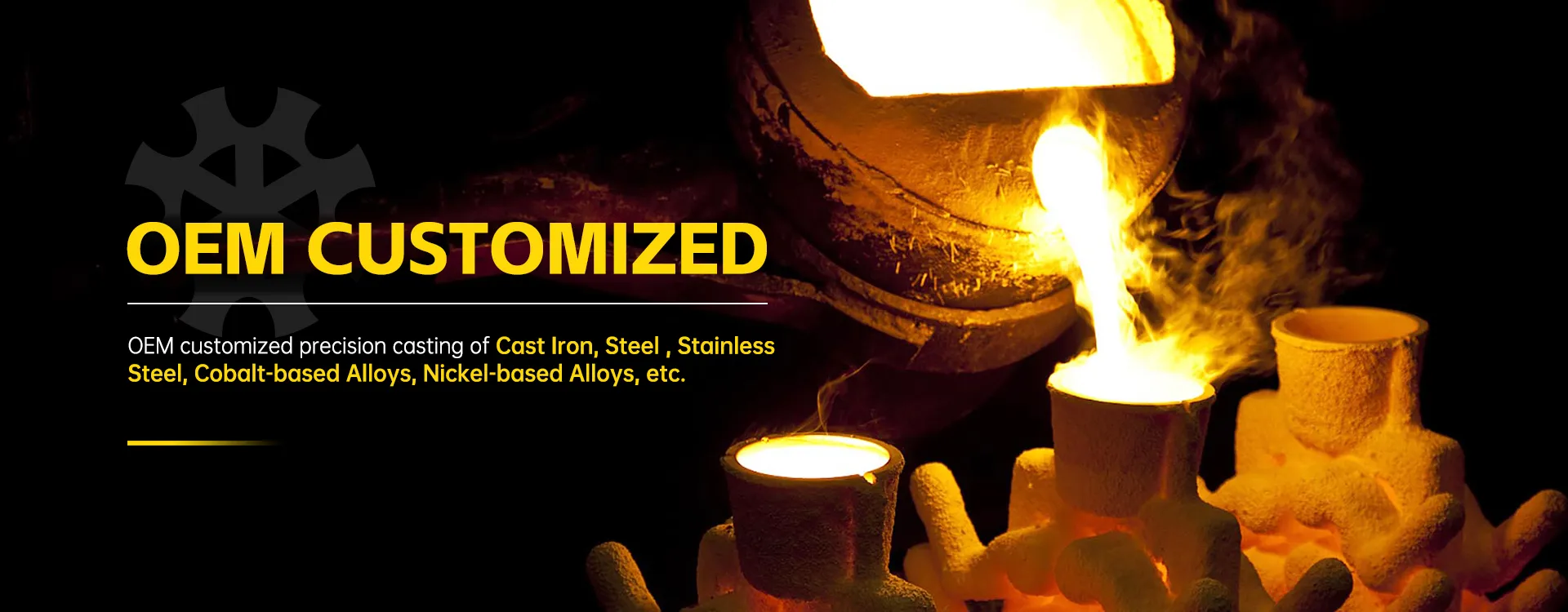
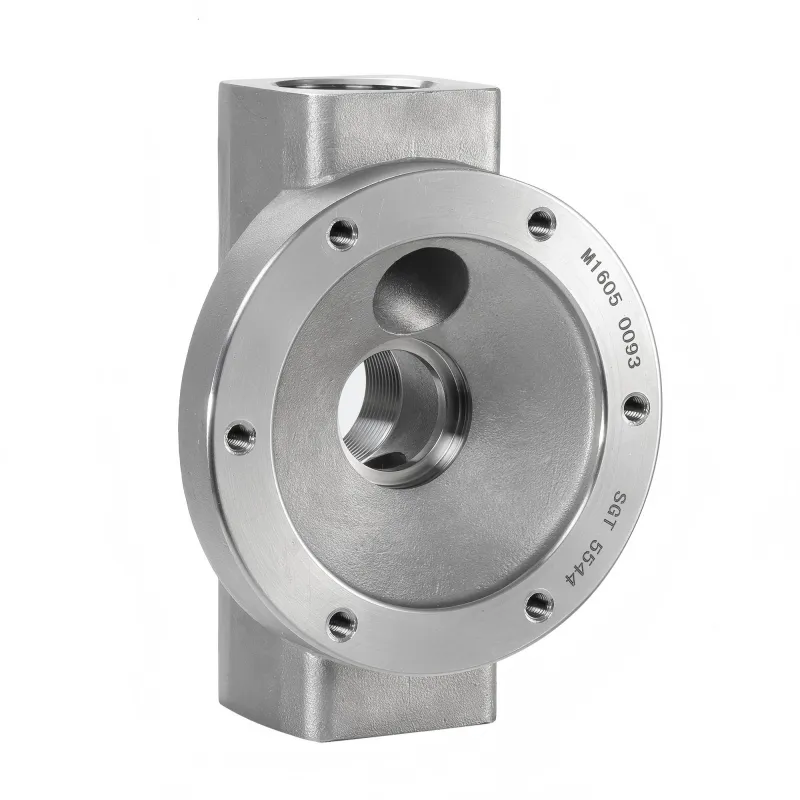
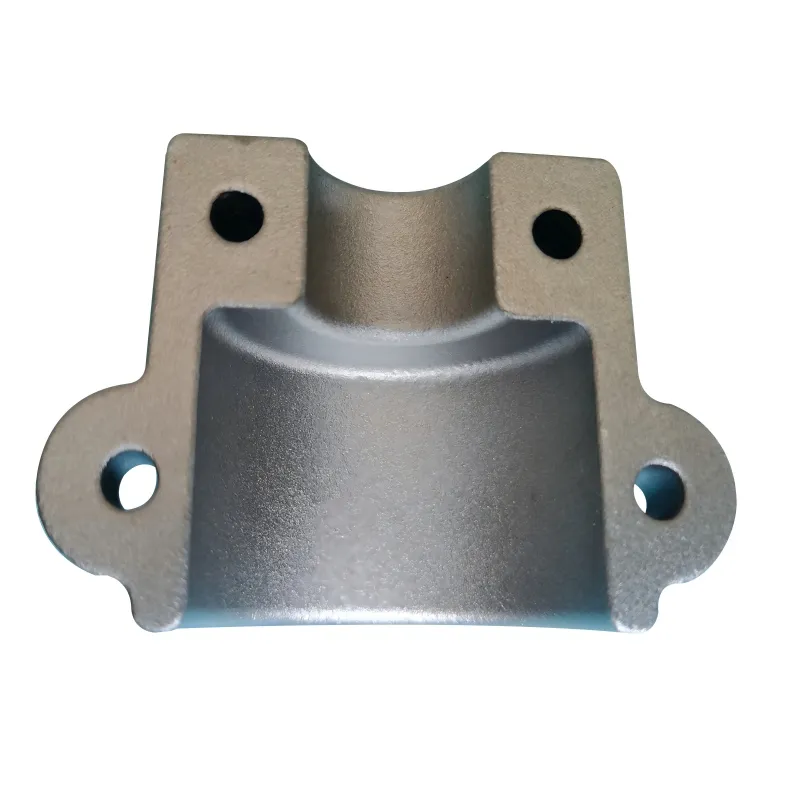
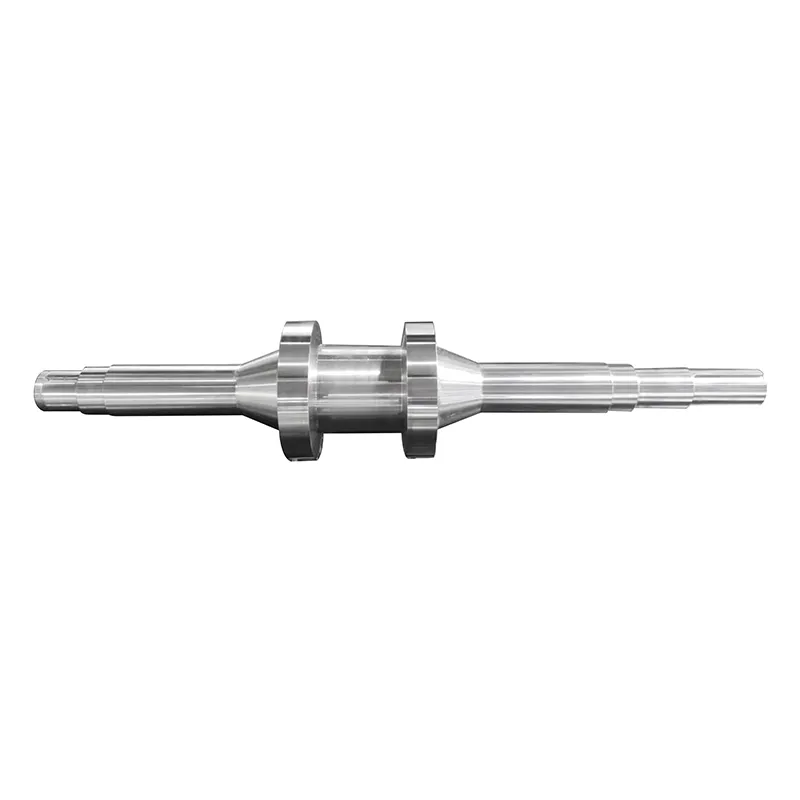
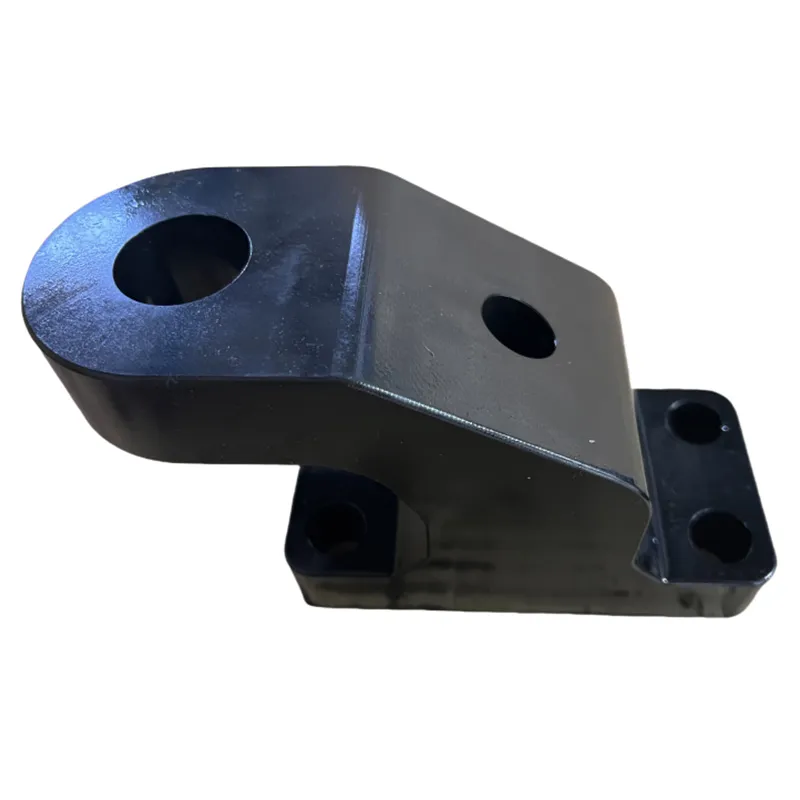
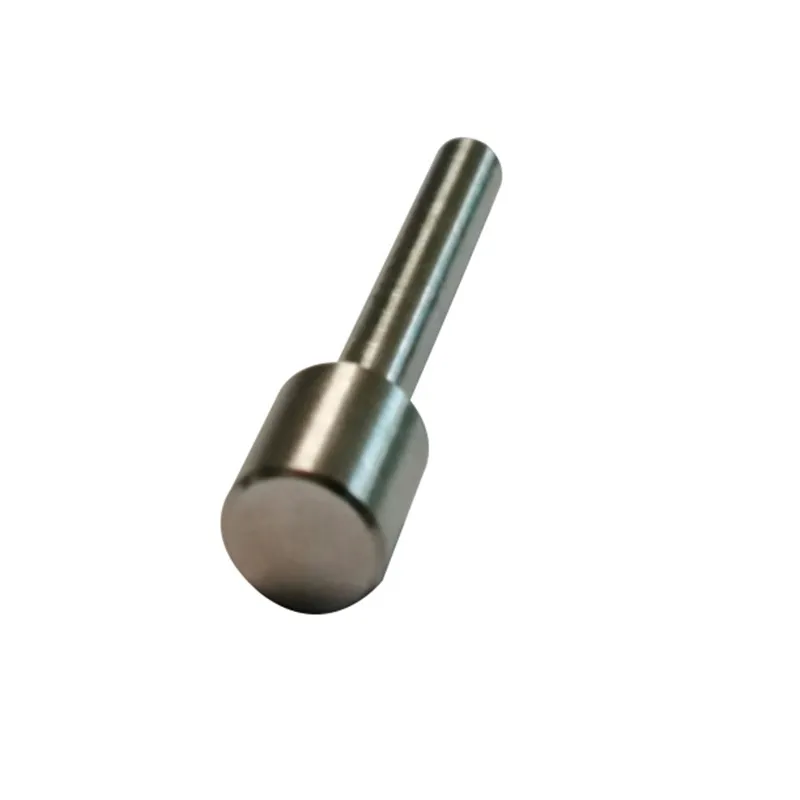
When most people hear 'sand casting foundry,' they picture a dirty, chaotic shop pouring basic iron parts. That's the first misconception. The reality, especially in a place with deep industrial roots like Qingdao, is layers of nuance. It's not just about making a mold from sand; it's about controlling variables most never see—the moisture in the sand, the gating system design, the solidification rate. I've seen too many projects fail because someone treated sand casting as a simple, low-tech backup plan. It's anything but.
The Core: It's All About the Sand (And It's Not Just Sand)
Let's get this straight. The 'sand' is a mixture—silica sand, clay (bentonite), water, and often additives like coal dust or seacoal. The ratio is everything. Too much moisture, and you get steam blows, leaving cavities in the casting. Too little, and the mold lacks green strength, collapsing during pouring. I remember a batch of ductile iron brackets that kept showing surface scabs. We checked the metal, the temperature, everything. Turned out, the sand mixer's water inlet had a slight calibration drift. A 0.5% shift in moisture content was enough to ruin a week's production. That's the precision hiding in the 'simple' process.
Then there's the mold-making itself. There's green sand molding, which is most common, and then resin-bonded sand like in shell molding or cold-box processes. Qingdao Qiangsenyuan Technology Co., Ltd.(QSY), for instance, lists shell mold casting as a specialty. That's a different beast. It uses resin-coated sand to form a thin, hard shell around a heated pattern. The dimensional accuracy is far superior to conventional green sand. So when you're looking at a foundry's capabilities, you can't just see 'sand casting.' You have to ask: what kind of sand process are we talking about?
Pattern making is another underrated art. Wood patterns warp. Metal patterns are expensive but last. For complex parts, you might need a multi-part pattern with cores. Designing the pattern isn't just copying the part; you have to account for shrinkage—different for iron, steel, or aluminum—and draft angles so the pattern can be pulled from the sand cleanly. It's the first step where design for manufacturability either happens or gets ignored, setting the stage for all downstream success or headache.
Where Sand Casting Fits (And Where It Doesn't)
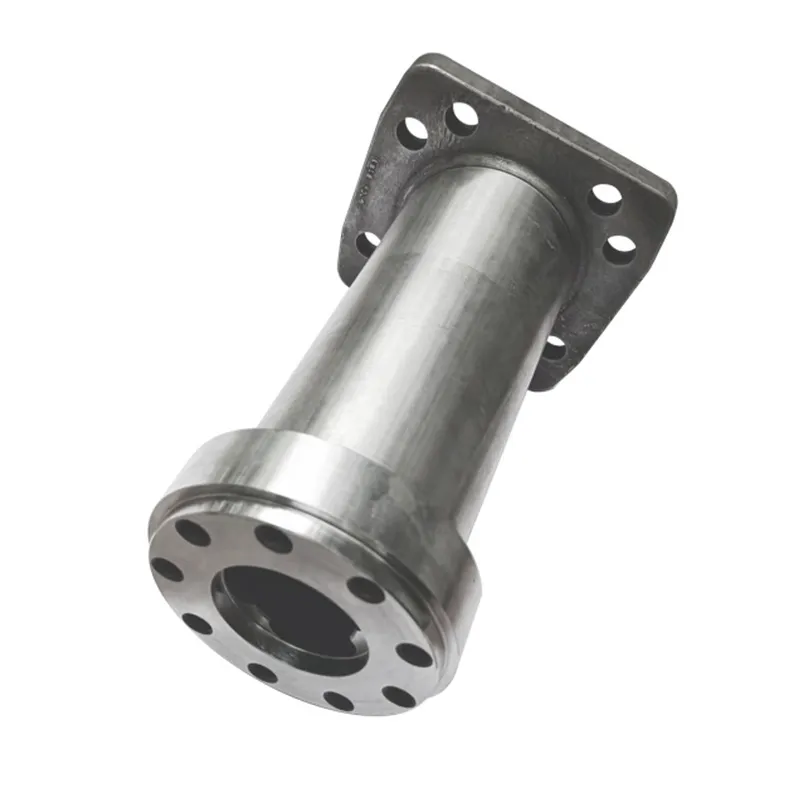
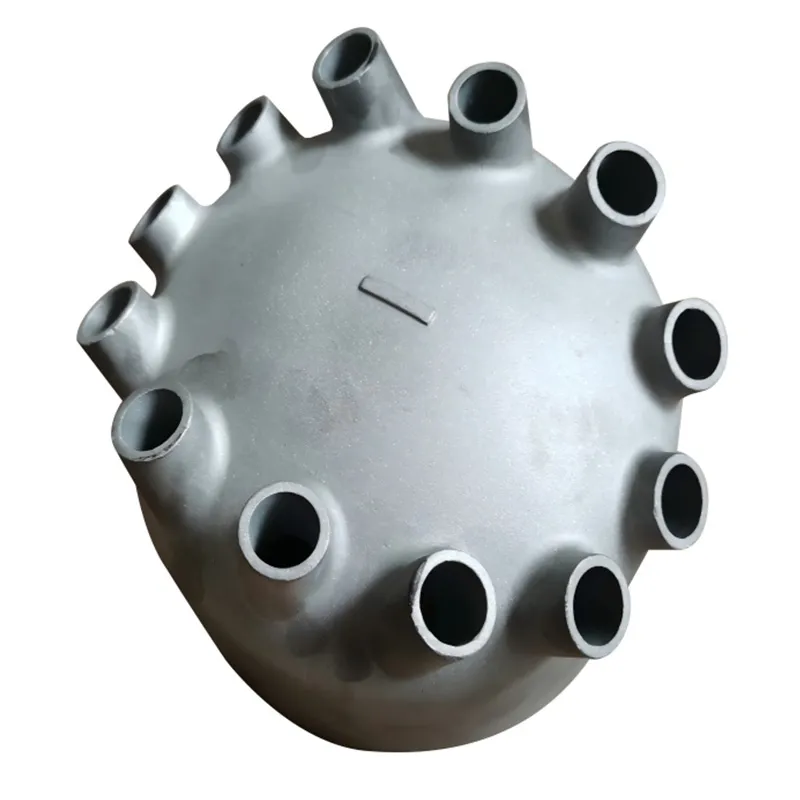
Sand casting's sweet spot is low-to-medium volume production of medium-to-large parts. Think pump housings, machine tool bases, valve bodies, large gear blanks. It's fantastic for design flexibility and handling a wide range of alloys, from common cast irons to those special alloys like nickel-based ones. The website for QSY mentions working with special alloys, which makes sense. Pouring high-value, difficult-to-machine alloys into a sand mold can be more economical than starting with a massive billet and machining away 80% of it.
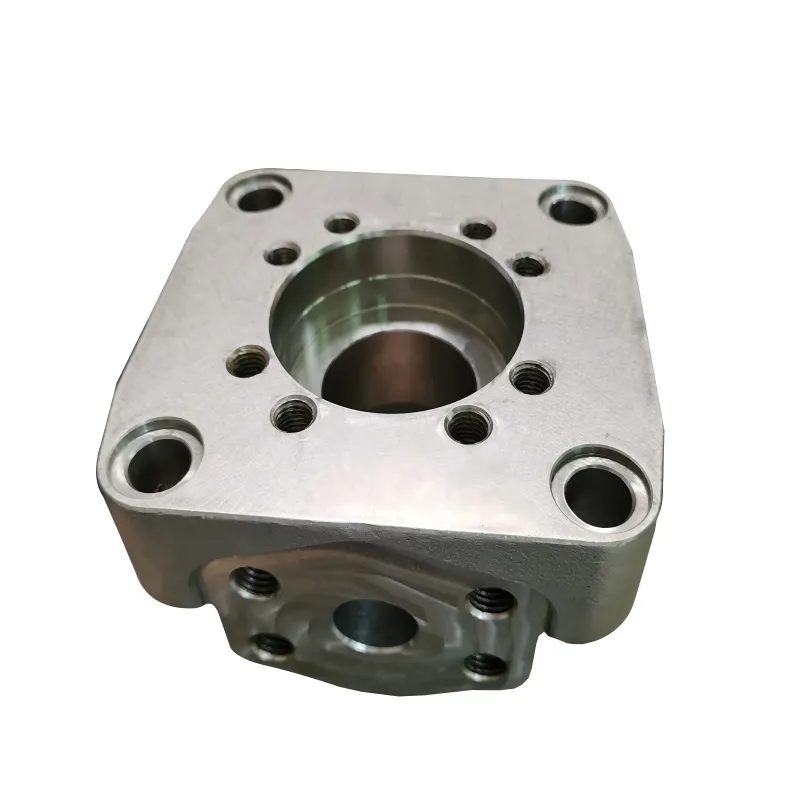
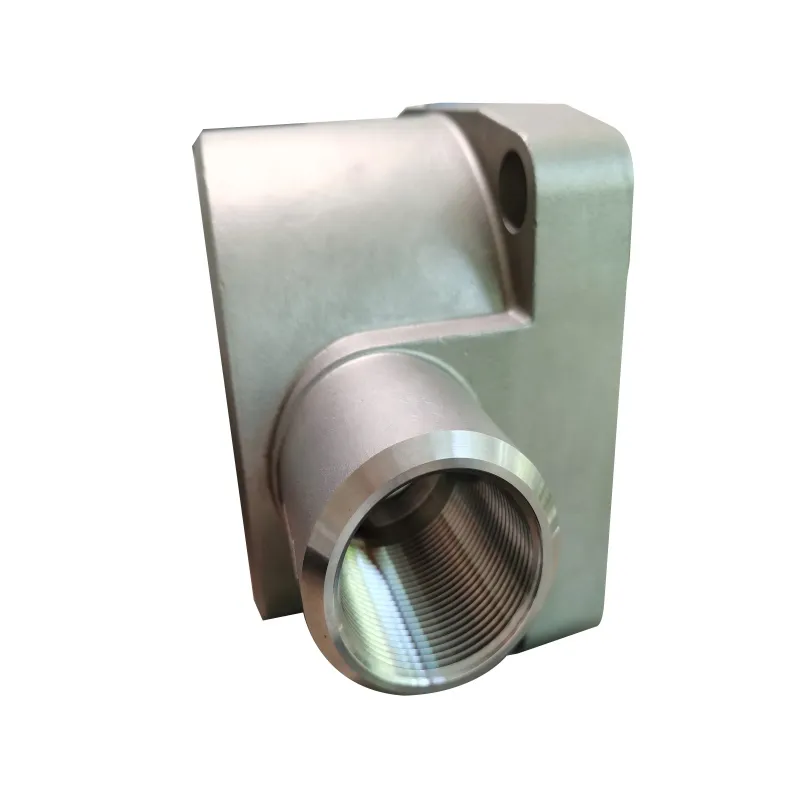
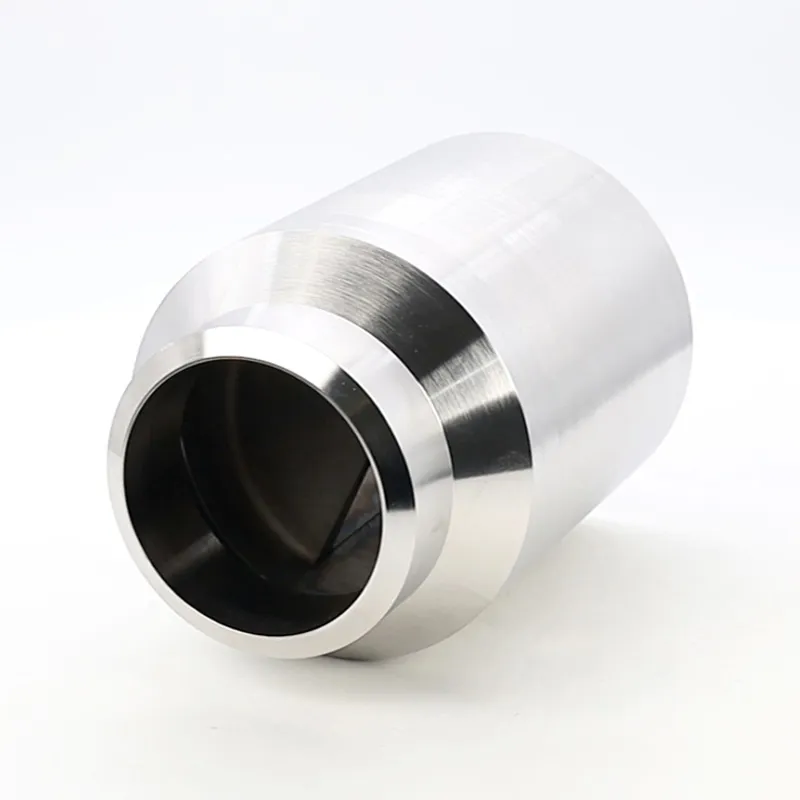
But it's not for everything. If you need ultra-smooth surface finishes or tolerances tighter than, say, ±0.5mm on a 100mm dimension, you're pushing it. That's where processes like investment casting (which they also do) take over. The post-casting work is critical too. Every part comes out with flash (excess metal at mold seams), sprues, and gates attached. That's where the machining side, the CNC machining capability a full-service foundry like QSY offers, becomes inseparable from the casting process. You can't deliver a finished component without it.
I recall a project for a marine engine component in stainless steel. The geometry was simple enough for sand casting, but the corrosion specification was brutal. We had to be meticulous with the mold coatings to prevent metal-mold reaction and ensure surface integrity. It worked, but the margin for error was slim. It underscored that material choice dictates your process parameters as much as the part shape does.
The Inevitable Headaches: Porosity, Shrinkage, and Shakeout
Defects. Every foundry engineer's daily battle. With sand casting, gas porosity and shrinkage cavities are the usual suspects. Porosity often comes from the mold. If the sand isn't properly vented or is too wet, trapped gas gets forced into the metal as it solidifies. You find these pinholes during machining or pressure testing. Shrinkage is a thermal issue. As metal cools, it contracts. If you don't design the risers (feeders) correctly to supply liquid metal to the solidifying areas, you get internal voids. Computer simulation helps now, but there's no substitute for experience in riser placement.
Shakeout—knocking the sand off the cooled casting—is more impactful than it sounds. Do it too early, and the casting might distort or crack from residual stress. Do it too late, and you bottleneck production. The sand needs to be recovered, cooled, and reconditioned. A hot, inefficient sand reclamation system will choke your entire operation. I've been in foundries where the ambient temperature near the shakeout station was unbearable, and sand quality suffered, creating a vicious cycle of defects.
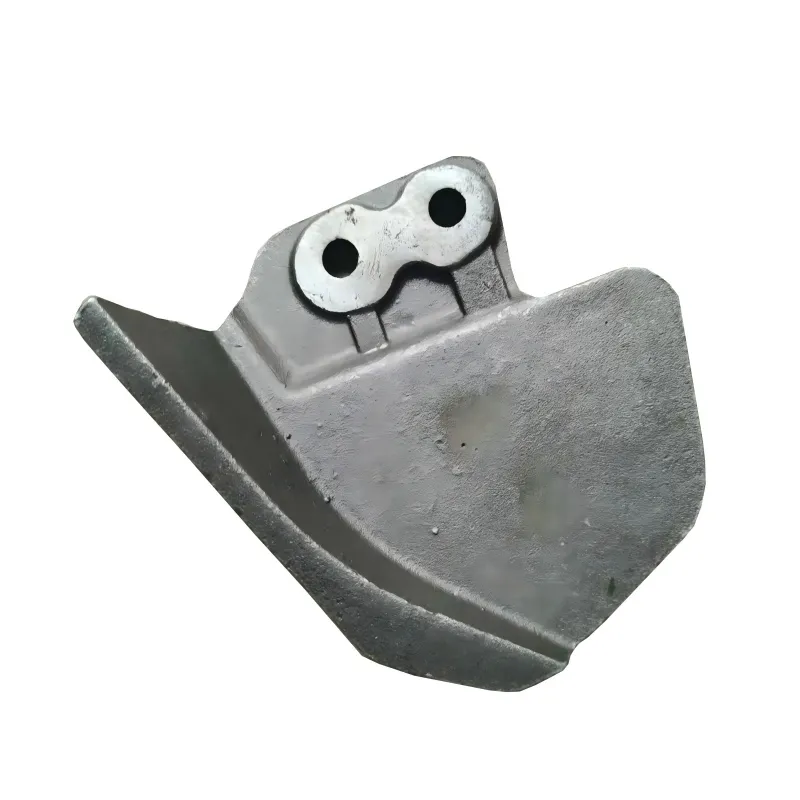
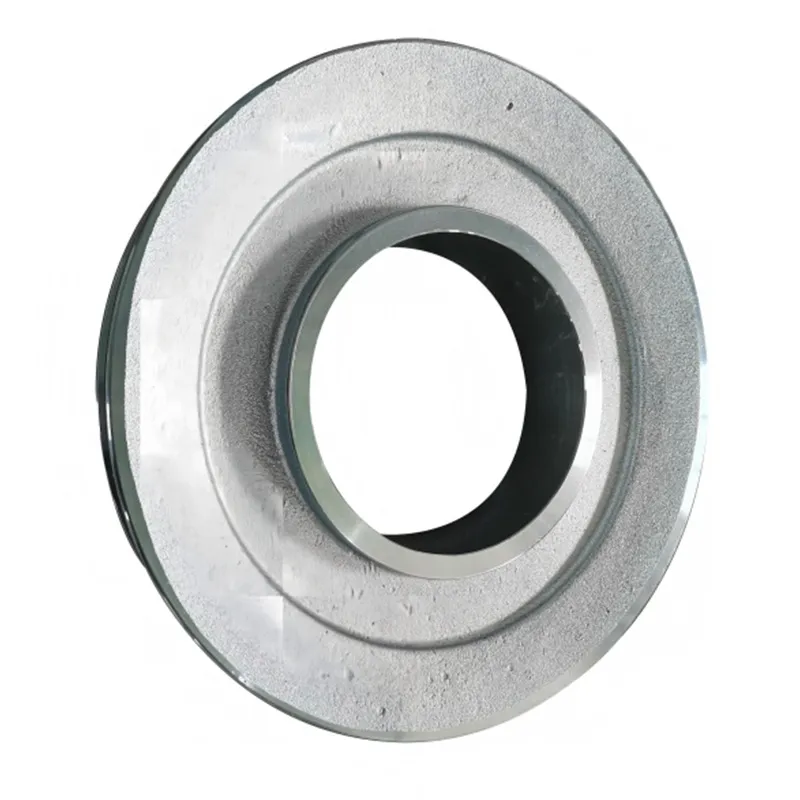
Then there's the cleaning room. It's labor-intensive, noisy, and dusty. Grinding off gates, shot blasting to clean surfaces. It's where the rough casting starts to look like a part. Automation is creeping in here, but for many jobbing foundries, this remains a hands-on, skill-dependent stage. The quality of the final hand-finishing can make or break the part's appearance and sometimes its function.
The Integration with Machining: A Non-Negotiable Link
No modern foundry survives on casting alone. Almost every sand-cast part requires machining on critical surfaces—bolt holes, sealing faces, bearing seats. This is why the model of a combined sand casting foundry and machine shop is so powerful. When both processes are under one roof, like at https://www.tsingtaocnc.com, the communication is direct. The machining team can feedback to the foundry if they consistently find hard spots or shifting porosity in a certain area of a casting, and the mold or pouring process can be adjusted.
I've seen the alternative: a casting made in one city, shipped to a machine shop in another. The machinist hits a hard sand inclusion and breaks a tool. They blame the foundry for 'dirty metal.' The foundry blames the pattern or the machining parameters. Weeks of delay ensue. Integrated manufacturing cuts through that. The CNC programmer can even suggest adding a millimeter of stock on a face that typically shows slight distortion, solving the problem proactively.
This is crucial for the materials list they mention—cast iron, steel, stainless, cobalt and nickel alloys. Machining a nickel-based alloy is a specialized task. Having the machining expertise in-house means the foundry understands the machinability of what they're pouring from day one. They can select the exact alloy grade that balances casting properties with post-processing needs.
The Business of It: More Than Melting Metal
Running a foundry today is a tightrope walk. It's capital intensive (furnaces, sand systems, pollution control), energy hungry, and faces relentless cost pressure. The value-add isn't in melting the metal; it's in the engineering. The value is in helping a client design a part that casts well, machines efficiently, and performs reliably. It's in solving the metallurgical puzzle for a specific application.
A company that's been around for over 30 years, like QSY, has seen the cycles. They've adapted. Offering multiple casting processes (sand, shell, investment) and machining means they can guide a client to the most cost-effective manufacturing route, not just the one they happen to do. That's a sign of a mature operation. The longevity suggests they've navigated the pitfalls of sand mixing, metallurgy, and supply chain long enough to build real, tacit knowledge.
So, when you evaluate a sand casting foundry, don't just ask for a price per kilogram. Ask about their sand control procedures. Ask how they design their gating and risering. Ask about their in-house machining capability and how they handle feedback between departments. The answers will tell you far more about your project's real risk of success than a glossy brochure ever could. The craft is in the controlled variables, not just the pour.