When someone types 'sand casting foundry near me' into a search bar, they're usually in a hurry. They need a part, a quote, or a solution to a manufacturing snag, and they need it yesterday. But here's the thing I've learned over the years: that search is often a bit misguided. Proximity matters, sure, for logistics and maybe a site visit. But what you're really hunting for isn't just a dot on a map; it's a shop with the specific capability to understand your drawing, the right material stock, and the practical know-how to tell you when your design will cause a shrink defect. The near me part is secondary to the can actually do it right part. I've wasted time driving to local foundries only to find they only do greensand for manhole covers when I needed a complex, low-volume steel job. The search term itself sets the wrong priority.
The Reality Behind the Search: Capability Over Geography
Let's break down the expectation. You want a sand casting foundry. But sand casting is a massive umbrella. Are we talking about automated high-pressure molding lines for aluminum engine blocks? Or are we talking about manual floor molding for a one-off, 500-pound counterweight in ductile iron? The processes, costs, and lead times are worlds apart. A shop that excels at the former likely won't even quote the latter. So, your first filter shouldn't be ZIP code; it should be process specialization and part size range.
I remember a project for a marine component—a relatively simple bronze bracket. We went with a near me sand casting foundry based on a glowing review about their aluminum work. Mistake. They poured bronze like it was aluminum, didn't adjust the gating system properly, and we ended up with a beautiful casting full of hidden micro-shrinkage. It passed visual inspection but failed under load during testing. The failure wasn't in the metal; it was in our assumption that a foundry good with one non-ferrous metal was good with all. That's a costly lesson in specificity.
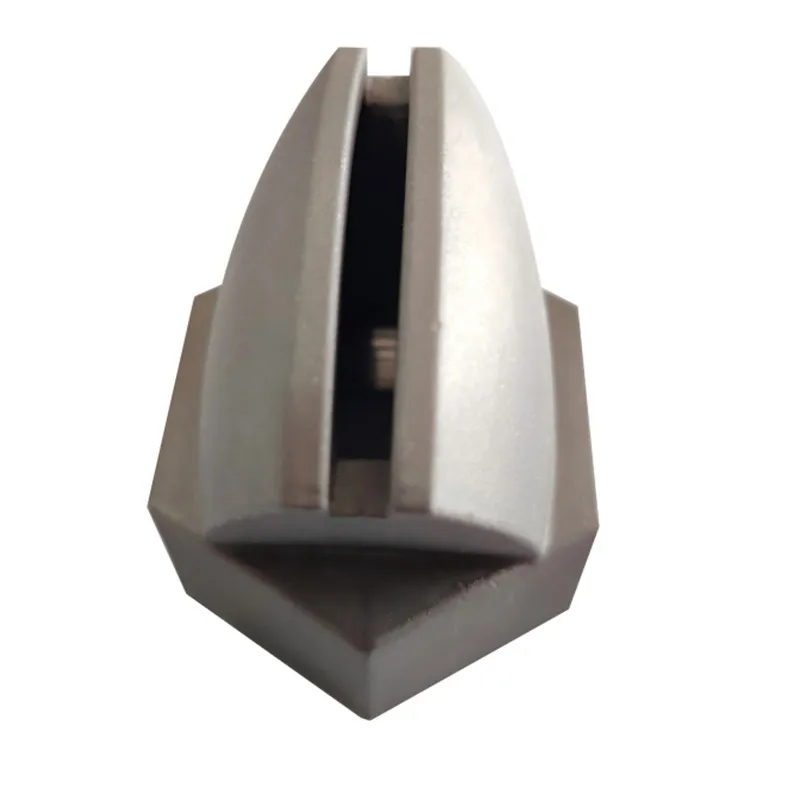
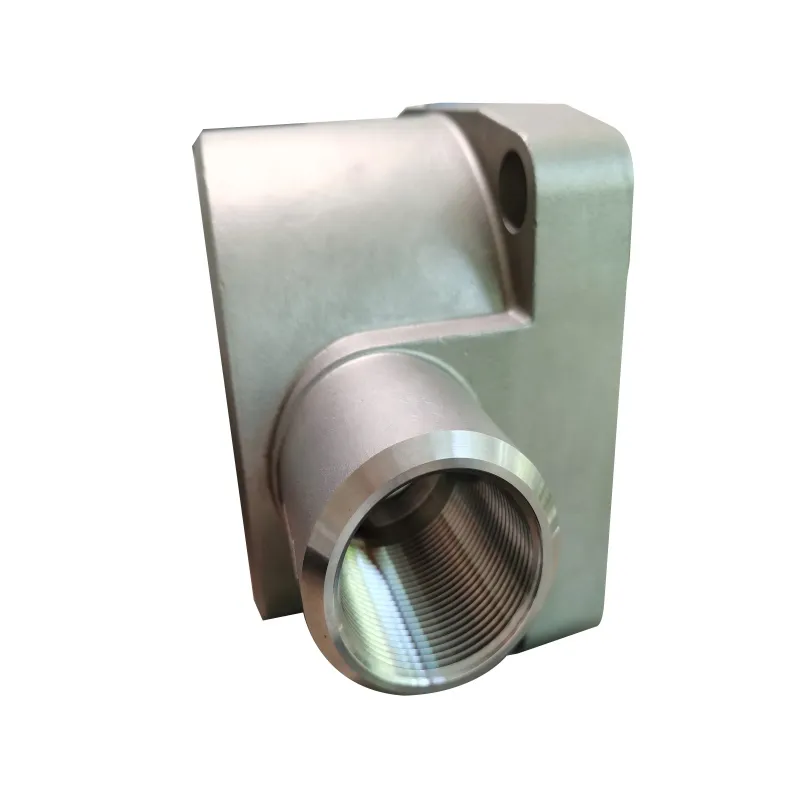
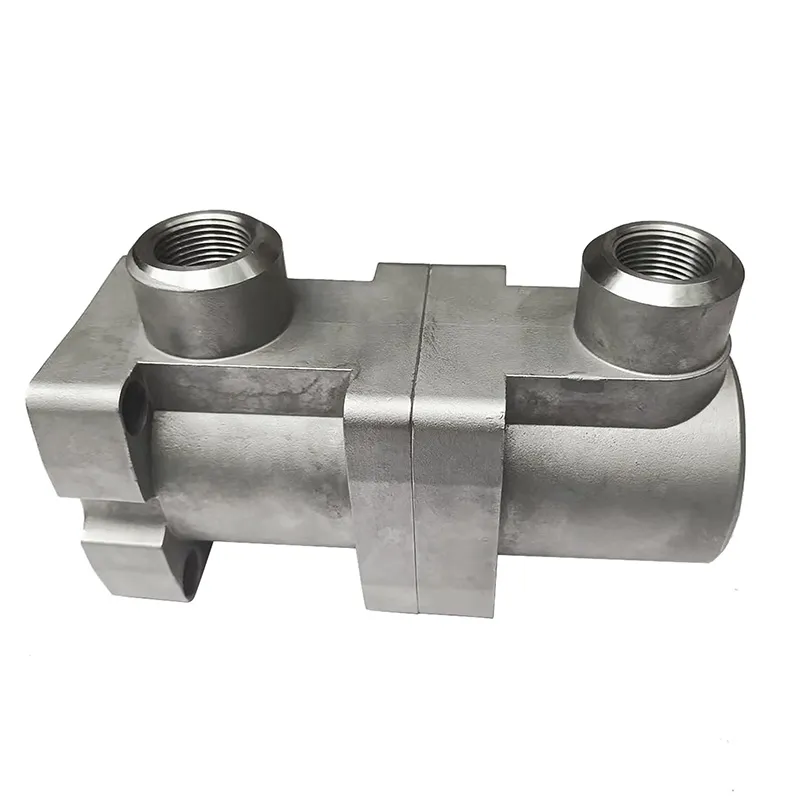
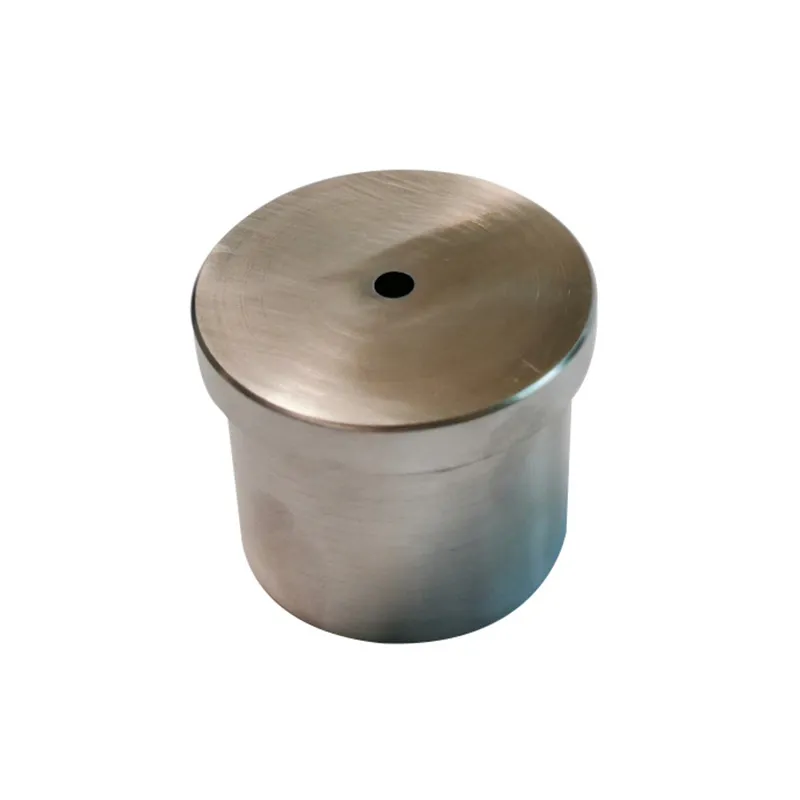
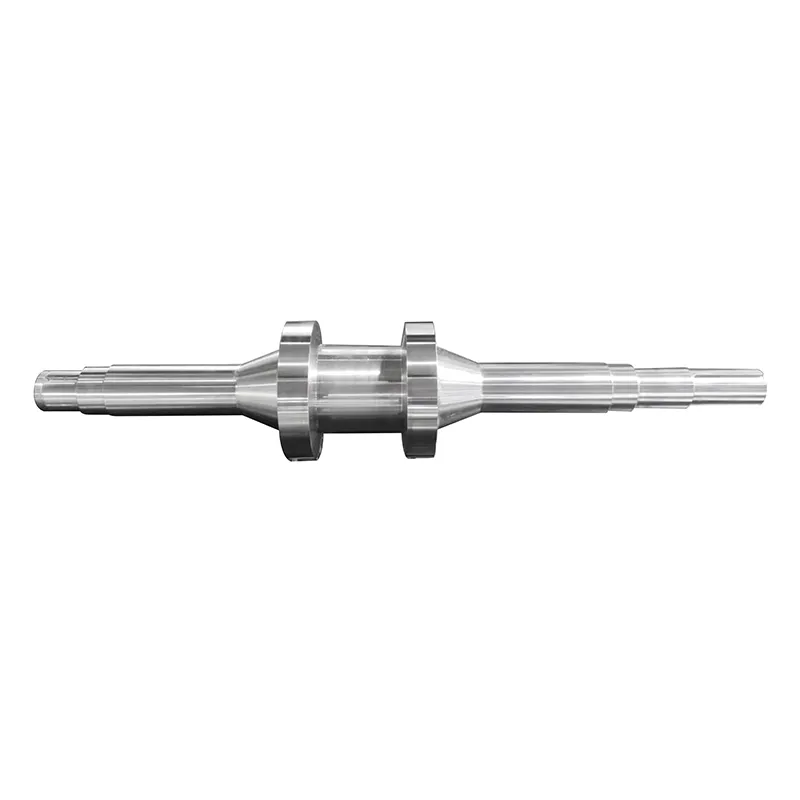
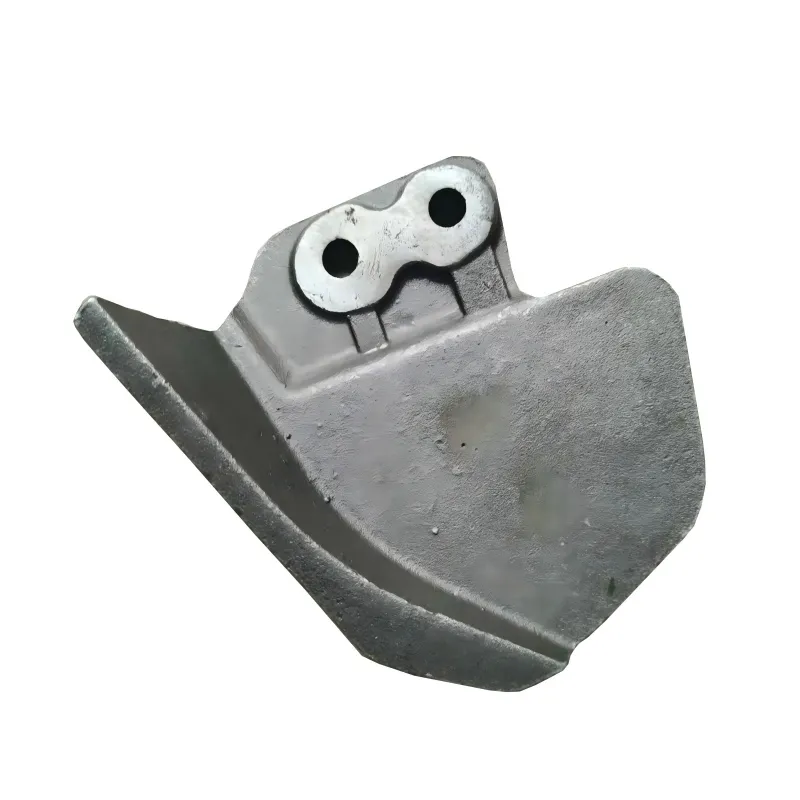
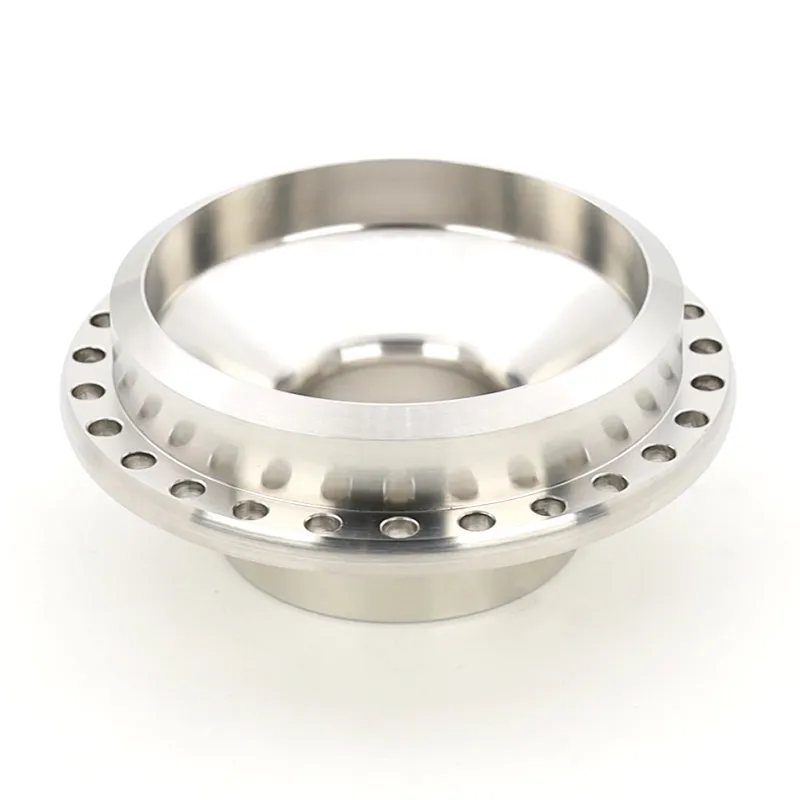
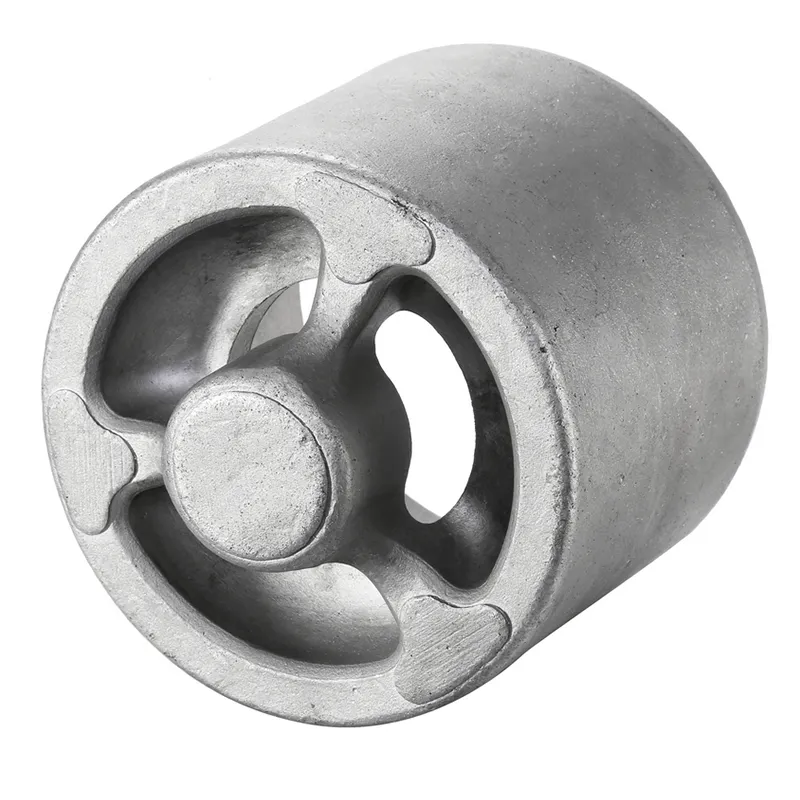
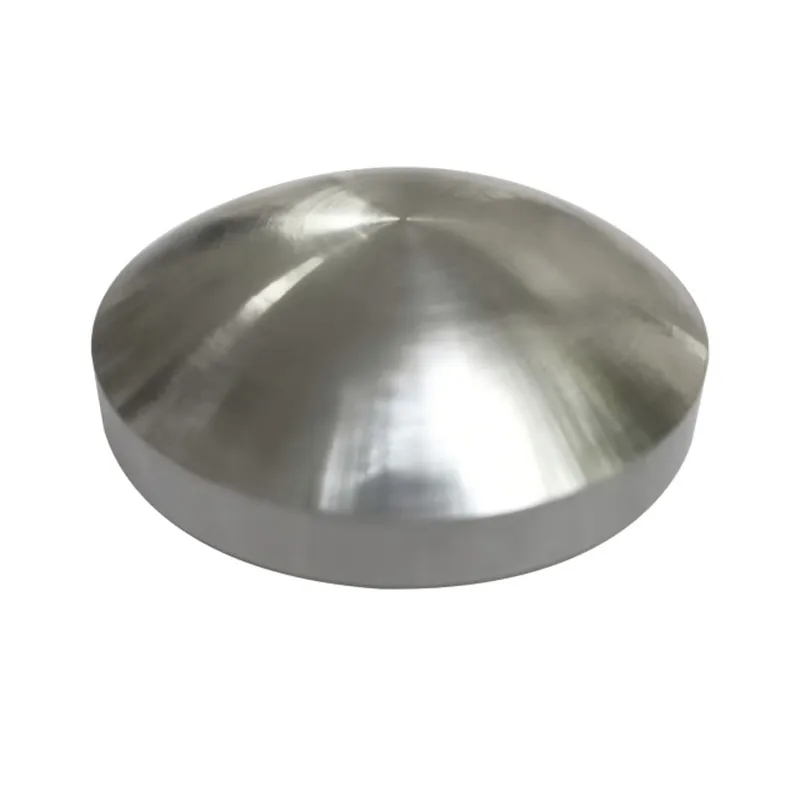
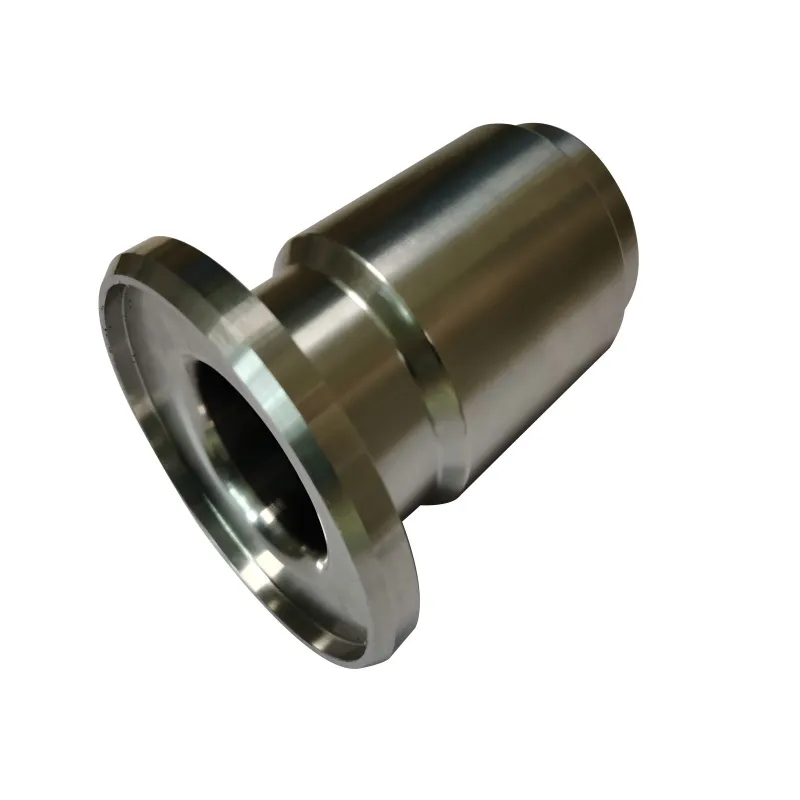
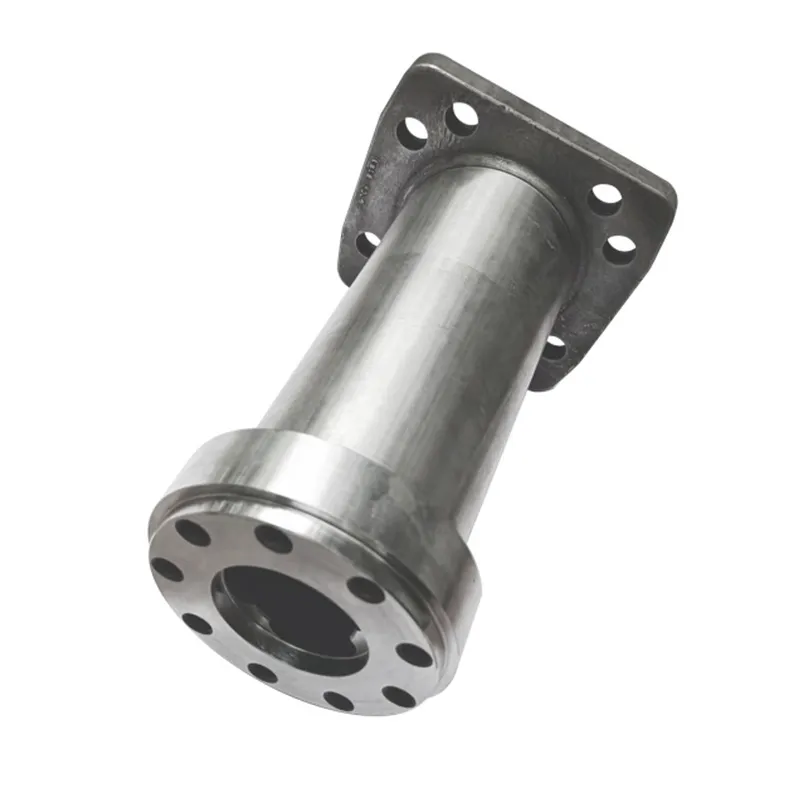
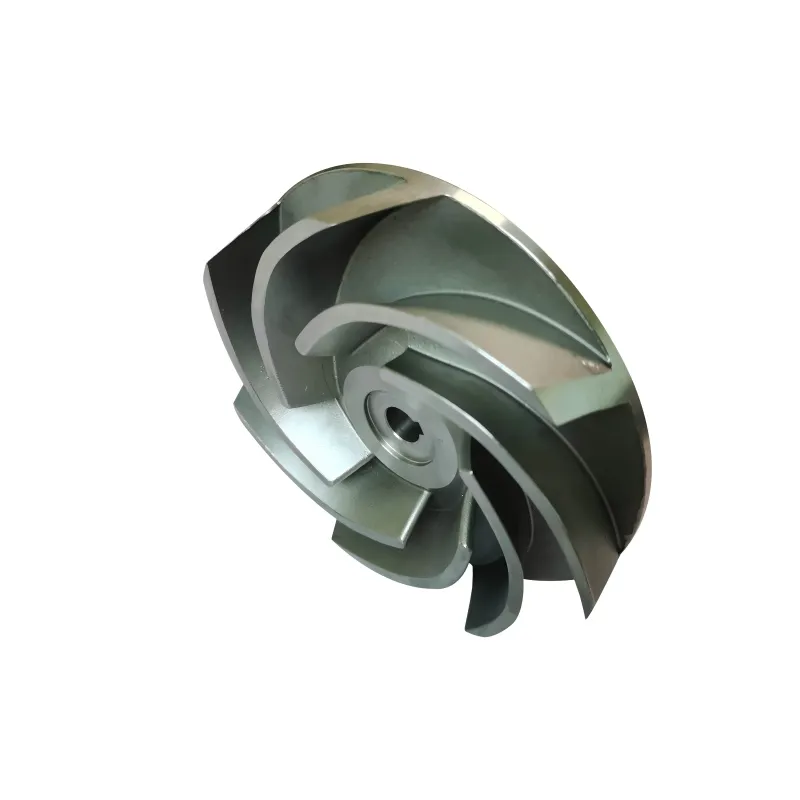
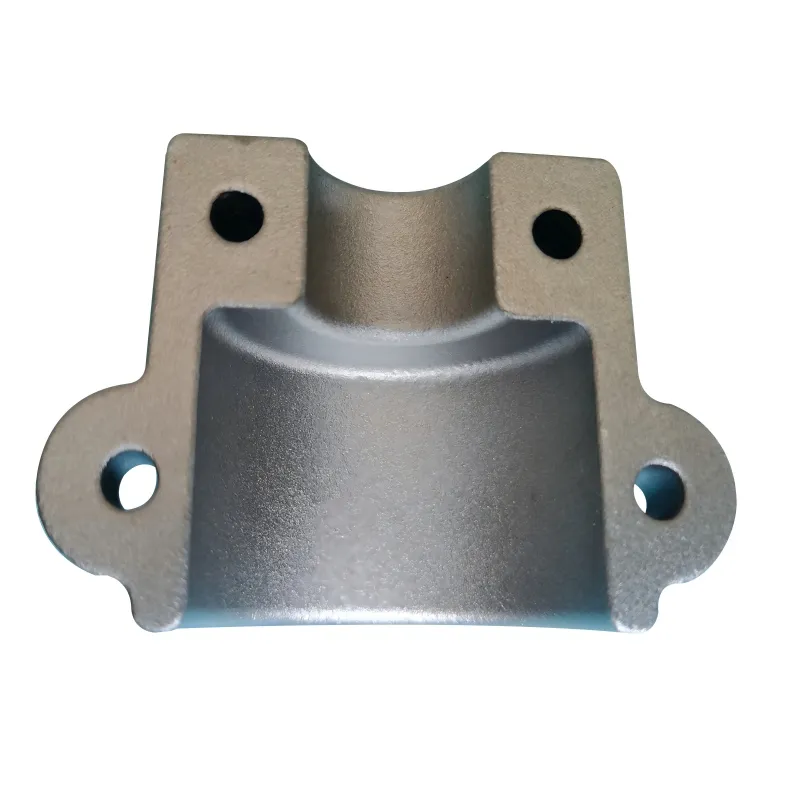
This is where digging past the Google snippet is crucial. A shop like Qingdao Qiangsenyuan Technology Co., Ltd. (QSY) lists their specialties right up front: shell mold casting, investment casting, CNC machining. Now, shell molding is a precision sand casting process. It uses resin-bonded sand to create a much finer surface finish and tighter tolerances than conventional green sand. If your search for a sand casting foundry is driven by a need for better finish or dimensional accuracy on a steel or stainless part, you're actually looking for a shell mold specialist. Their three decades in casting and machining mean they've seen the evolution from rough castings to near-net-shape parts, which is the real goal for most buyers today.
Material is the Make-or-Break Detail
The what is as critical as the how. I can't stress this enough. Announcing you need a steel casting is like saying you need a vehicle. Is it a carbon steel for general strength? A low-alloy steel for wear resistance? Or a stainless like CF8M for corrosion? The foundry's material palette dictates your project's feasibility.
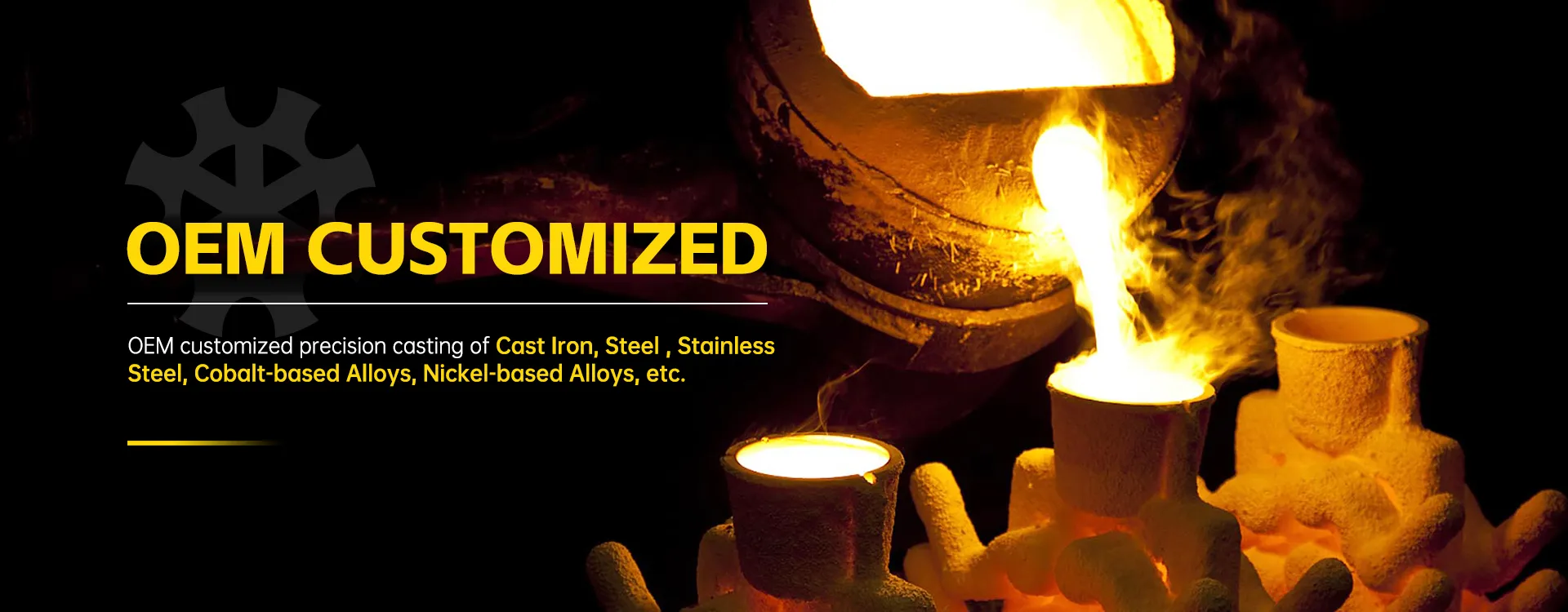
Many general jobbing foundries stick to common grades like 1018 or 4140. If your spec calls for a nickel-based alloy like Inconel for high-temperature service, most local shops will (rightly) turn you down. It's not just about having the alloy; it's about the controlled melting practice, the pouring techniques, and the heat treatment know-how to achieve the required properties. Seeing a foundry's material list include cobalt-based alloys and nickel-based alloys is a strong signal of deeper metallurgical competency. It suggests they handle projects for sectors like valves, pumps, or aerospace, where material performance is non-negotiable. For a buyer, this expands the near me to a global capable for me, which is often worth the longer supply chain.
QSY's mention of these special alloys isn't just brochure filler. It tells me they likely have vacuum melting or AOD refining capabilities, and their quality control system is geared for traceability and certification. That's the kind of detail you look for when the part has to survive a corrosive chemical bath or a turbine blade's environment.
The Integration That Actually Saves Time: Casting + Machining
Here's a classic pitfall. You find a great sand casting foundry, get your parts, and then spend the next three weeks coordinating with a separate machine shop. They struggle to hold the casting, debate where to pick up datums from your sometimes-warped casting, and send it back for weld repair when they break through a thin wall. The coordination headache often eclipses the part cost.
The real efficiency win is a foundry with in-house CNC machining. They machine the patterns. They cast the parts. They then fixture and machine the final part in the same facility, often using the same digital model. The machinists talk to the foundry engineers daily. If a wall is a bit thin, they adjust the machining strategy before they scrap the part. This vertical integration is a game-changer for lead time and quality accountability.
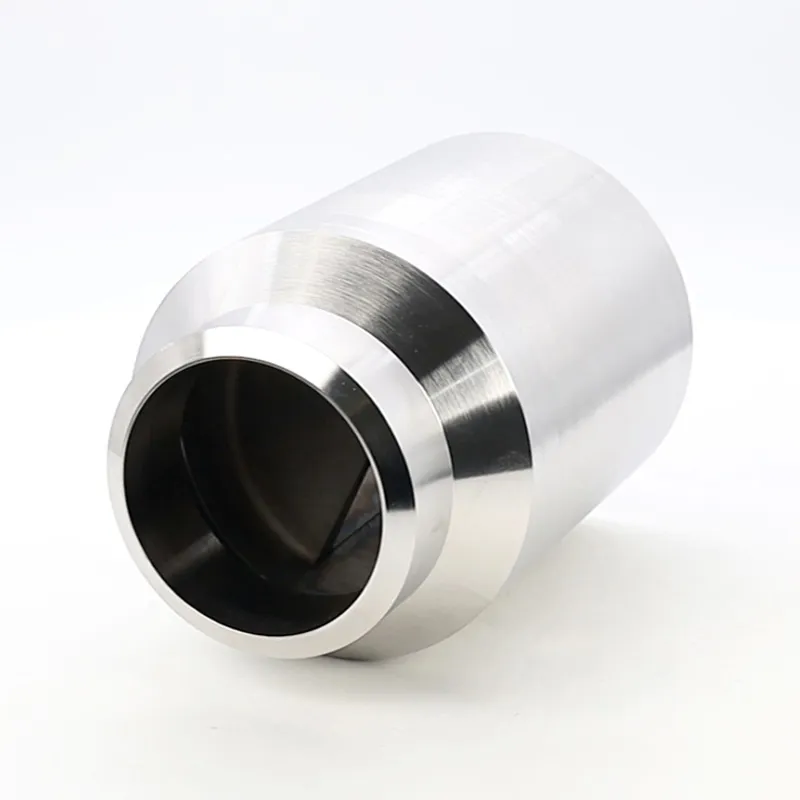
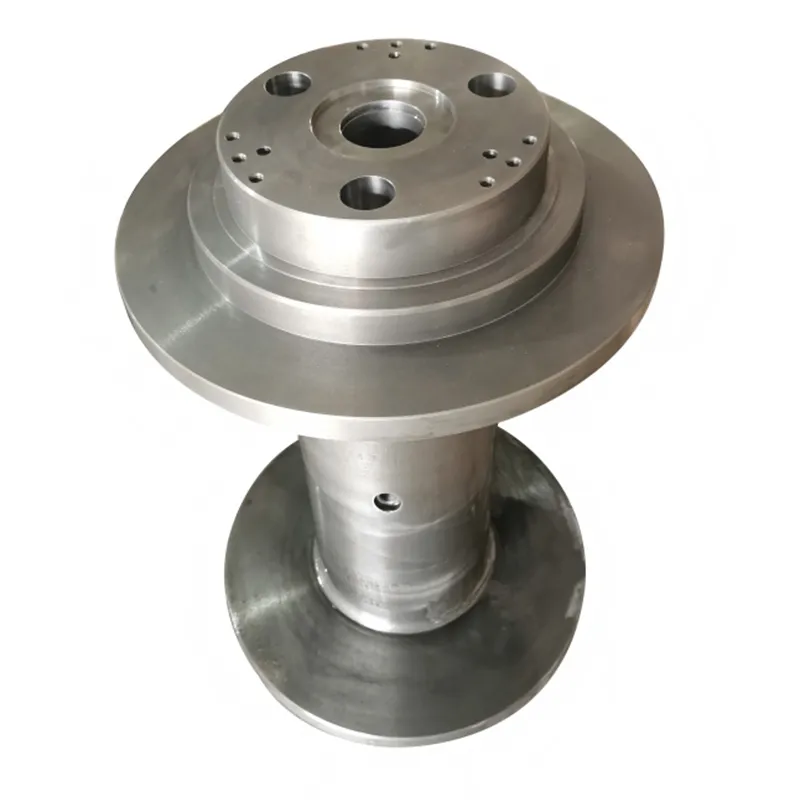
Looking at QSY's structure—casting and machining under one roof—that's a significant operational advantage. It means they can offer a finished, ready-to-install component. For someone searching locally but finding only pure foundries, considering an integrated supplier overseas might result in a faster total turnaround. The calculus shifts from how far is the drive to how few suppliers do I have to manage.
When Near Me Truly Matters: The Prototype Iteration Loop
There is, of course, a valid scenario for strict locality: rapid prototyping and design iteration. When you're in the design-for-manufacturability phase, being able to drive to the foundry, hold the first sample, point at a problem area with the patternmaker, and have a revised pattern in a couple of days is invaluable. This back-and-forth is brutal over email and video call, especially with language and time zone barriers.
For low-volume, high-iteration work, a local jobbing foundry using urethane or wood patterns for sand casting is perfect. You pay a premium for the speed and communication, but it's worth it to de-risk the design. The key is to be honest about what phase you're in. Are you prototyping or going to production? Your near me needs change completely. I've used a fantastic small local shop for three rounds of prototype castings, then handed the finalized design to a high-volume, lower-cost producer for the 500-piece order. Trying to force the local prototype shop to do the production run would have bankrupted the project.
This is why the initial search needs context. If you're past prototypes and need a reliable production partner with special material or finishing capabilities, your effective near me radius expands globally to include specialists like the operations described by QSY. Their 30-year history suggests they're not a prototype shop but a production partner, which is a different kind of need altogether.
Making the Contact: What to Ask Beyond the Quote
So you've sifted through the search results and have a shortlist. Don't just ask for a quote. That gets you a number, not a partner. Your first contact should probe their process fit. Describe your part, material spec, and quantity. Then ask: Is this a good fit for your primary process? Listen carefully. A good foundry will tell you if it's not ideal for them and might even suggest a better process.
Ask about pattern responsibility. Do they make it? Do you supply it? If they make it, is the cost amortized? Ask for a typical timeline from order to shipment for a similar part. Ask about their standard inspection report—does it include dimensional checks with a CMM report or just material certs? These questions separate the order-takers from the problem-solvers.
Even with a company like QSY, with a clear website showing their scope, these questions are vital. Their long tenure means they have institutional knowledge, but you need to ensure your specific project aligns with their current workflow and capacity. The goal of searching for a sand casting foundry near me ultimately converges on finding a competent technical collaborator, regardless of the miles on the odometer. The right partner makes the distance feel irrelevant.