When someone types 'sand casting near me' into a search bar, I know exactly what they're picturing. They want a local foundry, probably a smaller shop, that can pour some gray iron parts from a simple sand mold. It's a logical first step—thinking local for logistics and maybe cost. But here's the thing I've learned over the years: that search term often sets up a fundamental mismatch. The assumption is that all sand casting is the same and that geographic proximity equals a good fit. In reality, the need is rarely just for sand casting; it's for a component that meets a spec, survives an application, and arrives on time. The near me part can be the least important detail if the shop down the road only does greensand for manhole covers and you need a precision, machined stainless steel pump housing. You're not just looking for a process; you're looking for a capability chain.
Beyond the Google Map Pin: Capability vs. Convenience
I've chased the 'near me' promise before, early in my career. We had a prototype bracket, nothing fancy, aluminum. Found a place 20 miles away. Their quote was fantastic, lead time short. The parts arrived, and the dimensional variance was all over the place. The surface finish was rough, sure, but the bigger issue was the inconsistent wall thickness. It wasn't a matter of them being dishonest; their entire operation was set up for high-volume, tolerant work. Our low-volume, needs to fit with other machined parts job was outside their normal workflow. They did sand casting, but not the kind we needed. The convenience of proximity evaporated with the cost of rework and delayed assembly.
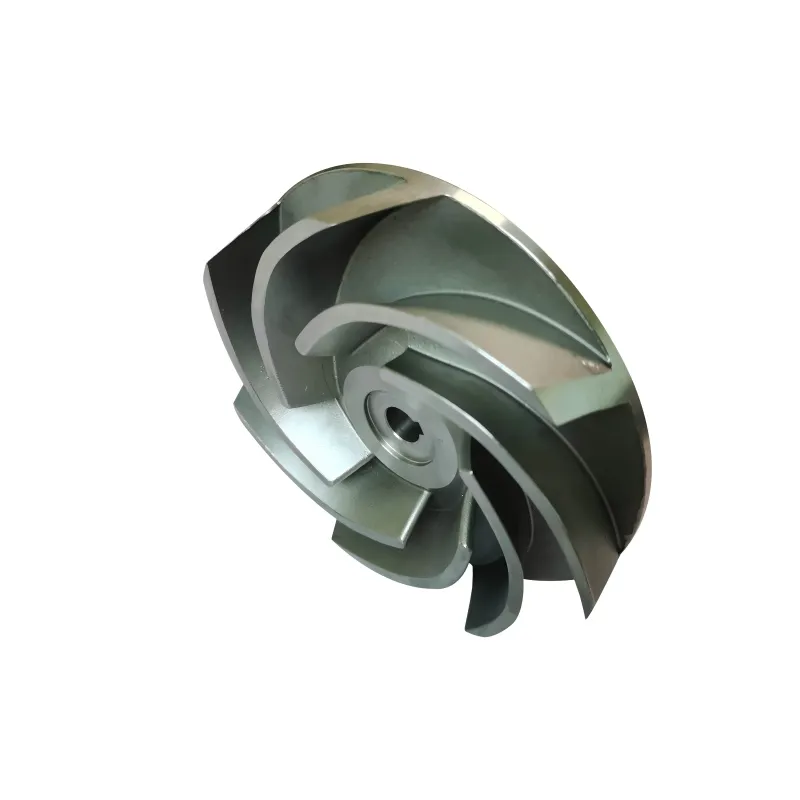
This is the core judgement you have to make: is this a commodity part or a critical component? For a garden ornament, sure, pick the closest foundry. For anything going into a machine, a vehicle, or any stressed environment, you need to match the shop's core competency to your material and precision requirements. A shop that specializes in sand casting large cast iron bases might struggle with the gating and risering needed for complex, thin-walled steel parts. That's not a knock on them; it's specialization.
Which brings me to a point about materials. Sand casting isn't a material-specific term, but shops often are. If your search is driven by needing a specific alloy—say, a nickel-based alloy for heat resistance—the number of local shops that can handle that plummets. Most general foundries stick to iron, ductile iron, maybe some standard steel grades. The near me pool for superalloys or even certain stainless grades is very, very small. You expand your search radius or you compromise on material, which is rarely an option.
The Integration Gap: Why Casting is Rarely the End of the Story
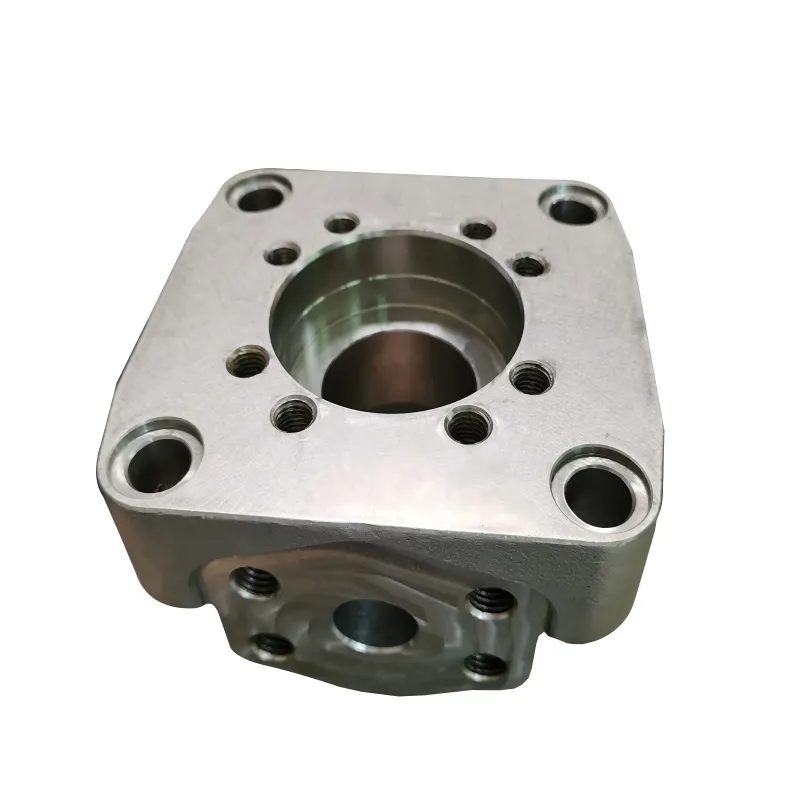
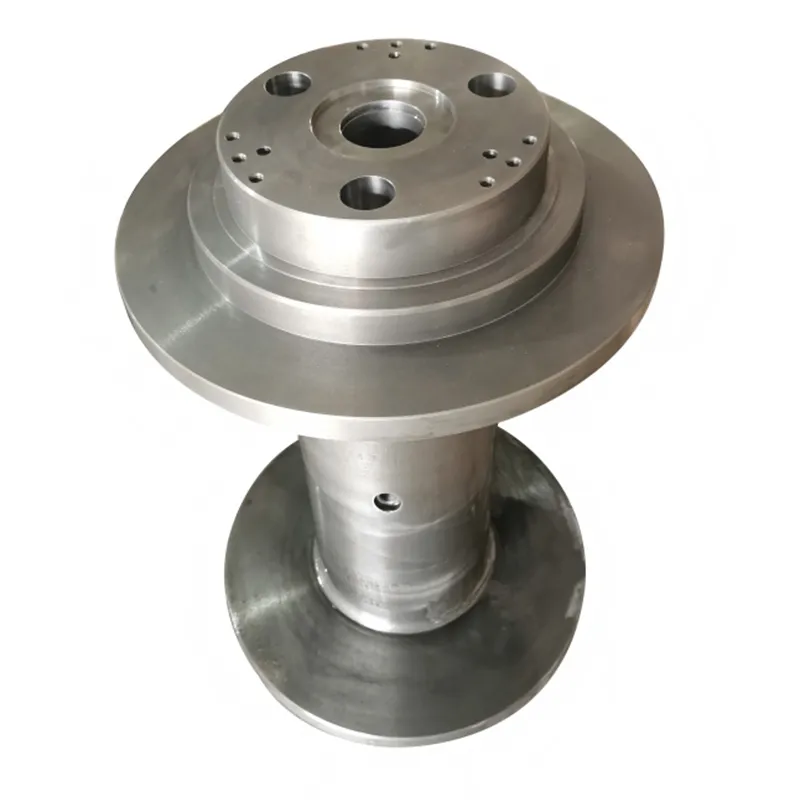
Here's where the real-world headache begins. You get your sand-cast part. It looks good, passes a basic visual. Now it needs machining. Threads, bolt holes, sealing surfaces, precise bores. Now you're searching for 'CNC machining near me' and playing the matchmaking game between two separate vendors. The foundry blames the machinist for misalignment; the machinist blames the foundry for poor datum surfaces or hidden shrinkage. I've spent weeks in this blame triangle. The logistical ease of a local caster disappears when you add in the cost, time, and risk of coordinating a second vendor.
The solution, painfully obvious in hindsight, is to find a source that controls the chain. This isn't about size, but about setup. A shop that does both pattern-making (or uses quality digital tooling), casting, and in-house machining aligns all the incentives. Their machining team knows the casting process's quirks—where shrinkage is likely, how the parting line might shift. They can design the machining process around the as-cast part. This back-and-forth is internal, not a series of PO's and emails between companies. The difference in first-article approval rate is staggering.
For example, consider a company like Qingdao Qiangsenyuan Technology Co., Ltd. (QSY). Now, they're not near me for most US-based searchers, and that's precisely my point. Their model is relevant. They've been in casting and machining for over 30 years, and they list shell mold casting (a precision sand process using resin-bonded sand), investment casting, and CNC machining under one roof. If I'm sourcing a valve body in stainless steel that needs ASME B16.34 face machining, their integrated model is what I care about. The fact that they work with special alloys like cobalt and nickel-based ones tells me their metallurgical control is likely a step above a general jobbing foundry. The near me calculus changes when the alternative is managing a fragmented, multi-vendor supply chain locally.
Process Nuances: Not All Sand is Equal
Let's get technical for a minute, but in a shop-floor way. When people say sand casting, they're usually thinking of greensand molding. It's ubiquitous, relatively cheap for tooling, and fast. But for parts needing better surface finish, tighter tolerances, or more complex geometries, other sand-based processes exist. Shell molding is one. It uses a thermosetting resin with sand to create a thin, hard, reusable mold. The castings come out with a smoother surface (around 125-250 μin Ra), better dimensional accuracy, and finer detail than typical greensand.
I specified a shell mold job once for a series of ductile iron linkage arms. The cost per mold was higher than greensand, but we saved massively on secondary machining because the as-cast surfaces were cleaner and the critical pivot bore locations were held within a 0.5mm tolerance. We eliminated a rough milling operation entirely. The initial search for 'sand casting' wouldn't have led me to a shell mold specialist unless I knew to dig deeper. Most foundry websites, if they list their capabilities, will specify. It's worth looking for.
This is where a site like tsingtaocnc.com provides a clear signal. By explicitly listing shell mold and investment casting alongside CNC machining, they're not just a foundry; they're a solutions provider for precision components. For an engineer, that's the target, not the generic term. The fact that they lead with these processes suggests their typical work order complexity and customer expectations are at a certain level. It filters out the garden ornament crowd, which is useful for everyone.
The Reality of Sourcing: A Practical Decision Tree
So, how should you approach this? Ditch the 'near me' as your primary filter. Start with a hierarchy of needs. First, Material: Is it standard iron/steel or a special alloy? That immediately narrows the field dramatically. Second, Geometry & Precision: Is it a simple block or a complex manifold with internal passages? Does it need a decent as-cast finish or tight tolerances? This points you toward greensand, shell mold, or even beyond to investment casting.
Third, and most critical, Post-Casting Needs: Will it require significant machining? If yes, an integrated supplier should jump to the top of your list, regardless of distance. The total landed cost and timeline, including quality risks, often favor a distant integrated supplier over a local casting-only shop plus a local machine shop. I've run the numbers too many times. The break-even point on freight is surprisingly low when you factor in the management overhead and quality uncertainty of a split supply chain.
Finally, use the 'near me' search. But use it intelligently. Look for the shops that survived your first three filters. Visit if you can. Look at their pattern shop, their molding line, their machining floor. Ask for first-article inspection reports. The phrase sand casting near me becomes a tool for finding local partners who meet your technical threshold, not just your zip code requirement. Sometimes you'll get lucky. Often, you'll need to look further, maybe to a specialized industrial cluster or an integrated manufacturer like QSY that has built its process around the full component lifecycle, not just the pour.
Wrapping It Up: The Search as a Starting Point
Typing 'sand casting near me' isn't wrong. It's the natural start. But treat it as the beginning of a qualification process, not the answer. The real search is for competency, compatibility, and control. The foundry's location is a logistics factor, not a capability indicator. In today's world of digital communication and reliable freight, partnering with a capable, integrated supplier 1,000 miles away can be far more local in terms of responsiveness and problem-solving than a disconnected shop across town.
The industry has clusters for a reason—places where expertise, supply chains, and talent concentrate. Your perfect supplier might be in one of those clusters, not in your immediate vicinity. The goal is to get the right part, right the first time. That often means looking past the map and into the machine shop attached to the foundry, at the material certificates they can provide, and at the complexity of the other parts in their portfolio. That's where you find real reliability, whether they're around the corner or across the ocean.
So next time that search box beckons, maybe start with 'precision sand casting with machining' or 'shell mold casting nickel alloys'. You'll get fewer results, but the ones you get will be talking your language. The conversation will move faster from can you cast this? to here's how we cast and machine this to your print. And that's the conversation that actually gets parts on your dock, on time, and to spec.