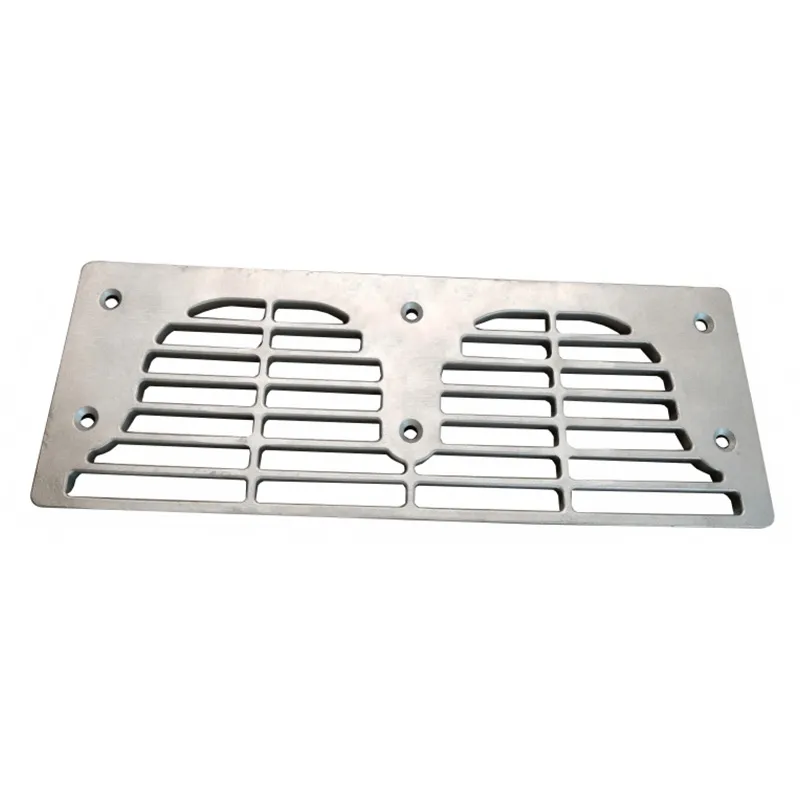
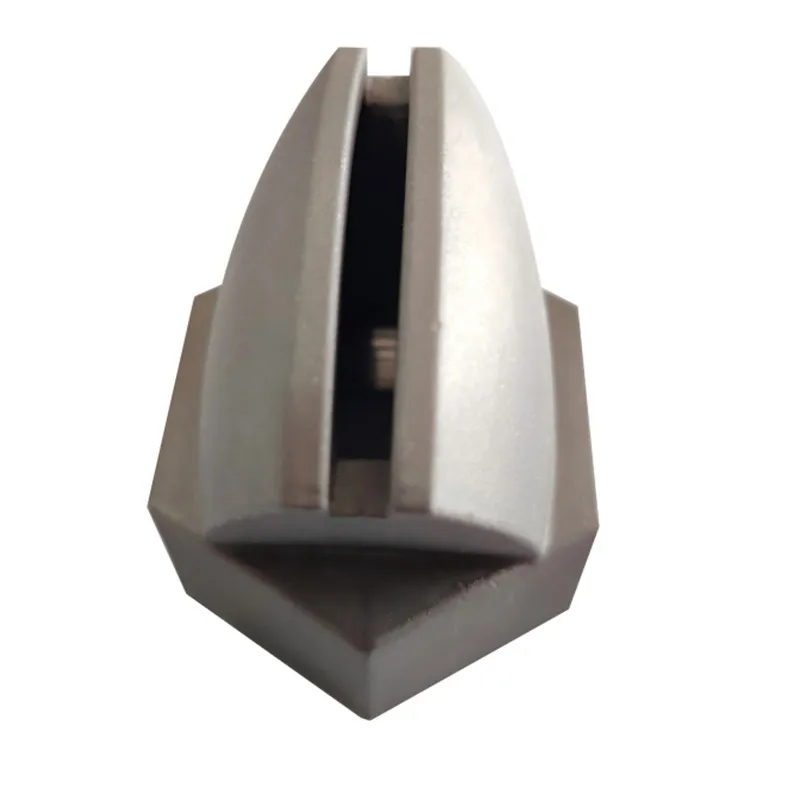
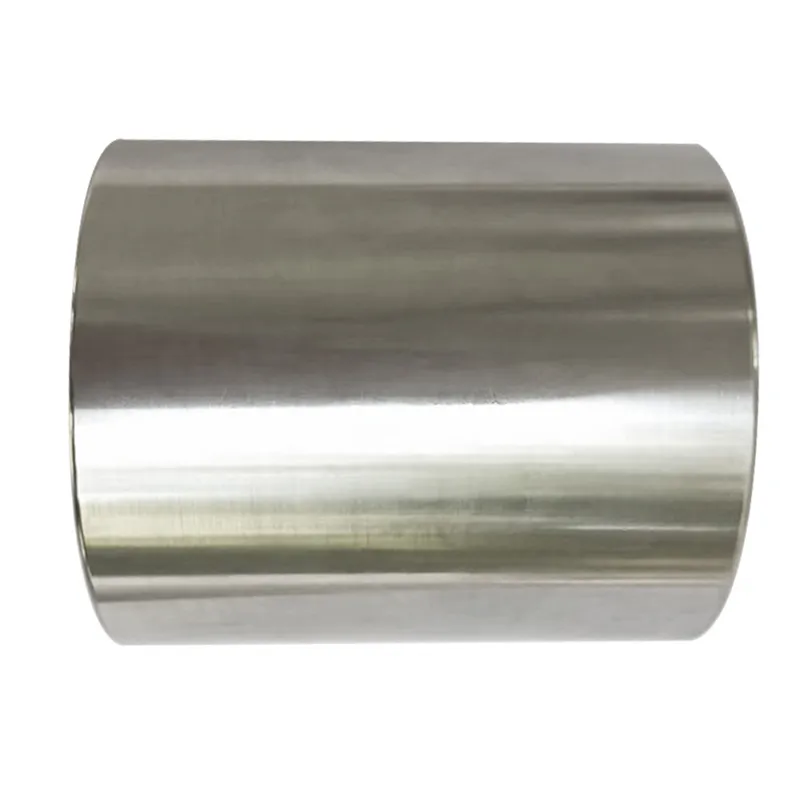
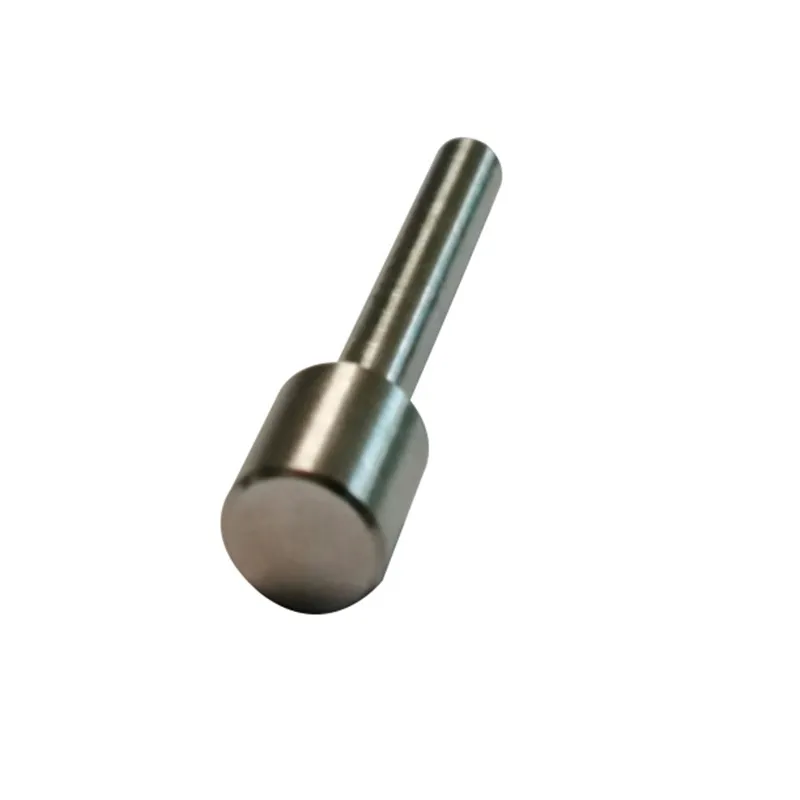
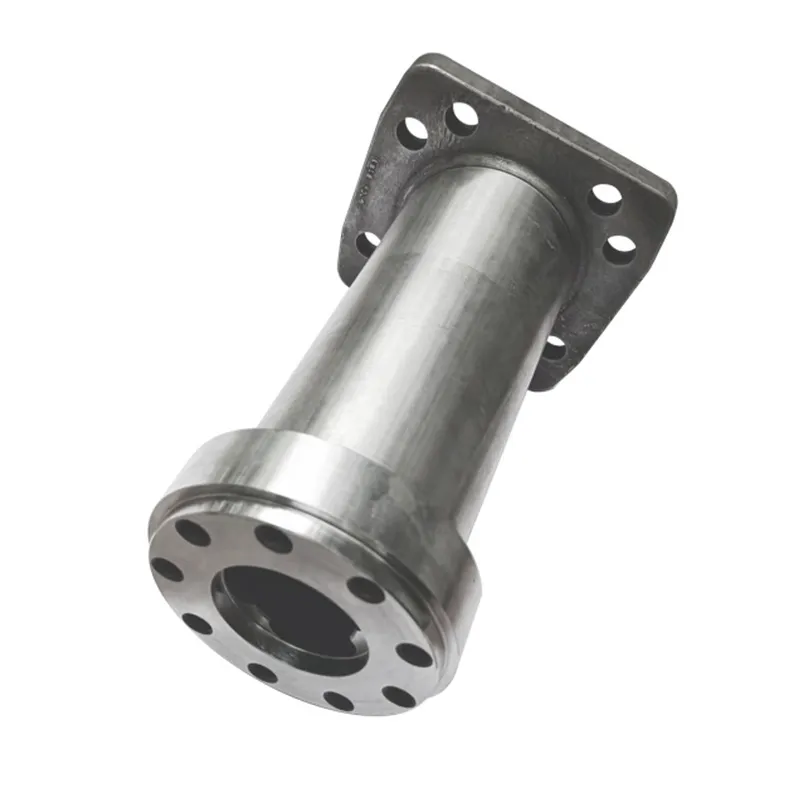
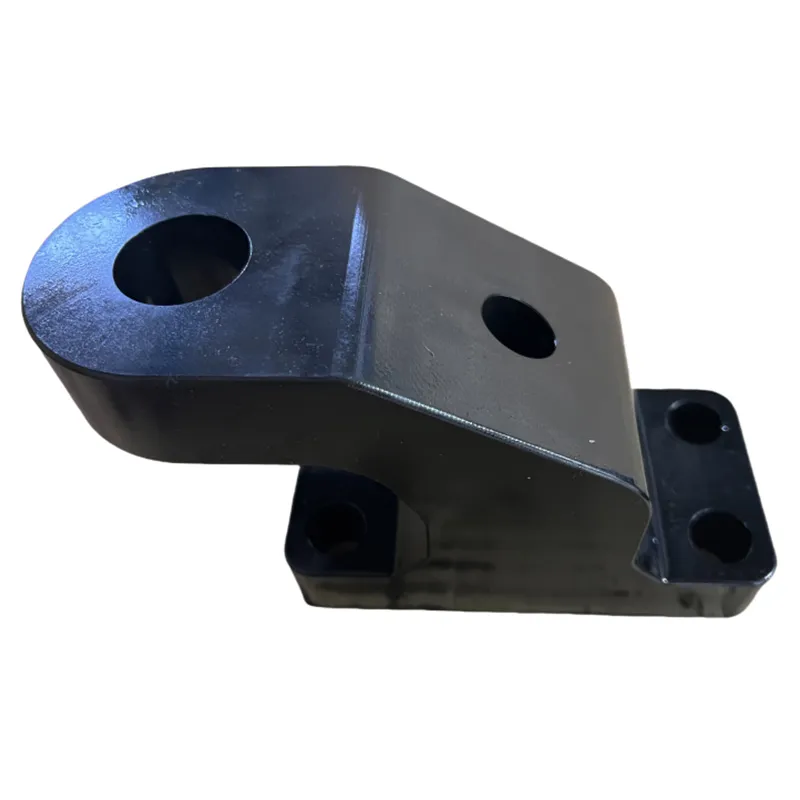
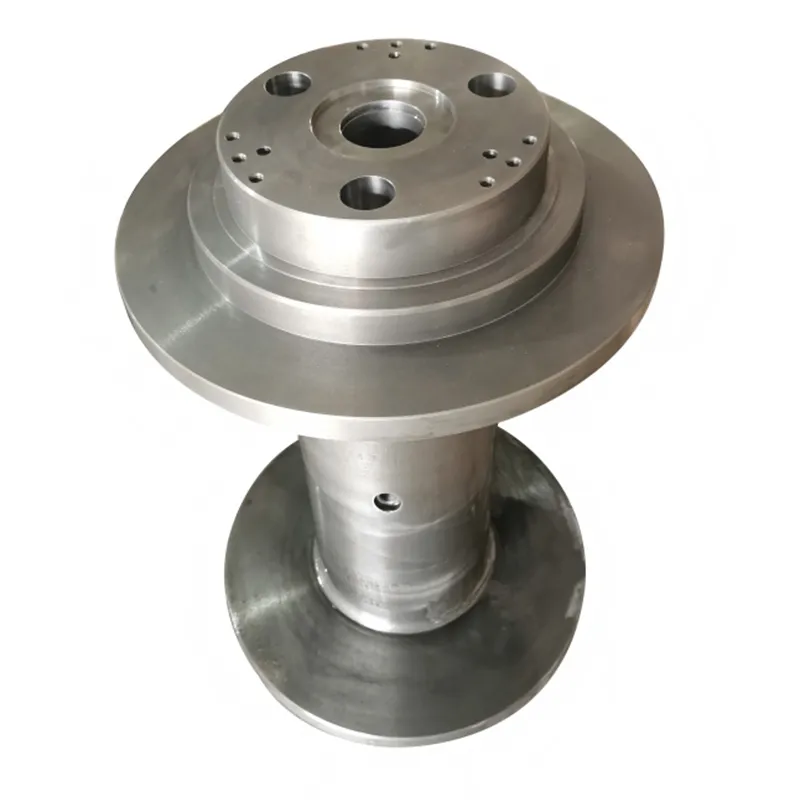
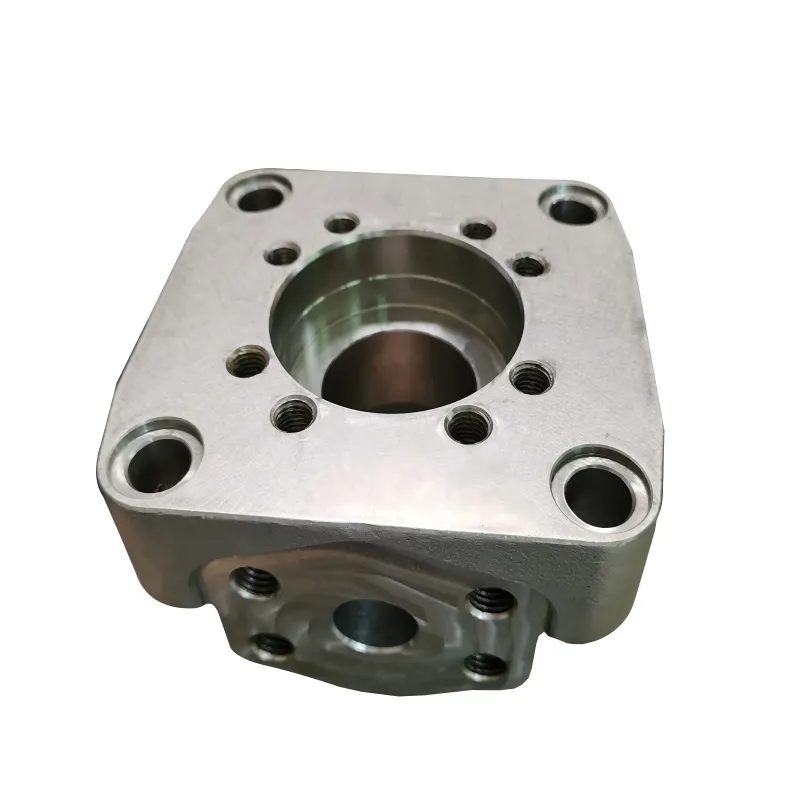
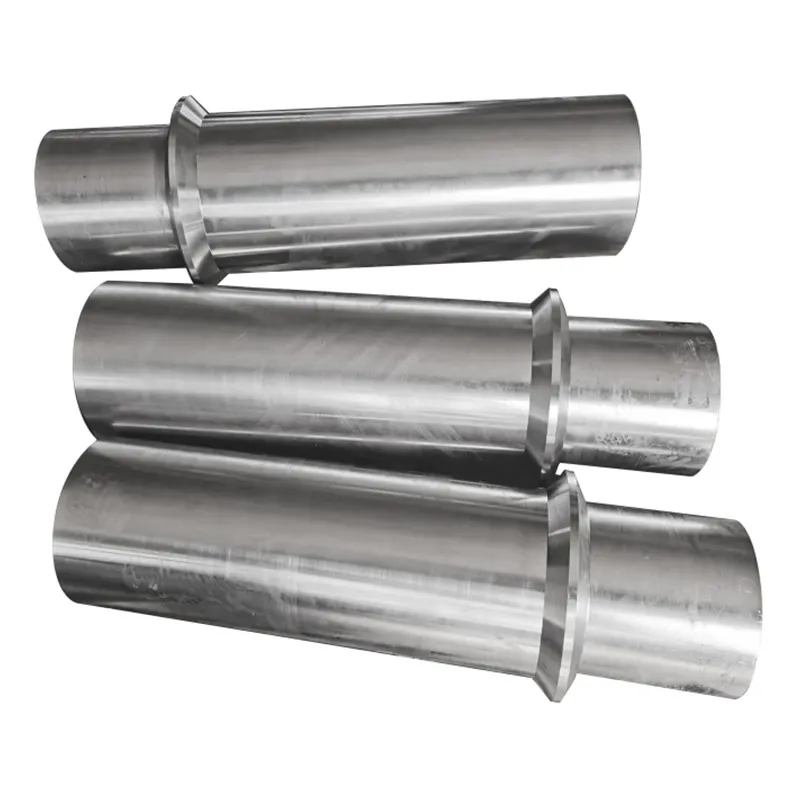
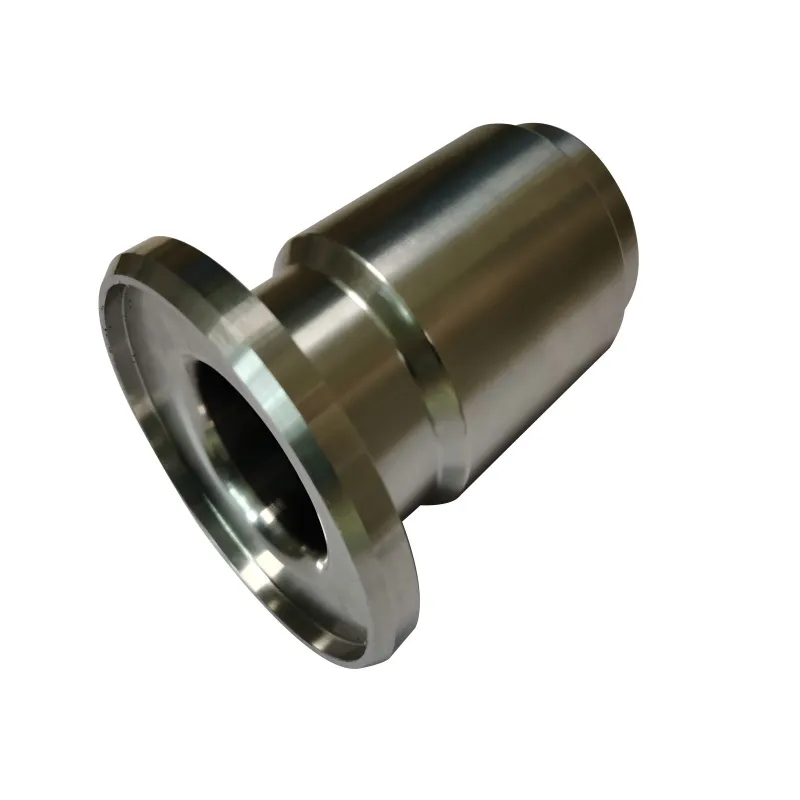
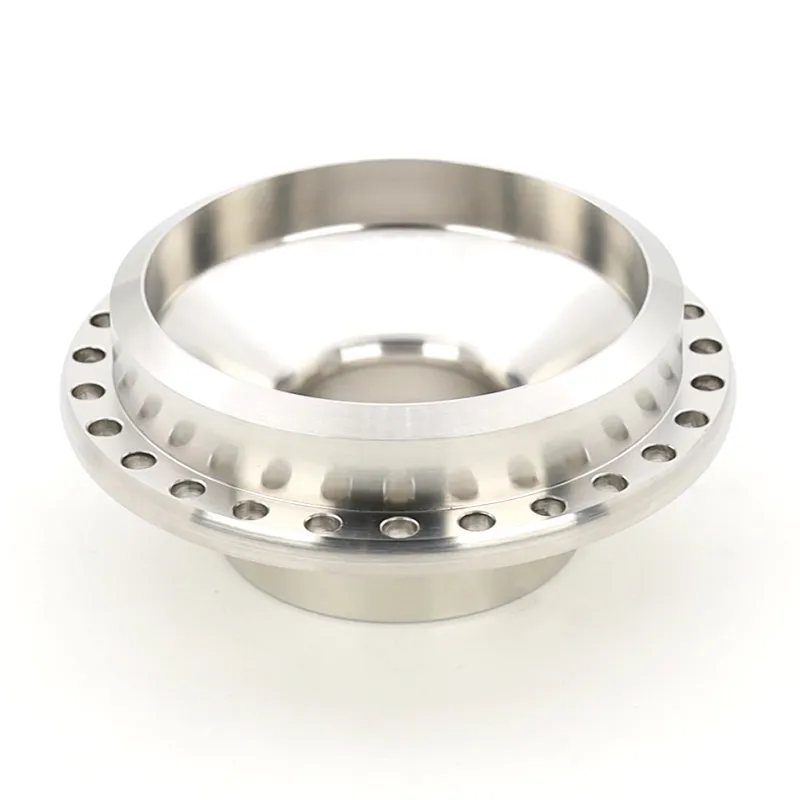
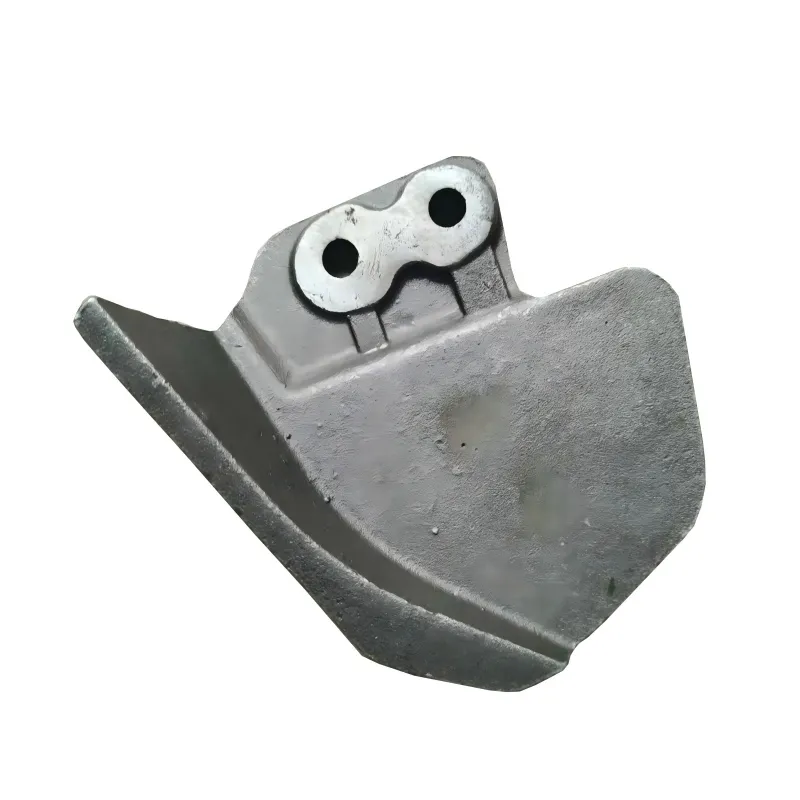
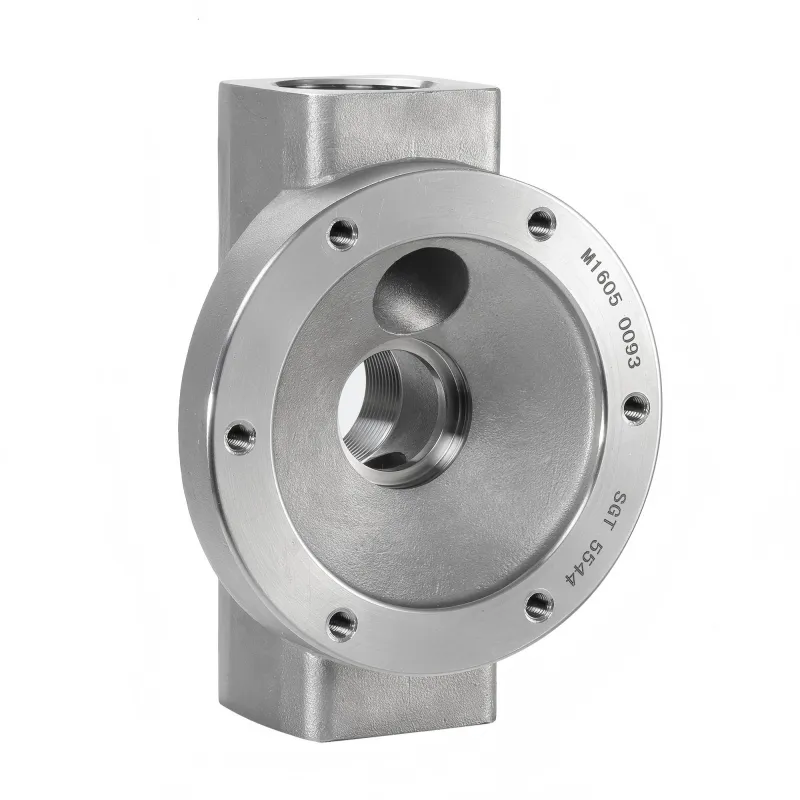
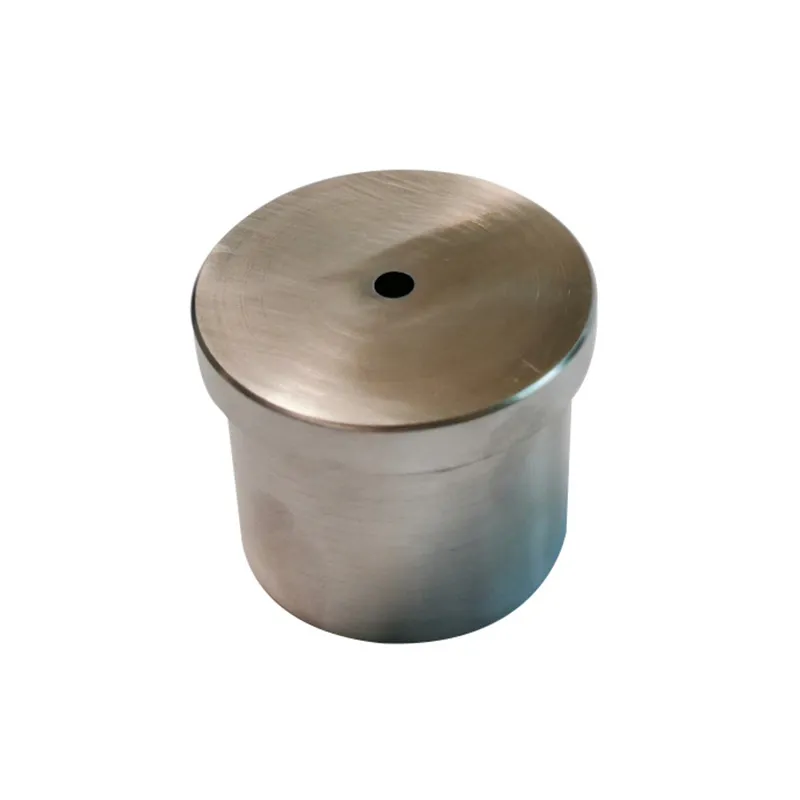
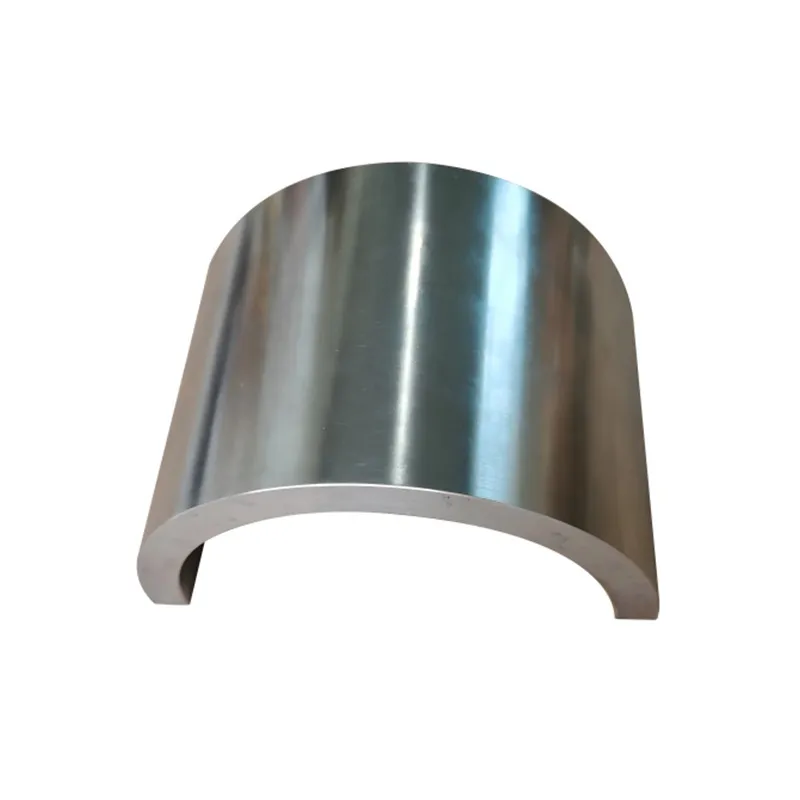
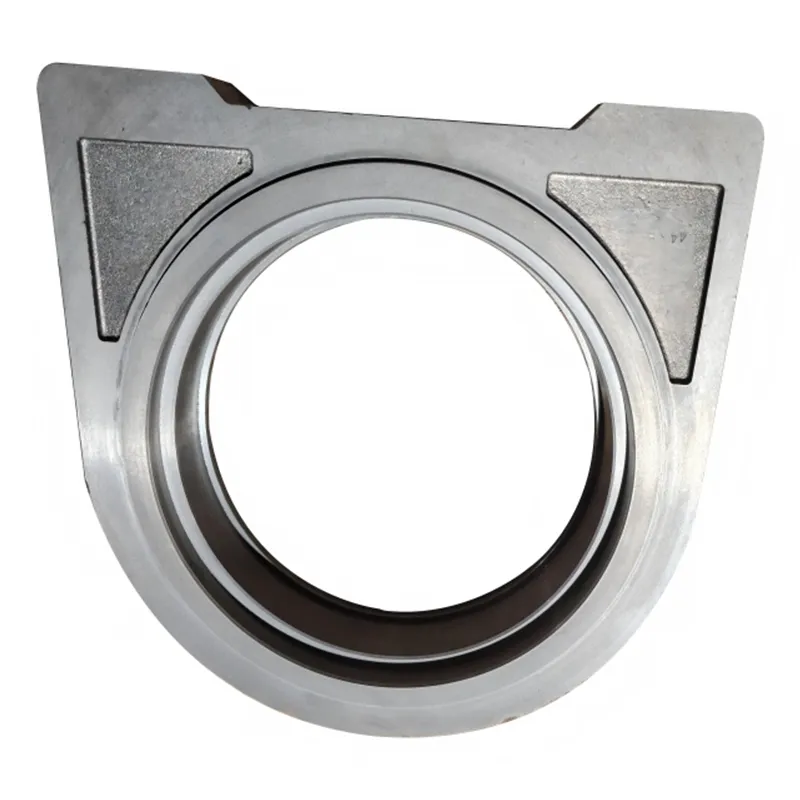
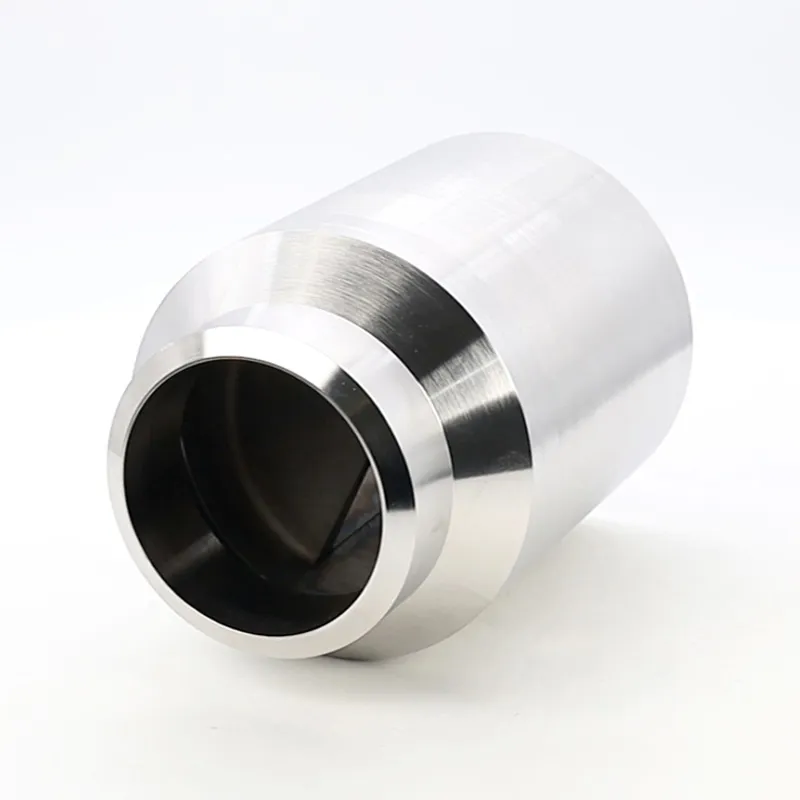
Let's talk about sand casting stainless steel. A lot of people hear stainless steel and immediately think precision, think investment casting, think smooth finishes. Sand casting gets sidelined as the rough, dirty cousin. That's a mistake. It's a perfectly viable process for a huge range of components, but you've got to know its language. The gating system design, the sand composition—especially for these alloys—it's a different beast from casting gray iron. You can't just pour 304 into a greensand mold designed for manhole covers and expect magic. The fluidity is different, the shrinkage is aggressive, and if you get the cooling wrong, you're locking in stresses or worse, creating massive hot tears that only show up after machining. I've seen it happen. A client once insisted on a massive, complex valve body via sand cast, against advice. The result? A beautiful-looking casting that cracked under its own thermal stress during cooling. It looked perfect on the surface, but it was scrap. That's the thing with sand casting stainless: the margin for error in the process design is thinner.
The Material Mismatch Perception
So why the bias? I think it comes down to finish and precision. Investment casting, shell molding—they give you near-net-shape parts, sometimes ready for assembly with minimal work. Sand casting gives you a rough blank, often with a heavy finish allowance. For a lot of high-volume, smaller stainless parts, that's wasteful. You're paying to machine away a lot of expensive material. But where sand casting shines is in the one-offs, the prototypes, the low-volume large parts. Think pump housings, turbine casings, large impellers, or architectural elements. We're talking pieces that could weigh from 50kg up to several tons. Trying to make a 500kg base frame for industrial machinery via investment casting is economically insane. Sand is the only practical route.
The key is managing expectations. The surface will have that characteristic gritty texture. Dimensional tolerances are wider, think ±2mm on a 500mm dimension as a rough guide, depending on the foundry's skill. You're designing for functionality first, not aesthetics. And you must, must, must involve the foundry early. The pattern design is everything. Draft angles, shrinkage allowances—for stainless, we typically use a patternmaker's rule around 2.1% to 2.4%, but it varies by grade. A 316L will behave differently from a CF8M (the cast equivalent) during solidification. If you send a finished CAD model to a shop and say make this, without process consultation, you're asking for trouble.
This is where experience from a shop that has handled diverse processes is invaluable. Take a company like Qingdao Qiangsenyuan Technology Co., Ltd. (QSY). You can find their work at https://www.tsingtaocnc.com. With over 30 years in casting and machining, they've seen it all—shell mold, investment, and yes, sand casting across materials. That cross-process knowledge is critical. They wouldn't just look at a stainless steel print and force it into a sand mold. They'd assess the geometry, the required integrity, the volume, and recommend the most technically and economically sound process. Sometimes the answer is to sand cast a rough shape and then leverage their in-house CNC machining to hit the tight tolerances on critical bores or faces. That integrated approach is how you make sand casting stainless steel work reliably.
The Nitty-Gritty: Gating, Feeding, and Sand Itself
Alright, let's get into the weeds. Pouring stainless, particularly the austenitic grades like 304/316, is not like pouring carbon steel. It's shorter—less fluid. It solidifies quickly over a range, forming a mushy zone. This makes it prone to shrinkage porosity if not fed properly. Your riser design is paramount. They need to be bigger, placed more strategically, and stay hot longer than you might be used to. Chills are your friend to force directional solidification. We often use iron or copper chills placed against thick sections to draw heat out fast, making the metal solidify towards the riser.
Then there's the sand. Silica sand is common, but for stainless, you often see zircon or chromite sand used in the facing layer. Why? Higher thermal conductivity. It pulls heat from the metal faster, promoting a finer grain structure and a harder, denser surface on the casting. It's more expensive, but for critical parts, it's non-negotiable. The binder system matters too. Chemically-bonded sands (like furan or phenolic urethane) are typical for stainless. They give you stronger molds, better dimensional stability, and you can design more complex cores. Greensand can be used for simpler shapes, but moisture-related defects like gas holes or blowholes are a real risk with stainless's high pouring temperatures (around °C for 304).
A practical headache? Burn-on. Where the molten metal partially fuses with the sand grains on the surface. It's a nightmare to remove, often requiring aggressive grinding or shot blasting, which can work-harden the surface. It's usually a sign of poor sand preparation or the wrong sand/binder combo. You learn to spot the conditions that cause it—sand too fine, not enough venting, metal temperature too high. It's one of those quality issues that separates a decent foundry from a good one.
Post-Casting: The Real Work Often Begins
Here's another reality check. When the casting comes out of the shakeout, your job is maybe half done. You've got to cut off the gates and risers, which on stainless are tough. Plasma arc or abrasive cutting is standard. Then there's heat treatment. Most sand-cast stainless components will require a solution annealing treatment. This involves heating to around °C, holding, and then quenching rapidly in water or air. This dissolves any chromium carbides that formed during slow cooling in the mold (which can lead to sensitization and corrosion issues) and relieves the internal stresses. Skipping this step is a common, catastrophic error for parts meant for corrosive service.
After heat treat, you often discover distortions. The casting warps. It's almost guaranteed. That's why you leave that generous machining allowance. This is where the partnership with a machine shop is crucial. A company that does both casting and machining, like QSY, has a huge advantage. They know how the part will likely move from the heat treatment, they know where to leave extra stock, and they can fixture it correctly for machining. Trying to get a warped sand casting to sit right in a CNC vise at an unrelated machine shop is a recipe for scrapped parts and arguments.
NDT is another critical, and often underestimated, step. For pressure-containing parts, radiographic testing (RT) or ultrasonic testing (UT) is specified. But for many general industrial parts, a good dye penetrant test (PT) is the bare minimum to check for surface cracks or porosity. The gates and riser contact points are prime crack initiation sites. You grind them flush, then PT. I can't count how many times a seemingly perfect casting showed a hairline crack right at the riser neck after PT. It's a necessary, humbling step.
When to Choose It: A Pragmatic Decision Tree
So, when do you pull the trigger on sand casting for stainless? Let's be pragmatic. First, size and weight. If it's over 100kg and a low quantity (say, under 50 pieces), sand casting is a top contender. Second, geometry. Is it relatively open? Can you pull a pattern out of it without a million complex, fragile cores? Complex internal passages might push you towards shell or investment, even for a large part. Third, what's the criticality? Is it a decorative bollard or a high-pressure valve body? The quality controls, sand type, and NDT level will vary wildly, affecting cost.
Fourth, and this is huge: lead time and pattern cost. For a one-off, building a full wooden or urethane pattern is expensive and time-consuming. This is where modern techniques like 3D printed sand molds come in. You bypass the pattern entirely. Print the mold and core directly from CAD. It's a game-changer for prototypes and complex one-offs. The unit cost is high, but the setup cost and time are slashed. I suspect forward-thinking foundries are integrating this. A shop with a broad view of the industry, like QSY, which deals in various casting methods and CNC, is well-positioned to advise on whether traditional pattern making or direct printing makes sense for a given sand casting stainless steel project.
Finally, consider the entire value chain. Are you just buying a casting, or do you need a finished, machined component? If it's the latter, sourcing from a single supplier who controls casting, heat treatment, and machining reduces logistical headaches, quality finger-pointing, and often total cost. The integration of services is a massive advantage in making sand cast stainless components viable for end-use applications, not just as rough blanks.
Concluding Thoughts: It's a Tool, Not a Default
Look, sand casting stainless steel isn't glamorous. It won't give you the mirror finish of a lost-wax casting. It demands respect for the process, a deep collaboration between designer and foundry, and an understanding that a lot of the part's final cost and quality will be determined in the machining and finishing stages. It's a foundational manufacturing process, best for creating the heavy, structural bones of equipment.
The takeaway shouldn't be to avoid it, but to engage with it intelligently. Partner with foundries that have proven experience with the alloy, ask to see similar work, understand their capabilities in gating design and sand systems. And strongly consider suppliers who offer a vertically integrated path from mold to finished part. It de-risks the project significantly. In the right application, with the right process controls, a sand-cast stainless component is incredibly robust and cost-effective. It's about choosing the right tool for the job, not forcing every stainless part into the highest-precision—and highest-cost—mold.