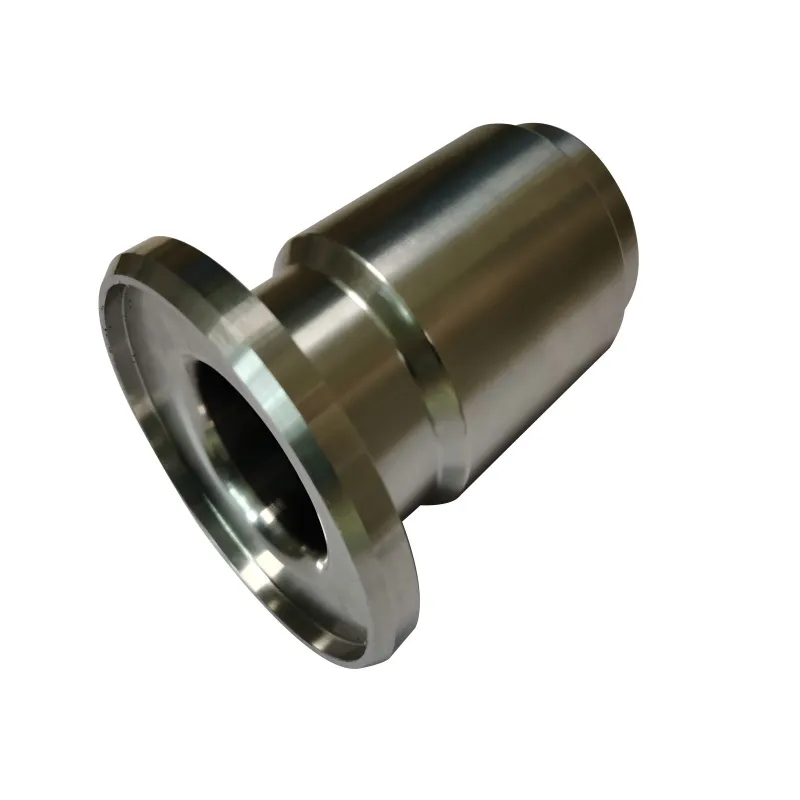
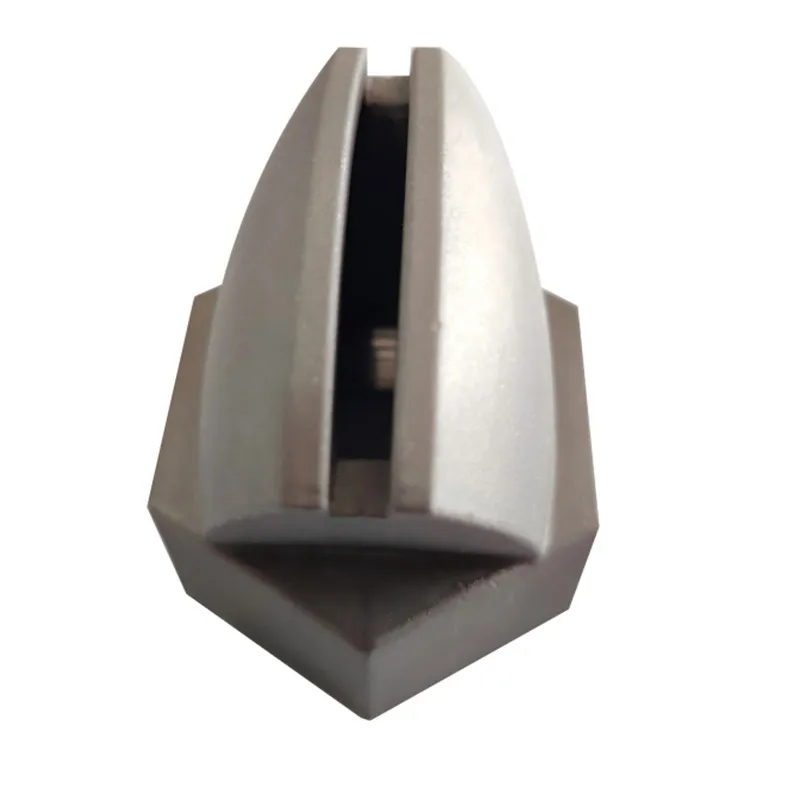
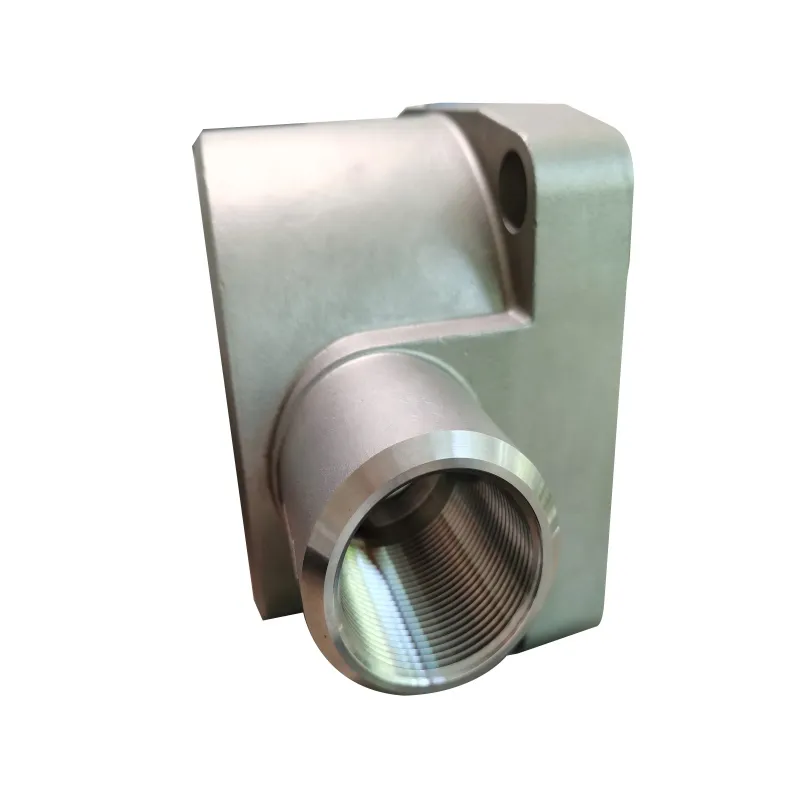
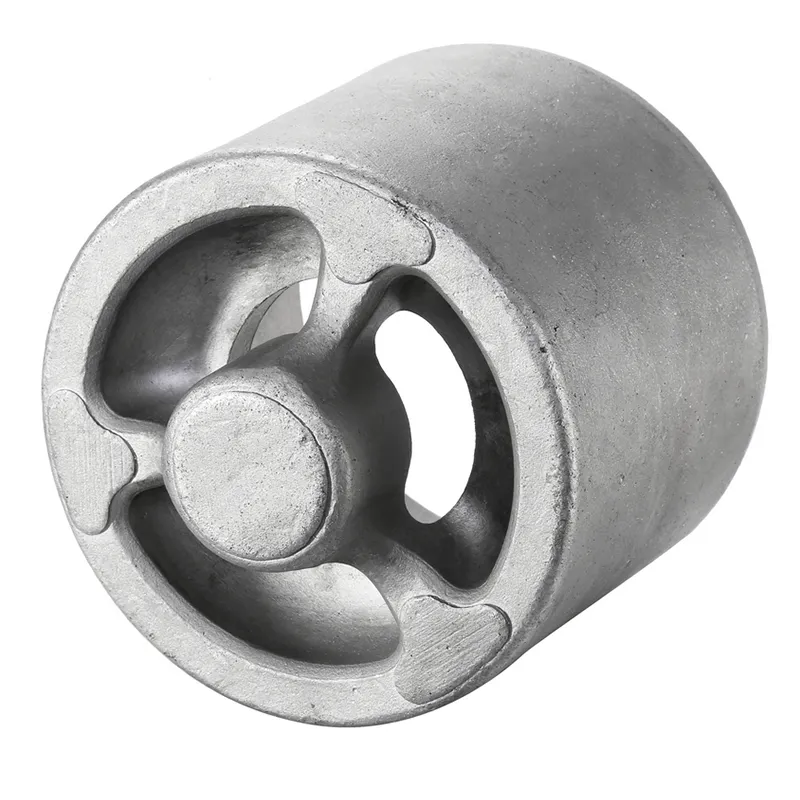
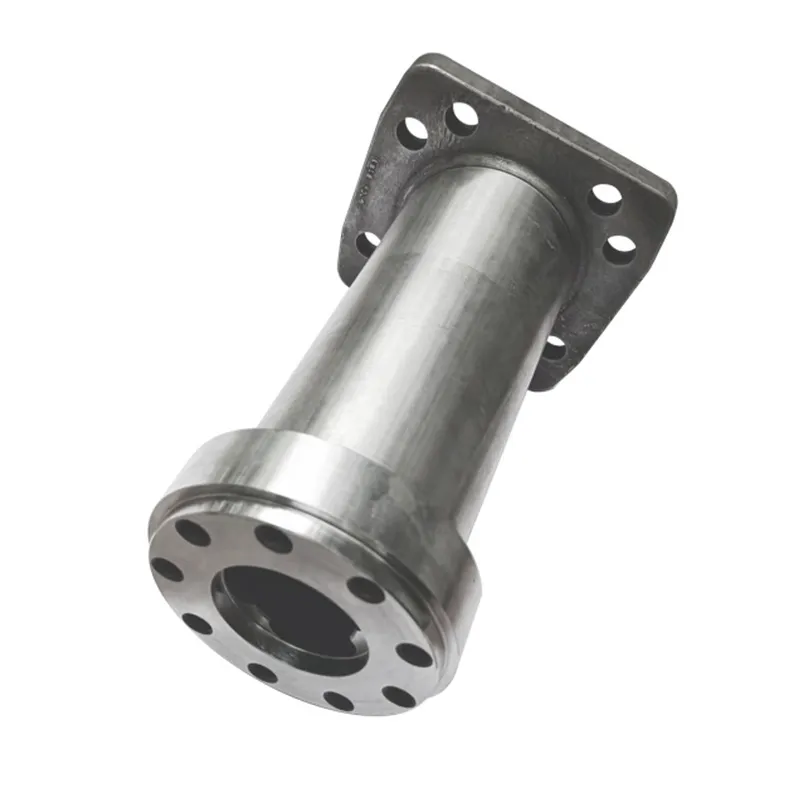
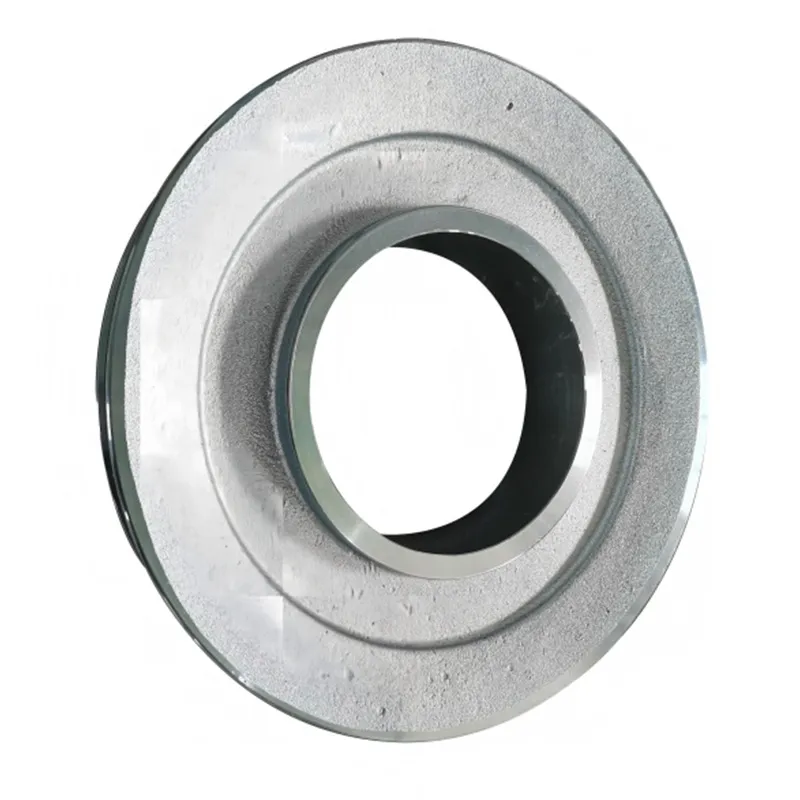
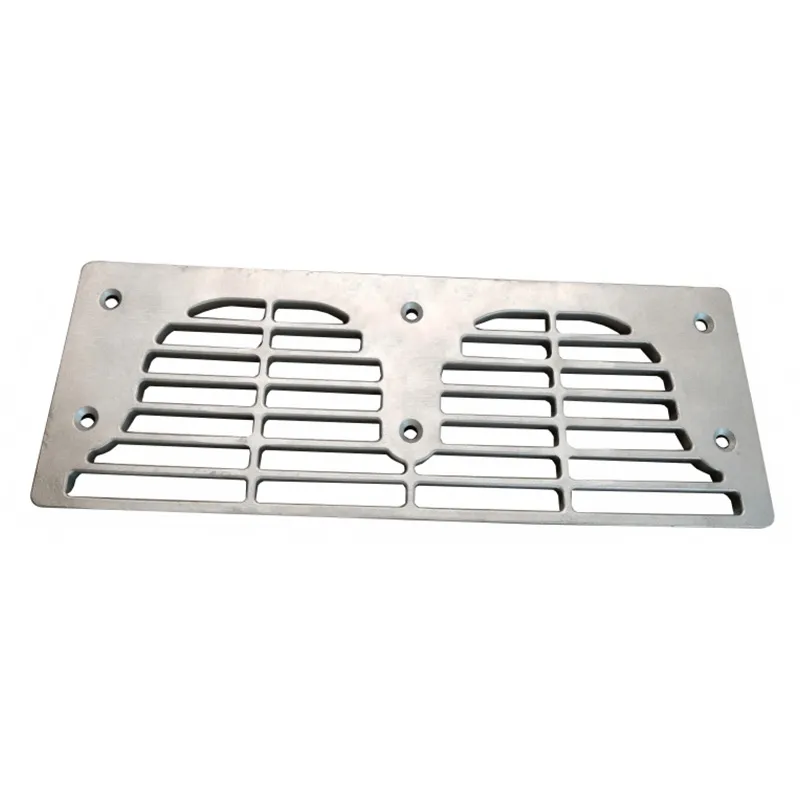
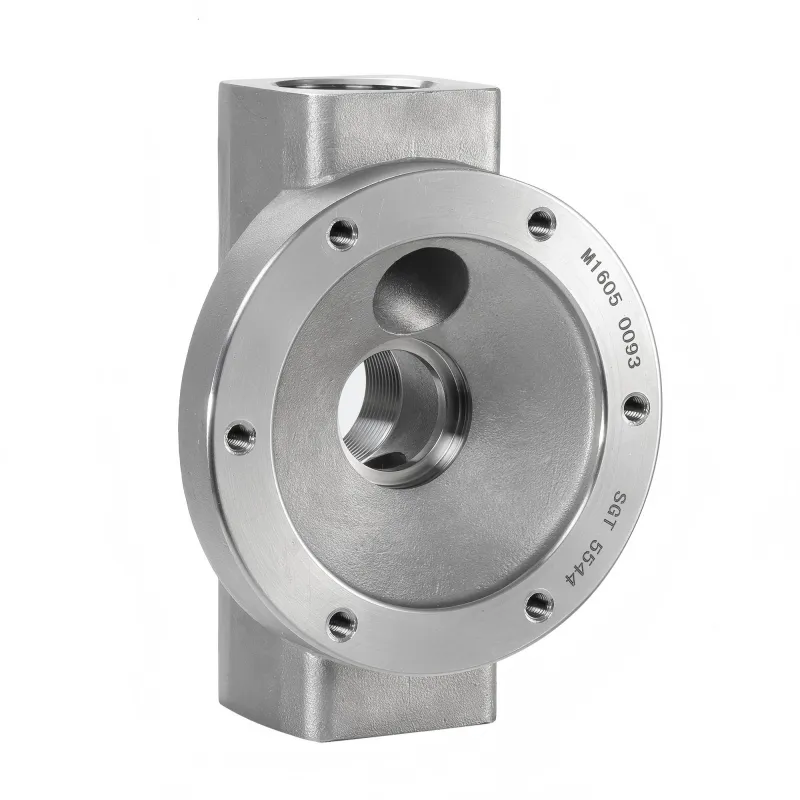
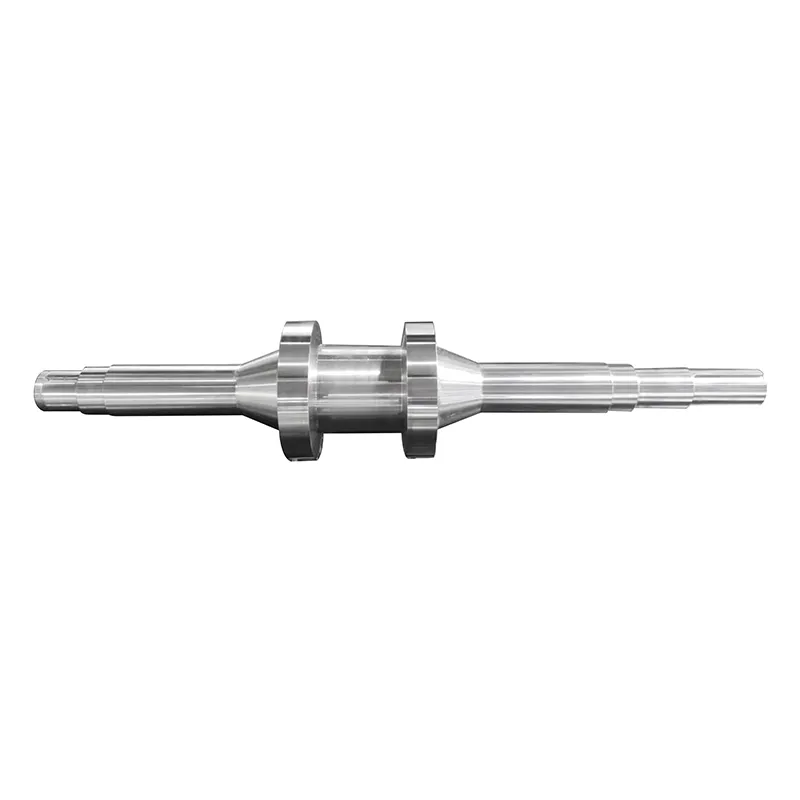
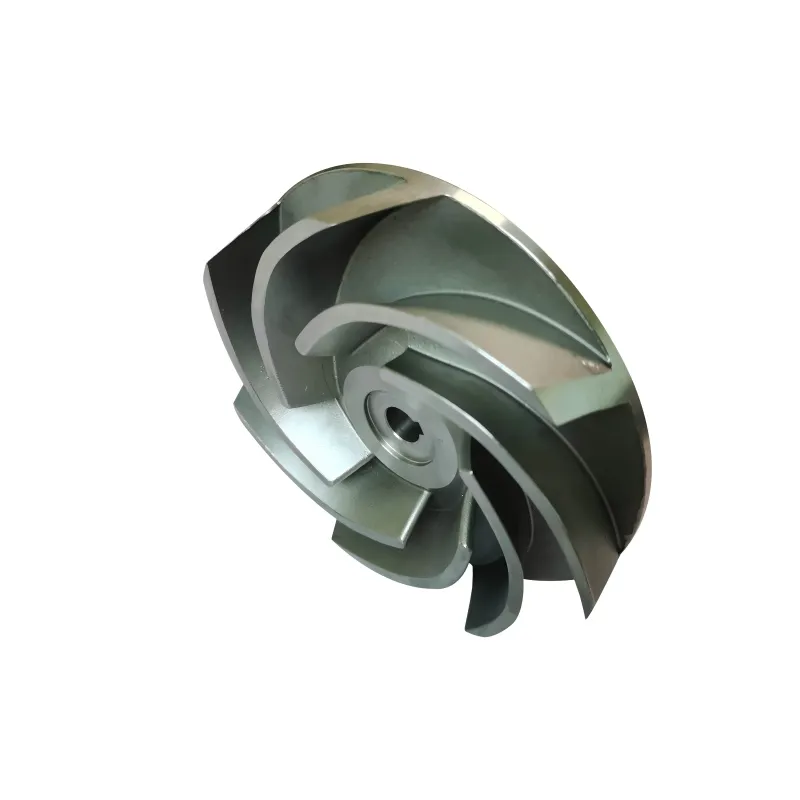
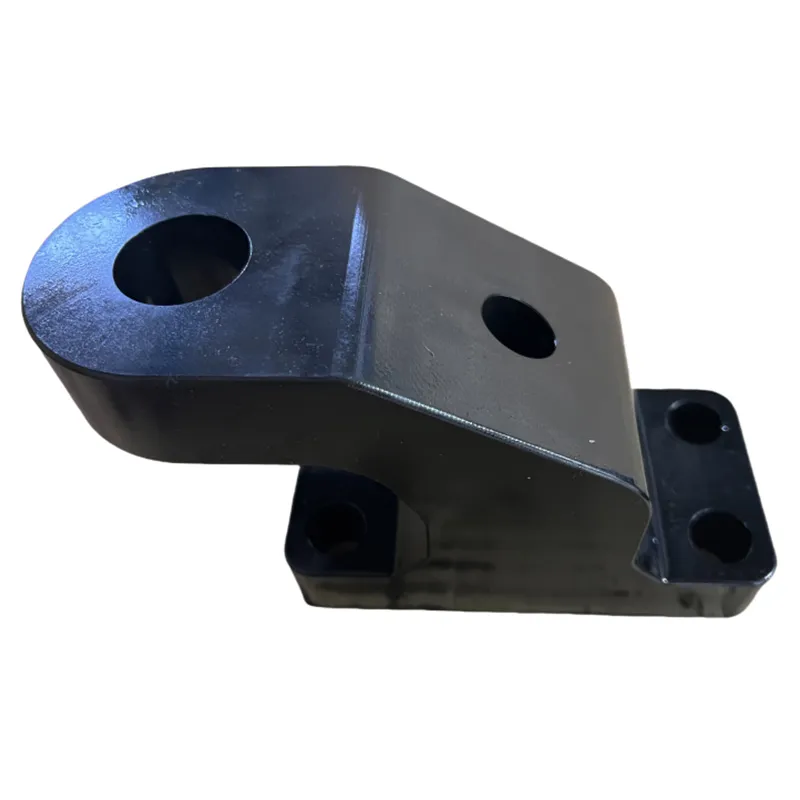
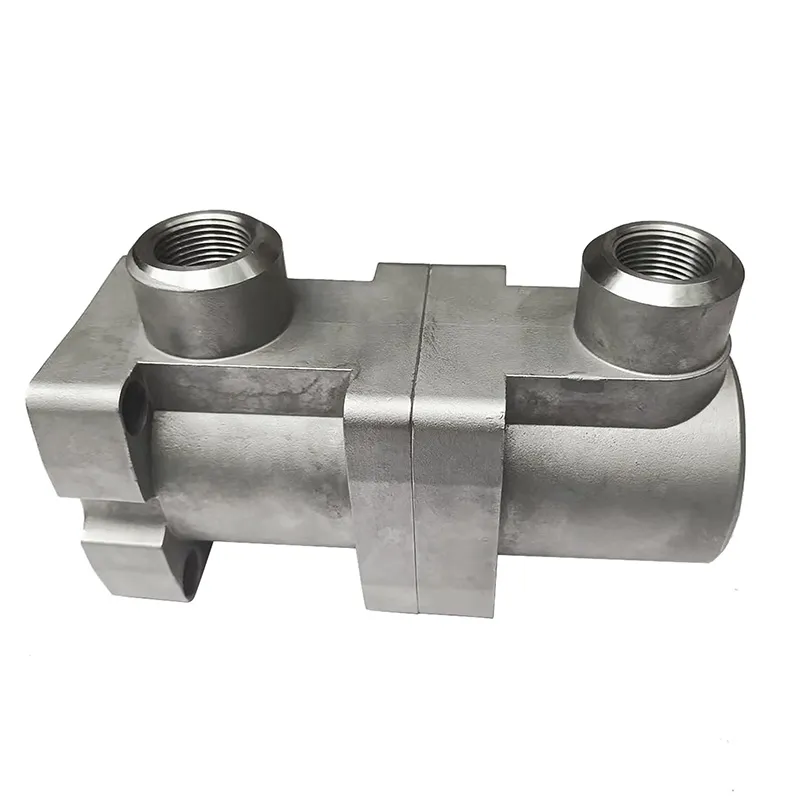
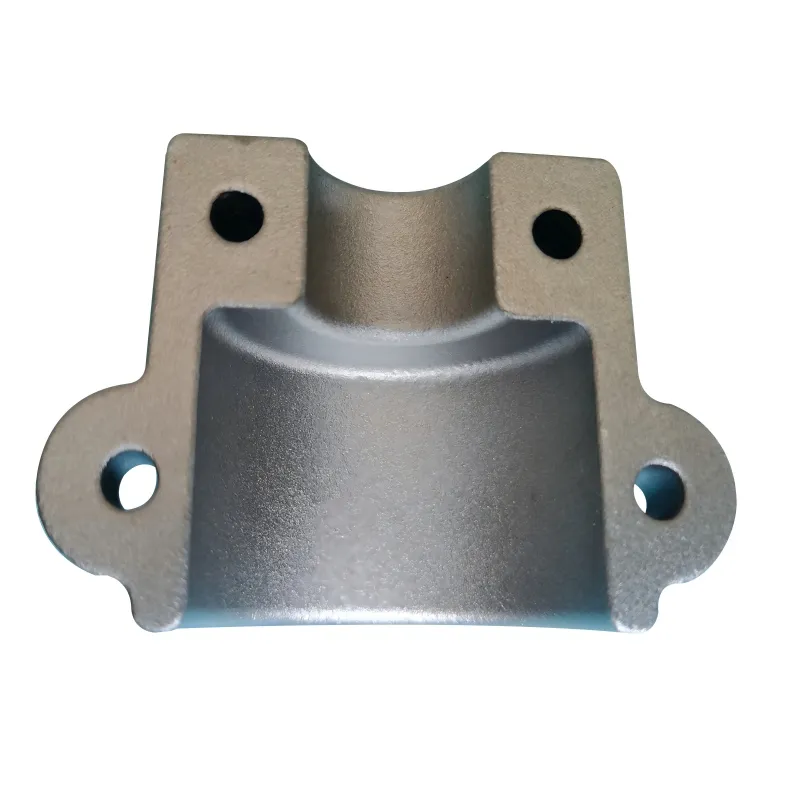
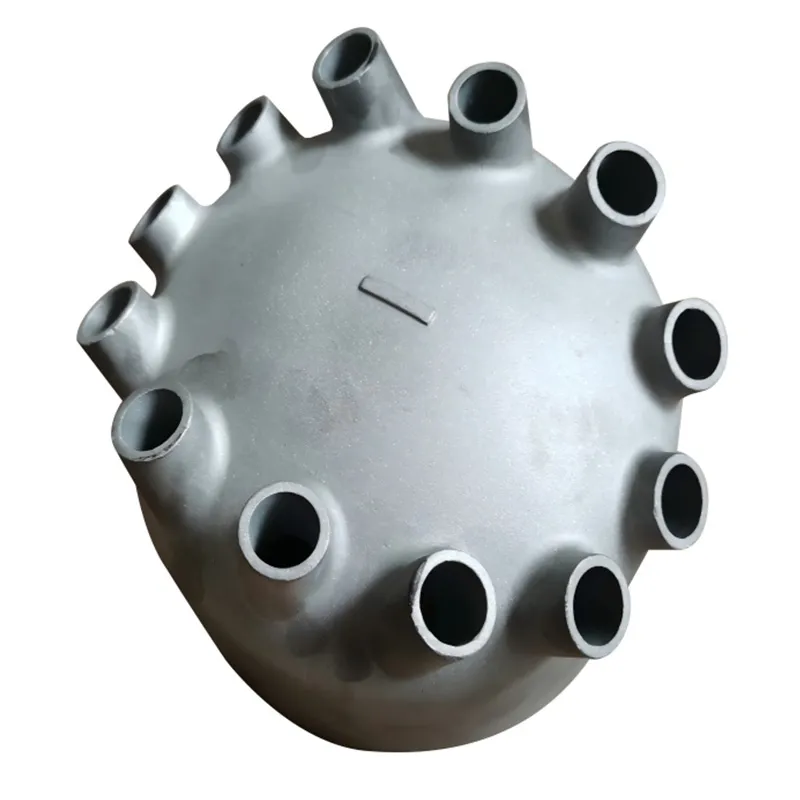
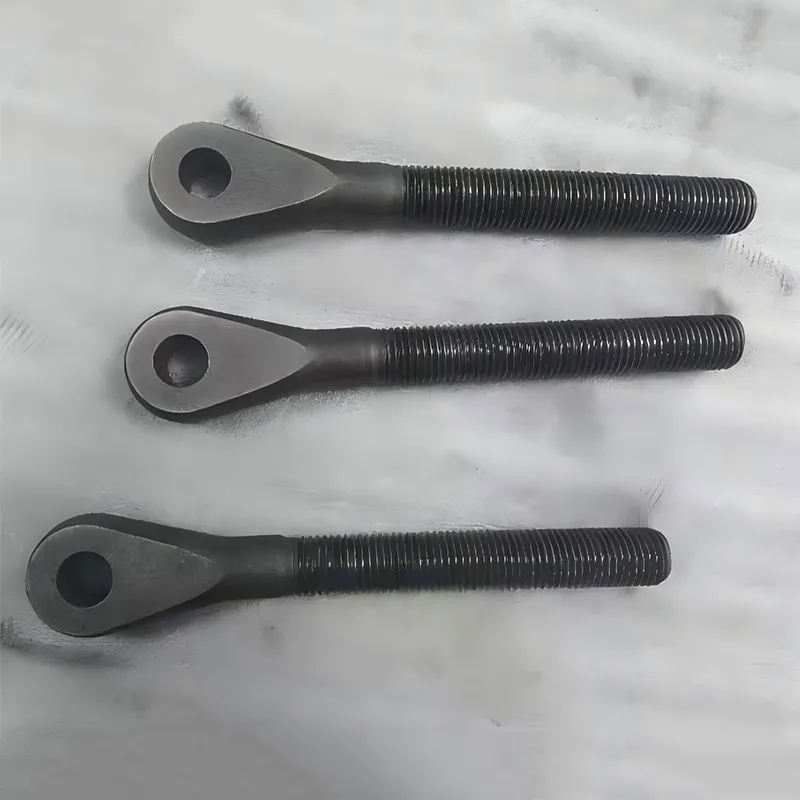
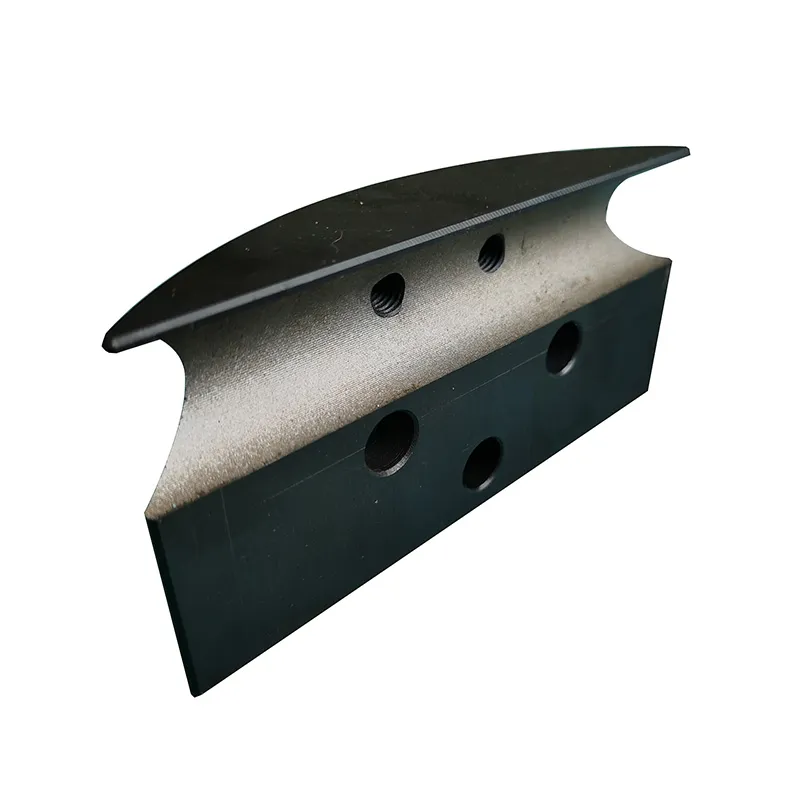
When you hear 'Sanicro 28 stainless steel mechanical parts,' the immediate thought often jumps to 'super austenitic, high corrosion resistance, perfect for harsh environments.' That's the brochure talk. In the workshop, the story is more about managing expectations—this alloy isn't a magic wand. It solves specific, severe corrosion problems, but its fabrication, especially for complex cast and machined components, introduces a set of challenges that generic data sheets don't prepare you for. The gap between its theoretical properties and the reality of turning it into a reliable, pressure-bearing valve body or pump casing is where experience, and sometimes costly lessons, come in.
The Alloy's Promise vs. The Machinist's Reality
On paper, Sanicro 28 is brilliant. High nickel, chromium, and molybdenum content give it phenomenal resistance to pitting, crevice corrosion, and stress corrosion cracking in chlorides and acidic media. We're talking offshore, chemical processing, flue gas desulfurization—the nasty stuff. I recall a project for a seawater cooling system manifold where 316L parts were failing within months. The client spec'd Sanicro 28 as the replacement. The performance leap was undeniable; those parts are still in service. But getting there wasn't straightforward.
The first hurdle is its work hardening rate. It's pronounced. If your CNC programming and toolpath strategy treat it like standard 304 or even 316, you'll burn through inserts, induce excessive heat, and likely work-harden the surface to the point of making subsequent passes difficult. You need rigid setups, positive rake geometries, and you absolutely must maintain consistent, controlled feeds and speeds. Let the tool dwell, and you've just created a localized hard spot that might initiate a crack later. It's a material that demands respect and a light, sharp touch.
Then there's the stringy chip. It doesn't break nicely. Without proper chip control—through tool geometry, high-pressure coolant, or programmed pecking—you end up with a bird's nest that can mar the workpiece surface or, worse, cause a machine crash. We learned this early on machining a batch of custom flanges for QINGDAO QIANGSENYUAN TECHNOLOGY CO.,LTD.,(QSY). Their three decades in casting and machining meant they understood the material's behavior, but even then, dialing in the perfect parameters for a new, complex geometry was a trial-and-error process on the shop floor. The collaboration was key; their foundry experience with the alloy's solidification characteristics informed our machining approach.
Casting Complexities: Where the Microstructure Matters
This is where the mechanical parts journey truly begins for components like valve bodies or impellers. Sanicro 28's casting behavior is distinct. It's prone to micro-segregation of alloying elements, particularly molybdenum, during solidification. If the cooling isn't controlled properly—say, in the investment casting process that QSY specializes in—you can get uneven distribution of these key elements. This doesn't just affect corrosion resistance locally; it impacts the mechanical properties uniformly.
A case in point: we once received a casting for a critical connector. It passed the standard PMI (Positive Material Identification) check. But under load in a test fixture, it failed prematurely at a seemingly benign stress level. Metallurgical analysis revealed minor carbide precipitation along grain boundaries in a section that had cooled slightly slower. The bulk chemistry was right, but the local microstructure was compromised. The lesson? For Sanicro 28, the foundry's process control—gating design, pouring temperature, mold pre-heat, and post-casting heat treatment (solution annealing and quench)—isn't just a step; it's the defining factor for part integrity. A foundry like the one behind https://www.tsingtaocnc.com that lists special alloys explicitly has likely wrestled with these nuances, developing proprietary practices to ensure homogeneity.
The post-casting heat treatment is non-negotiable. It's not an if needed step. The casting must be solution anneated at a high temperature (around °C typically) and then rapidly quenched to dissolve any secondary phases and retain all those expensive alloying elements in solid solution. Any deviation here, and you're locking in weaknesses before machining even starts. You're essentially paying for a premium alloy but getting sub-par performance.
The Welding and Fabrication Tightrope
Many stainless steel assemblies require welding. With Sanicro 28, welding is a discipline in itself. Its high alloy content means it's susceptible to forming secondary intermetallic phases in the heat-affected zone (HAZ) if the heat input isn't tightly managed. These phases, like sigma phase, can utterly destroy toughness and corrosion resistance locally.
We fabricated a large, welded chamber liner. The welds looked perfect, passed visual and dye penetrant inspection. But in service, it developed leaks along the HAZ, not the weld metal itself. The culprit? Excessive heat input during a manual TIG repair pass, which wasn't documented in the procedure. It created a narrow band of embrittled material that corroded rapidly. The fix involved re-qualifying the entire welding procedure specification (WPS) with strict controls on interpass temperature and using a matching high-nickel filler metal, like Alloy 625 or a matching Sanicro 28 filler, to preserve the corrosion profile. It's a reminder that the material's capability hinges on the integrity of every thermal process it undergoes.
This is another area where partnering with a full-service provider matters. A company that handles both the casting/machining and understands the downstream joining processes can provide invaluable continuity. They can advise on design for manufacturability—like suggesting slight design changes to minimize weld volume or locating welds away from high-stress areas—based on how the material behaves through the entire chain.
Cost-Benefit: Justifying the Premium
Let's be blunt: Sanicro 28 parts are expensive. The raw material cost is high, the machining is slow and consumes costly tooling, and the required quality controls add overhead. You don't specify it for fun. The justification is total lifecycle cost in an environment that eats other materials.
The decision matrix is practical. Is it a static, mildly corrosive environment? 316L might suffice. Is chloride stress corrosion cracking the main threat? Maybe duplex 2205 offers a better strength-corrosion balance at a lower cost. But when you're dealing with hot, concentrated sulfuric acid, phosphoric acid with fluorides, or seawater with chlorination, and you need good ductility and weldability on top of resistance, that's the Sanicro 28 niche. It's a specialist, not a generalist.
For a fabricator, this means having candid conversations with clients. Pushing back on a spec that seems overkill, but also advocating for it when the application truly warrants. I've seen projects where the upfront cost caused sticker shock, leading to a downgrade to a cheaper alloy. Two years later, the cost of downtime, replacement, and environmental containment from a failure dwarfed the initial savings. The real value of a Sanicro 28 stainless steel component isn't in its purchase order line item; it's in its silent, reliable operation for years in a place where nothing else holds up.
Sourcing and Collaboration: The Intangible Factor
You can't just buy these parts from a catalog. Manufacturing Sanicro 28 mechanical parts is a technical collaboration. When evaluating a supplier, you're not just checking for CNC machines; you're probing their metallurgical understanding. Do they get the criticality of heat treatment charts? Can they provide micrographic analysis reports? Do their machinists understand the feel of the material?
This is why a manufacturer's stated experience, like QSY's 30-year background in investment casting and machining of special alloys, carries weight. It implies a repository of tacit knowledge—the kind that remembers which gate design minimized turbulence for a similar Ni-based alloy casting, or what coolant formulation worked best to manage chip adhesion. Their website, https://www.tsingtaocnc.com, lists cobalt and nickel alloys alongside stainless, which is a good signal; it suggests a familiarity with the entire family of challenging, high-performance materials.
The relationship becomes a technical partnership. The best outcomes I've seen involve sharing the full service environment details (temperatures, exact chemical concentrations, cycling loads) with the foundry and machinist. This allows them to make subtle adjustments—maybe a slight tweak to the solution annealing time, or a recommendation for a specific surface finish to reduce pitting initiation risk. The part becomes a co-engineered solution, not just a purchased commodity. In the world of high-end alloys, that collaborative depth is often the difference between a part that merely meets print and one that excels in service.