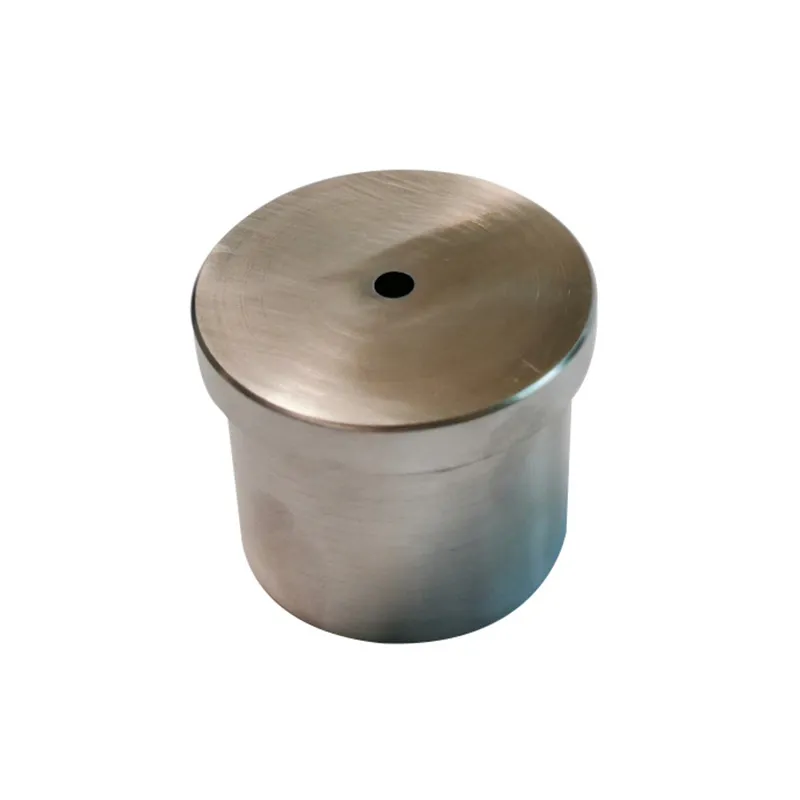
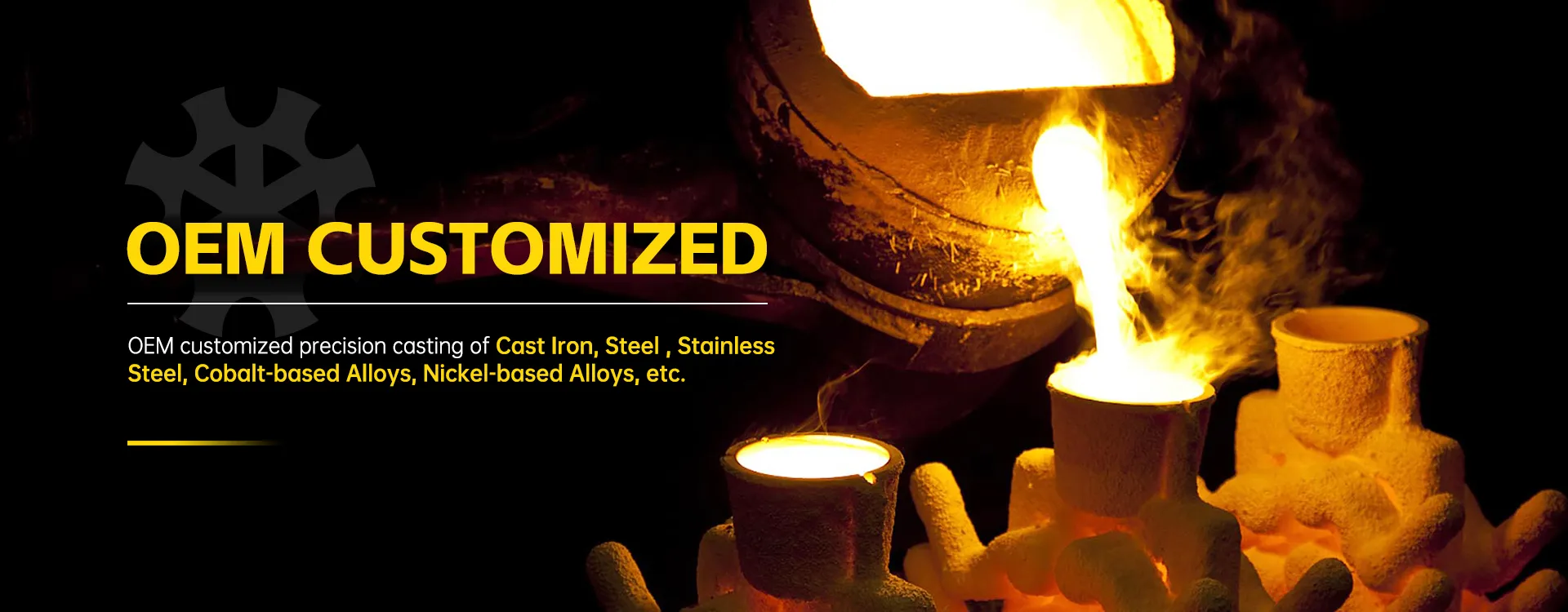
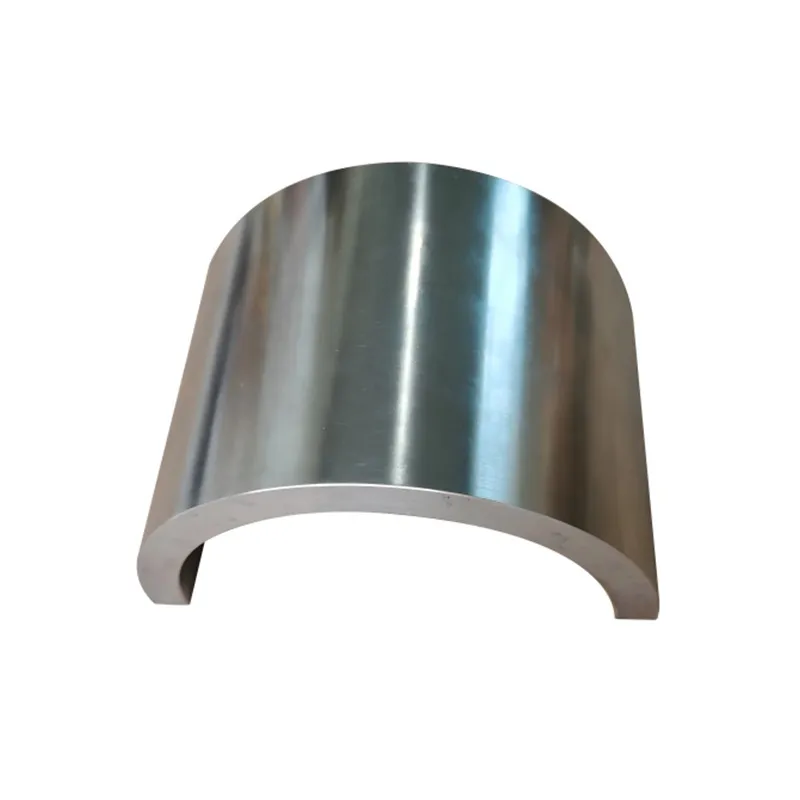
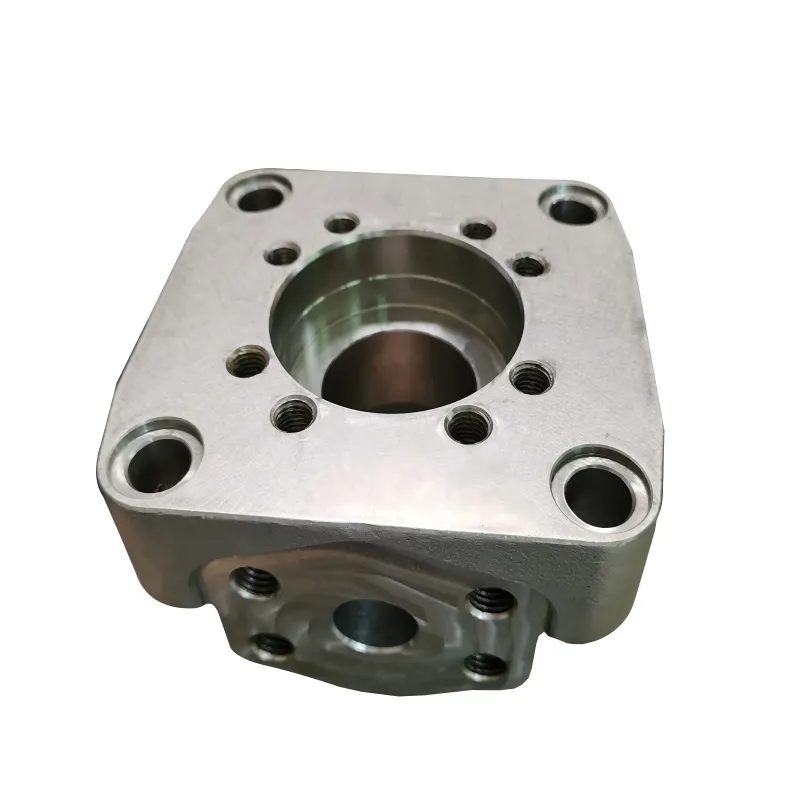
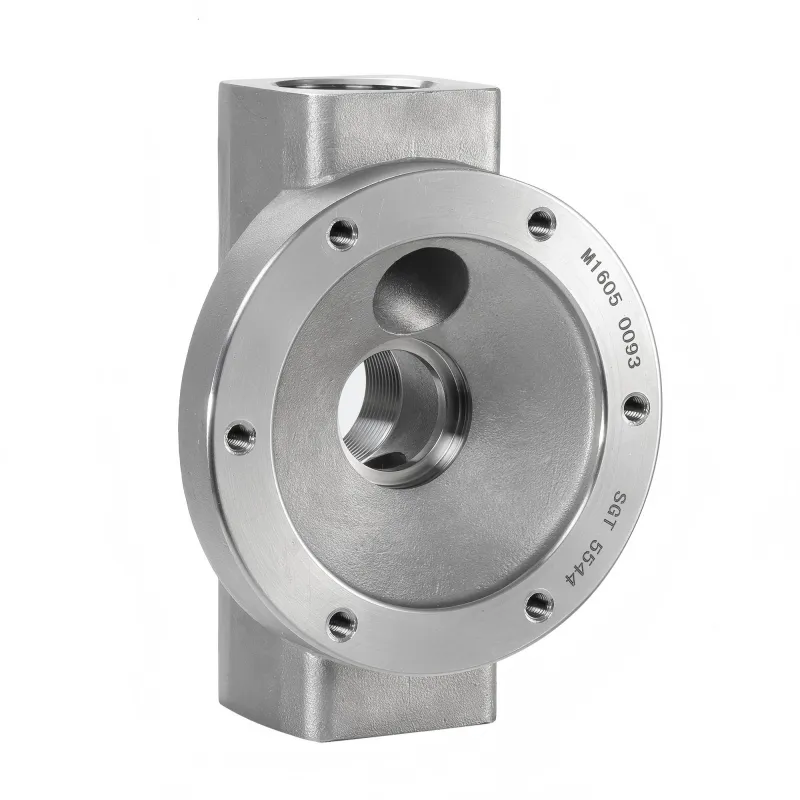
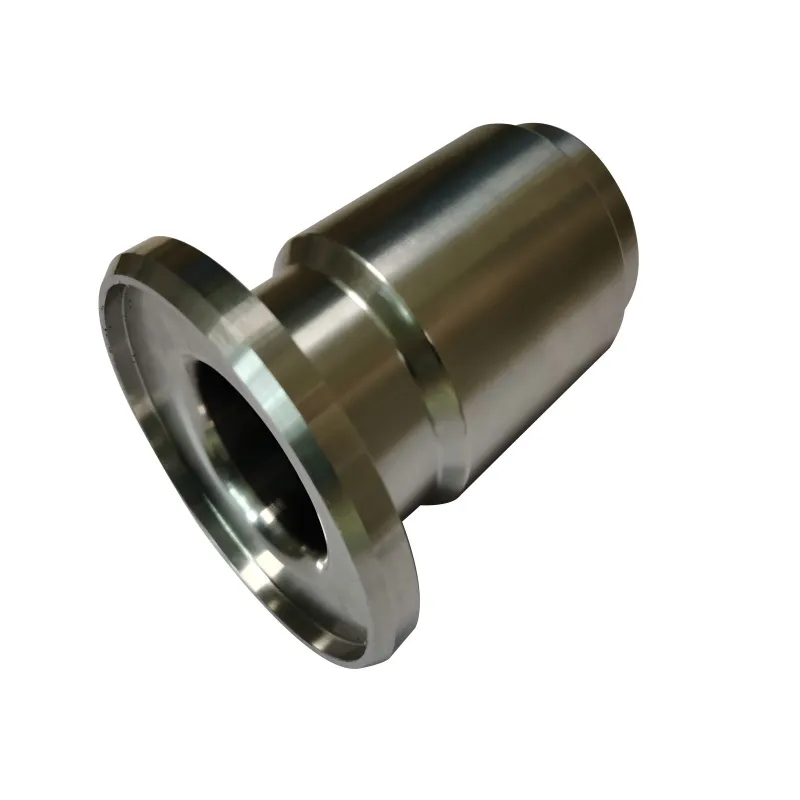
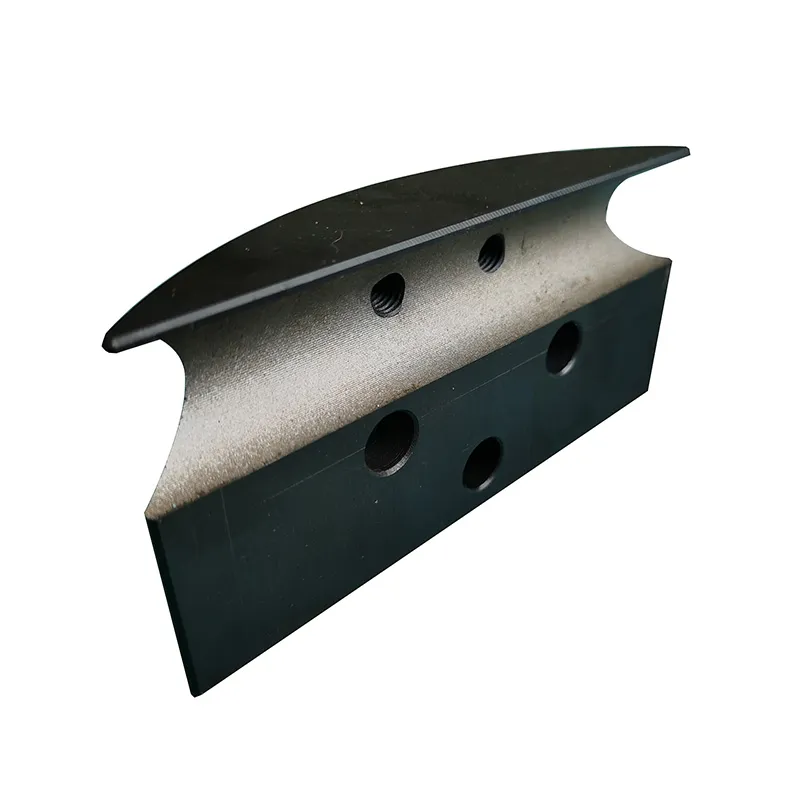
When most people hear 'shell molding cast iron parts,' they picture a smooth, near-net-shape casting, maybe a valve body or a pump housing, and think the job's mostly done. That's the first trap. The reality is, the shell process, with its resin-coated sand, gives you that dimensional stability and fine finish, but with cast iron—especially grades like ductile iron or compacted graphite—it's the marriage of the mold and the metallurgy that really dictates if the part holds up. I've seen too many projects stumble because they focused solely on the mold's precision and forgot that iron is a living material during cooling. The shell doesn't breathe like a green sand mold; it's rigid. That constraint is a double-edged sword.
The Shell Process: Not Just a Pretty Mold
Let's get into the grit. The shell mold itself is beautiful from a patternmaker's perspective. You get these thin, rigid halves that clamp together with minimal flash. For complex geometries with undercuts? It's often more economical than trying to achieve the same in green sand. But here's the nuance everyone glosses over: the thermal properties. That resin-sand shell has a different cooling rate than the iron poured into it. With gray iron, you're managing the graphite flake formation; too fast a cooling in a critical section can promote chilling, making a section brittle where you need it to be machinable. I recall a batch of gear blanks we did—the teeth profiles were perfect from the mold, but the machining shop complained about tool wear. Turned out, the chilling at the root of the teeth, caused by the shell's rapid heat extraction in that thin area, had created a hard, carbidic layer. The mold was perfect, the material spec was right, but the interaction between them created a problem.
This is where a foundry's experience shows. A company like Qingdao Qiangsenyuan Technology Co., Ltd. (QSY), with their decades in the game, would have run into this. You can find their approach to such challenges on their portal at https://www.tsingtaocnc.com. It's not about having a magic formula; it's about having the historical data to tweak the shell sand composition or the pre-heat temperature of the mold to modulate that cooling. Sometimes, it's a counter-intuitive move, like using a slightly thicker shell to slow down the initial cooling rate in specific zones.
And weight. There's a common belief that shell molding is only for smaller parts. It's true it excels there, but I've seen it used successfully for cast iron parts up to the 50-60 kg range. The limitation isn't usually weight, but the pattern cost and the pour logistics. For a high-volume run of a complex engine bracket, the pattern cost gets amortized quickly. For a one-off? Forget it. You're better off with no-bake or even machined from solid. The economics dictate the process as much as the engineering does.
Material Choices: Why Iron and Why It's Tricky
We talk about shell mold casting in a generic sense, but the material choice changes everything. QSY's listed materials—cast iron, steel, stainless, special alloys—each sing a different tune with the shell process. Cast iron, particularly ductile (SG iron), is a favorite for a reason. Its fluidity is excellent, it fills those intricate shell cavities beautifully, and the shrinkage is manageable. But the nodulizing treatment (adding magnesium) is a time-sensitive operation. You have a window to get that treated iron from the ladle into the mold before fade happens. The shell molding line needs to be synchronized with the furnace tap. A delay of a minute can mean the difference between spherical graphite and degenerate forms, killing the ductility.
Gray iron is more forgiving on that front, but then you're battling the expansion from graphite precipitation during solidification. The rigid shell mold can actually help resist that expansion, leading to denser, stronger castings with less risk of shrinkage porosity compared to a yielding green sand mold. But again, it's a balance. Too much restraint can lead to hot tearing. It's a parameter dance: iron chemistry, pouring temperature, mold temperature.
I remember a project for hydraulic valve bodies in Grade 300 gray iron. The prototype from a quick-turnaround shop looked great, but they failed pressure testing. Porosity. The issue was traced back to the pouring temperature being too low for the shell thickness they used. The iron started to freeze before it properly fed the last sections to solidify. We upped the superheat and added small, strategic chill ribs on the pattern (which become pockets in the mold) to direct solidification. Solved it. It's these minute adjustments that separate a usable casting from a reliable component. This kind of problem-solving is the core of what a long-standing specialist offers, as hinted in the operational history of a firm like QSY, which has navigated these material-process dialogues for over 30 years.
Precision is a Journey, Not a Given
'Precision casting' is a term thrown around loosely. With shell molding, the precision comes from the mold, but the final dimensions are a result of the iron shrinking onto that mold cavity. The pattern equipment is critical. It has to account for the shrinkage of the iron (which differs between gray and ductile) and the fact that the shell itself expands slightly when heated. A good patternmaker builds in a contraction rule that's specific to the material and the process. It's not a textbook number; it's derived from experience.
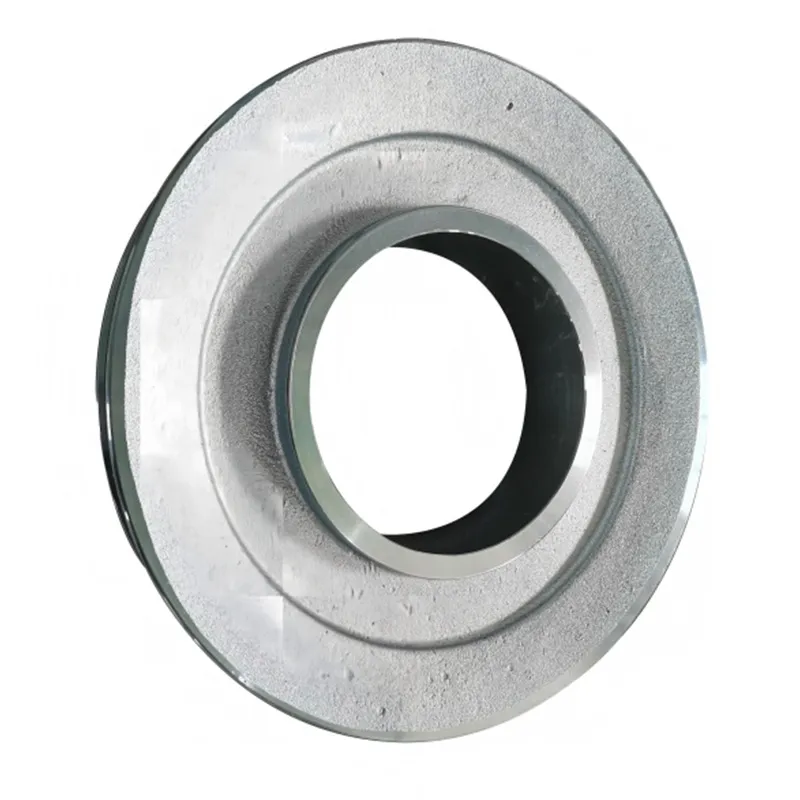
Then there's post-casting movement. Stress relief. A complex, thin-walled shell molding cast iron part can come out of the shakeout with locked-in stresses. If you just send it straight to CNC machining, it can move as you cut material away, ruining tolerances. A proper stress-relief anneal before any heavy machining is non-negotiable for critical components. I learned this the hard way early on with a flanged housing. We machined the bore and the face, everything to print. After a week in storage, the flatness on the flange was out of spec. It had relaxed. Now, we build in that thermal cycle for anything that looks even slightly stress-prone.
This integrates directly with the full-service model. A company that offers both casting and in-house CNC machining, like the services outlined for QSY, has a major advantage. They control the entire sequence from solidification to finished part. They know exactly how their castings behave under a tool and can adjust the process upstream—maybe a slight change in fillet radius on the pattern—to make the downstream machining more stable. It's a closed-loop system you don't get when casting and machining are split between vendors who blame each other for deviations.
When It Goes Wrong: Learning from Scrap
No discussion is honest without talking about failure. Shell molding feels robust until it isn't. One classic failure mode is 'shell cracking' during pouring. You get a beautiful mold, but if the gating system isn't designed right—if the iron hits a thin section of the shell too directly or too hot—it can crack the mold, leading to run-outs or fins. More insidious is 'metal penetration.' The iron, under the pressure of the metallostatic head, can infiltrate into the sand grains if the shell surface isn't sufficiently sintered. You end up with a rough, glass-paper-like surface that's unmachinable. The fix often lies in the sand mix: the grain size distribution, the resin content, and the curing time of the shell.
Another subtle one is gas defects. The shell mold is full of volatiles from the resin. If the venting isn't adequate (those tiny pins used to create vents in the pattern are crucial), or if the pour is too turbulent, gas gets trapped. It shows up as shiny, rounded pores just under the surface. You might not see it until you machine into it. We once had a whole batch of ductile iron levers with this issue. The root cause? A new batch of resin with a slightly different curing characteristic. The shells weren't quite as hard when they went to the pour line. The lesson was to have a rigorous incoming material check and a first-article shell hardness test.
These aren't theoretical problems. They're the daily realities of a foundry floor. The longevity of an operation suggests they've built systems to catch these issues early. The 30-year tenure mentioned for QSY isn't just a marketing line; it's a logbook of thousands of such corrections and process optimizations, likely embedded in their standard operating procedures now.
The Real-World Fit and The CNC Handoff
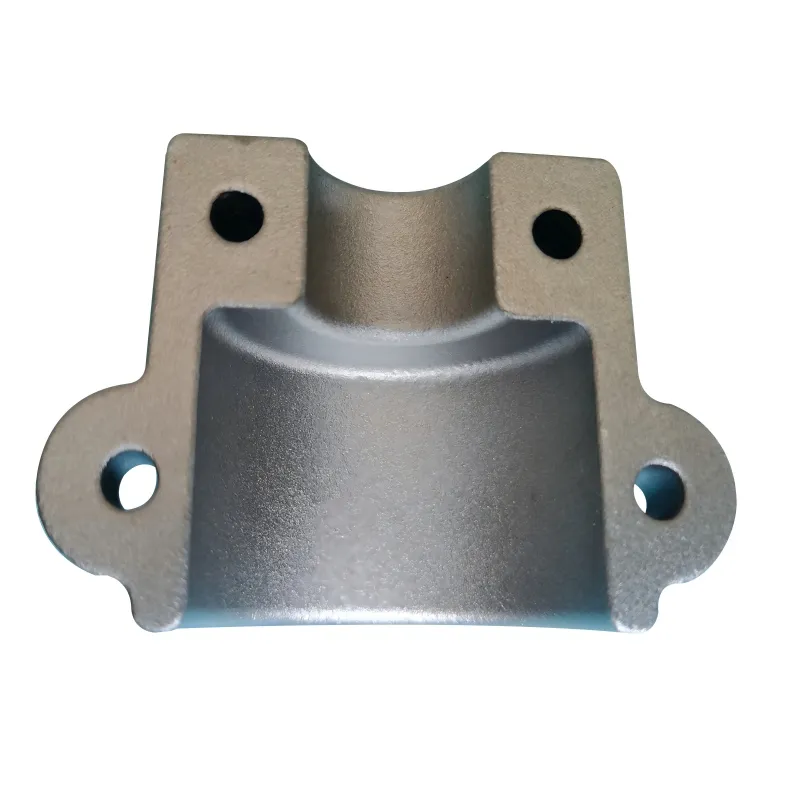
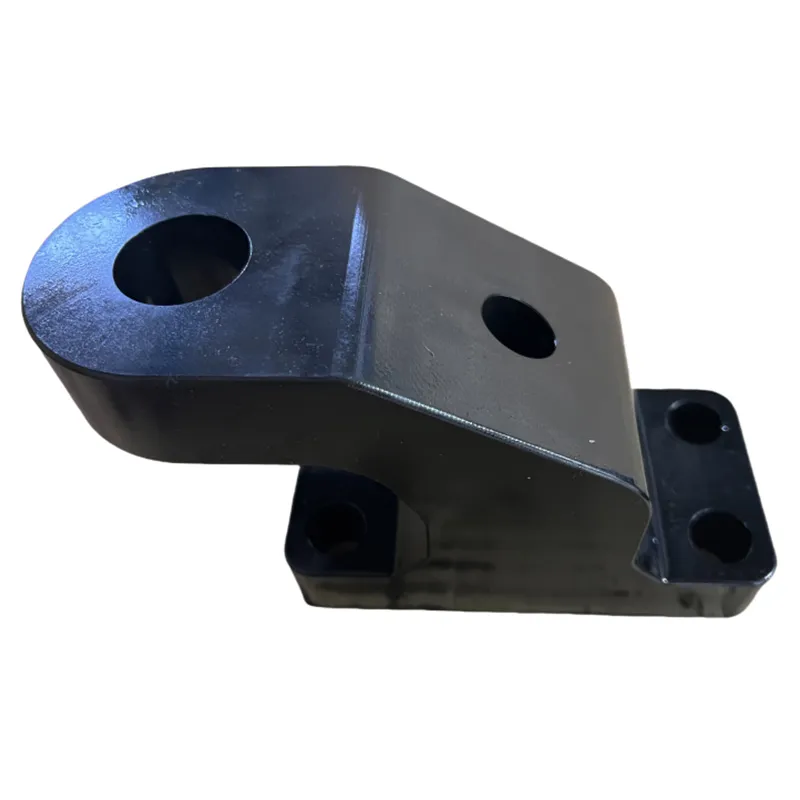
So where does shell molding cast iron truly shine? It's for parts that need that blend of complexity, decent volume, and as-cast dimensional accuracy. Think automotive turbo housings, hydraulic manifolds, certain pump casings, and high-end architectural hardware. The finish is good enough that for non-cosmetic surfaces, you might just need a light shot blast, saving on machining cost.
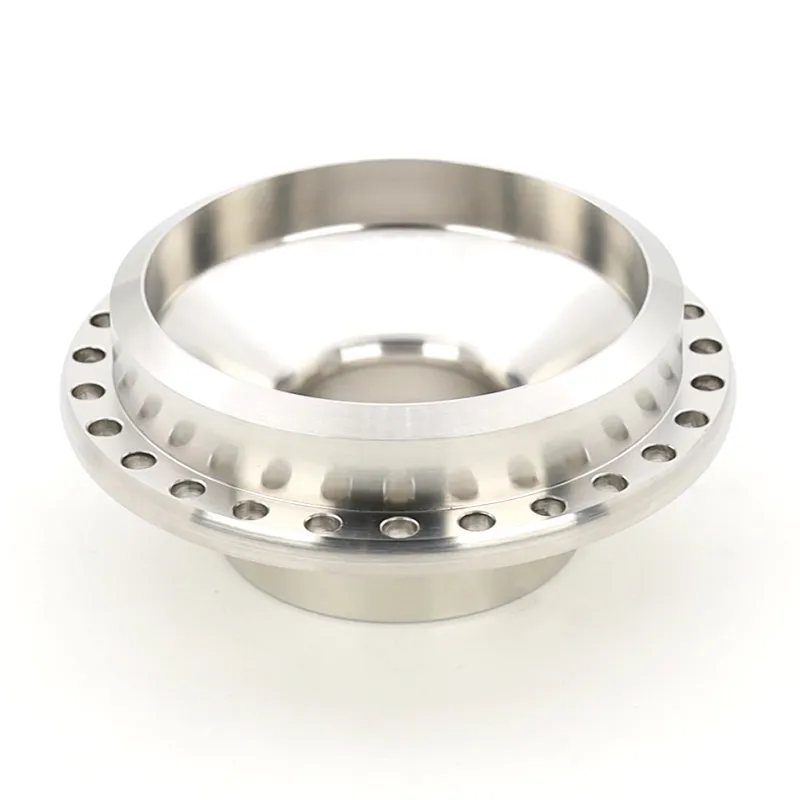
But let's be clear: it's almost always a pre-machining process. The true value is realized in the machining fixture. A well-made shell-molded casting should sit in a CNC vise or on a fixture with minimal wobble, with consistent wall thickness, and with datum surfaces that are reliably cast. This predictability is what machining shops pay for. It reduces their setup time and tool breakage risk. This is the synergy between casting and machining that a vertically integrated provider leverages. You can see this integrated capability framed as a core offering on tsingtaocnc.com, highlighting the journey from mold to finished component.
In the end, specifying shell molding for cast iron isn't just ticking a box on a drawing. It's choosing a specific path with specific pitfalls and advantages. It demands a supplier who understands the path not just as a mold-making exercise, but as a metallurgical event. The smooth surface is just the starting point; everything that happens from the pattern shop to the shakeout, and crucially, through the heat treatment and onto the CNC bed, defines whether that shiny casting becomes a reliable part or an expensive paperweight. The process has depth, and that depth is where the real engineering—and the real cost savings or overruns—happens.